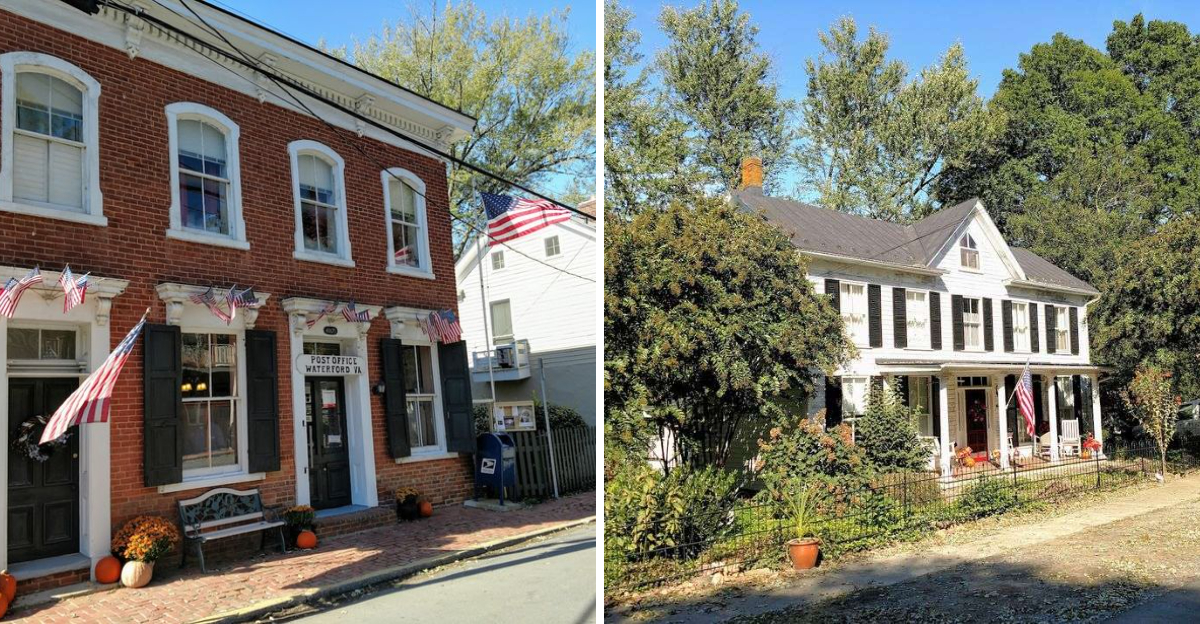
Can a town truly freeze time without feeling stuck? Some places in Virginia do just that, preserving centuries of stories while the rest of the world races ahead.
Tucked into western Loudoun County, one particular village stands as proof that slowing down isn’t the same as falling behind. Cobblestone streets, 18th-century homes, and a community that still values handshakes over hashtags make this spot feel like you’ve stepped through a portal.
Forty-seven miles northwest of Washington, D.C., this National Historic Landmark District thrives without traffic lights, chain stores, or the usual trappings of modern sprawl. Life here moves to the rhythm of footsteps on worn brick, church bells marking Sunday mornings, and neighbors who actually know your name.
If you’ve ever wondered what America looked like before everything became a strip mall, this is your answer. Pack your curiosity and leave your hurry at home, because this journey requires nothing but open eyes and a willingness to wander.
The Entire Village Is a National Historic Landmark
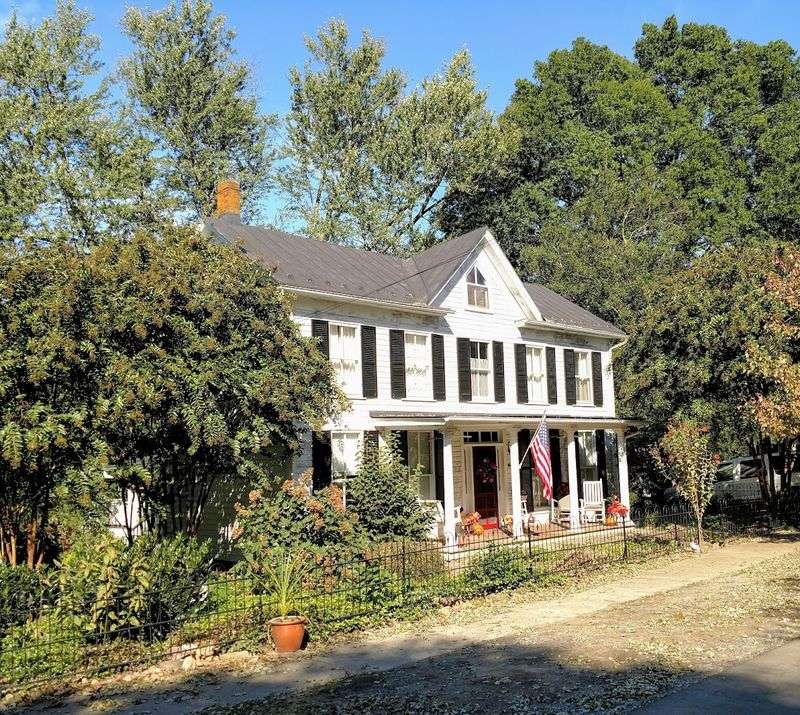
Not just a single building or monument, the whole village earned National Historic Landmark status, making it one of the best-preserved rural communities from the 1700s and 1800s. Walking these streets feels like flipping through a living history book where every structure has a tale to tell.
More than forty buildings date back to before the Civil War, and locals have kept them remarkably intact. Stone houses with thick walls, wooden barns that still lean just right, and iron fences that have weathered two centuries stand as testaments to craftsmanship that modern construction rarely matches.
Preservation here isn’t about museums or ropes keeping you at a distance.
Families still live in these homes, children play in yards that have seen generations grow, and the community works hard to maintain authenticity without turning the place into a theme park. Virginia takes pride in its history, and this village represents that commitment beautifully.
You won’t find plaques on every corner or guided tours every hour, just genuine architecture and the quiet satisfaction of a place that honors its roots. The village proves that preservation and everyday life can coexist without compromise, offering visitors a rare glimpse into how Americans lived centuries ago.
No Traffic Lights or Chain Stores Interrupt the View
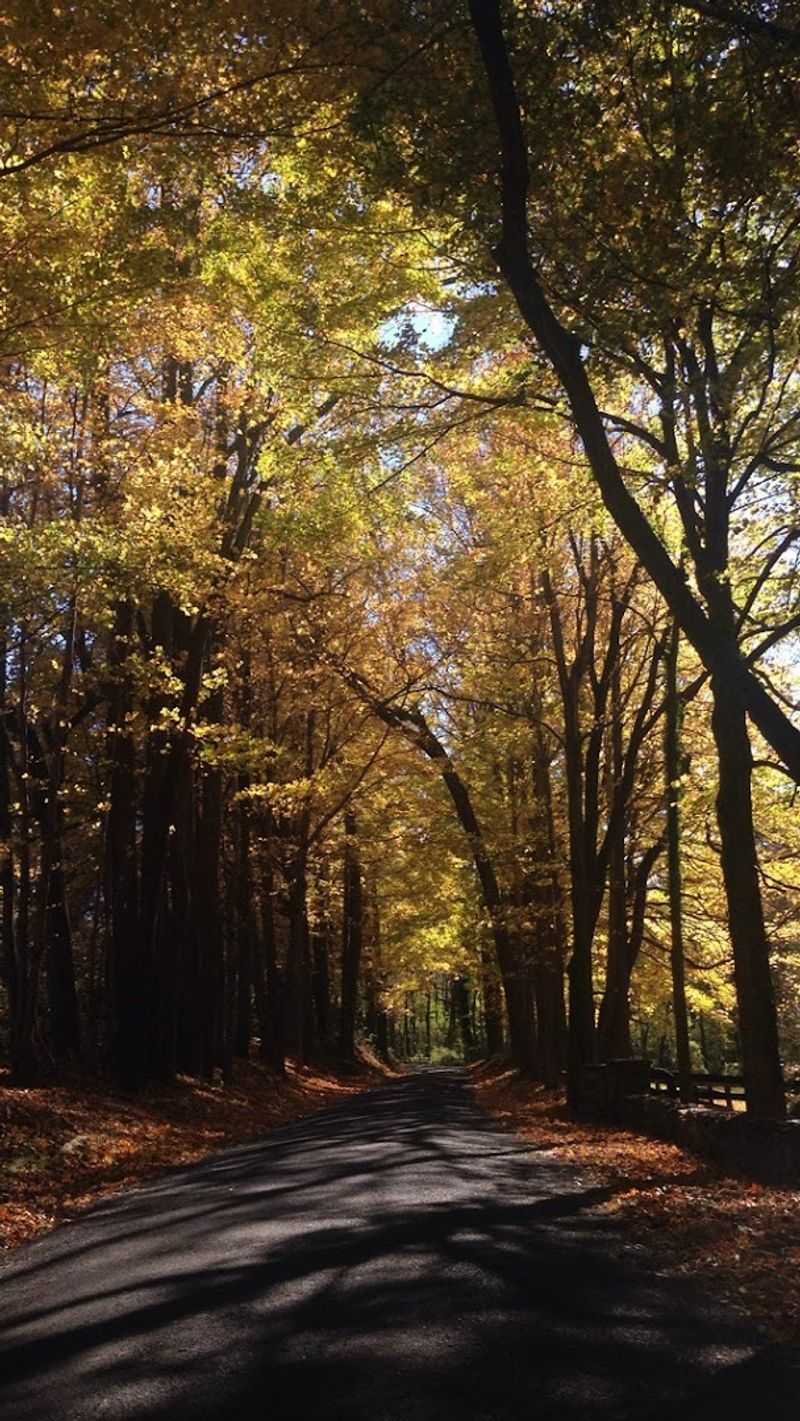
Modern convenience hasn’t bulldozed its way into this corner of Loudoun County. Zero traffic lights blink overhead, no fast-food joints flash neon signs, and you won’t spot a single chain store cluttering the landscape.
What you will find is refreshing simplicity that lets the village’s character shine through unfiltered.
This intentional absence of commercial sprawl keeps the atmosphere peaceful and authentic. Streets meander rather than grid, encouraging exploration instead of efficiency.
Buildings maintain their original purposes or adapt thoughtfully, with small businesses operating from historic structures rather than generic storefronts. The lack of corporate presence means local artisans, craftspeople, and entrepreneurs shape the village’s identity.
Visitors often comment on how the absence of visual noise makes everything feel more vivid. Colors seem brighter, sounds clearer, and details more noticeable when your eyes aren’t competing with advertising and signage.
Virginia’s countryside offers plenty of scenic drives, but few places commit so completely to maintaining their original character. This dedication creates an environment where stress melts away naturally, replaced by curiosity and calm.
The village reminds us that progress doesn’t always mean addition, sometimes it means knowing what to leave out and having the courage to protect what matters most.
Cobblestone Streets Lead You Through Centuries
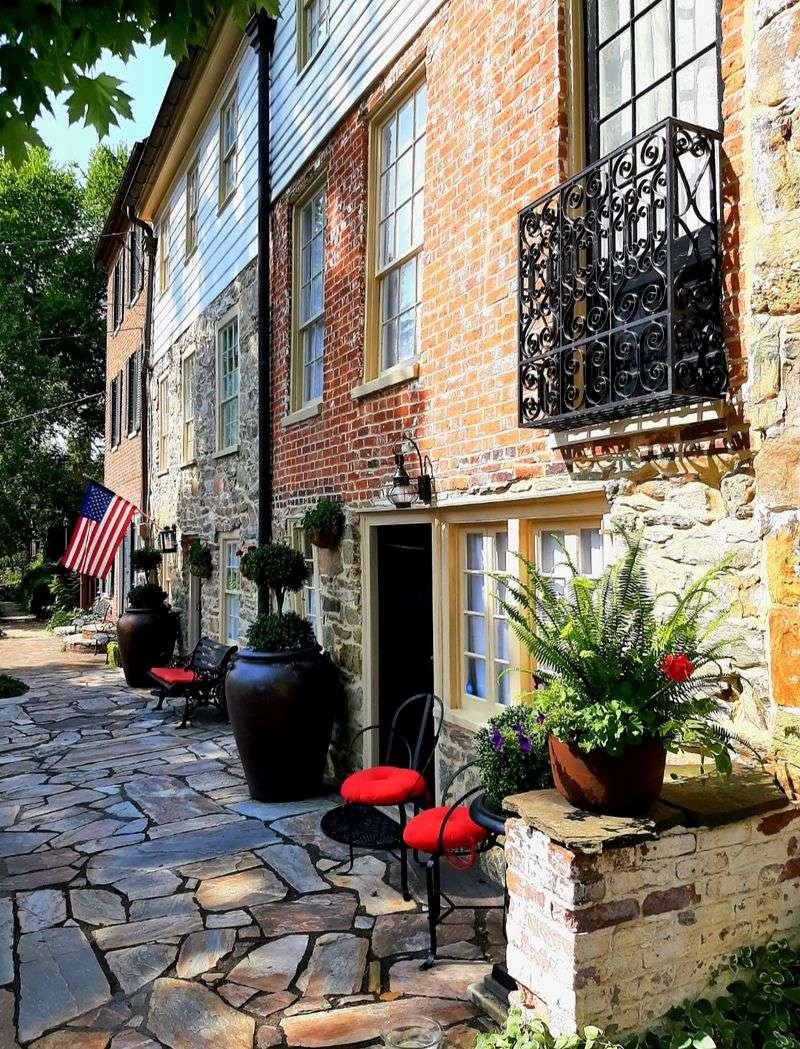
Your footsteps echo differently on stones laid by hand generations ago. These aren’t decorative accents or recently installed charm, they’re the real deal, original cobblestones that have supported wagon wheels, horse hooves, and countless journeys over hundreds of years.
Each uneven surface tells stories of the hands that placed them and the lives that passed over them.
Walking these paths requires attention, which turns out to be part of their magic. You slow down naturally, watching your step, noticing details you’d miss on smooth pavement.
The irregular patterns create visual interest, and the slight wobble underfoot connects you physically to history in a way photographs never could. Rain makes the stones glisten beautifully, and morning light catches their varied textures just right.
Modern roads prioritize speed and efficiency, but these cobblestones prioritize experience and durability. They’ve outlasted countless asphalt repavings elsewhere and will likely continue serving long after we’re gone.
Virginia’s historic sites often feature period details, but few offer such tangible, walkable connections to the past. The stones ground you literally and figuratively, reminding you that good work lasts and that the journey matters as much as the destination when you take time to feel it beneath your feet.
18th-Century Homes Still House Families Today
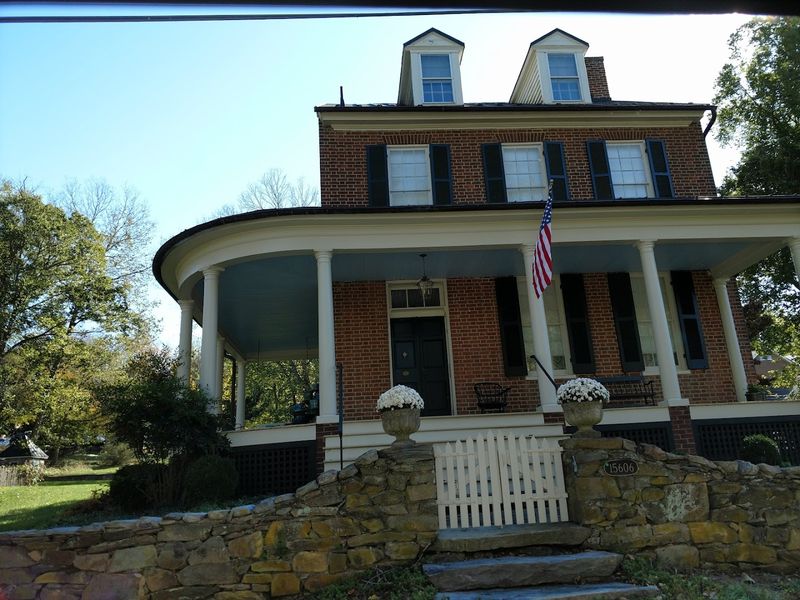
Imagine tucking your kids into bed in rooms where children slept during the Revolutionary War. That’s everyday reality here, where families maintain homes built before America became independent.
These aren’t museum pieces cordoned off behind velvet ropes, they’re living spaces with modern plumbing, electricity, and Wi-Fi threading through walls that witnessed the birth of a nation.
Thick stone construction keeps homes naturally cool in summer and surprisingly warm in winter, proving colonial builders understood passive climate control long before the term existed. Original fireplaces still function, wide-plank floors still creak in familiar spots, and hand-hewn beams overhead show tool marks from craftsmen whose names we’ll never know.
Owners balance preservation with practicality, updating kitchens and bathrooms while respecting architectural integrity.
Living in such spaces requires commitment and care, but residents speak passionately about the privilege of stewardship. They’re temporary caretakers of structures that will outlive them, links in a chain connecting past to future.
The village demonstrates that historic preservation doesn’t mean freezing places in amber, it means allowing them to evolve thoughtfully while honoring what makes them special. These homes prove that old and functional aren’t opposites, they’re partners in creating spaces rich with meaning and memory.
The Annual Homes Tour Reveals Hidden Interiors
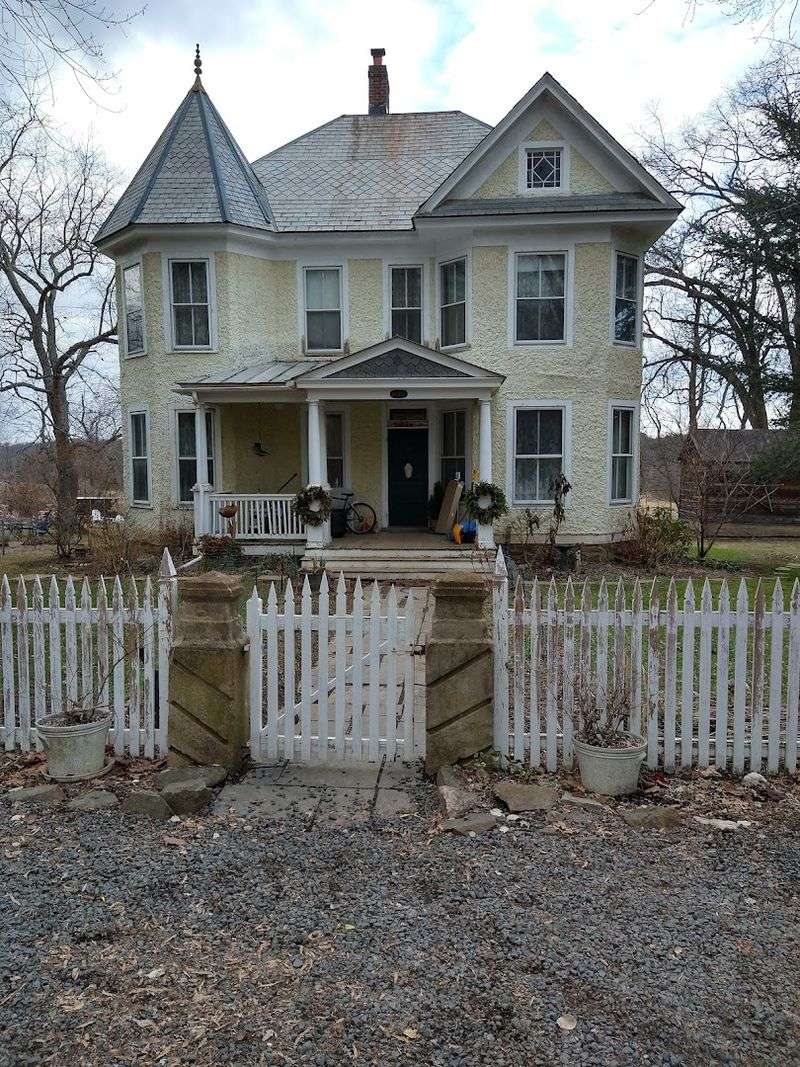
Once a year, private homes open their doors to curious visitors, offering rare glimpses inside spaces normally hidden from public view. This beloved tradition lets you see how families blend contemporary life with centuries-old architecture, revealing creative solutions and inspiring restoration choices that respect history while embracing comfort.
Room by room, you discover how original features like cooking fireplaces, hand-forged hardware, and irregular window glass coexist with modern necessities. Some homeowners showcase period-appropriate furnishings, while others mix eras beautifully, proving that respecting history doesn’t require living like a reenactor.
Guides share stories about their homes, explaining restoration challenges, surprising discoveries during renovations, and the joys and quirks of old-house ownership.
The tour attracts architecture enthusiasts, history buffs, and anyone curious about how preservation works in practice. You’ll leave with ideas for your own space and deeper appreciation for the dedication required to maintain these treasures.
Virginia offers numerous historic home tours, but this one stands out for its intimacy and authenticity. The village’s small scale means you can visit multiple properties without feeling rushed, and the genuine hospitality makes you feel like a welcomed guest rather than a ticket holder.
It’s education wrapped in inspiration, proof that caring for the past enriches the present.
Quaker Heritage Shaped the Community’s Character
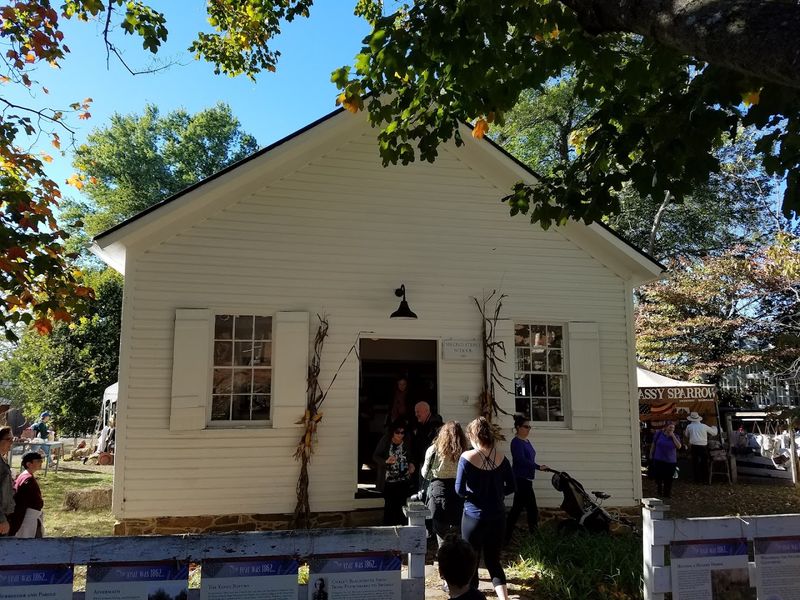
Religious beliefs profoundly influenced how this community developed, with Quaker settlers establishing a culture of simplicity, equality, and peaceful coexistence that still resonates today. Their commitment to plain living and honest dealing created a foundation that shaped everything from architecture to social structures, leaving lasting marks on the village’s identity.
Quaker opposition to slavery made this area unusual in Virginia, creating a community where free Black families lived and worked alongside white neighbors decades before the Civil War. This progressive stance attracted like-minded settlers and fostered an atmosphere of tolerance rare in its time.
The meetinghouse still stands as a reminder of these values, its simple lines reflecting the faith’s emphasis on substance over show.
Understanding this heritage helps explain why the village feels different from other historic communities. There’s less ostentation, fewer grand mansions, and more focus on functional beauty and communal wellbeing.
Buildings serve purposes rather than announce wealth, and the overall atmosphere emphasizes quiet dignity over flashy display. This Quaker influence created a template for sustainable, thoughtful community development that modern planners might envy.
The legacy isn’t just architectural, it’s philosophical, woven into how residents approach preservation, neighbor relations, and the balance between individual rights and collective responsibility that keeps communities thriving across generations.
Working Artisans Keep Traditional Crafts Alive
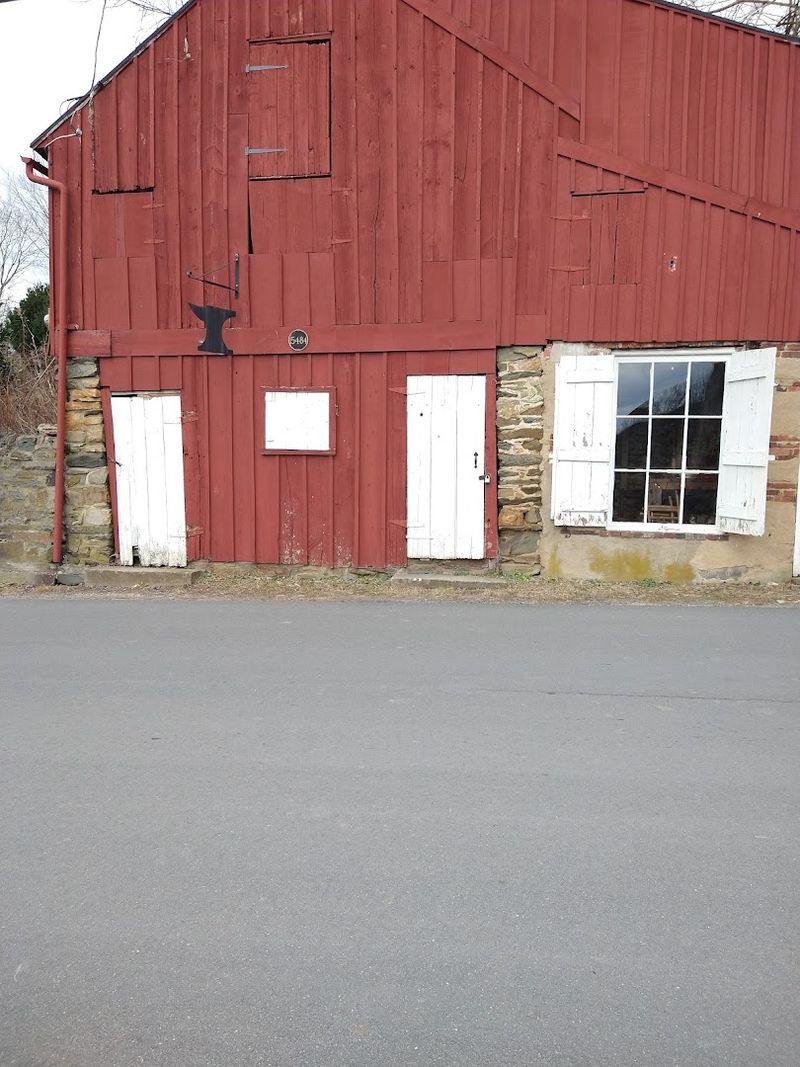
Pottery wheels spin, hammers ring on anvils, and looms clack rhythmically as skilled hands practice trades that powered the economy when this village was young. Modern artisans have chosen to master techniques their great-great-grandparents would recognize, creating functional beauty using methods that predate industrial manufacturing by centuries.
These aren’t hobbyists playing dress-up, they’re serious craftspeople earning livelihoods through skill and dedication. Blacksmiths forge custom ironwork for historic restoration projects and contemporary clients who value handmade quality.
Potters throw functional stoneware using local clay, continuing traditions that supplied households before plastic existed. Weavers create textiles on wooden looms, producing work that connects directly to the village’s textile mill heritage.
Watching these artisans work is mesmerizing and educational. They’re happy to explain their processes, share history, and discuss how old techniques solve problems that modern methods sometimes can’t.
Their presence adds vitality to preservation efforts, proving that traditional skills remain relevant and valuable. Virginia supports numerous craft traditions, but seeing them practiced in authentic historic settings amplifies their significance.
These artisans are living links to the past, keeping knowledge alive through practice rather than just documentation. Their workshops welcome visitors interested in learning, purchasing unique pieces, or simply appreciating the beauty of work done with care, skill, and respect for materials and tradition.
The Mill Complex Tells Industrial History
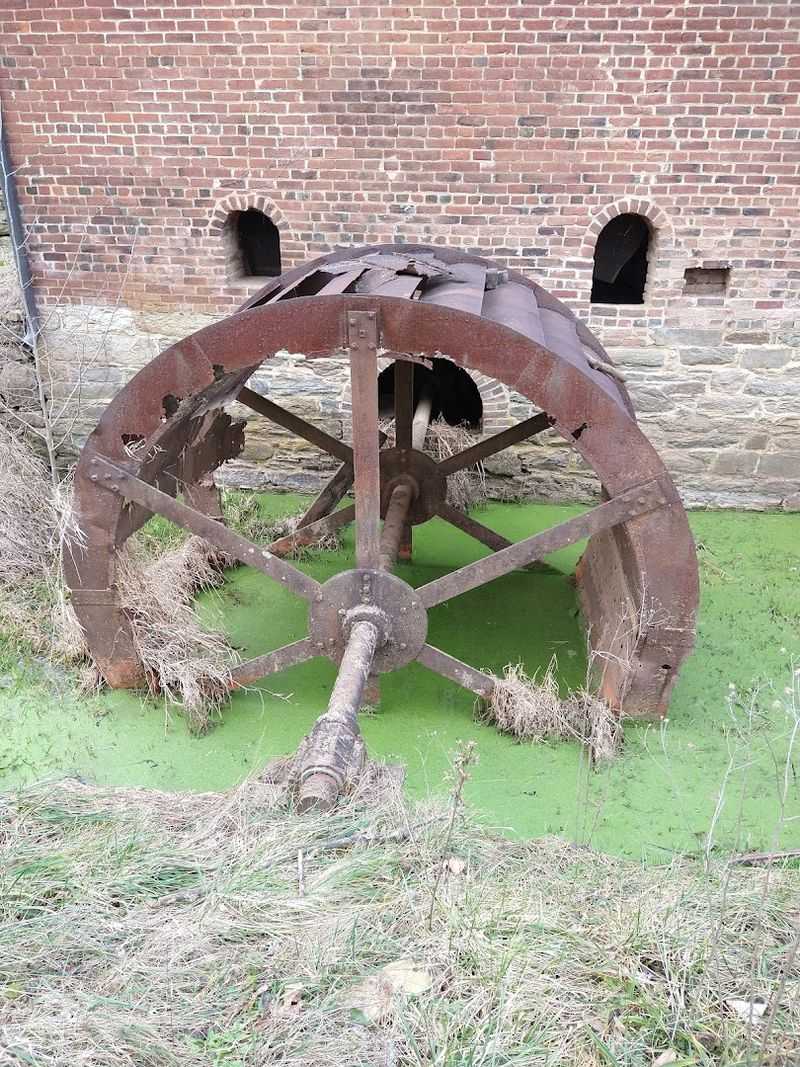
Water once powered this village’s economy, turning massive mill wheels that ground grain and processed wool into cloth. The mill complex stands as testament to early American industry, showing how rural communities created sophisticated production systems long before electricity or steam engines transformed manufacturing.
These buildings housed the technology that made self-sufficient communities possible.
Stone walls several feet thick kept machinery dry and secure while channeling water’s power through carefully engineered races and wheels. You can still trace the water’s path, seeing how builders harnessed natural forces with nothing but observation, mathematics, and skilled stonework.
The scale impresses, as does the ingenuity required to maintain consistent power from variable water flow across seasons.
Mills served as economic and social hubs where farmers brought grain, news got exchanged, and community connections strengthened. Understanding their role helps explain village layout and why certain buildings sit where they do.
Virginia’s industrial heritage often focuses on later developments, but these earlier enterprises laid groundwork for everything that followed. The complex offers tangible evidence of American ingenuity and the work ethic that built a nation from wilderness.
Preservation efforts here protect not just buildings but the story of how communities created prosperity through collaboration, innovation, and respect for natural resources that sustained rather than depleted their environment.
Seasonal Changes Paint the Village Differently
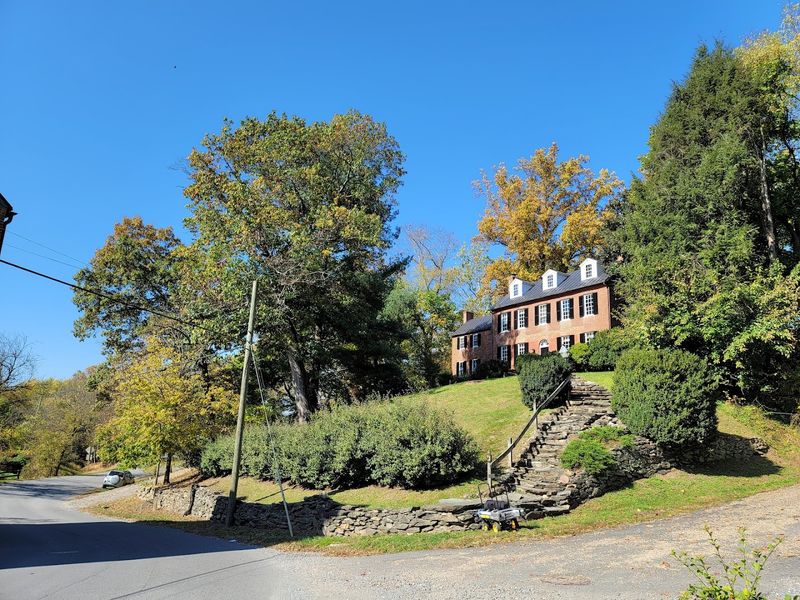
Spring arrives with explosions of dogwood and redbud blossoms framing stone houses in pink and white clouds. Summer drapes everything in deep green, with gardens overflowing and long evenings perfect for wandering quiet streets.
Autumn sets the surrounding hills ablaze with color that rivals anything Vermont offers, and winter strips away foliage to reveal architectural bones in stark, beautiful clarity.
Each season transforms the village’s personality completely. Spring feels hopeful and fresh, summer lazy and abundant, autumn nostalgic and rich, winter contemplative and honest.
Photographers and painters return repeatedly, chasing different lights and moods that change not just monthly but hourly as sun angles shift and weather patterns move through. The village serves as a natural calendar, marking time through blooms, harvests, and bare branches rather than digital displays.
Locals have favorite seasons, though most admit each offers something irreplaceable. Visitors benefit from this variety, finding new reasons to return and different experiences awaiting each trip.
Virginia’s seasons are distinct without being harsh, offering comfortable exploration year-round. The village’s rural setting amplifies seasonal changes that urban areas mute, reconnecting you with natural rhythms easily forgotten in climate-controlled environments.
Watching seasons turn in a place this old reminds you that change and continuity aren’t opposites, they’re partners in the dance that makes life rich and meaningful across all the years we’re given.
Community Events Foster Genuine Connections
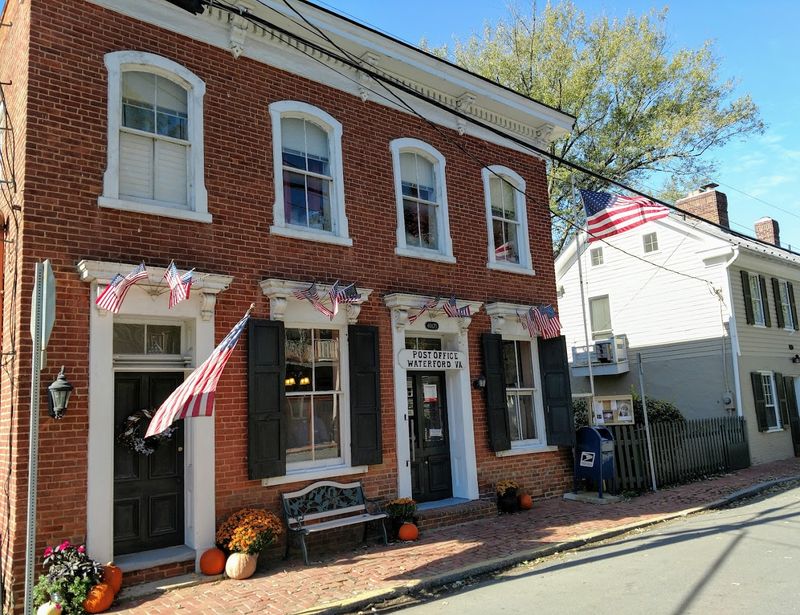
Annual celebrations bring neighbors together and welcome visitors into genuine community life rather than staged tourist performances. These gatherings feel authentic because they are, events that would happen whether outsiders attended or not, rooted in traditions that strengthen bonds and create shared memories across generations living in close proximity.
The famous fall fair showcases local crafts, traditional music, and demonstrations of historic skills, but it’s really about community coming together to celebrate another year of stewardship and shared life. Smaller events throughout the year mark seasons, support local causes, and provide excuses for neighbors to gather and visitors to experience real small-town hospitality.
You’re not watching from outside, you’re invited in, welcomed to participate rather than just observe.
This openness reflects the village’s character and the confidence that comes from knowing who you are. Residents don’t perform history, they live it, and they’re happy to share what makes their home special without turning it into a commodity.
The address is Waterford, Virginia, and if you visit during community events, you’ll understand why people fight so hard to preserve places like this. They’re not just protecting buildings, they’re protecting a way of life that values connection over convenience, quality over quantity, and the irreplaceable richness of knowing your neighbors and caring about your shared home across all the seasons life brings.
Dear Reader: This page may contain affiliate links which may earn a commission if you click through and make a purchase. Our independent journalism is not influenced by any advertiser or commercial initiative unless it is clearly marked as sponsored content. As travel products change, please be sure to reconfirm all details and stay up to date with current events to ensure a safe and successful trip.
