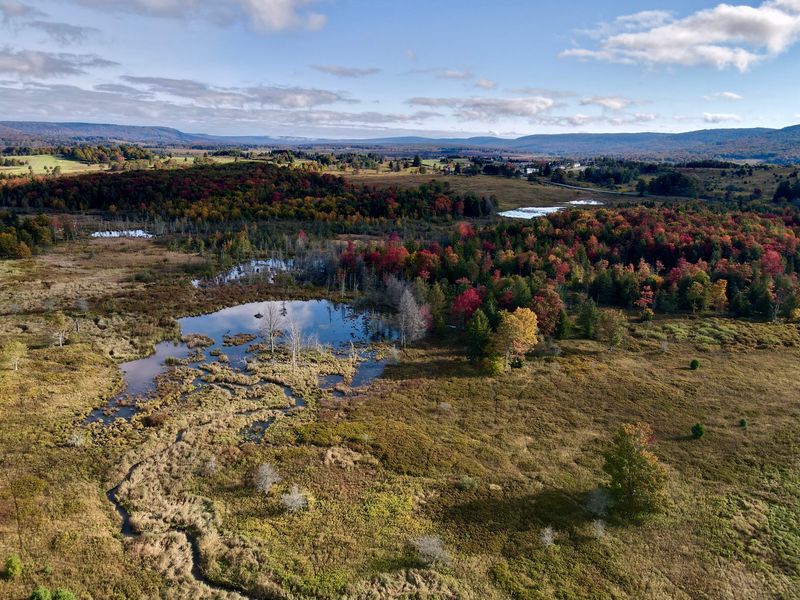
Thirty million gallons of diesel fuel. Not a typo.
That’s how much storage one company reportedly wants to build near a quiet mountain community in West Virginia, right beside a gas-fired power plant.
The plans don’t stop there. Reporting suggests the full complex could someday hold dozens of huge data center buildings, and some coverage has called it a possible contender for the largest in the world.
I love a good small-town underdog story, and this one hooked me fast. Neighbors who usually swap trail tips and ski reports started filling meeting rooms instead.
A new state law also limits what local leaders can do about projects like this, which raised the stakes even higher.
So how does a place known for waterfalls, fresh air, and starry skies end up in a fight over servers and smokestacks? And what could it mean for your next weekend getaway to the mountains?
1. Davis And Thomas
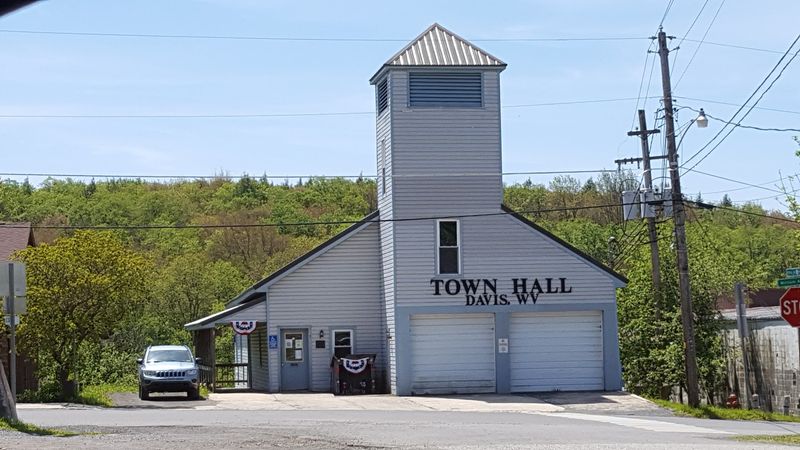
Two tiny towns, one big headache. Davis and Thomas sit only a few miles apart in Tucker County, high in the Allegheny Mountains.
Davis is often described as one of the highest incorporated towns east of the Mississippi. Thomas, its neighbor up the road, grew up as a coal and rail town and later found new life through art, music, and tourism.
Today, both places lean heavily on visitors. Hikers, skiers, mountain bikers, and leaf peepers help keep local shops and restaurants running through the year.
That’s what makes this story hit so close to home. The proposed data center complex would reportedly sit in the area between the two towns, near the head of Canaan Valley.
Davis has roughly 600 to 700 residents, depending on the count you use. So when a project this large shows up, it doesn’t feel like a distant headline to the people who live there.
You can understand why folks got protective quickly. For a lot of families here, the mountains are the paycheck, the backyard, and the reason they stayed.
Address: Davis, WV 26260
2. The Ridgeline Facility
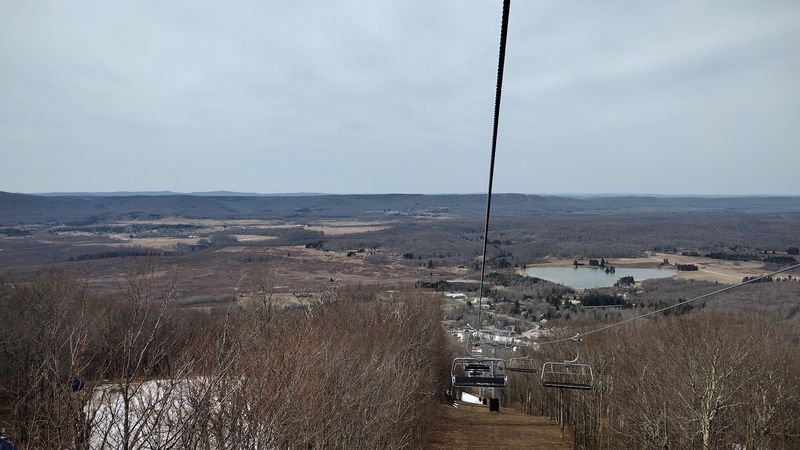
Behind the whole debate is a project with a name that sounds almost peaceful. The Ridgeline Facility is the data center proposal backed by a company called Fundamental Data.
Plans filed with state regulators describe more than server buildings. According to reporting from Mountain State Spotlight and West Virginia Public Broadcasting, the project includes an on-site natural gas power plant to feed the computers.
Data centers need enormous amounts of electricity. Instead of pulling only from the regular grid, this setup would reportedly generate much of its own power right on site.
The scale is where jaws tend to drop. Some coverage has said a fully built complex could stretch into neighboring Grant County and possibly rank among the largest data center campuses anywhere.
Of course, early plans can change, shrink, or stall. Still, the sheer size described in public filings and local reports is what pushed so many residents to start asking hard questions.
You don’t have to be a tech expert to see the concern. A small mountain area may be looking at an industrial footprint bigger than anything it has hosted before.
Address: Between Davis and Thomas, Tucker County, WV 26260
3. Thirty Million Gallons Of Diesel
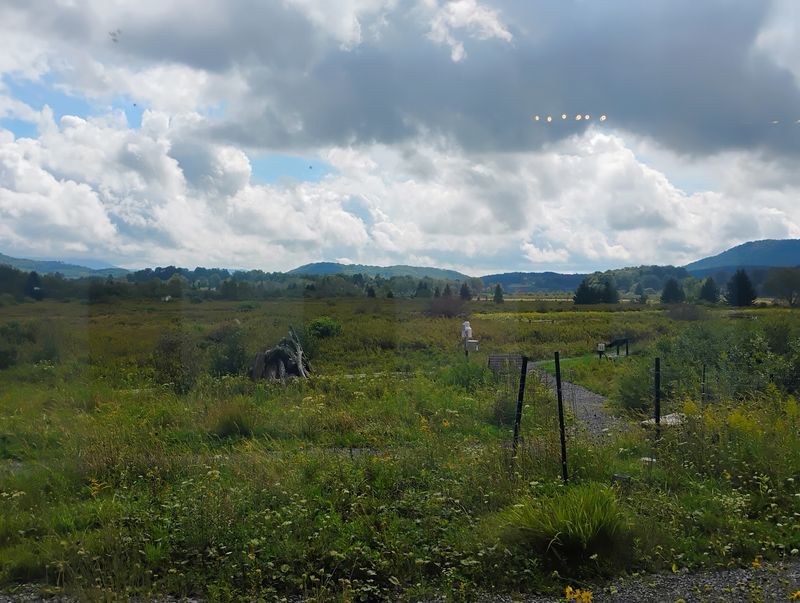
Here’s a number that stops conversations cold. Reports on the Ridgeline project say plans include storage for about 30 million gallons of diesel fuel.
Why so much? Data centers can’t afford to go dark, so they usually keep backup generators ready for outages.
Most facilities store far less, though. That’s why residents and reporters keep circling back to this figure when they talk about the proposal.
For perspective, an average backyard swimming pool holds somewhere around 20,000 gallons. You’d need well over a thousand of those pools to match the reported diesel storage.
Neighbors have raised questions about spills, runoff, and what happens if something goes wrong in rugged terrain. Tucker County is full of streams that feed into rivers people fish, paddle, and drink from.
Supporters of data center growth say modern safety rules exist for exactly these risks. Critics reply that rules only help if communities can see the details and have a say.
Either way, the number has become a rallying point. It’s hard to forget once you’ve heard it.
Address: Tucker County, WV 26260
4. House Bill 2014
A single piece of state legislation changed the rules of the game. House Bill 2014, passed by the West Virginia Legislature in 2025, was designed to attract data centers and microgrids to the state.
Supporters pitched it as a way to bring investment and jobs. The governor’s office promoted it as part of a broader push to make West Virginia a destination for tech companies.
The part that worries towns like Davis involves local control. Under the law, certified data center projects can reportedly be exempt from many county and city rules on things like zoning, noise, and lighting.
That means a town council may have limited power to shape what gets built nearby. For a community that has spent years protecting its views and quiet nights, that’s a tough pill.
Tax money is another sore spot. Reporting indicates much of the revenue from these projects would flow to the state rather than staying in the counties hosting them.
You can see why the bill became the backdrop for this whole fight. It’s the reason residents feel they have to speak up loudly and early.
Address: West Virginia State Capitol, 1900 Kanawha Blvd E, Charleston, WV 25305
5. Tucker United
Grassroots groups usually start with a few worried neighbors and a coffee pot. Tucker United grew out of that same spirit in Davis and Thomas.
The group formed to push back against the Ridgeline proposal and to share information with residents. Members have organized meetings, tracked permits, and encouraged people to submit comments to state agencies.
One early gathering in Davis reportedly drew more than 100 people. In a town of only a few hundred, that’s a remarkable share of the population showing up on one night.
What stands out is how ordinary the members are. Business owners, retirees, outdoor guides, and longtime families have all been part of the conversation, according to local coverage.
Their message stays fairly practical. They want to know what’s being built, how it will affect air and water, and why the town has so little say.
If you’ve ever lived somewhere small, you know how this works. Word travels fast, casseroles appear, and people who rarely agree on anything suddenly find common ground.
Address: Davis, WV 26260
6. A Packed Public Hearing
Most public hearings are about as thrilling as watching paint dry. This one was different.
When state regulators held a hearing on the project’s air permit, more than 300 people reportedly turned out. That’s a huge crowd for a mountain county where many residents live miles apart.
According to reporting on the event, speakers lined up to voice concerns. Coverage noted that no one spoke in favor of the facility that evening.
The comments covered a wide range. People asked about emissions, noise from turbines, nighttime lighting, water use, and the effect on tourism.
Plenty of speakers also talked about their own lives. Some described moving to Tucker County for clean air, while others spoke of family roots going back generations.
For you as a reader, the takeaway is pretty simple. Public hearings matter, and showing up can put a community’s concerns on the official record.
Whether the turnout changes the final outcome remains to be seen. Still, it sent a clear signal that this corner of the mountains wasn’t going to stay quiet.
Address: Tucker County, WV 26260
7. Blackwater Falls
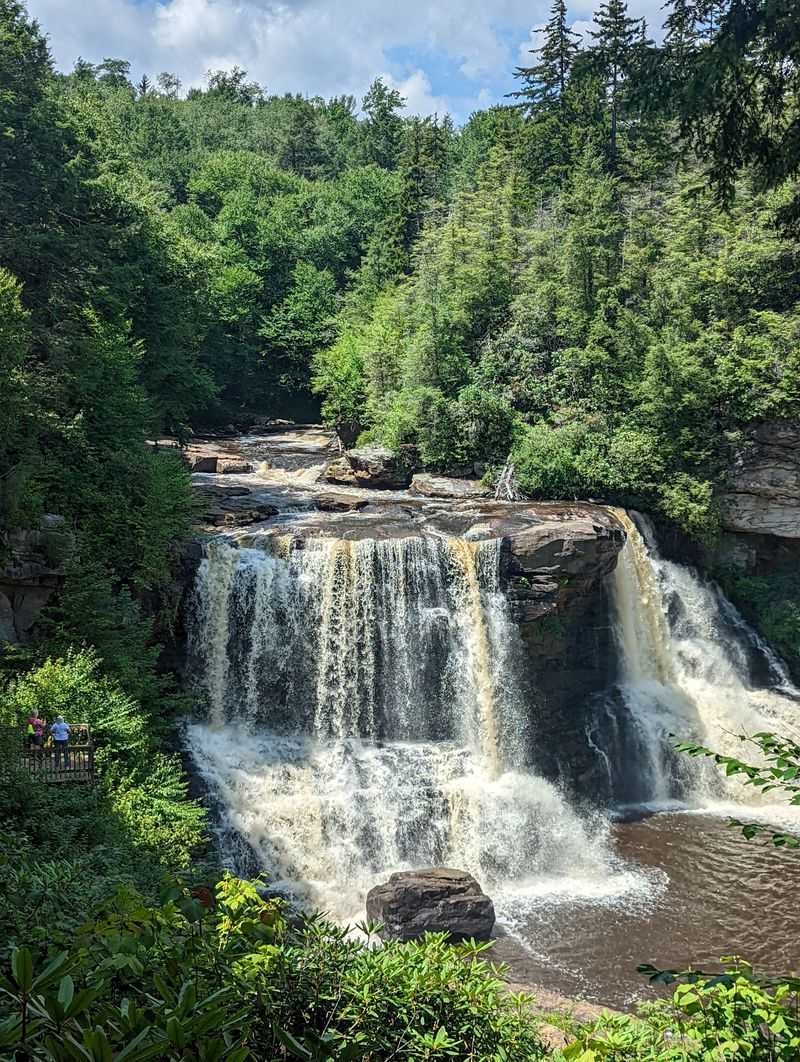
Amber water tumbling over a rocky ledge is one of the most photographed sights in the state. Blackwater Falls, inside Blackwater Falls State Park, sits just outside Davis.
The water gets its tea-colored tint from tannins in fallen hemlock and red spruce needles. That quirky color is a big part of what draws visitors to the overlooks.
The park also offers a lodge, cabins, camping, and hiking trails. In winter, a sled run gives families a reason to visit even when it’s cold.
So why does a waterfall belong in a data center story? Opponents argue that an industrial power plant near such a beloved park clashes with the outdoor experience people travel here for.
Tourism keeps a lot of local businesses afloat. Residents worry that haze, noise, or lights could make the area less appealing to the visitors who fill their cabins and cafes.
If you’ve been planning a trip, the falls are still open and well worth the visit. Just know the landscape you’re enjoying is at the center of a serious conversation.
Address: Blackwater Falls State Park, 1584 Blackwater Lodge Rd, Davis, WV 26260
8. Canaan Valley
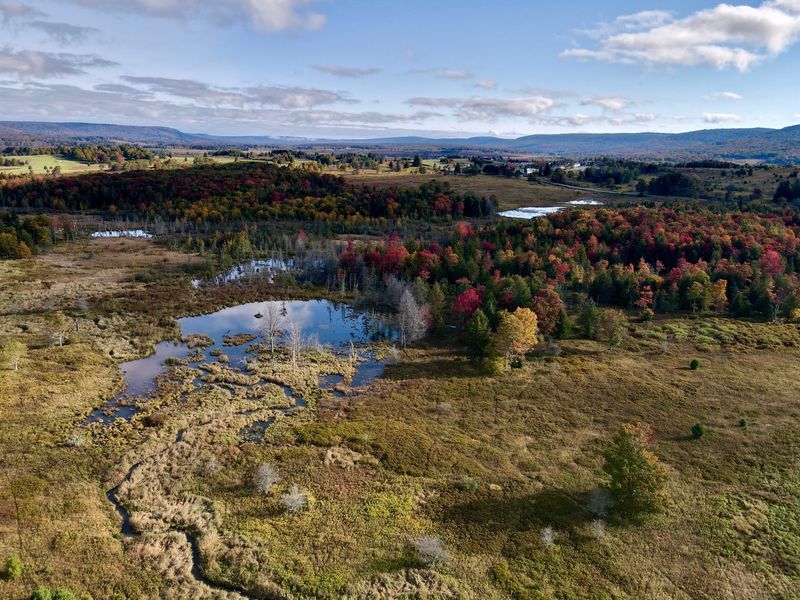
High, wide, and surprisingly chilly, Canaan Valley feels like a slice of Canada dropped into the Mountain State. It’s one of the highest valleys of its size east of the Rocky Mountains.
The valley holds Canaan Valley Resort State Park and the Canaan Valley National Wildlife Refuge. Wetlands, bogs, and meadows here support plants and birds you’d more often expect farther north.
Skiers flock to the resort in winter. Warmer months bring golfers, hikers, birders, and anyone looking to escape summer heat.
The proposed Ridgeline site reportedly sits near the head of this valley. That location is why environmental groups and residents have raised concerns about air quality and wildlife habitat.
Dark skies are another treasure people mention. Away from city lights, the stars here can be striking, and residents fear new industrial lighting could dim that view.
For parents planning a getaway, the valley still offers plenty to explore. It’s simply worth knowing why so many locals feel such a strong urge to protect it.
Address: Canaan Valley Resort State Park, 230 Main Lodge Rd, Davis, WV 26260
9. Redacted Permit Details
Blacked-out lines on a government form tend to make people curious. In this case, they made people frustrated.
According to Mountain State Spotlight, parts of the project’s air permit application were redacted as confidential business information. Details about the turbines and certain emissions figures were reportedly hidden from public view.
Companies often argue that equipment specs are trade secrets. Residents counter that they can’t judge a plant’s impact on their air if they can’t see the numbers.
Timing has been another sticking point. Critics say the state used emergency rules to carry out House Bill 2014, which reportedly shortened the usual public comment window.
For a small town without a big legal team, speed matters. Fewer days to comment means less time to read documents, ask experts, and organize neighbors.
Transparency has become one of Tucker United’s main requests. Many residents say they’d simply like a clear picture of what’s planned before construction starts.
It’s a fair point no matter where you live. Most of us would want the full story before something this big moves in next door.
Address: West Virginia Department of Environmental Protection, 601 57th St SE, Charleston, WV 25304
10. A Statewide Ripple
Tucker County isn’t alone in asking tough questions. Data center proposals have popped up in other parts of West Virginia, too.
Residents in Jefferson County, in the Eastern Panhandle, have voiced similar worries about having little say. Reporting has also mentioned proposals or interest in counties such as Putnam, Mason, Berkeley, and Mingo.
Groups like the West Virginia Data Center Accountability Project have formed to share information across county lines. Their focus centers on transparency and local input.
Electric bills have joined the conversation as well. Some residents worry that large energy users could put pressure on utility costs, especially for families on fixed incomes.
Supporters see a different future. They argue that data centers could bring investment and tax revenue to a state that has long relied on coal, gas, and timber.
Both sides care deeply about West Virginia’s next chapter. The debate in Davis and Thomas just happens to be one of the loudest examples so far.
If your hometown gets a similar proposal, you’ll know the playbook. Ask questions early, read the permits, and show up.
Address: Thomas, WV 26292
