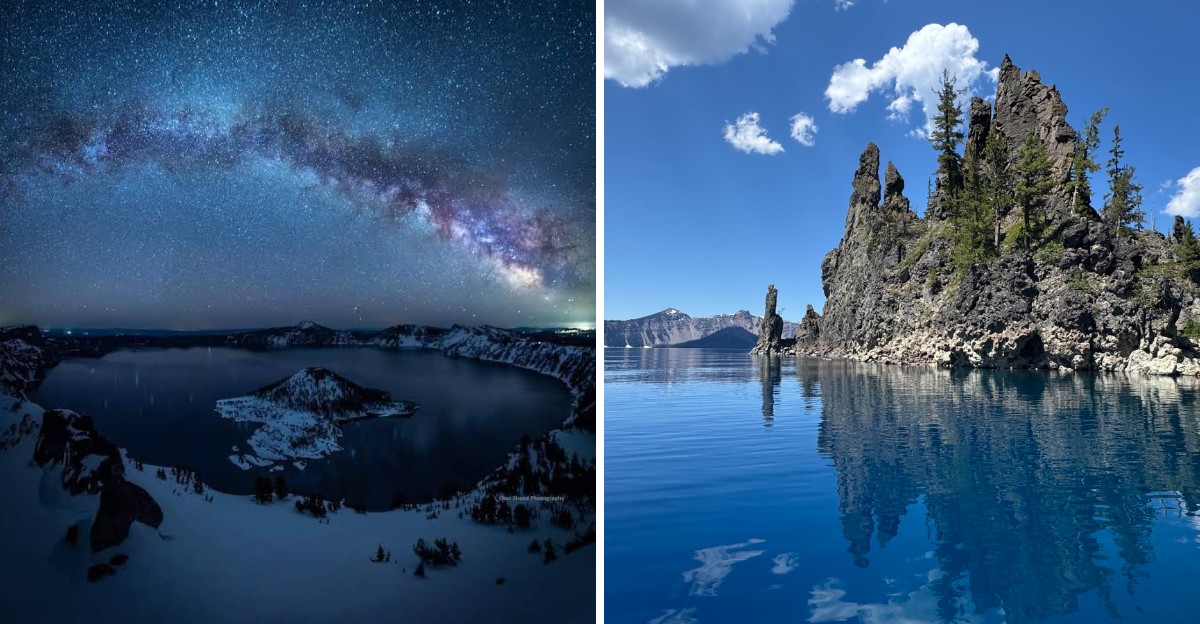
A lake sits inside the top of a collapsed volcano, and no river feeds it at all. Every drop came from rain and snow.
That simple recipe created water so clear and so blue it barely looks real. I’m particularly drawn to the fact that a single log has floated upright in it for over a century. It even has a name.
Oregon holds plenty of pretty water, but this one goes deeper than any other lake in the country. Its floor sits nearly 2,000 feet down. That’s taller than many city skyscrapers stacked end to end.
I find it easy to appreciate a place that tells its whole story through color and cliffs.
A Mountain Blew Its Top And Left Behind The Deepest Lake In America
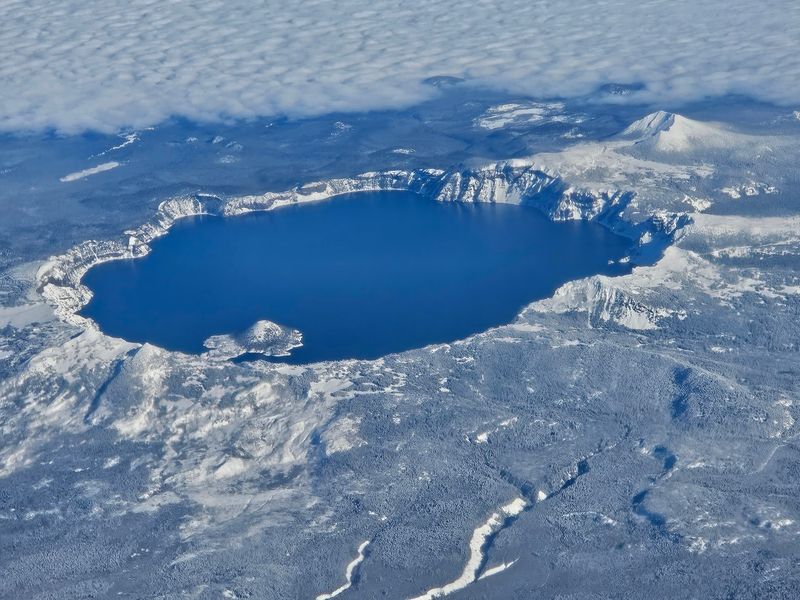
About 7,700 years ago, a 12,000-foot volcano called Mount Mazama erupted with enormous force. Then the whole peak collapsed into itself.
That collapse left a giant bowl, known as a caldera, roughly five to six miles across. Today it holds Crater Lake, the centerpiece of Crater Lake National Park.
The lake reaches a maximum depth of 1,943 feet. That makes it the deepest lake in the United States and the second deepest in North America. It also ranks among the deepest lakes on the entire planet.
Filling this bowl took serious patience. Scientists estimate rain and snow needed somewhere between 250 and 720 years to do the job. No hose, no shortcut, just centuries of weather.
The wild part is how calm it all looks now. You stand on the rim and see quiet blue water, not a former mountain. Knowing the backstory makes every viewpoint feel a little more dramatic.
Keep that history in mind as you explore southern Oregon. Each cliff and island here is a clue from the eruption. Once you start spotting them, the lake reads like a giant open-air geology book.
That Blue Is Real, And Snow Gets The Credit
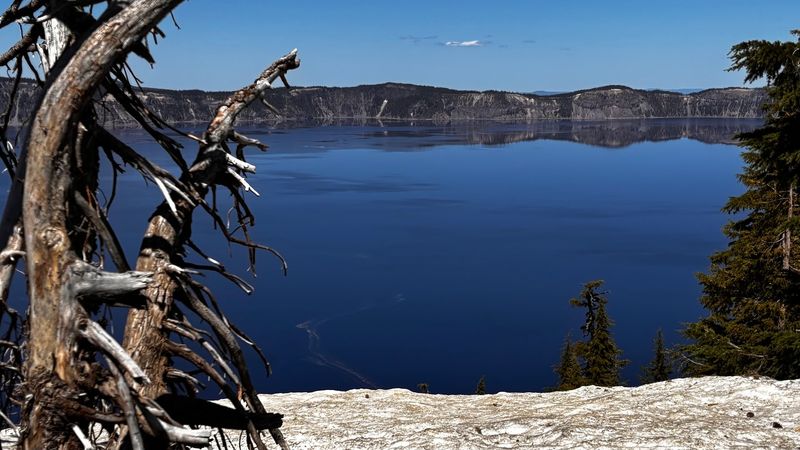
Photographs of Crater Lake often look edited. They aren’t.
The water shows an intense, deep blue that stops people mid-sentence. Its clarity is just as famous, and the lake counts among the most pristine anywhere in the world.
So what’s the secret? No rivers or streams flow into the lake or out of it. Almost all of its water arrives as rain and snow, which keeps out much of the dirt and debris other lakes collect.
Depth helps too. Clean water this deep soaks up the other colors of sunlight and leaves mostly blue behind. The result is a shade that feels almost too bold for nature.
The Klamath Tribes, who have honored this place as sacred for centuries, call it Giiwas. The name is commonly translated as a sacred place, reflecting the lake’s spiritual significance to the Klamath Tribes. Honestly, nobody has described it better since.
Try catching the lake at different times of day if your schedule allows. Shifting light and passing clouds can change how the surface looks from one stop to the next. Bring sunglasses, a charged phone, and enough patience to stand there longer than you planned.
A Volcano Inside A Volcano Is Waiting On The West Side
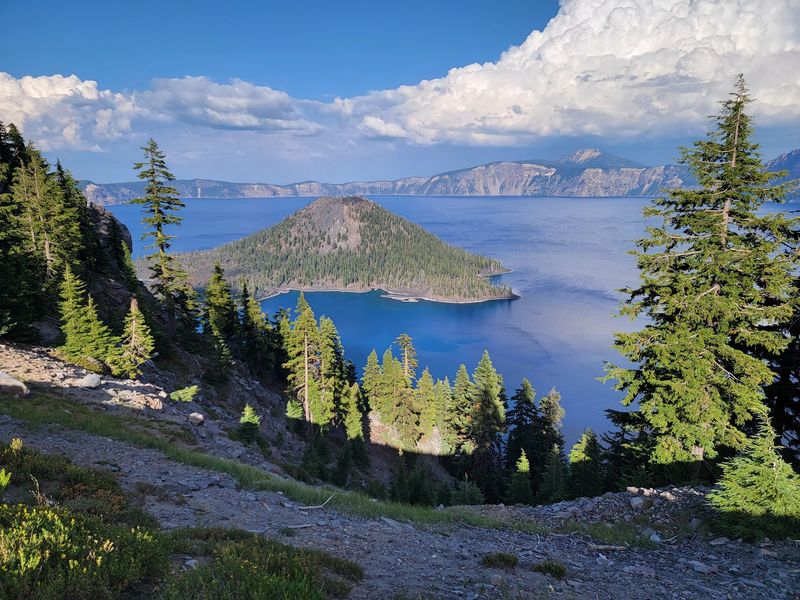
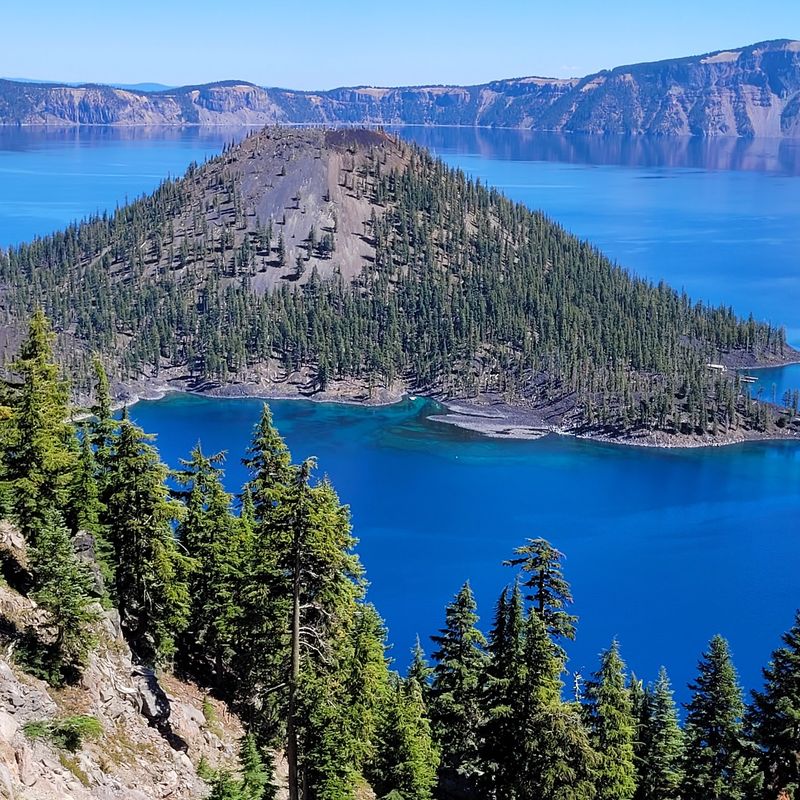
Just when the lake seems wild enough, a cone-shaped island shows up. Meet Wizard Island.
This cinder cone rises 764 feet above the water on the lake’s west side. At its very top sits a small crater of its own. Yes, it’s a volcano sitting inside the remains of a bigger volcano.
It looks a bit like a pointed hat floating on the water. The name fits that wizard vibe surprisingly well.
Wizard Island ranks among the most photographed features in Crater Lake National Park. Many rim viewpoints frame it nicely, with the blue lake wrapped all around it.
Plan your expectations for the next few seasons, though. The Cleetwood Cove Trail is closed for a major rehabilitation project during the 2026, 2027, and 2028 seasons. Boat tours, including trips toward the island, are paused too.
Both are expected to return in 2029. Until then, the island stays a view-only treasure.
Honestly, that’s not a bad deal. Watchman Peak and the western side of Rim Drive give you strong angles on it. Pack binoculars to pick out the summit crater from above.
Keep Your Eyes Peeled For A Ghost Ship And A Very Old Log
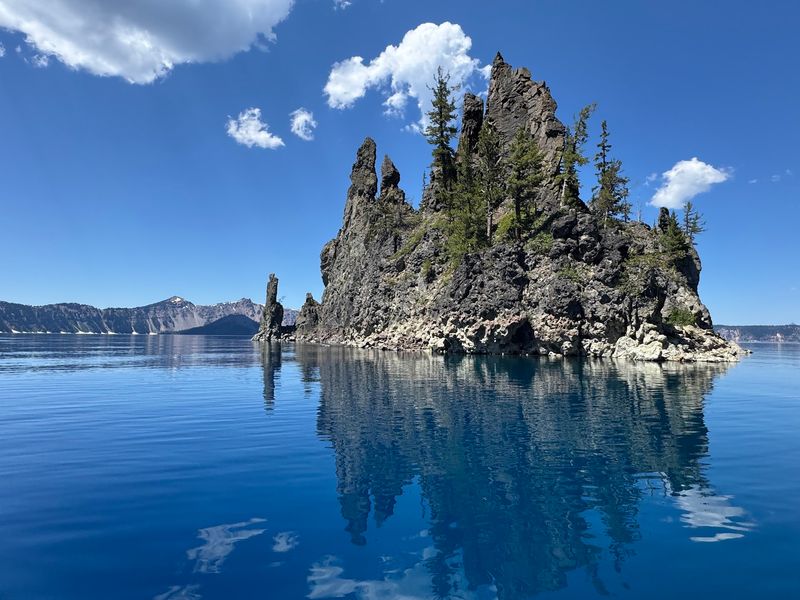
Some lakes have ducks. Crater Lake has a ghost ship.
Phantom Ship is a small, jagged island that looks like an old sailing vessel from certain angles. Its pointy rock spires stand in for masts. On hazy days, it really lives up to the spooky name.
Then there’s a stranger character. The Old Man of the Lake is a log that floats upright in the water, bobbing like a giant fishing cork.
This log is around 450 years old. It has been drifting around the lake for well over a century, and it moves with the wind. Tracking down where it ends up is half the fun.
Phantom Ship is easiest to spot from the southeast side of Rim Drive. A clear day gives you the best shot at seeing its craggy outline.
The Old Man is trickier, since it never stays put. Spotting it from the rim takes good eyes and maybe a little luck.
These quirky features give the lake real personality. It isn’t just a pretty bowl of water. It’s a place with its own odd cast of famous residents.
Thirty-Three Miles Of Rim Drive Will Fill Up Your Camera Roll
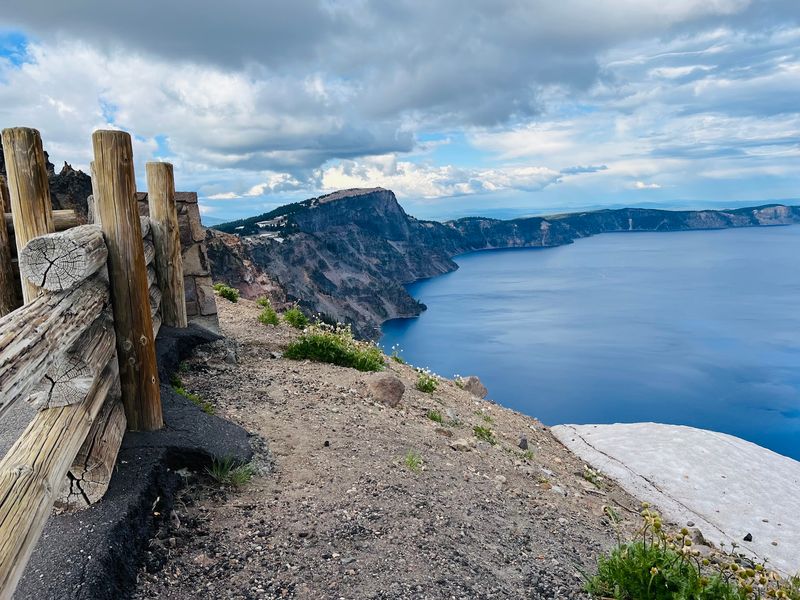
Here’s a road trip where every curve seems to show off. Rim Drive loops 33 miles around the entire lake.
The route features many viewpoints and pullouts. Each one shows the lake from a new angle, with Wizard Island and Phantom Ship trading places in the frame.
Timing matters a lot. Rim Drive is typically open from about July to mid-October, depending on snow. The park sees heavy snowfall, so opening dates shift every year.
Not into hiking? No problem. Plenty of viewpoints sit right beside the pavement, which makes this a great choice for families and anyone with tired legs.
Prefer someone else to handle the steering? Seasonal trolley tours run along Rim Drive from about July to mid-September. A narrator shares stories while you soak in the scenery.
Give yourself more time than the mileage suggests. Thirty-three miles sounds quick, but frequent stops add up fast. A slow loop lets you enjoy each overlook instead of racing to the next one.
Fill your gas tank before entering the park. Pack snacks and water too, since stops between services can feel long.
Lace Up Your Boots For Peaks, Waterfalls, And Strange Spires
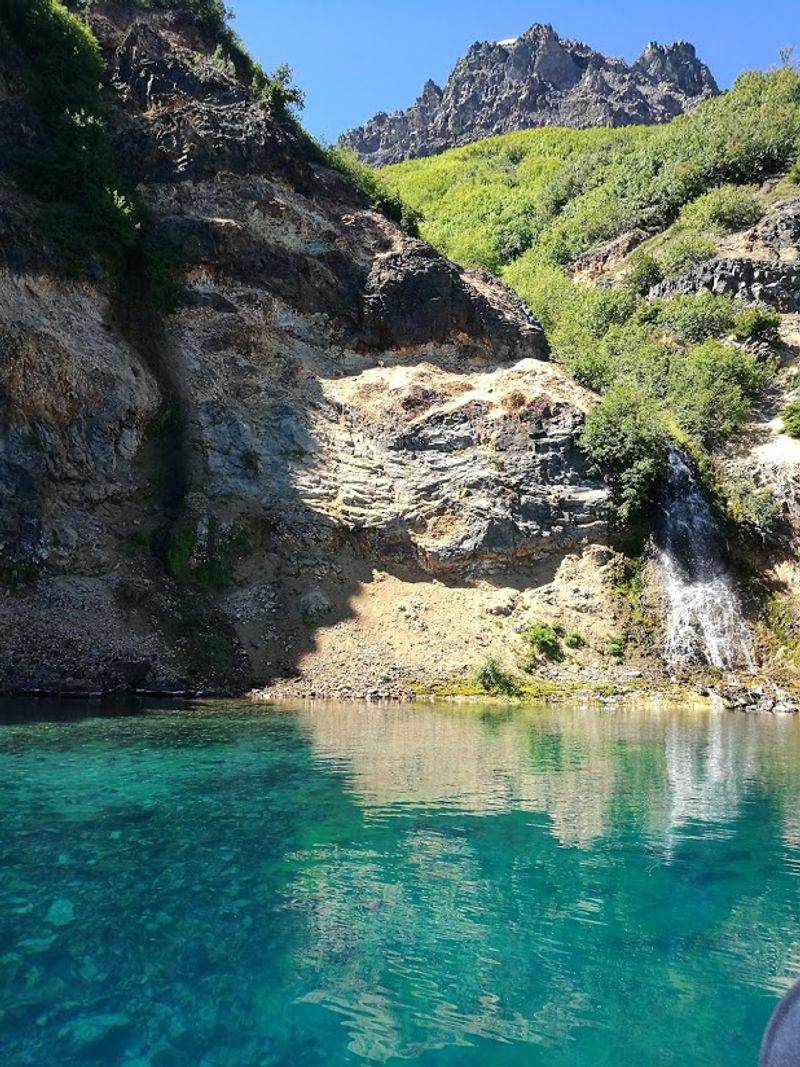
Trail lovers get plenty of variety at Crater Lake National Park. Some paths climb to dramatic views, while others wander past flowers and falls.
Watchman Peak and Garfield Peak deliver big panoramas over the lake. Expect a climb on both. Your reward is a bird’s-eye look at the water and Wizard Island.
Plaikni Falls offers a different mood. The trail leads to a waterfall instead of a rim view, which feels like a fun change of pace.
Castle Crest is known for seasonal wildflowers. When they bloom, the meadow bursts with color against the green forest.
Then there’s the Pinnacles Valley Trail. Tall, pointy volcanic spires rise from the ground there, looking almost like something from another planet. They’re leftovers from the ancient eruption.
Remember that the lake shore itself is off-limits for now. The Cleetwood Cove Trail is closed through the 2028 season for rehabilitation.
Check trail conditions before heading out, since snow can linger here well into summer. Good shoes, layers, and plenty of water make a huge difference. High elevation can also make easy trails feel tougher than expected.
Snow Turns This Park Into A Winter Playground
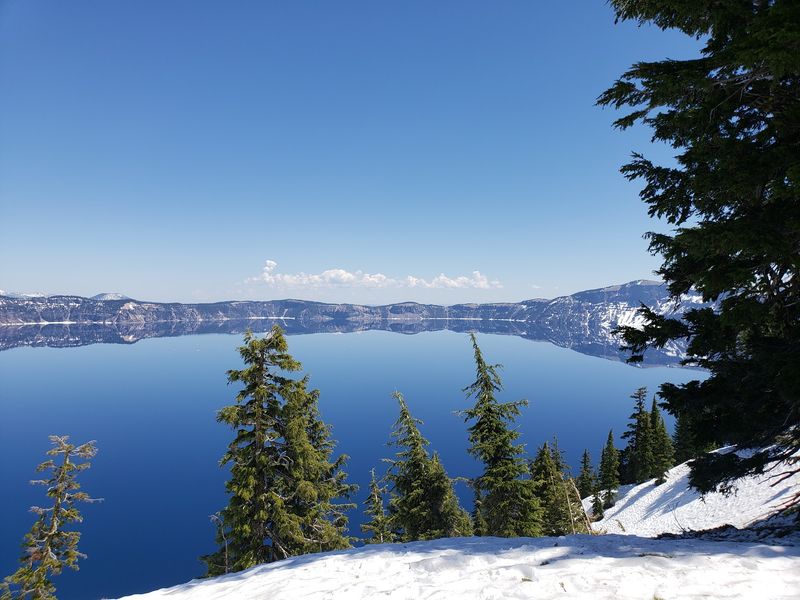
Plenty of parks hibernate in winter. Crater Lake National Park stays open year-round, 24 hours a day.
Heavy snow does change the game, though. The North Entrance Road and most of Rim Drive usually close by November 1 or with the first big storm, whichever comes first.
The West and South Entrances along Highway 62 stay open all year. The road to Rim Village usually remains accessible in winter, although heavy snowfall can temporarily close it for days or weeks.
Winter visitors find a quieter kind of fun. Cross-country skiing and snowshoeing are popular ways to explore. The closed North Entrance Road even becomes a route for snowmobiling.
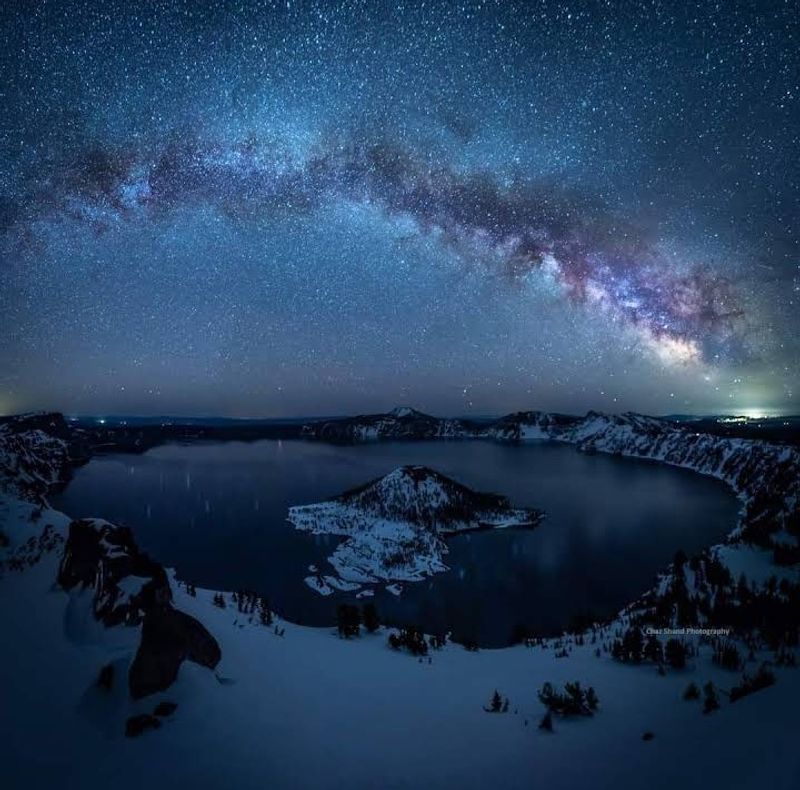
Picture deep white snowbanks framing that famous blue water. It’s a striking contrast, and the scene looks completely different from summer photos.
Snow can stick around surprisingly late in the year. Roads typically reopen somewhere between mid-May and early July, depending on how much fell.
Dress in warm layers and pack traction for your shoes. Check road and weather updates before leaving home. Storms can roll in fast, and a little planning keeps the adventure fun instead of frustrating.
Start Smart At The Visitor Centers Before Hitting The Rim
A good visit often begins indoors. The Steel Visitor Center sits at park headquarters, about four miles north of Highway 62.
It’s open year-round except December 25.Inside, you’ll find orientation exhibits and a 22-minute film about Crater Lake. It’s a smart way to learn the eruption story before seeing the real thing.
Up at the lake, the Rim Visitor Center is located in the historic Kiser Studio in Rim Village. You’ll find it in Rim Village, approximately seven miles north of Highway 62. It operates seasonally, generally from late spring through fall.
Its spot right above the water is hard to beat. Step outside, and the lake fills your view.
Ranger programs add even more to the experience in season. Options include talks, evening programs, guided hikes, and stargazing. Rangers share facts about geology, wildlife, and the park’s long human history.
Stop in to ask about road openings and trail conditions too. Snow and the Cleetwood Cove closure change what’s available.
The park was established in 1902, making it the fifth-oldest national park in the country. It’s also Oregon’s only national park, which gives the place serious bragging rights.
Stay Overnight And Let The Lake Steal Your Sunrise Too
One day rarely feels like enough here. Luckily, Crater Lake National Park offers places to stay right inside its boundaries.
Crater Lake Lodge perches near the rim, close to the lake views. The Cabins at Mazama Village offer another lodging choice farther from the edge. Both operate seasonally, so book ahead.
Campers have options too. Mazama Campground operates seasonally, but Lost Creek Campground was closed throughout 2026.
Hungry after all that sightseeing? The Crater Lake Lodge Dining Room serves meals in season. Annie Creek Restaurant at Mazama Village is also seasonal.
The Rim Cafe and Gift Shop stays open whenever the Steel Visitor Center is open. That makes it a handy stop for a snack or souvenir, even in winter.
Staying overnight gives you more chances to catch the lake in different light. Early mornings and evenings can feel calmer than the middle of the day.
Clear nights add another bonus at this high, remote spot in Oregon. Seasonal stargazing programs help you find constellations above the caldera. After a full day of blue water, a sky packed with stars makes a pretty great finale.
