A 1908 brick railroad depot still anchors one West Virginia town, and the live music out back has no admission fee. That alone got my attention.
Free shows next to a working excursion train? Yes, please.
The town grew up around coal, timber, and the Western Maryland Railway. Two senators once kept summer mansions here.
Today those grand houses sit on a college campus, and one is an inn.
I like how this place mixes old rail-town pride with a budget that actually works. West Virginia doesn’t tax Social Security benefits.
Homeowners 65 and up can also get property tax relief through the Homestead Exemption.
So what happens when a front porch, a national forest, and a depot square all line up for retirees? I believe the answer explains why so many folks keep circling this mountain town on the map.
A Rail Town Along The Tygart Valley River
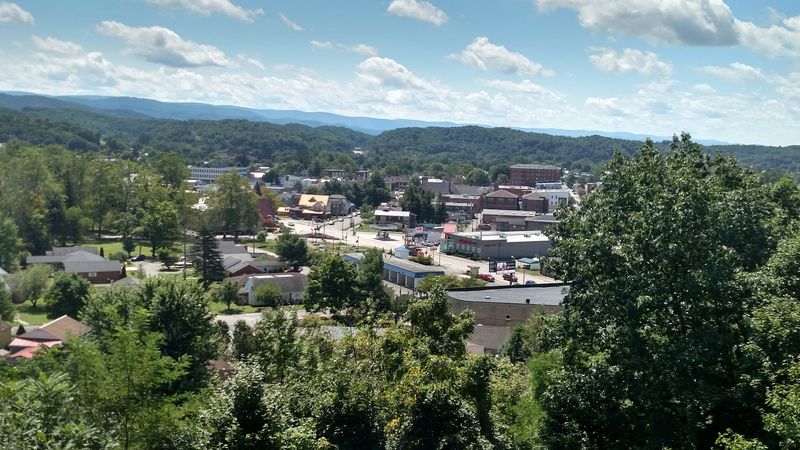
Elkins, West Virginia sits along the Tygart Valley River in Randolph County. It’s the county seat, and the 2020 census counted 6,950 residents.
That size matters more than it sounds. It’s big enough for a college, theaters, and a downtown full of shops, yet small enough that errands rarely eat a whole afternoon.
The city was incorporated in 1890. It took its name from Stephen B.
Elkins, a co-founder who later served as a U.S. Senator from West Virginia.
For retirees, the setting is the first big draw. Mountains wrap around town, and the Monongahela National Forest begins close by.
Rivers, trails, and quiet back roads become part of everyday life instead of a once-a-year trip.
Elkins also works as a home base for the wider region. The depot downtown serves as a welcome center for the city, the county, and the surrounding mountains.
Think of it as a town that kept its rail-era bones while adding comfortable modern routines. Coffee downtown, a walk by the depot, and a free concert on a summer evening can all fit into one easy day.
That kind of rhythm may explain why fixed-income folks keep taking a closer look.
Two Senators, One Railroad, And A Boom Worth Remembering
Coal and timber built this town, and the railroad carried both out of the mountains. Stephen B.
Elkins and Henry G. Davis developed the rail lines that opened the region’s rich coal and timber lands.
The Western Maryland Railway arrived in 1889, according to regional histories. That arrival reportedly sparked Elkins’ industrial growth almost overnight.
Davis and Elkins weren’t just business partners. They were related by marriage, and both became U.S.
Senators. Their influence shaped the town’s layout, its rail yards, and later its college.
Plenty of West Virginia boom towns rose and faded with the trains. Elkins held on better than most.
The railroad heritage didn’t vanish; it simply changed jobs.
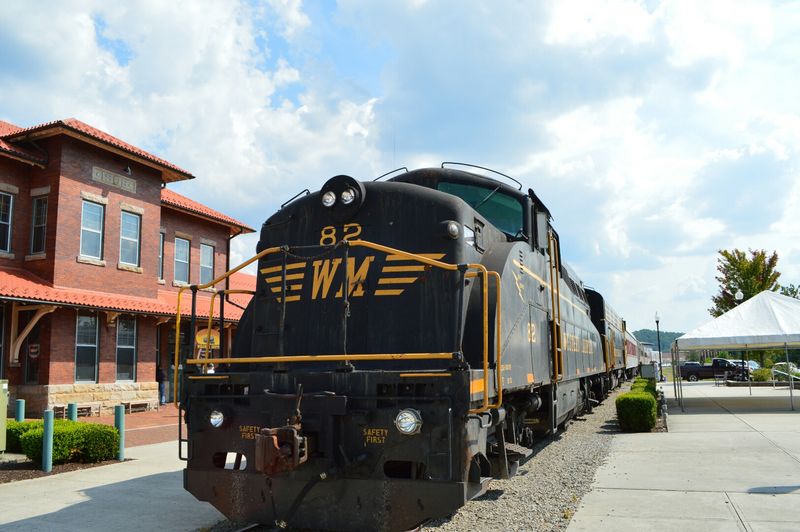
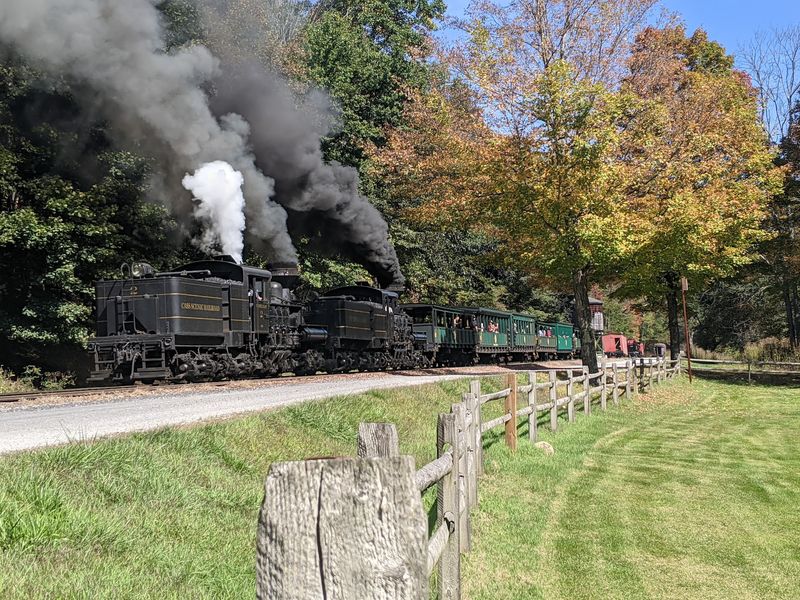
Today that heritage shows up in a restored depot, scenic excursion trains, and a rail trail heading out of downtown. Old track beds now carry bikes and hikers instead of timber loads.
I can’t imagine a better kind of history for a retirement town. You don’t have to read about it in a museum case.
You can stroll right past it on the way to lunch, and on a good day hear a train whistle doing the storytelling for you.
Why Your Monthly Check Stretches Further Here
Here’s a number that catches attention fast. Cost-of-living estimates from sources like ERI place Elkins roughly 19 percent below the U.S. average.
Housing is a big part of that picture. Listing sites such as Zillow and Redfin have shown typical home values well below national figures, though numbers shift with the market.
That’s where the paid-off porch idea comes in. Lower home prices may let some retirees buy outright or carry a much smaller mortgage.
A porch without a monthly payment attached feels different, doesn’t it?
Daily costs matter just as much. Groceries, utilities, and services in smaller West Virginia towns often run lighter than in big metro areas.
Every dollar saved there goes back into the fun budget.
Of course, every household should check current listings and run its own math. Prices change, and estimates vary by source.
Still, the overall pattern is easy to like. A fixed income that feels tight in a pricey suburb may breathe easier in a mountain town with a real downtown.
That gap could mean the difference between just getting by and actually enjoying weekend train rides or summer festival workshops.
Tax Breaks That Quietly Do Heavy Lifting
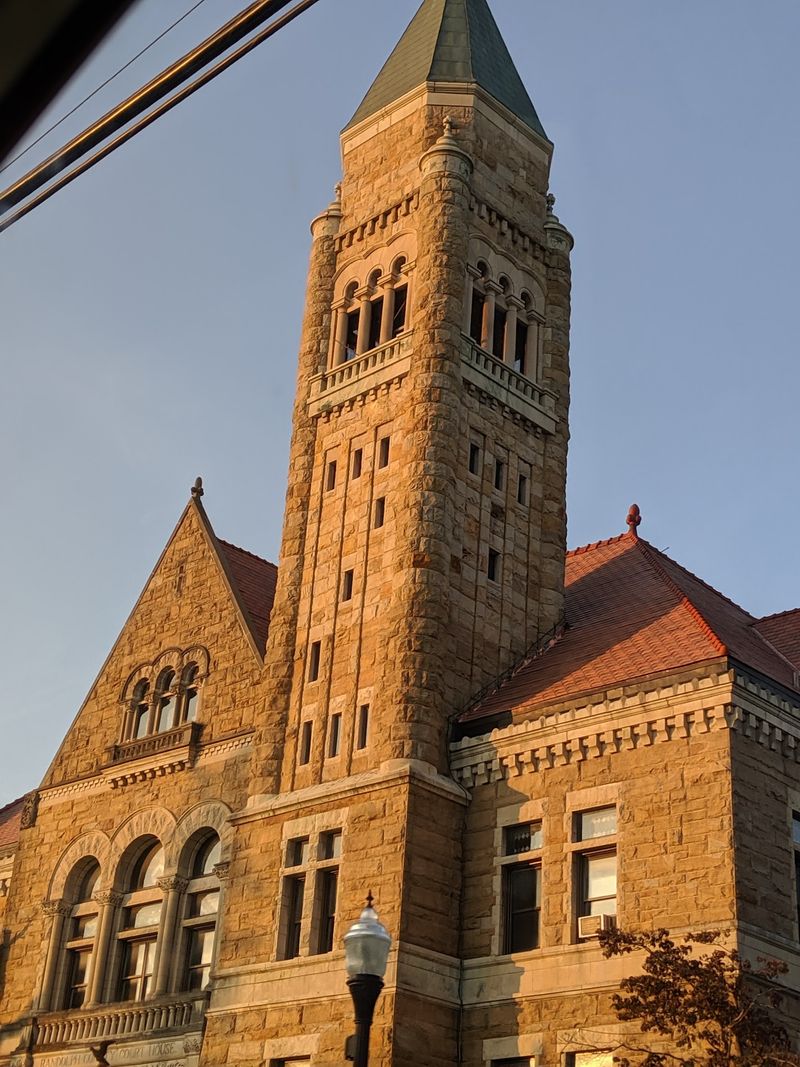
Social Security checks get a pleasant surprise in West Virginia. The state no longer taxes Social Security benefits, which keeps more of each deposit where it belongs.
Homeowners age 65 and older can also apply for the Homestead Exemption. The program reduces the assessed value of a primary home for property tax purposes.
State tax guidance has also allowed certain retirement income to be partly excluded. Rules can change, so a quick chat with a tax professional is smart before planning around any figure.
Put these together with lower housing costs, and the math starts looking friendlier. None of it is flashy, but steady savings add up month after month.
I like how these breaks reward people for staying put. A retiree who buys a modest home in Elkins may enjoy lower property taxes year after year.
Paperwork isn’t anyone’s favorite hobby. The Randolph County assessor’s office handles Homestead Exemption applications for local homeowners, so that’s a good first stop.
The bottom line is simple enough. West Virginia’s tax approach gives fixed-income households a little extra room, and Elkins pairs that room with mountain views.
The 1908 Depot That Became Everyone’s Front Door
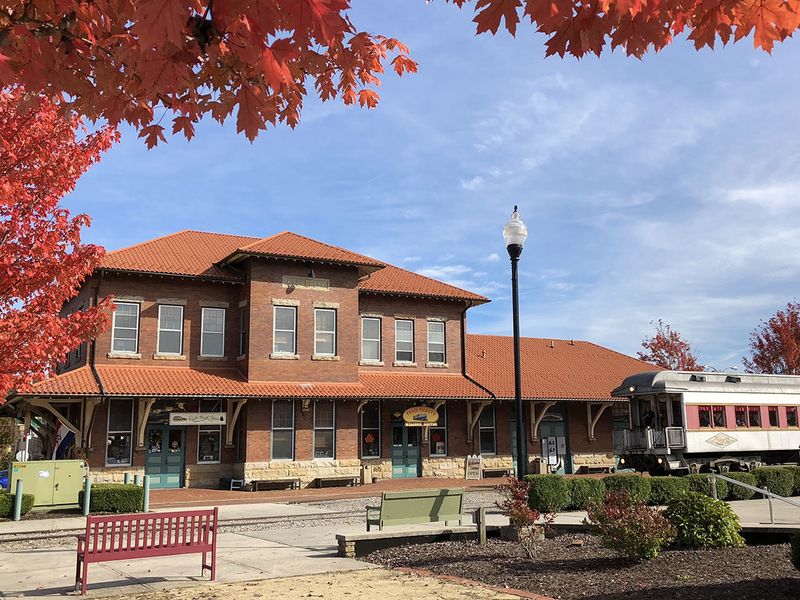
Red brick, arched details, and a rail yard view make the old depot hard to miss. The Western Maryland depot was built in 1908 in a Romanesque Revival style.
Today it serves as the Elkins Depot Welcome Center at 315 Railroad Avenue, Elkins, WV 26241. Staff there share information about the city, Randolph County, and the surrounding mountains.
Need a map, a trail idea, or a festival date? This is the spot.
The center also offers a self-guided walking tour brochure covering downtown buildings and their backstories.
The depot doubles as the boarding point for the Durbin and Greenbrier Valley Railroad. Its scenic excursions roll out into the West Virginia mountains, so check schedules before you go.
For newcomers, the welcome center makes a natural first stop. You can learn the lay of the land in one visit instead of piecing it together online.
I believe every small town needs a front door like this. Some towns hand you a brochure rack.
Elkins hands you a century-old station, a working rail line, and a trailhead, all within a few steps of each other.
Free Music Behind The Station Steals The Show
Lawn chair? Check.
Ticket? Not needed.
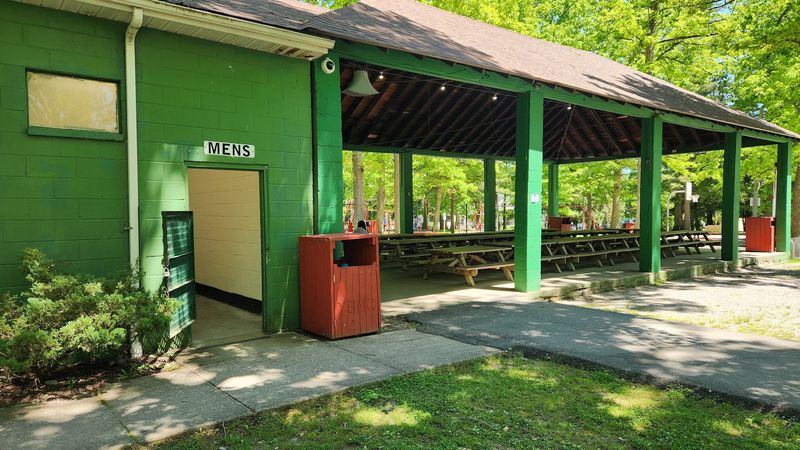
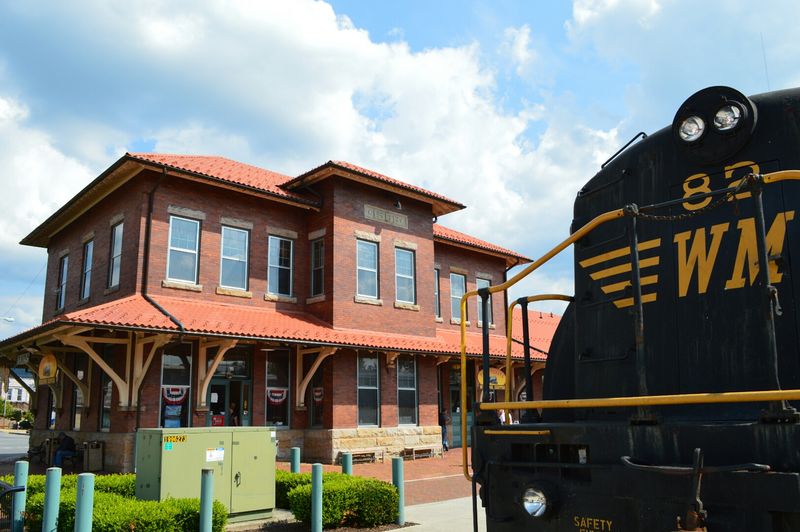
The Rotary Amphitheater sits right behind the depot and regularly hosts live music.
That’s the free railroad depot square in action. Folks can wander over, grab a spot, and enjoy a show without opening a wallet.
For retirees watching every dollar, free entertainment is gold. It means a social evening out that doesn’t touch the grocery budget.
The setting helps too. Historic rail buildings stand nearby, and mountains frame the view.
It feels like a town gathering, not a formal concert hall.
Schedules change by season, so the welcome center is the best place to ask what’s coming up. Summer typically brings the busiest calendar.
Here’s what I like most. A free concert gives you a reason to leave the house, meet neighbors, and stay connected.
Those small habits may matter more than any budget spreadsheet.
Bring a jacket on cooler mountain evenings. Even summer nights in the West Virginia highlands can turn crisp once the sun slips behind the ridges.
A thermos of coffee wouldn’t hurt either.
A 26-Mile Trail Starts Right Outside The Depot
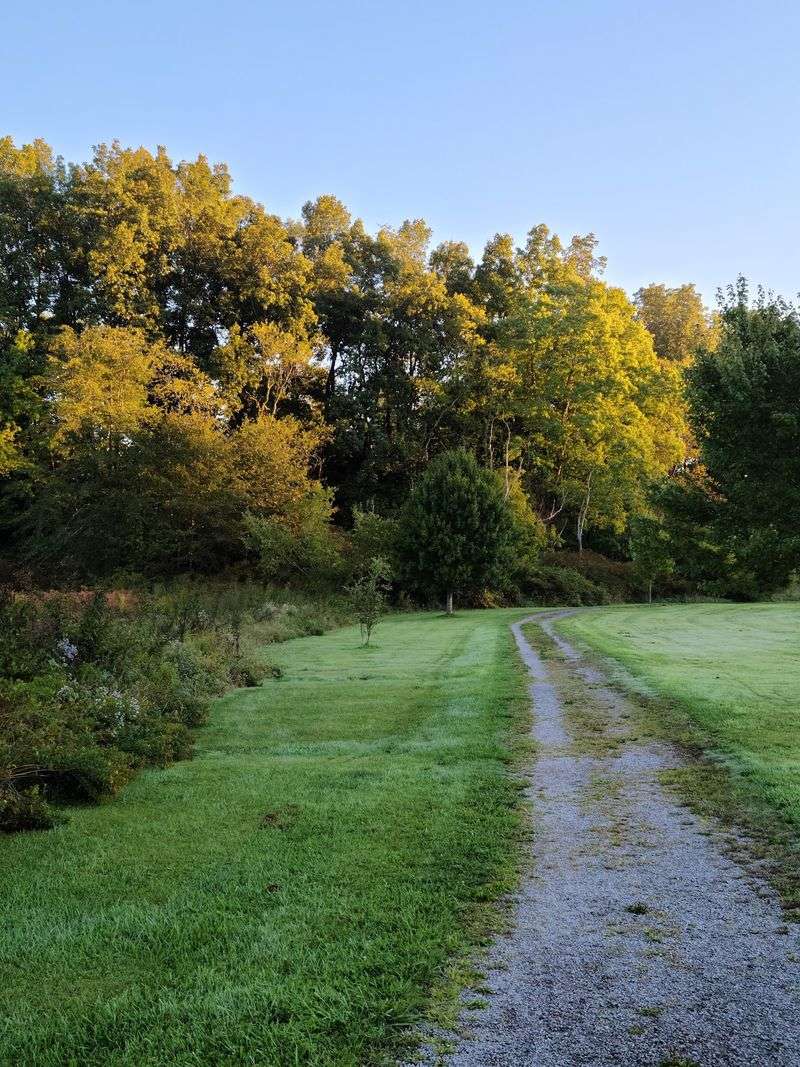
Few towns let you start a long trail ride from the same spot where you got your coffee directions. In Elkins, the Allegheny Highlands Trail begins near the depot.
The path runs about 26 miles and follows an old rail corridor. It welcomes biking, hiking, and horseback riding, plus cross-country skiing when winter cooperates.
Rail grades tend to stay fairly gentle, which suits riders who want scenery without punishing climbs. You can go a mile or ten, then turn around.
Beyond that, the vast Monongahela National Forest sits close by. It covers more than 900,000 acres, offering hiking, mountain biking, birding, and trout fishing.
Closer to home, Elkins City Park, Stuart Recreation Area, and Bear Heaven Recreation Area add more green space. Picnic spots and short walks are easy to find.
For retirees, the payoff is simple. Exercise doesn’t require a gym membership when forest trails start at the edge of town.
Grandkids visiting for the weekend will probably appreciate it too, though the quiet weekday mornings may end up being your favorite time out there.
Fiddles, Workshops, And A Festival Built On Appalachian Roots
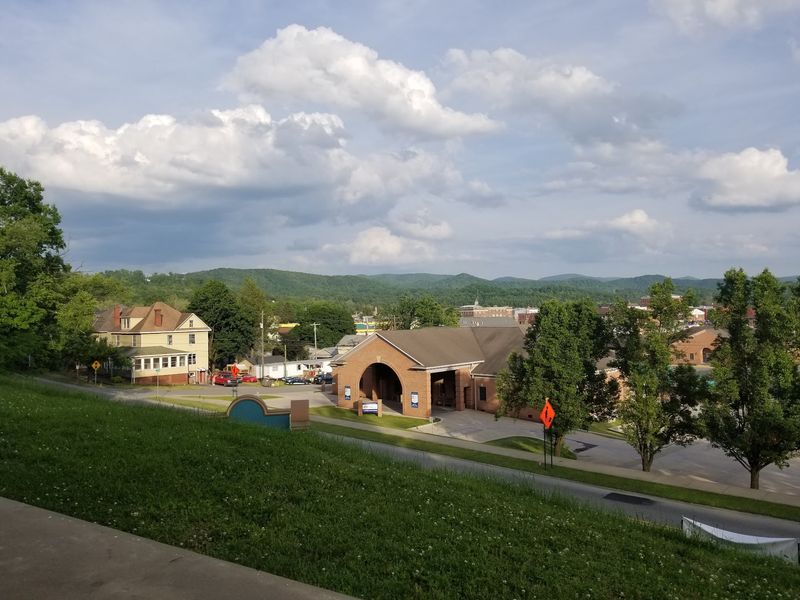
Ever wanted to pick up the fiddle, try a craft, or join a square dance? The Augusta Heritage Center in Elkins focuses on Appalachian music, crafts, and traditions.
Each summer it hosts the Augusta Heritage Festival. The program has typically included performances, workshops, and community dances spread across several weeks.
That’s a big deal for curious adults. Retirement often brings time to learn something new, and here the classes come with mountain music attached.
Live entertainment doesn’t stop with Augusta. The American Mountain Theater stages shows in town.
The Gandy Dancer Theatre and Conference Center is known as the state’s only musical dinner theatre.
The Randolph County Community Arts Center occupies a historic church building. It supports local artists and gives the arts scene a home base.
I can’t imagine running out of things to try. Between music lessons, theater nights, and gallery visits, the calendar fills up quickly.
For newcomers, those activities may be the fastest way to make friends who share an interest, which matters just as much as cheap housing.
Senators’ Summer Mansions On A College Campus
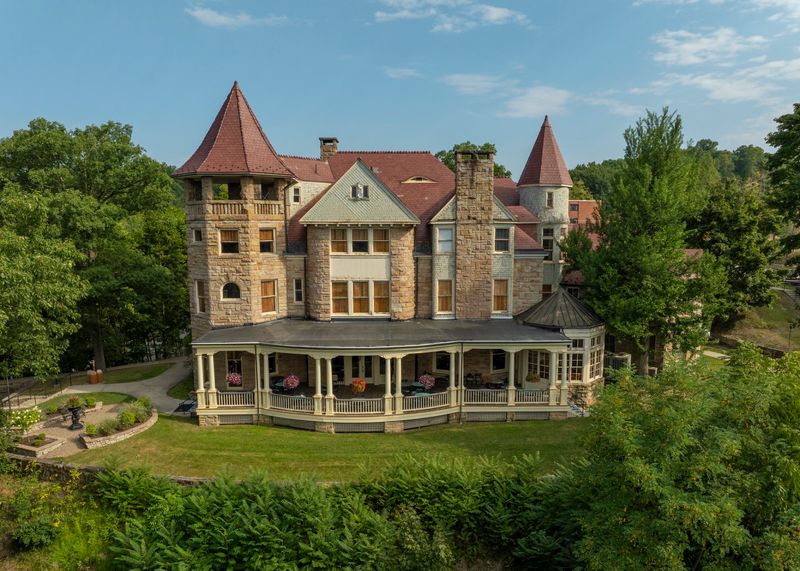
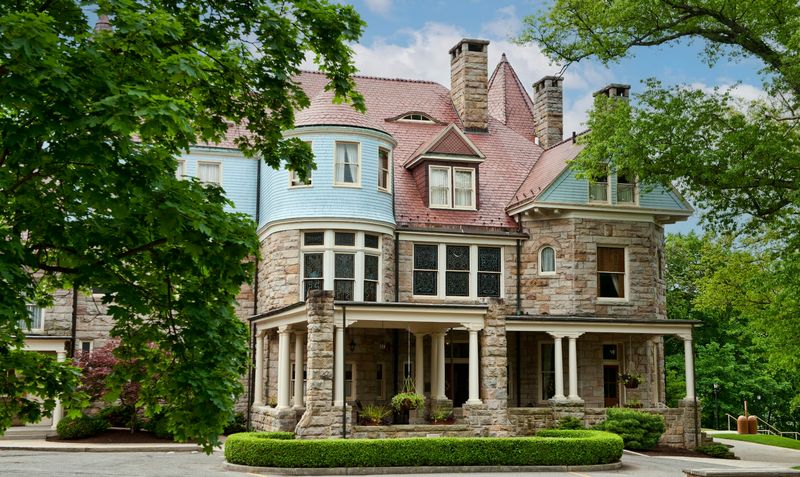
Two senators built summer homes on the same hillside, and both still stand. Graceland and Halliehurst sit on the campus of Davis and Elkins College.
Graceland belonged to Henry Gassaway Davis and now operates as an inn. Halliehurst, once Stephen B.
Elkins’ home, serves as an administrative building for the college.
The private liberal arts college was founded in 1904. It brings lectures, events, and a youthful energy that small towns often miss.
Retirees may find chances for continued learning through the college. Checking with the school about current options is the best move.
For seniors who prefer a different setting, the Randolph County Senior Center offers no-fee programs. Past offerings have included Tai Chi, weaving, painting classes, and health screenings.
That mix covers a lot of ground. Some days might mean a campus stroll past Gilded Age architecture.
Other days might mean a gentle exercise class with new friends.
Either way, staying sharp and social doesn’t have to cost much. In Elkins, mental exercise comes with a side of history, and the scenery is a nice bonus.
Downtown Strolls With A Brochure In Hand
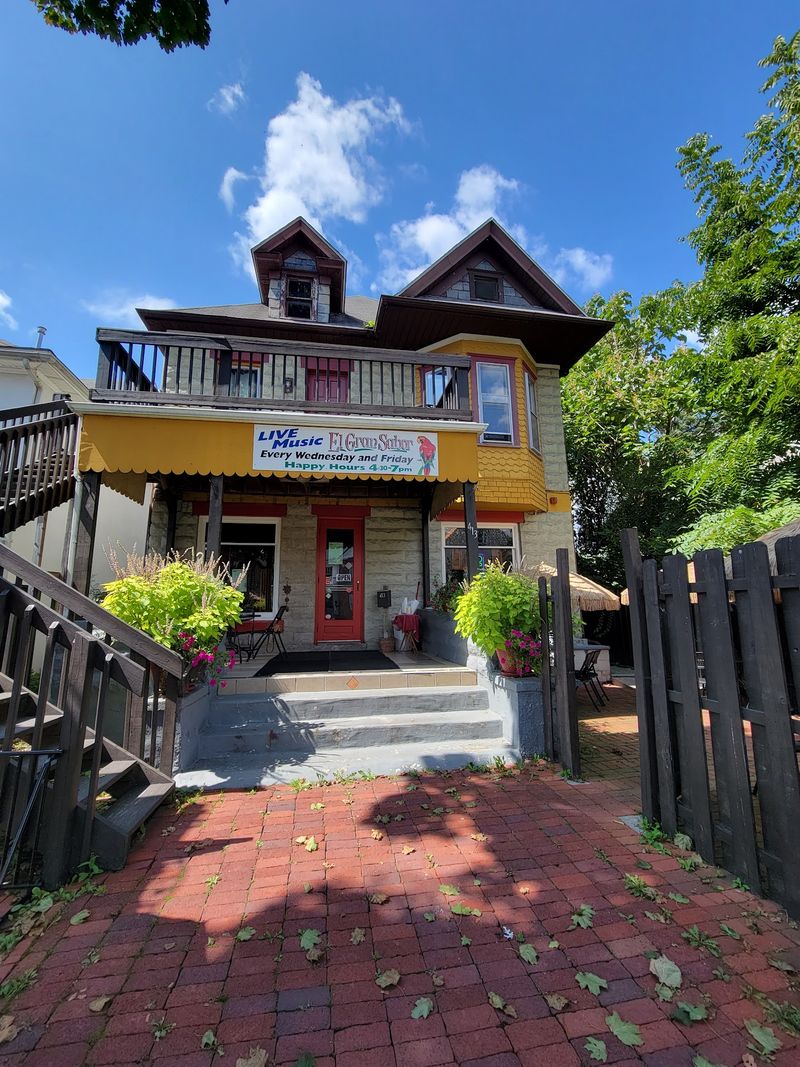
Independent shops line much of downtown Elkins, and that’s a welcome change from strip-mall sameness. Browsing for regional crafts and souvenirs makes an easy afternoon.
Remember that walking tour brochure from the depot? It pairs nicely with a downtown stroll.
Each stop shares a bit of history behind the buildings.
Dining options cover a range of tastes. Downtown includes spots serving Italian dishes, classic American plates, and coffee for slow mornings.
Comfort food fans can look for Appalachian-style cooking around town. Hours and menus change, so a quick call ahead saves disappointment.
Walkability matters for retirees. Being able to park once and handle errands, lunch, and a little shopping on foot keeps life simple.
It also keeps people connected. A downtown where you run into neighbors builds the kind of community that makes a new town feel like home.
I like how the history and the errands overlap here. Picking up a gift might come with a quick lesson about the building it’s sold in.
That’s small-town living with a story attached, and it never gets old.
October Belongs To The Mountain State Forest Festival
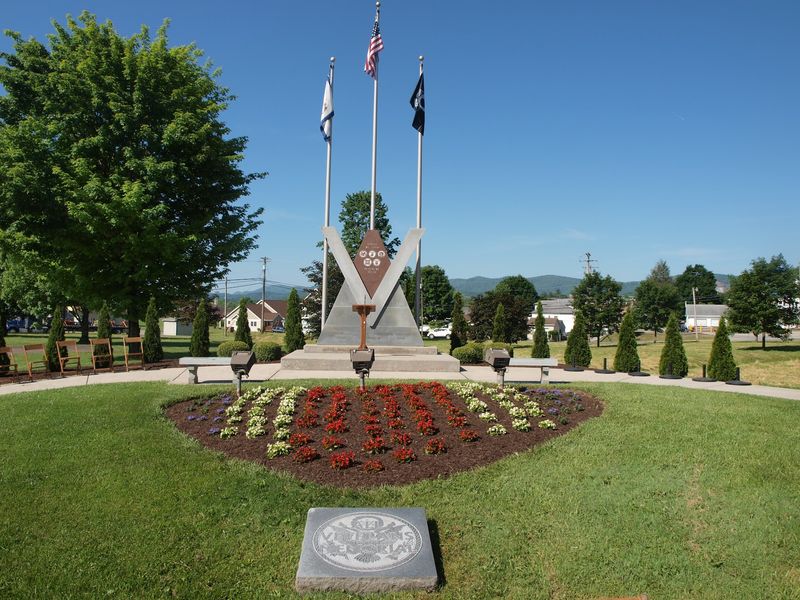
Fall foliage, parades, and carnival rides all collide every October in Elkins. The Mountain State Forest Festival ranks among the oldest and largest festivals in West Virginia.
The multi-day celebration honors forestry, heritage, and mountain pride. Expect parades, exhibitions, and plenty of hometown spirit.
For locals, it’s practically a homecoming. Former residents often time visits around it, and families make it a yearly tradition.
Retirees get front-row seats without buying plane tickets. Living in town means skipping hotel costs and choosing the events that fit your energy.
The rest of the year has its own rhythm. Farmers markets, live music, and community events appear across the calendar.
Summer brings Augusta workshops and amphitheater shows. Autumn brings the festival and blazing hillsides.
Winter can bring snow on the rail trail for skiers.
That steady stream of gatherings gives retirement some shape. There’s always something marked on the calendar, and much of it costs little or nothing.
Ask anyone who’s watched a parade roll past the old storefronts, and the appeal of a hometown festival explains itself.
Is This The Porch Your Retirement Has Been Waiting For?
A paid-off porch, a free concert, and a forest at the city limits. That’s a strong combination for anyone stretching a fixed income.
Elkins, West Virginia won’t suit everyone. Folks who need big-city airports or nonstop nightlife may want a test visit first.
But for retirees craving mountains, history, and lower costs, the case is persuasive. Housing estimates run below national averages, and state tax rules favor older residents.
The depot gives the town a natural center. The welcome center answers questions, the trains offer scenic rides, and the amphitheater fills summer evenings with music.
Add Davis and Elkins College, the Augusta Heritage Center, and the October festival. Suddenly a small town feels surprisingly full.
My advice is simple. Visit in a couple of seasons, stop at the depot, and walk downtown with that brochure.
Talk with a local realtor and a tax professional before committing.
Then sit on a porch somewhere and picture your mornings. If that view of the hills feels right, Elkins might already be calling you home.
And if you grew up nearby, maybe it’s time for a return trip.
