Tuition, fees, and living expenses can all be covered by grants at this Texas university. For eligible families earning up to $200,000, the program covers tuition.
Those are striking commitments at a school with a national academic reputation.
The university placed eighth for value in the 2027 U.S. News rankings, alongside recognition for undergraduate teaching.
Its expanded financial aid program applies to students entering in fall 2027, with family assets also considered. Students still need to complete the normal aid application, and awards depend on eligibility.
I find the gap between a university’s published cost and what a family may actually pay worth examining. Rankings attract attention, but the practical details can matter more.
The interesting question is how many prospective students will discover options they once assumed were out of reach.
Free Tuition Is Back On The Table For A Lot More Families
Rice University calls its signature aid program The Rice Investment, and the name fits. Starting with students entering in Fall 2027, undergraduates from families earning up to $200,000 a year will receive free tuition.
That income line covers a huge slice of American households. Plenty of families who usually fall into the frustrating middle zone suddenly qualify for real help.
The deal gets even sweeter for families earning less than $100,000. Those students get tuition, mandatory fees, and room and board covered completely.
Think about what that means in practical terms. A student could live on campus, eat in a residential college dining hall, and focus on classes without a giant bill hanging overhead.
My advice is simple if you have a teen eyeing college. Look past the sticker price and run the numbers on the school’s net price calculator before crossing anything off the list.
Private schools often look out of reach at first. Programs like this one can flip that math in a hurry, and families who skip the research may miss a real opportunity.
Elite academics with a free-tuition promise attached? That combination explains why so many families in Texas and beyond are paying close attention right now.
No Loans, No Money Questions At The Admissions Door
Student loans can follow a graduate for decades. Rice University takes a firm stand here, meeting 100 percent of demonstrated financial need for every admitted undergraduate without requiring loans.
Aid comes as grants instead. That’s money students don’t pay back, which changes life after graduation in a big way.
Admission for domestic applicants is also need-blind. Your family’s bank account plays no role when the school decides whether to say yes.
That matters more than it sounds. Some students quietly avoid applying to top schools because they assume money will count against them.
Roughly 54 to 64 percent of undergraduates receive some form of financial aid. The average grant award tops $56,000, which is a serious chunk of support.
Graduates also leave with notably low average debt compared to national norms. Starting a career without a mountain of payments gives young adults room to choose jobs they actually want.
Here’s a practical tip for applicants. File the required financial aid forms carefully and on time, because missing paperwork is one of the easiest ways to leave grant money behind.
A loan-free promise from a top research school is rare. Good luck finding many places that pair that with need-blind admissions.
The Value Rankings Keep Stacking Up
Rankings come and go, yet Rice University keeps landing near the top of value lists. U.S.
News and World Report has placed it among its best-value schools, and the Princeton Review has named it a top-value private college.
Forbes joined the party too. Its America’s Top Colleges list placed Rice at No. 16 nationally, pointing to strong student outcomes, affordability, and return on investment.
So what does value actually mean? It’s the balance between what a degree costs and what students get out of it.
At Rice, the formula leans heavily in the student’s favor. Generous grants keep costs down while small classes, research access, and strong career results push the payoff up.
I believe value rankings are more useful than prestige lists for most families. They answer the question parents actually ask at the kitchen table, which is whether a school is worth it.
Use these rankings as a starting point, not a final answer. Compare aid offers side by side, because the real price your family pays is the number that counts.
Still, consistent recognition from several respected publications is hard to ignore. When multiple scorecards agree, the pattern says something real about this Texas school.
Free Tuition Was Actually The Original Plan
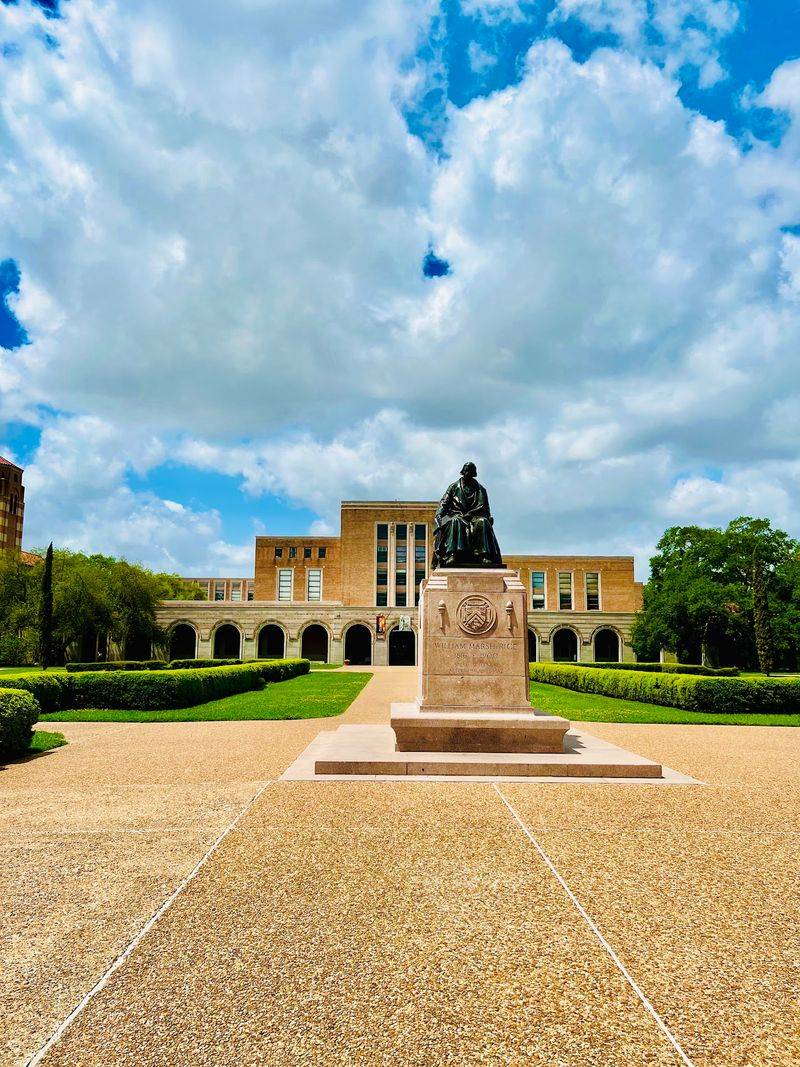
Here’s a fun twist. Rice University didn’t charge tuition at all for more than its first 50 years.
Massachusetts businessman William Marsh Rice chartered the school in 1891. It opened in 1912 as The William Marsh Rice Institute for the Advancement of Literature, Science, and Art.
That’s quite a mouthful for a campus sign. The institution officially became Rice University in 1960.
The first president, Edgar Odell Lovett, aimed high from day one. He wanted a university of the highest grade, with a campus built around one unified architectural plan.
The early history isn’t spotless, and it shouldn’t be glossed over. The original charter limited admission to white students, a restriction that was legally removed in the 1960s.
Today’s aid program feels like a return to the school’s roots, only now it reaches a much broader group of students. That connection gives The Rice Investment a sense of history rather than just a marketing push.
I like knowing a place’s backstory before judging it. Rice’s long tradition of making education affordable helps explain why its current financial aid feels so ambitious.
Old ideas sometimes come back stronger. This one certainly did.
Those Archways Look Like They Belong In Europe
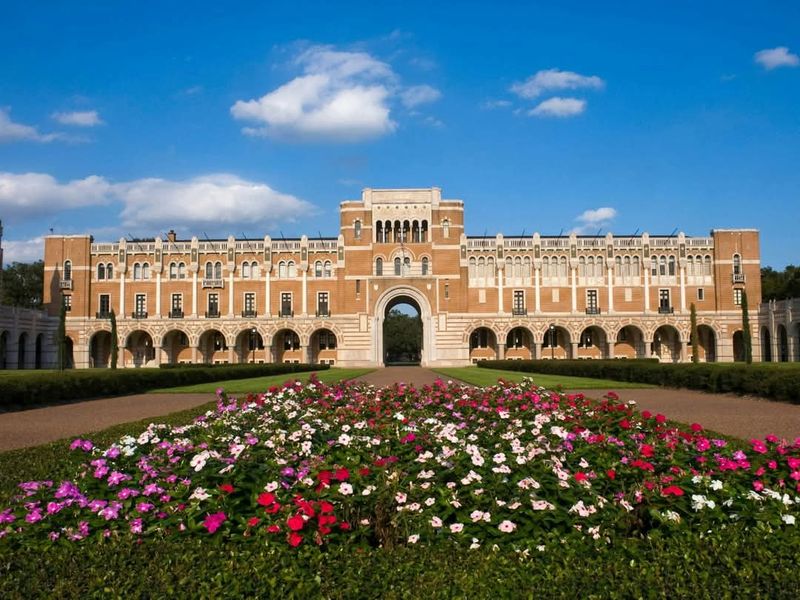
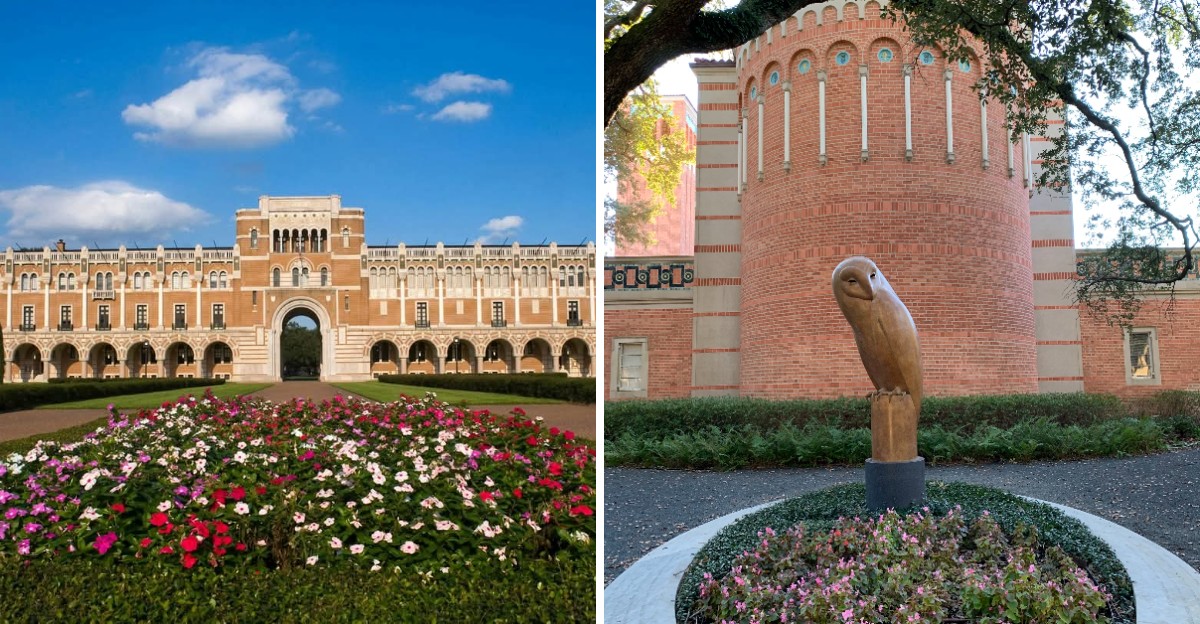
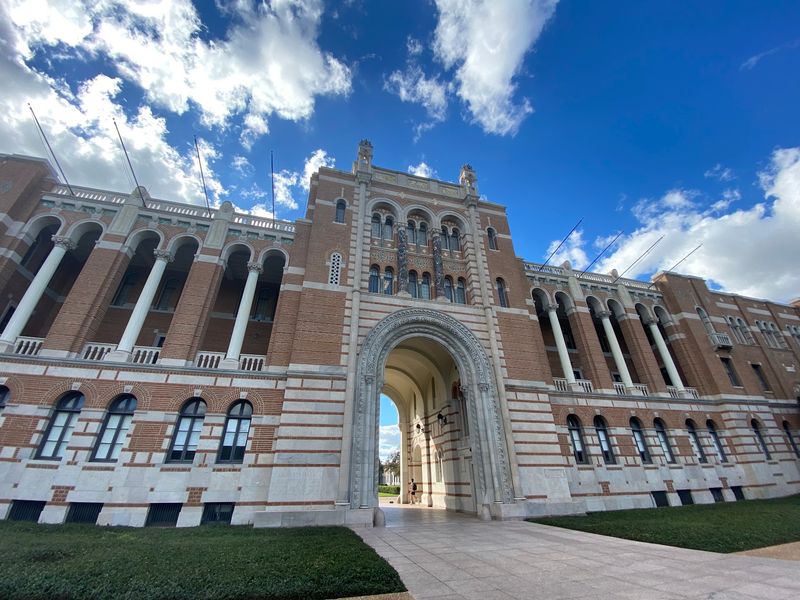
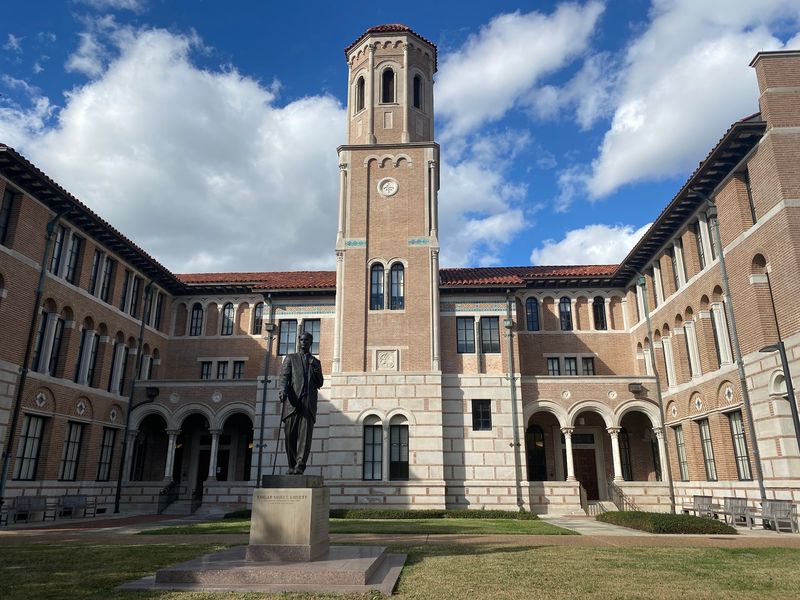
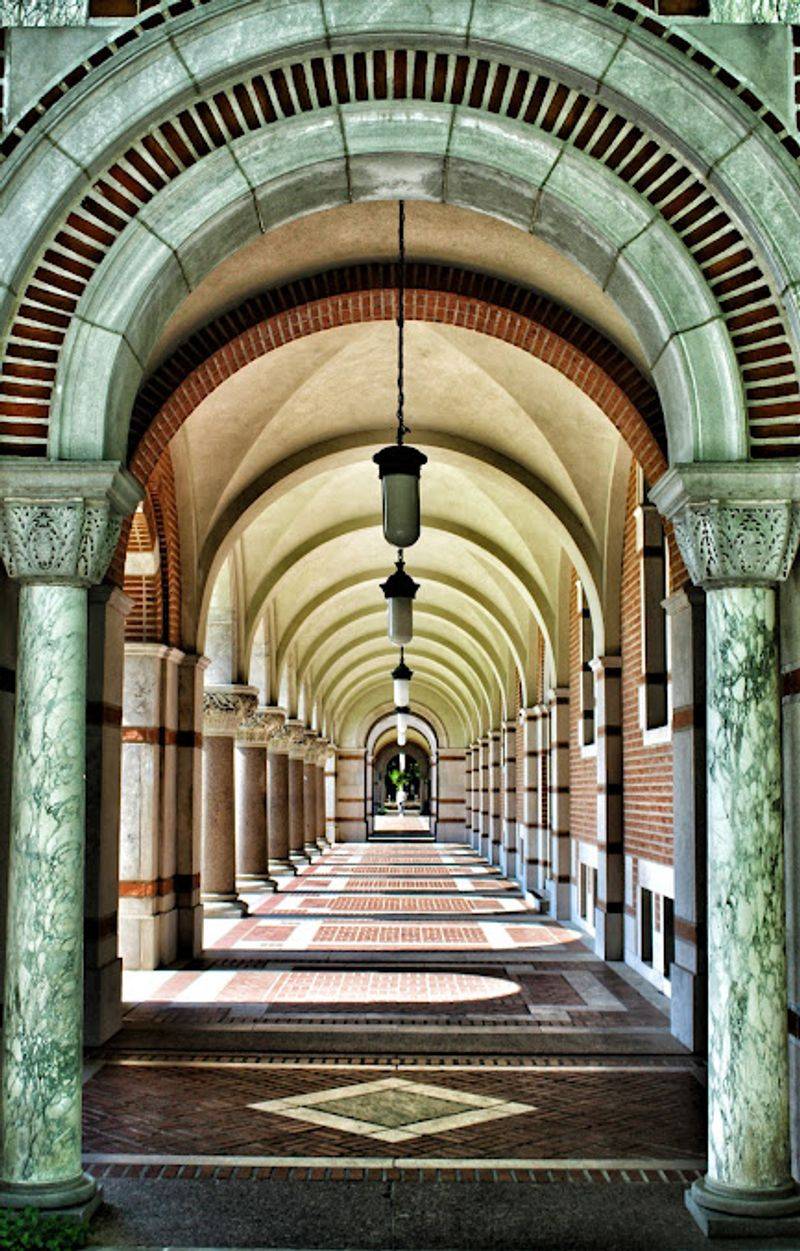
Light brick, graceful arches, and decorative columns give this campus a look that feels far from a typical Texas city. Rice University is known for its Mediterranean Revival style, with neo-Byzantine touches like pink Texas granite and creamy marble.
Lovett Hall is the showstopper. Completed in 1912 as the original administration building, it remains the campus icon.
Architect Ralph Adams Cram shaped the master plan. He laid out formal quadrangles and tree-lined paths, including an entrance drive framed by live oaks and Formosa azaleas.
The heavily wooded grounds cover close to 300 acres. That’s a lot of shade in a city famous for summer heat.
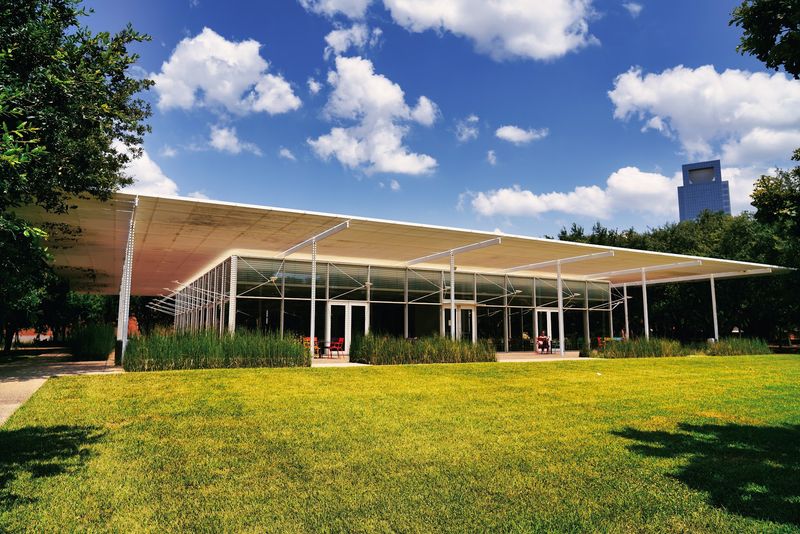
Modern buildings mix in too. The glass-walled Brochstein Pavilion, Duncan Hall, and the Moody Center for the Arts add some contrast to the older brick.
The Academic Quadrangle also got a recent redesign. It now features flowering plant beds, open seating, and paved terraces for lingering between classes.
Planning a campus tour? Bring comfortable shoes and give yourself extra time, because the quads and archways practically beg for a slow stroll and a few photos.
Your College Becomes Your Second Family
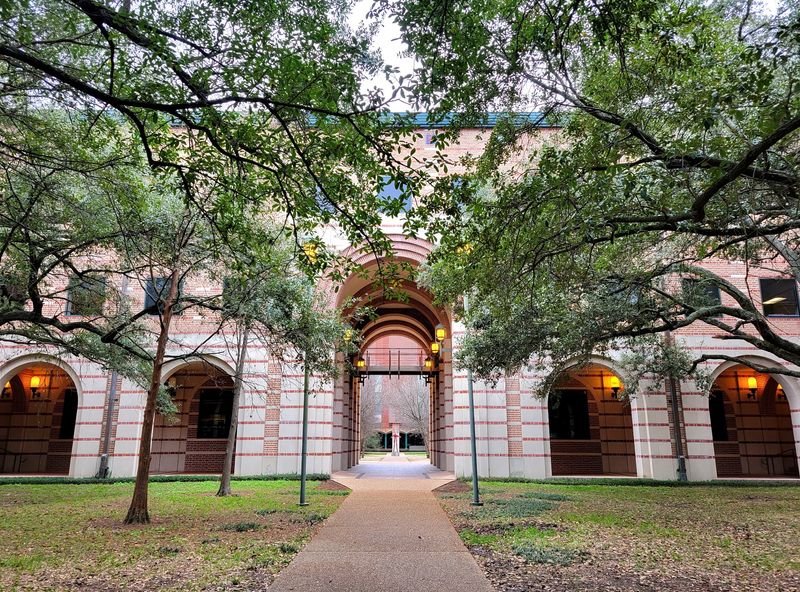
Harry Potter fans will recognize the idea right away. Every incoming Rice University student is randomly assigned to one of 11 residential colleges, with a 12th on the way.
No sorting hat is involved, sadly. Students stay members of that college for their entire undergraduate career.
The system is modeled after Oxford and Cambridge. Each college works as a home base for living, dining, studying, and hanging out.
These communities run a lot of their own business. Every college keeps its own traditions, student government, budget, and intramural sports teams.
Faculty and staff serve as mentors within the colleges too. That gives students trusted adults close by when classes, careers, or life get confusing.
About 80 percent of undergraduates live on campus. With that many people sharing space, friendships form fast and rivalries between colleges stay friendly but spirited.
I can’t imagine a better setup for a nervous freshman. Instead of being one face in a giant crowd, you land in a ready-made community from the very first week.
For families weighing value, this matters. A strong support network can make the difference between a student thriving and simply getting by.
Small Classes, Big Brains, And A Space Science First
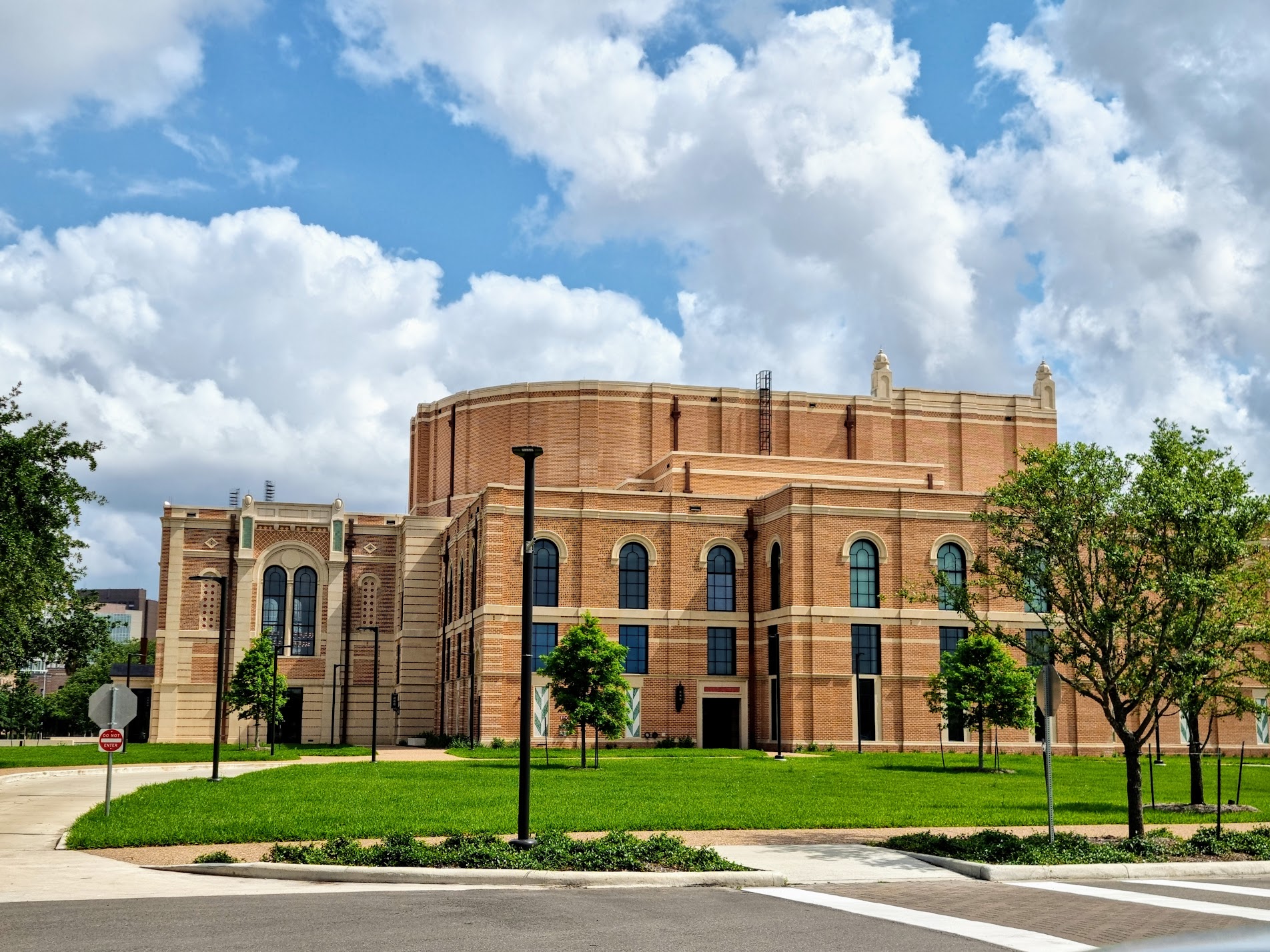
A median class size of about 15 students sounds almost like high school. That’s the reality at Rice University, where the student-to-faculty ratio sits around 6 to 1.
Hiding in the back row gets tough with numbers like that. Professors actually learn your name, which helps with questions, research spots, and recommendation letters.
The school earns its Harvard of the South nickname across many fields. Chemical engineering, materials science, computer science, physics, business, and the humanities all stand out.
Music students have a powerhouse option too. The Shepherd School of Music is widely acclaimed.
Space fans, take note. Rice established the nation’s first space science department in 1963, which feels fitting for a city so tied to NASA.
Undergraduate research gets serious emphasis here. Students don’t have to wait until graduate school to work on real projects with faculty.
Three Nobel laureates count among the school’s alumni and faculty. That’s impressive company for a relatively small university.
My tip for applicants is to mention specific research interests in essays. A school that loves undergraduate research will appreciate students who already know what questions excite them.
Museums, A Zoo, And A Giant Medical Hub Next Door
Free museum admission is a pretty great college perk. Rice University students get free entry to Houston’s Museum District, Hermann Park, and the Houston Zoo.
The campus sits at 6100 Main St, Houston, TX 77005. It borders Hermann Park, Rice Village, and the Texas Medical Center.
That medical center is the largest medical complex in the world. It’s about five minutes from campus, which opens doors to internships and research for students eyeing health careers.
Rice Village is just steps away. The shopping district is packed with cafes, bakeries, and restaurants for a quick study break.
Need to get farther? A light rail stop on the edge of campus connects students to downtown theaters and major league sports venues.
Houston is the fourth-largest city in the country. Few campuses offer this much big-city access while still feeling so green and calm inside the gates.
Visiting families should plan a little extra time around the tour. A walk through Hermann Park or a snack in Rice Village gives a fuller sense of daily student life in Texas’s biggest city.
Happy Students And A Band That Refuses To Be Serious
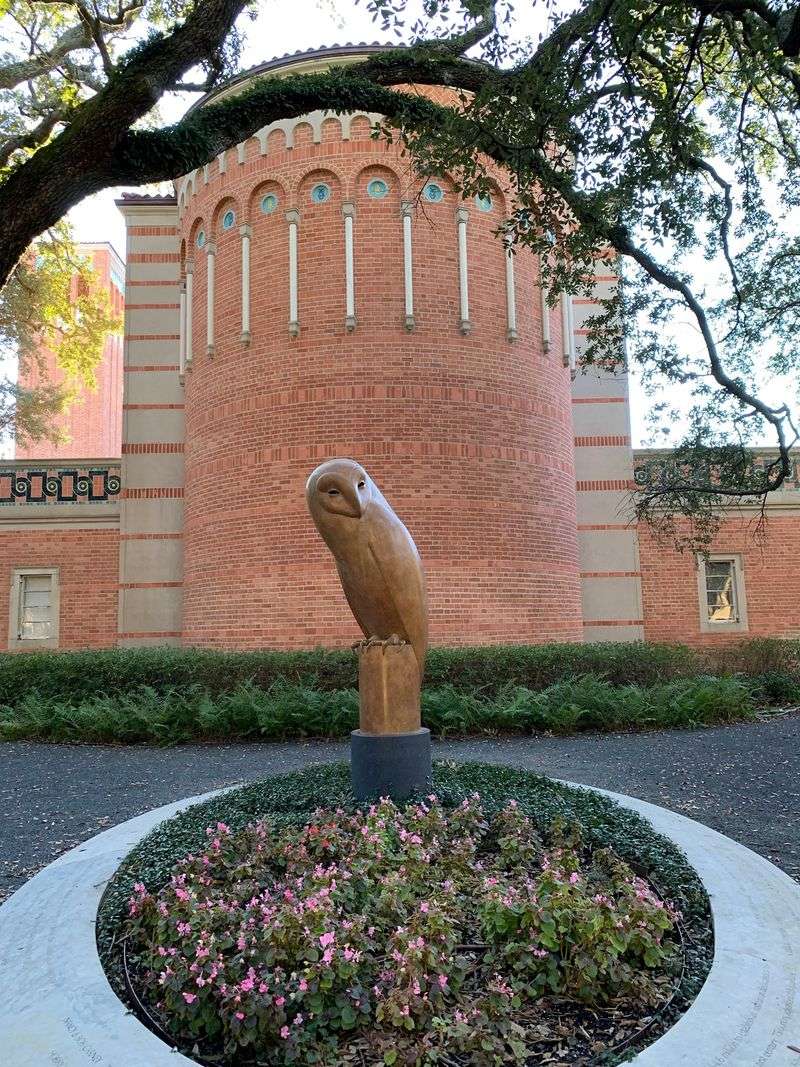
Most marching bands march in neat lines. The Marching Owl Band, better known as The MOB, is famous for humorous and unconventional performances instead.
That playful streak shows up all over Rice University. The Princeton Review has ranked Rice No. 16 for Happiest Students and placed it in the top 10 for quality of life.
Students have well over 200 clubs and organizations to explore. Community service programs and a lively arts scene add even more ways to get involved.
The Rice Players theater group and the Shepherd School of Music keep stages busy. You don’t need to major in the arts to enjoy a show.
The academic culture leans collaborative rather than cutthroat. Classmates tend to work together, which makes tough courses feel less lonely.
Evening strolls have their own reward too. James Turrell’s Twilight Epiphany Skyspace lights up the campus with a striking installation worth seeing.
I believe happiness belongs in any value conversation. A school is only a good deal if students actually enjoy being there.
Brilliant academics, generous grants, and a sense of humor make a rare mix. No wonder this Houston school keeps turning heads.
