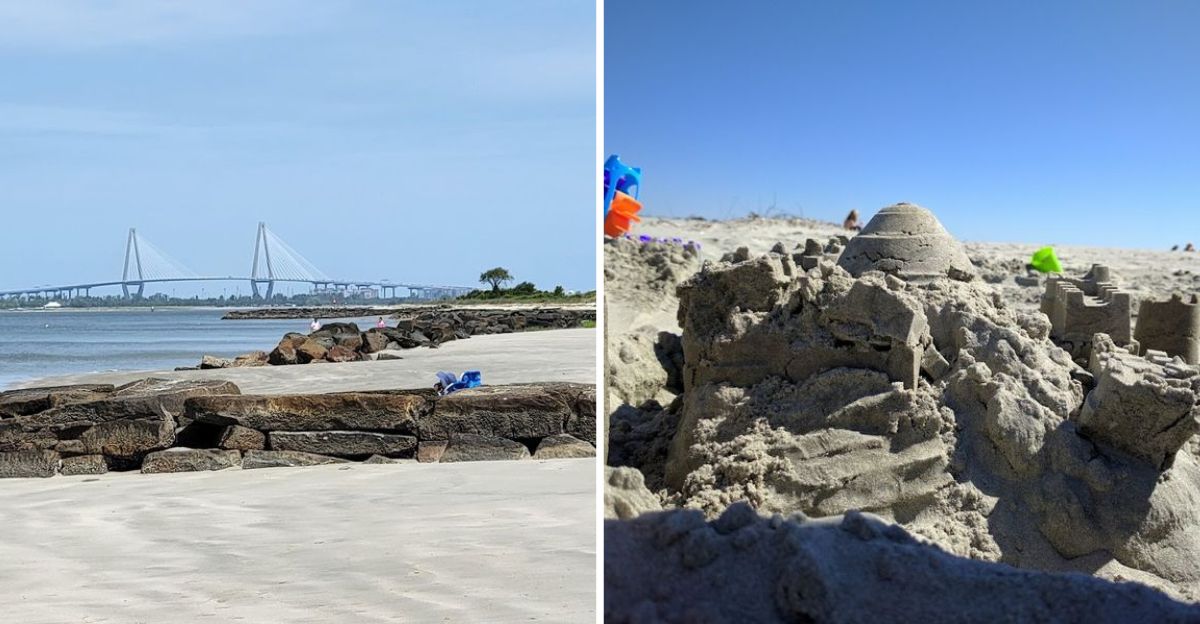
That stretch of South Carolina coastline sits quietly away from the noise and crowds that typically define beach towns, offering something rare along the East Coast.
The first time I arrived, the beach was nearly empty, the water was calm, and the only sounds were waves and a few distant birds.
It felt less like a public beach and more like someone had handed me a key to their private slice of the Atlantic.
The island itself carries that unhurried Lowcountry energy, the kind that slows your breathing and softens your shoulders the moment you step onto the sand.
I spent an afternoon walking that shoreline, watching the light shift across the water and feeling the tension drain out of me with every step.
That spot captures all of that and then some, and once you find it, you will completely understand why locals keep coming back.
The Uncrowded Atmosphere That Makes It Feel Like Your Own
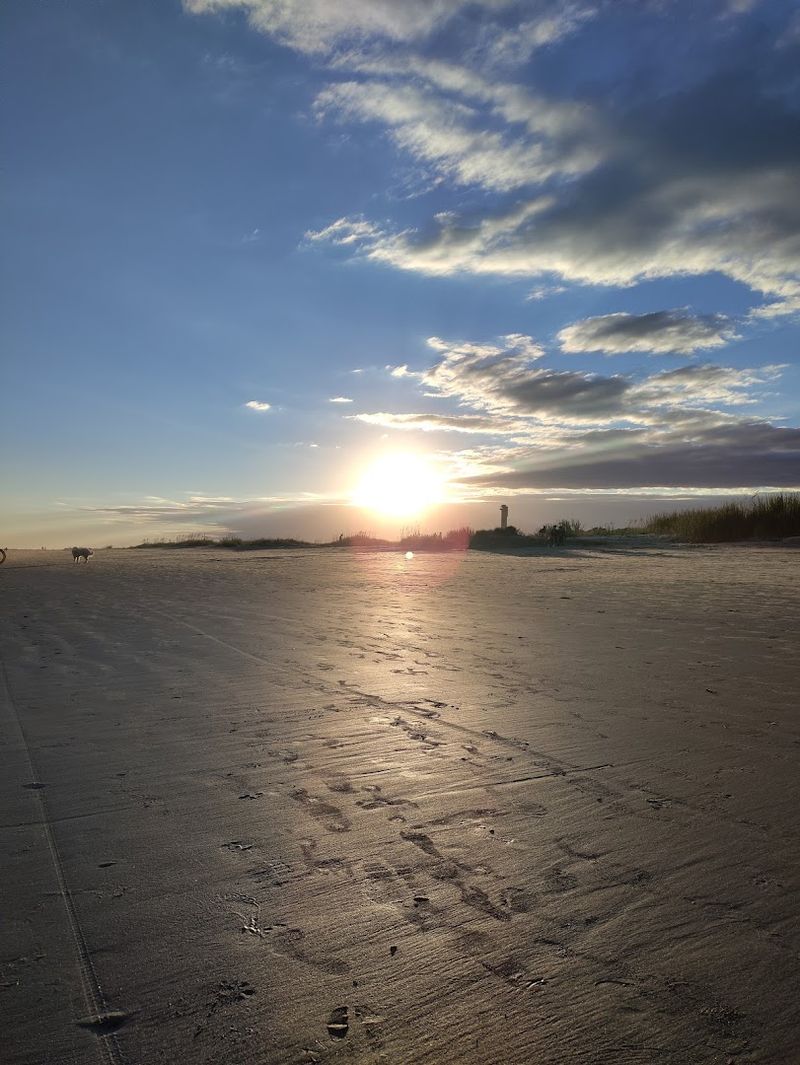
Some beaches announce themselves loudly. Station 22 does the opposite.
It sits at the end of a quiet neighborhood stretch on Sullivan’s Island, South Carolina, and the moment you step off the wooden boardwalk and onto the sand, there is a real sense that you have stumbled onto something that most people simply have not found yet.
Arriving around 10:30 in the morning, you might find the beach nearly empty, with plenty of open space in every direction. Even as the afternoon rolls in and a few more visitors trickle down, the crowd never feels overwhelming.
There is always room to spread out, breathe, and actually hear the ocean.
Part of what creates this private feel is how far back the homes are set from the shoreline. The houses do not crowd the beach the way they do in other coastal communities.
That distance adds a layer of openness that is hard to find anywhere nearby.
The island as a whole leans into this low-key character. Sullivan’s Island has never tried to be a flashy resort destination, and that restraint shows in every quiet corner.
Station 22 is the purest expression of that identity.
No lifeguards patrol this stretch, and cars are not permitted on the beach. That keeps the atmosphere genuinely calm.
It is the kind of place where you can lay out a towel, close your eyes, and forget that a city is just a short bridge away.
Getting There: Parking Tips and the Walk to the Sand
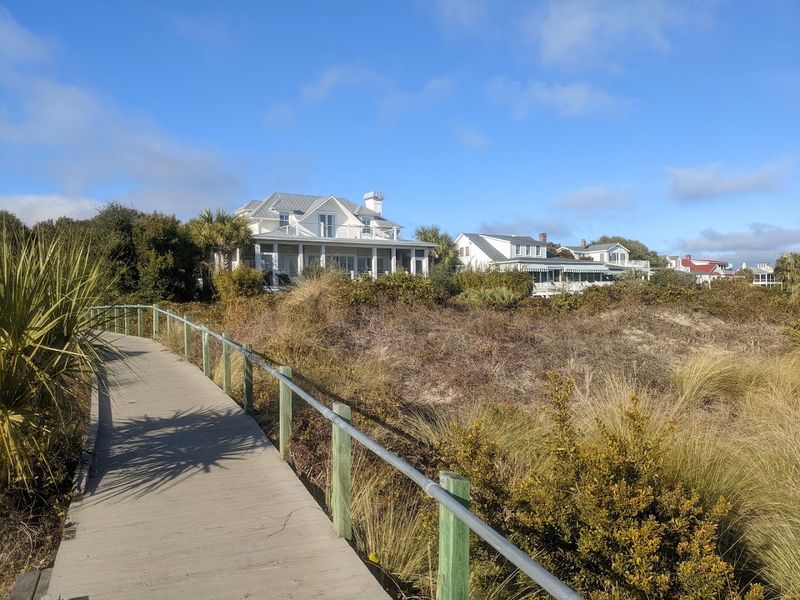
Finding Station 22 requires a little bit of planning, but the effort is absolutely worth it. The access point sits at 2119 Pettigrew St, and the walk from the street to the waterline is roughly 600 feet along a low wooden boardwalk that runs flat and easy the whole way.
The boardwalk is stroller-friendly and wagon-friendly, which makes it genuinely convenient for families with little ones. That last short push from the boardwalk onto the actual sand is slightly more effort, but nothing that will slow you down for long.
It is manageable even with a full load of beach gear.
Parking is the one piece of the puzzle that requires real strategy. There is no dedicated parking lot at Station 22.
Street parking is your only option, and the island enforces strict rules requiring all four wheels to be completely off the pavement to avoid a fine.
Getting there early is the single best piece of advice anyone can offer. Spots fill up fast, especially on weekends and during summer mornings.
Arriving before 9 a.m. gives you a strong chance of finding a good space without circling the neighborhood.
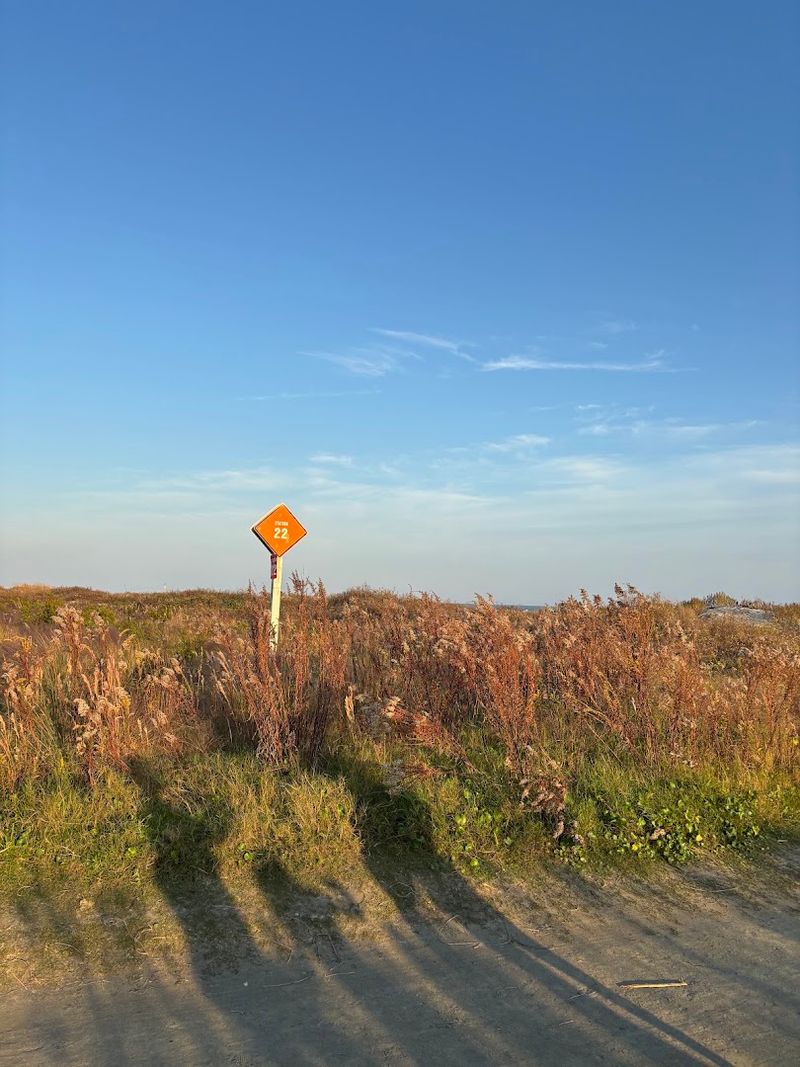
One small navigation note worth mentioning: the bright orange Station 22 sign is not visible from the beach side. The dunes sit too high and the sign is set too far back.
Mark your entry point before you head down the shore so you can find your way back without any guesswork.
What the Beach Actually Looks and Feels Like
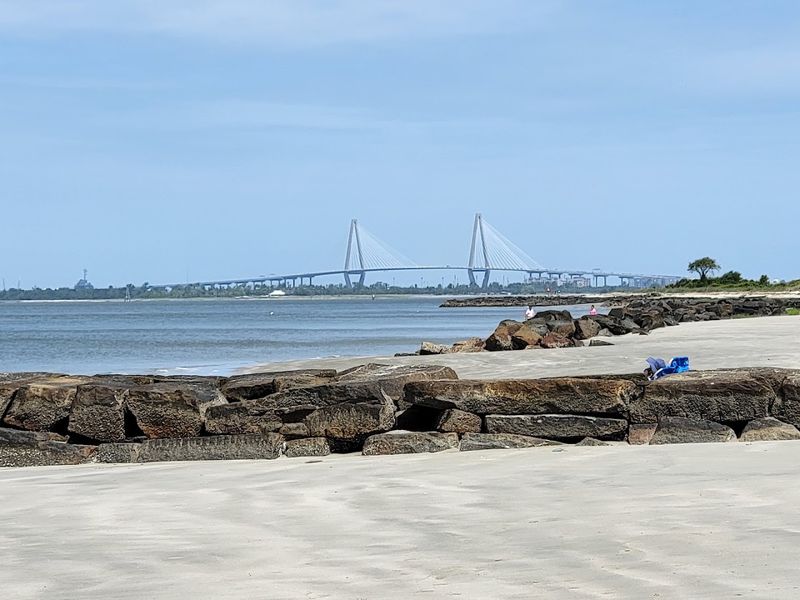
The beach at Station 22 is wide, open, and genuinely clean. Visitors consistently note the absence of sharp shells, rocks, or debris underfoot, which makes barefoot walking a real pleasure rather than an obstacle course.
Zero trash sightings are common, and the overall condition of the shoreline reflects how much the local community cares about this place.
The water here tends to be shallow with warm troughs that settle close to shore. That combination makes it especially inviting for swimmers who prefer calmer conditions, and for kids who want to splash around without dealing with strong surf.
Waves are low-key and easy, nothing intimidating.
One of the more magical features reveals itself at low tide. When the water pulls back far enough, it feels almost like two separate beaches appearing at once.
Tidal pools form along the exposed sand, and exploring them is endlessly entertaining, especially for curious younger visitors who want to see what the ocean leaves behind.
Sand erosion is not a significant issue at this part of Sullivan’s Island. The central sections around Station 22 have actually gained sand in recent years, which keeps the beach feeling full and generous rather than narrow and worn down.
At night, the absence of light pollution from nearby homes creates a sky that feels surprisingly dark and full.
Watching the moon and the sun share the sky during twilight hours is the kind of quiet, remarkable moment that sticks with you long after you leave.
Wildlife and Natural Wonders Worth Watching For
Sullivan’s Island is not just a beach. It is a living ecosystem, and Station 22 sits right in the middle of it.
The wildlife here is one of the most quietly thrilling aspects of a visit, and you do not need any special equipment or expertise to enjoy it.
Loggerhead sea turtles use this stretch of coastline as a prime nesting ground. Nesting season runs from May 15th through October 31st, and during that window, trained volunteers walk the beach at dawn to locate and mark fresh nests.
Orange stakes and protective tape signal an active nest, and seeing one up close is a genuinely moving experience. Respecting those marked areas is non-negotiable.
Bottlenose dolphins are spotted regularly in the surrounding waters. They tend to cruise parallel to the shore in small groups, and if you are patient and quiet, you can watch them for several minutes before they disappear.
It never gets old, no matter how many times you see it.
Coastal birds are everywhere here. Marsh hens pick through the tidal flats, ospreys circle overhead, and various shorebirds dart along the waterline in tight formations.
Bringing a small pair of binoculars makes the whole experience richer.
The wind can pick up without much warning on this part of the island. If you are setting up a tent or umbrella, stake it down properly.
Watching beach gear tumble across the sand is funny for everyone except the person chasing it, so come prepared.
The Historical Soul of the Station and the Island Around It
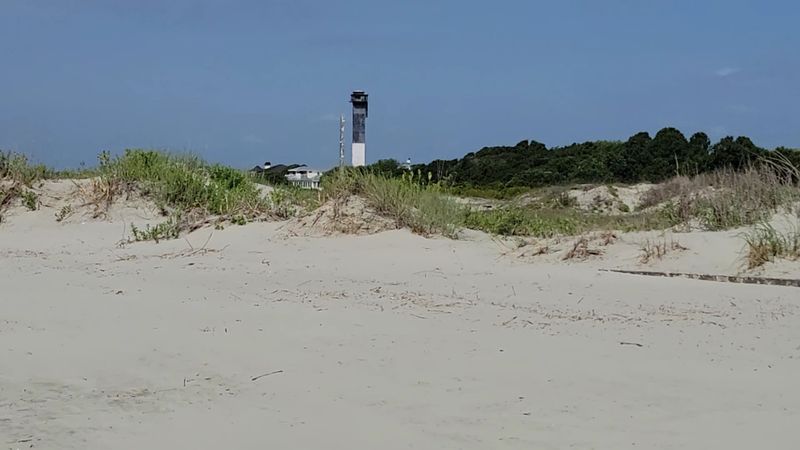
The name “Station 22” is not random. It comes from the island’s past as a trolley stop community, where numbered stations marked the points along the route where residents and visitors could board and disembark.
That piece of history gives the access point a quiet sense of identity that goes deeper than just a number on a sign.
Sullivan’s Island carries a remarkable amount of history packed into a relatively small space. Fort Moultrie sits nearby, a fortification that played a significant role in American military history dating back to the Revolutionary War.
A visit to the fort pairs naturally with a beach day, offering a completely different kind of experience without requiring much extra travel.
Edgar Allan Poe spent time on Sullivan’s Island during his military service in the late 1820s, and he used the island as the setting for his short story “The Gold Bug.”
That literary connection adds an unexpected layer of character to a place that already has plenty going for it.
Station 22 is part of what locals call the Middle Street Village area, considered the heart of the island’s town center.
Middle Street is only about a five-minute walk away, where a handful of restaurants and shops offer a low-key, local feel rather than the typical tourist strip experience.
The history here is woven into the landscape rather than displayed loudly. It rewards the curious visitor who takes a moment to look a little closer at the island beneath the surface.
Practical Tips, Rules, and What to Bring Along
A little preparation goes a long way at Station 22. Since there are no public restrooms, changing stalls, or water faucets directly at the access point, packing everything you need before you arrive is essential.
Think of it like a self-sufficient day trip rather than a resort beach visit, and you will have a much better time.
Bring plenty of water and snacks. The walk back to Middle Street for food takes about five minutes, which is fine once or twice, but manageable is different from convenient when you are sandy, hungry, and tired.
A small cooler with drinks and easy snacks keeps everyone happy without requiring a full retreat from the beach.
Beach gear rentals are not available at the access point itself, but shops near the town center do offer rentals if you need chairs, umbrellas, or other equipment.
Plan ahead if you want those items, because showing up without them and hoping for the best is a gamble.
The island’s rules are clear and consistently enforced. Dogs are welcome on the beach but must remain on a leash.
Styrofoam coolers and cups are not permitted anywhere on the beach. Staying off the dunes is required to protect the fragile plant life that holds them together.
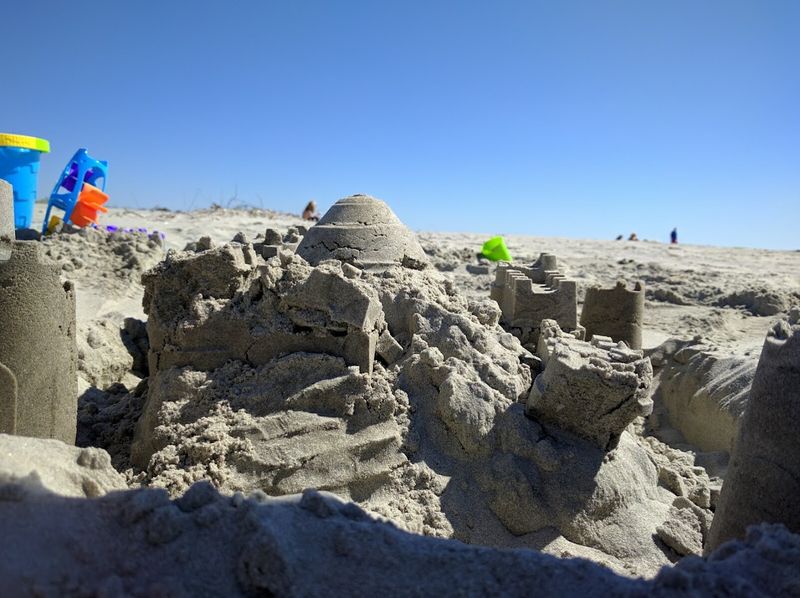
Any holes dug in the sand should be filled before leaving.
Motorized patrols do make rounds during the day. Following the rules is not just about avoiding fines.
It is about keeping this place as beautiful and peaceful as you found it.
Address: 2119 Pettigrew St, Sullivan’s Island, South Carolina 29482
