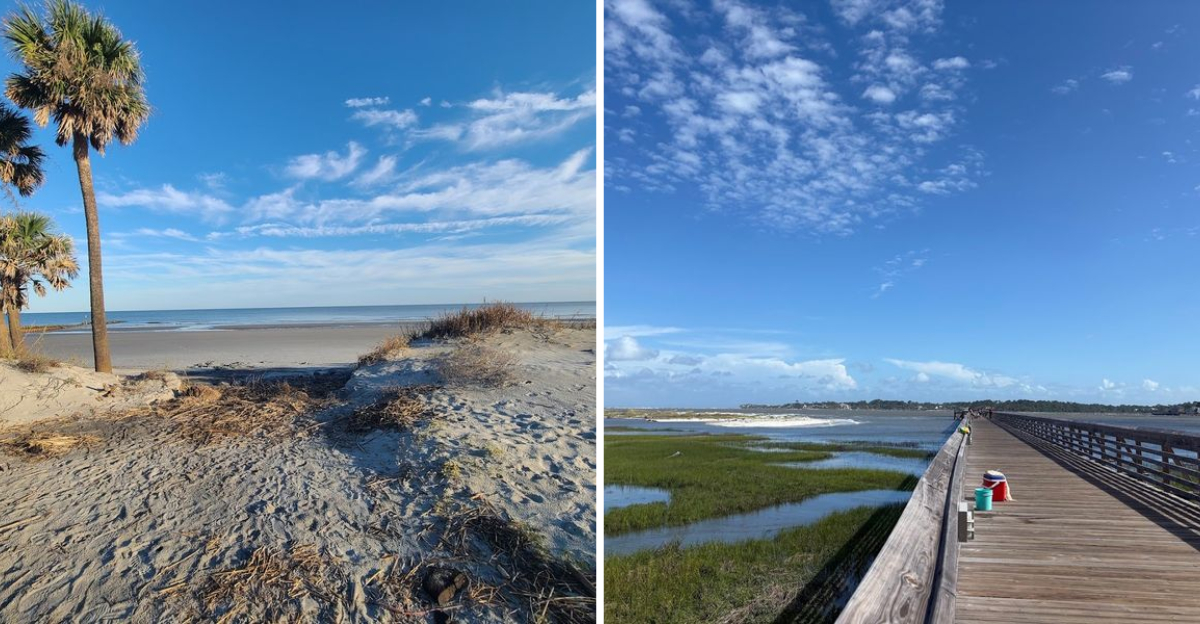
That South Carolina barrier island stayed with me long after I shook the sand from my shoes. Massive live oaks draped in Spanish moss line the road in, and before you even reach the water, you already feel calmer.
The beach stretches for miles, wide and unhurried, with no high-rise hotels crowding the skyline or neon signs competing for your attention.
I pulled up to the entrance for the first time and felt the energy shift instantly, like the noise of everyday life got turned way down.
The beach itself unfolds in a way that feels like a secret the rest of the world has not quite figured out yet.
That state park is the kind of place that reminds you what the coast is actually supposed to feel like.
The Beach That Feels Like It Belongs to You
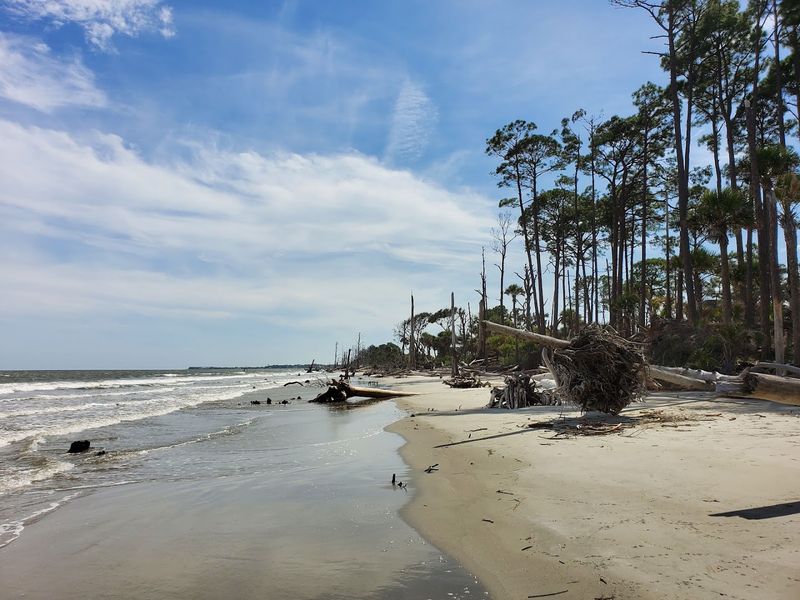
There is something almost unreal about arriving at a beach this beautiful and finding it mostly empty. Hunting Island’s shoreline stretches for roughly five miles, and even on busy summer weekends, the sheer size of it means you can spread out and breathe.
The sand is pale and fine, the kind that squeaks a little under your feet, and at low tide the beach widens out so generously that you almost forget other people exist.
What keeps it from feeling overrun is partly geography and partly design. The park limits parking, which naturally caps how many people can show up at once.
That small detail makes a surprisingly big difference when you are trying to enjoy a peaceful morning walk without dodging beach chairs every three steps.
Visitors regularly find sand dollars and shark teeth tucked into the wet sand near the water’s edge. It feels like a little treasure hunt every single time.
Dolphins are also a common sight just offshore, cruising along in small groups like they own the place, which honestly, they kind of do. The water is warm, the waves are gentle enough for families, and the overall vibe is deeply unhurried.
No vendors are hawking souvenirs, no loudspeakers blasting music, just the sound of waves and wind moving through the palms. If you have been craving a beach day that actually restores your energy instead of draining it, this is the one worth making the drive for.
Boneyard Beach: Nature’s Most Dramatic Shoreline
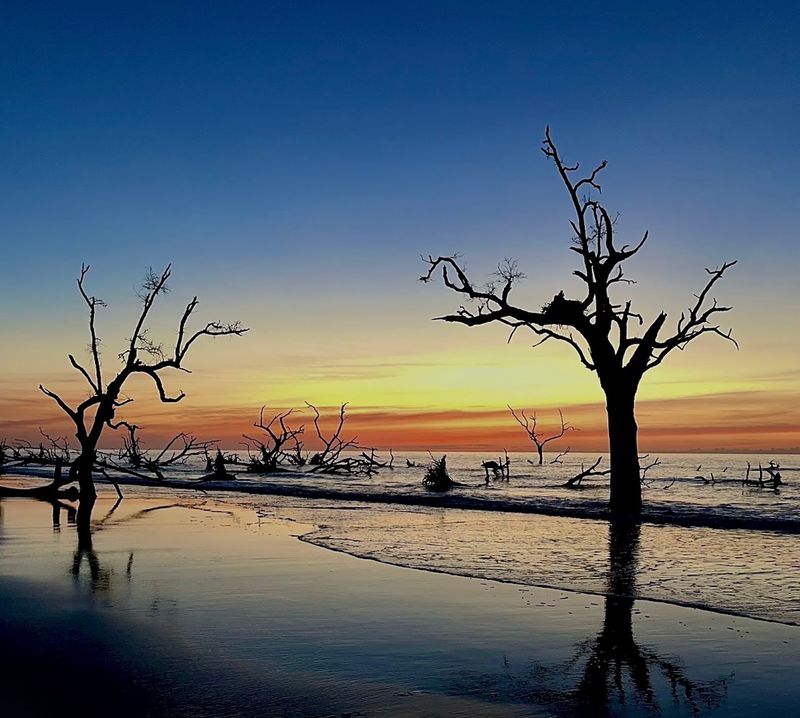
Nobody forgets their first look at Boneyard Beach. It is the kind of scene that stops you mid-step and makes you reach for your camera before you have even fully processed what you are seeing.
Bleached tree trunks rise out of the sand like ancient sculptures, their roots exposed by years of shoreline erosion, creating a landscape that feels both haunting and genuinely beautiful.
The boneyard sits at the southern end of the island, and getting there requires a bit of a walk from the pier parking lot. That short hike is absolutely worth every step.
The trail winds through a maritime forest before opening up to this ghostly stretch of coast, and the contrast between the two landscapes is striking enough to make you pause and just take it in.
Erosion shaped this place over decades, and while that sounds like a sad story, the result is one of the most photogenic and emotionally resonant beaches on the entire East Coast.
A tornado years ago added to the island’s unique tropical-meets-wild character, leaving behind a mix of fallen trees and tangled roots that give the shoreline its unmistakable look.
Early morning light turns the whole scene golden, and during low tide you can walk right out among the driftwood.
Photographers, nature lovers, and anyone who appreciates something genuinely different from a standard beach experience will find Boneyard Beach deeply rewarding.
It is one of those places that earns its reputation every single visit.
A Historic Lighthouse Worth Every Step of the Climb
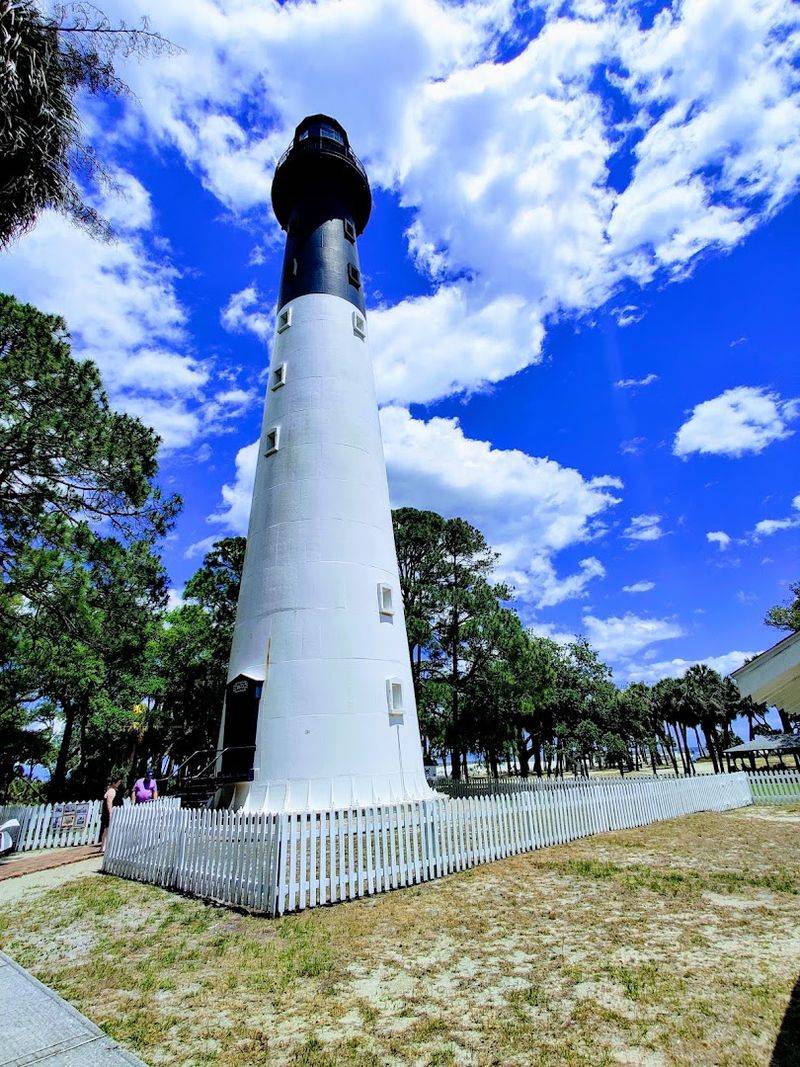
The Hunting Island Lighthouse has been watching over this stretch of coastline since 1875, and it carries that history with quiet dignity.
It is the only publicly accessible lighthouse in South Carolina, which already makes it worth a visit, but the real reward comes when you climb the 167 steps to the top and look out over the island from above.
The view from up there is genuinely stunning.
From the observation deck, you can see the full sweep of the island, the maritime forest rolling out in every direction, the marshlands glinting in the sun, and the Atlantic stretching to the horizon.
It puts the whole park into perspective in a way that a map simply cannot.
The lighthouse itself has been relocated twice due to erosion, which adds an interesting chapter to its already rich story.
A small gift shop sits near the base, and picnic tables are scattered nearby if you want to take a proper break after the climb. The surrounding area is shaded by trees, making it a comfortable spot even on warm days, though early spring visits can bring some enthusiastic gnats along for the picnic.
The lighthouse grounds are well-maintained and genuinely charming. Kids tend to love the climb, and adults tend to love the view at the top.
Whether you are a history enthusiast or just someone who appreciates a good landmark, the lighthouse is one of those stops that earns a permanent spot in your memory long after you have driven home.
Maritime Forest Trails That Feel Worlds Away
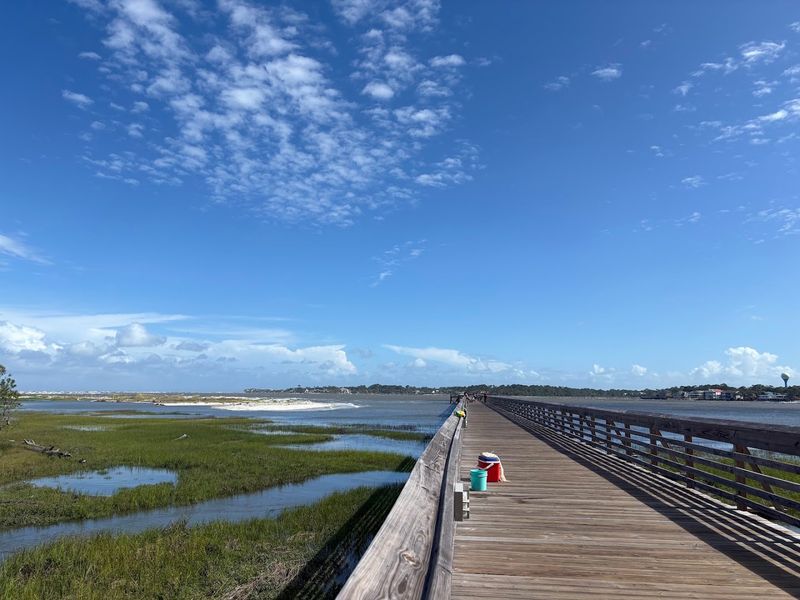
Most people come to Hunting Island for the beach, but the maritime forest trails are quietly one of the park’s best-kept pleasures.
The moment you step under the canopy of live oaks and palmettos, the temperature drops a few degrees and the whole mood shifts.
It is shady, fragrant, and surprisingly peaceful, even on days when the beach parking lot is filling up fast.
The Maritime Forest Trail runs roughly two miles one way from the last parking area to the Nature Center, making it a manageable out-and-back hike for most fitness levels.
Along the way, the landscape shifts between dense forest and open marsh views, which keeps the walk interesting from start to finish.
Birders will find a lot to love out here, since the park hosts an impressive variety of coastal and woodland species throughout the year.
On one visit, a river otter was spotted hunting in the marsh along a boardwalk section that connects small islands through the wetlands.
That kind of unexpected wildlife moment is exactly what makes these trails feel special rather than routine.
The forest also connects to the campground, so if you are staying overnight, you can slip out for an early morning walk before most visitors have even arrived. Bikes are welcome on certain trails too, which adds another layer of flexibility.
The combination of dense tree cover, marsh boardwalks, and genuine wildlife encounters makes Hunting Island’s trail system a destination in its own right, not just a bonus feature of the beach.
Stargazing and Sunrises That Genuinely Take Your Breath Away
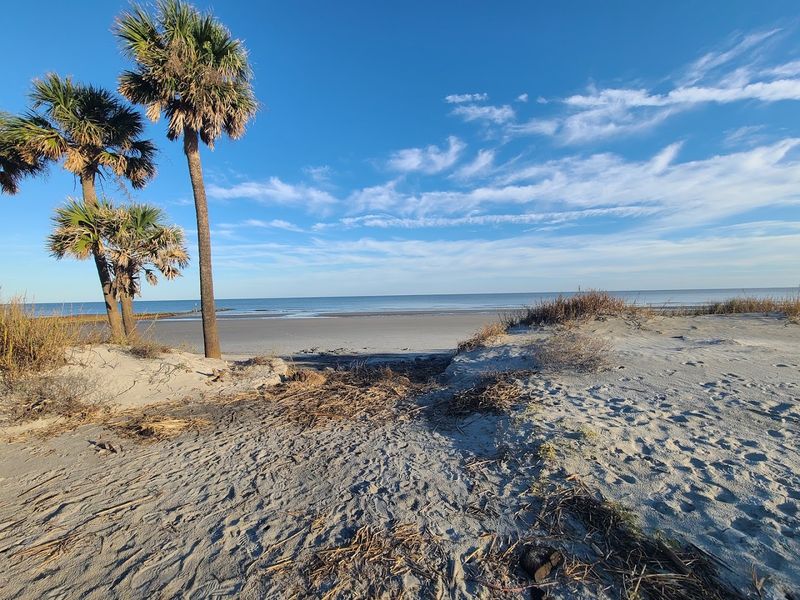
One of the most unexpected gifts Hunting Island offers is its darkness. Because there are no commercial developments crowding the island, the night sky here is remarkably clear.
On a good night, you can actually see the Milky Way galaxy from the beach, which is the kind of thing that sounds like an exaggeration until you are standing there with your neck tilted back and your mouth hanging open.
Arriving at the beach in the early morning hours before sunrise is a completely different experience from a daytime visit. The air is cooler, the light is soft and shifting, and the beach is yours almost entirely.
Watching the sun come up over the Atlantic from this stretch of sand is the sort of moment that makes you genuinely glad you set an alarm. The colors move from deep purple to rose gold to warm amber in a matter of minutes, and the whole thing feels a little like watching something sacred.
Camping in the park puts you in the ideal position to catch both the sunrises and the late-evening star shows without having to drive anywhere.
The campground is well-maintained and offers electric and water hookups for RVs, along with more primitive sites tucked deeper into the woods.
Many campsites are heavily wooded and private, which adds to the overall feeling of being genuinely away from it all.
For anyone who loves the outdoors and wants to slow down completely, spending a night or two here is one of the most restorative things you can do on the South Carolina coast.
Marshlands, Wildlife, and a Saltwater Lagoon Worth Exploring
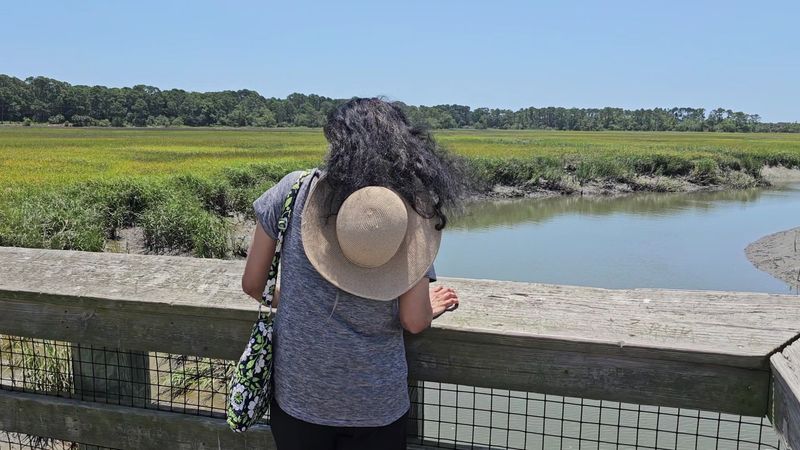
The beach gets most of the attention, but Hunting Island’s marshlands and saltwater lagoon are ecosystems worth slowing down for.
The lagoon sits tucked behind the main beach area, calm and reflective, and it draws an impressive variety of wading birds, turtles, and the occasional dolphin that finds its way in from the open water.
It has a quieter, more contemplative energy than the shoreline, which makes it a great spot to visit in the late afternoon when the light turns golden.
Marsh boardwalk sections throughout the park offer elevated views over the wetlands, and they are genuinely one of the better places to spot wildlife without having to bushwhack through anything.
Great blue herons, egrets, and various shorebirds move through these areas regularly.
Sea turtle nests also appear along the beach during warmer months, and the park takes their protection seriously.
The Nature Center near the pier is a smart first stop if you want context for everything you are about to explore. It offers information about the park’s ecosystems, wildlife, and ongoing conservation efforts in an approachable and interesting way.
The fishing pier nearby is a favorite gathering spot for both anglers and people who just want to stand over the water and watch dolphins play below.
Hunting Island is dog-friendly too, which means four-legged visitors get to experience the marshes and trails right alongside their people.
The whole place functions like a living, breathing nature documentary that you get to walk through at your own pace.
