South Carolina has a place where the road narrows, the trees close in overhead, and the rest of the world genuinely disappears. I stumbled onto that preserve on a quiet Wednesday morning, and nothing quite prepared me for what waited at the end of that dusty dirt road.
Ancient live oaks draped in Spanish moss formed a cathedral above my car, and I felt the tension leave my shoulders before I even parked. The beach there is not your typical postcard shoreline with umbrellas and ice cream carts.
It is raw, windswept, and almost otherworldly, a stretch of coastline that looks like it belongs in a dream or a nature documentary. I spent a full day wandering its trails and shoreline, watching the light shift across the water, and felt like I had stumbled onto something the guidebooks missed. Locals guard it with a quiet pride, and after that visit, I completely understood why.
Stepping Into a Canvas of Time: The Live Oak Avenue
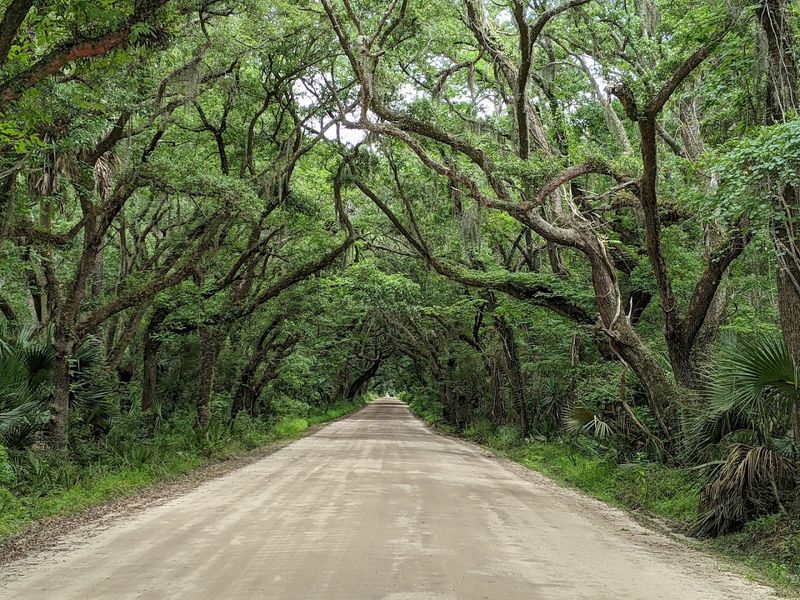
The moment your tires hit the dirt road and the oak canopy closes overhead, something shifts. Ancient live oaks line both sides of the entrance road at Botany Bay, their enormous branches stretching toward each other like old friends shaking hands across a narrow lane.
Spanish moss hangs in long, silver-gray curtains, swaying gently with each coastal breeze.
This is not just a pretty entrance. The trees here are centuries old, survivors of hurricanes, tidal floods, and the slow churn of history.
They were growing long before the plantation era that shaped this land, and they will likely outlast most things standing today.
The preserve was formed in the 1930s from two Colonial-era plantations, Bleak Hall and Sea Cloud, both once central to Sea Island cotton production. Remnants of that era still dot the property, including 19th-century Gothic Revival outbuildings from Bleak Hall, an old icehouse, and a beehive-shaped brick well built to serve the enslaved people of Sea Cloud Plantation.
A chimney from a slave house also stands quietly along the route. These structures are listed on the National Register of Historic Places, and they carry a weight that no sign or plaque can fully capture.
The drive in alone is worth the trip.
The Legendary Boneyard Beach
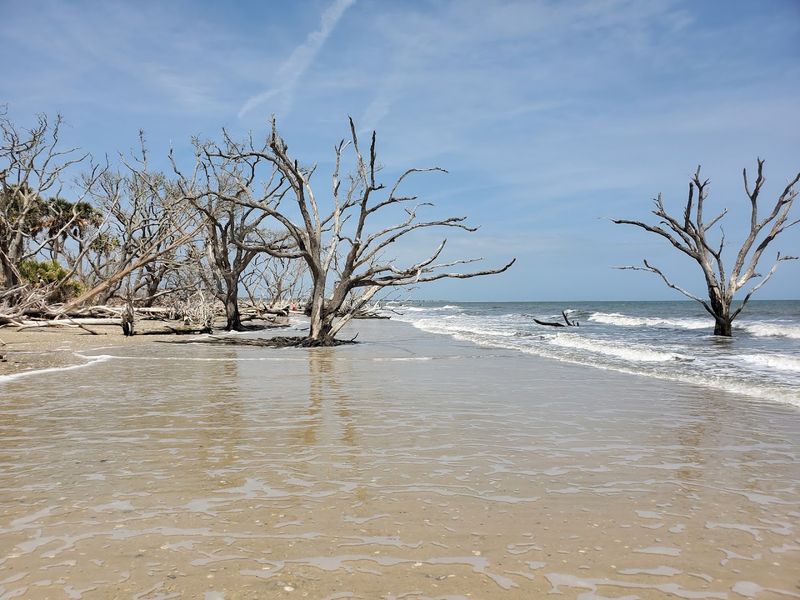
Nothing prepares you for the first glimpse of Boneyard Beach. After a half-mile walk along the Pockoy Island Trail, which crosses a historic marsh causeway and winds through a dense maritime hammock, the trees part and reveal one of the most surreal shorelines on the entire East Coast.
Erosion has pulled the land away over decades, leaving behind the skeletal remains of trees that once stood in the forest. Their pale, sun-bleached trunks and twisted branches rise from the sand like natural sculptures, each one shaped differently by salt, wind, and tide.
The scene feels ancient and alive at the same time.
Low tide is the best time to visit, and it is honestly essential. When the water pulls back, a wide stretch of shoreline opens up, revealing tide pools, oyster beds, and an almost impossible number of shells.
Swimming here is not recommended because of submerged debris and the unpredictable nature of the shoreline. But walking it, photographing it, and simply sitting among those weathered trees while the ocean breathes in and out beside you?
That is an experience that stays with you long after you have driven back home. Plan your visit around the tide chart.
It makes all the difference.
A Wildlife Sanctuary Unlike Any Other
Botany Bay is not just beautiful. It is biologically extraordinary.
The preserve spans roughly 4,600 acres of diverse coastal habitat, from pine hardwood forests and agricultural fields to tidal marshes and barrier island beachfront, and each zone hums with its own cast of residents.
The beach serves as a critical nesting ground for federally threatened loggerhead sea turtles, with up to 100 nests recorded in a single season. Thousands of hatchlings make their first scramble toward the ocean right here on this stretch of sand each year.
The least tern, a state-threatened species, also nests along this shoreline, and the preserve takes its protection seriously.
Painted buntings and summer tanagers flit through the maritime forest, their colors almost unreal against the green. White-tailed deer move quietly through the tree cover, and alligators surface in the wetlands with unhurried confidence.
Fiddler crabs, ghost crabs, blue crabs, egrets, and raccoons round out the lineup. The sheer variety of life here reflects the health of the ecosystem, which is part of the larger ACE Basin, one of the largest undeveloped wetland systems remaining along the entire Atlantic Coast.
Watching all of it unfold without disturbance feels like a genuine privilege.
Rules That Keep the Magic Intact
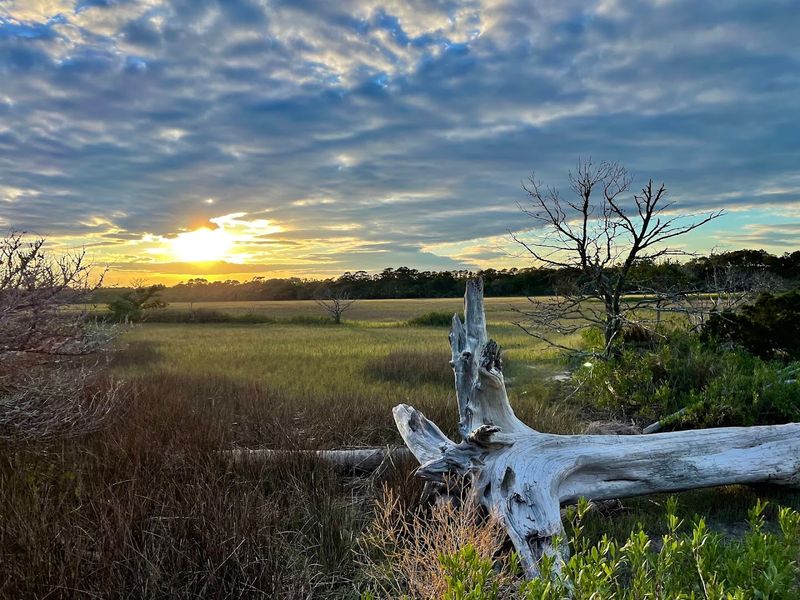
Part of what makes Botany Bay feel so untouched is that it is actively protected by a clear set of rules, and visitors are expected to take them seriously. The guiding principle is simple: take only photographs, leave only footprints.
That means no shells, no fossils, no pottery shards, no driftwood, and absolutely no natural or cultural artifacts of any kind.
A free day pass is required and can be picked up at the kiosk near the entrance gate. The process takes about two minutes and helps the South Carolina Department of Natural Resources track visitor numbers and manage the land responsibly.
Dogs are allowed in some areas of the preserve on a leash, but they cannot go on the causeway or the beach itself.
Bicycles are welcome on designated paths but not on the beach. Vehicles larger than 15-passenger vans are not permitted on the preserve roads due to the fragility of the terrain.
There are no restrooms and no trash facilities anywhere on the property, so coming prepared with water, snacks, sunscreen, and bug spray is not optional, it is essential. The preserve is also closed every Tuesday and on specific hunting dates, so checking the official SCDNR website before your visit saves a potentially long, disappointing drive.
The Self-Guided Driving Tour Through History
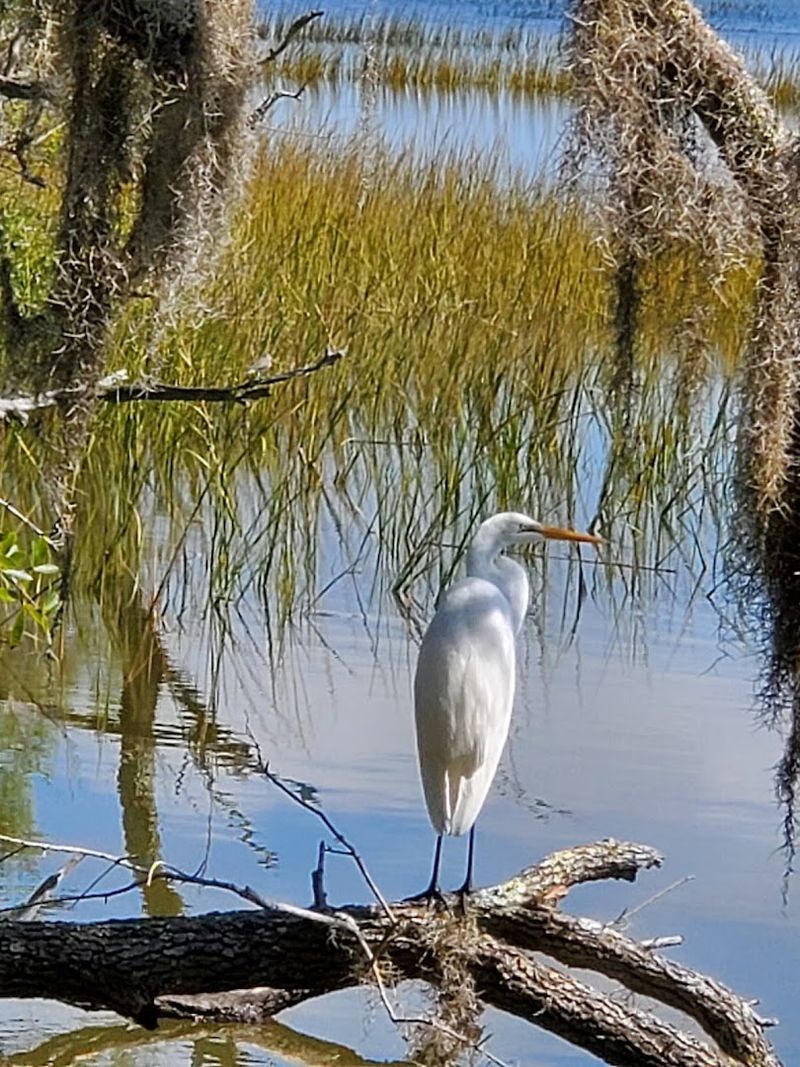
Before or after hitting the beach, the 6.5-mile self-guided driving tour is one of the most rewarding ways to experience the full scope of Botany Bay. A map available at the entrance kiosk doubles as a historical timeline, pointing out key stops along the one-way route and explaining the layered story of this land.
The drive moves through a series of dramatically different landscapes. Dense pine hardwood forest gives way to open fields that are actively managed to support native wildlife.
Salt marsh edges appear alongside Ocella Creek, where wading birds pick through the shallows with focused patience. Century-old live oaks appear again and again throughout the route, each one a landmark in itself.
Historical structures appear along the way too, offering context that deepens every view. The Gothic Revival outbuildings from Bleak Hall Plantation, including the icehouse with its distinctive high gable roof, are easy to photograph and hard to forget.
I noticed alligator warning signs posted near certain low-lying sections, which kept me happily in my car at those spots. The tour is accessible for visitors who may not be up for a long walk, and it rewards slow, curious drivers who pull over often.
Bring binoculars. The marsh views alone are worth the trip.
Tides, Timing, and the Rhythm of the Preserve
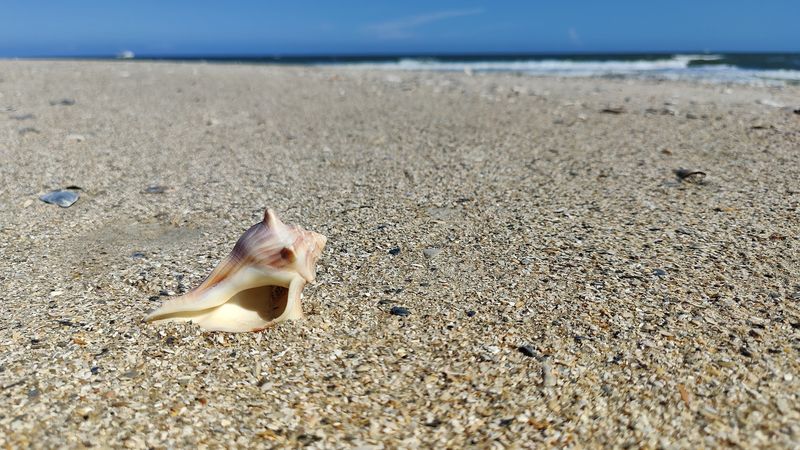
Botany Bay operates on nature’s schedule, not ours. The preserve opens one hour before sunrise and closes one hour after sunset, Monday through Sunday except Tuesdays.
That window for dawn light on the boneyard beach must be something extraordinary, though I have yet to arrive quite that early.
The beach itself is only reliably accessible at low tide. When the tide comes in, the shoreline shrinks dramatically and in some sections disappears entirely, leaving no safe passage along the sand.
This is not a minor inconvenience. It is a fundamental feature of the place, a reminder that you are visiting on the ocean’s terms, not your own.
Checking a local tide chart before heading out is the single most practical piece of advice anyone can offer about visiting Botany Bay. Arriving about an hour before low tide gives you the best experience and the widest beach to explore.
The shifting tides also mean the landscape looks different every single time, which is part of why people return again and again. The smell of pluff mud mingling with salt air and pine adds a sensory layer that no photograph can fully capture.
There is a slow, deliberate pulse to this place that resets something in you.
A Paradise Preserved for Everyone
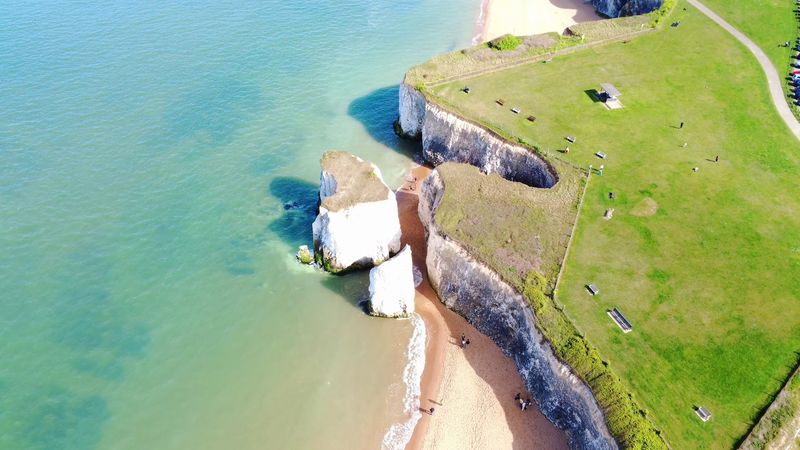
What keeps Botany Bay feeling like a private paradise, even as more people discover it, is the deliberate and ongoing commitment to keeping it undeveloped. The South Carolina Department of Natural Resources manages the preserve with wildlife as the primary priority.
That focus shapes every decision made about the land, from the rules visitors follow to the habitats that are actively maintained.
Botany Bay is also part of the ACE Basin National Estuarine Research Reserve, a designation that adds a layer of scientific oversight and long-term protection. The ACE Basin as a whole is one of the largest remaining undeveloped wetland ecosystems along the entire Atlantic Coast, and Botany Bay sits right at its heart.
That context matters. It explains why the air feels cleaner here, why the bird calls seem louder, and why the whole place hums with a kind of ecological health you rarely encounter.
The preserve was bequeathed to the state by its last private owners, John E. Meyer and his wife Margaret, and opened to the public in 2008.
That act of generosity is still paying forward today. Every visitor who walks the trail to Boneyard Beach, drives the plantation loop, or simply sits quietly by the marsh is the beneficiary of a remarkable gift.
Address: Botany Bay Rd, Edisto Island, SC 29438
