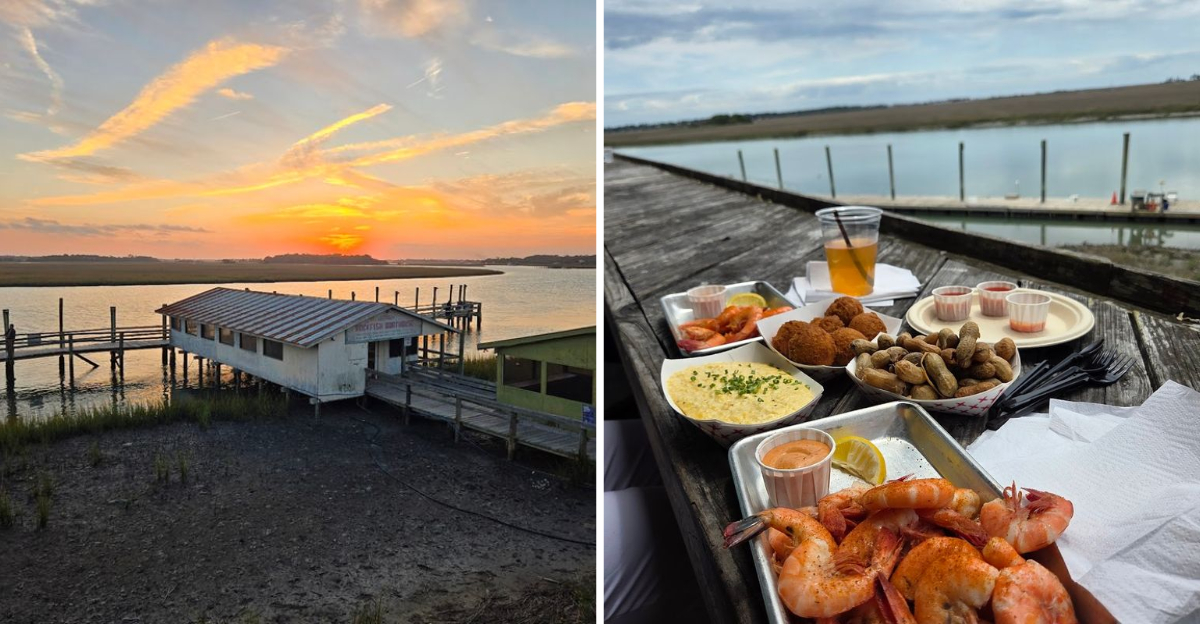
Some places resist being forgotten, holding onto their character long after everything around them has changed. At the end of a rough gravel road outside Charleston, a weathered seafood shack sits surrounded by marshland, where oysters roast over open pits and steam drifts into the salt air. Graffiti-covered walls, towering shell piles, and wide tidal views create an atmosphere that feels untouched by time or polish.
Four generations of the same family have kept the tradition alive since 1946, preserving both method and spirit. A setting where a historic oyster roast spot near Charleston South Carolina continues to carry a quiet, enduring legacy.
A Road Less Traveled: Getting to Bowens Island
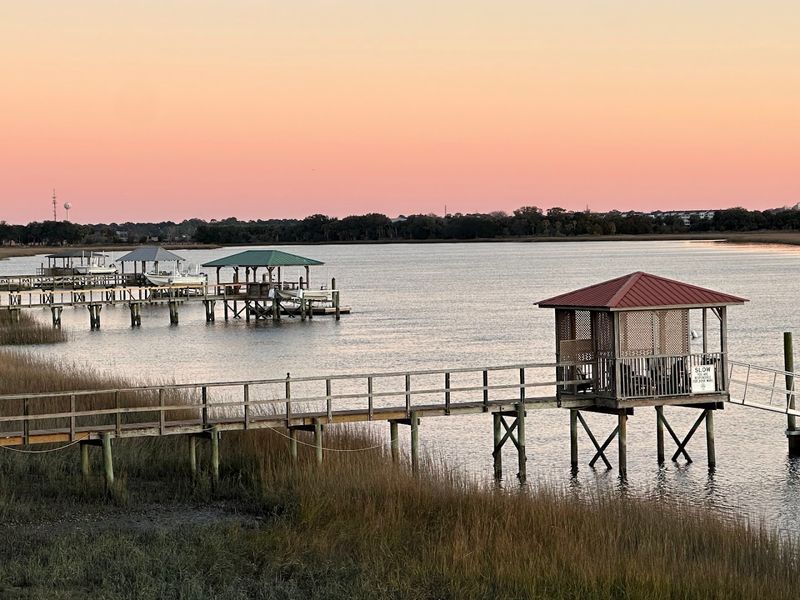
The drive to Bowens Island is part of the experience, and nobody warns you quite enough about that. The road off Folly Beach Road turns to gravel pretty quickly, and from there it is a slow, bumpy crawl toward the water that feels like the restaurant is testing your commitment before you even arrive.
But that rough stretch of road has a way of shaking off the city noise. By the time the marsh opens up around you, the whole pace of the afternoon shifts.
You are not in a rush anymore. The landscape does that to you.
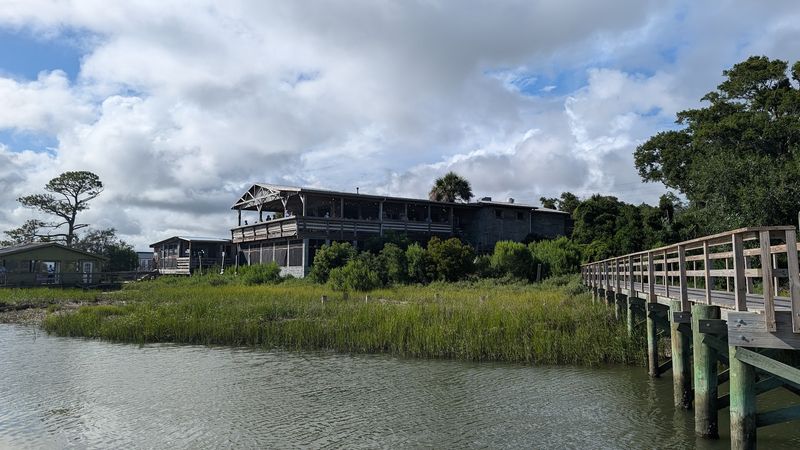
Pulling into the parking lot, which fills up fast on weekend evenings, you get your first real look at the place. It is not glamorous from the outside.
There is a weathered building, a cluster of people milling around, and the smell of something smoky and briny in the air that stops you mid-step. That smell is the oyster pit, and it has been drawing people down this same road for nearly eight decades.
The journey here is short in miles but surprisingly big in atmosphere, setting the tone for everything that follows once you step inside.
Nearly 80 Years of Family Ownership and Lowcountry Roots
Sarah May and Jimmy Bowen bought a 13-acre island back in 1946, and what they started there has quietly outlasted trends, tourism booms, and even a devastating fire. The restaurant they built was never meant to be fancy.
It was meant to feed people good seafood, and that mission has held firm across four generations of the same family.
Robert Barber, grandson of the original founders, along with Hope Barber as managing operator, keeps the place running with a loyalty to tradition that is genuinely rare. Most restaurants change hands and change completely.
This one changed hands within the same family and barely blinked.
In 2006, the original building was lost to fire, which could have ended everything. Instead, the family rebuilt and reopened in 2010, keeping the same spirit intact while making small practical updates like adding a ramp to the dining room.
The James Beard Foundation recognized Bowens Island as an American Classic that same year the fire occurred, which feels like the universe offering a complicated kind of consolation. That award, and the legacy behind it, says more about this place than any menu description ever could.
The Oyster Pit That Started It All
Roasted oysters are the heartbeat of Bowens Island, and the method behind them has barely changed since the early days. Originally cooked on an outdoor open pit, the process moved indoors in the late 1950s when a permanent Oyster Room was constructed.
Today the heat comes from propane instead of a wood fire, but the oysters are still roasted under wet burlap sacks, just like always.
They come out steaming, in shovel-sized portions, dropped onto your table with a scraper and not much else. That simplicity is the whole point.
Fresh oysters pulled from local waters, roasted until they pop open, eaten right there with the marsh breeze coming through the window — it is hard to improve on that formula.
The oysters here carry a distinct saltiness, a clean oceanic flavor that reviewers keep describing as tasting like they were pulled straight from the water that same day. Some visits, the oysters sell out entirely, which is its own kind of testament to how sought after they are.
If you arrive and they are available, order them immediately. This is the dish that built the restaurant’s reputation and the one that keeps people coming back year after year.
Frogmore Stew, Fried Shrimp, and the Rest of the Lowcountry Menu
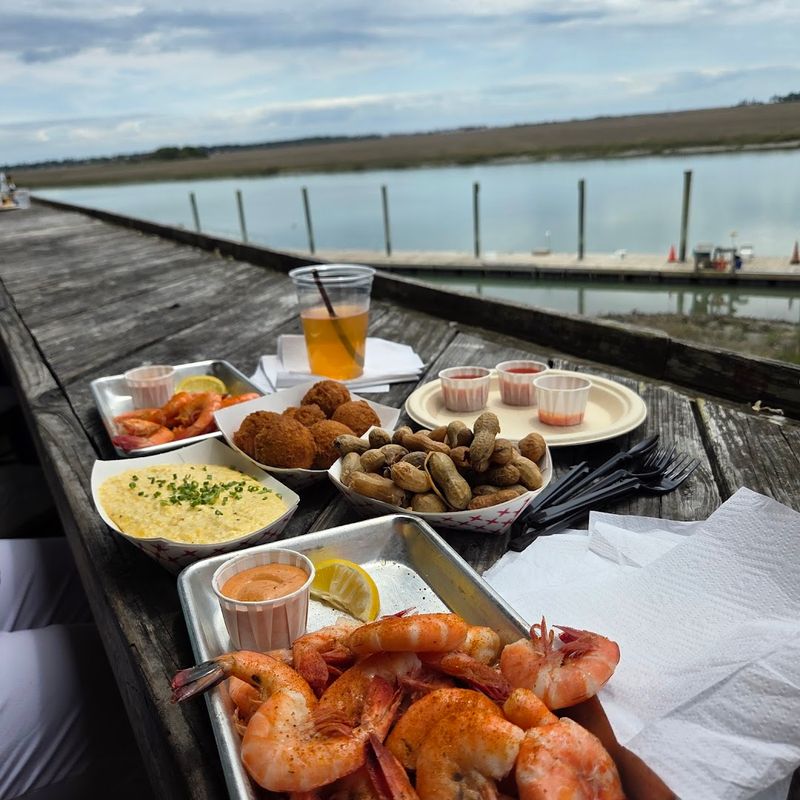
Oysters get most of the attention, but the menu at Bowens Island goes deeper than one dish. Frogmore Stew, the classic Lowcountry boil packed with shrimp and corn, is the kind of thing that reminds you why South Carolina seafood has such a devoted following.
It is hearty, unfussy, and exactly what you want after that gravel road drive.
The fried shrimp platter is another standout, lightly battered and served with hushpuppies that are crispy outside and soft in the middle. The flounder on the seafood platters has earned specific praise from regulars, described as tender and melt-in-your-mouth in a way that cheap batter and overcooked fish never could be.
Crab dip, made with real crab, has its own loyal fan base.
The menu has grown modestly over the decades. French fries and salad were not always options here.
Lunch service is a newer addition entirely, bringing fried oyster po’boys and ceviche into the mix for daytime visitors. None of these additions feel forced or out of place.
The kitchen keeps everything rooted in the same Lowcountry tradition that has defined the restaurant since the Bowens first fired up that original pit nearly eight decades ago.
The Atmosphere That No Designer Could Replicate
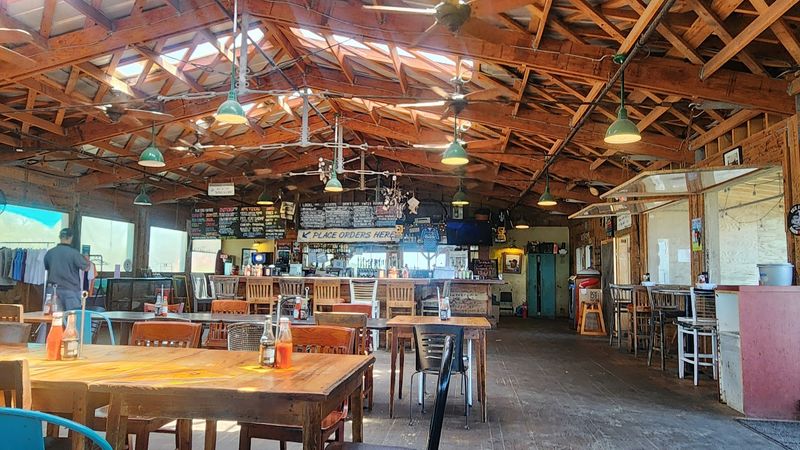
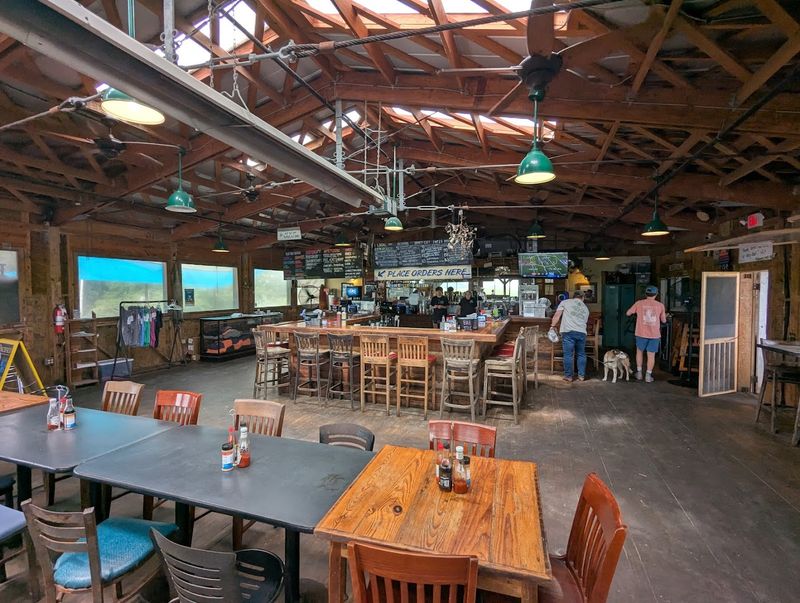
There is a specific kind of charm that only decades of real use can create, and Bowens Island has it in abundance. The walls are covered in layers of graffiti left by visitors going back years, a living record of everyone who has eaten here and felt the urge to leave a mark.
It sounds chaotic, and in the best way, it is.
Picnic-style tables, mismatched seating, and a counter-service setup keep things relaxed and unpretentious. You order at the window, grab a spot, and settle in.
The pace is unhurried, which works perfectly when the view outside is a sweep of tidal marsh turning gold in the late afternoon sun.
Groups of all sizes seem to find their rhythm here easily. Families with kids spread out at the big tables.
Couples claim a corner with a marsh view. Large parties have been seated in the oyster bar area with room to breathe and even permission to add their own graffiti to the walls.
That kind of flexibility, combined with the raw, unpolished setting, creates an atmosphere that no amount of interior design budget could manufacture. It simply grew this way, one season at a time.
Sunset Views Over the Marsh That Make the Wait Worthwhile
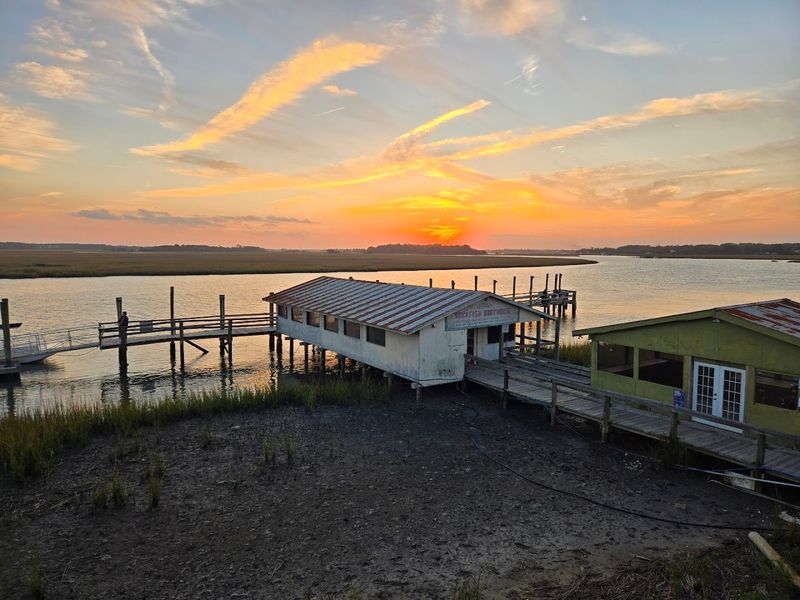
Waiting for your food at Bowens Island is not a frustrating experience. It is practically a scheduled part of the visit.
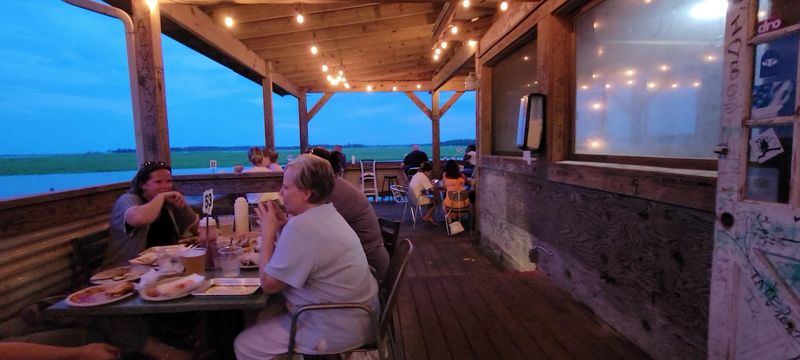
The marsh views from the deck stretch out in every direction, and when the sun starts dropping toward the water, the whole scene turns into something that feels almost too good to be casual dining.
The open-air setup means the breeze comes through constantly, carrying that mix of salt water and woodsmoke that becomes the unofficial scent of the evening. People linger here in a way that feels natural rather than forced.
Nobody seems to be in a hurry, and the setting makes it easy to understand why.
Sunset timing is worth planning around if you can manage it. Arriving in the late afternoon gives you the best chance of catching the light at its peak, and several visitors specifically mention the 360-degree marsh views as a highlight equal to the food itself.
One reviewer put it simply: the views were relaxing. That might be an understatement.
Bowens Island sits on the water in a way that turns a seafood dinner into something closer to a full sensory experience, one that sticks with you long after the last hushpuppy is gone.
Why Bowens Island Remains a Charleston Essential
A James Beard Foundation America’s Classics award is not something a restaurant earns by accident. Bowens Island received that recognition in 2006, the same year fire destroyed the original building, and the award captured something real about what this place means to the region.
Publications like Southern Living and Coastal Living have called it one of the country’s best seafood destinations, and regulars have been making the pilgrimage for generations.
What keeps people returning is not nostalgia alone, though there is plenty of that. The food is genuinely good, the setting is unlike anything else in the Charleston area, and the family behind it has maintained a consistency that is increasingly hard to find.
Fourth-generation ownership means the people running this place grew up with it, and that connection shows.
First-time visitors often describe feeling like they have discovered something secret, even though Bowens Island has been right there on the map since 1946. That feeling says everything about how the restaurant carries itself.
It does not advertise itself aggressively or chase trends. It just keeps doing what it has always done, roasting oysters, serving Lowcountry seafood, and letting the marsh do the rest of the persuading.
Address: 1870 Bowens Island Rd, Charleston, South Carolina
