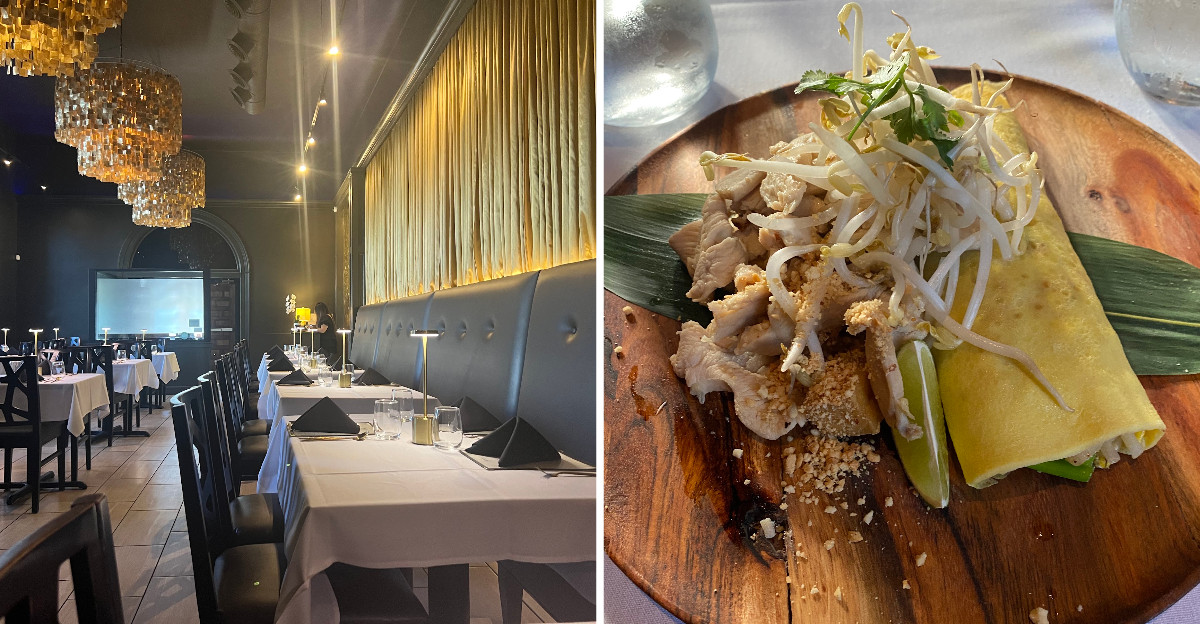
High ceilings and a heavy steel vault door are not what you expect in a Thai restaurant, but what waits inside a 1912 bank building in South Carolina is exactly that. I was driving through a small town looking for a quick bite when a tall brick building caught my eye, and something about it felt older than everything around it.
The vault door still sits in the dining room, a reminder of the building’s past life. The smell of curry and lemongrass hits you before you sit down.
Finding a white tablecloth Thai restaurant in a small Southern town was not something I expected, and I definitely did not expect it to be this good. The chef’s plates look like little pieces of art without feeling fussy.
By the time dessert arrived, I had already decided to come back, probably with more people, and definitely with a reservation.
A 1912 Bank Building With Its Original Bones
Old buildings usually get flattened in small towns, so finding one that survived over a century feels like a small victory. The structure that houses Bodhi Thai Dining opened in 1912 as the Bank of Western Carolina, later becoming Lexington State Bank.
For decades, this was where locals cashed checks and opened savings accounts. Now people come here for curry and sea bass instead.
The renovation work started around 2015, and the restaurant officially opened its doors on October 25, 2017. What I like most is that the conversion did not erase the past.
High ceilings, generous windows, and that solid brick shell all stayed put, giving the room a sense of weight that new construction just cannot fake.
If you park along East Main Street, take a minute before you walk in. The facade reads like a small town bank should, sturdy and formal, with details that were clearly meant to make people trust the place with their money.
Stepping from that old exterior into a dining room filled with soft lighting and Thai aromas is a fun little jolt.
For anyone who grew up in Lexington, South Carolina eating dinner inside the old bank is a genuinely strange and wonderful experience.
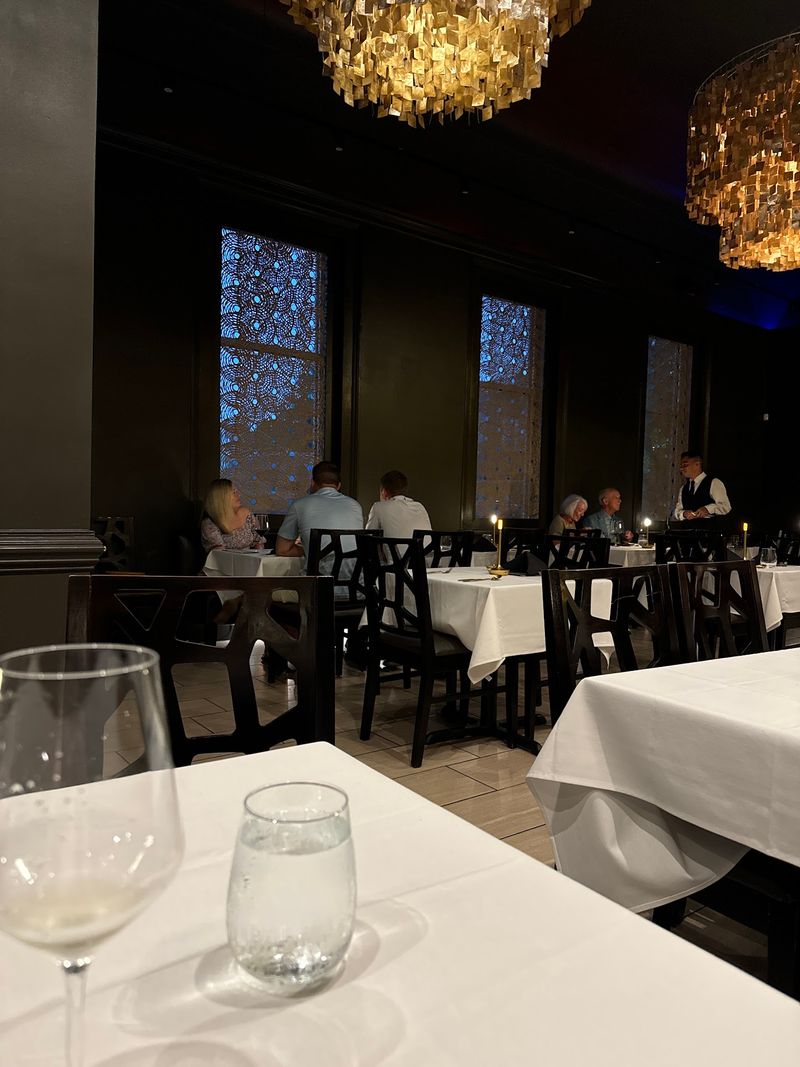
The contrast becomes even more noticeable after dark, when the old brick exterior feels almost frozen in another era while the dining room glows warmly through the tall Main Street windows.
That Steel Vault, Still Standing in the Dining Room
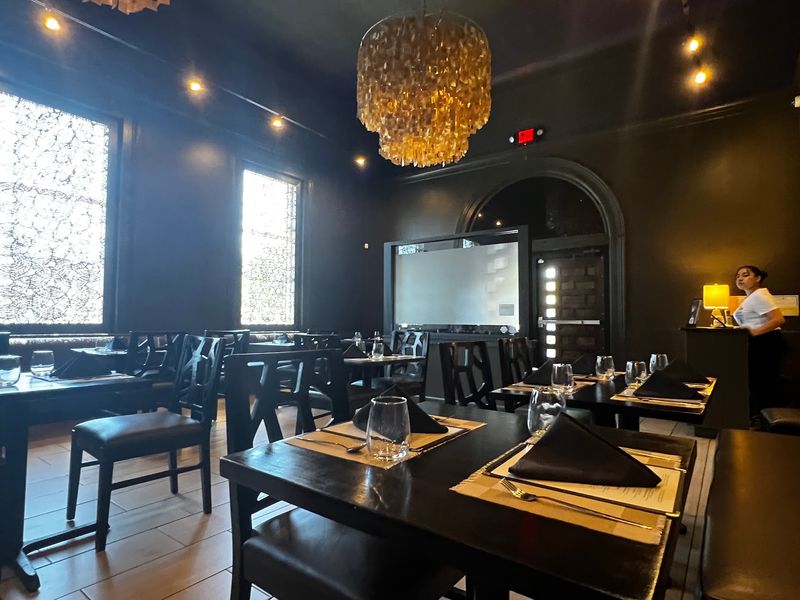
The vault is the thing everyone talks about, and honestly, it earns the attention. Rather than tearing it out during the renovation, the owners left the original bank vault right where it has always been.
Its heavy steel door sits in the dining room like a piece of sculpture nobody could bring themselves to remove.
Reports suggest the vault now works as a wine cellar, which strikes me as a pretty clever second act for a room built to protect cash. Either way, it gives the space a story that no amount of designer furniture could buy.
I found myself glancing at it between courses, thinking about all the deposit slips and coin bags that passed through.
Ask for a table nearby if you want a good look. The vault is not roped off like a museum piece, and it blends into the room instead of shouting for attention.
Local diners who grew up in Lexington seem especially fond of it, since many of them remember the building back when it was still a working bank.
Small details like this turn a nice dinner into something you actually remember months later.
It is easily the best conversation starter in the building, especially when you realize diners are enjoying modern Thai dishes only a few feet away from a vault installed generations ago.
An Intimate Room Built for About 50 Guests
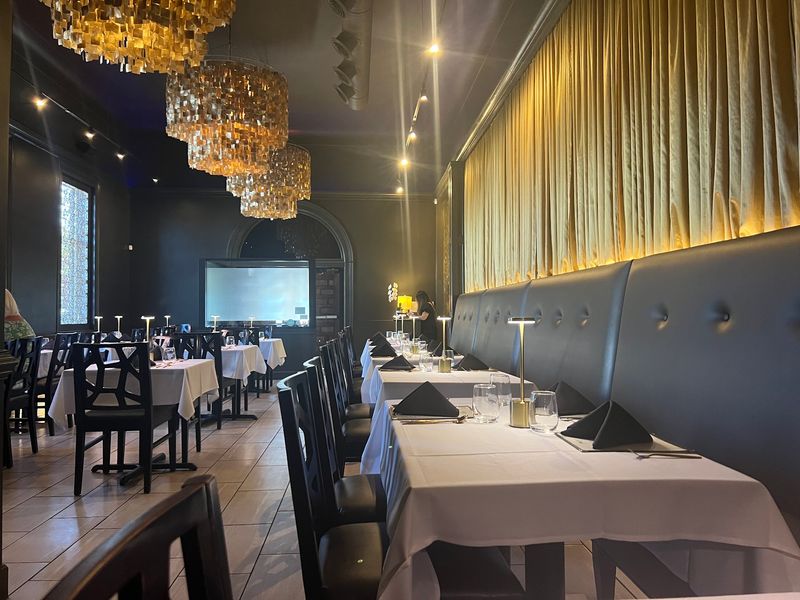
Fifty seats is not many, and you feel that the second you walk in. The dining room is compact in the best way, with white tablecloths, large modern chandeliers, and lighting soft enough to make everyone look good.
Tables sit fairly close together, which keeps the energy lively without turning the place into a shouting match.
My favorite part is how the design manages to feel formal without being stiff. There is no pressure to whisper or sit up straight.
People show up in jeans and people show up dressed for an anniversary, and both groups look like they belong.
Thai accents appear throughout the space in small, tasteful doses rather than heavy themed decoration. Combined with the bones of the old bank, the effect is modern and a little unexpected for a Main Street address in a town this size.
Because the room is small, reservations matter more than you might think. Weekend tables get claimed quickly, and walking in without a plan can mean waiting or coming back another night.
Booking ahead takes two minutes and saves a lot of disappointment, especially if you are celebrating something.
That smaller size also makes the restaurant feel more personal, especially later in the evening when the lights are low and nearly every table is occupied with couples and small groups.
Chef Nivit Tipvaree and His Fresh Ingredient Habit
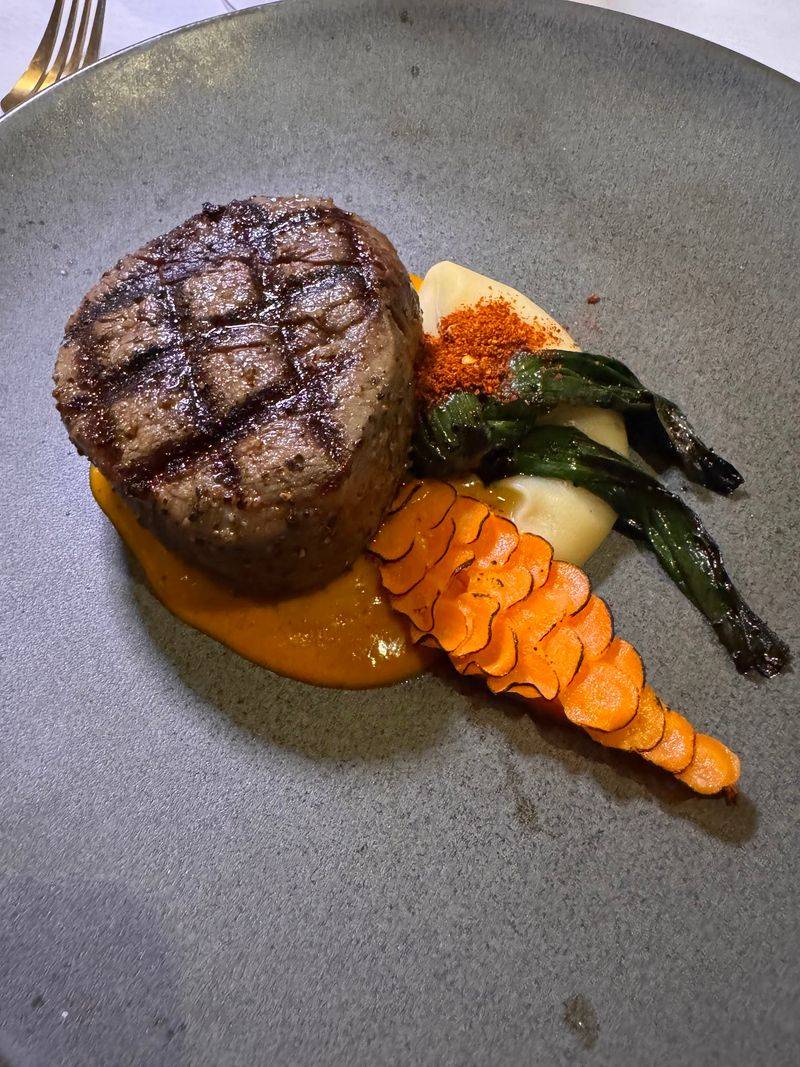
Every restaurant has a personality, and here it clearly comes from the kitchen. Chef Nivit Tipvaree grew up in Nakhon Sawan, Thailand, and brings training in Thai, sushi, and French cooking to the stove.
Those three influences show up on the plate in ways that feel natural rather than forced.
What impressed me most was learning that he hand picks produce from several local farms around the Midlands. That is a real time commitment, and you can taste it in vegetables that snap instead of slump.
Freshness like that is hard to fake, no matter how skilled the cooking is.
Plating gets serious attention too, with dishes arriving looking composed and colorful. Nothing feels overworked though, and the flavors stay bright and direct.
Diners often describe the food as authentic yet inventive, which sounds contradictory until you actually eat it.
Guests sometimes get to meet him during service, and he has a reputation for being warm and easy to talk to rather than remote.
That attention to ingredients becomes especially noticeable in simpler dishes, where fresh herbs, crisp vegetables, and carefully balanced sauces have nowhere to hide behind heavy seasoning or unnecessary extras.
Modern Thai Plates Worth Slowing Down For
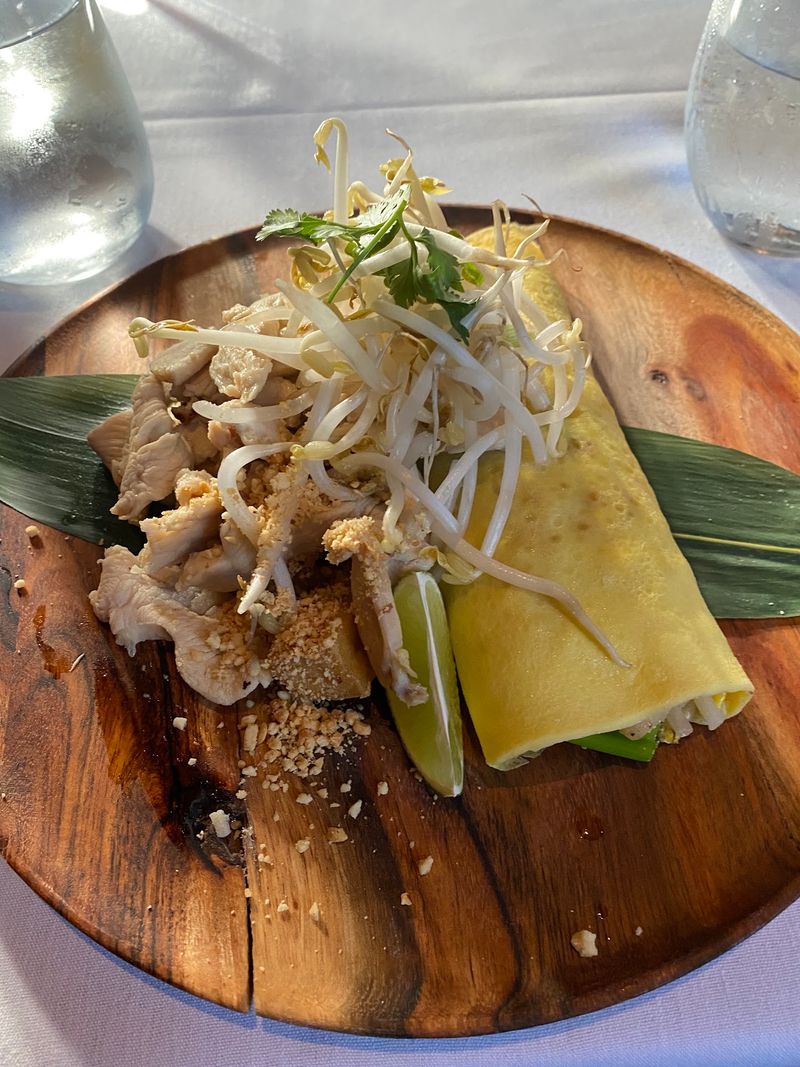
Order the braised short rib if you only get one entree. Served with khao soi curry noodles, it is the dish people bring up again and again, and it has a depth that lingers.
The pan seared Chilean sea bass runs a close second for anyone leaning toward seafood.
Starters deserve real consideration here. Toong Tong are fried wontons filled with chicken, water chestnut, shiitake mushroom, and garlic, served with sweet chili sauce and sriracha aioli.
Tom Kha Gai soup shows up on almost every table, and the braised baby pork ribs have a following of their own.
Sides matter more than usual too. Pineapple fried rice and brussels sprouts get ordered constantly, and both hold their own next to the main plates.
Chicken ballotine with massaman curry and braised pork belly round out a menu that changes with nightly specials.
You can set your own spice level for each dish, which helps when your table includes both heat lovers and heat avoiders.
Vegetarian and vegan versions are available on request, so nobody in the group has to settle for a sad side salad.
This is definitely a menu worth sharing around the table, since ordering several different plates gives you a much better sense of how wide the kitchen’s flavors and influences actually reach.
Desserts, Service, and Knowing When to Go
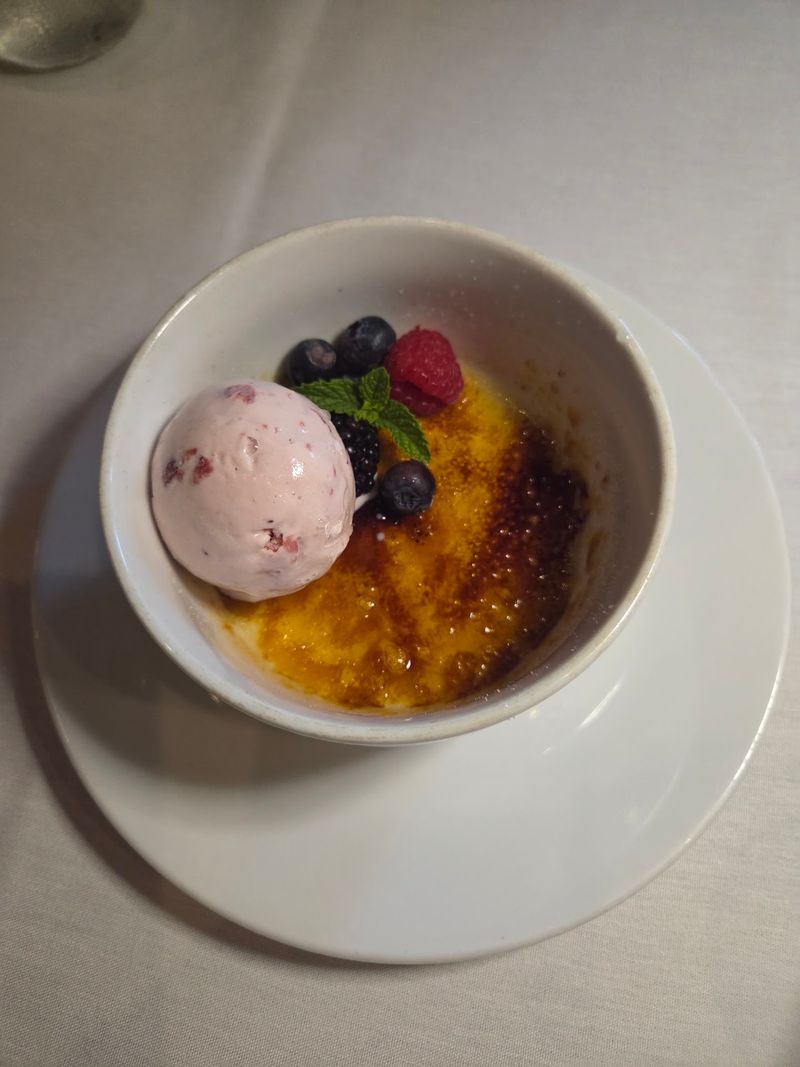
Skipping dessert here would be a mistake, and I say that as someone who usually skips dessert. Homemade strawberry gelato gets mentioned constantly, sometimes with tiny popping candy bits mixed in for texture.
Coconut creme brulee with fresh berries and mango sticky rice are equally strong choices.
Thai tea ice cream over coconut flakes shows up occasionally too, and it is the kind of thing you order once and then chase forever. Portions are reasonable rather than enormous, so sharing two desserts across a table works nicely.
Service throughout the meal runs smooth and genuinely friendly. Servers know the menu well and offer real recommendations instead of vague nods, and they read the table well enough to leave you alone when you want space.
Planning your visit takes a little care since the restaurant closes Sunday and Monday. Tuesday and Wednesday run 11:30 AM to 9 PM, while Thursday through Saturday stretch to 10 PM.
Lunch is quieter and easier to get into if dinner reservations prove tricky.
Prices sit on the higher side, though almost everyone agrees the experience justifies it.
Dinner naturally feels more atmospheric inside the historic building, but lunch has its advantages too, particularly if you want a calmer meal and more time to notice the bank’s architectural details.
Address: 126 E Main St, Lexington, South Carolina
