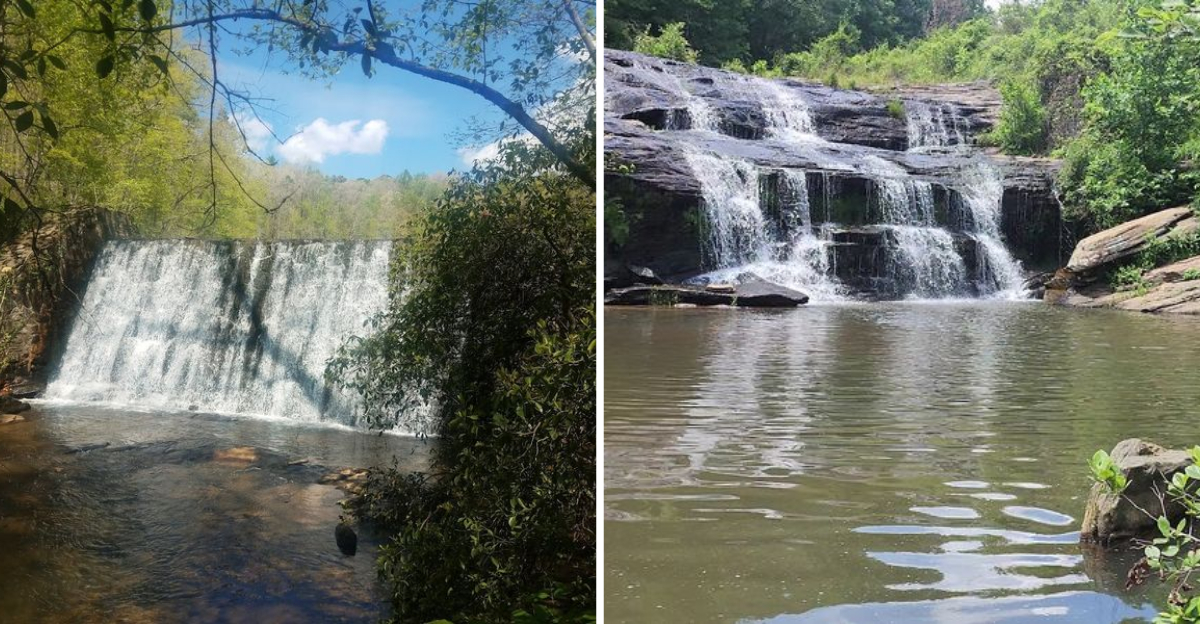
Water runs so clear and green in the forested hills of South Carolina it looks like someone cranked up the saturation on a photo filter. That waterfall drops over sculpted rock formations into a cool, calm pool that practically begs you to jump in.
Surrounding it all is a canopy of trees, the sound of rushing water, and a quiet that feels rare these days. I stumbled across that place through a friend’s offhand mention, and I am glad I listened.
I spent an afternoon there, sitting on the rocks with my feet in that cold water, watching the light shift through the leaves and feeling like I had found something the guidebooks missed.
If you have ever wanted a swimming hole that feels like a secret worth keeping, this is it.
The First Glimpse: What Todd Creek Falls Actually Looks Like
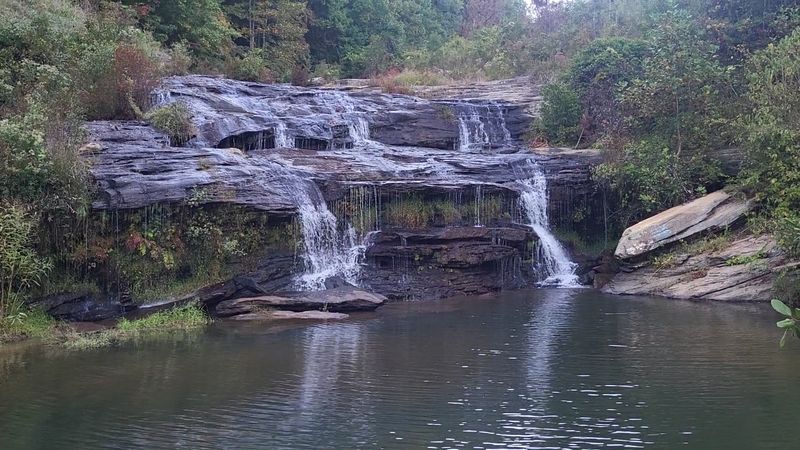
Before you see the falls, you hear them. The sound of water tumbling over rock drifts through the trees before the view opens up, and when it finally does, the color of that pool is genuinely surprising.
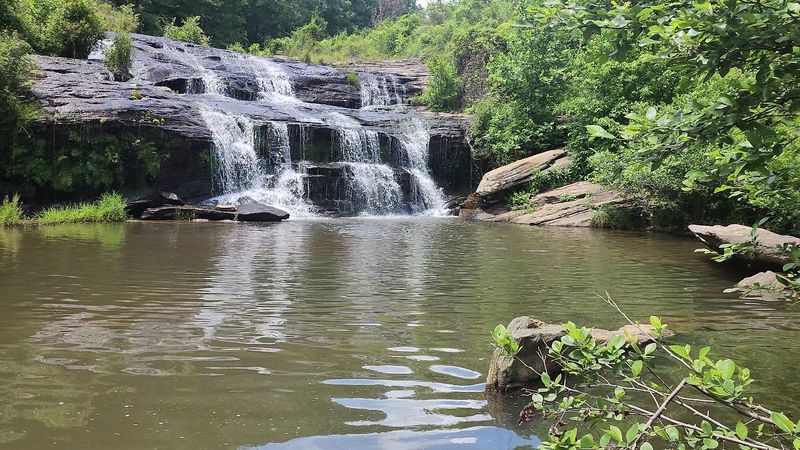
The water holds this deep, greenish hue that shifts depending on the light, looking almost tropical against the grey rock and surrounding forest.
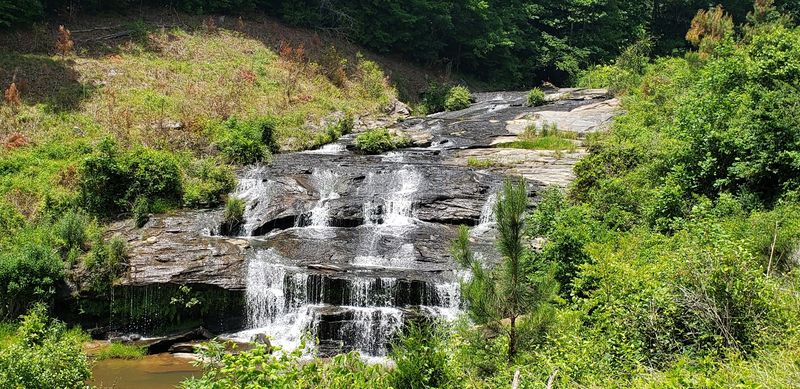
Todd Creek Falls drops somewhere between 15 and 25 feet over layered rock formations that have been shaped by years of moving water. The cascade is not just one straight plunge.
It moves in tiers, spreading across the rock face and gathering below into a pool clear enough to see the bottom.
The swimming hole at the base can range from shallow to waist-deep or more, depending on how much rain the area has gotten recently.
After a good stretch of rainfall, the pool fills in and the color intensifies to that emerald shade that makes photos look almost unreal.
Fish are often visible near the edges, darting around the rocky floor.
The rock formations surrounding the falls have a carved, almost architectural quality to them. Ledges and boulders frame the pool on multiple sides, giving visitors natural spots to sit, rest, or get a different angle on the falls.
You can even get behind the cascade in some spots, which changes the experience entirely. It is the kind of place that rewards slowing down and actually looking around.
Getting There: The Trail, the Creek Crossing, and What to Expect
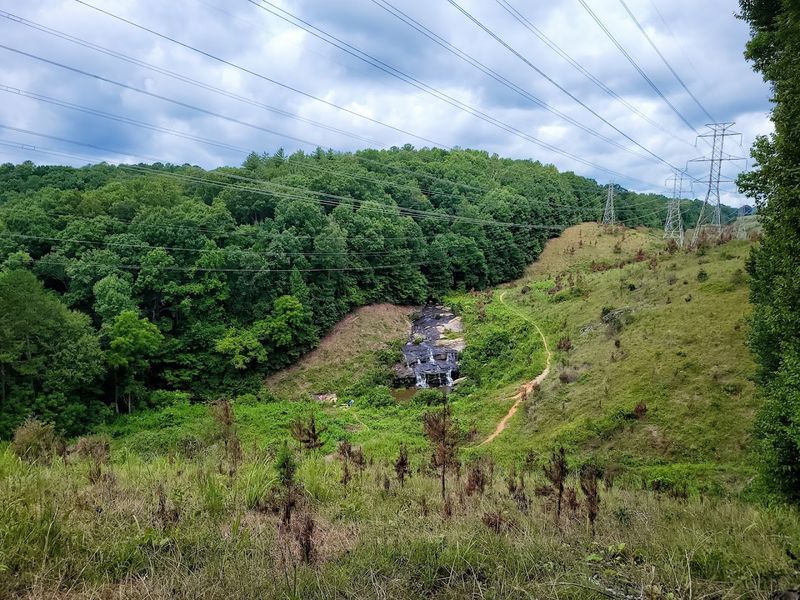
Finding Todd Creek Falls is half the adventure. There are no official signs at the trailhead, no parking attendant, and no manicured path with distance markers.
The trailhead sits near a small bridge on Brookbend Road, and overhead power lines are usually the landmark that confirms you are in the right place.
The hike itself is short, somewhere between 0.3 and 0.7 miles each way, and most people reach the falls in about 15 to 20 minutes.
That said, parts of the trail get overgrown, especially in summer, when thorny bushes crowd the edges and make short sleeves a questionable choice.
Wearing pants is genuinely useful here, not just a suggestion.
At some point along the route, you will need to wade across Todd Creek. It is not deep, but it is wet, so water shoes or sandals make the crossing much easier than trying to hop rocks in trail runners.
The path follows the creek for much of the way, which means you get the pleasant background noise of moving water the whole time.
The trail has a few splits, and without signage, it can feel uncertain. Most hikers take a right at the first obvious fork and follow the well-worn path from there.
Some sections open up nicely into wider, easier walking, while others narrow down to what feels more like a deer path. Sturdy shoes with good grip matter most on the steeper slope near the falls.
The elevation gain on the return is only about 40 feet, so it never gets genuinely tough.
Swimming and Exploring: Making the Most of the Pool and the Rocks
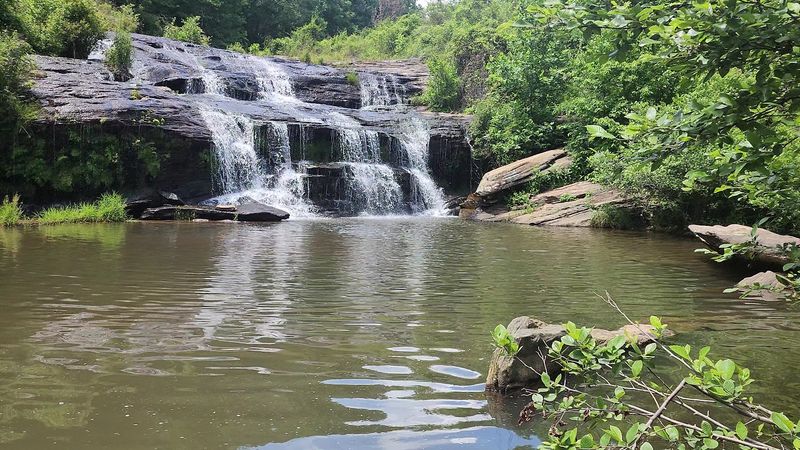
The pool at the base of Todd Creek Falls is the main event for most visitors, and it earns that reputation. On a warm day, the cold water hits you like a reset button.
The clarity is remarkable, with the rocky bottom visible even toward the center of the pool on days when the water is calm.
Depth varies quite a bit depending on recent rainfall. Some visitors have found it only about two feet deep after a dry stretch, while others describe it as deep enough to swim comfortably after heavier rain.
Either way, the coolness of the water and the scenery around it make it worth the trip. Fish are a regular presence, which adds a nice wildness to the whole experience.
Beyond just swimming, the boulders around the falls offer a lot of room to explore. Flat rocks provide natural seating for drying off or eating lunch.
Getting behind the cascade is possible from certain angles and gives a completely different perspective on the falls. It is genuinely fun to move around the space rather than just plant yourself in one spot.
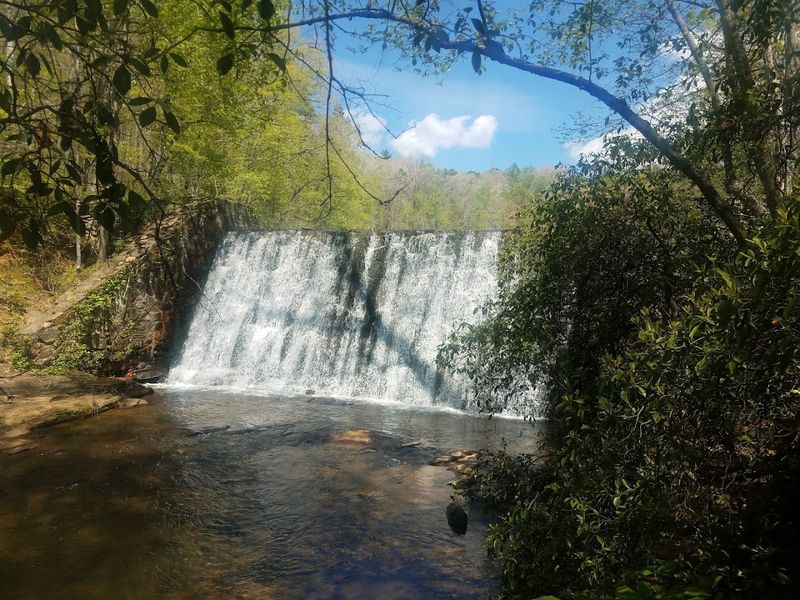
A short distance downstream, visitors can also find the remains of an old historic mill dam and a spring, which adds an unexpected layer of history to what feels like a purely natural setting.
The area is jointly managed by Clemson University and Duke Energy as part of the Clemson Experimental Forest, which explains why it stays relatively low-key.
Pack out everything you bring in, because there are no trash facilities on site.
Best Times to Visit and What the Seasons Do to This Place
Timing a visit to Todd Creek Falls can shape the entire experience. Spring is genuinely magical here.
Wildflowers push up along the trail edges, the forest smells fresh, and the water runs high and cold from winter rain, which makes the pool deeper and that emerald color more vivid.
Fall is another strong contender. The surrounding trees shift into warm reds and oranges, and the cooler air makes the hike comfortable without the sweat that summer brings.
The trail feels less overgrown by that point in the year, which also makes navigation easier for first-timers. Crowds tend to thin out compared to the peak summer rush.
Summer draws the biggest crowds because of the swimming, and understandably so. The heat of an Upstate South Carolina summer makes that cold pool feel like pure relief.
The trade-off is that the vegetation along the trail is at its thickest, and thorny bushes become a real nuisance without proper clothing. Going on a weekday helps a lot if you want more quiet.
Winter visits are quieter still, and the falls themselves can look striking without the full leaf cover blocking the view. The water is obviously too cold for swimming, but the trail stays accessible most of the time.
The pool depth in drier winter months can be quite low, so the falls may not be as dramatic. Checking recent rainfall totals before heading out is a smart move no matter what season it is.
The experience shifts noticeably depending on when you show up.
What to Bring and How to Prepare for a No-Frills Adventure
Todd Creek Falls is an undeveloped site, which means the responsibility for a good visit lands entirely on the person showing up. There are no restrooms, no picnic tables, no water fountains, and no rangers to ask for directions.
Coming prepared is not optional here, it is what separates a great trip from a frustrating one.
Water is the most important thing to bring. The hike is short, but the heat in summer can be intense, and you will want something to drink before and after swimming.
Snacks are a good idea too, especially if you plan to linger by the falls for a while. A small backpack makes carrying everything much easier than juggling bags by hand.
Footwear deserves real thought. Sturdy shoes with grip handle the rocky, uneven sections of the trail well, but they are not ideal for the creek crossing.
Many people bring a pair of water shoes or sandals specifically for wading through the creek and exploring the pool. Switching between the two sounds like extra effort, but it makes the whole experience more comfortable.
Wearing pants protects against the thorny bushes that line parts of the trail, particularly in summer. A light pair of hiking pants or even old jeans works fine.
Bug spray is worth tossing in the bag as well, since the forested trail can get buggy in warmer months. Most importantly, pack out every piece of trash you bring in.
The site stays beautiful because visitors treat it that way, and that is something worth protecting.
The Bigger Picture: Why Todd Creek Falls Feels Like a Genuine Hidden Gem
There is something different about a place that has not been fully packaged for visitors. Todd Creek Falls does not have a gift shop, an entrance fee, or a manicured Instagram backdrop with a rope for queuing.
What it has instead is actual wildness, the kind that takes a little effort to reach and rewards that effort honestly.
The falls sit within the Clemson Experimental Forest, a research and natural area managed by Clemson University and Duke Energy. That context matters because it explains why the site remains relatively untouched.
It is not a state park with a maintenance crew. It is a natural area that asks visitors to be self-sufficient and leave no trace.
That lack of development is exactly what makes it special to many people. Reviews from visitors consistently mention the quiet, the sense of discovery, and the feeling that not everyone knows about this place.
On a weekday, you might have the falls entirely to yourself, which is increasingly rare for any natural attraction within easy driving distance of a college town.
The short hike, the cold pool, the layered falls, and the surrounding forest all combine into something that feels genuinely worth the trip.
It is not the most dramatic waterfall in South Carolina, and it will not blow away anyone who has seen Niagara.
But for a spontaneous afternoon, a dog-friendly outing, or a quiet escape from the usual routine, it consistently delivers.
Address: 1330 State Rd S-39-337, Central, SC 29630.
