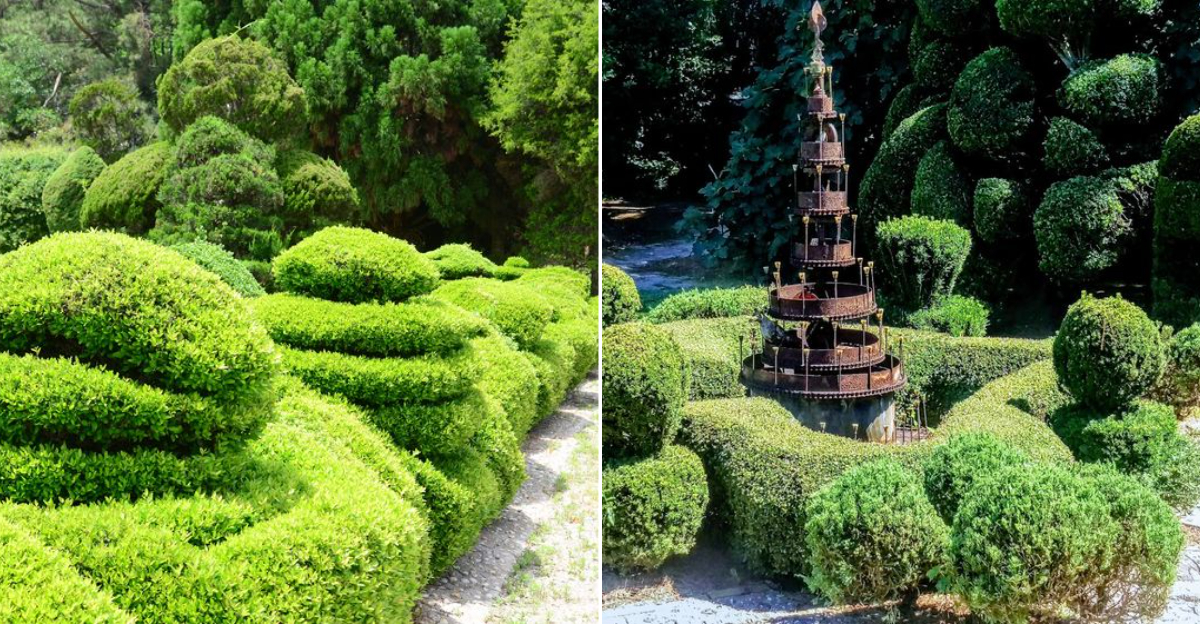
A single man with a pair of hedge trimmers and no formal training turned a South Carolina cornfield into one of the most unexpected gardens in the world.
The shapes he coaxed from discarded shrubs defy gravity, twisting into spirals, arches, and abstract forms that seem to pulse with life.
What began as a simple desire to win a local yard contest grew into a three-acre living museum of creativity and patience.
Over four decades, Pearl Fryar shaped more than three hundred plants into sculptures that have drawn visitors from across the globe.
The garden is not just a collection of topiaries. It is a monument to what one person can build with time, vision, and a willingness to ignore what is supposed to be possible.
South Carolina holds many natural wonders, but this one was shaped by hand, not nature, and it is unlike anything else in the state.
First Glance, Total Surprise
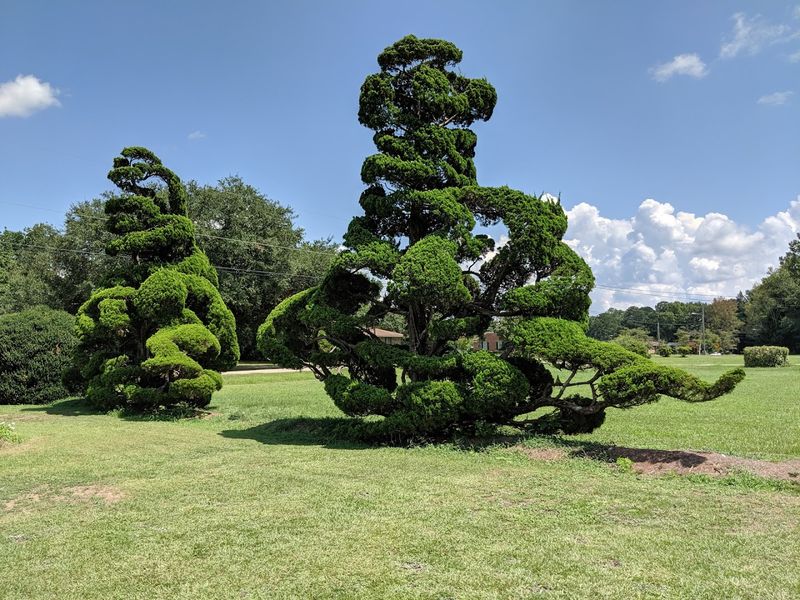
The first thing that hit me was how quickly this place stops feeling like a garden and starts feeling like a conversation. You see clipped evergreens, odd curves, and shapes that should not feel graceful and somehow absolutely do.
It pulls you in fast, because nothing looks stiff or overly precious, and that makes the whole place feel alive in a way formal gardens usually do not.
There is a looseness to it that I really loved, even though every branch clearly took serious thought and care. You are looking at living sculptures, but you are also looking at rescued plants that were once tossed aside, which gives everything an extra layer of heart.
That backstory changes the way you see each tree, because the beauty here is not about perfection so much as what happens when somebody refuses to give up on something.
And honestly, that feeling stays with you as you walk. South Carolina has plenty of beautiful outdoor spots, but this one has a personal energy that is hard to fake and impossible to miss.
You leave your car expecting greenery and leave the entrance already thinking about creativity, kindness, and how much can happen when a person sees possibility where everybody else sees yard waste.
Where You Actually Find It
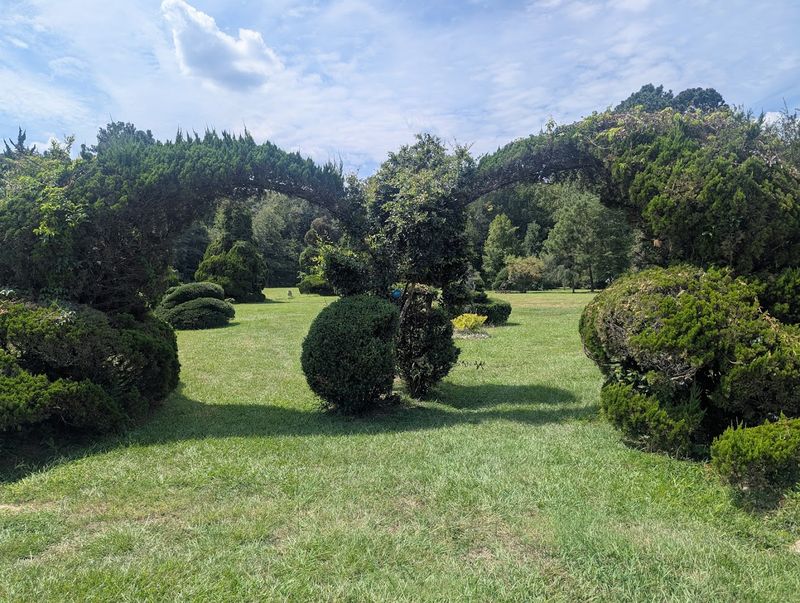
If you are heading there, the garden is at Pearl Fryar Topiary Garden, 145 Broad Acres Road, Bishopville, SC 29010, and the setting feels wonderfully unshowy when you arrive. It is not presented with grand drama, which honestly makes the reveal even better once you start looking around.
The whole place sits in a regular community setting, and that contrast between ordinary road and extraordinary yard is part of the magic.
Bishopville itself gives the visit a grounded feeling, like you have stepped into a place where art grew out of daily life instead of being installed for effect. That matters here, because the story of the garden is tied to where it lives and how it became part of South Carolina’s cultural fabric.
Nothing about the approach feels manufactured, and that helps the place keep its warmth.
I always like attractions that do not oversell themselves before you even get out of the car. This one lets the work do all the talking, and the neighborhood setting makes the sculptures feel even more surprising.
By the time you are a few steps in, you realize this is not just a stop in Bishopville, but one of those places that quietly earns a lasting place in your memory.
The Rescue Story Changes Everything
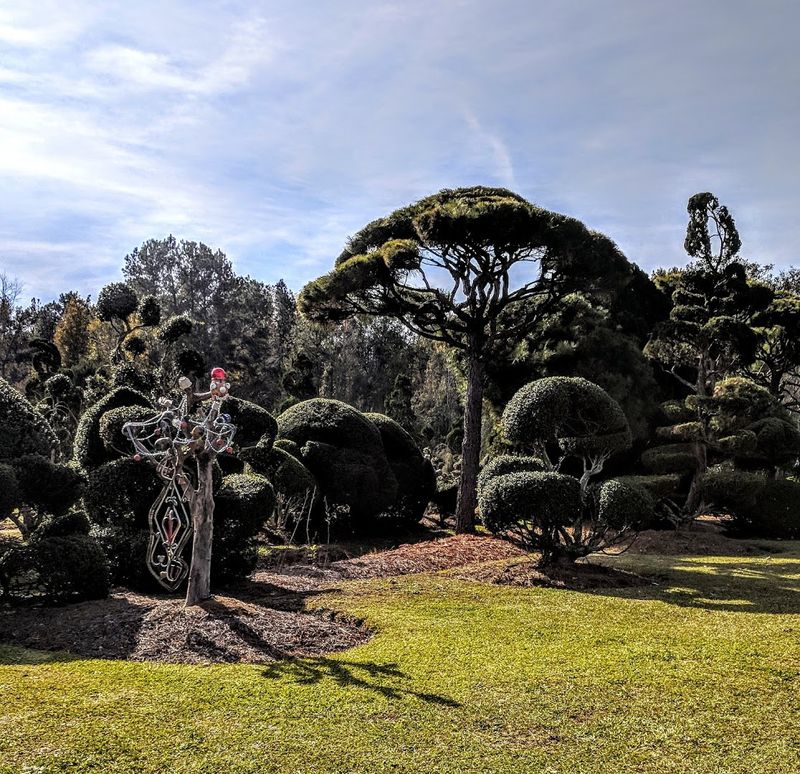
Once you know many of these plants were pulled from nursery discard piles, the whole garden lands differently. You are not just admiring talent anymore, because you are seeing what happens when unwanted things get another chance and then turn into something unforgettable.
That story gives every clipped branch a little extra emotional weight without making the place feel heavy.
I kept thinking about how easy it is for people to value only what already looks polished. Here, that idea gets flipped in the gentlest possible way, because these living sculptures started as throwaways and now stop visitors in their tracks.
There is something deeply moving about beauty that was built from what others overlooked, especially when it is done with this much playfulness.
You feel that generosity all through the grounds. The message is not shouted at you, but it is definitely there in the curves, the care, and the sheer patience required to shape growth over time.
In South Carolina, where gardens can sometimes lean formal or historical, this one feels personal in a different direction, like a lived-in reminder that imagination and compassion can be just as powerful as perfect conditions.
Shapes That Should Not Work, But Do
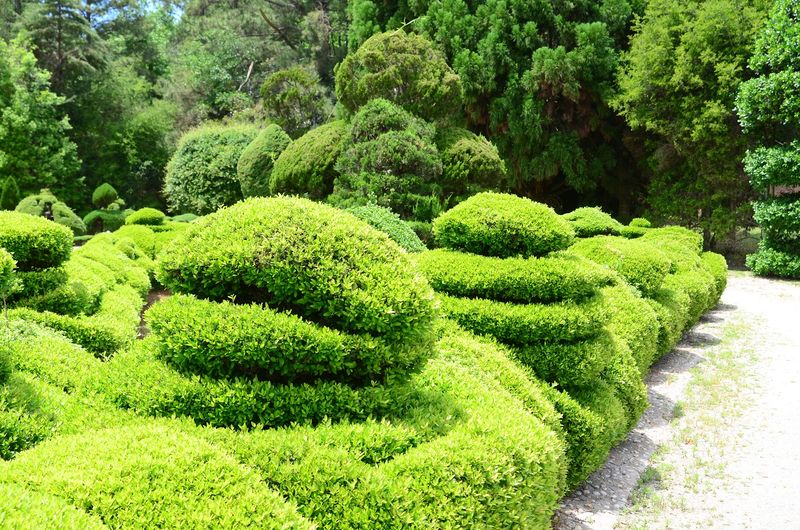
Some gardens impress you by being orderly, but this one gets you by being boldly odd in the most satisfying way. You will see curves, points, spirals, and silhouettes that feel somewhere between folk art, design experiment, and dream logic.
And weirdly enough, none of it feels random, because the whole space has its own internal rhythm.
One minute you are looking at a tree that seems to stretch like a drawing in midair, and the next you are staring at a shape that looks almost architectural. The famous fishbone form really sticks with people, and I get why, because it feels both playful and impossibly controlled at the same time.
There are square forms, birdhouse touches, and sculpted evergreens that seem to lean into motion even while standing still.
That is the part I kept coming back to as I walked around. These are plants, obviously, but they also read like gestures, almost as if somebody sketched in green across the yard and then let time fill in the lines.
South Carolina has beautiful natural scenery all over, yet this place stands apart because nature here is being coaxed into art without losing its softness.
It Feels Handmade In The Best Way
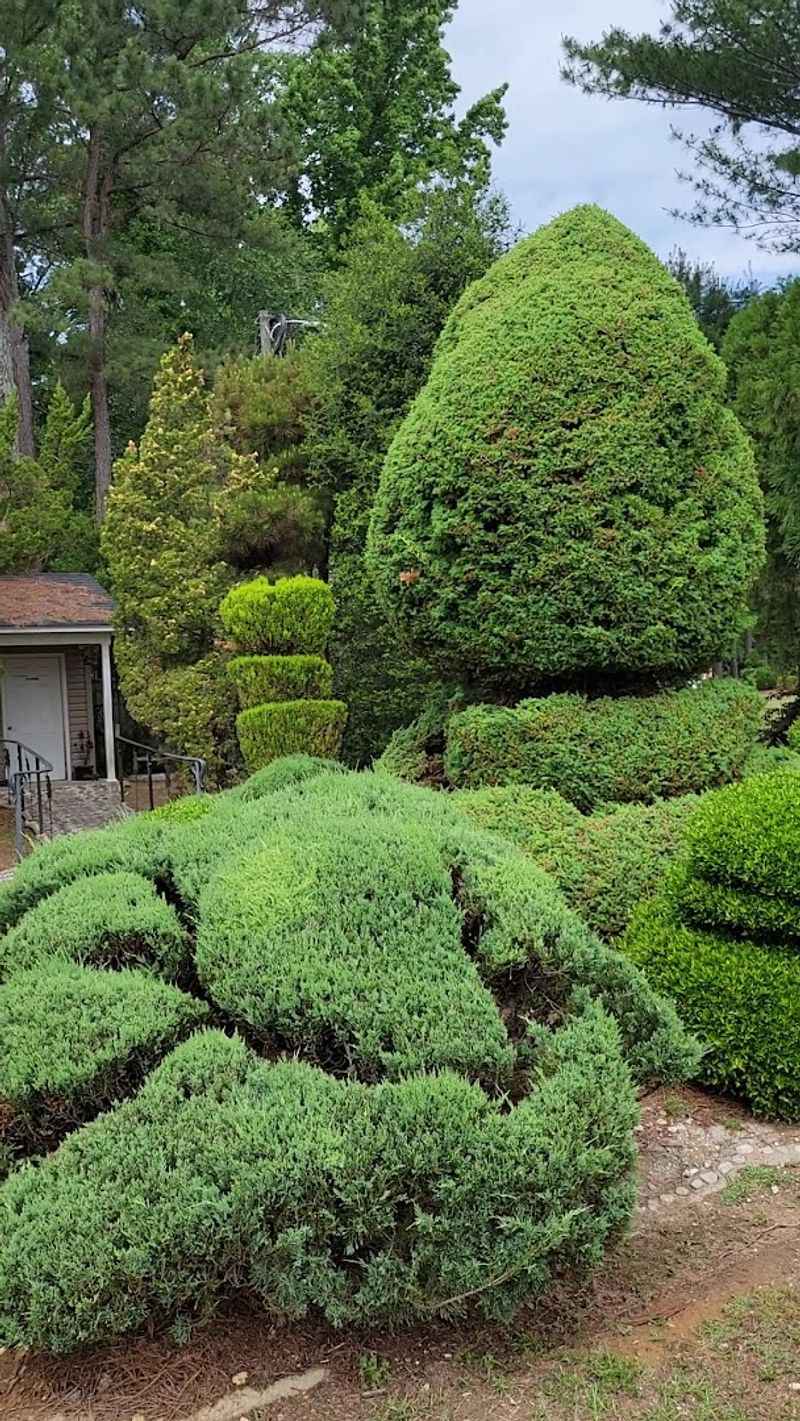
What I appreciated most was that nothing here feels slick or overproduced. You can sense the human hand in it everywhere, not in a messy way, but in a way that makes the garden feel intimate and honest.
It reminds you that this was built through daily attention, repetition, and a whole lot of trust in what a plant might become.
That handmade quality keeps the place warm, even when the shapes get dramatic. Some public gardens can feel like you are touring a finished product that has been polished for visitors, while this feels more like stepping into somebody’s ongoing act of care.
The result is art, sure, but it still has the generosity of a yard that wants to welcome you in instead of impressing you from a distance.
I think that is why people connect with it so quickly. You do not need special gardening knowledge to feel the labor and affection built into every trimmed branch and every balanced curve.
In South Carolina, where climate and growth can be exuberant, seeing that energy guided so thoughtfully is its own kind of wonder, and it leaves you feeling less like a tourist and more like a guest who happened to arrive at the right moment.
The Messages Tucked Into The Greenery
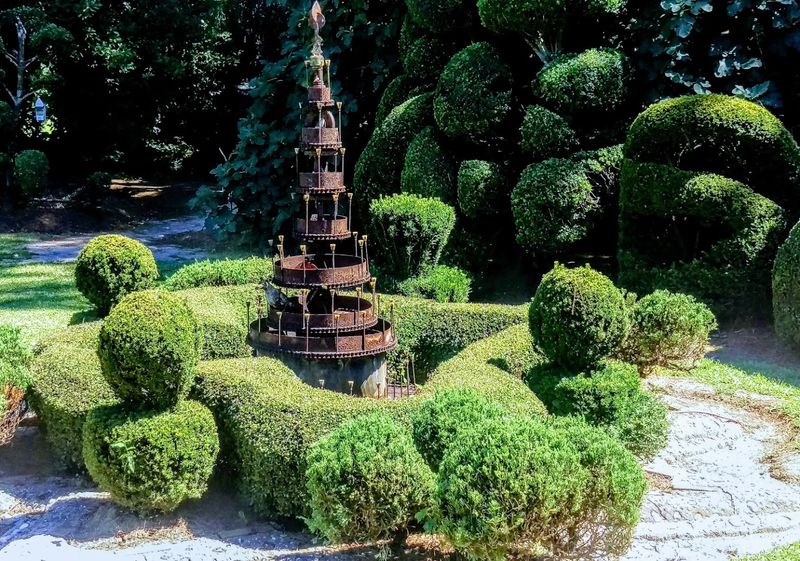
There is a message running through the garden that sneaks up on you a little. You are taking in the shapes and textures, and then you notice words and sentiments about love, peace, goodwill, and the damage hate can do.
Instead of feeling preachy, it feels deeply sincere, like the garden is speaking in the same calm voice all the way through.
I liked that those ideas are woven into the visit rather than staged as a separate lesson. The sculptures carry enough personality on their own, but the words give the place a moral center without draining any joy from it.
If anything, they make the whimsy feel more grounded, because you start understanding that this was never only about trimming shrubs into interesting forms.
It is really about what a life of steady care can say out loud, even without much explanation. You walk through this South Carolina garden and realize the artistry and the message are inseparable, which makes the whole experience feel richer than a simple visual attraction.
By the time you leave that section of the grounds, you are not just thinking about topiary techniques, but about gentleness, resilience, and what it means to build beauty that also asks people to be better to each other.
Why The Garden Feels So Personal
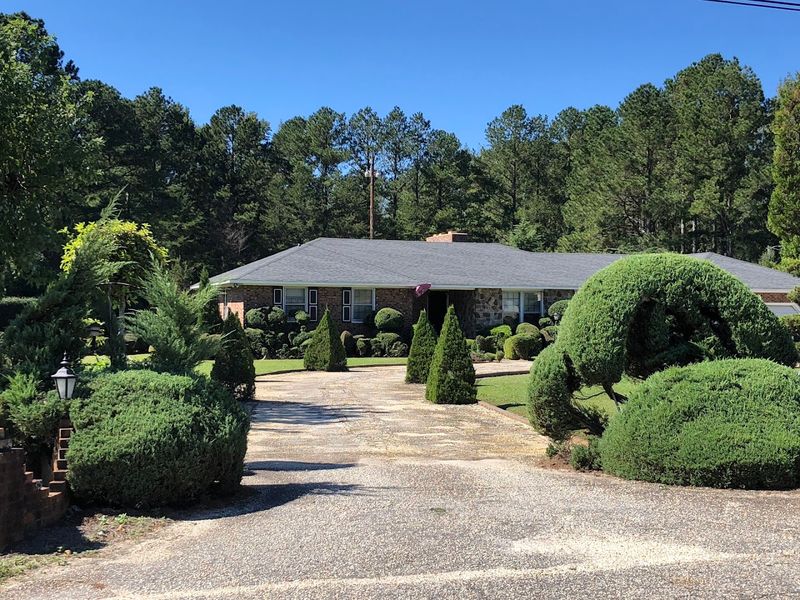
Even with all the attention this place has received, it still feels personal when you are standing in it. Maybe that is because the garden grew out of one person’s determination and sense of possibility, and you can feel that origin story in the layout.
Nothing about it comes across as distant, institutional, or detached from the life that shaped it.
You are not just observing topiary as a category here. You are getting close to a body of work that reflects persistence, discipline, humor, and a refusal to let other people’s limits define what is possible.
That combination gives the whole space a pulse, and it is why even people who are not especially plant obsessed can end up feeling genuinely moved by the visit.
I found myself slowing down more than I expected, because every path seemed to hold another clue to the personality behind it. The sculptures are inventive, but the real force of the garden is the spirit underneath them, which still comes through clearly.
In Bishopville, South Carolina, that makes the place feel less like a display to consume and more like a living expression of character, one that invites you to pay closer attention not just to the plants, but to the values they quietly embody.
More Than Gardening, Honestly
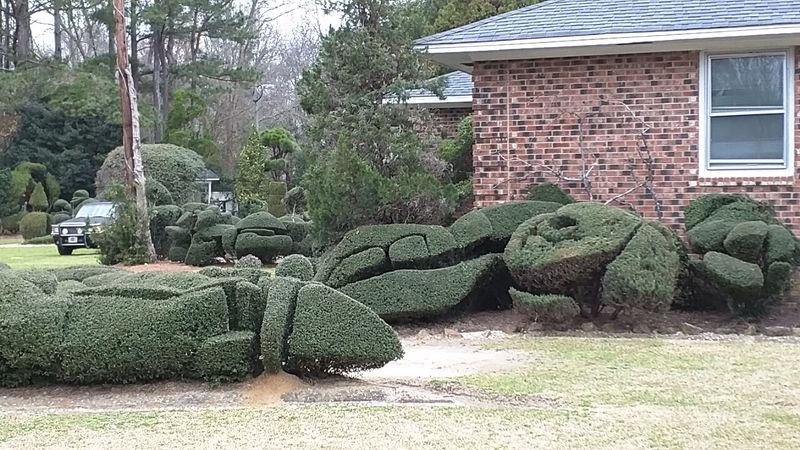
At some point during the visit, I stopped thinking of this as gardening in the usual sense. Yes, there are shrubs, trees, trimming, and constant care, but what you feel most strongly is artistic intention.
The place reads like outdoor sculpture made from living material, which gives everything a strange and beautiful tension between control and growth.
That tension is what makes the garden so memorable. You can sense discipline in every cut, but you can also feel the plants continuing to be themselves, which keeps the work from turning static.
Instead of forcing nature into something hard and rigid, the shaping seems to cooperate with movement, quirks, and the natural personality of each form.
I think that is why the garden reaches people who might not usually seek out horticultural sites. You do not need to know a juniper from a holly to appreciate what is happening, because the visual language is immediate and the emotion is clear.
In South Carolina, where history and tradition often dominate travel conversations, this place opens another lane entirely, one that blends yard work, vision, and public art into something that feels humble on the surface and surprisingly profound once you spend real time with it.
