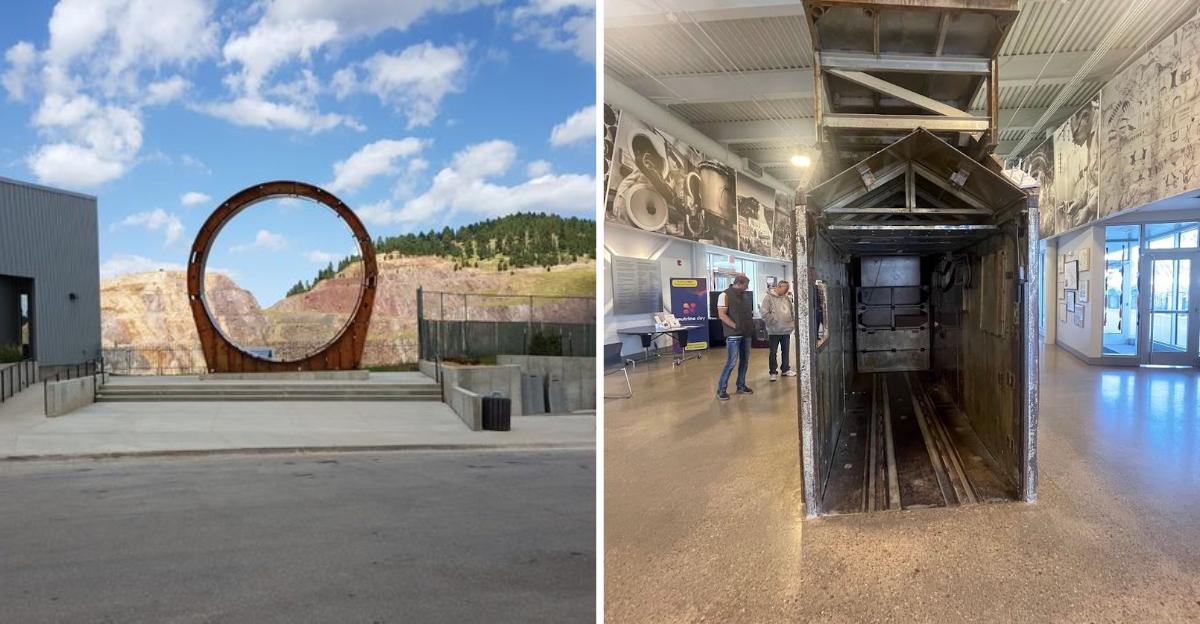
The Black Hills of South Dakota are quiet, the air smells like pine and old earth, and then you come across a building that used to run on cyanide and ambition. This industrial relic processed gold from fine crushed ore using a chemical method so dangerous it gave its inventor a fitting nickname. Generations of men clocked in here, breathed in what they could not see, and called it a living.
The waste ran into a nearby creek, which locals renamed for the poison that filled it. Today the building has been transformed into a hotel and entertainment complex, but the original name is still etched into the stone.
That weight never fully lifts. The walls remember what happened here, and if you let yourself slow down for a moment, you can almost feel the hum of all those years of work and risk and human cost.
The Cyanide Process That Built a Legend
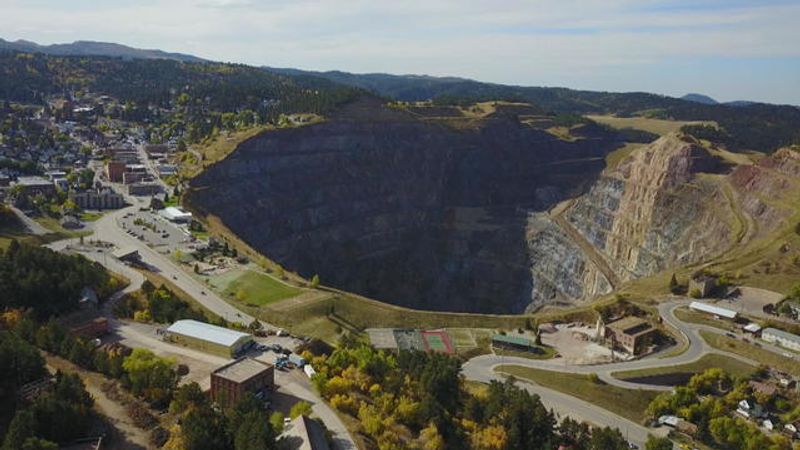
Charles W. Merrill was not a household name, but in the mining world, people knew exactly who he was.
His cyanide-based extraction method changed how gold was pulled from fine ore particles, and the Homestake Slime Plant was built specifically to put that method to work. The process dissolved gold out of dried slime, which was the leftover sludge from crushed ore suspended in water.
Merrill’s nickname, Cyanide Charlie, tells you everything you need to know about how people felt about the chemicals involved. It was effective, it was efficient, and it was dangerous.
The plant ran on this process from 1906 all the way to 1973, making it one of the longest-operating cyanide extraction facilities in the American West.
What makes this place so compelling is how ordinary it all seemed at the time. People built entire careers around a process that was quietly poisoning the land and the water nearby.
Whitewood Creek, which ran close to the operation, became so contaminated it was nicknamed Cyanide Creek by locals. That detail alone says a lot about how casually the hazards were accepted back then.
What the Workers Actually Faced Every Single Day
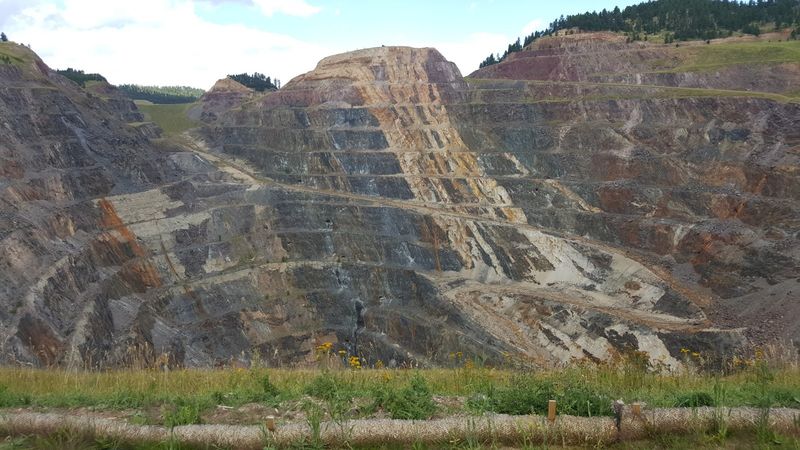
Most people who showed up to work at the South Dakota’s Homestake Slime Plant were not scientists or engineers. They were laborers who needed a paycheck, and the job came with hazards that were not always explained clearly or taken seriously.
Exposure to cyanide was just one piece of a much larger puzzle of risk.
NIOSH investigations carried out in 1977 and 1978 found that workers at the broader Homestake Mining facility had been overexposed to lead, mercury, silica, and respirable particulates over the years. Researchers also flagged the combined effect of contaminants like free silica, radon daughters, arsenic, and asbestos fibers as a serious concern.
The idea that these substances could work together to damage lungs over time was alarming, even to investigators.
The elevated rate of passings from respiratory diseases in the mining population is what triggered those investigations in the first place. That stat is hard to sit with.
Men went to work, breathed in what the job required them to breathe, and many paid for it with their health. The plant stood for decades before anyone with authority looked closely enough to ask the hard questions.
Cyanide Creek and the Land That Paid the Price
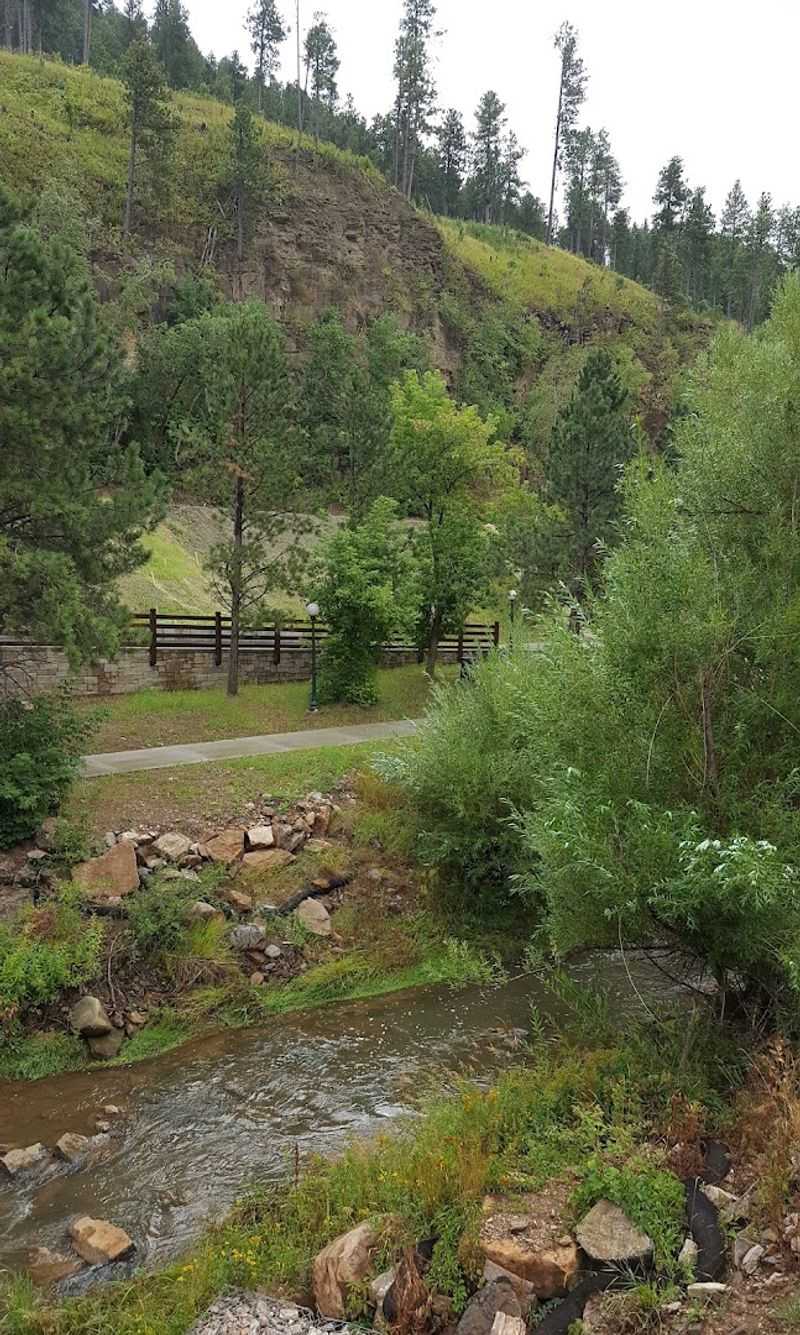
Whitewood Creek did not earn its grim nickname by accident. For decades, the Homestake operations discharged cyanide-laden waste into the waterway, and the damage was visible enough that locals gave it a name that stuck.
The creek became a symbol of what happens when industrial progress moves faster than environmental awareness.
It is easy to look back now and feel frustrated, but the early 1900s operated on a completely different set of assumptions about land and water. Mining was king in the Black Hills, and the economic power of Homestake was enormous.
Questioning the process meant questioning the paychecks of an entire region.
What is striking is that the contamination was not hidden or secret. People knew the creek had a problem.
They just did not have the framework or the political will to stop it. The nickname was almost a dark joke, a way of acknowledging something terrible without demanding it change.
Visiting the site today, knowing what ran through those hills and into that water, gives the landscape a different kind of weight. The mountains are still beautiful, but the history underneath them is complicated in the best and most honest way.
67 Years of Gold, Grit, and Grinding Machinery
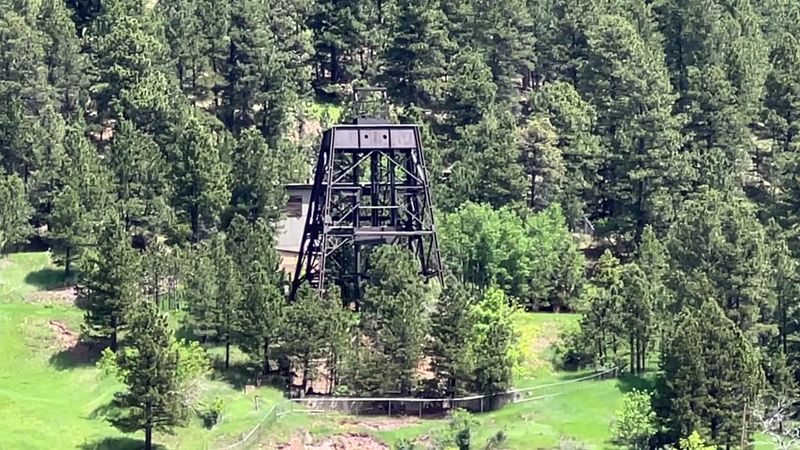
From 1906 to 1973, the Slime Plant ran almost without pause. That is 67 years of continuous industrial operation in a single building tucked into the hills of Deadwood, South Dakota.
The scale of that commitment is hard to fully picture unless you stand in front of the structure and let the math sink in.
During those decades, the plant processed enormous quantities of fine ore byproduct using Merrill’s cyanide method. The machinery hummed, the chemicals did their work, and gold came out the other end.
The plant was a crucial piece of the larger Homestake Mining Company operation, which was one of the most productive gold mines in North American history.
There is something almost stubborn about a building that runs for that long. Generations of workers passed through those doors.
Equipment was upgraded, processes were refined, and the world outside changed enormously. Yet the core function of the plant stayed the same.
When it finally shut down in 1973, it left behind not just a building but an entire chapter of industrial and human history that still deserves to be understood and remembered with full honesty.
The Nickname Etched in Stone and Memory
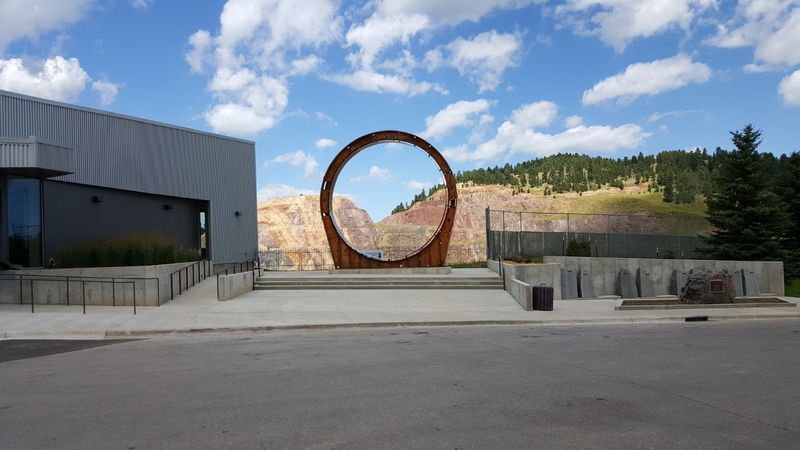
Even after the building was transformed into a modern entertainment complex, the name stayed. Slime Plant is still etched into the structure, a quiet but firm reminder that the past does not get erased just because the present moves in and rearranges the furniture.
That kind of architectural honesty is rare and genuinely worth appreciating.
The name itself is unusual enough to stop people in their tracks. Most historic buildings get softened with new names and fresh branding.
This one kept its original identity, and there is something deeply respectful about that choice. It signals that the people behind the renovation understood what they were working with.
A bar inside the venue also carries the original name, which means guests can sit down, look around, and be reminded of what this space used to be. That layering of old and new is what makes the Deadwood Mountain Grand more interesting than a typical hotel or entertainment complex.
The history is not hidden in a back hallway or reduced to a single framed photo. It is right there in the name above the door, asking you to think about what happened here and who made it happen.
One of America’s Largest Historic Preservation Projects
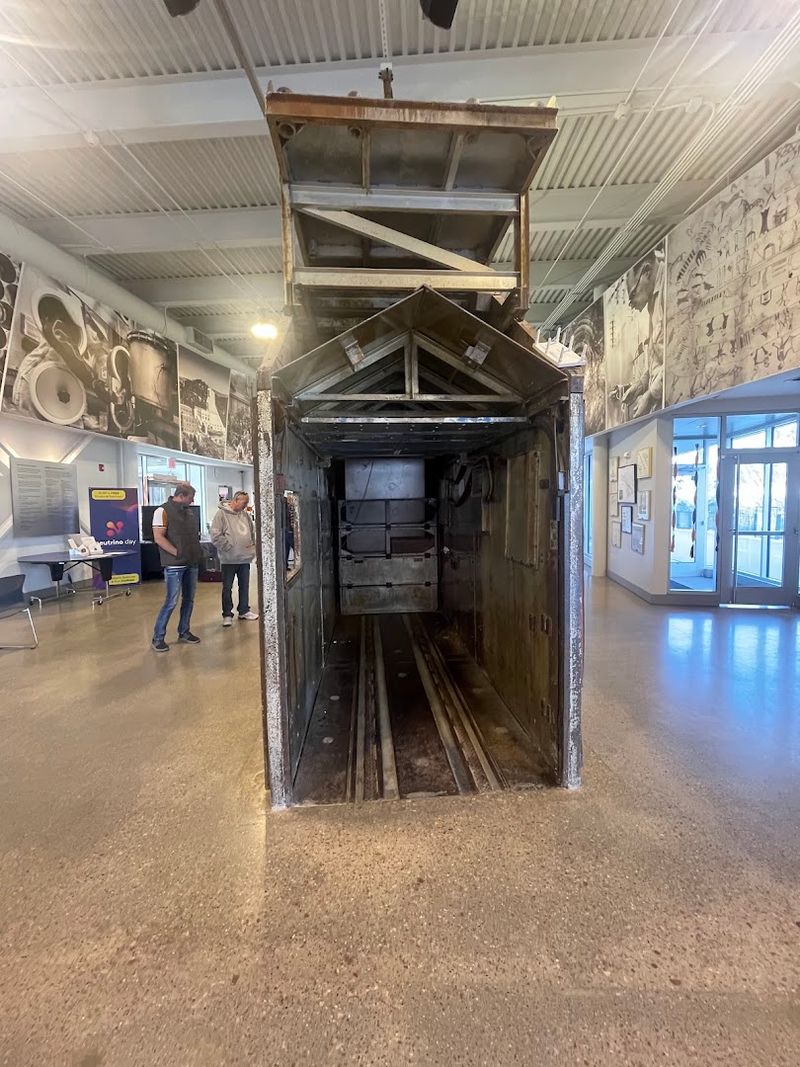
Turning a century-old industrial cyanide plant into a functioning hotel and entertainment complex is not a small undertaking. The transformation of the Homestake Slime Plant into the Deadwood Mountain Grand has been recognized as one of the largest historic preservation projects in the entire United States.
That context matters when you walk through the building and notice how much of the original structure was retained.
Preservation projects of this scale require enormous coordination between architects, historians, local governments, and developers. The goal is always to honor what was there while making the space livable and useful for a new generation.
Getting that balance right is genuinely difficult, and this project pulled it off in a way that still feels authentic.
The building sits at 1906 Deadwood Mountain Drive, which feels almost poetic given the year it was originally constructed. Guests staying at the Holiday Inn Resort Deadwood Mountain Grand by IHG are essentially sleeping inside a piece of American industrial history.
The modern amenities are real and comfortable, but the bones of the place belong to a harder, more complicated era. That combination is what makes this destination so unexpectedly moving for anyone paying attention.
Why This Place Stays With You Long After You Leave
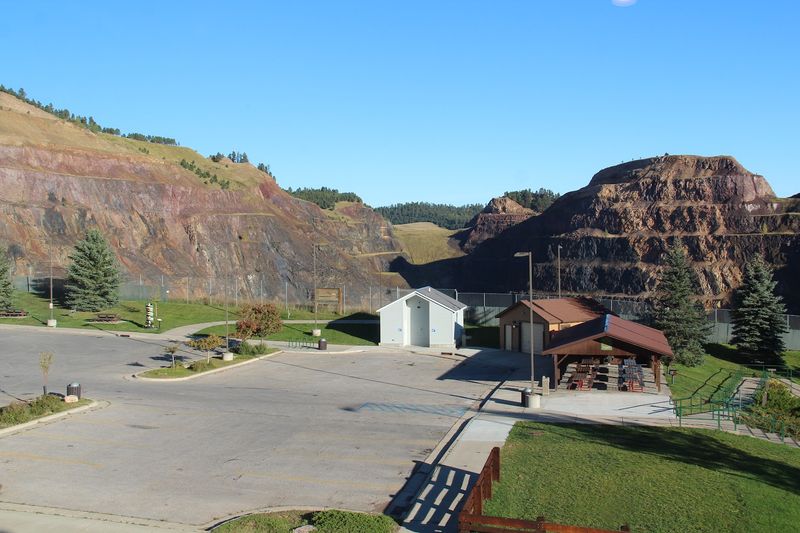
Some places are easy to enjoy and easy to forget. The Homestake Slime Plant site is not one of them.
There is a specific kind of feeling that comes from standing inside a building where so much difficult history happened, knowing that the people who worked here did not always have a choice about the risks they accepted.
The Black Hills are full of beautiful scenery and outdoor adventures. Deadwood itself has a well-earned reputation as one of the most historically rich towns in the American West.
But this particular building adds a layer of complexity that most tourist stops do not offer. It asks something of you, a little reflection, a little acknowledgment of what industrial labor really cost.
Visiting the site today feels like a conversation between past and present. The entertainment complex is lively and well-maintained, with an indoor pool, restaurants, and event spaces that attract visitors from across the country.
But underneath all of that activity, the original purpose of the building quietly persists. The walls remember what happened here.
The name is still on the stone. And if you let yourself slow down for a moment, you can almost feel the hum of all those years of work and risk and human cost.
Address: 1906 Deadwood Mountain Drive, Deadwood, SD 57732
