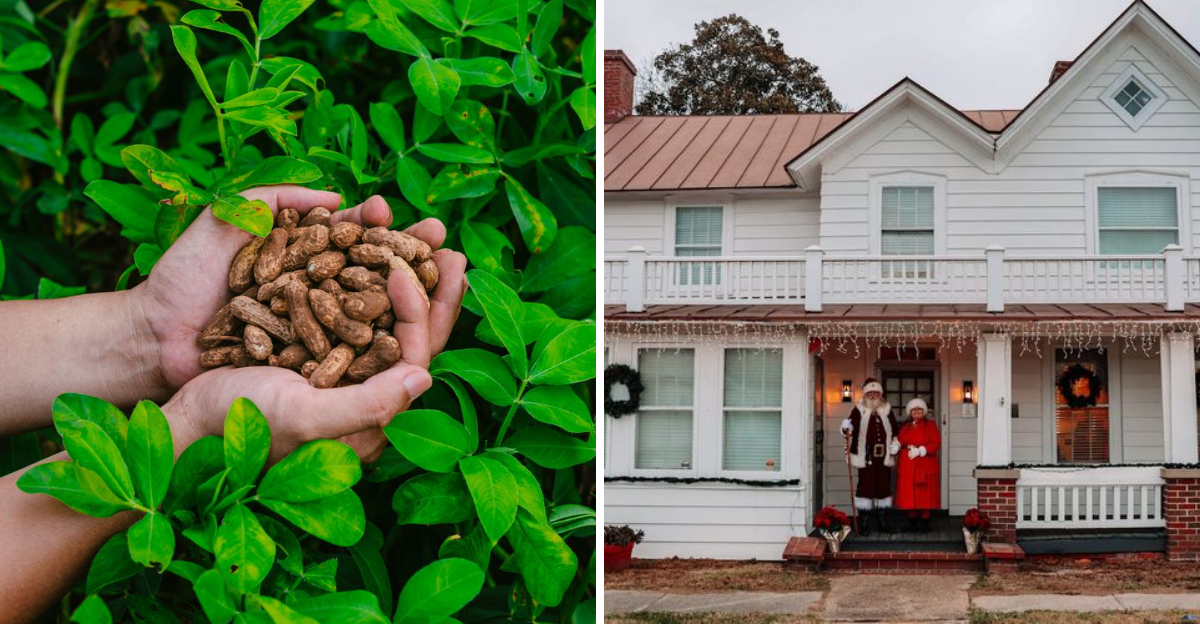
You have eaten peanuts. You have probably used peanut butter.
But have you ever learned about the history of the peanut? This specialized Virginia museum is the only one in the United States dedicated entirely to the peanut, a tribute to the humble legume that has become a Southern staple.
I walked through the exhibits, learning about the peanut’s origins, its journey to America, and its role in agriculture and cuisine. The museum is small but packed with information.
There are displays on peanut farming, harvesting, and processing, plus a gift shop with every peanut product you can imagine. Virginia has plenty of museums, but this one is unique.
Where History Gets a Little Nutty
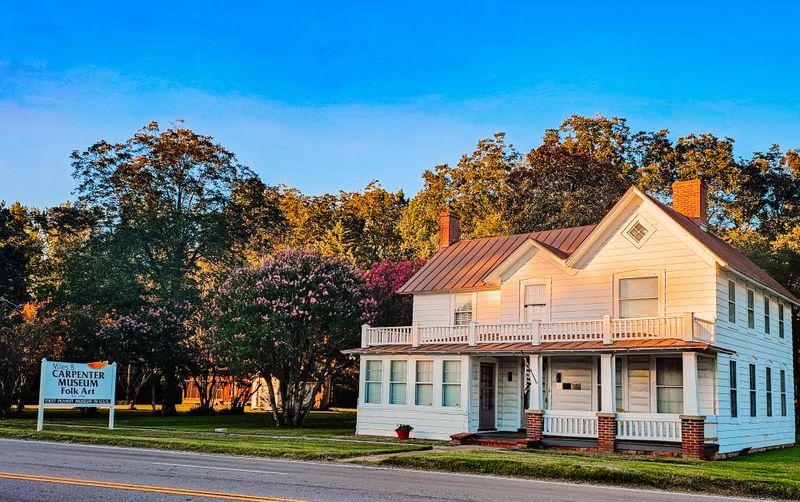
Long before peanut butter became a lunchbox staple, one pioneering doctor in southeastern Virginia planted the seeds of an entire industry. The First Peanut Museum in the U.S. exists precisely because of that moment, honoring the spot where America’s commercial peanut story truly began.
Dr. Matthew Harris grew the very first commercial peanut crop in the United States less than two miles from where this museum now stands, right here in Waverly, Virginia. That single agricultural experiment changed the food landscape of an entire nation.
I genuinely had no idea one person’s curiosity could ripple outward so powerfully across generations.
The fertile, sandy loam soil of Sussex County turned out to be the perfect cradle for this groundbreaking crop. The museum tells that origin story with warmth, depth, and a whole lot of personality.
Walking through its exhibits feels less like a history lesson and more like discovering a secret the rest of the country somehow missed. Virginia’s agricultural heritage runs remarkably deep, and this museum makes sure the peanut gets its well-deserved moment in the spotlight.
A Peek into Peanut Pioneering
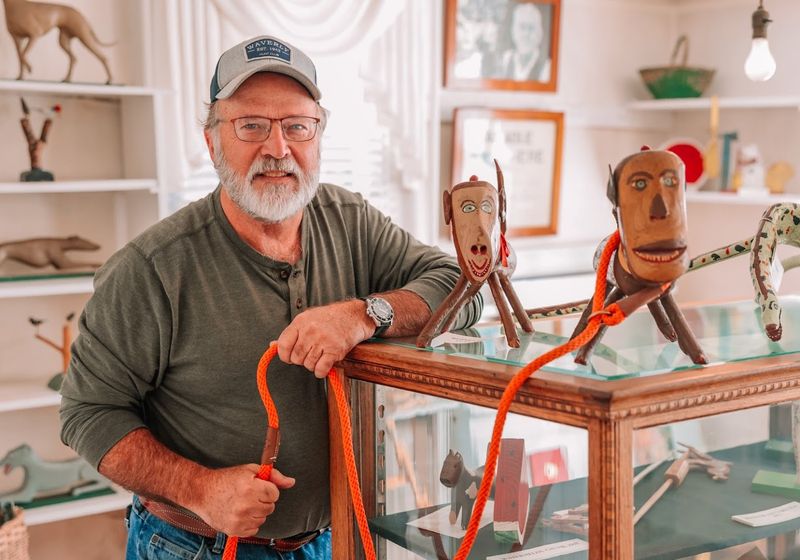
Stepping inside this specialized museum is like opening a time capsule stuffed with the most gloriously unexpected agricultural treasures. The collection is genuinely surprising, packed with artifacts that reveal just how much craftsmanship went into getting peanuts from field to table.
A vintage peanut scooper catches my eye immediately, its worn wooden handle speaking volumes about years of hard labor. Nearby, intricate needles once used for sewing heavy-duty peanut bags sit carefully preserved behind glass.
A pea-popper, designed specifically to dislodge peanuts from their shells with satisfying efficiency, rounds out the display beautifully.
What makes the First Peanut Museum in the U.S. so special isn’t just the objects themselves. It’s the stories layered behind each one, connecting everyday farm life to a much grander national narrative.
The museum also illustrates the peanut’s complete life cycle, from seed to shelf, with clarity and genuine enthusiasm. Virginia has plenty of impressive museums, but none quite like this one.
The intimate scale makes every exhibit feel personal, like a neighbor is sharing their family history directly with you.
The Goober’s Grand Entrance into American Culture
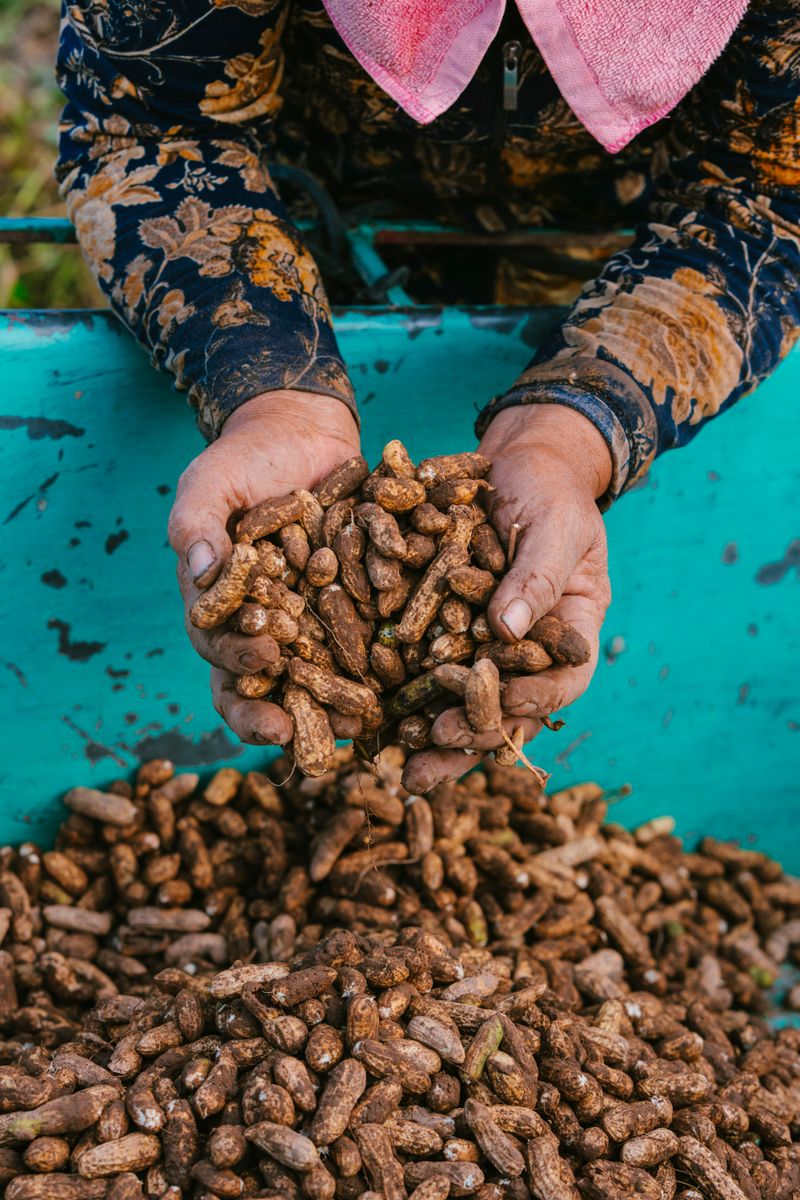
Few people connect peanuts with the circus, but that connection is absolutely real and completely delightful. The museum shines a spotlight on the Old Dominion Peanut Company, the very first commercial enterprise dedicated to buying, grading, shelling, and marketing peanuts, which opened right here in Waverly.
One of its earliest famous patrons was the legendary showman P.T. Barnum himself.
He introduced the concept of “Hot Roasted Peanuts” to the general public at his traveling circuses, turning a regional crop into a nationwide craving almost overnight. That’s the kind of origin story that makes you see a simple snack in a completely new light.
The First Peanut Museum in the U.S. captures these pivotal cultural moments with engaging displays that feel more like storytelling than standard museum signage. Beyond Barnum, the museum features a compelling biography of George Washington Carver, the brilliant scientist who discovered over three hundred uses for the peanut.
His innovations ranged from sweet confections to industrial applications that boggle the modern mind. Virginia gave the world the peanut industry, and this museum makes absolutely certain that legacy is never forgotten.
George Washington Carver and the Peanut Revolution
George Washington Carver is one of the most extraordinary scientific minds America ever produced, and the peanut was his greatest canvas. The First Peanut Museum in the U.S. dedicates meaningful space to his remarkable story, and honestly, it’s the section I lingered over the longest.
Carver’s research transformed the peanut from a modest farm crop into a scientific marvel. His discoveries spanned cooking oils, soaps, cosmetics, and even materials used in manufacturing, proving that one humble legume could fuel an astonishing range of human needs.
The sheer breadth of his ingenuity is staggering even by today’s standards.
What strikes me most about this exhibit is how it frames Carver not just as a scientist, but as a visionary who saw potential where others saw limitation. The museum presents his biography with genuine reverence and educational depth, making it accessible and inspiring for every age group.
Virginia’s connection to agricultural innovation runs through this museum like a golden thread, and Carver’s chapter is one of its brightest highlights. Leaving this section, I felt a renewed appreciation for the power of curiosity and the extraordinary things it can produce.
The Life Cycle of a Legume Like You’ve Never Seen It
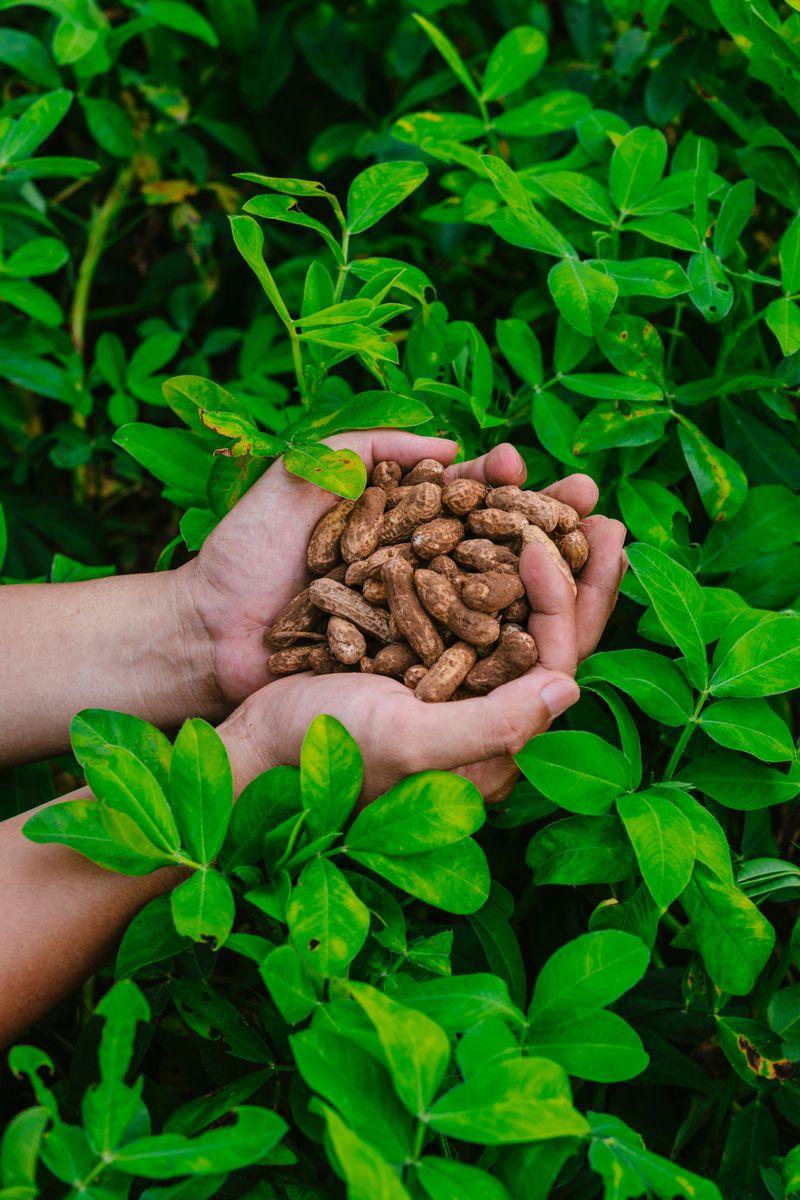
Most people have absolutely no idea that peanuts don’t grow on trees or bushes. They actually grow underground, which is exactly the kind of mind-bending botanical fact that makes the First Peanut Museum in the U.S. such a rewarding stop for curious minds of all ages.
The museum walks visitors through the peanut’s complete journey from seed to snack with impressive clarity. Illustrated panels and physical specimens show how the peanut flower bends toward the soil after pollination, buries itself, and develops underground.
It’s a process called geocarpy, and it sounds like something out of a science fiction story.
Seeing this life cycle laid out so thoughtfully makes the agricultural achievement of early Virginia farmers even more impressive. They mastered the cultivation of a plant that literally hides its fruit in the dirt, developing tools and techniques through sheer trial and error.
The exhibit manages to be both scientifically informative and genuinely entertaining, striking a balance that keeps you reading every single panel. This is the kind of educational experience that sticks with you long after you’ve left Waverly and headed back down the highway.
Waverly’s Identity Is Rooted in the Peanut
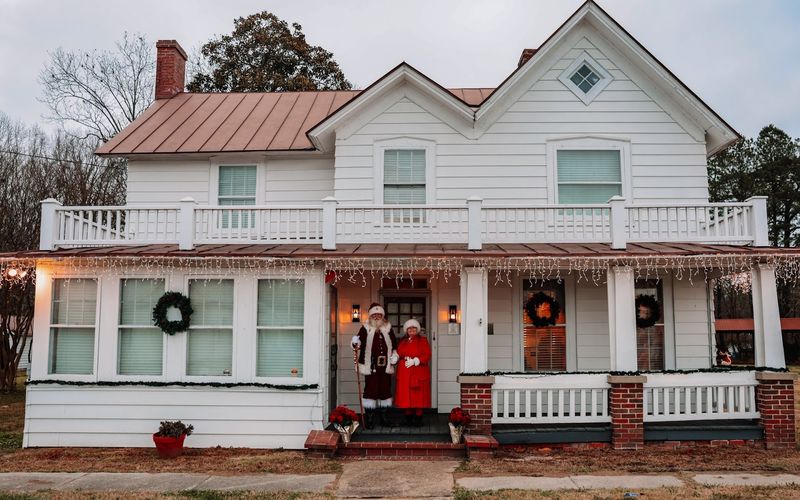
Waverly isn’t just the home of this museum. It’s a town whose entire identity grew up alongside the peanut industry, and that connection is still palpable in every corner of its charming downtown.
The streets here carry a quiet pride that’s genuinely infectious.
At its commercial peak, Waverly proudly held the title of the “World’s Largest Peanut Market,” a designation that drew buyers, traders, and farmers from across the region. That bustling agricultural energy shaped the town’s architecture, economy, and community spirit in ways that are still visible today.
Route 460 still cuts through the heart of Virginia’s peanut country, guiding road trippers through landscapes deeply defined by this incredible crop.
Walking through Waverly, you notice how the town has preserved its historical character with real intention. The Waverly Downtown Historic District holds a respected spot on both the Virginia Landmarks Register and the National Register of Historic Places.
Classical Revival storefronts and Art Deco touches sit comfortably alongside modern businesses, creating a streetscape that feels genuinely lived-in and loved. For a travel correspondent always chasing authentic atmosphere, Waverly delivers in the most unexpectedly satisfying way.
The Folk Art Connection Next Door
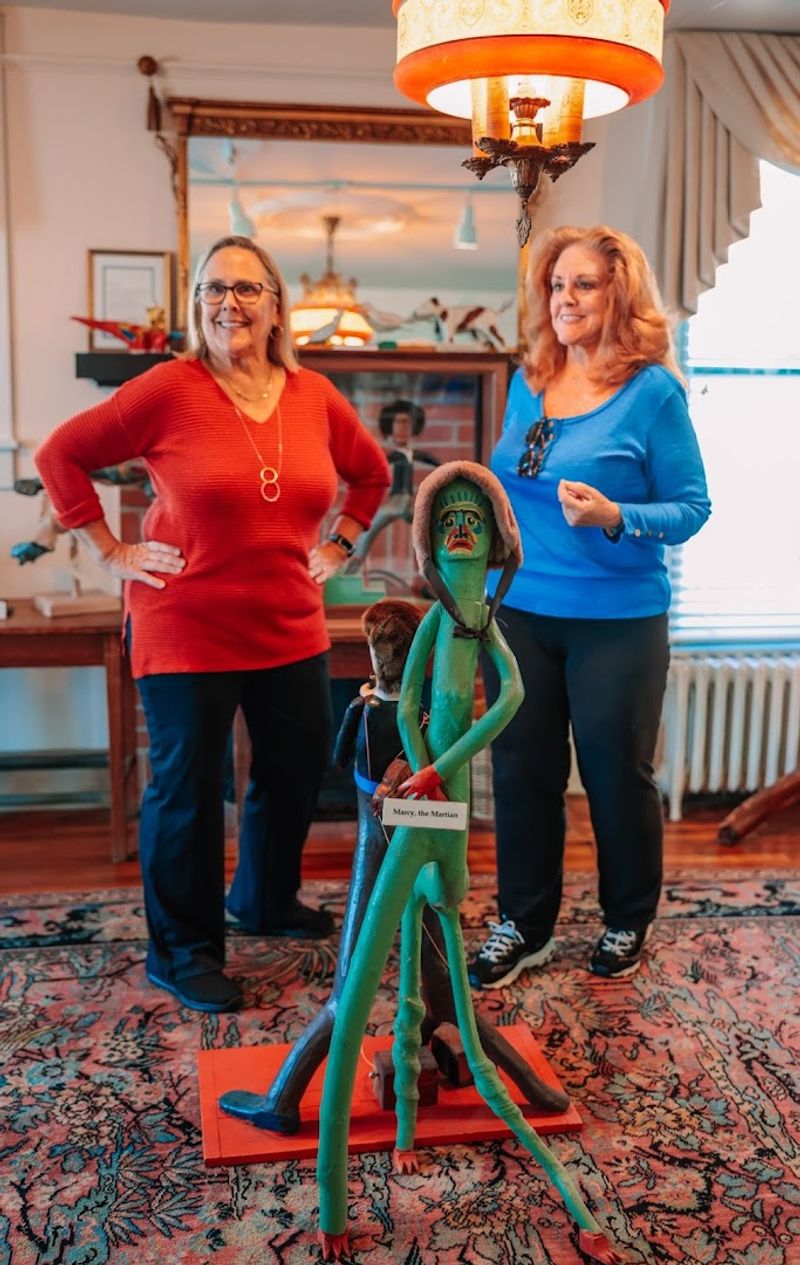
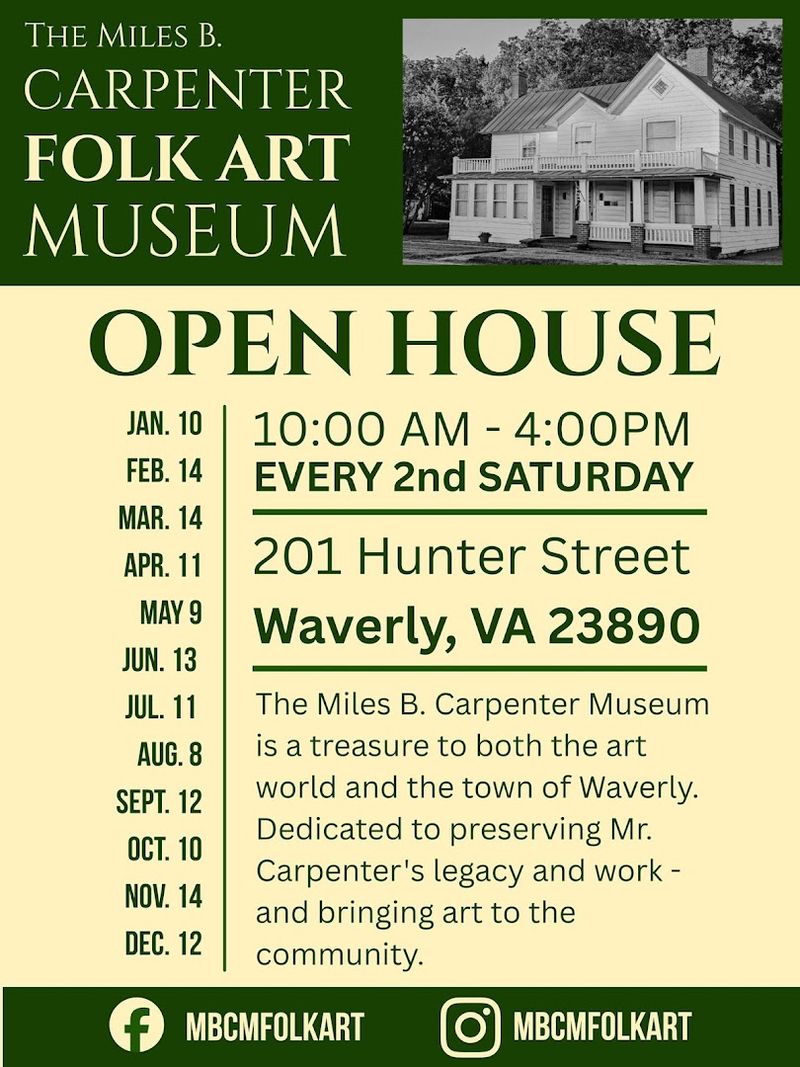
The First Peanut Museum in the U.S. shares its cultural neighborhood with another equally charming institution: the Miles B. Carpenter Folk Art Museum.
These two museums sit side by side on the same grounds, creating a wonderfully unexpected pairing that doubles the reason to make the trip to Waverly.
Miles B. Carpenter was a self-taught folk artist whose vivid, expressive sculptures and carvings became beloved across the American folk art world.
His home and studio have been preserved with remarkable care, offering a window into the creative life of a genuinely singular talent. The combination of peanut history and folk artistry in one compact location feels like discovering two hidden treasures for the price of one afternoon.
Visiting both museums together gives you a richer sense of what makes this corner of Virginia so distinctive. It’s a place where agricultural heritage and artistic expression coexist naturally, each enriching the other.
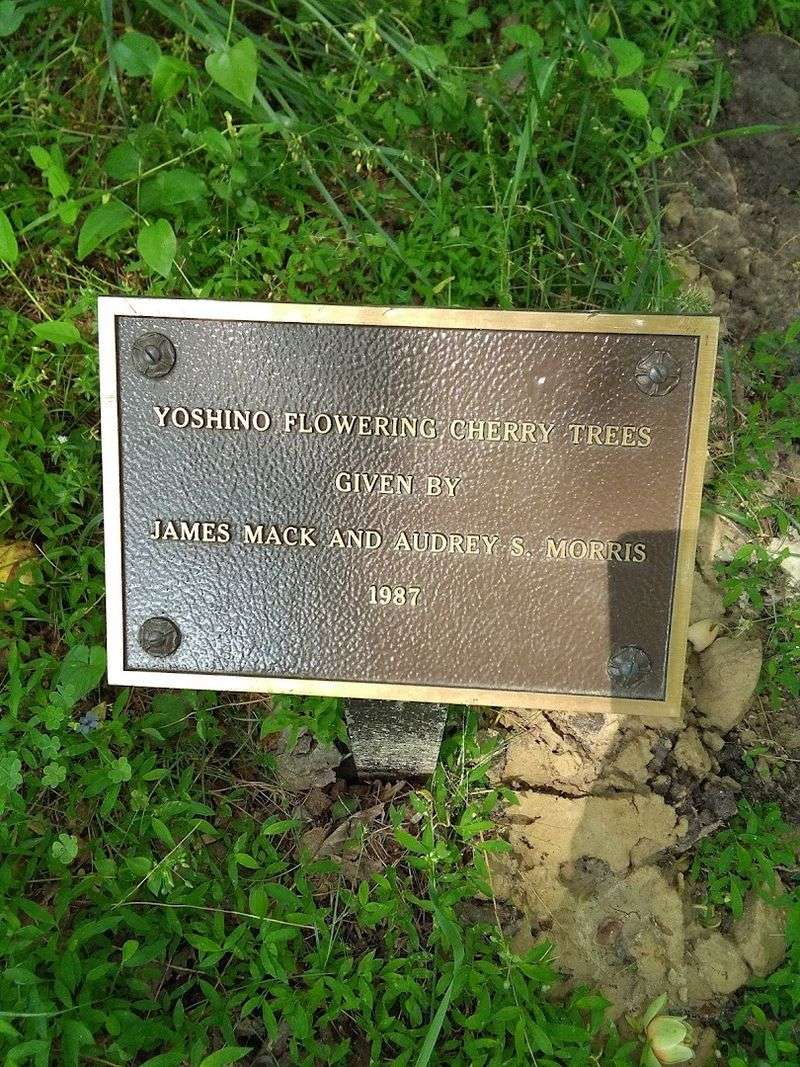
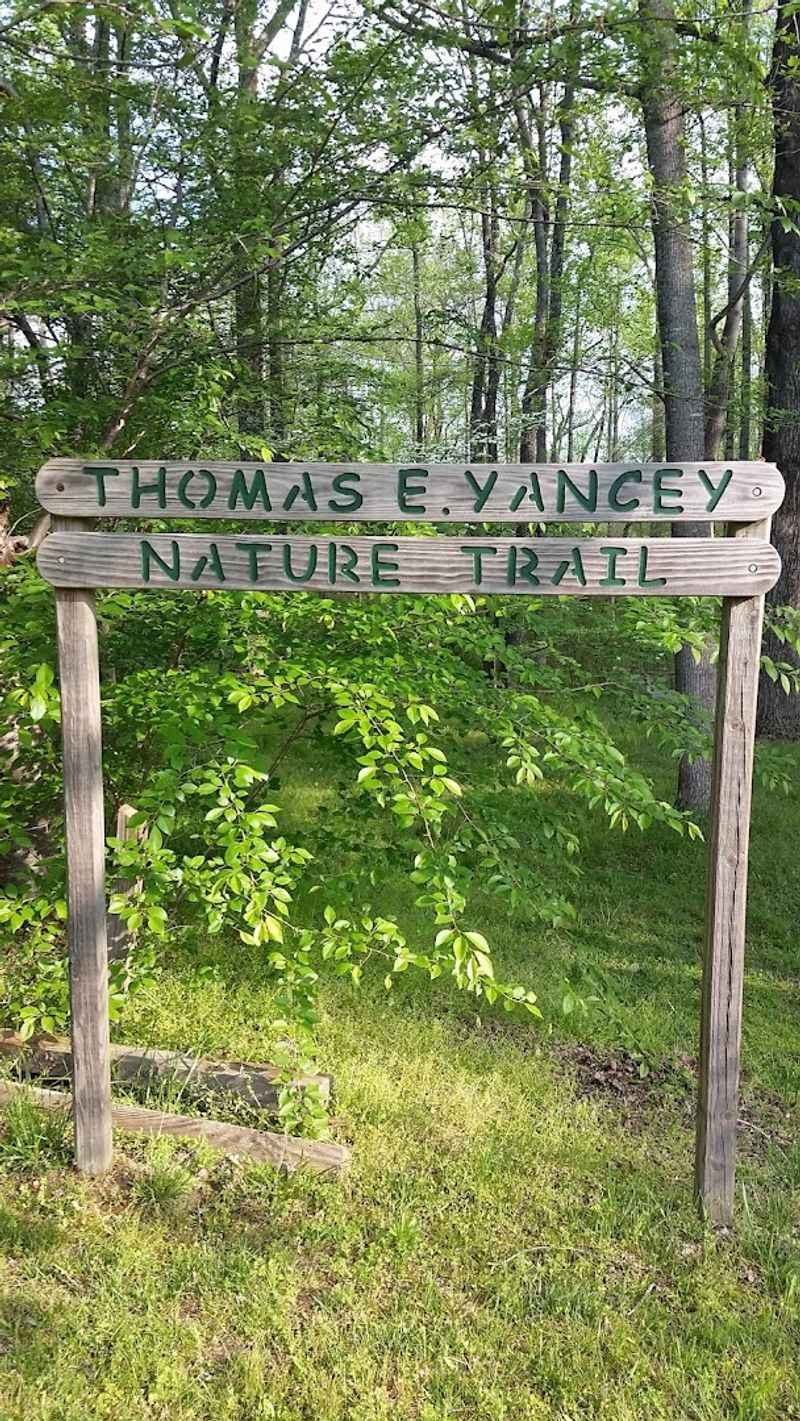
The grounds also include a peaceful nature trail and a fragrant herb garden, making the entire visit feel like a full sensory experience rather than just a quick stop. Plan to spend more time here than you think you’ll need, because you absolutely will.
Planning Your Visit to This One-of-a-Kind Museum
Getting to the First Peanut Museum in the U.S. requires a little advance planning, and that preparation is absolutely worth every minute. The museum operates on a more intimate schedule than larger institutions, so reaching out ahead of your visit is genuinely recommended to confirm availability and arrange your experience.
The museum is located at 201 Hunter St, Waverly, VA 23890, tucked behind the Miles B. Carpenter Folk Art Museum on the same property.
The address is easy to plug into any navigation app, and the drive through southeastern Virginia’s peanut country is scenic enough to qualify as part of the attraction itself. Sandy fields, roadside farm stands, and the occasional hand-painted sign remind you that agriculture is still very much alive here.
Saturday is the primary day when the property welcomes guests, making it a perfect anchor for a weekend road trip through Virginia. Parking is available on-site, though the lot is modest in size.
Arriving with a spirit of exploration rather than a rigid schedule makes the whole experience flow beautifully. Small museums like this one reward the curious and the patient with an authenticity that no major metropolitan attraction can replicate.
Virginia’s Broader Peanut Trail Worth Exploring
The peanut passion radiating from Waverly doesn’t stop at the museum’s front door. Southeastern Virginia is essentially one long, delicious ode to the goober, and the surrounding region rewards anyone willing to follow the trail a little further down the road.
Heading east along what locals affectionately call the “Salty Southern Route” brings you through landscapes dotted with family-owned peanut operations that have been roasting, salting, and packaging goobers for generations. The aroma alone is worth the detour.
Suffolk, another proud Virginia community, celebrates its own peanut heritage with playful Mr. Peanut statues that make for genuinely fun photo stops.
Family-run businesses like Wakefield Peanut Company and Adams Peanuts operate in the region, offering a taste of the tradition that the museum so carefully documents. These aren’t tourist traps.
They’re working operations where the connection between field and product is immediate and real. Exploring this broader peanut trail turns a simple museum visit into a full regional adventure, connecting the historical dots between Waverly’s pioneering past and the thriving agricultural present.
Virginia’s southeastern corner is quietly one of the most rewarding road trip corridors in the entire state.
Why You Absolutely Cannot Skip This Nutty Gem
Somewhere along the way, travel became synonymous with famous landmarks and crowded attractions. The First Peanut Museum in the U.S. is a powerful reminder that the most memorable experiences often happen in the places nobody puts on their must-see list.
Waverly, Virginia, is exactly that kind of place.
My visit left me genuinely moved by the depth of story packed into such a compact space. The museum doesn’t try to be something it’s not.
It celebrates one specific thing with complete commitment and infectious enthusiasm, and that focused passion is exactly what makes it so refreshing. In a world of sprawling, overwhelming attractions, there’s something deeply satisfying about a museum that knows its subject inside and out.
Virginia keeps surprising me, and this nutty little institution in Sussex County is one of its finest surprises yet. Quirky, educational, historically rich, and utterly unique, the First Peanut Museum in the U.S. deserves a spot on every curious traveler’s radar.
So go ahead and reroute that GPS to 201 Hunter St, Waverly, VA 23890. Pack your sense of wonder, bring your appetite for the unexpected, and prepare to fall completely in love with the most underrated museum in America.
