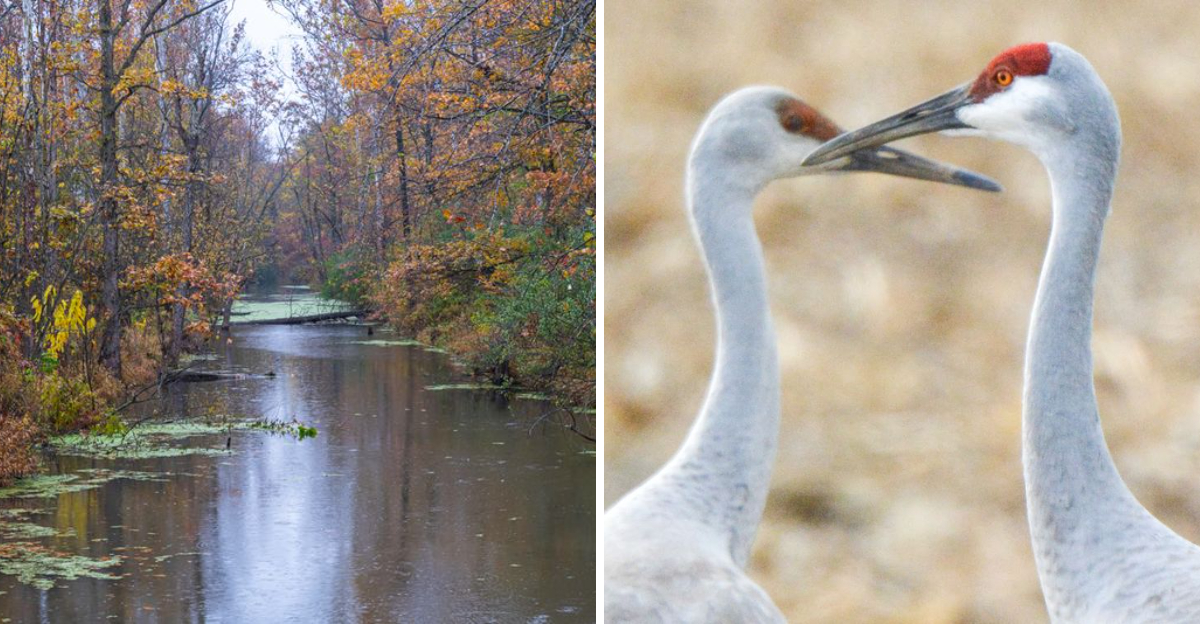
Not every great natural escape comes with a crowd or a price tag. A wildlife refuge in Seymour, Indiana spans thousands of acres where forests, wetlands, and grasslands come together in one remarkable landscape.
It has earned a reputation as one of the Midwest’s premier birdwatching destinations, attracting visitors who come to spot everything from migratory waterfowl to rare songbirds. Beyond the wildlife, miles of trails and scenic drives offer opportunities to explore diverse habitats at a relaxed pace.
The peaceful setting makes it easy to spend hours immersed in nature without feeling far from town. Whether you are an avid birder, a photographer, or simply someone looking for a quiet outdoor adventure, this natural sanctuary offers an experience that is both memorable and refreshing.
You Can Watch Herons Nest at Richart Lake
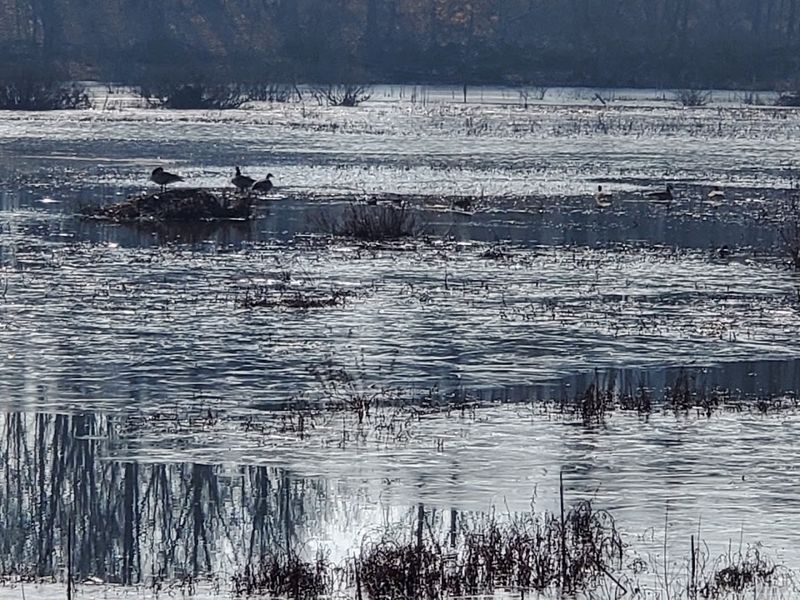
Few wildlife moments are as breathtaking as watching great blue herons build and tend their nests high above the water. At Muscatatuck National Wildlife Refuge, the Richart Lake area becomes a living spectacle every April when a great blue heron rookery comes to life in the treetops overhead.
Herons are massive birds, standing nearly four feet tall, yet they move with surprising grace. Watching them glide into their nests, wings spread wide, is the kind of sight that stays with you long after you leave.
Great egrets also visit during this season, adding even more visual drama to the wetland landscape. The rookery is best visited in the morning when activity peaks.
Bring binoculars if you have them, because the nests sit high and the detail you catch through a lens is incredible. The refuge also has a viewing platform along the auto tour route with mounted spotting scopes available for public use.
Spring is when the whole refuge feels electric with life. Wood ducks, Canada geese, and mallards are also nesting during this time, so one visit can yield an extraordinary variety of sightings.
Muscatatuck National Wildlife Refuge is located in Seymour, Indiana, and the Richart Lake rookery alone is reason enough to make the trip. Plan to arrive early and move quietly for the best experience.
Plan a Morning Walk for Warbler Season
Warbler season at Muscatatuck is something birders talk about for months afterward. Late April is peak time for songbird migration, and the trees fill up with color and sound in a way that feels almost unreal.
Cerulean warblers nest in the upland mature forests of the refuge, a species that is increasingly hard to find in many parts of its range. Prothonotary, yellow-throated, and Northern parula warblers can also be found along the wooded wetland edges during this period.
Each species brings its own song, and a quiet morning walk here becomes a layered symphony of sound.
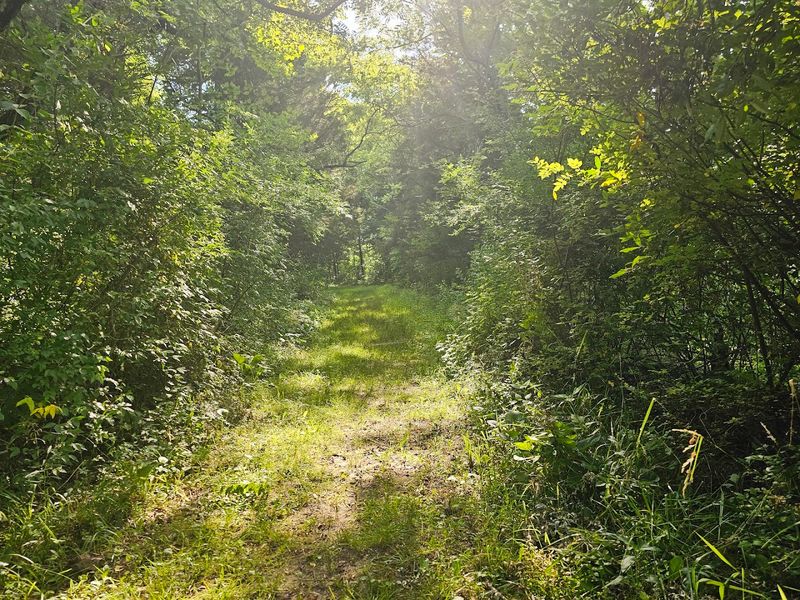
Eight hiking trails of varying lengths wind through the refuge, giving you multiple options depending on your energy and time. The Chestnut Ridge Interpretive Trail is paved and wheelchair accessible, making it a great starting point.
Other trails take you deeper into forest habitats where warbler activity is highest during migration.
Early mornings are truly the golden hours here. Birds are most active in the first few hours after sunrise, and the light filtering through the forest canopy makes photography stunning.
Bring bug spray, especially from late spring onward, because mosquitoes are real in the wooded areas. A quiet, patient approach will reward you far more than rushing through.
Muscatatuck is the kind of place where slowing down completely changes what you see and hear around every bend in the trail.
Come See Bald Eagles Year-Round on the Auto Tour
Bald eagles are not just a symbol on a flag here. At Muscatatuck National Wildlife Refuge, mating pairs of bald eagles are protected within the refuge boundaries and can be spotted throughout every season of the year.
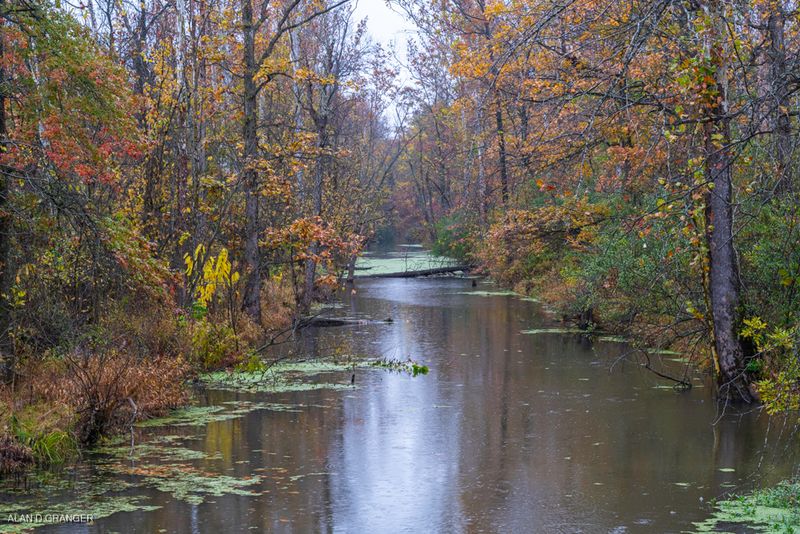
The nine-mile auto tour road is one of the best ways to find them. You drive at your own pace through marshes, past ponds, and along lake edges, scanning the treelines and sky for that unmistakable white head and tail.
The tour has 12 designated stations with informational signage to guide your experience.
Winter visits bring even more eagle activity to the refuge. Bald eagles from northern regions migrate through Indiana during the colder months, joining the resident birds and making the wetlands feel like a true wilderness.
Tundra swans, ducks, and geese also fill the water during winter, creating dramatic scenes right from your car window.
The auto tour is open year-round from sunrise to sunset, and there is no entrance fee to visit the refuge. That makes it one of the most accessible and rewarding wildlife drives in the entire state.
Families especially love this option because even young children can enjoy the sightings without a long hike. Pull over at the viewing platform, use the mounted spotting scopes, and take your time.
Bald eagles reward patience, and Muscatatuck gives you plenty of chances to find them.
Skip the Crowds and Find Sandhill Cranes in Winter
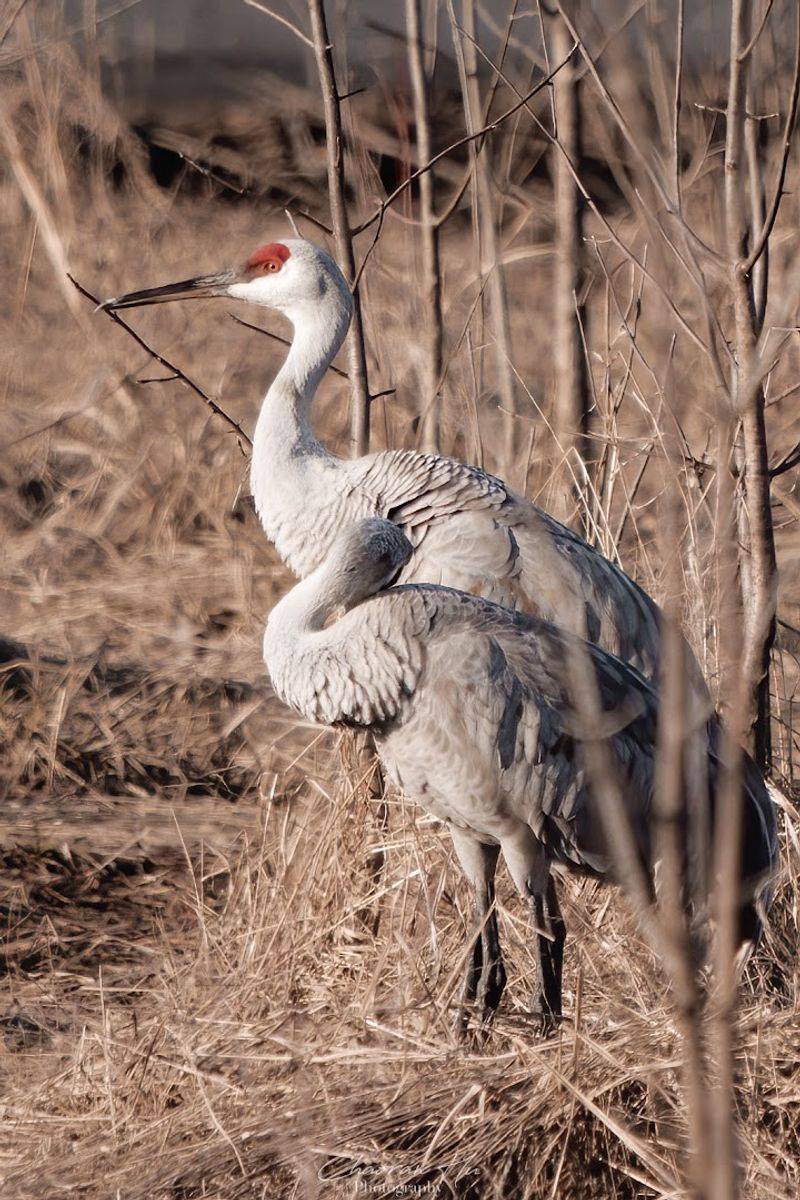
Winter birding at Muscatatuck is one of Indiana’s best-kept secrets. Greater sandhill cranes gather in the area each season, peaking in December and January, and the sight of these tall, prehistoric-looking birds moving across open wetland fields is genuinely awe-inspiring.
What makes this even more exciting is that whooping cranes, one of North America’s rarest birds, occasionally travel with the sandhill crane flocks. Spotting a whooping crane here is rare but documented, and that possibility alone draws serious birders from across the region.
The refuge staff can sometimes point you toward the best areas to look during peak winter weeks.
Beyond the cranes, winter brings a rich variety of waterfowl. Ducks, geese, grebes, and tundra swans fill the ponds and marshes visible from the auto tour route.
The bare trees make spotting raptors much easier, and bald eagles are frequently seen perched along the water’s edge during cold months.
The refuge is open seven days a week from sunrise to sunset, even in winter, and there is no entry fee. Dress in warm layers and bring a thermos because mornings can be bitterly cold along the open wetland edges.
The reward is a kind of stillness and wildness that is hard to find anywhere else in Indiana. Muscatatuck in winter feels like a completely different place from its spring and summer personality, and that contrast is absolutely worth experiencing firsthand.
Do Step Inside the Historic Myers Cabin and Barn
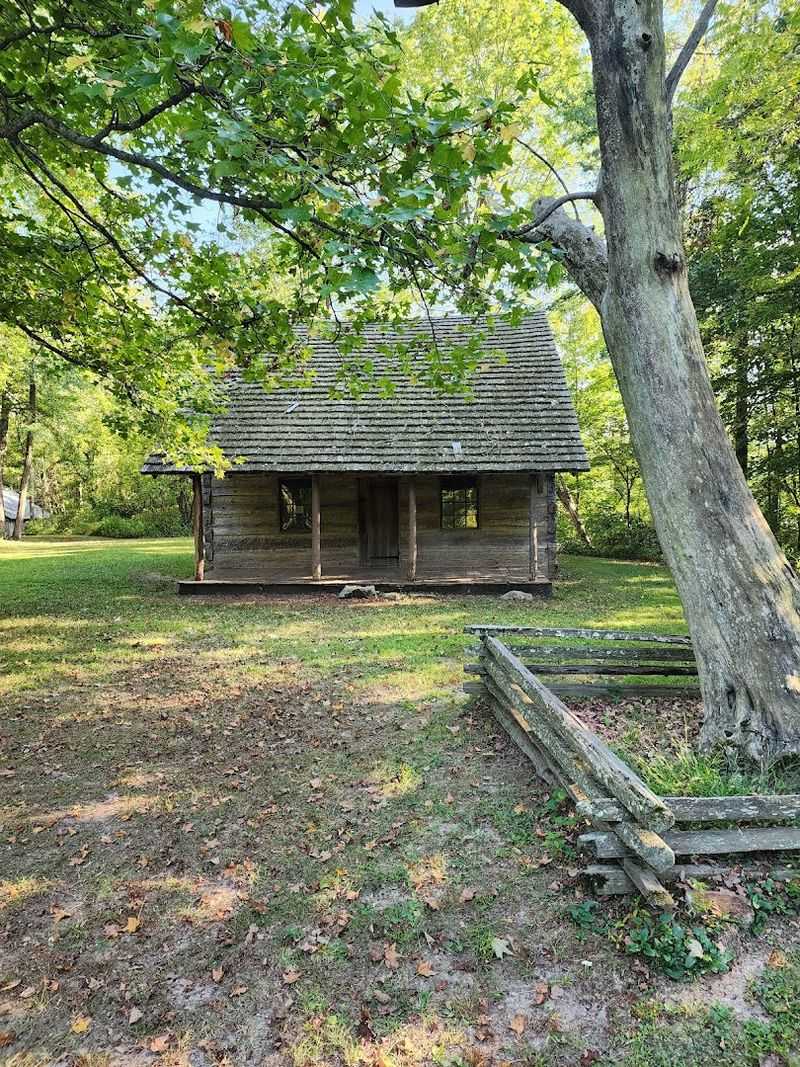
History and nature share the same ground at Muscatatuck. The Myers Cabin and Barn, built around 1900, have been carefully restored by volunteers and stand as a quiet reminder of the farming life that once shaped this landscape before it became a wildlife refuge.
Walking up to the cabin feels like stepping into a different era. The weathered wood, the simple structure, and the surrounding trees create an atmosphere that is both peaceful and a little haunting in the best way.
It is the kind of place that makes you think about the people who lived here and what daily life looked like over a century ago.
The refuge also contains two pioneer cemeteries and archaeological sites listed on the National Register of Historic Places. One of those cemeteries, the Meyer Cemetery, sits deeper into the refuge and requires a hike to reach.
Visitors have noted that the path can be overgrown in late summer, so earlier in the season is the better time to make the trek.
Combining history with nature watching makes a visit to this area especially rich. Mosquitoes can be thick near the cabin in summer, so come prepared with repellent.
The surrounding habitat is also excellent for spotting wildlife, and some visitors have encountered the rare copperbelly water snake in the area near the water features. Every corner of Muscatatuck offers a new layer of discovery, and the historical structures add real depth to the overall experience.
Try Kayaking the Refuge Fishing Ponds and Wetlands
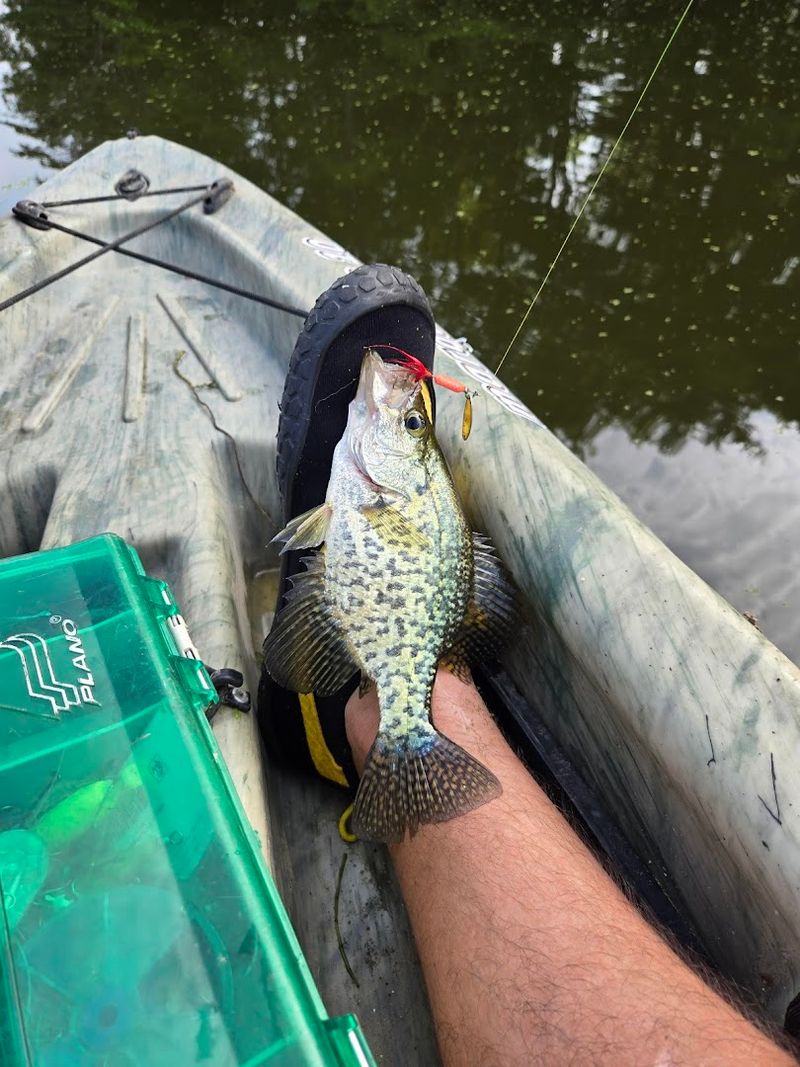
Getting out on the water at Muscatatuck changes your entire perspective of the refuge. Kayaking is a permitted activity here, and it opens up access to areas that are simply impossible to appreciate from a trail or a car window.
The fishing ponds and wetland edges become a completely different world when you are moving quietly across the surface. River otters, reintroduced to the refuge back in 1995, have established a thriving population and are occasionally spotted near the water.
White-tailed deer sometimes appear at the shoreline, and wood ducks nest in boxes placed throughout the wetland areas.
Fishing is also allowed in designated areas, though visitors have noted that bank fishing can be tricky because the shorelines are not always cleared for easy access. Bringing a kayak or canoe solves that problem entirely and gives you the freedom to explore the water at your own pace.
Early mornings on the water are especially magical when mist sits low over the surface and birds begin calling from every direction.
The refuge hosts annual events including Take a Kid Fishing Day, which is a wonderful introduction for younger visitors who want to experience the water up close. Always check the refuge calendar before visiting to catch special programming.
Muscatatuck National Wildlife Refuge sits at Seymour, IN 47274, and you can reach the refuge office at 812-522-4352 for current conditions and activity updates before you launch your kayak.
Make Time for the Bird Viewing Room at the Visitor Center
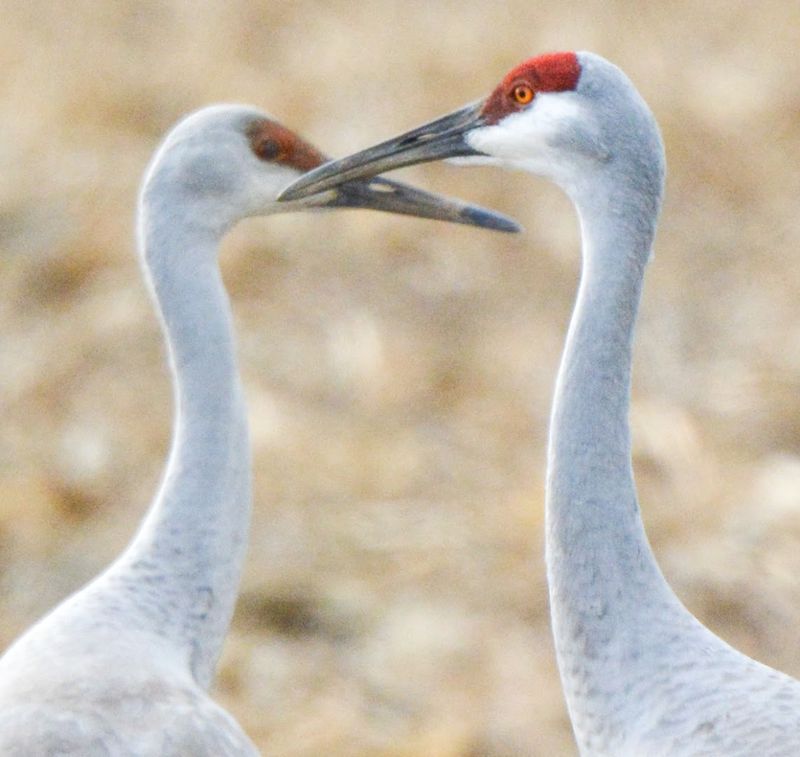
Not every wildlife experience requires a long hike or a cold early morning. The Visitor Center at Muscatatuck National Wildlife Refuge has a dedicated Bird Viewing Room where you can watch birds at outdoor feeders from a warm, comfortable indoor space.
This setup is genuinely great for families with young children, older visitors, or anyone who simply wants a relaxed introduction to the refuge’s birdlife. The feeders attract a rotating cast of species depending on the season, and the large windows give you a clear, close-up view without disturbing the birds at all.
Beyond the viewing room, the center has a large exhibit area filled with educational displays about the refuge’s habitats, wildlife, and history. A nature bookstore inside offers field guides, children’s books, and other resources that make great souvenirs.
Staff members are known for being friendly and knowledgeable, happy to point you toward the best spots for whatever you hope to see that day.
The Visitor Center is the ideal starting point for any visit to Muscatatuck. Picking up a map, learning about current wildlife activity, and getting oriented before heading out makes the whole experience more rewarding.
The center also hosts educational programs throughout the year focused on wildflowers, birds, and seasonal events. The annual Wings Over Muscatatuck celebration, held on International Migratory Bird Day, is one of the most popular events the refuge offers and draws visitors from well beyond Indiana.
