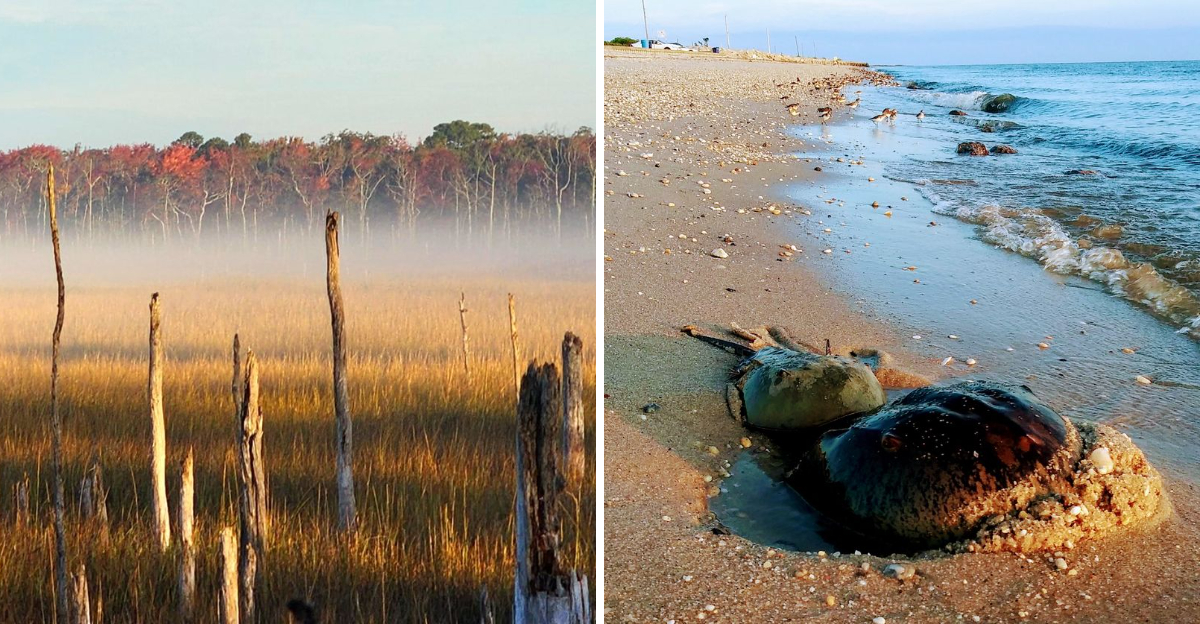
I set out for a simple stroll along the Delaware Bay and somehow ended up in New Jersey’s wildest reality show.
Glades Wildlife Refuge isn’t just big; it’s 6,700 acres of tidal marshes, sandy beaches, and winding waterways where the locals all have wings, claws, or shells.
Bald eagles swoop overhead like they’re auditioning for a nature documentary, and horseshoe crabs?
They throw shoreline parties that have been going strong for thousands of years.
The trails here aren’t just paths, they’re backstage passes to nature showing off.
Ever wanted to see a sunrise so dramatic it looks like the sky hired a painter? Or marshlands stretching so far you start wondering if you’ve wandered into another dimension?
This place proves New Jersey’s wild side doesn’t need hype – it just needs you, a pair of boots, and a sense of adventure.
Endless Golden Marshlands That Stretch to the Sky
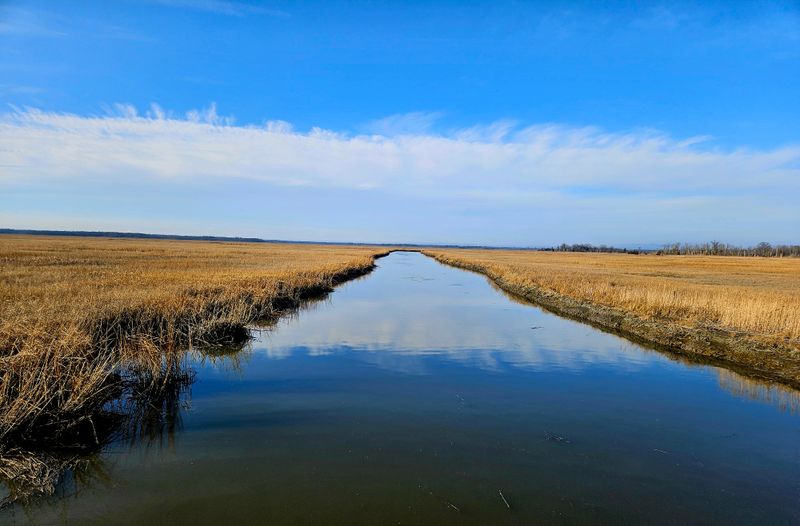
Golden marsh grasses sway like ocean waves across thousands of acres at Glades Wildlife Refuge, creating one of the most visually stunning landscapes in all of New Jersey. During fall, these tidal marshes turn brilliant shades of amber and gold, transforming the entire refuge into a glowing natural wonderland that photographers and nature lovers dream about.
The marshes stretch as far as your eyes can see, interrupted only by winding tidal creeks and channels that shimmer in the sunlight.
Walking through this ecosystem feels like stepping into another world entirely. The gentle rustling of tall grasses mixes with calls from hidden birds, while the salty bay breeze carries the distinctive scent of coastal wetlands.
These marshes provide critical habitat for countless species, from tiny fiddler crabs scurrying across mudflats to elegant egrets stalking through shallow waters hunting for fish.
Spring and fall offer the most comfortable conditions for exploring, when biting flies take a break and temperatures stay pleasant for hiking. Winter visits reveal a stark, beautiful landscape where ice sometimes forms along creek edges and migrating waterfowl gather in massive flocks.
The marshes change dramatically with the tides, revealing entirely different scenes at high and low water.
Photographers arrive at golden hour to capture the magical light filtering through marsh grasses. The refuge’s flat, open terrain provides unobstructed views of spectacular sunrises and sunsets that paint the sky in brilliant oranges, pinks, and purples.
These marshes represent one of the Atlantic coast’s most important ecological treasures, protecting water quality and providing irreplaceable wildlife habitat for generations to come.
Bald Eagles Soaring Over Bay Waters
Spotting a bald eagle ranks among the most thrilling experiences any visitor can have at Glades Wildlife Refuge. These magnificent raptors have made a remarkable comeback in New Jersey, and this coastal sanctuary provides prime hunting grounds where they fish the bay waters and nest in tall trees throughout the property.
Their distinctive white heads and tails stand out dramatically against dark bodies as they soar on thermal currents high above the marshes.
Eagles hunt year-round at Glades, diving from impressive heights to snatch fish from the water with their powerful talons. Patient observers often watch them perched in dead trees along the shoreline, surveying their territory like feathered monarchs overseeing their kingdom.
During winter months, multiple eagles sometimes gather in the same area, creating unforgettable wildlife viewing opportunities.
The refuge’s abundant food sources attract these apex predators throughout every season. Fish, waterfowl, and even occasional carrion provide steady meals that support breeding pairs and their young.
Spring brings the exciting possibility of spotting fuzzy eaglets in massive stick nests built high in sturdy trees.
Binoculars become essential equipment for eagle watching, as these birds often hunt from considerable distances. Early morning hours typically offer the best viewing chances when eagles actively feed before temperatures rise.
The sight of an eagle’s six-foot wingspan gliding effortlessly overhead never gets old, no matter how many times you witness it. Their presence symbolizes successful conservation efforts that brought these iconic birds back from the brink of extinction to thrive once again in their natural coastal habitat.
Horseshoe Crab Spawning Spectacles
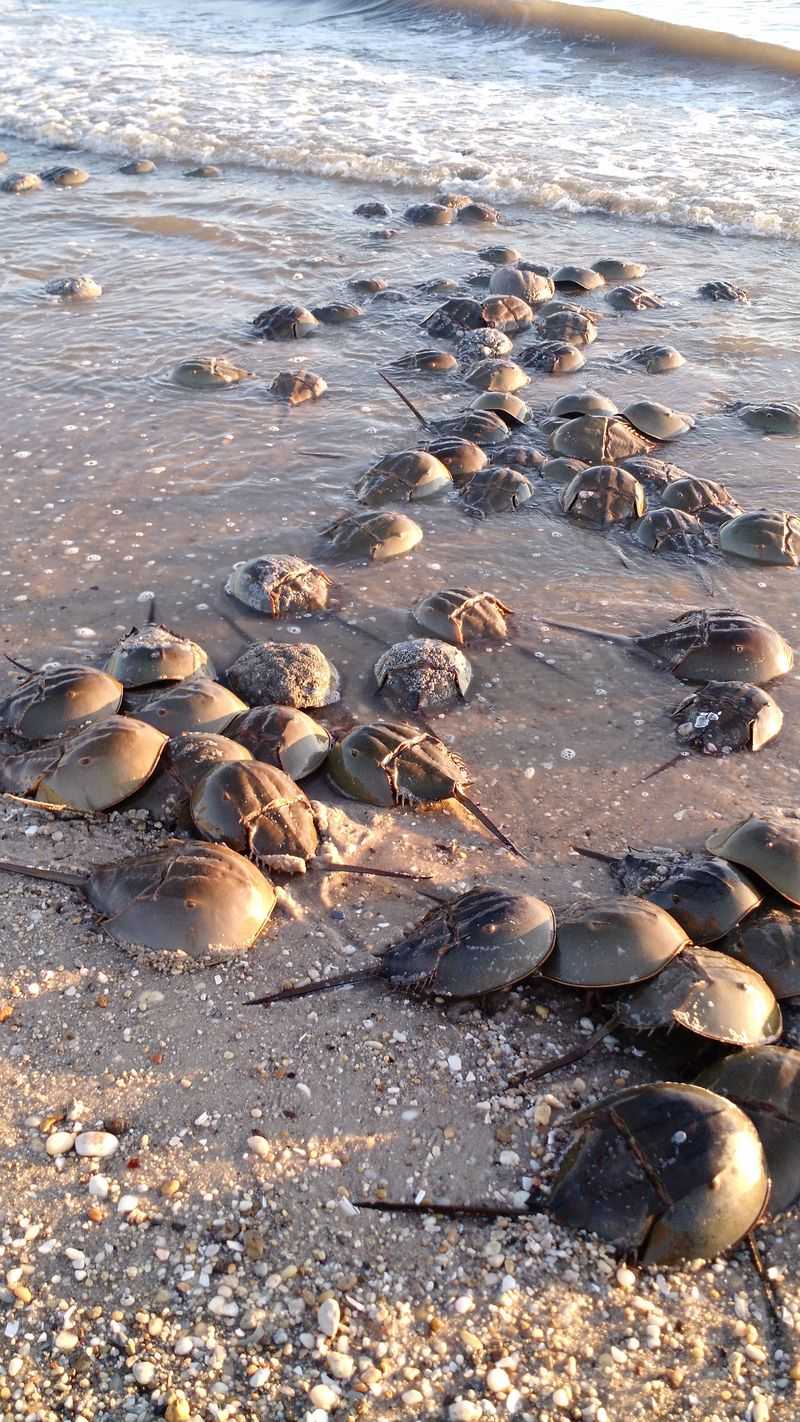
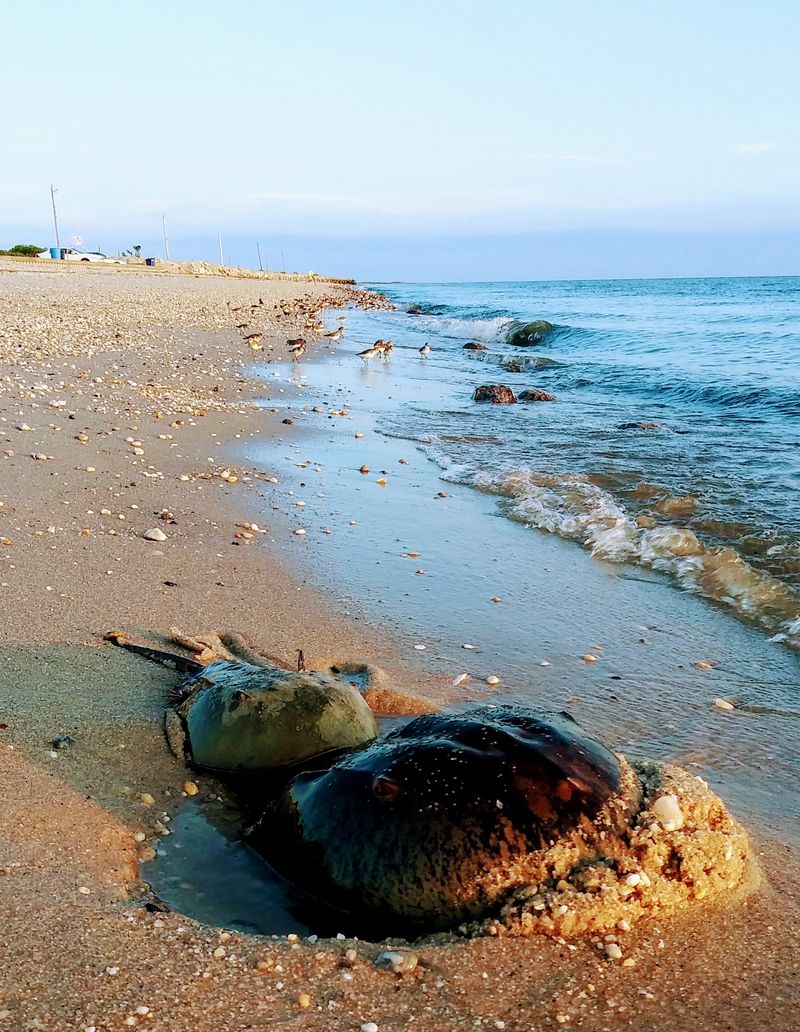
Every spring, one of nature’s oldest rituals unfolds along the beaches at Glades Wildlife Refuge when thousands of horseshoe crabs emerge from Delaware Bay to spawn. These prehistoric creatures, virtually unchanged for 450 million years, crowd the shoreline during high tides in May and June, creating an incredible natural phenomenon that draws scientists and curious visitors from across the region.
Watching them slowly crawl up the beach feels like witnessing a scene from Earth’s ancient past.
Female horseshoe crabs, noticeably larger than males, dig shallow nests in the sand where they deposit thousands of tiny green eggs. Multiple smaller males often attach to each female, ensuring fertilization in a behavior that has repeated successfully for countless millennia.
The beach becomes a living carpet of these armored animals, all following instincts programmed into their species long before dinosaurs walked the planet.
These spawning events provide critical food for migrating shorebirds that time their journeys to feast on the protein-rich eggs. Red knots, ruddy turnstones, and sanderlings arrive exhausted from long flights and depend on this abundant food source to fuel their continued migration northward.
The interconnection between horseshoe crabs and migrating birds represents one of nature’s most remarkable ecological relationships.
Visitors should tread carefully during spawning season to avoid disturbing these vulnerable creatures. The refuge staff encourages respectful observation from appropriate distances, allowing nature to proceed without human interference.
Finding a horseshoe crab shell washed up on the beach provides a fascinating opportunity to examine their unique anatomy up close without harming living animals.
Boardwalk Trail Through Coastal Habitats
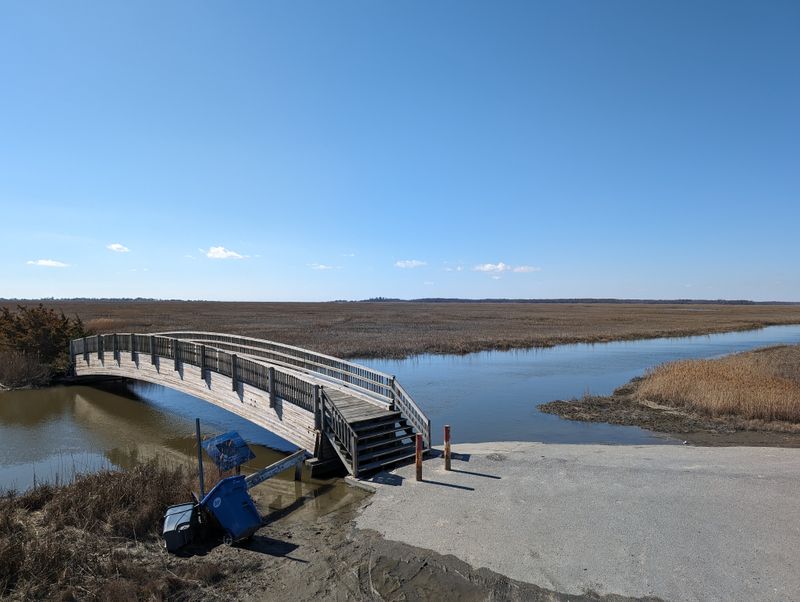
A well-maintained boardwalk trail provides accessible exploration through some of the refuge’s most interesting coastal habitats without disturbing sensitive ecosystems. This elevated pathway allows visitors to walk directly through marsh environments that would otherwise require wading through mud and water, offering intimate views of plants and animals that call these wetlands home.
The boardwalk makes nature accessible to people of varying mobility levels who want to experience this unique landscape firsthand.
Interpretive signs along the route explain the ecological importance of tidal marshes and the species that depend on them. You’ll learn how these wetlands filter water, protect shorelines from erosion, and provide nursery habitat for countless fish and shellfish species.
The educational component adds depth to your visit, transforming a simple walk into an opportunity to understand complex coastal ecosystems.
Bird watching reaches peak excitement from the boardwalk, where patient observers spot herons, egrets, ibises, and numerous songbird species moving through the vegetation. The elevated vantage point provides excellent sightlines across the marsh, making it easier to spot wildlife without trudging through difficult terrain.
Bring a camera with a good zoom lens to capture close-up shots of birds and other creatures you encounter.
Summer visits require preparation for sun exposure, as the boardwalk offers limited shade across open marshland. Sunscreen, hats, and plenty of water become essential items for comfortable exploration.
The trail provides peaceful solitude even on busier weekends, as the refuge’s size spreads visitors across vast acreage. Morning walks often reveal the most active wildlife before afternoon heat slows down animal activity throughout the marsh.
Fortescue Beach for Peaceful Shoreline Strolls
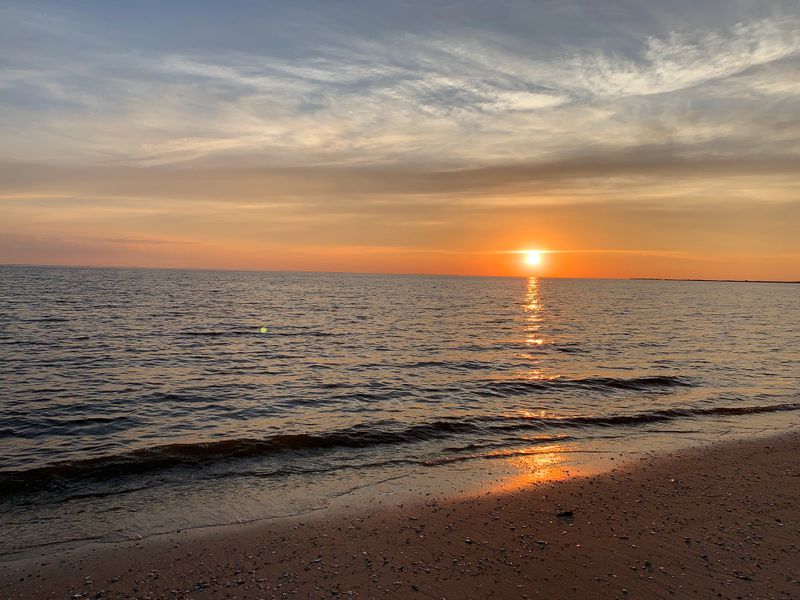
Fortescue Beach offers a quieter alternative to crowded Jersey Shore destinations, providing miles of firm sand perfect for peaceful walks along Delaware Bay’s gentle waters. This section of the refuge attracts beachcombers searching for shells, driftwood, and other treasures washed up by tides, while the brown-tinted estuary waters support thriving populations of fish that draw anglers casting lines from the shore.
The beach’s relaxed atmosphere creates an ideal setting for families seeking nature-focused recreation without commercial development.
Shell collecting becomes a favorite activity, as the bay deposits interesting specimens along the tideline. Whelk shells, clam shells, and oyster shells appear in abundance, along with occasional finds like smooth beach glass tumbled by waves and sand.
Early morning low tides reveal the best hunting grounds when fresh deposits appear overnight.
The firm, compact sand makes walking easy for long distances without exhausting your legs. Unlike soft, shifting beach sand that requires effort with every step, Fortescue’s shoreline provides stable footing that lets you cover serious ground while enjoying bay breezes and water views.
Sunrise visits paint the sky in brilliant colors reflected across calm morning waters.
Fishing opportunities attract both serious anglers and casual visitors trying their luck. Weakfish, striped bass, and other species cruise the bay waters within casting distance of shore.
The beach remains blissfully free of the crowds, noise, and commercialization that dominate many coastal areas, preserving a sense of natural tranquility increasingly rare along developed shorelines. Pack out everything you bring in to help maintain the pristine conditions that make this beach so special.
Exceptional Stargazing Under Dark Skies
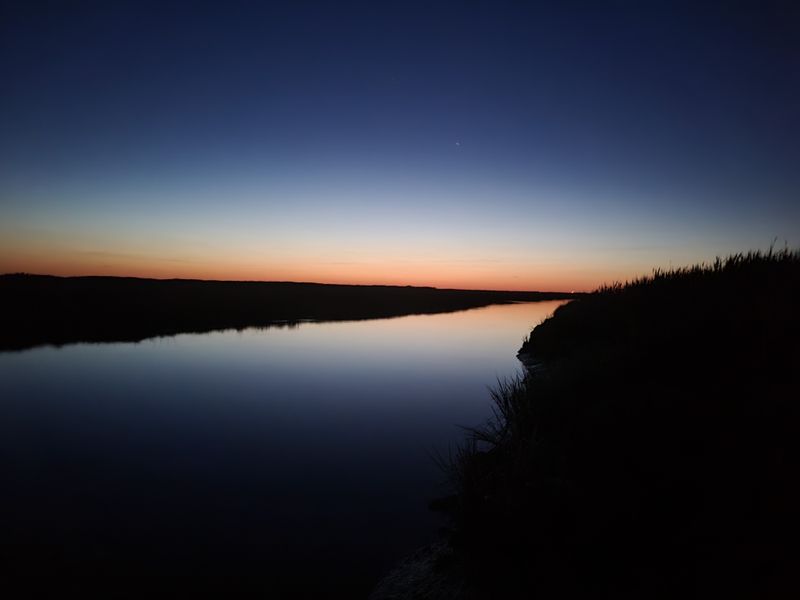
Light pollution dims the night sky across most of New Jersey, but Glades Wildlife Refuge preserves remarkably dark conditions perfect for stargazing adventures. The refuge’s remote location far from major cities and the absence of artificial lighting across its vast acreage create opportunities to see stars, planets, and celestial phenomena invisible from urban and suburban areas.
On clear nights, the Milky Way stretches across the sky in a glowing band that leaves first-time viewers absolutely speechless.
Astronomy enthusiasts arrive after sunset with blankets, telescopes, and star charts to explore the cosmos from this natural observatory. Meteor showers become spectacular events here, with shooting stars streaking across dark skies unobscured by competing light sources.
The quiet marsh setting adds to the experience, with natural sounds replacing traffic noise and electronic distractions.
Fall and winter typically provide the clearest viewing conditions when lower humidity reduces atmospheric haze. Bundle up warmly for cold-season stargazing sessions, as temperatures drop quickly after dark near the bay.
New moon phases offer the darkest skies, though even nights with moonlight reveal far more stars than most New Jersey residents see regularly.
Photography buffs experiment with long-exposure techniques to capture stunning images of star trails circling Polaris or the Milky Way arching over marsh landscapes. The combination of natural foreground elements and dramatic skies creates compelling compositions.
Parents introduce children to constellations, planets, and the wonder of our universe in a setting that makes learning feel like adventure. These dark skies represent an increasingly rare natural resource that the refuge protects along with its daylight treasures.
Kayaking Through Winding Water Trails
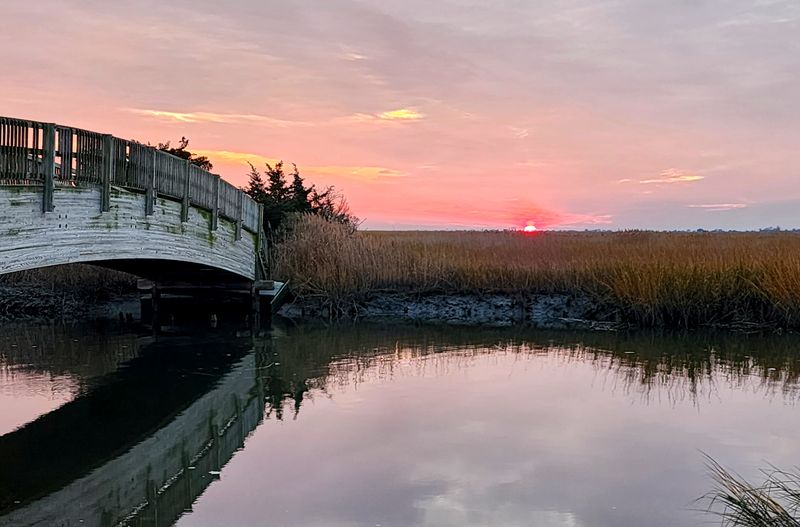
Launching a kayak into the refuge’s intricate network of tidal creeks and channels opens up entirely new perspectives on this coastal wilderness. Paddling through narrow waterways flanked by towering marsh grasses creates an immersive experience where you glide silently through habitats teeming with life, getting closer to wildlife than land-based trails allow.
The water trails wind through the heart of the marsh ecosystem, revealing hidden corners and secret passages that few visitors ever see.
Planning your paddle around tidal schedules becomes essential for successful trips. High tide provides deeper water and easier navigation through channels that might become impassable mudflats at low tide.
Incoming tides help carry you inland while outgoing tides assist your return journey, though unexpected wind conditions can complicate even well-planned trips.
Wildlife encounters intensify from water level, where you might surprise herons fishing along creek banks or watch terrapins sunning themselves on muddy shores. Fish jump around your kayak as you pass, while fiddler crabs wave their oversized claws from exposed mud during low water.
The marsh reveals its secrets to patient paddlers who move quietly and observe carefully.
Bring plenty of water, sun protection, and a waterproof bag for electronics and valuables. Cell phone reception becomes spotty or nonexistent in remote areas, so downloading offline maps beforehand provides navigation backup.
Beginners should stick to main channels near launch points until they gain experience reading tides and understanding how marsh waterways connect. The peaceful rhythm of paddling through this pristine environment creates memories that last long after you return to shore and everyday life.
Bear Swamp Forest Section’s Hidden Diversity
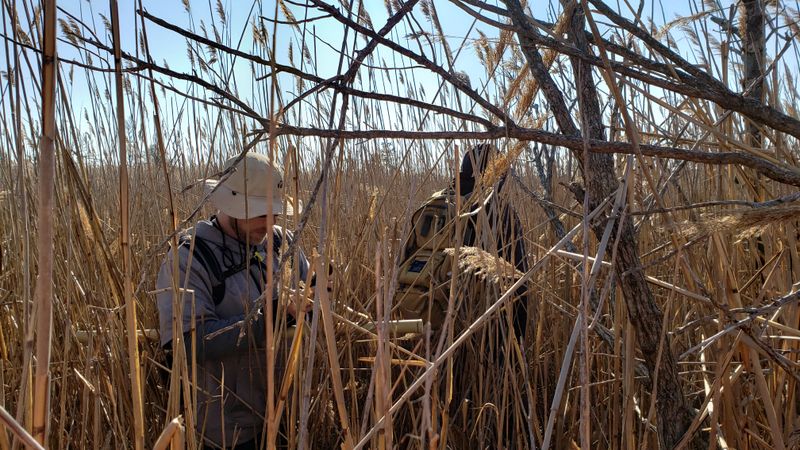
While most visitors focus on coastal marshes and beaches, the refuge’s Bear Swamp section in its northern reaches offers completely different habitats worth exploring. Dense forest canopy provides welcome shade and creates conditions where woodland birds thrive, singing from branches overhead while you hike trails that feel worlds apart from open marshland just miles away.
This ecological diversity within a single property demonstrates the refuge’s remarkable range of protected environments.
Springtime transforms Bear Swamp into a songbird paradise when migrating warblers, thrushes, and other species pass through or establish breeding territories. Experienced birders arrive early with identification guides and recording equipment, hoping to spot rare species or document interesting behaviors.
The forest’s relative coolness and abundant insect life attract different bird species than those found in marsh habitats.
Hiking through woodland trails requires different preparation than beach or marsh walks. Closed-toe shoes with good traction handle roots and uneven terrain better than sandals or water shoes.
Tick checks become important after forest hikes, as these parasites wait on vegetation for passing hosts. Long pants and insect repellent provide additional protection during warmer months.
The contrast between forest and marsh ecosystems highlights how varied habitats support different species communities. Squirrels, chipmunks, and woodland mammals replace the shorebirds and crabs of coastal areas.
Wildflowers bloom in forest understory where shade-tolerant plants thrive beneath the canopy. This habitat diversity makes the refuge valuable for conservation, protecting multiple ecosystem types within its boundaries.
Visitors who explore both coastal and forest sections gain fuller appreciation for the property’s ecological complexity and the importance of preserving such varied natural landscapes.
Seasonal Fishing Opportunities Along the Bay
Delaware Bay’s productive waters support diverse fish populations that attract anglers throughout the year to Glades Wildlife Refuge shorelines. Casting from beaches and accessible points along the bay yields catches of striped bass, weakfish, bluefish, and other species depending on season and conditions, while the estuary’s mix of fresh and salt water creates ideal conditions for many game fish.
Fishing provides both recreation and connection to natural food sources that have sustained people along these shores for thousands of years.
Spring and fall migrations bring the most exciting fishing action when predatory fish follow baitfish schools through bay waters. Striped bass runs generate particular enthusiasm among serious anglers who time trips to intercept these powerful fighters.
Casting lures or bait into the surf at dawn or dusk often produces the best results when fish feed most actively.
Crabbing also attracts families during summer months when blue crabs populate shallow waters near shore. Simple equipment like chicken necks tied to strings can yield impressive catches during peak season, though visitors must follow New Jersey’s fishing and crabbing regulations regarding licenses, size limits, and catch restrictions.
Checking current rules before you fish ensures you stay legal and help protect fish populations.
Successful fishing requires patience, proper equipment, and willingness to adapt techniques to changing conditions. Local bait shops near the refuge provide valuable intelligence about what’s biting and which techniques work best currently.
The satisfaction of catching your own dinner connects you to natural cycles and traditional skills that modern life often obscures. Whether you keep your catch or practice catch-and-release, fishing at the refuge creates memorable outdoor experiences that bring you closer to coastal ecosystems and their remarkable productivity.
Year-Round Access to Natural Beauty
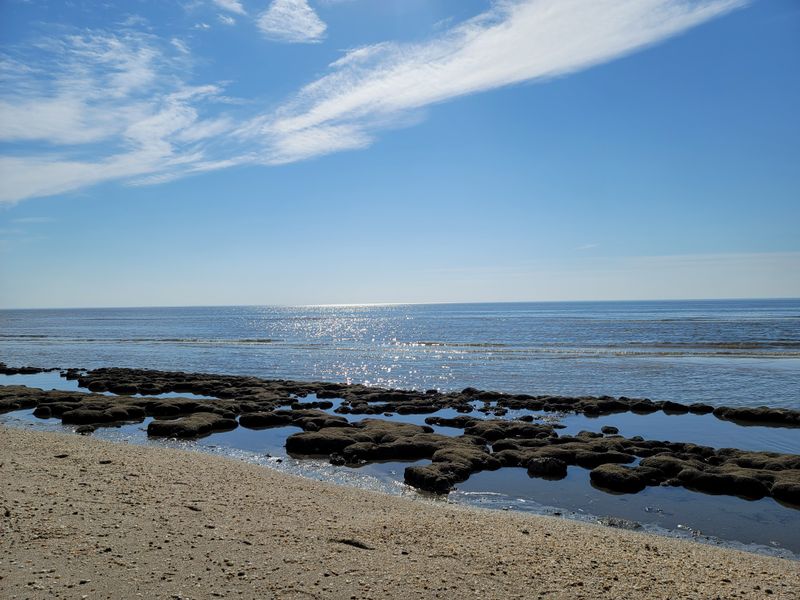
Natural Lands’ Glades Wildlife Refuge welcomes visitors seven days a week from 7 AM to 7 PM, providing free access to its spectacular landscapes throughout every season. Located at Turkey Point Road in Newport, New Jersey 08345, the refuge offers nature experiences that change dramatically as months progress, from spring wildflowers and bird migrations through summer’s lush growth, fall’s golden grasses, and winter’s stark beauty.
This year-round availability means you can return repeatedly to witness seasonal transformations and discover new aspects of the property.
Each season brings unique advantages and challenges for visitors. Spring and fall provide the most comfortable temperatures and reduced insect populations, making them ideal for extended hikes and wildlife observation.
Summer’s heat and notorious biting flies can test your tolerance, though early morning visits before temperatures climb offer pleasant conditions. Winter’s cold winds sweep across open marshes, but bundled-up visitors enjoy solitude and excellent waterfowl viewing.
The refuge charges no admission fees, removing financial barriers that prevent many families from accessing nature. Free parking along roadways provides multiple entry points to different sections of the property.
This accessibility reflects Natural Lands’ mission to protect important habitats while welcoming people to experience and learn about natural environments.
Visitors should prepare appropriately for self-guided exploration of this wild area. Trails receive minimal maintenance, especially during summer months when insects make regular upkeep impractical.
Bring your own water, snacks, first-aid supplies, and navigation tools, as services and facilities remain deliberately limited. For more information, visit natlands.org/glades-wildlife-refuge or call 610-353-5587 with questions about conditions, seasonal considerations, or specific activities you’re planning during your visit to this remarkable New Jersey sanctuary.
Dear Reader: This page may contain affiliate links which may earn a commission if you click through and make a purchase. Our independent journalism is not influenced by any advertiser or commercial initiative unless it is clearly marked as sponsored content. As travel products change, please be sure to reconfirm all details and stay up to date with current events to ensure a safe and successful trip.
