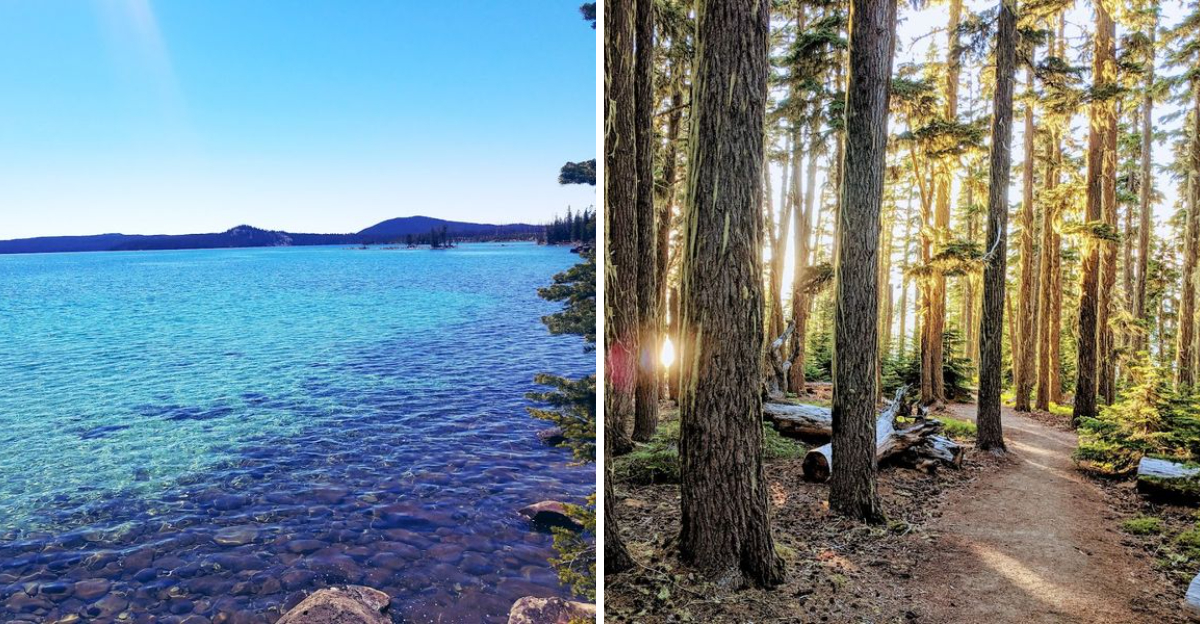
You can see the bottom clearly even when you are standing on a dock fifty feet above it. That is how clean this spring fed Oregon lake stays, and locals are fiercely protective of that clarity.
No motorized boats are allowed on the water, so no oil slicks or noisy engines disturb the peace. You paddle a kayak or canoe across a surface so still that the surrounding forest reflects perfectly upside down.
The water comes from underground springs, filtered through layers of rock before it ever reaches the lake. It is also very cold, even in August, so expect a gasp when you first jump in.
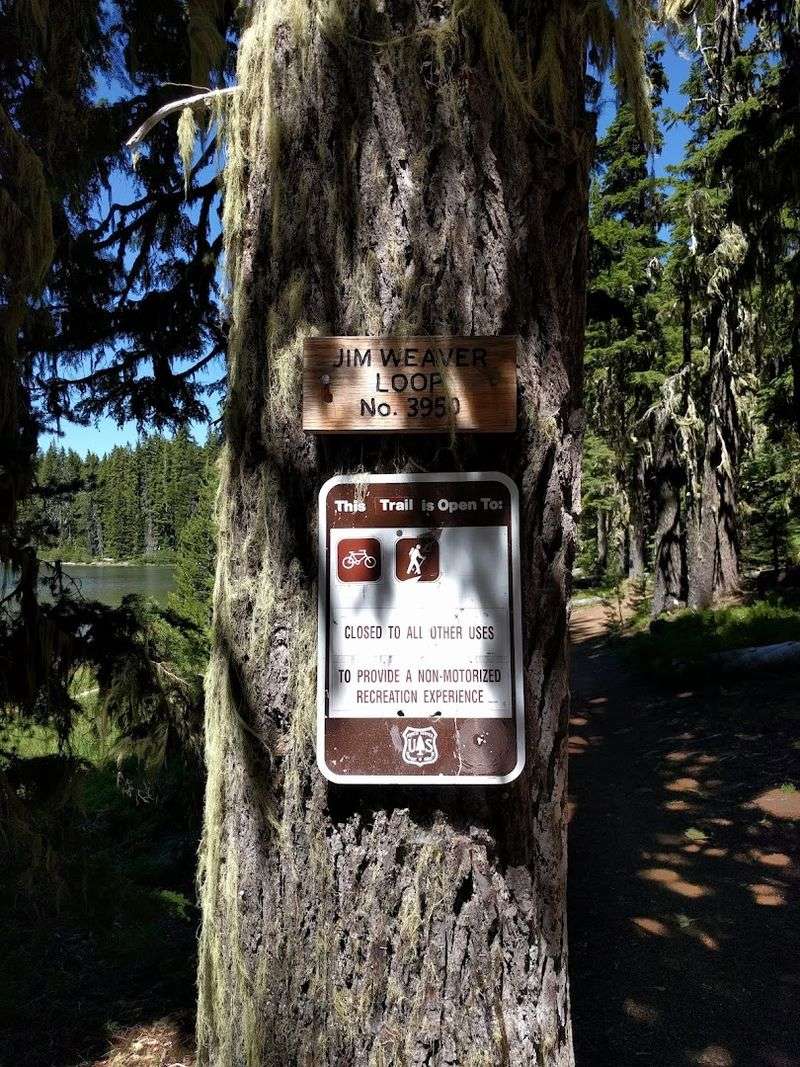
The campgrounds sit back from the shore, tucked among tall pines that keep things shady and quiet. You can hike around the entire lake on a trail that takes most of a day, or just find a rocky spot to sit and stare.
Oregon has plenty of beautiful lakes, but few with water this pure and rules this strict. Locals have fought to keep motors out and development away, and so far they have succeeded.
Bring a paddle and a fishing pole. Bring a warm layer for the evening because the temperature drops fast.
Leave your jet ski at home because it is not welcome here.
A Lake Born From Purity, Not Springs
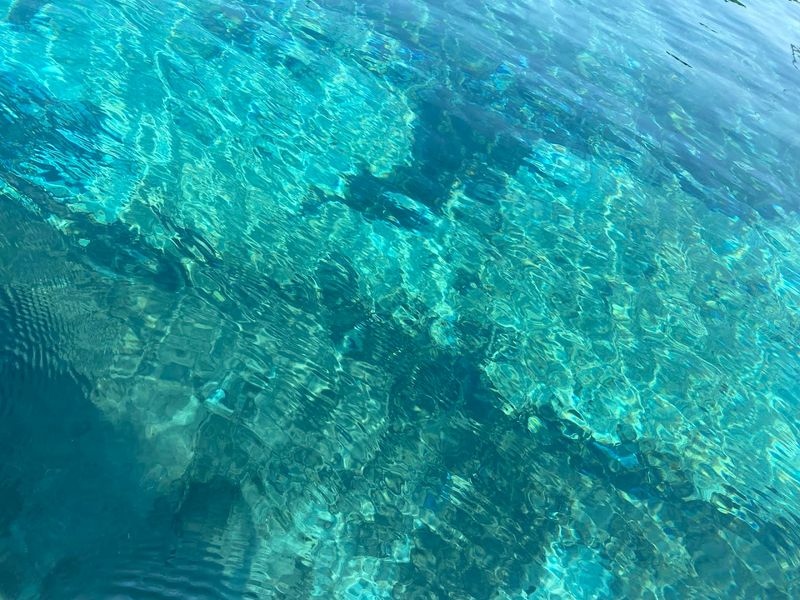
Despite the title calling it spring-fed, Waldo Lake actually gets most of its water from rain and snowmelt off the surrounding Cascade Mountains. There are no permanent inlet streams delivering water, which is a big part of what makes it so chemically pure.
That setup sounds simple, but the results are extraordinary. Without incoming streams, no sediment, minerals, or nutrients enter the lake regularly.
The water just sits, incredibly still and incredibly clean, high on the western slopes of the Oregon Cascades.
The lake covers just under 10 square miles of surface area. Its maximum depth reaches around 420 feet, making it both wide and dramatically deep.
It is the second largest natural non-alkali lake in the entire state of Oregon.
John B. Waldo, an Oregon judge and conservationist, gave the lake its name.
He spent years advocating for the protection of Oregon wild lands in the late 1800s. The lake feels like a fitting tribute to someone who cared so deeply about keeping nature intact.
Kayaking and Paddling Without the Engine Noise
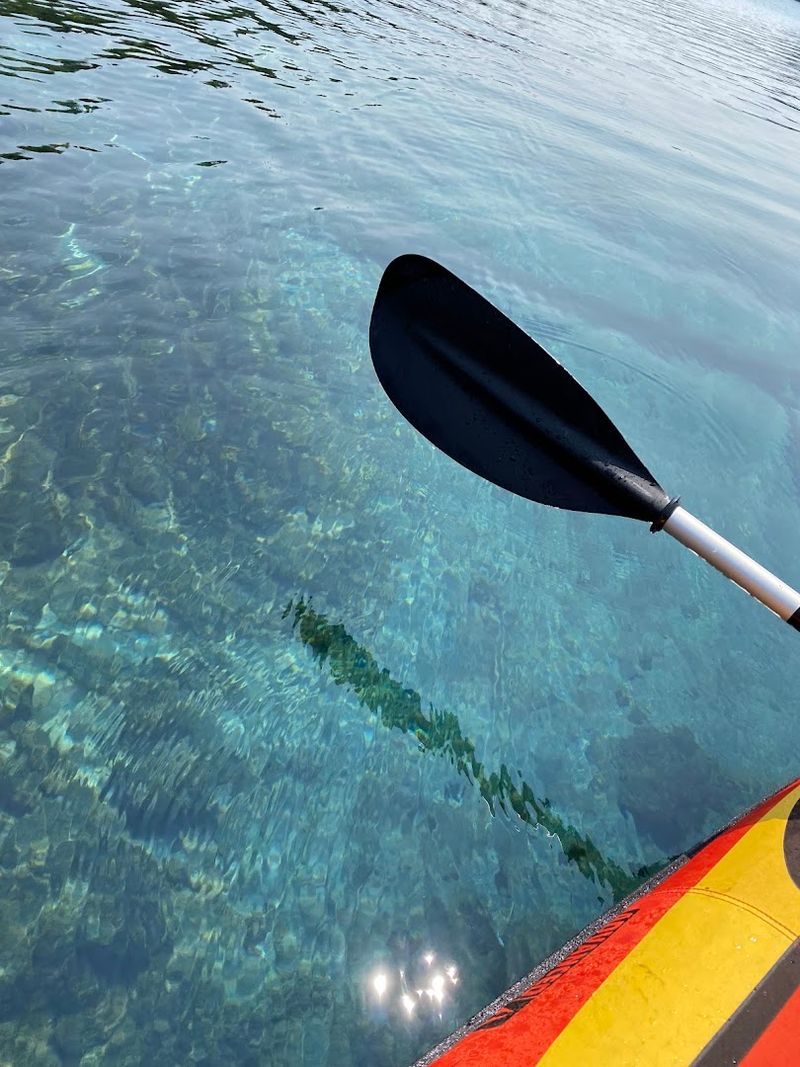
Gas-powered motors are not allowed on Waldo Lake. That rule alone changes everything about the experience.
No wake, no fumes, no noise cutting through the mountain air.
Paddling here feels meditative. The water is so calm and clear that you can watch the bottom pass beneath your kayak like a slow-motion nature film.
Some visitors bring inflatable paddle boards and float for hours without wanting to come back to shore.
The lake is large enough that you can paddle for a full day and still not cover every corner. Early mornings are especially magical.
The surface sits completely flat, mirroring the tree line and sky above it in perfect silence.
Sailing is also popular here, since the open water and mountain winds create ideal conditions. Canoeing works beautifully too, especially for families who want a slower pace.
Whatever non-motorized craft you bring, the lake rewards you generously. There is something deeply satisfying about moving across water this pure under your own power.
Camping Along the Shoreline in Three Different Campgrounds
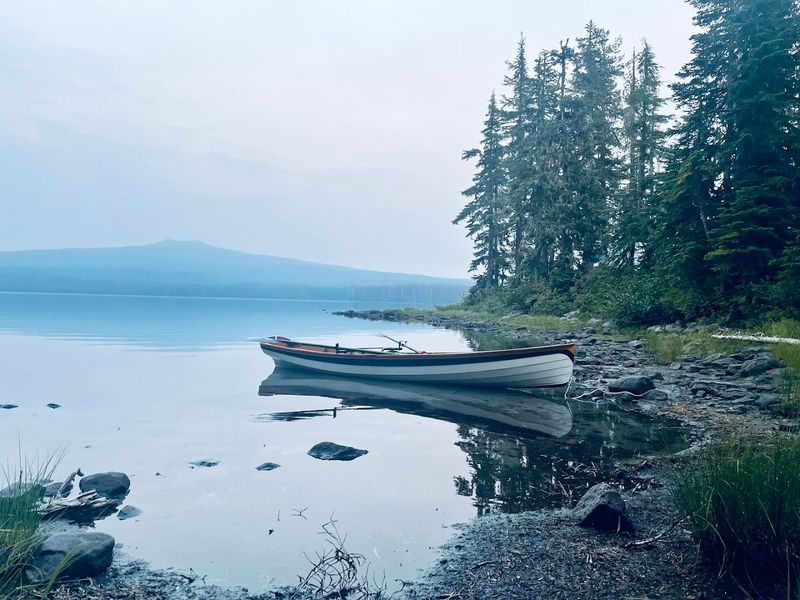
Waldo Lake has three campgrounds: Shadow Bay, North Waldo, and Islet. Each one sits close to the water, surrounded by tall Douglas fir and western hemlock trees.
The sites are spread out enough that you rarely feel crowded.
Shadow Bay campground tends to be the most popular, sitting at the southern end of the lake. North Waldo is quieter and attracts visitors who want a more remote feel.
Islet campground offers some of the most direct lake access, making it a favorite for kayakers and paddlers.
Vault toilets at the campgrounds are well maintained, which makes a real difference on a multi-day trip. The forested surroundings stay cool even in summer, and the sound of wind through the pines at night is genuinely calming.
Late October camping is a hidden gem. Kids are back in school, crowds thin out dramatically, and the lake takes on a quieter, more personal atmosphere.
Just pack layers, because temperatures drop fast once the sun disappears behind the ridgeline.
Hiking Trails That Circle the Entire Lake
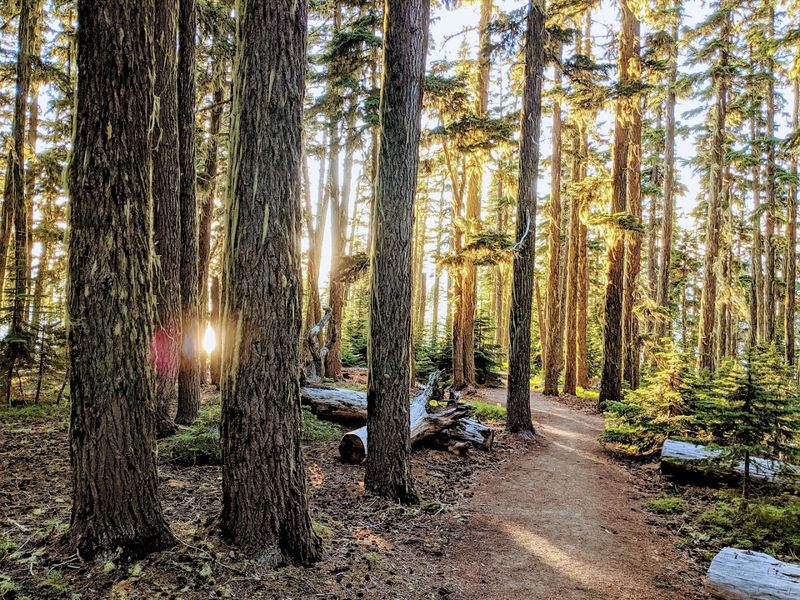
Circling the entire lake on foot is a serious undertaking. The full loop covers roughly 22 miles of trail through the Waldo Lake Wilderness.
One experienced hiker completed it in about three days, describing hundreds of small lakes visible from the trail along the way.
Shorter hikes are available for visitors who want beauty without the commitment. Many of the trails are rated easy to moderate, and good footwear matters more than fitness level on most of them.
The terrain rewards those who pay attention to small details: lichen-covered rocks, bird calls echoing across still water, sudden clearings with wide lake views.
Parts of the north and west shoreline trail pass through areas affected by a wildfire in recent years. The burn zone is stark and sobering, but new growth is already pushing through.
Even in recovery, the landscape holds a raw, honest kind of beauty that feels worth witnessing.
A Wilderness Pass is required for backcountry hiking. Pack everything in and carry everything out.
The trail system depends on visitors who respect that simple rule.
Crystal-Clear Water That Defies Belief
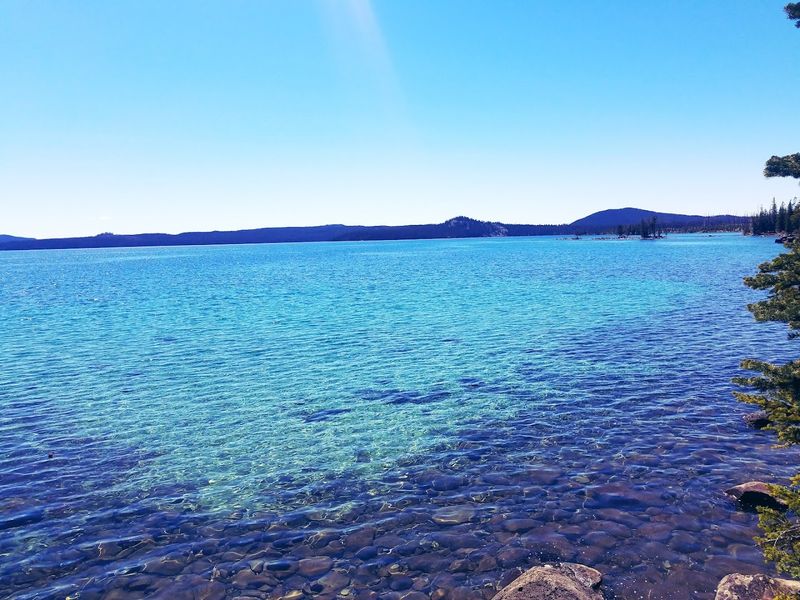
Some lakes look clear in photos but disappoint in person. Waldo Lake is the opposite.
Standing at the shore, you can peer down and see the sandy bottom sitting 20, 30, even up to 120 feet below the surface on a calm day.
Scientists rank Waldo Lake among the purest lakes in the entire world. It has no permanent inlet stream, which means no nutrients flow in to feed algae or plant life.
That absence of growth is exactly what keeps the water so startlingly transparent.
The color shifts from pale turquoise near the edges to a deep cobalt blue in the center. Paddling out on a quiet morning, you feel like you are floating above an underwater painting.
The sandy bottom below just keeps going and going, disappearing only because of depth, not cloudiness.
That clarity is not just beautiful. It is a living record of how clean a lake can be when humans choose to leave it alone.
Mosquitoes Are Real and They Mean Business
Every single person who has visited Waldo Lake seems to agree on one thing: bring bug spray, and then bring more. The mosquitoes here are legendary, especially in early summer when the snowmelt creates perfect breeding conditions across the surrounding wetlands.
June and July tend to be the worst months for insects. Visitors have described the mosquitoes as relentless, aggressive, and completely unbothered by polite requests to leave.
One visitor joked about bathing in repellent and still getting bitten. That tracks with most summer trip reports.
The good news is that timing helps. Late August through early October sees a noticeable drop in insect activity.
Shoulder season visits, especially in September and late October, can feel almost bug-free compared to midsummer.
Long sleeves, pants, and a quality DEET-based repellent are the basics. Some campers swear by head nets for evening hours near the water.
The mosquitoes are annoying, but every visitor who pushes through agrees the lake itself is absolutely worth the nuisance.
Swimming in Water That Feels Almost Too Pure
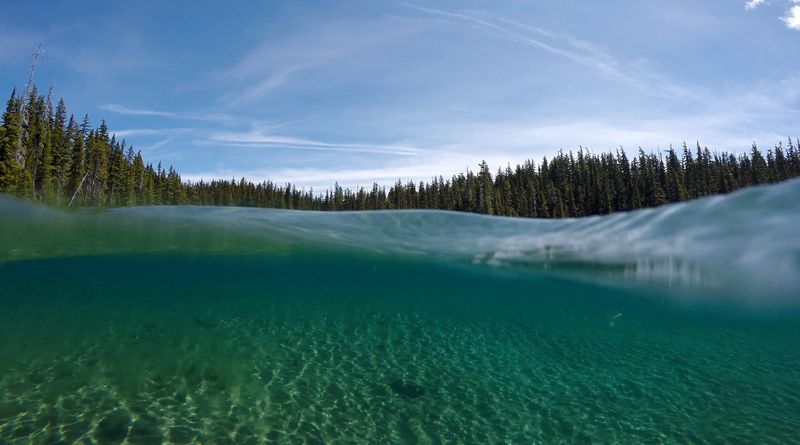
Swimming in Waldo Lake is an unusual experience. The water is so clean that some visitors describe it as drinkable straight from the surface.
The sandy bottom feels soft underfoot in the shallower areas near the shore.
Mossy rocks appear in some sections, so water shoes are a smart call. The lake stays cold even in August, since it sits at an elevation of around 5,414 feet.
That chill hits fast, but most swimmers say it feels refreshing rather than punishing once you adjust.
There are multiple small beaches scattered around the shoreline. Some are tucked between tree roots and boulders, others open wide onto the water with long stretches of pale sand.
Getting out and stretching on a quiet beach between paddling sessions is one of the simple pleasures the lake offers freely.
No crowds rushing for the best spots, no loud speakers. Just cold, impossibly clear water and the sound of your own breathing.
Night Paddling Under a Sky Full of Stars
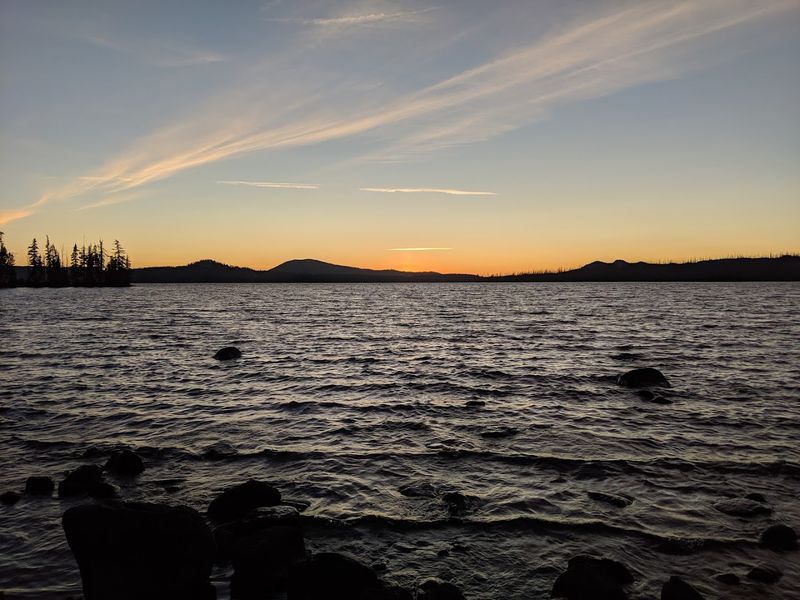
Going out on the water after dark at Waldo Lake is one of those experiences that stays with you for years. No motor noise, no light pollution from nearby towns, just the sound of your paddle dipping into still water and a sky packed with stars overhead.
The lake sits far enough from any city that the Milky Way appears on clear nights. Reflections of stars spread across the glassy surface below, making it hard to tell where the sky ends and the water begins.
It feels genuinely surreal.
A waterproof headlamp and a calm night are all you really need. Staying close to shore helps with navigation in the dark.
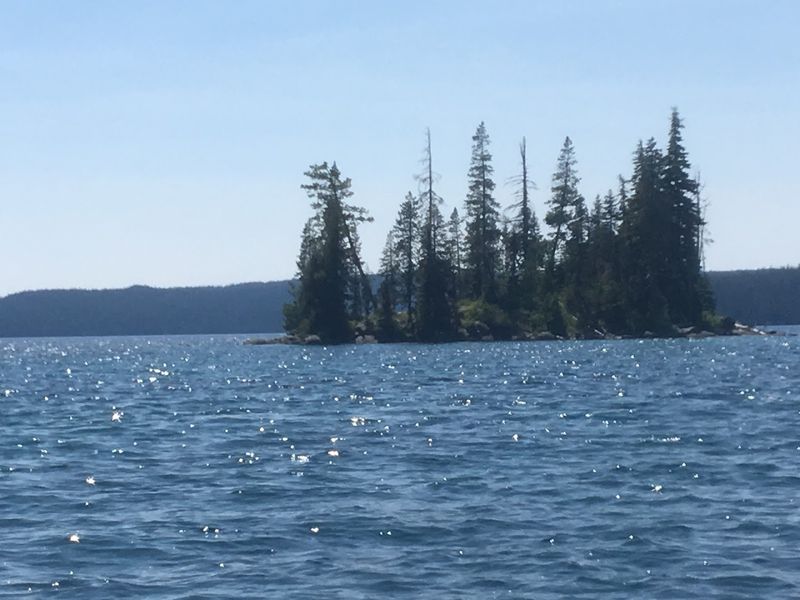
Some campers paddle out to the small island near the campground, which makes for a fun and slightly challenging nighttime goal.
Safety matters here. Tell someone your plan before heading out, bring a whistle, and keep your light visible.
But do not skip this experience out of hesitation.
How Locals Work to Keep Waldo Lake Protected
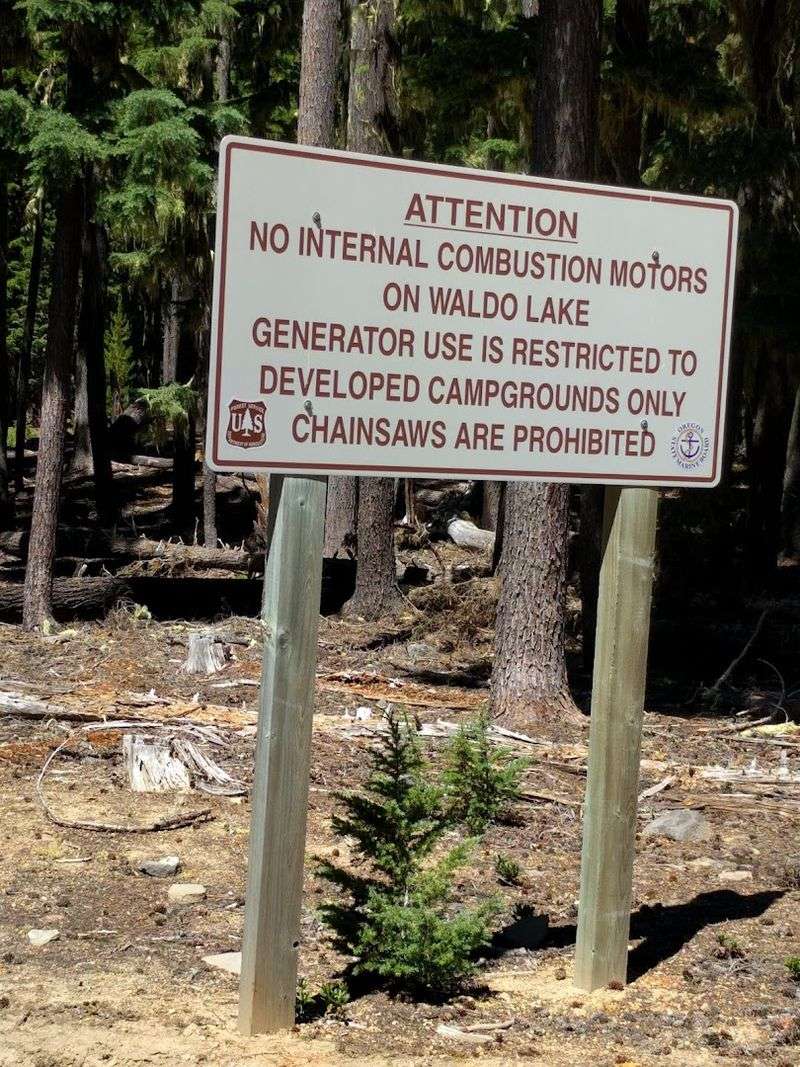
Waldo Lake did not stay this pure by accident. Rules exist for a reason here, and most visitors take them seriously.
No gas engines on the water. Wilderness passes required for backcountry access.
A strong Leave No Trace culture runs through the entire visitor community.
Local advocates and the Willamette National Forest have worked for decades to limit development around the lake. The absence of permanent inlets makes the ecosystem fragile.
Introducing invasive species, pollutants, or even excess human waste could damage the water quality in ways that take generations to reverse.
Some visitors intentionally give the lake low ratings online, not because they dislike it, but because they want to keep it from getting too crowded. That is a rare kind of loyalty.
It says something meaningful about what this place means to the people who return to it again and again.
Respecting the rules is not just about following signs. It is about understanding that Waldo Lake exists in a careful balance.
Getting There and Planning Your Visit
Waldo Lake sits about 70 miles southeast of Eugene, Oregon. The main access road branches off Highway 58, and the drive through the Cascade foothills is genuinely scenic.
Roads are paved most of the way, though the final stretch can be rough depending on the season.
The lake is typically accessible from late June through October. Snow closes the access road in winter, and even late May can bring surprise snowpack.
Checking road conditions before you go saves a wasted trip. Late October visits are beautiful but require snowshoes if you plan to hike.
Campsite reservations fill up fast, especially for summer weekends. Booking several months in advance is not an overreaction.
Day use is also available for visitors who just want a few hours at the shore without camping overnight.
