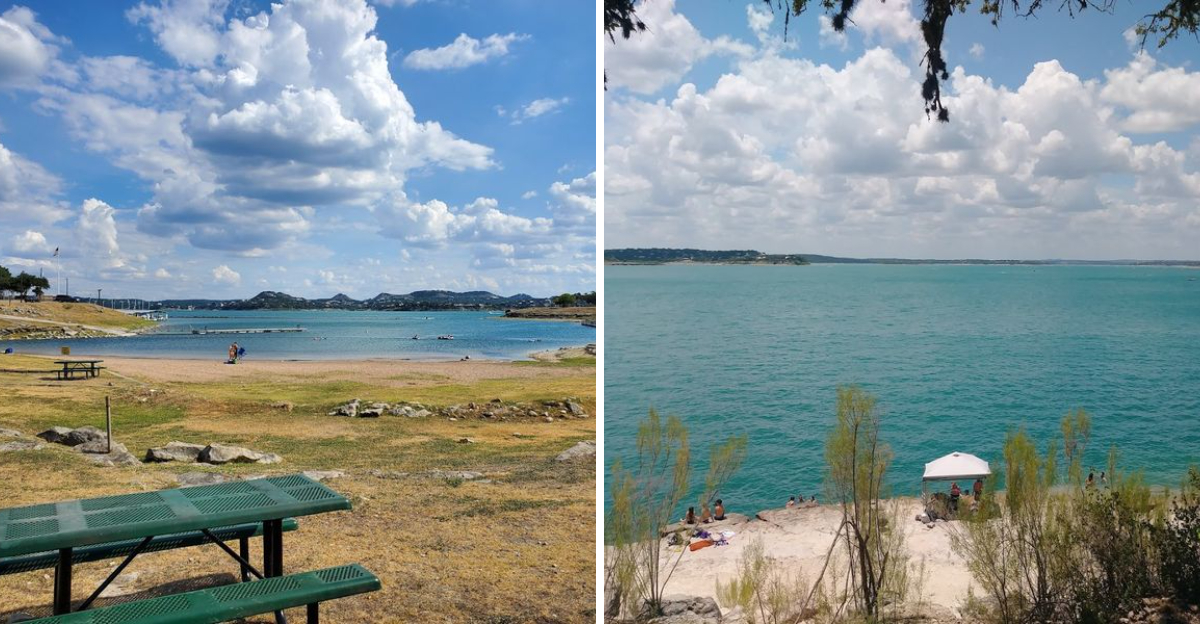
Turquoise water in the middle of Texas looks like a mirage. But this lake is real, and the water is so clear a person can see the bottom from a boat.
No murky green mystery here. Spring fed and carefully protected by locals who have seen other lakes get ruined by overdevelopment, Canyon Lake stays crisp and clean.
The limestone bluffs that surround it add drama, and the swimming coves are the kind of spots that make a person want to stay all afternoon. Residents advocate to keep it that way, limiting construction and pushing back against anything that might cloud the water.
That kind of community effort is rare, and it shows. Texas has plenty of lakes that have lost their charm to crowds and pollution, but this one refuses to go that route.
Bring a kayak, a snorkel, or just a floatie, the water is too clear to stay on the shore. Just leave no trace.
The locals are watching.
The Geological Secret Behind That Jaw-Dropping Clarity
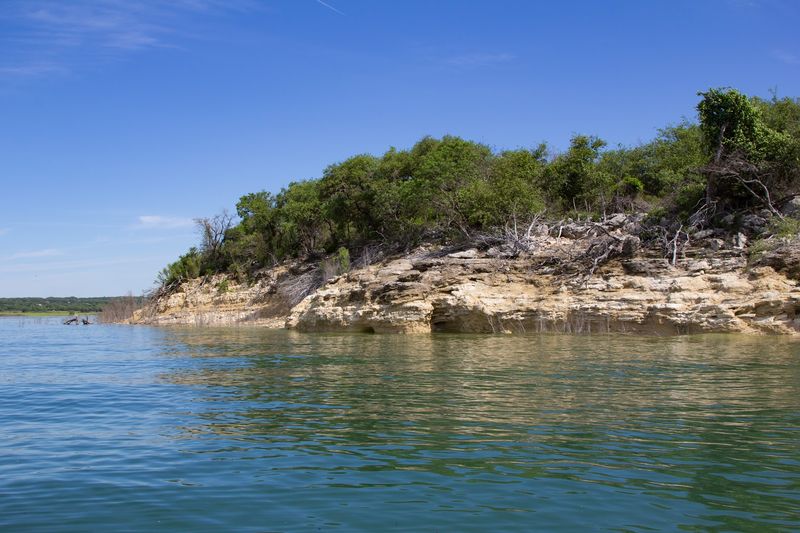
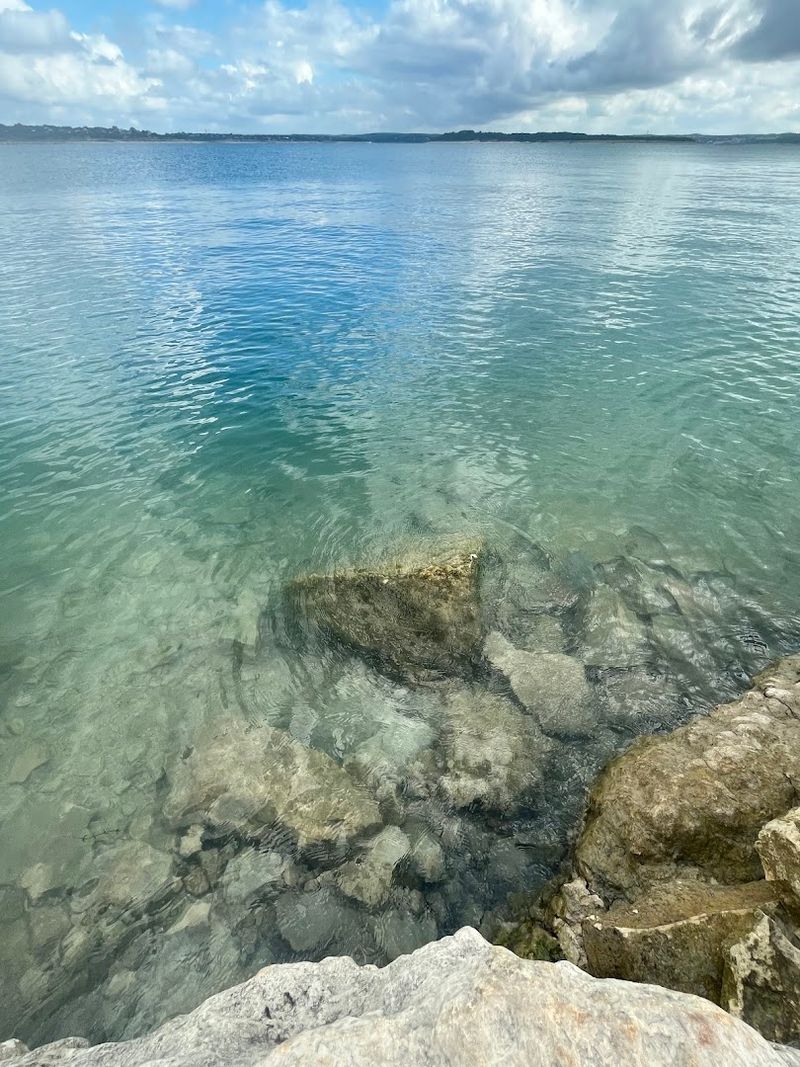
Most Texas lakes carry that familiar brownish tint from sediment and runoff, so Canyon Lake genuinely catches you off guard the first time you peer over the edge of a boat. The water is almost Caribbean-level clear, and that is not an accident.
It comes down to geology, specifically the steep limestone basin that cradles the lake and the spring-fed tributaries that feed into the Guadalupe River system.
Limestone does something remarkable for water quality. It acts as a natural filter, and because the basin walls are steep, sediment has a harder time washing in and clouding things up.
The lake also has deep channels that keep sediment from stirring around near the surface, which helps maintain that crystal visibility even after a rainstorm.
The water itself tests low for dissolved solids, chloride, and sulfate, which means fewer of the particles that make water look murky. It runs harder than most drinking water, meaning it carries more minerals from the limestone it travels through.
That mineral content actually plays a role in limiting aggressive algae growth along the bottom.
Canyon Dam was completed in 1964 by the U.S. Army Corps of Engineers, creating a reservoir that spans over 8,200 surface acres with an average depth of 43 feet.
That depth matters enormously. Deeper water stays cooler and clearer because sunlight cannot penetrate all the way down to stir up biological activity.
The lake is considered one of the deepest in Texas, and that depth is a big reason the water stays looking like liquid glass year-round.
80 Miles of Shoreline and Every Bit Worth Exploring
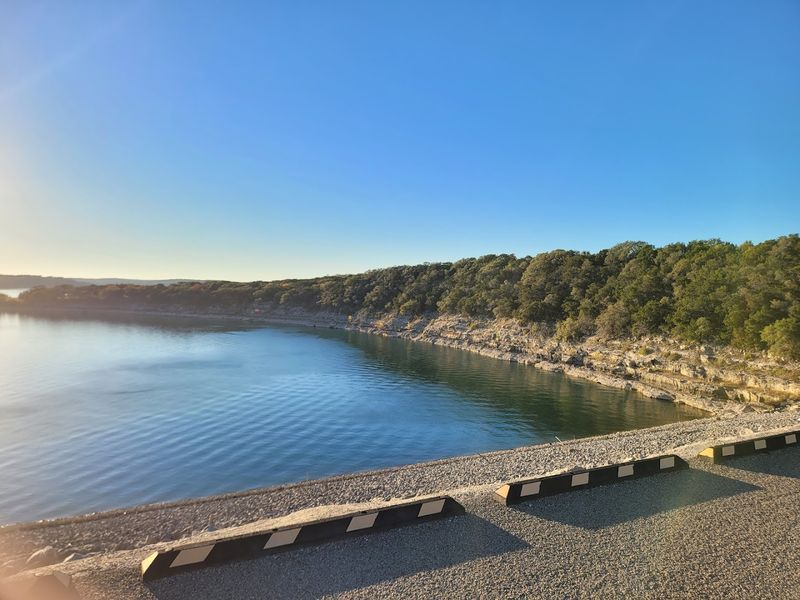
Eighty miles of shoreline sounds like a number on a tourism brochure, but when you actually start moving around the perimeter of Canyon Lake, you realize how much variety is packed into that figure. Rocky coves give way to sandy patches.
Narrow inlets open up into wide, glassy stretches of open water. No two spots along the shore feel exactly alike, which makes exploring by boat or kayak genuinely rewarding.
The western side of the lake tends to feel quieter and more rugged, with limestone bluffs dropping straight into the water in some places. The eastern and northern shores have more developed areas with boat ramps, parks, and spots where families set up for the day.
Canyon Park, managed by the U.S. Army Corps of Engineers, offers some of the most accessible and well-maintained shoreline access on the lake.
Paddleboarding is especially popular here because the calm, clear water lets you see everything happening beneath your board. Fish move through the shallows like slow shadows, and the limestone bottom patterns shift from pale white to deeper gray as the water gets darker underneath you.
It is a genuinely meditative experience.
Hiking trails near the shoreline wind through cedar and oak, and in spring the wildflowers along the bluffs add color to the already vivid landscape. The 80 miles never feel repetitive because the Hill Country topography keeps changing the view around every bend.
Coming back to spots you have already visited still feels like discovering something new each time.
The Guadalupe River Connection That Keeps Things Cool
The Guadalupe River is the lifeline that made Canyon Lake possible, and the relationship between the two bodies of water is what gives the lake its signature cool, refreshing quality.
Unlike many Texas reservoirs that pull from slower, warmer sources, Canyon Lake benefits from the Guadalupe’s spring-influenced flow, which keeps water temperatures noticeably lower than you might expect for a Texas summer destination.
Springs along the Guadalupe watershed bubble up from the Edwards Aquifer and other underground sources, delivering consistently cold water into the river system.
That cold input moves into the lake and, combined with the depth of the reservoir, keeps surface temperatures manageable even during the hottest months.
Swimmers notice it immediately as a pleasant shock when they first jump in.
The river connection also plays a role in flushing the system. Inflow from the Guadalupe helps cycle water through the reservoir, which reduces the stagnation that can lead to poor water quality in closed reservoirs.
This natural circulation is part of why Canyon Lake has maintained its clarity over decades.
Downstream from the dam, the Guadalupe continues its journey and becomes one of the most popular tubing rivers in the state. The cold, clear water released from the dam keeps the river below Canyon Lake refreshingly cold, which is a huge draw for visitors who float through the canyon below.
The connection between river and lake is not just hydrological. It is cultural, recreational, and deeply tied to what makes this entire stretch of the Hill Country feel so alive and worth visiting.
Water Recreation Capital of Texas, A Title Earned On the Water
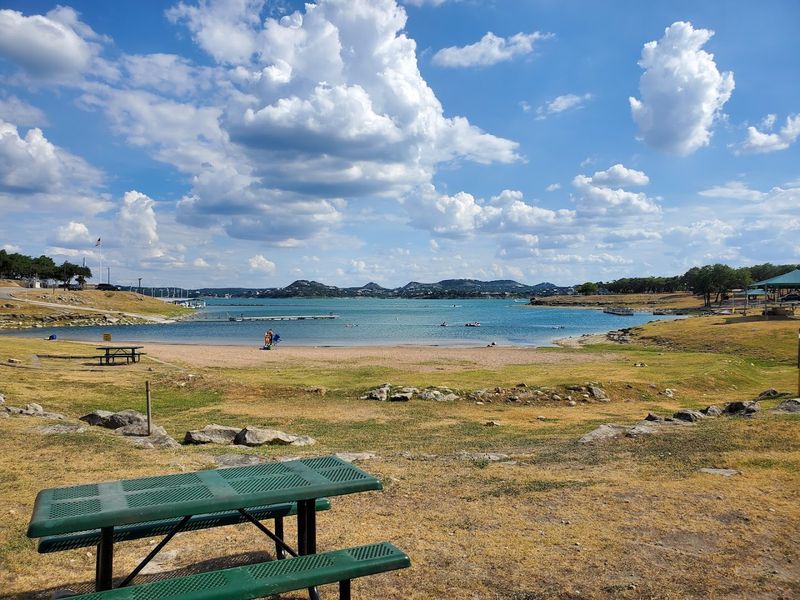
Canyon Lake did not earn the nickname Water Recreation Capital of Texas by accident. On a warm weekend, the lake buzzes with activity in a way that feels energetic without ever tipping into chaotic.
Fishing boats drift quietly near the coves while jet skis carve wide arcs across the open water. Families anchor in the shallows and let kids splash around while adults float nearby.
Fishing is serious business here. Canyon Lake holds healthy populations of largemouth bass, striped bass, catfish, and white bass.
The clear water actually makes sight fishing possible in the shallows, which adds a whole different dimension to the experience compared to fishing in murkier lakes where you are working mostly by feel and instinct.
Water skiing and wakeboarding draw dedicated groups who arrive early to catch the glassy surface before afternoon winds pick up. The lake has enough fetch, meaning open water distance, to build a proper wake, and the clarity makes it feel like flying over glass when conditions are right.
Several marinas around the lake offer rentals, making it accessible even if you do not own your own equipment.
Scuba diving is also a thing here, which surprises a lot of first-time visitors. The visibility underwater can reach impressive distances, and there are interesting submerged features from the original landscape that was flooded when the dam was built.
Canyon Lake manages to serve every type of water enthusiast without feeling like any one group dominates the experience. That balance is part of what keeps people coming back season after season.
Golden Algae, Alum Treatments, and the Fight for Water Quality
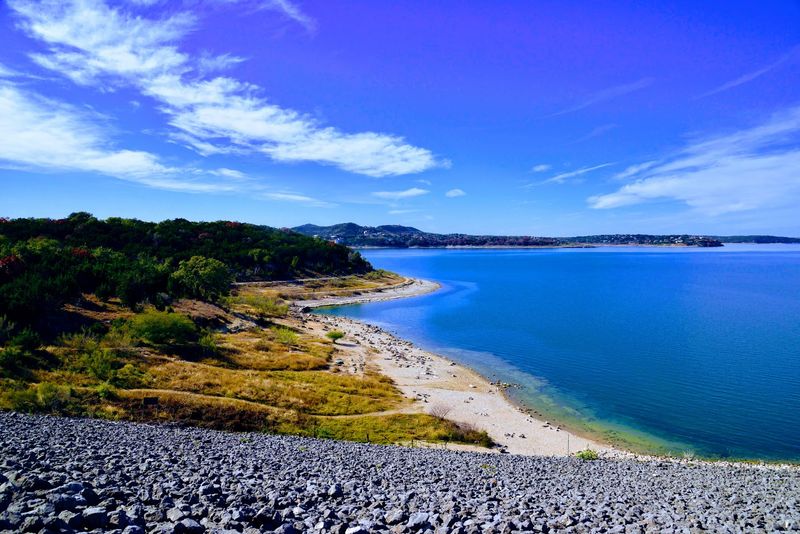
Not everything about Canyon Lake’s water story is perfectly idyllic. Residents and water managers have had to deal with real challenges, and the response to those challenges is part of what makes this community’s commitment so compelling.
Golden algae, a microscopic organism that can devastate fish populations, has been a documented concern in the lake.
Golden algae blooms are tricky because the organism thrives in hard, clear water, which describes Canyon Lake precisely. When blooms occur, they can release toxins that kill fish by attacking their gill tissue.
The visual and ecological impact of a bloom event is significant, and it understandably alarmed residents who had watched the lake’s health for years.
Since 2013, water managers have responded with alum treatments applied directly to the lake. Alum works by binding with phosphorus in the water column, essentially removing the nutrient that algae need to grow and bloom aggressively.
It is not a one-time fix but rather an ongoing management tool that requires monitoring and reapplication when conditions call for it.
The process of addressing golden algae brought residents and independent water experts together for public sessions, which is actually a healthy sign of a community paying attention. Transparency around water quality issues builds trust and keeps the public engaged in preservation efforts.
Canyon Lake is not a perfect system, but it is one that is actively managed with genuine care. The willingness to address problems openly rather than quietly is something worth noting and respecting about how this lake is looked after.
The Guadalupe-Blanco River Authority and Who Watches Over the Water
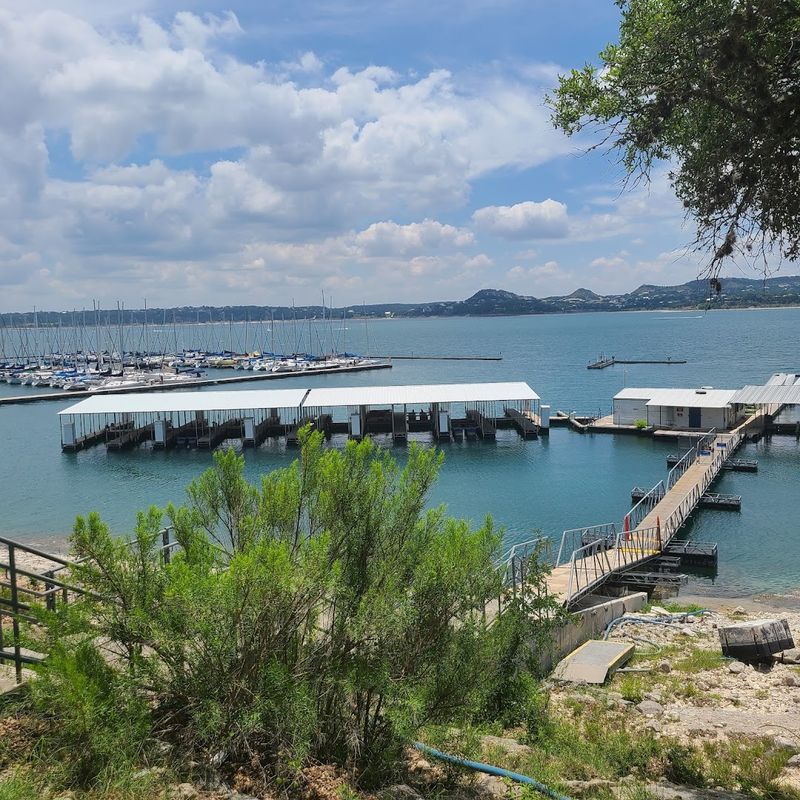
Behind the scenes of every clear, calm afternoon on Canyon Lake is an organization most visitors never think about.
The Guadalupe-Blanco River Authority, commonly known as the GBRA, manages water rights, wastewater treatment, and hydroelectric generation for the Guadalupe River basin, including Canyon Lake.
Without their work, the lake’s water quality story would look very different.
The GBRA has been operating in the region for decades, balancing the needs of agriculture, municipalities, recreation, and environmental health across a vast stretch of central Texas.
Canyon Lake sits within their jurisdiction as a conservation storage reservoir, meaning the water held there is managed with long-term supply and quality goals in mind, not just short-term recreational use.
In 2023, the GBRA’s Western Canyon Water Supply system joined the Source Water Assessment and Protection program, known as SWAP, in partnership with the Texas Commission on Environmental Quality.
This partnership also included the Water Oriented Recreation District of Comal County, known as WORD, and public water systems throughout the area.
One of the practical outcomes of this partnership is a community reporting system for illegal dumping in the watershed.
Illegal dumping of waste near water sources is a real and underappreciated threat to reservoir quality, and having a formal mechanism for residents to flag violations makes enforcement more effective.
The GBRA is not a glamorous organization in the way that a nature preserve or a scenic overlook might be, but their consistent, technical work is what keeps Canyon Lake functioning as both a recreational gem and a reliable drinking water source for the region.
Resident Advocacy and the Petition to Protect the Watershed
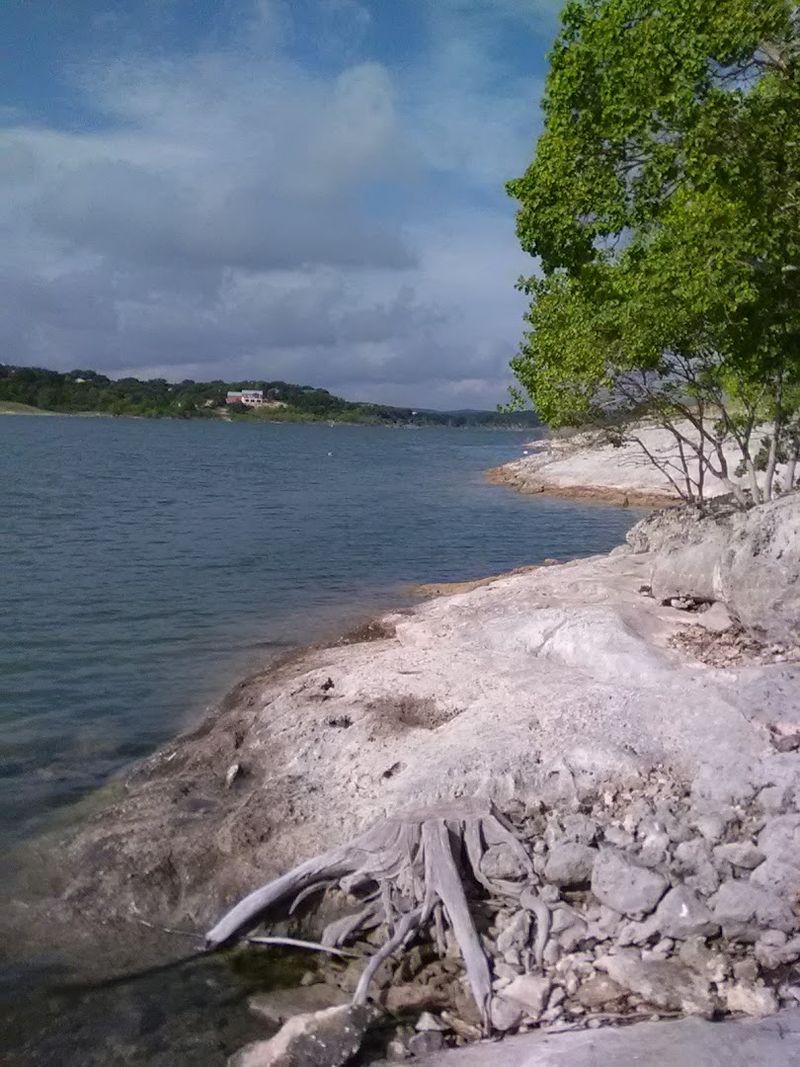
Some of the most important conservation work happening at Canyon Lake is not being done by government agencies. It is being done by residents who live on or near the water and have watched development accelerate around the watershed with growing concern.
An ongoing petition directed at the Texas Commission on Environmental Quality is asking for formal rulemaking that would prohibit new or expanded wastewater discharge permits within the Canyon Lake watershed.
The petition also pushes for mandatory no-discharge alternatives, meaning that new development in the area would need to find ways to manage wastewater without releasing it into the watershed at all.
This kind of regulatory protection already exists for Lake Travis and Lake Austin, and advocates argue that Canyon Lake deserves the same treatment given its role as a crucial drinking water reservoir for the region.
The concern is straightforward. Rapid development around the Hill Country brings more residents, more infrastructure, and more wastewater.
Without strict controls, the cumulative effect of increased discharge into the watershed could gradually erode the water quality that makes Canyon Lake what it is. It would not happen overnight, but the trend lines are worrying enough that residents are not willing to wait.
There is something genuinely moving about a community organizing around water quality. It is not a flashy cause.
It does not generate viral moments or dramatic visuals. It is just people who love a place and understand that love requires action, not just appreciation.
The petition reflects a mature, informed relationship between a community and its most precious natural resource, and that relationship is worth supporting.
Canyon Park and the Best Spots to Actually Reach the Water
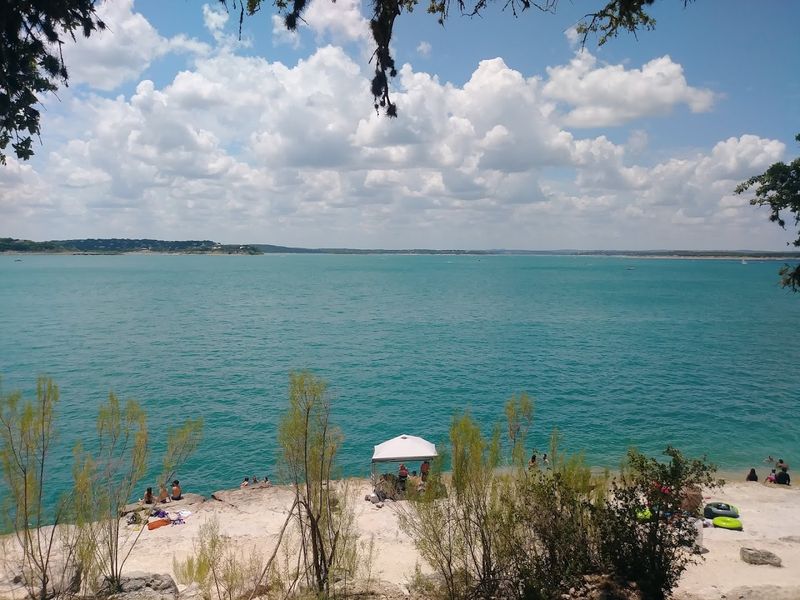
Getting to the water at Canyon Lake is easier than you might expect for a reservoir of its size, largely because the U.S. Army Corps of Engineers has maintained several well-managed public parks along the shoreline.
Canyon Park is one of the most popular entry points, offering boat ramps, picnic areas, and direct shoreline access without requiring a private dock or a marina membership.
The park sits on the north shore and gives visitors a solid sense of the lake’s scale and beauty from the moment you pull in. Picnic tables are scattered under the shade of cedar and live oak, and the grass runs right down to the rocky shoreline in several spots.
On busy summer weekends, it fills up early, so arriving before 9 in the morning is a genuinely good strategy.
Cranes Mill Park and Comal Park are two other Corps of Engineers managed areas that offer similar amenities on different parts of the lake. Each one has a slightly different character depending on which direction it faces and how developed the surrounding area is.
Cranes Mill tends to feel a bit more secluded, while Comal Park is closer to the dam and offers views of the structure itself.
Private campgrounds and RV parks also dot the shoreline, and several of them offer their own boat ramps and swimming areas for guests. Staying overnight near the lake is a completely different experience from a day trip.
Waking up to fog sitting on the still water at dawn, before any boats are out, is one of those quiet moments that makes the whole trip feel worthwhile.
Why Canyon Lake Feels Like a Place Worth Coming Back To
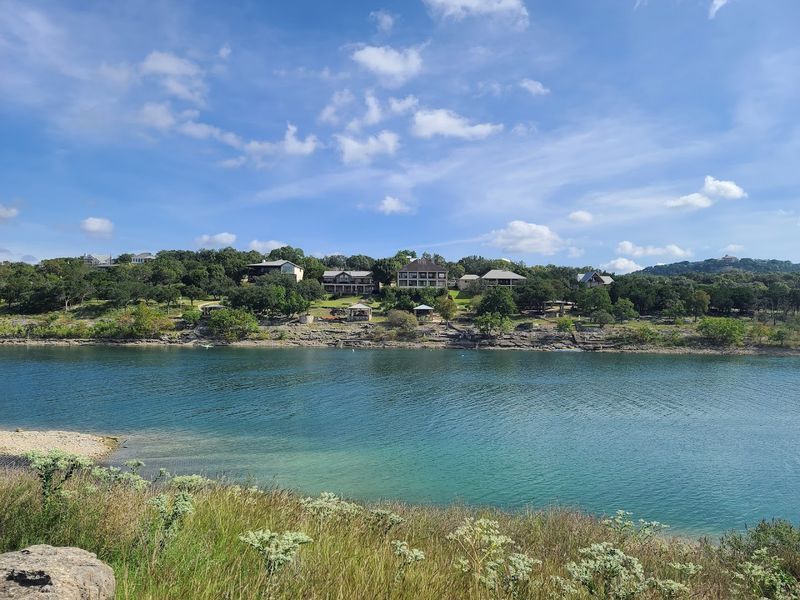
There are plenty of lakes in Texas, and a fair number of them are genuinely beautiful. Canyon Lake is different in a way that is a little hard to articulate until you have spent real time there.
It has a quality of place that sticks with you, a combination of visual clarity, physical coolness, and community intentionality that makes it feel more curated and more cared for than the average reservoir.
Part of it is the water itself. Seeing through 10 or 15 feet of water to a pale limestone bottom does something to your sense of the world.
It feels honest, somehow, like the lake is not hiding anything. That transparency carries over into how people talk about the lake, openly discussing water quality challenges, organizing around protection, and holding public sessions with experts rather than letting problems quietly fester.
The Hill Country setting amplifies everything. Rolling cedar-covered hills, limestone outcroppings, and that particular quality of Texas light in the late afternoon all contribute to an atmosphere that feels both wild and welcoming.
It is the kind of place where you find yourself slowing down without meaning to.
Returning visitors often say they bring new people every time because they want to share the experience of that first moment at the water’s edge. That impulse, to share a place you love, is the most genuine form of endorsement a destination can earn.
Canyon Lake has earned it many times over, and as long as the community keeps fighting to protect what makes it special, it will keep earning it for generations to come.
