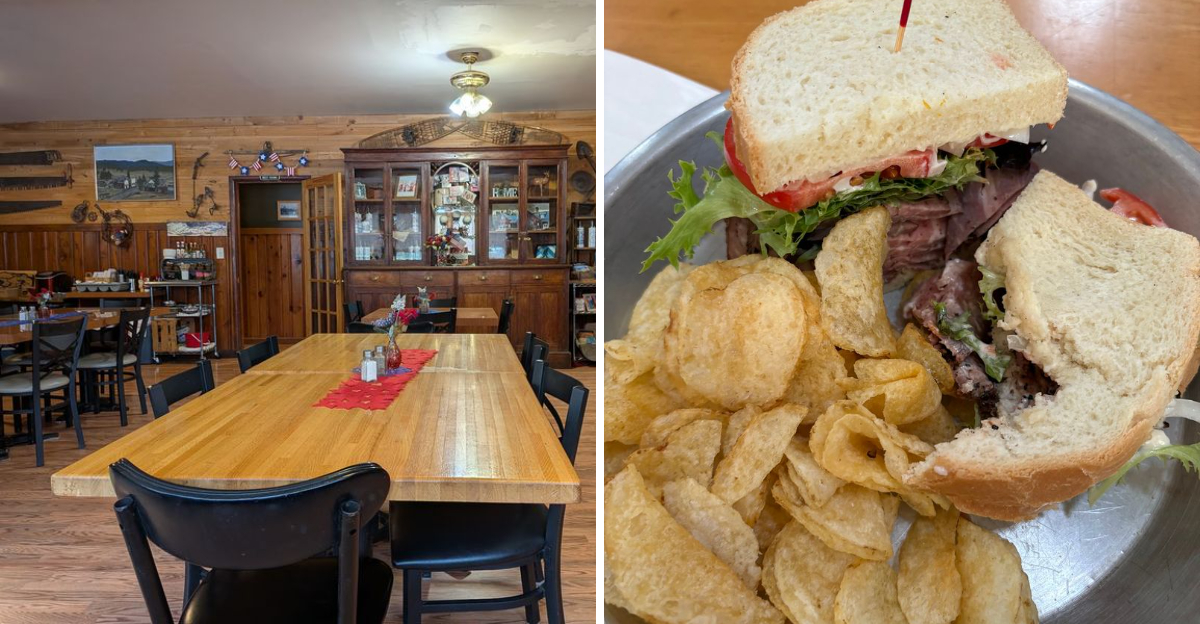
The road stretches long and empty through eastern Oregon, with nothing but high desert and sky for company. Just when you start to wonder if you’ve missed the turn, a building appears that feels like it was lifted straight from a history book.
Inside, the centerpiece is a stunning mahogany bar built in Chicago in 1864, transported here in the era of stagecoaches. But it’s the food that anchors you in the present.
The smoked tri-tip sandwich, served on sourdough, is a standout, earning a reputation as a must-eat for anyone passing through. It’s the kind of simple, hearty meal that makes the long drive across the state feel like part of the adventure.
Here, the journey is the destination, and the food at this historic stop makes every mile absolutely worth it.
A Roadside Landmark With Real History Behind It
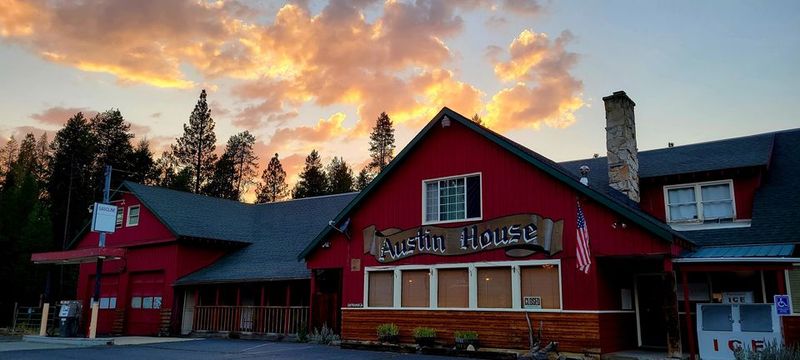
Long before the highway carried RVs and motorcycles, this spot served travelers moving through the Blue Mountains. It began in the early 1900s, during the railroad logging boom, when a woman known as Ma Austin fed hungry passers-through with trout, venison, and pies.
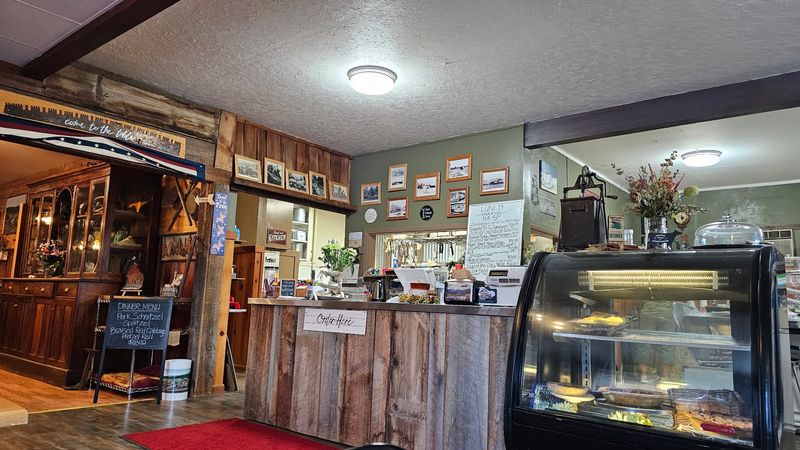
That backstory sits in the walls here. Old photographs, aged wood, and worn fixtures give the room a lived-in feel that no designer could fake.
What I like most is that the history is not roped off or turned into a museum display. It simply exists around you while a sandwich lands on the table.
The current owners kept the spirit and updated the menu, which feels like the right balance. Travelers still stop for the same reason people did over a century ago, because there is nowhere else out here.
Bring a little curiosity. Half the fun is realizing you are eating inside a genuine piece of Oregon road history.
Finding It Out Near Bates Takes Some Trust
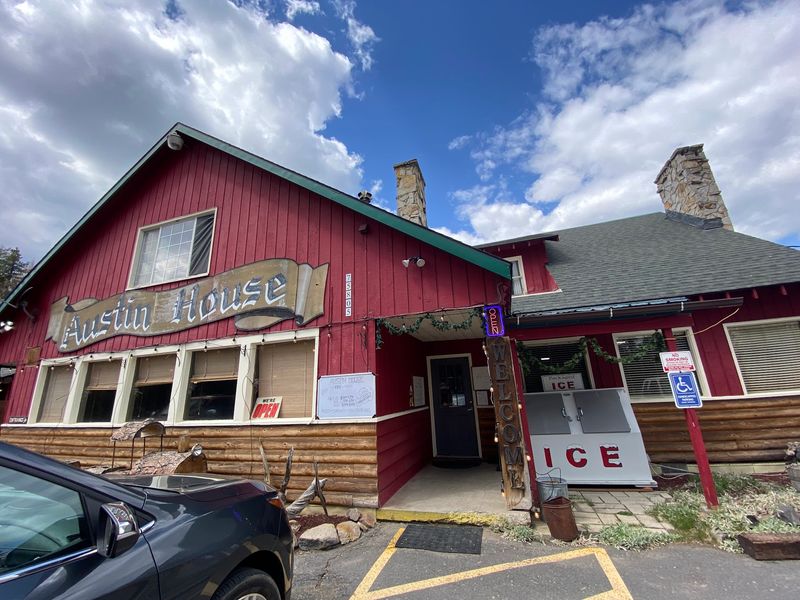
Highway 26 between John Day and Sumpter does not offer many exits, and that is part of the charm. Cell service comes and goes. The scenery, however, never quits.
Bates itself is tiny, and the nearby state park draws campers and picnickers all summer. Plenty of people arrive here after finding the park gates closed or after a longer morning of driving than planned.
My advice is to note the location before you leave pavement behind, because the surrounding forest swallows navigation signals without warning.
Coming from Prairie City, John Day, or the Sumpter side, the drive runs roughly half an hour to an hour depending on your starting point. Motorcyclists love the curves through here.
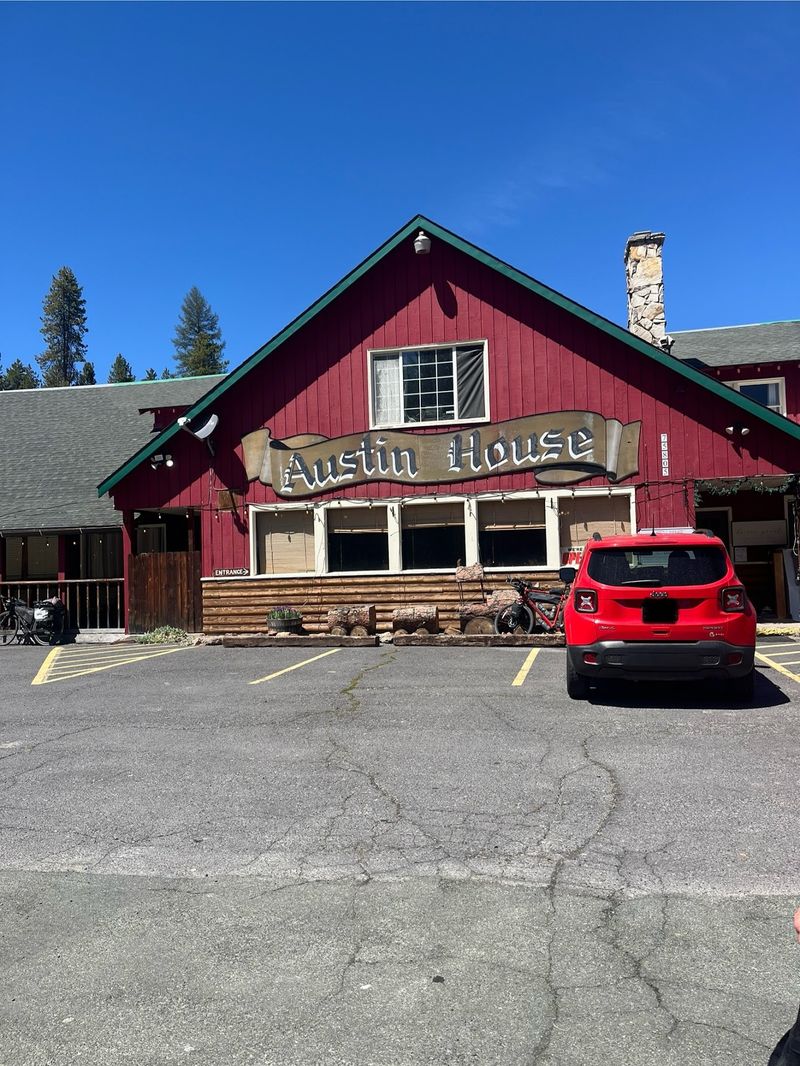
The parking lot is gravel and easy to pull into, even with a trailer. Look for the modest sign and slow down early.
The Tri-Tip Sandwich That Steals the Show
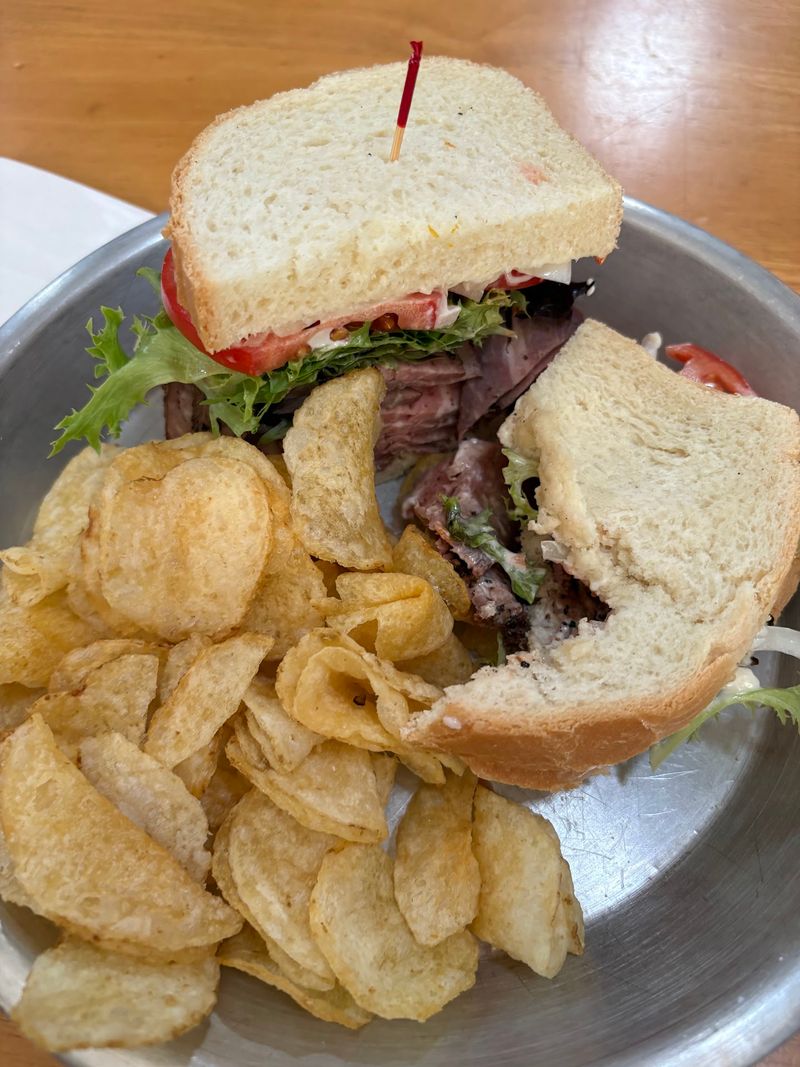
Smoked beef, piled onto a bun, with enough flavor that conversation stops for a minute. That is the short version.
The tri-tip is the reason many drivers keep this place bookmarked, and it earns the reputation honestly. The meat carries a deep smoke without turning dry, and the bun holds up instead of falling apart halfway through.
I had no plans to eat a full meal when I walked in. Twenty minutes later the plate was empty and I was mentally rescheduling my afternoon.
Portions run generous, so consider splitting if you have another stop ahead. Smoked meats show up in other forms on the menu too, and the kitchen clearly knows what it is doing with a smoker.
Order it once and you will understand why people plan entire day trips around a sandwich in the middle of nowhere.
Pies and Homemade Sweets Worth Saving Room For
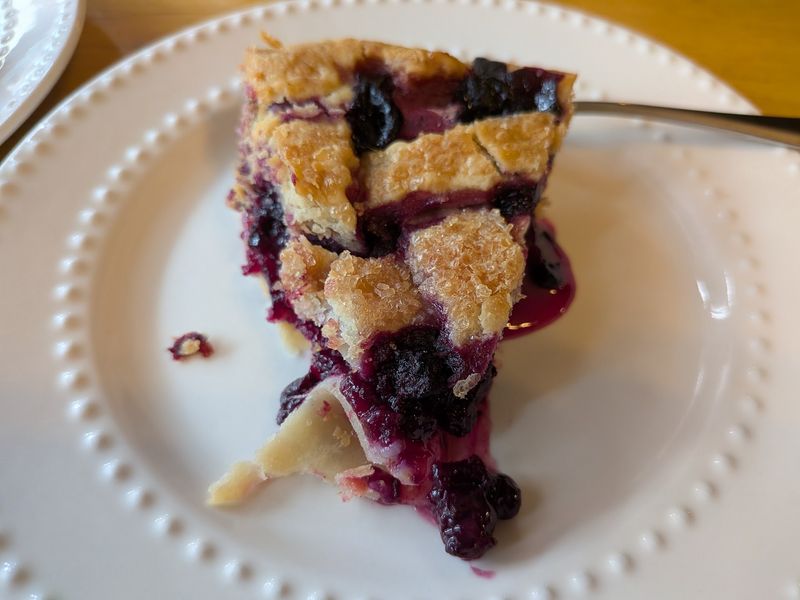
Huckleberry. That single word explains a lot about the dessert case here. Pies come out looking almost too neat to be real, and the huckleberry version has a following that stretches across the state. Blackberry cobbler, strawberry rhubarb, and chocolate fudge pie rotate through as well.
Ask for a slice warmed with ice cream on top. It is the small upgrade that turns a quick stop into something you talk about later.
Huckleberry ice cream floats also exist, which sounds unusual until the first sip. Milkshakes arrive thick and heavy, the kind you have to work at with a straw.
Whole cobblers and pies can sometimes be taken home, so travelers headed back through often grab one for later. My suggestion is to peek at the case first, then plan your meal around whatever looks best that day.
That Beautiful Antique Bar Anchoring the Room
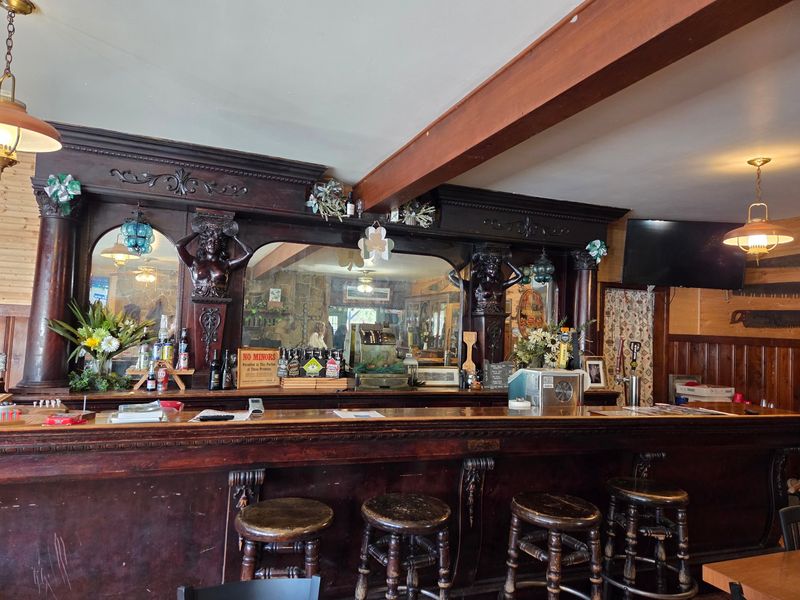
The centerpiece of the dining area is a gorgeous mahogany bar built in Chicago during the 1800s and shipped west. Somehow it ended up here, in a forest clearing in Grant County.
Carved wood, deep polish, and craftsmanship that modern furniture rarely matches. It stopped me mid-step when I turned the corner.
Details like this make the room feel older and warmer than the outside suggests. Guests linger to look at it, and it photographs beautifully in the afternoon light.
Around it sit tables and old-timey furnishings that keep the theme consistent without feeling staged. Nothing here shouts for attention, which somehow makes it more memorable.
Take a moment to appreciate the piece before you sit down. Knowing something traveled across the country by rail in the 1800s and still serves travelers today adds a nice layer to the meal.
A Cozy Dining Room That Feels Like Another Decade
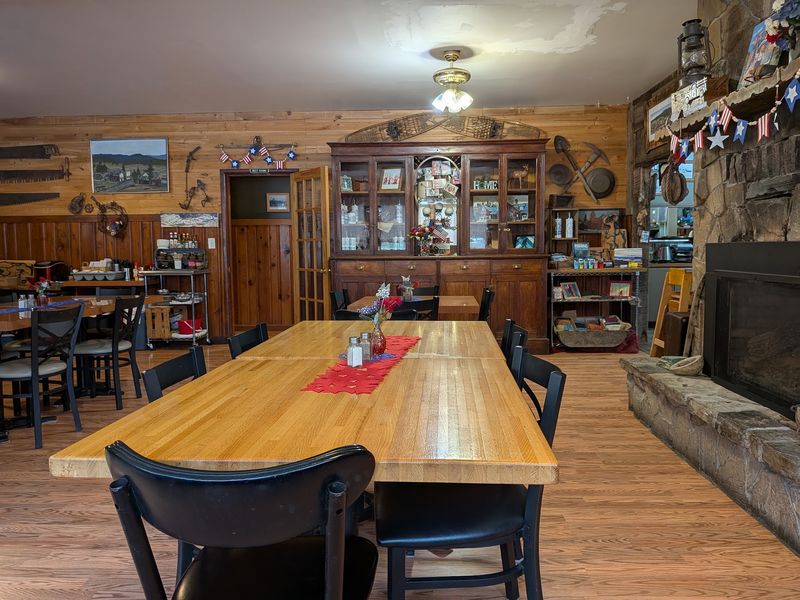
Stepping around the corner from the store into the cafe, the mood shifts. The lighting softens, the wood darkens, and the noise level drops to a comfortable hum.
Tables are close enough that you catch bits of travel talk from other diners. Everyone seems to be passing through from somewhere interesting.
It is clean, tidy, and clearly cared for, right down to the restrooms, which matters more than people admit when you are hours from a town.
Historic touches fill the space without crowding it. Old signage, framed images, and vintage furnishings give the room its personality.
I ended up staying longer than planned simply because the seat was comfortable and nobody rushed me. Small dining rooms like this one have a rhythm you settle into quickly, and that is a rare thing along a remote highway.
The Little Store Packed With Local Finds
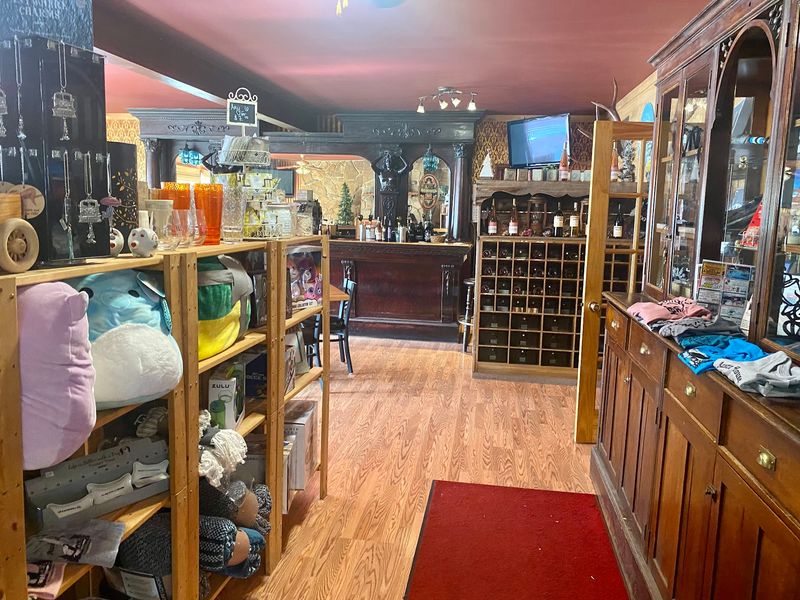
Before you even reach the tables, there is a small shop to browse. Shelves hold huckleberry products, local goods, summer sausage, sodas, and gift items you would not expect this far out.
Native American crafts and handmade treats have appeared here over the years, alongside practical road-trip supplies. The pastry and ice cream case sits right there too, which makes waiting for a table dangerous in the best way.
Shopping and eating in the same building fits the old roadhouse model perfectly. Travelers used to need both, and honestly, they still do.
I picked up a huckleberry item purely on impulse and regretted nothing. If you are hunting for a souvenir that actually comes from the region rather than a factory, this is a solid place to look. Give yourself five extra minutes to poke around.
Service That Runs on Small Town Speed
Family-run operations have a particular energy. Someone may be running the register, waiting tables, and answering questions all at once while the kitchen works behind them.
Food arrived faster than expected, which surprised me for a place doing everything from scratch.
Conversation flows easily here. Guests chat about where they are heading, and the folks working keep things moving with good humor.
Because the menu stays small, orders come together quickly and consistently. That focus is exactly why the quality holds up.
Takeout works well too, and plenty of drivers grab food to go rather than sit down. Either way, the experience feels personal instead of processed.
My honest read is that this is hospitality the old-fashioned way, where showing up as a stranger still gets you treated like a welcome guest. Highway food rarely feels this human.
Check the Hours Before You Commit to the Drive
Here is the one piece of planning that really matters. Austin House is not open every day, and a closed door out here means a long stretch before your next option.
Saturdays and Thursdays run from late morning into the evening, Mondays start early in the morning, and Sundays keep shorter afternoon hours. Friday, Tuesday, and Wednesday are closed days. A quick phone call saves disappointment, especially in shoulder seasons when schedules shift.
Saturday evenings sometimes bring a steak special, which regulars watch for. Arriving earlier in the service window also improves your odds on popular pie flavors.
I would build the stop into the middle of a driving day rather than treating it as a late-night backup. Plan around it properly and the reward is a genuinely great meal in a spot most people never find.
Why This Stop Belongs on Your Eastern Oregon Route
Some places are convenient. Others are worth rearranging a map for, and this one lands firmly in the second group.
Combine it with Bates State Park for a picnic and short walk, or use it as a midpoint between John Day, Prairie City, and Sumpter. Campers, anglers, and road-trippers all funnel through this corridor.
Overnight travelers have even camped out back for a small fee with shower access, which suits anyone chasing a simple, low-cost stop. What sticks with me is the mix. Smoked meat, homemade pie, an 1800s bar, and a gift shop, all under one roof in a place with almost no neighbors.
Bring cash-friendly patience, an appetite, and time to look around. Then plan the return trip, because you almost certainly will.
Address: 75805 US-26, Bates, Oregon
