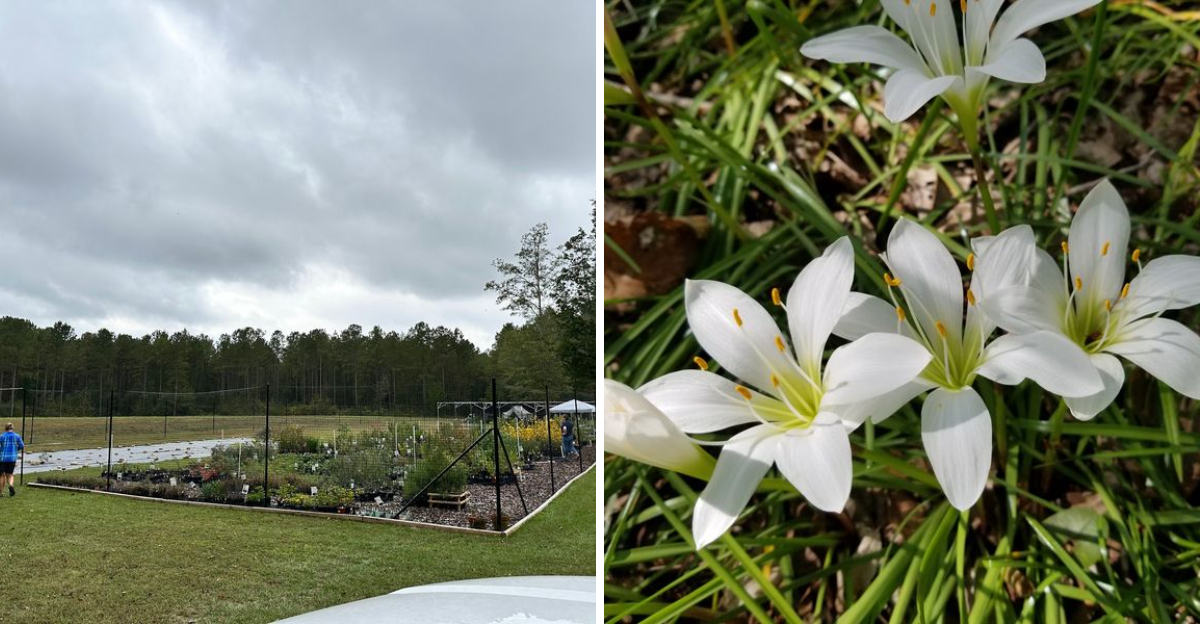
What if the prettiest thing in your yard was also supposed to be there? That is the idea behind this little Alabama nursery, where the plants are not chosen to look exotic or impressive from another part of the country.
They are the flowers, grasses, shrubs, and trees that naturally belong in the Southeast, from bright coneflowers and milkweed to sedges and young oaks. Wander through the rows and you can actually see how they work together.
Bees bounce between the blooms, leaves show the occasional insect bite, and nothing feels overly manicured. The plants are sorted by sun and shade, making it easier to picture which ones could survive happily at home.
Two biologists run the nursery, so even the plant tags have something useful to say. And then there is the name: Nemophily, an old word for a love of woodlands.
Forget a garden that fights nature. This nursery makes a pretty convincing case for letting nature do more of the decorating.
A Nursery Named For A Love Of Woodlands
Nemophily is not a word most people run into at the garden center. It means an affection for forests and shady woodland places, and it sets the tone before a single plant gets picked up.
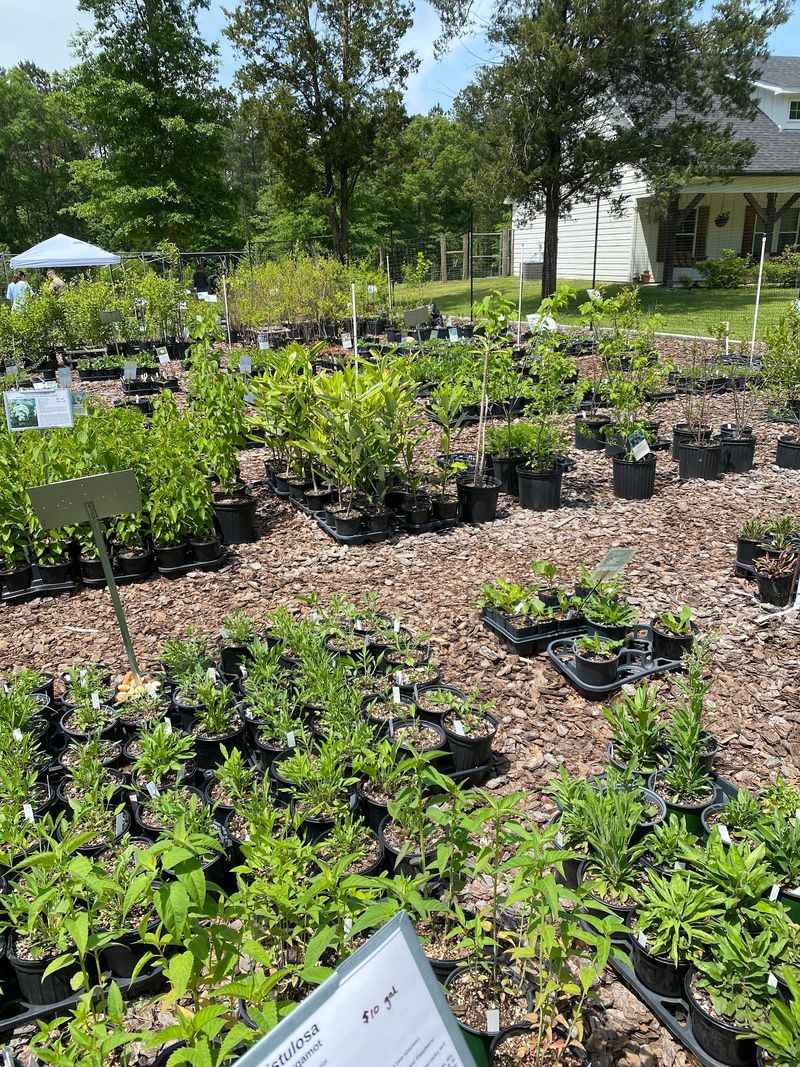
The nursery sits on a rural stretch of Auburn where pines and hardwoods still crowd the property lines. Two biologists, Sarah and Sonya, run the place, and their resumes read like a road trip through American ecosystems.
Sarah worked in alpine country out in Montana and coastal sage scrub in California before landing in Alabama and starting to propagate Southeastern seed. Sonya grew up in New England, studied birds across North and South America, and researched trout and salmon in Scotland.
That background shows. Conversations here drift naturally from soil texture to which caterpillar eats which leaf, and it never feels like a sales pitch.
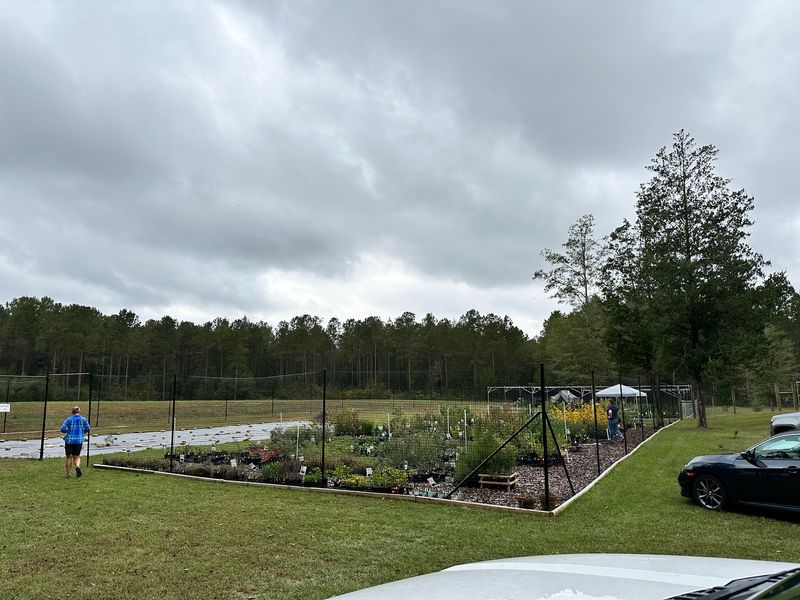
The layout stays modest and practical, with plants grouped by light conditions rather than by color trends. Nothing is dressed up for the photo, which somehow makes the whole property more inviting.
Visitors who arrive expecting a big-box aisle experience will find something closer to a working research garden that happens to sell plants. Wednesday through Saturday are the open days, with July shifting to appointments only.
Bring questions. The answers tend to be better than expected, and they usually come with a plant recommendation attached.
Over 300 Species, All Grown From Seed
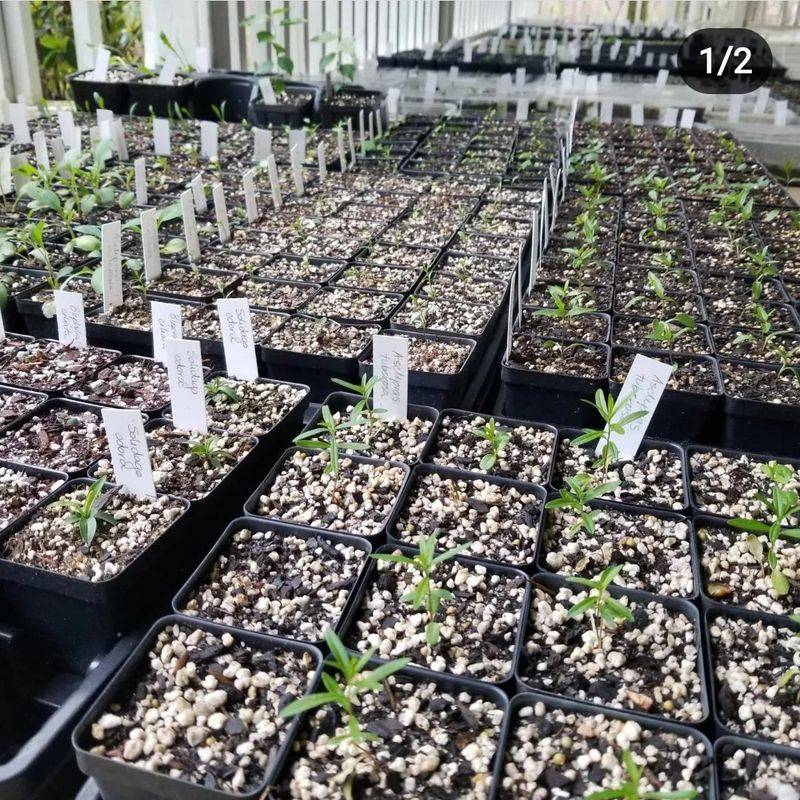
Three hundred plus species is a big number for a nursery this size. What makes it unusual is that nearly all of them start from seed right here rather than arriving on a truck as finished stock.
Growing from seed keeps genetic diversity intact, which matters more than most shoppers realize. Plants raised from local seed sources tend to handle Alabama heat, humidity, and clay with far less fuss.
Wildflowers get the most attention, and it is easy to see why. Purple coneflowers, butterfly milkweed, bee balm, and goldenrod fill out the sunny tables in waves of color through the growing season.
Grasses and sedges deserve a longer look, too. They rarely get the spotlight, yet they hold soil, shelter insects, and add movement that flowers alone cannot match.
Beyond the perennials sit shrubs, small trees, and vines suited to everything from soggy low spots to gravelly banks. Multiple pot sizes are usually available for popular species, which helps when filling a big bed on a budget.
Plant tags carry real information rather than vague marketing language. Sun and shade groupings remove most of the guesswork before a single question gets asked.
Gardeners driving in from Columbus, Montgomery, or farther have said the trip pays off in variety alone. Hard-to-find natives turn up here regularly, so browsing slowly is the smarter move.
The Demo Garden That Does The Convincing
Reading about native gardens is one thing. Watching one hum along on a warm afternoon settles the argument much faster.
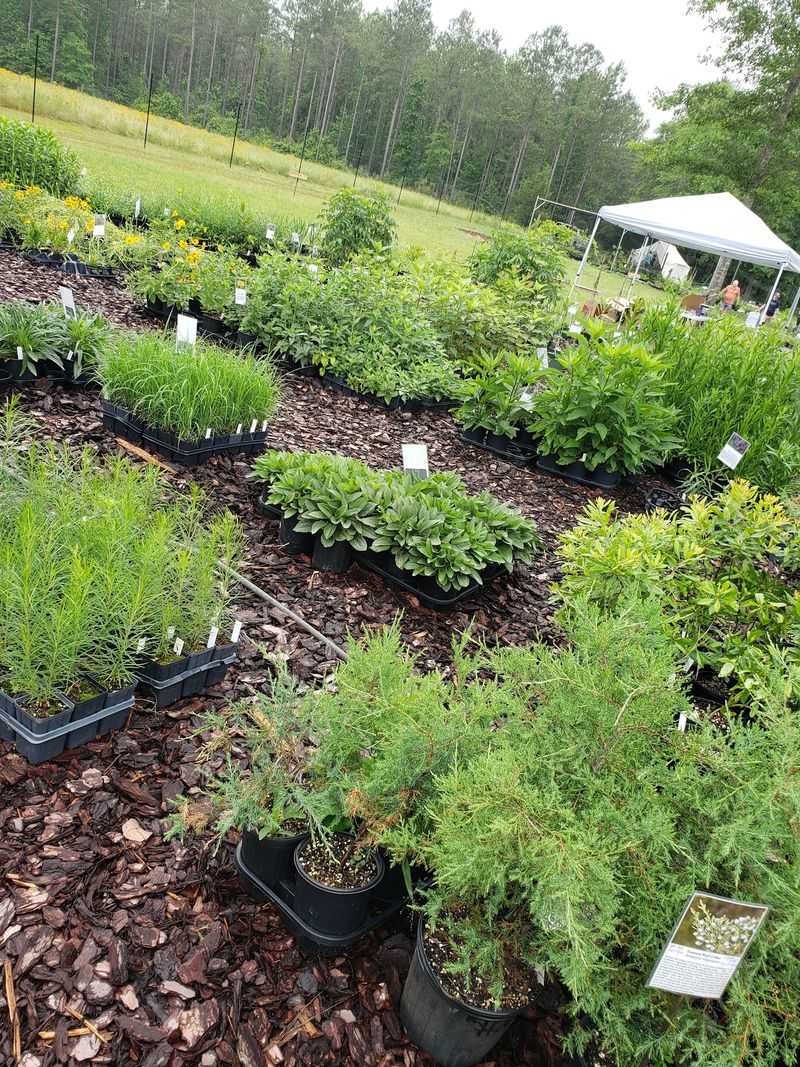
The demonstration garden on the property functions as a living catalog. Mature plantings show how tall a mountain mint really gets, how a stand of grass moves in the wind, and how much color a mixed bed holds in late summer.
Benches and shade make it a comfortable place to slow down for a while. Travelers passing through Auburn have been known to pull in simply to sit and watch the pollinators work.
Signage explains the ecological side without turning into a lecture. The connections between plant, insect, and bird become obvious once they are laid out in front of a person.
Butterflies show up in numbers here, and the buzzing is constant near the bee balm and milkweed. That soundtrack alone sells more plants than any display rack could.
For anyone trying to picture how a front yard might look after ditching the standard shrub-and-mulch formula, the garden acts as a preview. Spacing, layering, and bloom timing all read clearly.
Photograph the combinations that appeal most, then match them to the sales tables. Staff can usually name every plant in a snapshot without hesitation.
The garden keeps evolving as new features get added, so repeat visits reveal different things.
Chewed Leaves Are A Badge Of Honor Here
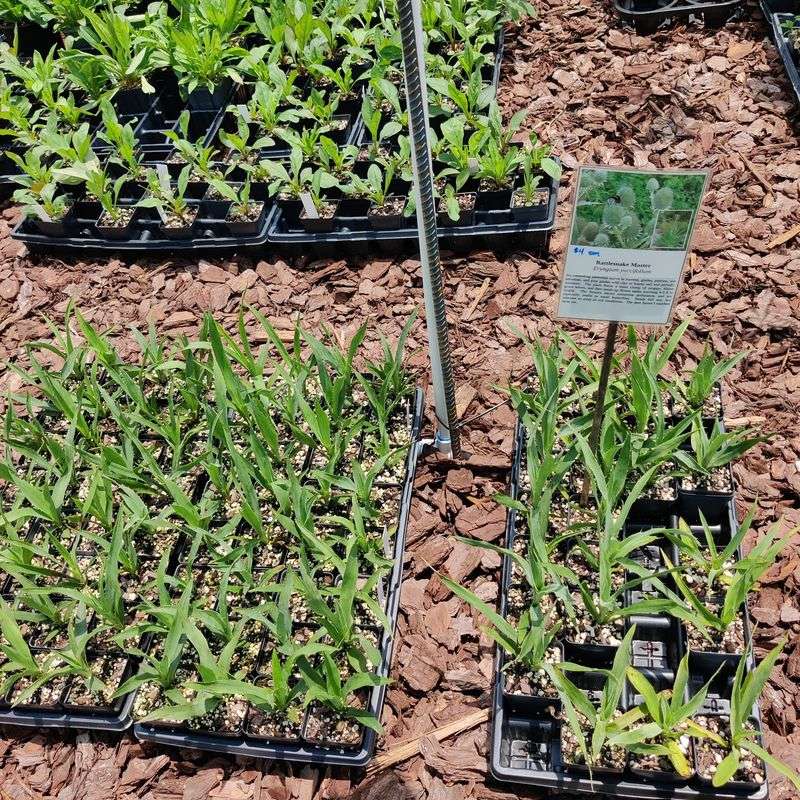
Perfect leaves are not the goal at this nursery. A few holes mean something is eating, which means the plant is doing its job.
No insecticides touch anything grown here. That single policy separates the stock from most commercial nursery plants, where systemic treatments can linger in tissue long after purchase.
The reasoning comes straight from ecology. Roughly 97 percent of insects are specialists, tied to specific native plants they evolved alongside, and without those plants their populations simply cannot hold on.
Birds enter the picture next. A single chickadee nest with four nestlings can go through somewhere between 6,000 and 9,000 caterpillars before the young leave, which is a staggering amount of food to source from one yard.
No native plants means no caterpillars, and no caterpillars means quiet nesting seasons. Framed that way, a little leaf damage on a nursery table starts to look like good news.
Customers who plant these species often report monarch caterpillars showing up on milkweed within weeks. Watching that happen firsthand tends to change how a person feels about tidy foliage.
Anyone keeping bees or hoping to attract more butterflies has a clear reason to shop here. Nothing purchased will carry a hidden chemical surprise home.
Skip the reflex to inspect for flaws. Look instead for signs of life.
Advice From People Who Actually Know The Answers
Plenty of garden shopping ends with a guess and a hopeful shrug. That rarely happens here.
Describe a problem spot, whether it is a soggy corner, a strip of dry gravel, or deep shade under an oak, and the recommendations come fast and specific. Customers repeatedly mention plants thriving in places where nothing else worked.
Sarah and Sonya both bring formal training in wildlife ecology and conservation to these conversations. The science shows up, but so does hands-on growing experience gained right on this property.
Onsite consultations are available for anyone tackling a larger redesign. Assessing real light, drainage, and soil conditions in place beats guessing from a photo every time.
Beginners get treated well. Nobody here assumes a visitor already knows what a sedge is or why bloom timing matters for pollinators.
Practical details come up too, like which perennials spread aggressively and which stay put. That kind of honesty saves years of pulling plants back out.
Repeat visitors often say they learn something new each trip. The learning becomes part of the reason to come back, alongside the plants themselves.
Phone conversations work as well for quick questions before driving over. The number is 334-728-7853, and calling ahead is smart during the July appointment-only stretch.
Bring photos of the yard. They help enormously.
Workshops, Tours, And A Whole Lot Of Ecology
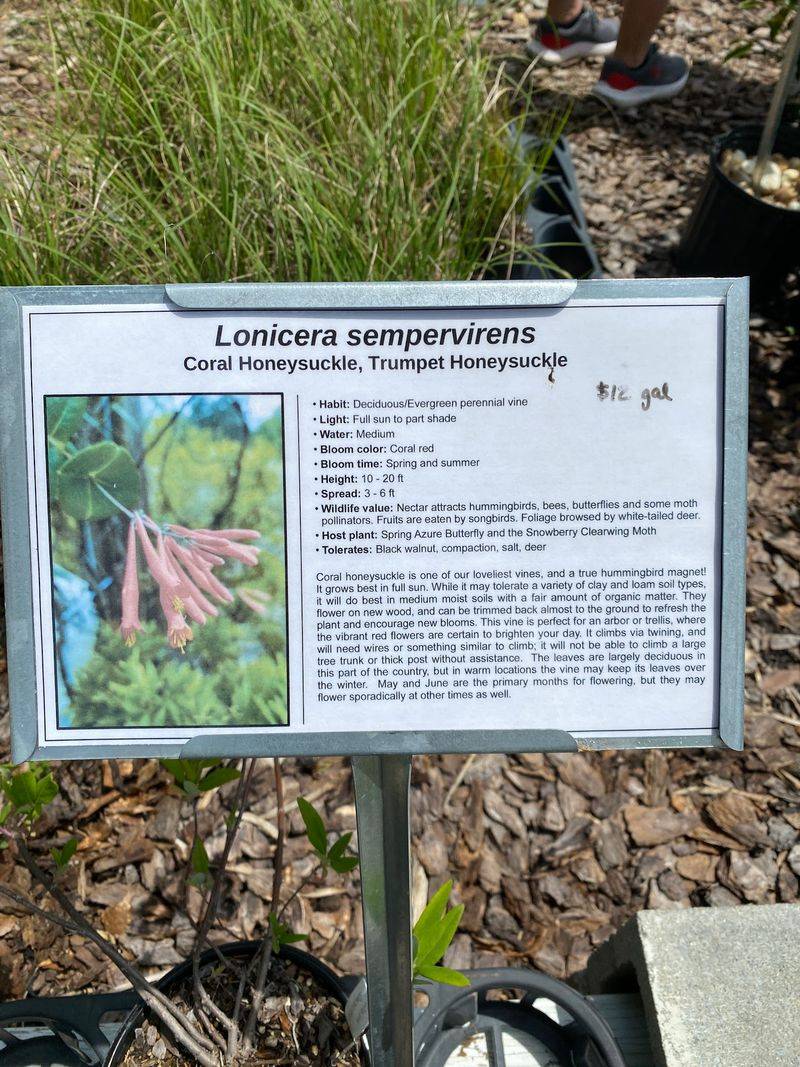
Education runs alongside the sales tables rather than behind them. Groups can arrange tours, and workshops cover the practical and ecological sides of native gardening.
One recurring program focuses on planting for the future and the benefits native species bring to a landscape. Sessions like that translate research into steps a homeowner can actually take on a Saturday.
Topics tend to circle back to relationships. Which insects depend on which plants, how those insects feed birds, and why a yard full of imported ornamentals often supports very little wildlife.
The specialist insect statistic gets explained clearly, and it reframes the whole idea of what a garden is for. Beauty and function stop feeling like separate goals.
Master gardener groups, school groups, and garden clubs all find useful material here. The setting helps, since everything discussed can be pointed at directly.
Questions get real answers, including the unglamorous ones about watering schedules and first-year establishment. Native plants are tough once settled, but that first season still needs attention.
Anyone planning a group visit should reach out ahead through the nursery website to coordinate timing. Open hours run Wednesday through Friday from 9 to 2 and Saturday from 9 to 3.
Come with a notebook. The information density is higher than most garden talks, and it sticks.
Taking A Piece Of Alabama’s Wild Heritage Home
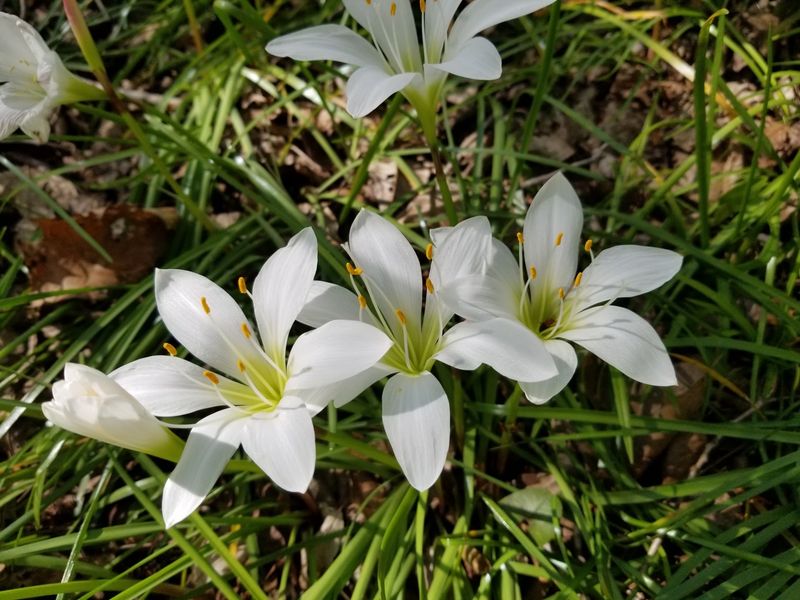
Every cart leaving this nursery carries a small restoration project. Alabama holds extraordinary plant diversity, and each species plays a role in the community it belongs to.
The mission here reaches past retail into habitat rebuilding, both in home gardens and in larger restoration work. Individuals and organizations both come looking for regionally appropriate stock.
Scale does not really matter. A pollinator patch beside a driveway, a rain garden catching runoff, or a full meadow all move in the same direction.
Once established, these plants generally ask for less water and less fussing than imported ornamentals. Deep roots and local adaptation do the heavy lifting through Alabama summers.
Reports from customers point the same way, with perennials and shrubs returning stronger in year two and filling out fast. Bee balm crowded with pollinators comes up more than once.
The satisfying part arrives later, when a monarch caterpillar turns up on milkweed that was just a pot in a wagon a few months earlier. That moment connects a yard to something much larger.
Cards and checks are both accepted, and multiple plant sizes make it easier to start small and expand. Eggs have been offered seasonally as well, which fits the small-farm feel.
Plan a slow visit, ask plenty of questions, and leave with a plan rather than just plants.
Address: 3938 Cotton Valley Lane, Auburn, Alabama
