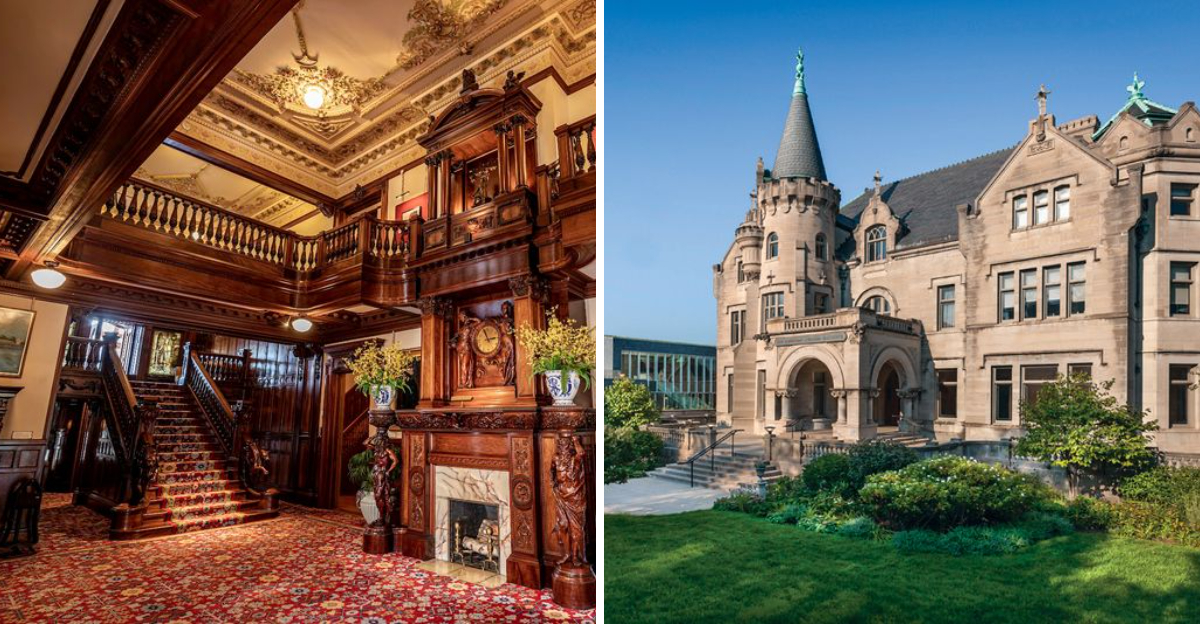
You do not expect to find a castle here. That is what makes it so fun.
The building looks like it was plucked out of a European fairy tale and dropped into the middle of the neighborhood. Turrets, arched windows, and that old stone charm that makes you want to dress up fancy.
Inside, it gets even better. The rooms are filled with history, art, and little details you will miss if you rush.
You could spend an hour just staring at a single ceiling. The gift shop is actually good, not the usual overpriced tourist stuff.
Bring your camera because every corner is photo worthy. Just try not to accidentally start speaking with an accent when you leave.
The Turnblad Mansion: A Castle Hidden in Plain Sight
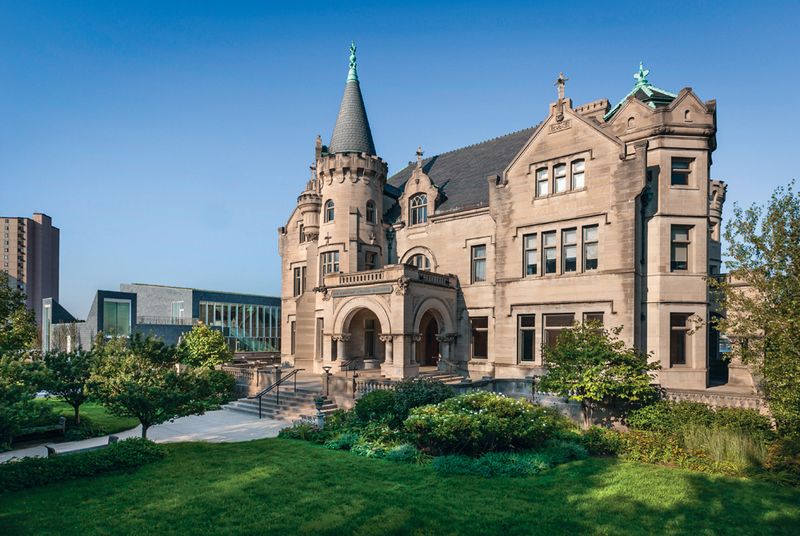
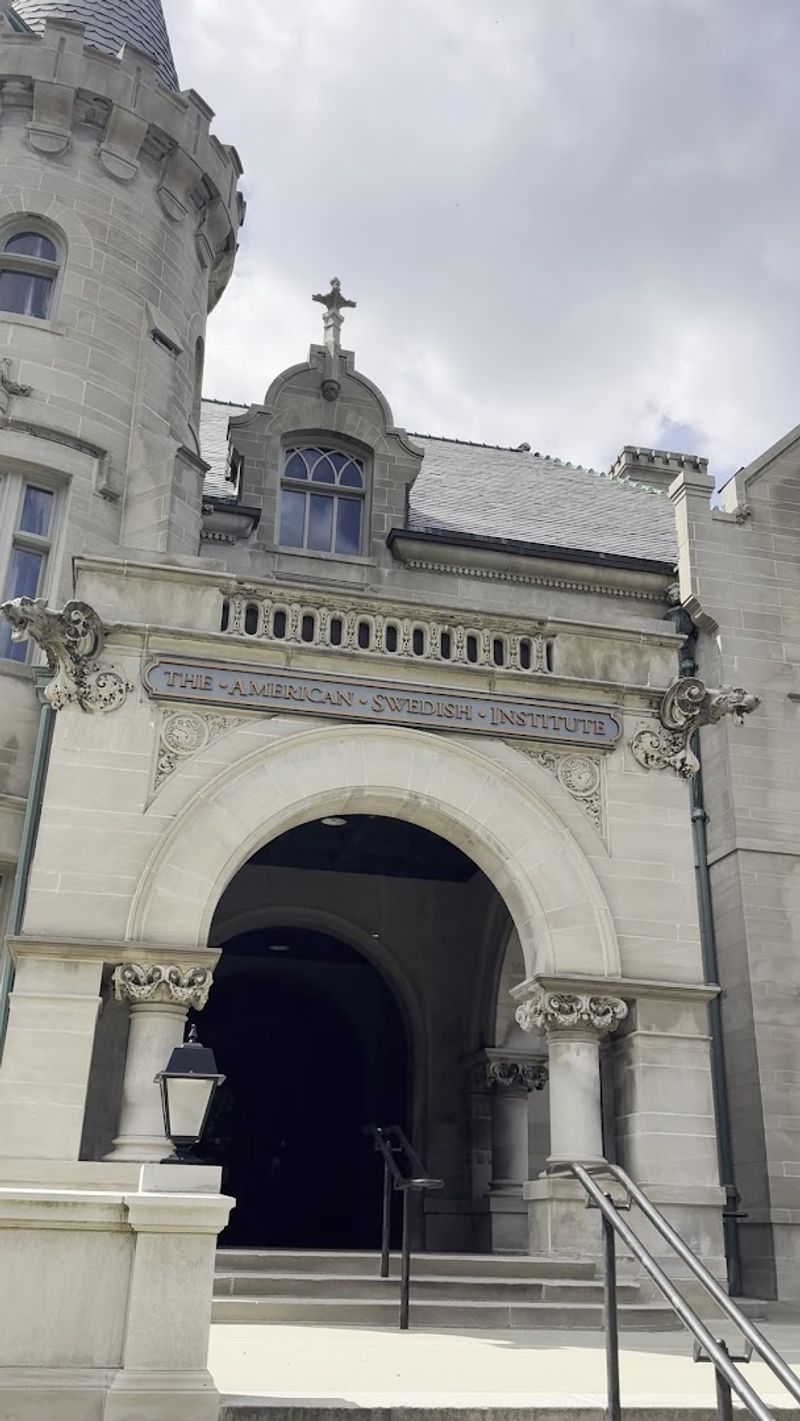
Standing outside the Turnblad Mansion for the first time, you almost forget you are in a city neighborhood. The building looks like something pulled from a European fairy tale.
It was built in the early 1900s and has held its grandeur ever since.
Swan Turnblad, a Swedish immigrant who became a successful newspaper publisher, commissioned this stunning home. He wanted it to reflect the success of the Swedish community in Minneapolis.
The result is a 33-room mansion that is almost theatrical in its beauty.
The exterior features carved stonework and turrets that give it an unmistakable castle-like presence. You can spot it from down the block and still feel surprised by how big it is up close.
Free parking is available nearby, which makes visiting easy.
Most of the mansion is open to explore freely. That openness makes the visit feel generous and welcoming.
Intricate Woodwork That Will Leave You Speechless
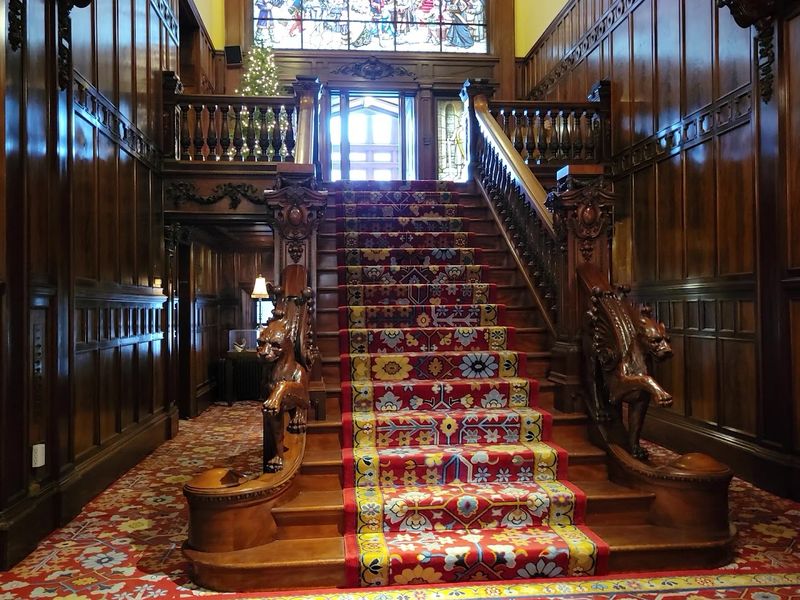
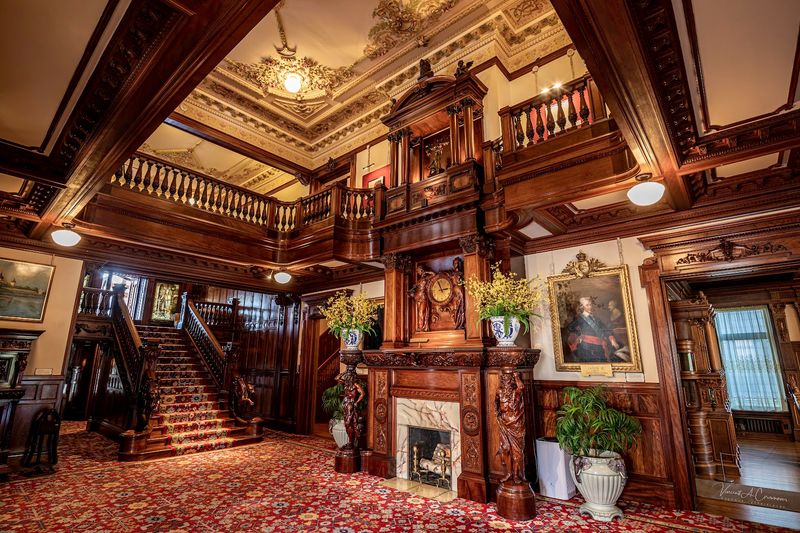
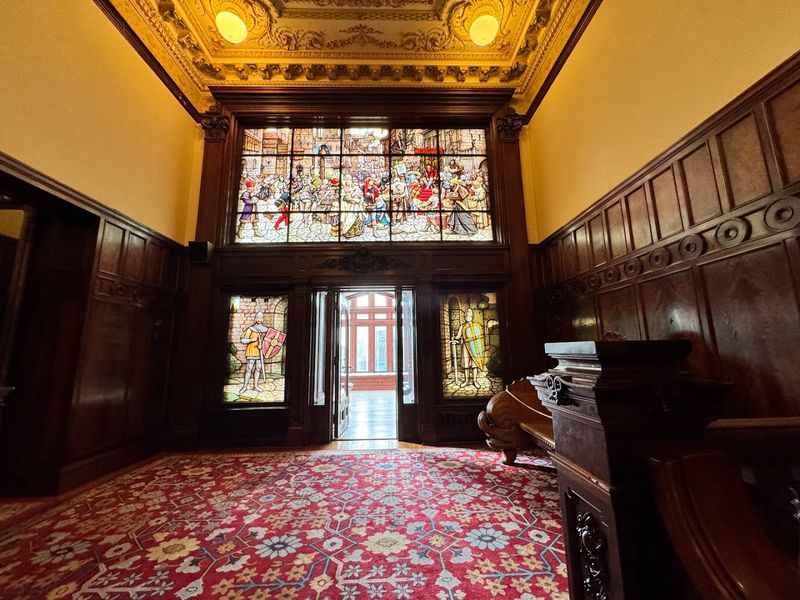
The moment you step inside, the woodwork grabs your attention completely. Carved panels line nearly every wall.
The craftsmanship is so detailed that it takes a few minutes just to absorb one room.
Some of the wood used throughout the mansion came all the way from Africa. Mahogany was chosen for its rich color and durability.
Skilled craftsmen shaped it into patterns that feel almost alive when the light hits just right.
The staircase is particularly jaw-dropping. Each banister detail was carved by hand, and the whole structure spirals upward with an elegance that feels almost theatrical.
It is the kind of thing you photograph but still cannot fully capture.
Volunteers stationed throughout the mansion are incredibly knowledgeable about these details. They answered every question with patience and genuine enthusiasm.
Hearing the stories behind each carved panel adds a whole new layer to what you are seeing.
Ceramic Fireplaces and Tile Stoves That Dazzle
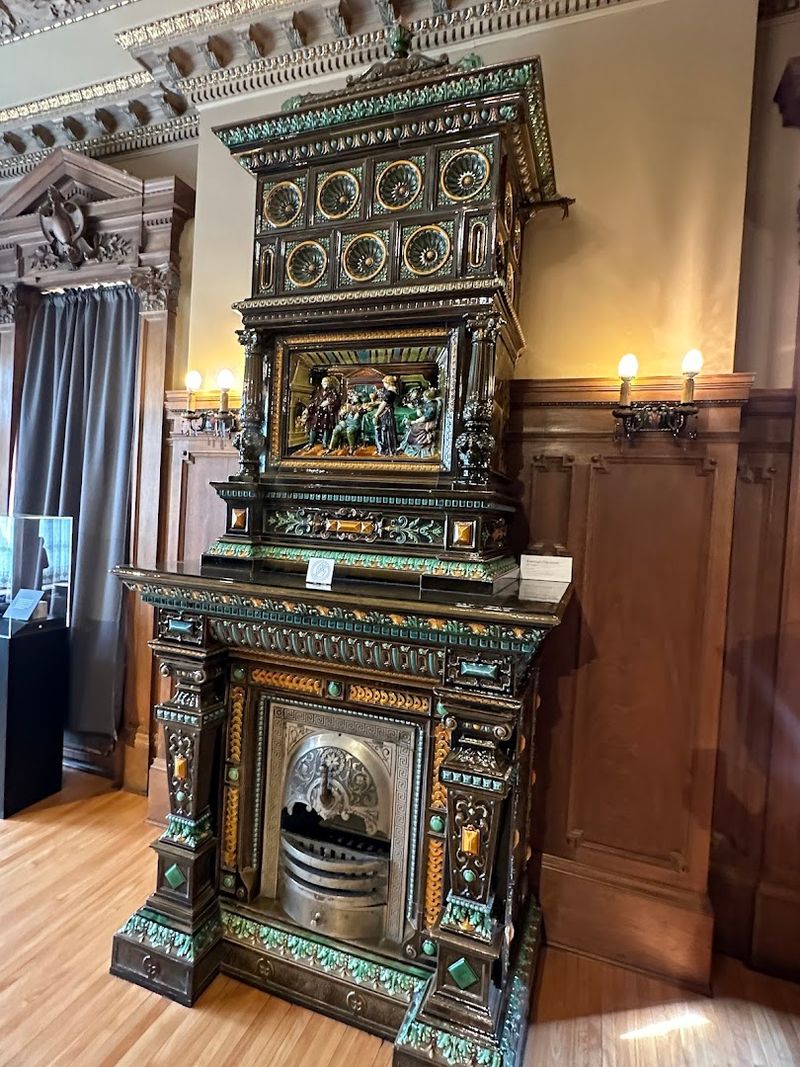
Scattered throughout the mansion are some of the most remarkable fireplaces and ceramic tile stoves you will ever see. Each one is unique.
Some are tall and commanding, while others are more delicate and detailed.
The tile work on these stoves reflects traditional Scandinavian design. Glazed ceramics catch the light in warm, rich tones that make each room feel like a painting.
They were functional pieces, but they were also clearly meant to impress.
Visitors consistently mention these stoves as highlights of their tour. It is easy to see why.
You can spend a long time just studying the patterns on a single stove without running out of things to notice.
The fireplaces in the formal rooms are equally stunning. Elaborate mantels frame each one with carved details that echo the woodwork found throughout the rest of the home.
Every element feels intentional and considered.
Walking room to room and discovering each new stove feels like a small treasure hunt.
Swedish Heritage Exhibits That Tell a Real Story
Beyond the mansion itself, the American Swedish Institute holds thoughtfully curated exhibits about Swedish heritage and immigration history. The stories told here feel personal and grounded.
These are not dry history lessons.
One exhibit explored the Swedish community in Minneapolis during the 1800s and early 1900s. It covered everything from daily life to professional achievements, including a nursing school that served the community for decades.
The depth of the research on display is genuinely impressive.
Rotating exhibits bring fresh perspectives throughout the year. A weavers exhibit, for example, drew visitors into the tactile world of Scandinavian textile traditions.
Each new show adds a different dimension to the overall experience.
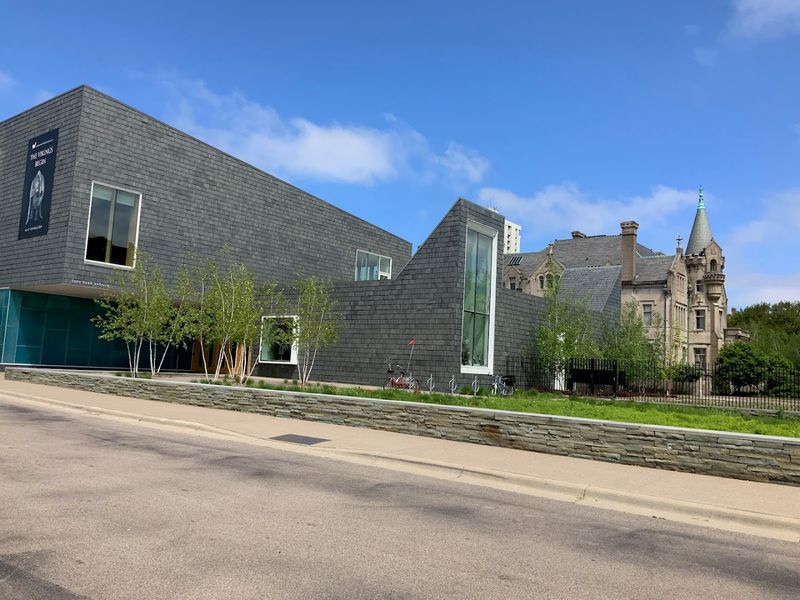
The modern building connected to the mansion houses many of these gallery spaces. It blends seamlessly with the historic structure without competing with it.
The transition between old and new feels thoughtful rather than jarring.
Learning about Swedish immigration through this lens makes history feel immediate and human. These were real people building real lives.
The Norse Saga Room: A Must-See Gem
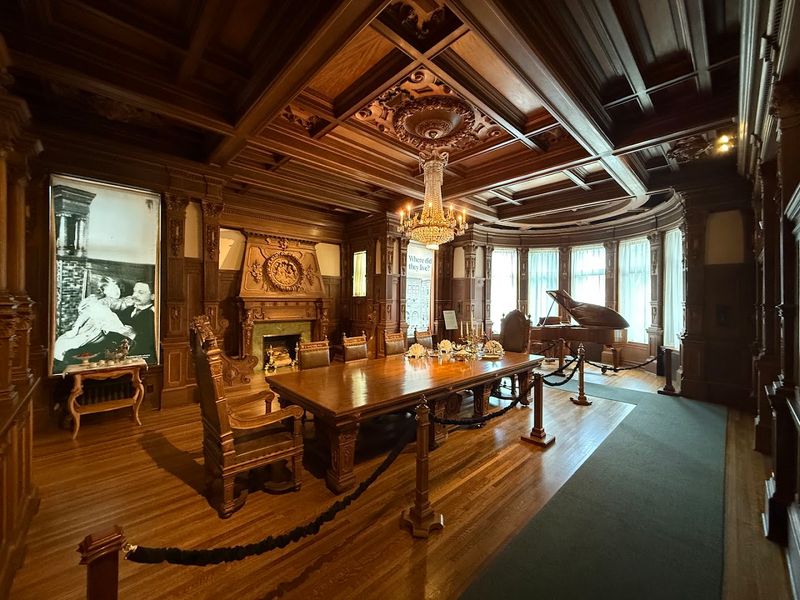
Tucked inside the mansion is a room that feels completely different from the rest of the house. The Norse Saga Room is dramatic, dark, and carved with mythological imagery that pulls you into another world entirely.
It is one of those spaces that genuinely surprises you.
The carvings in this room depict scenes from Norse mythology. Every surface seems to have something to discover.
It has the energy of a place where stories were meant to be told out loud.
Visitors who make a point of seeking out this room rarely regret it. The atmosphere is unlike anything else in the building.
It feels more like a ceremonial hall than a domestic space.
The contrast with the lighter, more formal rooms elsewhere in the mansion makes the Norse Saga Room even more striking. Moving from an elegant parlor into this carved, shadowy chamber is a genuinely memorable transition.
If you only have limited time, this room should be near the top of your list.
Fika Cafe: Coffee and Sweets Done Right
After walking through the mansion, stopping at the Fika Cafe feels like a natural reward. The name itself is a nod to the Swedish tradition of taking a proper coffee break.
It fits the spirit of the place perfectly.
The cafe serves coffee, pastries, and light meals that visitors consistently praise. The bread pudding in particular has earned its own loyal following.
Everything feels freshly made and thoughtfully presented.
Fika gets busy, especially on weekends and during special events. Getting there early gives you the best chance of finding a seat without waiting.
The atmosphere inside is warm and relaxed, making it easy to linger longer than planned.
Lunch options are available during regular hours. The menu draws on Scandinavian food traditions while staying approachable for visitors who are new to Nordic cuisine.
It is a genuinely enjoyable place to eat.
Even if you only stop in for a coffee and a pastry, the experience feels complete.
Holiday Decorations That Transform the Entire Space
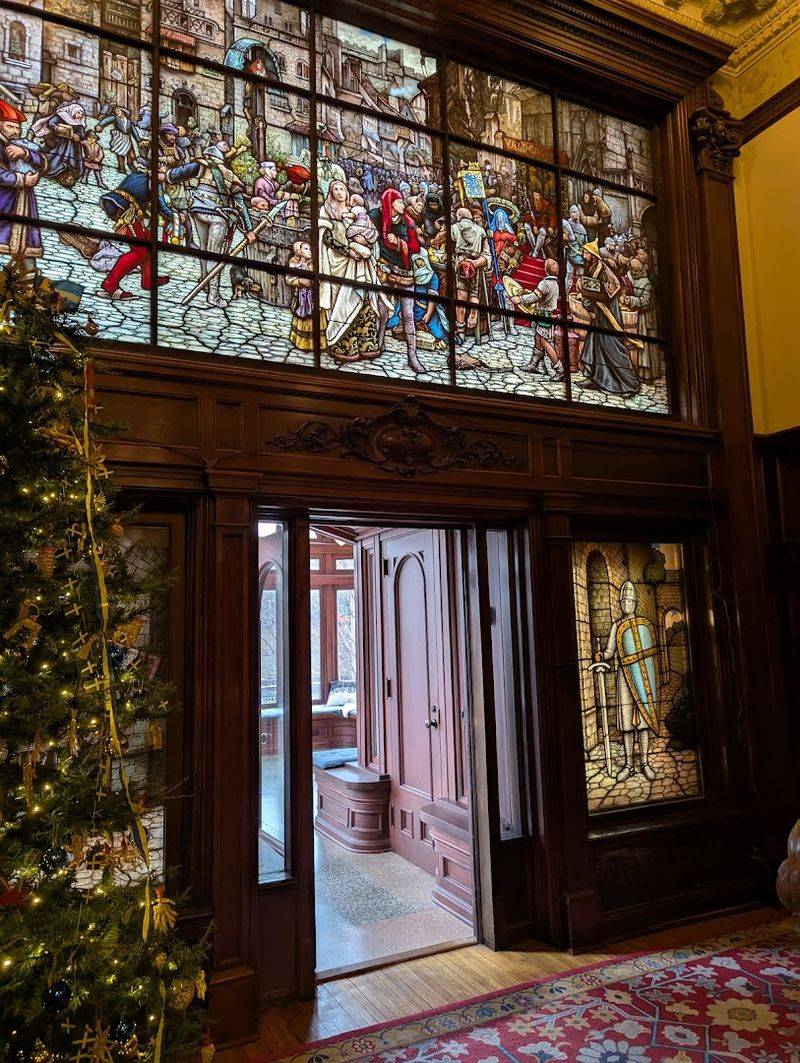
Visiting during the holiday season takes the American Swedish Institute to a completely different level. The mansion gets decorated each year with a distinct Scandinavian Yuletide theme.
Every room feels like a different chapter of a winter story.
Tomte figures appear throughout the house during the holidays. These small, gnome-like characters are central to Scandinavian Christmas traditions.
Seeing them placed throughout the historic rooms adds a playful, magical quality to the visit.
The gift shop during this season overflows with seasonal items. Swedish foods, linens, ornaments, and handmade goods fill the shelves.
It is genuinely one of the better holiday gift shops in the city.
Outdoor events during the holiday craft fair have included wood fires, live performers, and knowledgeable volunteers sharing stories about the mansion. Blankets on benches outside invite you to slow down and stay awhile.
The whole atmosphere feels genuinely festive without being overwhelming.
Many visitors make it an annual tradition. Coming back each year to see the new holiday theme gives the place a living quality.
The Gift Shop: Thoughtful Souvenirs Worth Browsing
The gift shop at the American Swedish Institute is genuinely worth setting aside time for. It is not the kind of place where everything feels generic or mass-produced.
The selection feels curated and personal.
Books about Swedish history, culture, and design take up a solid section of the shop. Whether you are researching your own heritage or simply curious, there is something here that will catch your eye.
Many titles are hard to find elsewhere.
Swedish food products line one area of the shop. Specialty items like Swedish crackers, lingonberry preserves, and traditional candies make excellent gifts for people back home.
They also make great additions to your own pantry.
Linens, ceramics, and handcrafted items reflect the same attention to craft that defines the mansion itself. Nothing feels throwaway.
Even small purchases feel meaningful given the context of where you bought them.
Spending time browsing here after the tour gives you a chance to bring a piece of the experience home.
The Children’s Play Area and Family-Friendly Atmosphere
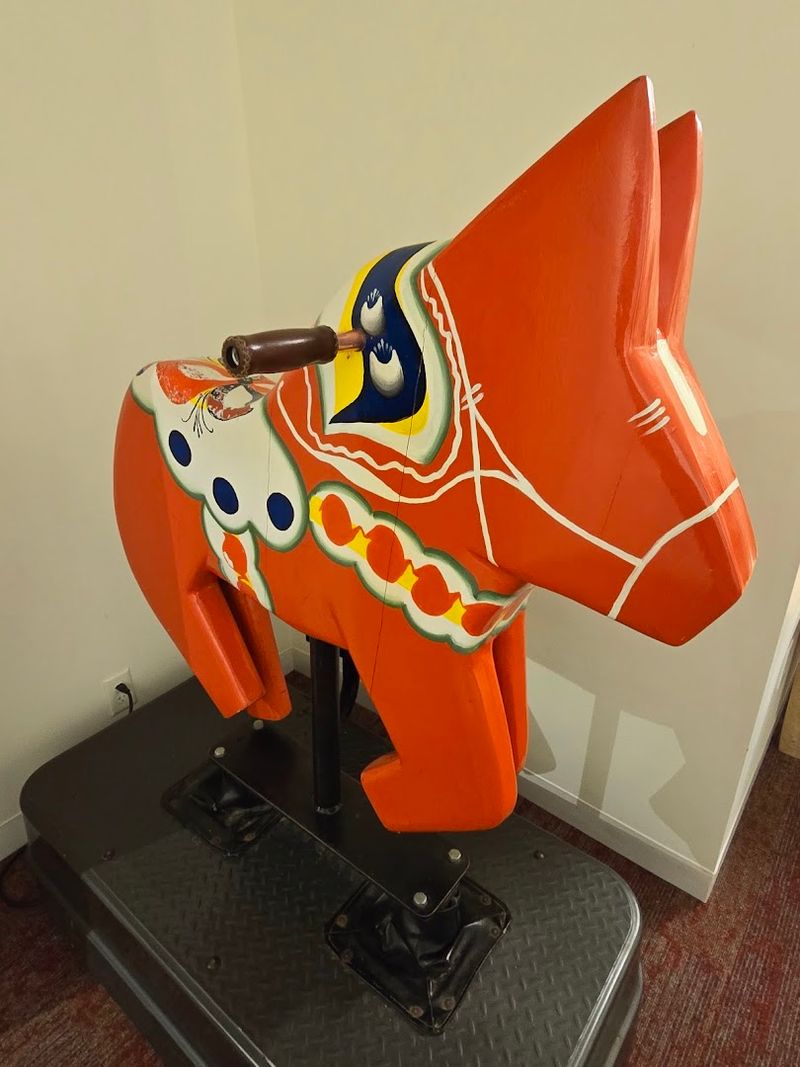
Taking kids to a historic mansion might sound like a challenge, but the American Swedish Institute handles it beautifully. The lower level includes a dedicated children’s play area that keeps younger visitors genuinely engaged.
It is thoughtfully designed and fun to explore.
The play space uses Scandinavian themes to spark curiosity in a hands-on way. Kids can interact with elements that connect to the stories and culture found throughout the rest of the building.
It does not feel tacked on or separate from the overall experience.
Families with children of different ages tend to do well here. Older kids can appreciate the woodwork and history.
Younger ones have a space that is fully theirs to enjoy without anyone feeling bored or left out.
The mansion itself is also surprisingly family-friendly. Most areas are open to explore freely, and the layout allows families to move at their own pace.
There is no pressure to follow a rigid schedule.
An elevator is available for those with accessibility needs, which makes the visit comfortable for everyone.
A Living Cultural Center Worth Returning To
The American Swedish Institute is not a place you visit once and feel finished with. It keeps evolving.
New exhibits rotate throughout the year, events sell out regularly, and the cafe draws a steady crowd of locals who treat it like a neighborhood favorite.
The combination of the historic mansion and the modern Nelson Cultural Center gives the institute a layered identity. One side honors the past with extraordinary care.
The other side looks forward with contemporary programming and rotating art shows.
Art classes, cultural workshops, and seasonal events make it a genuinely active community space. It serves the local Swedish-American community while welcoming anyone curious about Scandinavian culture and history.
That dual purpose gives it real energy.
The institute also offers its space for small weddings and private events. The setting is hard to beat for something memorable and distinctive.
Coming back for a second or third visit almost always reveals something new. That is the mark of a place that is truly alive.
Address: 2600 Park Ave, Minneapolis, MN 55407
