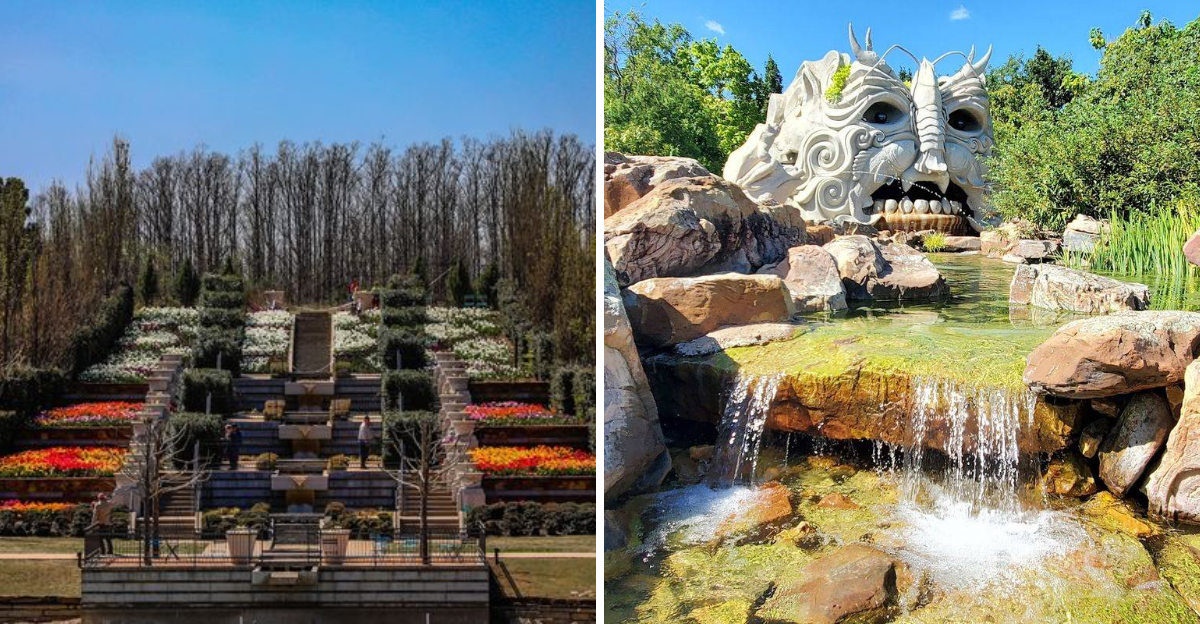
Let me be honest with you: I did not expect a botanical garden in Oklahoma to stop me in my tracks. But here I was, standing at the edge of a lotus pool, watching dragonflies skim the surface while the rest of the world felt very, very far away.
There is something about this place that works on you slowly, the way a good book does, pulling you deeper before you realize you have lost track of time.
If you have been craving a weekend that actually resets your brain instead of just filling your calendar, keep reading because this one is worth every minute of the drive.
The First Step Inside Feels Like Pressing a Reset Button
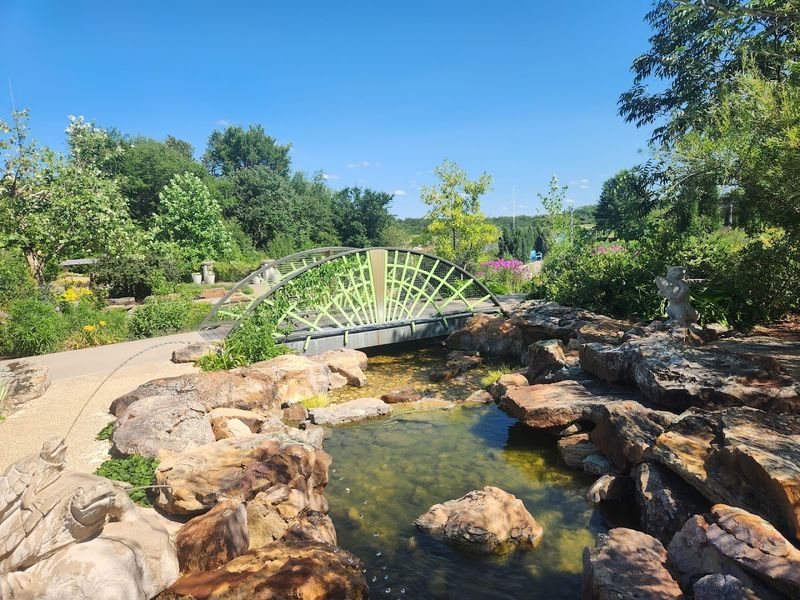
You know that feeling when you close a loud, chaotic tab on your browser and suddenly your computer breathes again? Walking through the entrance here does exactly that to your nervous system.
The noise of the city drops away almost immediately, replaced by birdsong and the soft rustle of ornamental grasses swaying in the Oklahoma breeze.
The grounds are spacious in a way that surprises most first-time visitors. Unlike some gardens where you feel like you are shuffling through a crowded hallway of plants, this one gives you room to actually exhale.
Wide pathways wind through distinct garden areas, each one with its own personality and pace.
There is a sense of intention in how everything is laid out. Nothing feels rushed or crammed together.
Even on busier weekend mornings, the space absorbs visitors gracefully, so you rarely feel like you are competing for a good view or a quiet bench. That spaciousness is not accidental.
It is one of the things that makes spending a couple of hours here feel genuinely restorative rather than just another item crossed off a weekend to-do list. Wear comfortable shoes, bring water, and plan to slow down on purpose.
Floral Terraces So Beautiful They Almost Feel Unfair
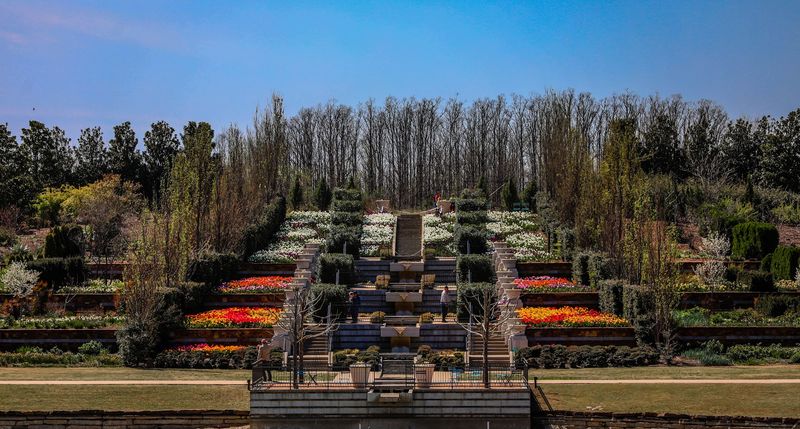
Standing at the top of the floral terraces and looking down at cascading rows of color is the kind of moment your phone camera genuinely cannot do justice. The terraces are stacked with blooms arranged in waves of color that shift with the seasons, so every visit offers a slightly different picture.
Spring is when things get especially dramatic. Tulips arrive in bold, saturated shades, and the whole terrace looks like someone took a painter’s palette and just went for it.
The florigami displays, which are elaborate tulip arrangements shaped into sculptural forms, are a seasonal highlight worth timing your visit around specifically.
What makes the terraces more than just pretty is the way they invite you to move through them slowly. There are steps and paths that lead you around and between the planting beds, so you are not just admiring from a distance.
You are walking among the flowers, close enough to catch their fragrance and notice the tiny details, a bee working a blossom, a petal catching the morning light. It is one of those spots where sitting on a nearby bench and doing absolutely nothing for twenty minutes feels completely justified.
No guilt. Just flowers and fresh air.
A Lakeside Promenade Made for Slow, Aimless Wandering

There is a half-mile trail that loops around the pond, and I am going to be upfront: it is the kind of walk that makes you forget you had anywhere else to be. The water sits calm and reflective most mornings, mirroring the sky and the surrounding trees in a way that feels almost meditative.
The path is flat, well-maintained, and lined with native plantings that attract pollinators in warmer months. Butterflies are a common sight, and if you pause long enough near the water’s edge, you might spot turtles sunning themselves on logs or hear frogs announcing their presence from the reeds.
It is wonderfully, unapologetically ordinary nature doing its thing.
Benches are placed at thoughtful intervals along the route, which matters more than you might expect. This is not a trail you need to power through.
It is one you should meander. Sit for a bit, watch the light shift on the water, then keep going when you feel like it.
The whole loop takes maybe thirty minutes at a relaxed pace, but there is absolutely no reason to rush. Some of the best moments here happen when you stop moving entirely and just let the place settle around you like a warm afternoon.
The Lotus Pool Is a Whole Mood on Its Own
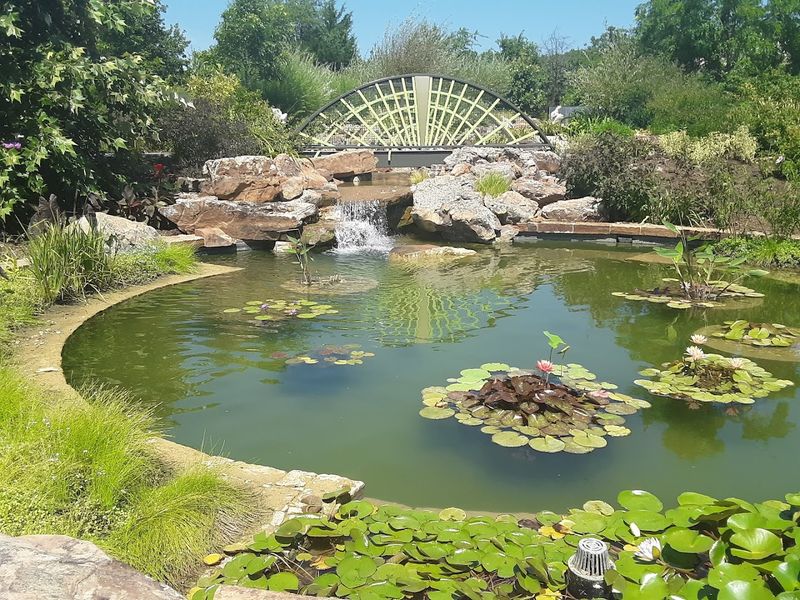
If you visit in summer and miss the lotus pool, I will be genuinely disappointed on your behalf. This is not a small decorative feature tucked into a corner.
The lotus pool is a full, lush, living spectacle, covered in enormous round pads and crowned with pink blooms that rise above the surface like something out of a Southeast Asian waterway.
Lotus flowers have a reputation for being beautiful, but seeing them up close for the first time has a way of recalibrating that word entirely. They are architectural.
Sculptural. Each bloom opens with a kind of quiet confidence, and the fragrance on a still morning is soft and sweet without being overwhelming.
The pool draws photographers, families, and people who simply want to stand at the railing and stare for a while. All three groups are equally welcome and equally satisfied.
There is a viewing area that lets you get close without disturbing the water, and the reflections on a calm day are particularly striking. Visiting in the early part of the day gives you the best light and the most open blooms, since lotus flowers tend to close as the afternoon heat builds.
Plan accordingly, and you will be rewarded with one of the most unexpectedly striking sights in the entire garden.
Prairie Trail Walks Feel Like a Different World Entirely
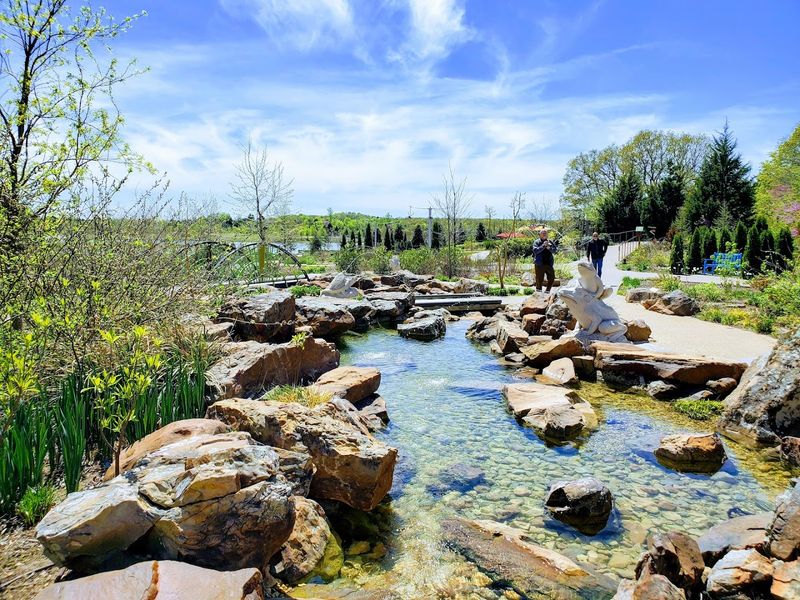
Most people come to a botanical garden expecting manicured beds and sculpted hedges. The prairie trail here is a deliberate, wonderful surprise.
It cuts through a stretch of native Oklahoma landscape where tall grasses, wildflowers, and natural plantings do exactly what they want, and the result is something that feels raw and alive in a completely different way from the formal garden areas.
Walking this trail is a sensory shift. The grasses whisper and move with the wind.
Wildflowers pop up in colors that feel unplanned and honest. In late summer and fall, the prairie section turns golden and amber in a way that makes you understand why painters have always been obsessed with light on open land.
The prairie trail stretches through native grassland areas, which makes it a proper little adventure without being exhausting. It is also a great place to spot local wildlife, from birds hunting insects in the grass to the occasional butterfly drifting between blooms.
For anyone who grew up in Oklahoma or the broader Great Plains region, this section carries a particular emotional weight. It looks like home in the truest sense of the word.
For visitors from elsewhere, it is a genuine introduction to what this part of the country actually looks like beneath the roads and rooftops.
Seasonal Events Turn the Garden Into Something Magical

A botanical garden that changes with the seasons is one thing. A botanical garden that actively celebrates every season with events and installations is something else entirely, and this place leans hard into that second category.
The programming calendar here runs year-round, and each season brings something worth showing up for.
Spring tulip displays and florigami sculptures draw crowds who come specifically to see the garden at its most colorful and theatrical. Summer brings music events and art installations scattered through the grounds, turning an already beautiful space into something with rhythm and energy.
Fall softens everything into warm tones that make the whole place feel like a long exhale before winter arrives.
And then there is winter, which might be the most surprising season of all. The Garden of Lights transforms the entire property with elaborate light displays, fire pits where visitors can make s’mores, live music, and warming stations throughout the grounds.
The garden becomes a completely different place after dark, and the experience of walking those familiar paths lit up in thousands of colors is one of those things that sticks with you long after the evening ends.
The accessibility features during events, including ramp access and plenty of seating, make it easy for visitors of all ages and abilities to enjoy the full experience.
Art Installations Add a Layer of Surprise Around Every Corner
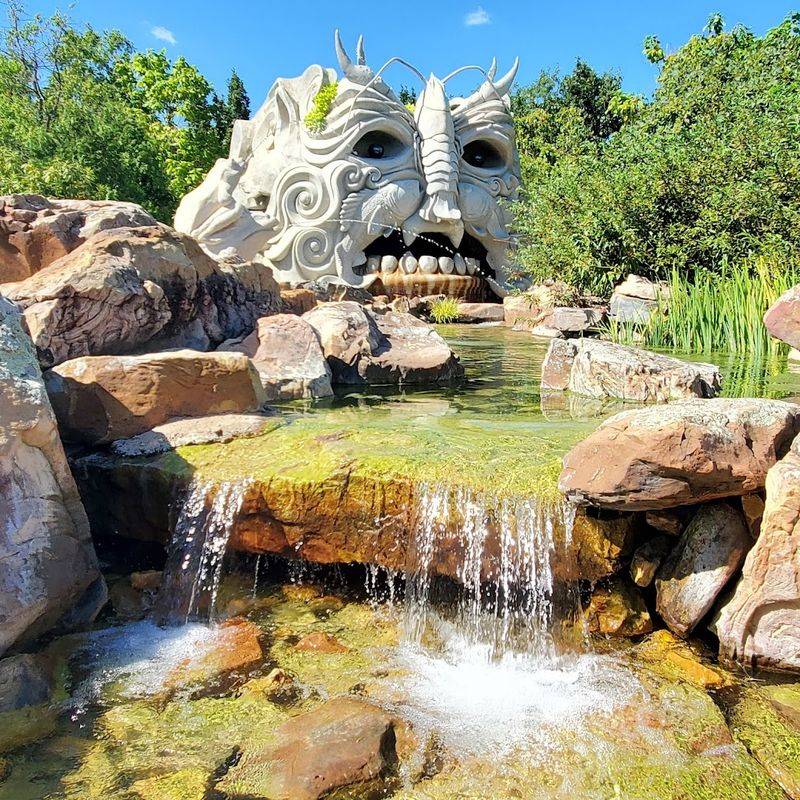
One of the things nobody warns you about is how often you will round a bend in the path and find something completely unexpected waiting for you.
Art installations appear throughout the garden on a rotating basis, and they range from large-scale sculptures to more intimate, interactive pieces placed among the plantings in ways that feel deliberate and playful.
The effect is a kind of ongoing conversation between the natural and the made, the organic and the constructed. A metal sculpture catching afternoon light next to a bed of ornamental grasses.
A colorful installation reflected in the surface of the pond. These moments catch you off guard in the best possible way, and they give the garden a creative energy that goes beyond horticulture.
For families with kids, the art elements add an extra layer of engagement. Children who might lose patience with flowers tend to perk up considerably when there is something bold and visually surprising in front of them.
For adults, the installations invite a slower, more contemplative way of moving through the space. You find yourself looking more carefully, noticing more, asking questions you would not have thought to ask in a garden without art.
It is a smart combination, and it works beautifully across different kinds of visitors with different reasons for being there.
The Gift Shop Deserves More Credit Than It Usually Gets
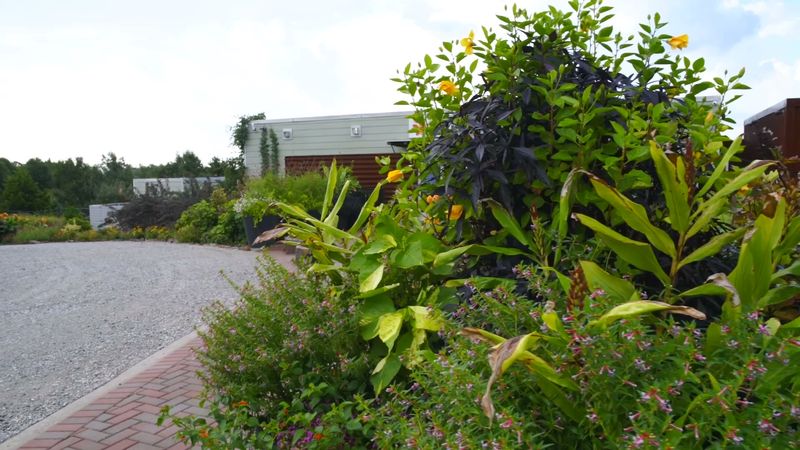
Gift shops at attractions can be an afterthought, a room full of magnets and branded mugs you will never use. This one is different, and I say that as someone who has walked past a thousand gift shop doorways without slowing down.
The shop here stocks seeds, plants, and garden-related items that actually connect to what you have just seen outside.
If the floral terraces inspired you, you can walk out with seeds to try growing something similar at home. If a particular plant caught your eye along the trail, there is a reasonable chance you can find it or something related to it on the shelves.
The selection leans toward things with genuine usefulness and meaning rather than novelty items designed to collect dust.
It is also just a pleasant space to spend a few minutes at the end of your visit. Browsing feels unhurried, and the staff tend to be knowledgeable and enthusiastic without being pushy.
For gardeners of any experience level, it is the kind of shop that sends you home with ideas as much as products. Even if you leave empty-handed, which is harder than it sounds, you will probably leave with a mental list of plants you now want to try growing.
Consider that a win for everyone involved, including your future garden.
Membership Makes the Whole Experience a Different Kind of Investment

Here is a thought worth sitting with: the garden looks completely different in March than it does in July than it does in October. These are not subtle variations.
Each season brings genuinely distinct displays, colors, and atmospheres that make returning feel less like repetition and more like visiting a place that keeps reinventing itself.
A membership makes that kind of seasonal exploration not just possible but easy and affordable. Members can drop in for an hour on a weekday, catch the daffodils just as they open, or show up for a summer evening event without the planning pressure of making a single visit count for everything.
It changes the relationship from tourist to regular, and that shift in mindset is surprisingly freeing.
For families living within reasonable driving distance, the value compounds quickly. Kids who visit multiple times begin to notice changes on their own, which plants grew, which birds showed up, how the pond looks after rain.
That kind of repeated, seasonal engagement with a natural space builds something in children that is hard to quantify but easy to recognize. Adults get something similar: a reliable, low-pressure destination that asks nothing of you except to show up and pay attention.
In a world full of overscheduled weekends, that is a rare and genuinely valuable thing to have nearby.
Practical Things Worth Knowing Before You Make the Drive
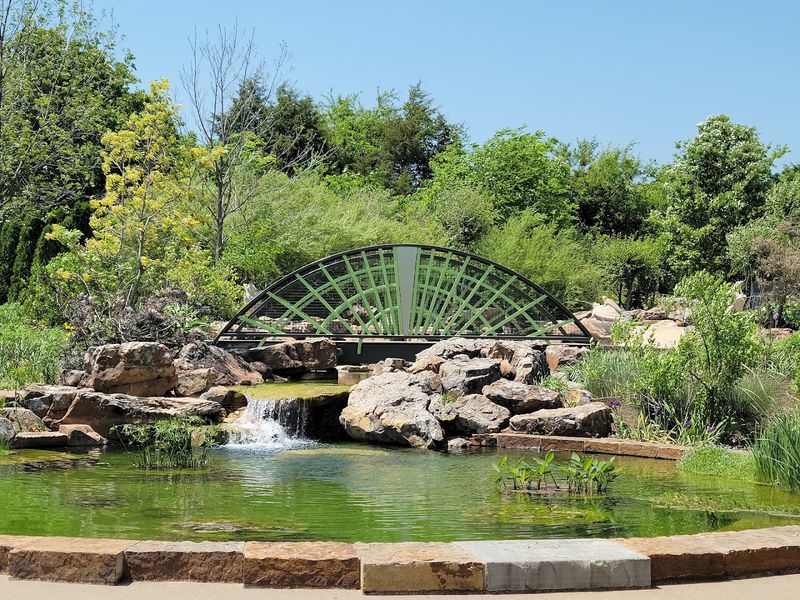
A few things will make your visit smoother, and they are worth knowing before you arrive rather than figuring out in the parking lot. The garden is open Tuesday through Sunday from 10 AM to 5 PM and is closed on Mondays, so plan around that if you are flexible with your schedule.
Weekday mornings tend to be quieter, which is worth considering if crowds affect how much you enjoy a space.
Parking is ample, which sounds like a small thing until you have circled a crowded lot three times at another attraction. For larger seasonal events, the parking situation is designed to handle higher volumes, so you are unlikely to spend your pre-visit energy just finding a spot.
The grounds are also well-equipped for visitors with mobility needs, with ramp access and plenty of benches throughout.
Wear comfortable walking shoes, bring sunscreen for warmer months, and consider packing a small bag with water and a snack if you plan to spend more than an hour or two. The garden can easily fill two to three hours if you take your time with each area, and there is no reason to rush.
Tulsa Botanic Garden is located at 3900 Tulsa Botanic Dr, Tulsa, OK 74127, in the northwest edge of Tulsa, Oklahoma, and is well worth building an entire weekend around.
Dear Reader: This page may contain affiliate links which may earn a commission if you click through and make a purchase. Our independent journalism is not influenced by any advertiser or commercial initiative unless it is clearly marked as sponsored content. As travel products change, please be sure to reconfirm all details and stay up to date with current events to ensure a safe and successful trip.
