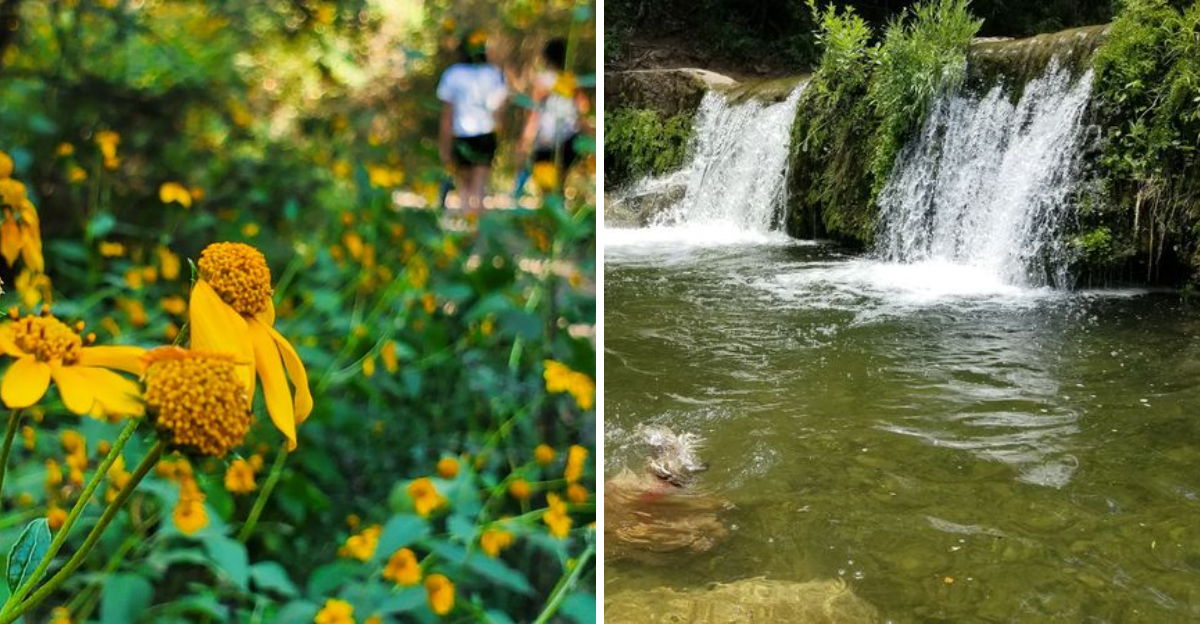
The trail starts off easy, but it does not stay ordinary for long.
Shaded paths wind through limestone and greenery, with stretches of quiet that make you forget how close you are to the city. Then the scenery shifts, water moving over rock, small waterfalls, and pockets of wildflowers that catch you off guard.
It is the kind of hike that rewards you without asking too much in return. Texas has plenty of trails, but this one manages to pack a lot into just a couple of miles.
The Trailhead
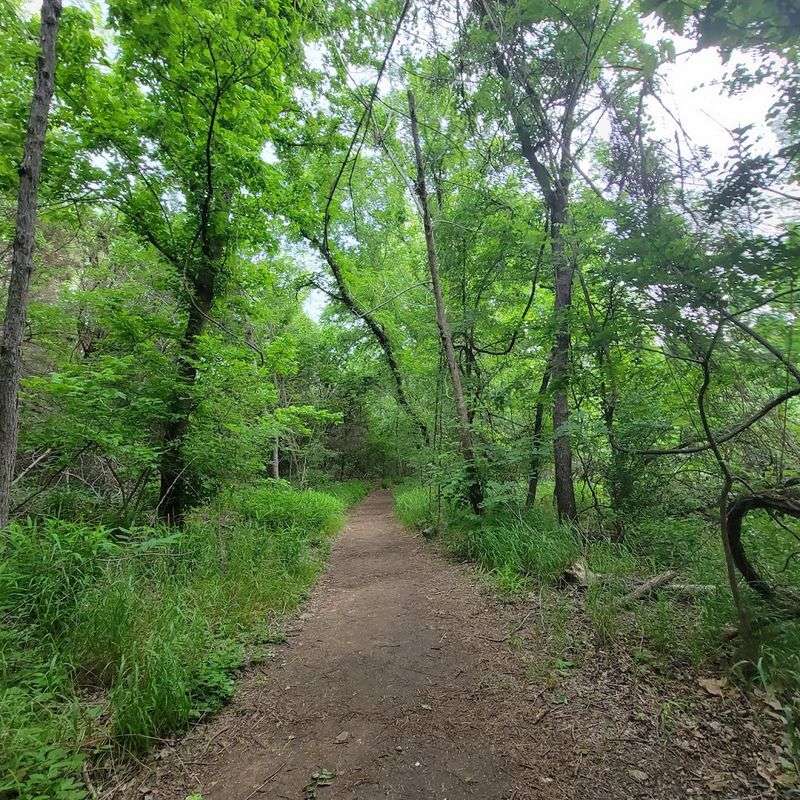
The parking lot is modest, and that is putting it kindly. It holds maybe a dozen cars comfortably, and on a sunny Saturday morning it fills up faster than you would expect for a hidden-away neighborhood spot.
Arriving early is genuinely the move here. I showed up around 7:30 on a spring weekend and snagged one of the last few spots before the lot became a waiting game.
The trailhead itself is easy to find once you pull in, with a small sign and a color-coded post system that orients you almost immediately.
One thing worth noting before you leave your car: leave valuables at home or keep them completely out of sight. The area sees occasional car break-ins, so traveling light is both practical and smart.
There are no restrooms or water fountains at the trailhead, so fill up your water bottle before you arrive. Pack snacks, sunscreen, and anything else you need because once you are on the trail, you are on your own in the best possible way.
The Green and Red Loop Trail System
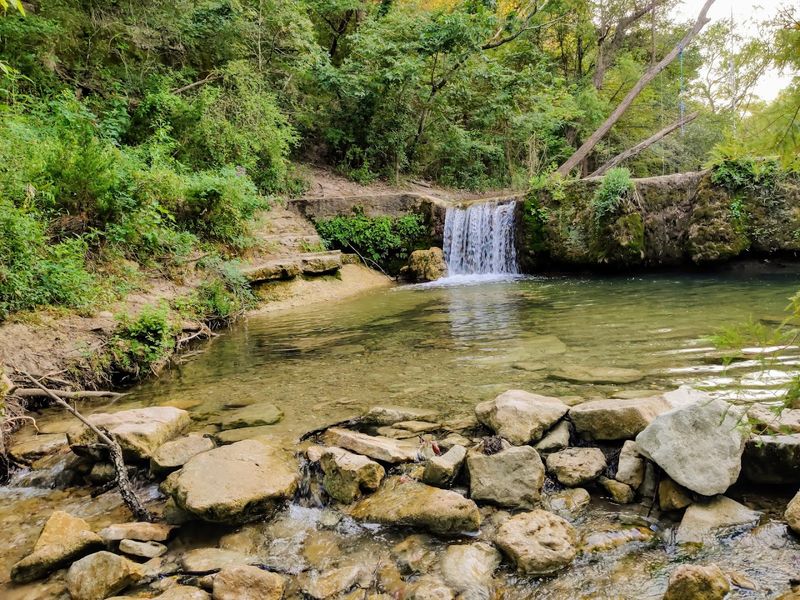
Few trail systems in Austin are as satisfying to navigate as the Green and Red Loop combination at St. Edward’s Greenbelt. The color-coded posts make it almost impossible to get lost, which is a relief when you are more focused on the scenery than your compass.
Together, the two loops cover roughly 2.7 miles, with a gentle elevation gain of around 150 feet. That is enough to get your heart rate going without turning the hike into a grueling workout.
The terrain shifts between shaded oak and juniper canopy, open limestone shelves, and soft creekside paths that feel like they belong in a different part of the country entirely.
What makes this trail system genuinely enjoyable is the variety packed into a relatively short distance. One moment you are crunching through dry cedar duff, and the next you are hopping across stepping stones above a clear pool.
Mountain bikers share parts of the trail, so staying aware of your surroundings keeps things smooth for everyone. The whole loop can be done in under two hours at a relaxed pace, making it a perfect half-morning adventure.
Bull Creek and the Limestone Canyon Scenery
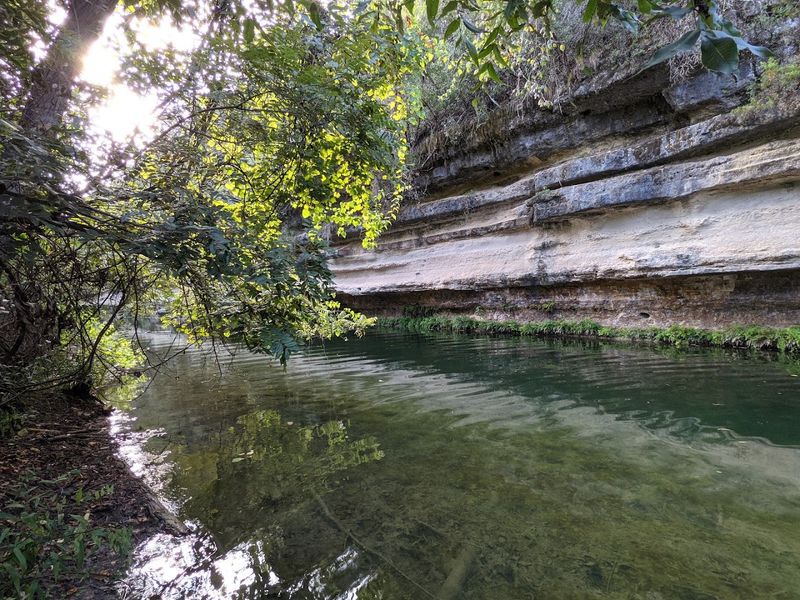
Bull Creek is the heartbeat of this entire greenbelt, and the canyon it carved over thousands of years is genuinely jaw-dropping up close. The limestone walls rise on either side of the water, streaked with mineral deposits and draped in ferns that somehow thrive in the shade.
The creek runs clearest in late winter and spring, when rainfall keeps the water moving and the pools stay full. Even in drier stretches, there is almost always some water flowing, and the sound of it echoing off the canyon walls adds a meditative quality to the whole experience.
I kept stopping just to listen, which is not something I usually do on a hike.
The rock itself is beautiful in a purely geological way. Flat limestone shelves jut out over the water like natural diving boards, and the layered canyon walls tell a slow, ancient story if you take a second to look.
Kids especially seem to love scrambling across the rocks, and the creek is shallow enough in most spots to make it feel safe and exploratory rather than intimidating. This stretch alone is worth the drive out to northwest Austin.
The Waterfalls After Rainfall
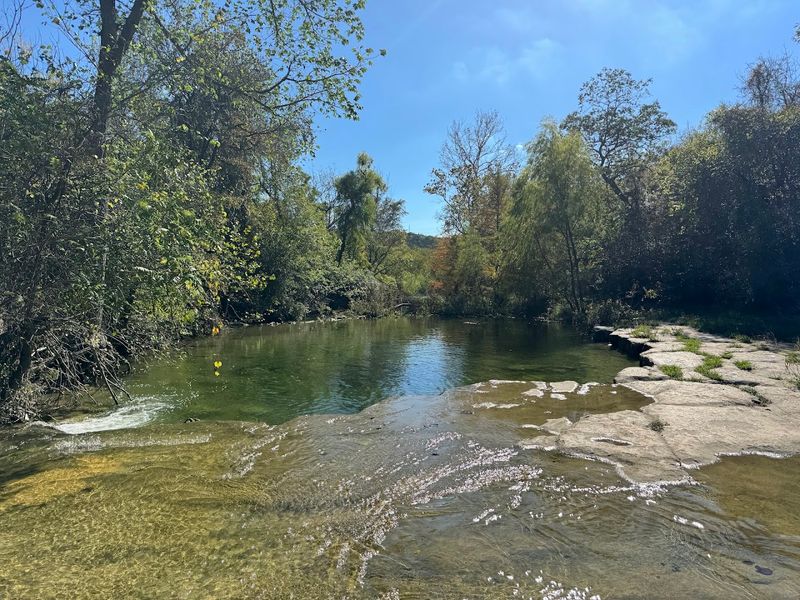
Timing a visit to St. Edward’s Greenbelt right after a good rain is one of those Austin insider tips that actually delivers. The waterfalls that trickle quietly during dry spells transform into something genuinely dramatic when the creek is running high.
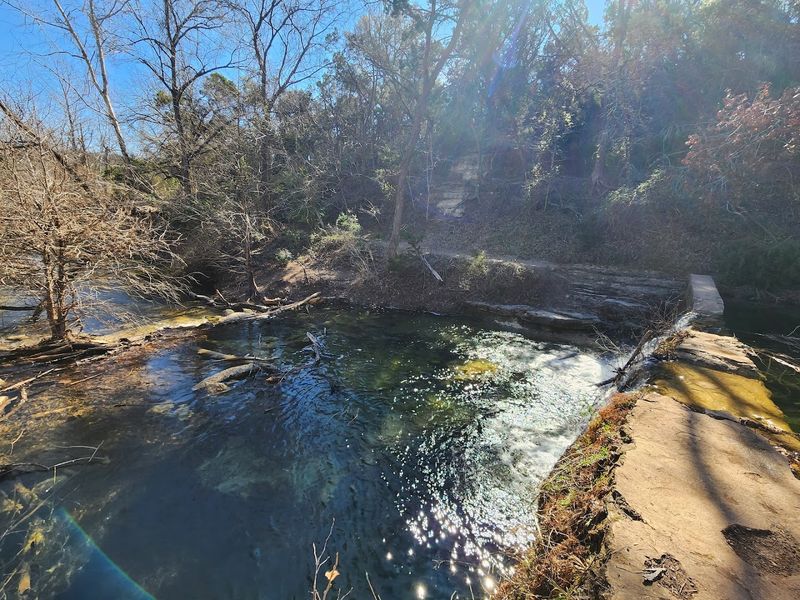
There are several spots along the trail where water drops over limestone ledges into shallow pools below, and after rainfall those drops become full, rushing cascades that are hard to walk past without stopping. The sound is loud in the best way, and the spray cools the air around you noticeably.
It feels like a reward for checking the weather app before you left the house.
Even modest rainfall a day or two before your visit can make a real difference in what you see out there. The pools fill up, the moss on the rocks turns a brighter green, and the whole canyon feels more alive and animated.
Photographing the falls is easiest in the morning when the light filters down through the trees at a low angle. If you have been putting off visiting because you assumed Texas hikes meant dry, dusty paths, this particular spot will completely change your expectations.
Natural Swimming Holes Along the Trail
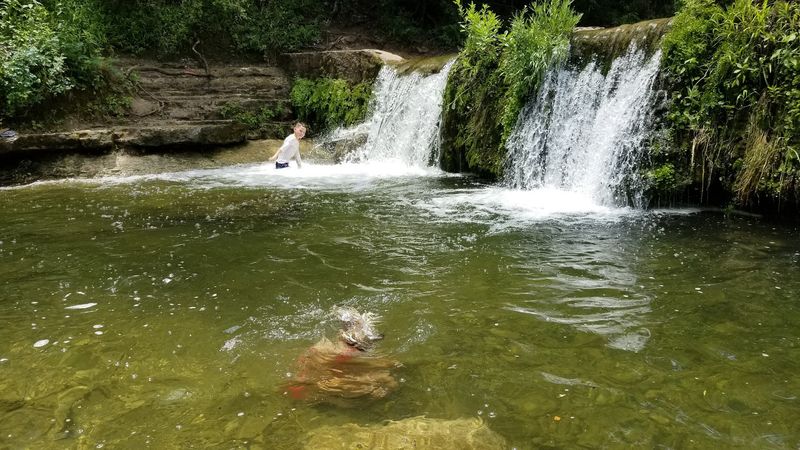
On a hot Austin afternoon, stumbling onto one of the natural swimming holes along this trail feels like finding a cheat code for summer.
The pools are shallow enough to be accessible but deep enough in spots to actually swim, and the water stays noticeably cooler than the air around it thanks to the canyon shade.
Summer weekends bring more visitors to these pools, so arriving early keeps the experience peaceful. Weekday mornings are the sweet spot if your schedule allows it.
The water is clear over limestone and you can usually see straight to the bottom, which makes it feel more like a mountain stream than a Central Texas creek.
There is an easy, unhurried rhythm to spending time at these swimming holes. People spread out on the flat rocks, kids splash in the shallows, and the whole scene has a relaxed, old-fashioned feel that is increasingly rare.
No admission fee, no crowds waiting in line, just a creek doing what creeks do. Bring water shoes if you plan to wade because the limestone can be slippery, and pack a small towel if you think you might actually take the plunge.
You probably will.
Spring Wildflowers and Seasonal Blooms
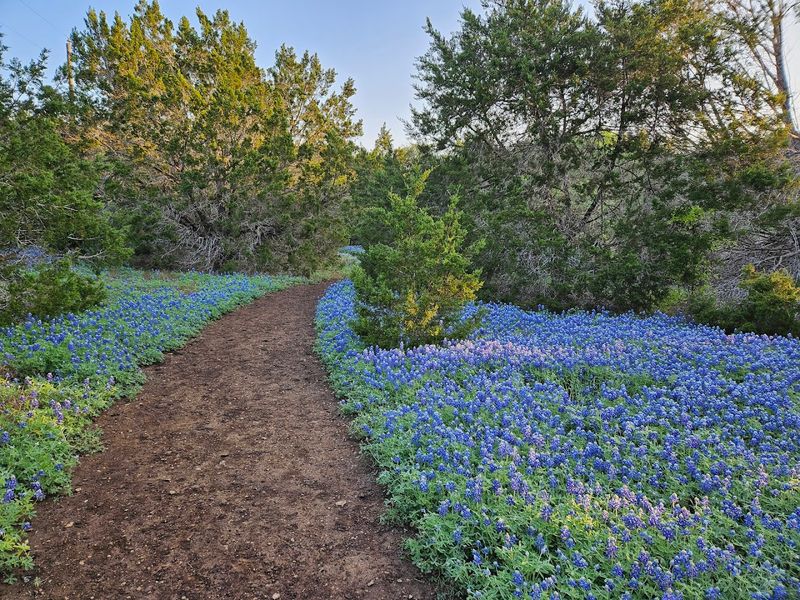
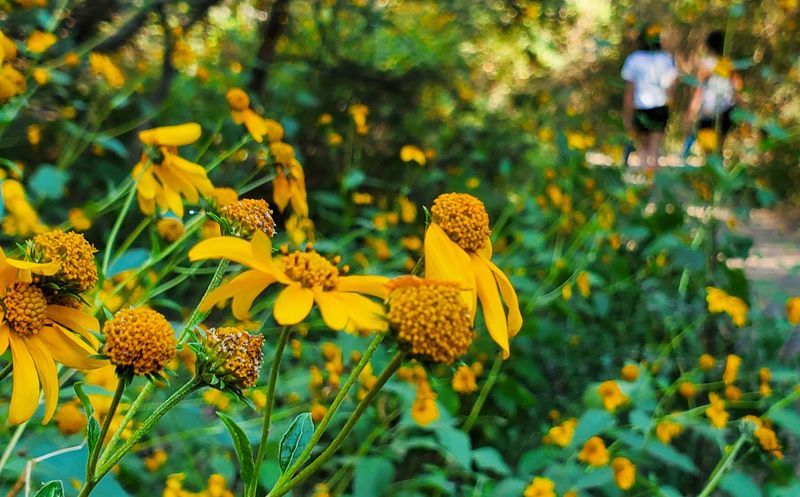
Spring at St. Edward’s Greenbelt is a genuinely different experience from any other season, and the wildflowers are the main reason why. Bluebonnets and Indian paintbrush show up along the trail edges in patches that feel almost intentionally arranged, though of course they just grow that way on their own.
The blooms usually peak somewhere between late February and mid-April depending on the rainfall and temperature that year. When conditions line up right, the color contrast between the purple-blue bonnets and the bright orange paintbrush against the grey limestone is striking enough to stop most hikers mid-step.
I took an embarrassing number of photos on my spring visit and have zero regrets about it.
Beyond the showiest blooms, there are smaller wildflowers hidden into rock crevices and along the creek bank that reward anyone willing to slow down and look closely. The park also sees an uptick in butterfly activity during this season, which adds another layer of movement and color to the whole experience.
If you only visit once a year, making that visit happen in spring is the obvious choice. The greenbelt earns its reputation most convincingly when everything is in bloom and the creek is still running strong.
Wildlife Watching on the Trail
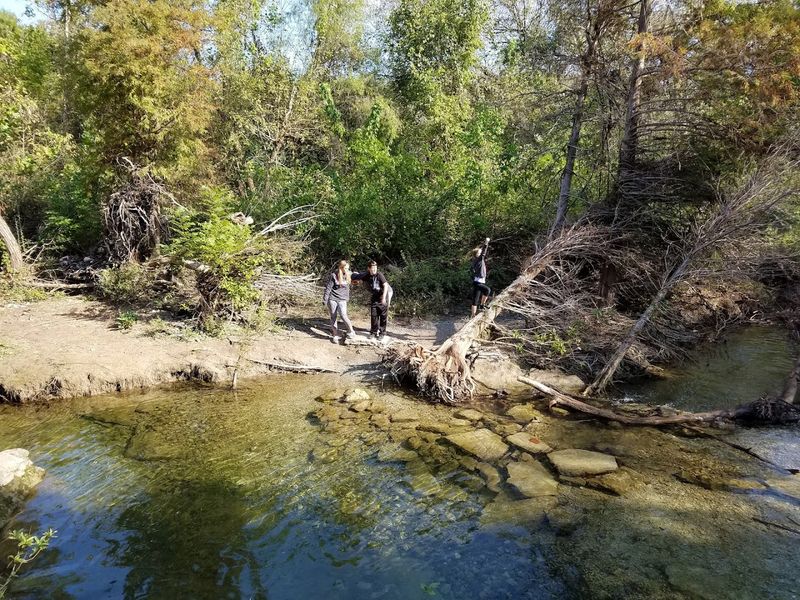
One of the quieter pleasures of hiking St. Edward’s Greenbelt is how much wildlife you can spot if you are not rushing. The creek and its surrounding habitat support a surprisingly diverse cast of animals for a park this close to a major urban center.
Turtles are a reliable sighting near the swimming holes, often lined up on rocks like they are sunbathing with great intention. Fish dart through the clear pools, and great blue herons sometimes stand motionless in the shallows waiting for a meal with almost comical patience.
Early morning visits tend to yield the most wildlife activity before the trail gets busy with other hikers.
Bird watching here is genuinely rewarding even for people who do not usually consider themselves birders. The mix of riparian habitat along the creek and the drier cedar-juniper woodland above the canyon supports a solid variety of species throughout the year.
Bringing a small pair of binoculars is not essential but it does add a lot to the experience. The greenbelt is a reminder that urban nature is still real nature, and the animals here seem entirely unbothered by the fact that a major highway is only a few minutes away.
Trail Etiquette and Shared Use With Mountain Bikers
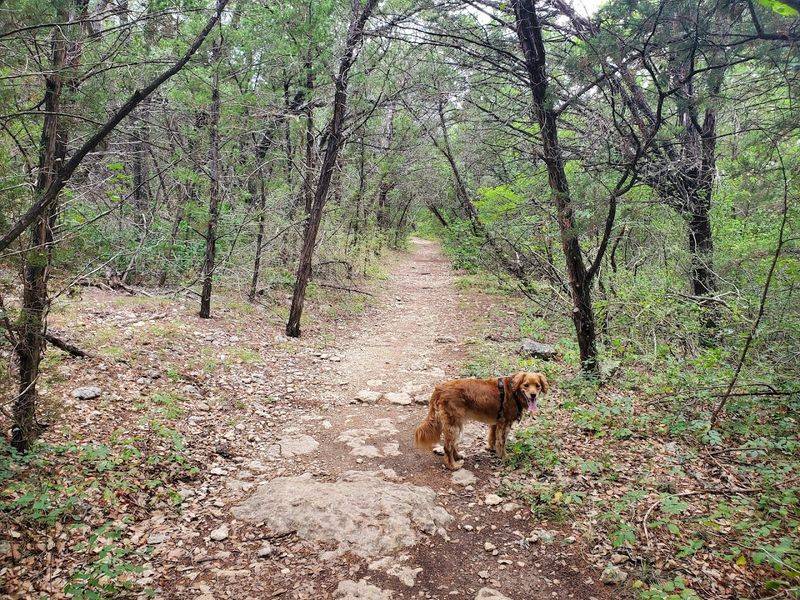
Sharing the trail with mountain bikers is part of the St. Edward’s Greenbelt experience, and it works smoothly when everyone follows a few simple habits.
Bikers tend to move fast on the downhill sections, so keeping your ears open and stepping to the side when you hear someone coming keeps things friendly.
The general rule is to yield to uphill hikers and give bikers room to pass on narrow sections. Most riders here are courteous and will call out before reaching you, but staying aware of your surroundings rather than being fully zoned into headphones makes the shared trail feel much more relaxed.
Dogs are welcome on the trail as long as they are leashed, which is genuinely appreciated by both hikers and cyclists who share the path.
Pack out everything you bring in. The trail stays as beautiful as it does because visitors take that responsibility seriously, and the community care shows.
Avoid cutting switchbacks or scrambling off-trail near the creek banks, where erosion is already a concern. The greenbelt is a shared resource and treating it that way is what keeps it accessible and intact for the next person coming down the trail behind you.
What to Pack for the Hike
Packing right for St. Edward’s Greenbelt takes about five minutes and makes a noticeable difference in how comfortable the whole outing feels. There are no water fountains or restrooms on site, so everything you need has to come with you from the trailhead.
Water is the most important thing to bring, especially between April and October when temperatures climb quickly. A liter per person is a reasonable minimum for the 2.7-mile loop, more if you plan to linger at the swimming holes or bring kids along.
Sunscreen matters too, since portions of the trail are exposed, particularly along the upper sections of the Red Loop where the tree cover thins out.
Water shoes or sandals with grip are worth tossing in your bag if you plan to wade or hop across creek crossings. The limestone gets slippery when wet and regular sneakers can be a liability near the water.
A small snack, a compact first aid kit, and your fully charged phone round out the essentials. The hike is short enough that you do not need to overpack, but light and prepared beats underprepared every single time out here.
Keep it simple and you will enjoy every step of it.
Best Times to Visit St. Edward’s Greenbelt
Picking the right time to visit St. Edward’s Greenbelt genuinely shapes the kind of experience you walk away with.
Spring is the undisputed highlight season, when wildflowers are blooming, the creek is full from winter rains, and the temperatures sit in that perfect range where you can hike without soaking through your shirt.
Post-rainfall visits in any season are rewarding for the waterfalls alone, and the creek looks its most dramatic within a day or two of a good storm. Summer mornings before 9 a.m. are the sweet spot if you want the swimming holes without the crowds.
The shade from the canyon walls helps keep the trail cooler than open terrain, but by midday in July or August the heat is real and the parking lot is packed.
Fall brings quieter trails and softer light, with the added bonus of fewer people competing for parking. Winter visits are underrated and often totally peaceful, with the bare trees opening up views of the canyon walls that are hidden behind foliage the rest of the year.
Whatever season brings you out here, arriving early and giving yourself enough time to slow down is the consistent advice that applies year-round.
Address: 7301 Spicewood Springs Rd, Austin, TX 78759
Dear Reader: This page may contain affiliate links which may earn a commission if you click through and make a purchase. Our independent journalism is not influenced by any advertiser or commercial initiative unless it is clearly marked as sponsored content. As travel products change, please be sure to reconfirm all details and stay up to date with current events to ensure a safe and successful trip.
