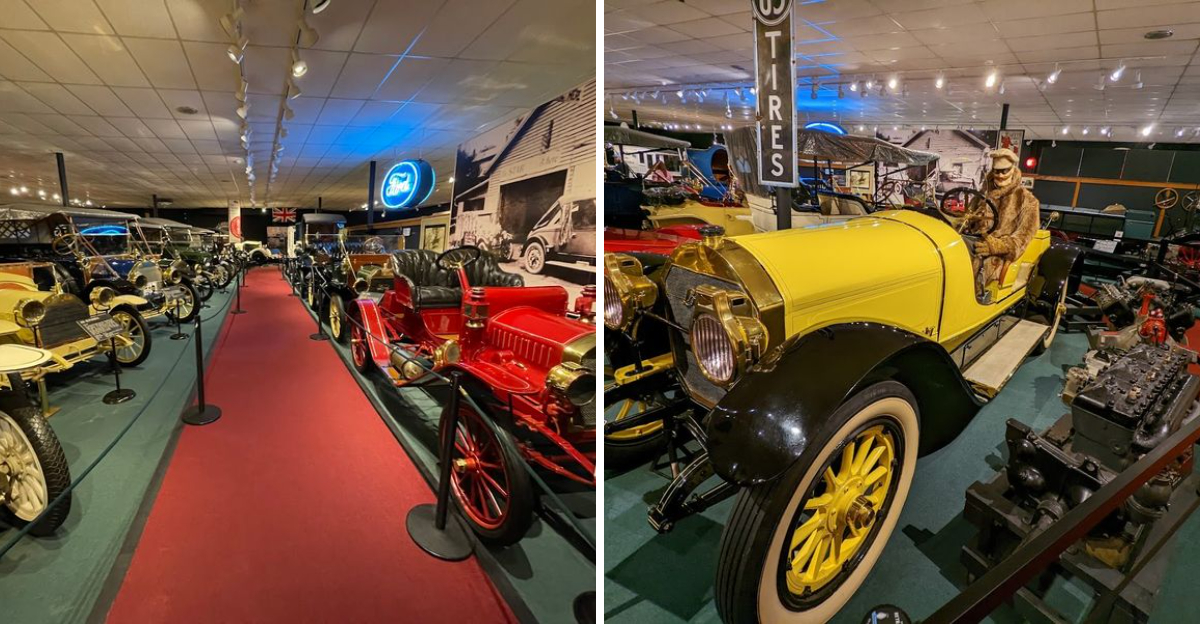
Car museums are usually above ground. Bright lights, polished floors, rows of vehicles that gleam under spotlights.
But this Virginia museum is different. It is underground, tucked into a cavern that feels like a secret lair, and the collection is something you would never expect to find in a cave.
Vintage horseless carriages from the 1800s, the kind that look like carriages with engines awkwardly attached. I walked through the space, trying to imagine what it must have felt like to ride in one of these early automobiles.
The museum is part of a larger attraction, but the car collection is the hidden gem. Virginia has plenty of car museums.
This one is underground and full of history.
The 1727 Portuguese Nobility Carriage That Started It All
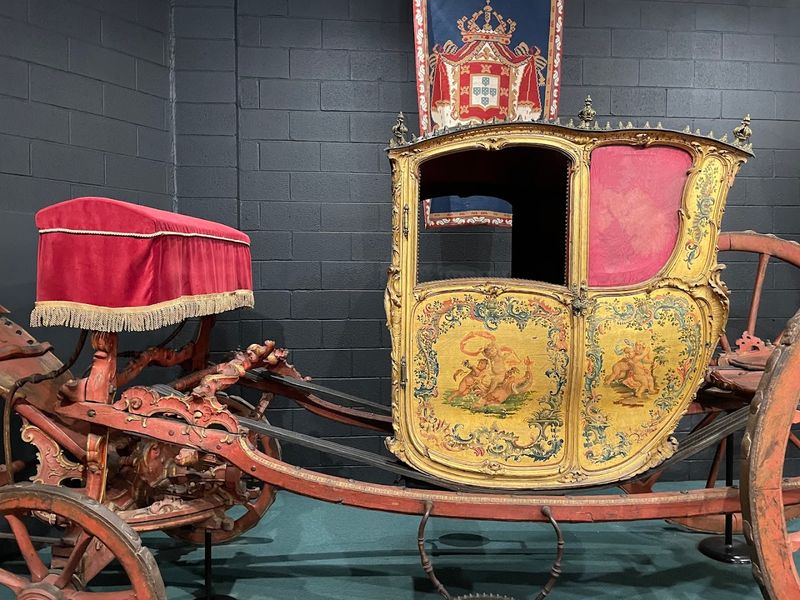
Forget everything you think you know about museum showstoppers, because this carved beauty is in a league entirely its own. The 1727 Portuguese Nobility Carriage holds the remarkable title of the oldest carriage on display in the entire Western Hemisphere, and standing in front of it feels genuinely surreal.
Every inch of this vehicle tells a story of aristocratic excess and extraordinary craftsmanship. The detailing is so intricate, so deliberate, that it’s hard to believe human hands created it without modern tools.
Gold accents catch the light just right, and the overall silhouette commands the room with quiet authority.
Virginia has no shortage of historic treasures, but this particular piece belongs in a conversation with the world’s finest museum collections. It predates American independence by nearly five decades, which puts its age into a perspective that genuinely stops you mid-step.
Carriages from this era rarely survived at all, let alone in a condition worthy of display. The Car & Carriage Caravan Museum preserves it with obvious reverence, and the result is one of those rare encounters where history feels completely tangible and alive.
An 1840 Conestoga Wagon Rolling Straight Out Of Pioneer Dreams
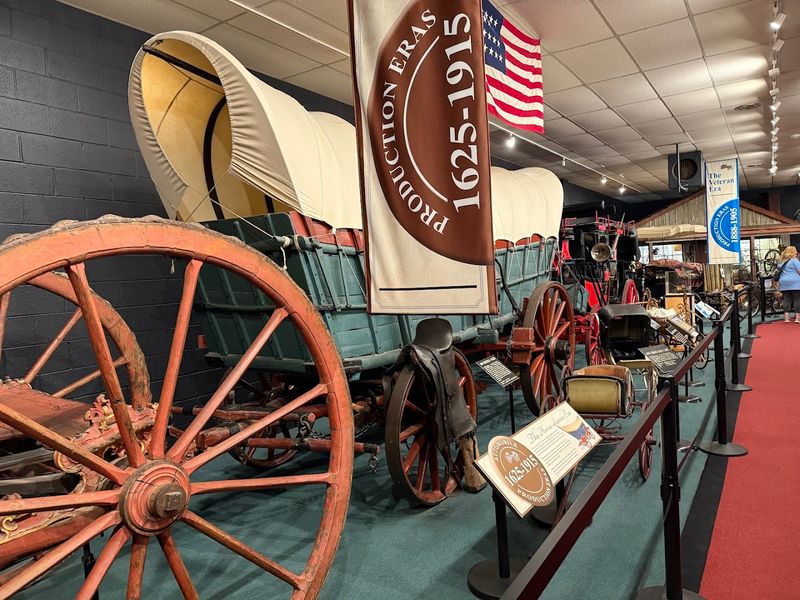
There’s something almost mythological about a Conestoga Wagon. These massive, canvas-covered beauties carried entire families and their worldly possessions across rugged terrain long before roads were anything more than glorified dirt paths.
Seeing one up close inside the Car & Carriage Caravan Museum rewires your imagination instantly.
The sheer scale of this wagon is the first thing that hits you. It’s enormous in a way that photos simply cannot capture, and the craftsmanship involved in its construction is remarkable for its era.
Every wooden plank, every iron fitting, every curve of that iconic hull shape was designed with brutal practicality in mind.
This particular piece dates to around 1840, placing it squarely in the thick of America’s westward expansion era. Virginia’s own history intersects with the Conestoga story in fascinating ways, as these wagons were essential to the movement of goods and people throughout the region.
Studying the construction up close, you start appreciating how much engineering intelligence went into what looks, at first glance, like a simple farm wagon. It is anything but simple, and the museum’s display makes sure you understand exactly why.
The 1897 Mercedes-Benz That Refuses To Quit Running
Most cars from the late 1800s exist only in photographs or as rusted, immobile relics behind velvet ropes. This one actually runs.
The nearly-century-and-a-half-old Mercedes-Benz on display at the Car & Carriage Caravan Museum is widely recognized as one of the oldest operational automobiles anywhere in the country, and that fact alone makes it extraordinary.
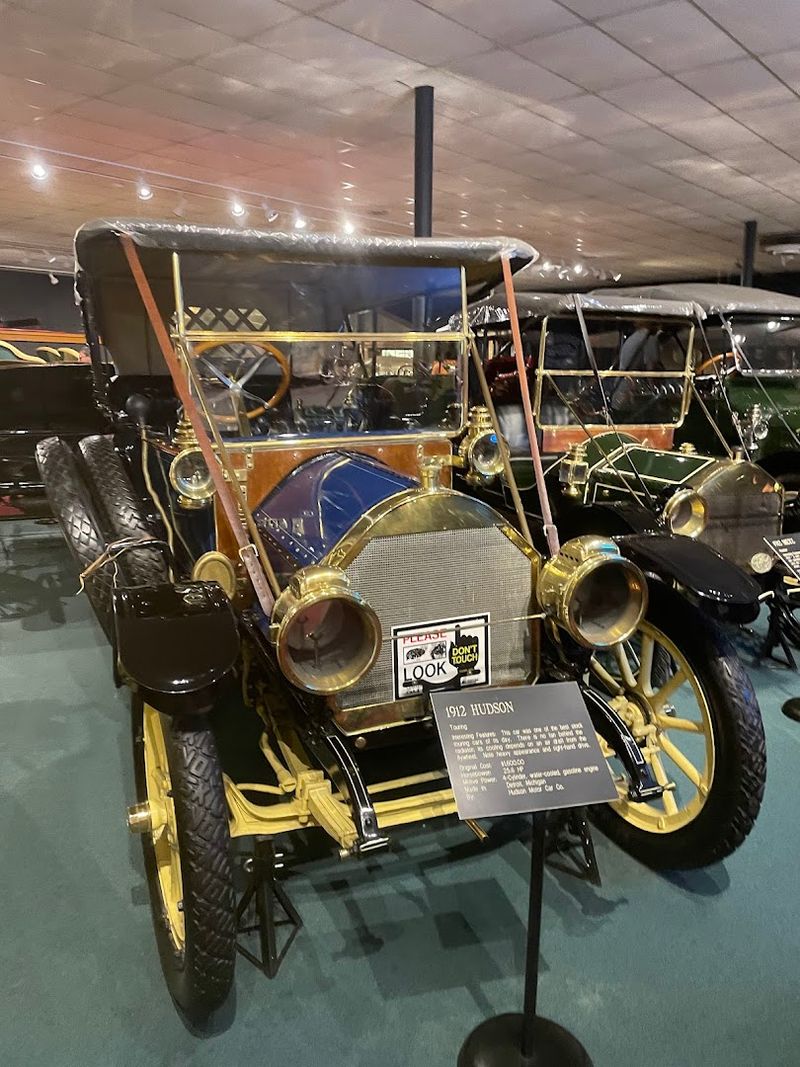
Up close, the engineering feels almost alien compared to modern vehicles. Exposed mechanics, brass fittings, and wooden-spoked wheels create a visual language that’s completely foreign to anything rolling down today’s highways.
Yet everything about it was cutting-edge for its moment in history, a genuine marvel of late-Victorian ingenuity.
Virginia is home to plenty of impressive historical collections, but few pieces carry the specific gravity of a working automobile from the 1800s. The fact that this car still operates is a testament to the meticulous restoration philosophy that defines the entire museum’s approach.
Nearly every vehicle here is maintained in running condition, which is an astounding commitment that most institutions simply cannot match. Standing beside this Mercedes, you feel the full weight of how dramatically human transportation changed within a single generation.
The Quietly Electric 1908 Baker Electric That Shocked Everyone
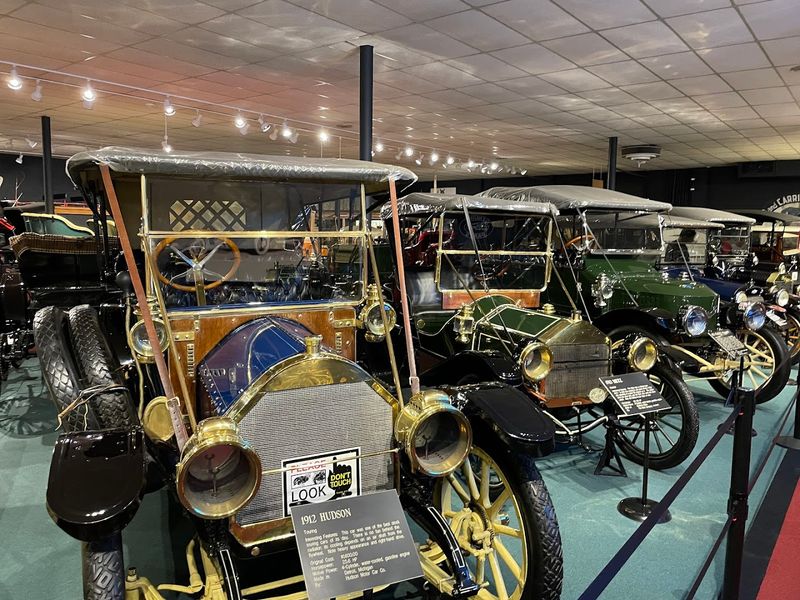
Long before electric cars became a modern obsession, there was the Baker Electric, and it was already turning heads at the start of the twentieth century. The 1908 model on display at the Car & Carriage Caravan Museum is a stunning reminder that the idea of battery-powered transportation is far older than most people realize.
Baker Electrics were popular with wealthy urban drivers who appreciated their smooth, quiet operation and freedom from the smell and noise of early gasoline engines. The silhouette is wonderfully strange to modern eyes, essentially a Victorian carriage body grafted onto an electric drivetrain, resulting in something that looks like it belongs in a steampunk fantasy.
The interior detailing on this particular example is impeccable. Tufted upholstery, polished fittings, and thoughtful ergonomics for the era all speak to a clientele that expected luxury alongside novelty.
Virginia’s transportation history is richer and more layered than most realize, and this Baker Electric represents a fascinating road not fully taken. The museum positions it perfectly within the broader chronological story, so by the time you reach it in the collection, you already appreciate exactly how revolutionary it must have felt.
A Hissing, Steaming Marvel Called The 1913 Stanley Steamer
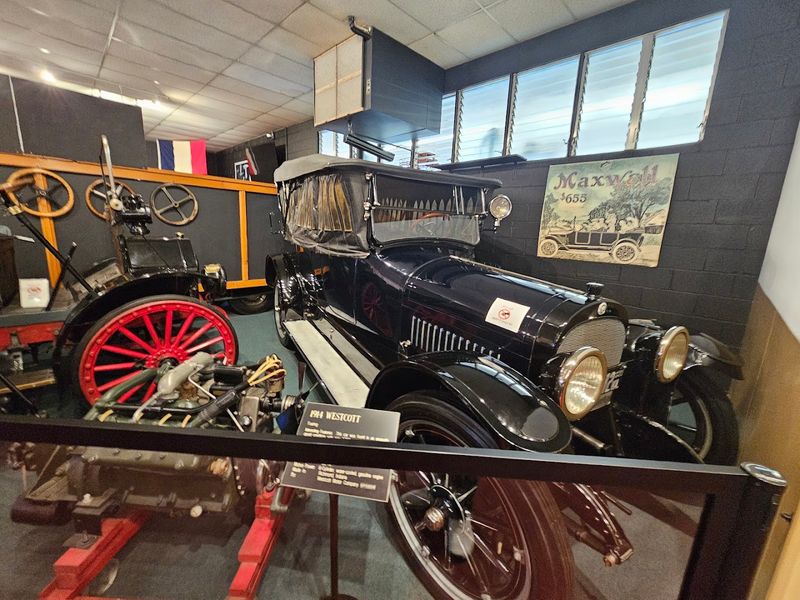
The Stanley Steamer is the kind of vehicle that sounds like a fever dream until you’re standing directly in front of one. Steam-powered personal transportation was a genuine contender in the early automobile era, and the 1913 model at the Car & Carriage Caravan Museum makes a compelling case for why the technology attracted serious devotees.
What strikes you immediately is the elegance of the design. There’s a certain elongated grace to a Stanley Steamer that gasoline-powered contemporaries often lacked, and the brass hardware catches the light in a way that feels almost theatrical.
The engineering underneath that polished exterior is genuinely complex, a miniature steam plant capable of producing surprisingly brisk performance for its era.
Stanley Steamers held land speed records at various points in automotive history, which adds a layer of unexpected drama to what might otherwise seem like a quaint curiosity. The Car & Carriage Caravan Museum contextualizes this vehicle beautifully, placing it within the fierce technological competition of early motoring.
Virginia’s roads once hosted machines like this one, navigating unpaved lanes at speeds that seemed reckless to onlookers. Seeing it displayed with such care makes the whole story feel vivid and immediate.
Horse-Drawn Coaches That Made Virginia Roads Feel Civilized
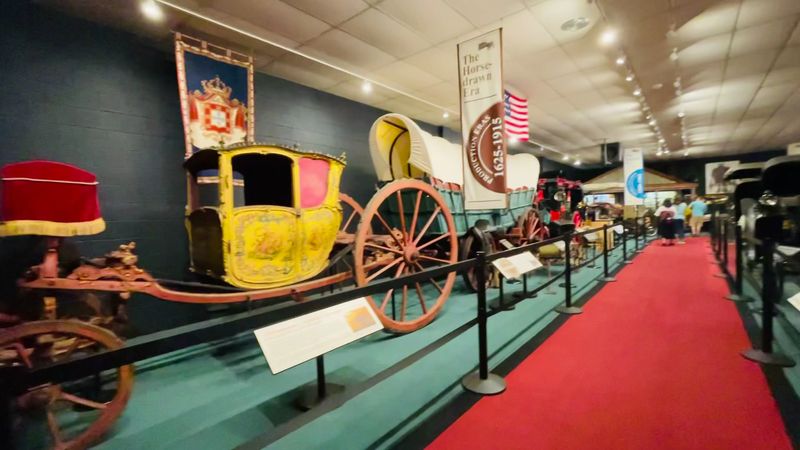
Before the combustion engine arrived to complicate everything, horse-drawn coaches were the pinnacle of personal transportation, and the examples at the Car & Carriage Caravan Museum are genuinely breathtaking in their craftsmanship. The 1840-1850 Road Coach on display represents the golden age of carriage travel, when getting somewhere in style meant climbing into one of these lacquered, lantern-lit beauties.
The construction quality is extraordinary by any standard. Coachmakers of this era combined woodworking, metalworking, leathercraft, and textile artistry into a single vehicle, and the results were objects of genuine beauty as much as utility.
Running your eyes along the curves and joints, you start to appreciate just how skilled these anonymous craftsmen truly were.
Virginia has a deep and layered connection to carriage culture, as the region’s plantation estates and bustling market towns depended heavily on horse-drawn transportation for both commerce and social life. The museum’s collection of coaches and carriages doesn’t just display objects, it reconstructs an entire world.
Each vehicle comes with context that helps you imagine the roads, the sounds, and the social rituals that surrounded it. This section of the collection tends to slow visitors down considerably, and for very good reason.
The Rolls-Royce That Proves Luxury Has Always Been Timeless
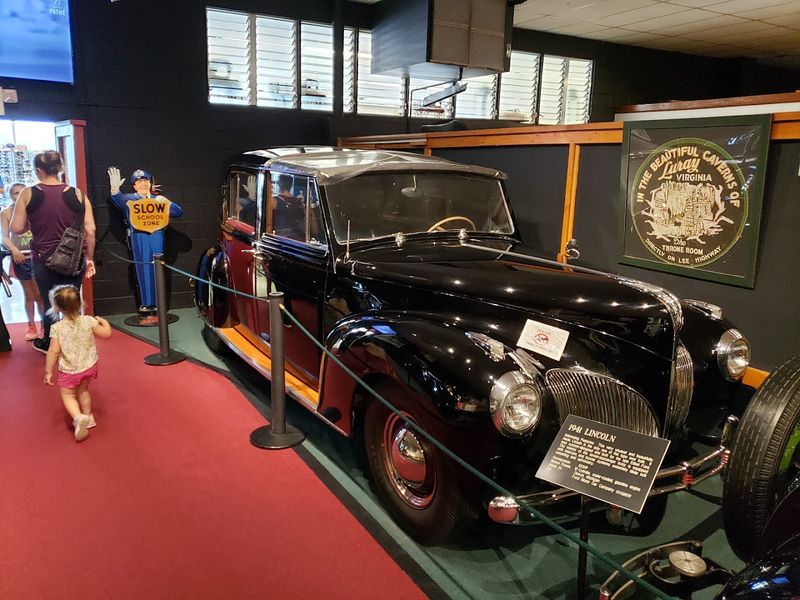
Spotting a Rolls-Royce in a Virginia transportation museum feels like finding a diamond tucked between river stones, unexpected, dazzling, and completely impossible to ignore. The example on display at the Car & Carriage Caravan Museum represents the absolute pinnacle of early automotive luxury, a rolling statement about what wealth and engineering could achieve when combined with genuine artistry.
Everything about a Rolls-Royce from this era communicates permanence. The body panels are thick, the interior fittings are precise, and the famous Spirit of Ecstasy hood ornament surveys the room with serene confidence.
This isn’t a car that was built to be replaced. It was built to outlast everyone who ever owned it, and the museum’s specimen makes that ambition feel entirely credible.
The Car & Carriage Caravan Museum places this Rolls-Royce within a broader narrative about automotive aspiration, and the contrast with surrounding vehicles is striking. Just a few feet away, early steam-powered contraptions and electric buggies remind you how rapidly the automobile evolved.
The Rolls-Royce represents a moment when that evolution found its most refined expression. Virginia rarely gets credit for housing world-class automotive treasures, but this collection argues otherwise with considerable force.
The Bugatti That Makes Grown Adults Go Completely Silent
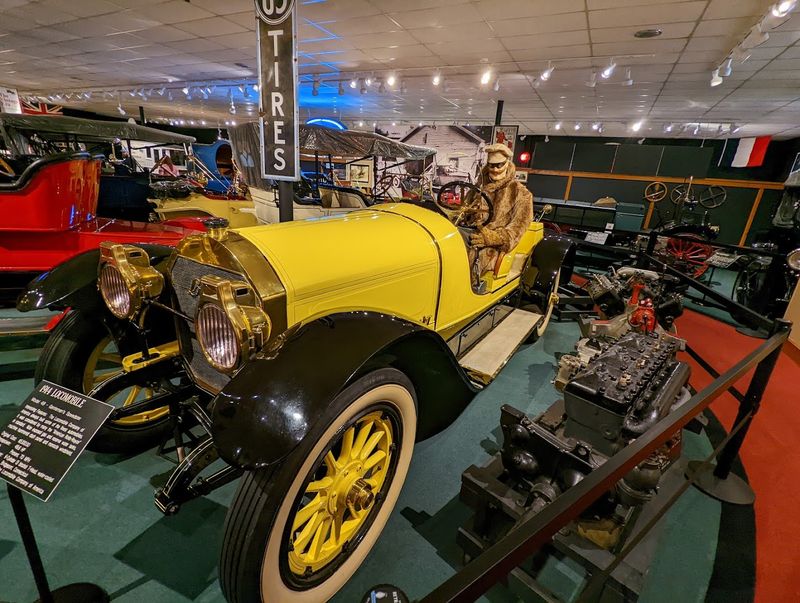
There’s a particular hush that falls over the room when people reach the Bugatti. It doesn’t matter whether they arrived as car enthusiasts or casual tourists, the reaction is nearly universal.
Something about the proportions, the paint, and the almost sculptural precision of the bodywork stops conversation cold and replaces it with pure, unfiltered admiration.
Bugatti built automobiles the way other craftsmen built fine instruments, with obsessive attention to every component and an absolute refusal to compromise on materials or finish. The museum’s example demonstrates this philosophy beautifully, preserved in a condition that makes it look freshly completed rather than many decades old.
The wire-spoke wheels alone are a masterclass in functional elegance.
Virginia’s Car & Carriage Caravan Museum earns significant credibility from housing a piece like this. Bugattis are rare in any context, and finding one in a museum that also contains horse-drawn carriages from the 1700s creates a genuinely remarkable span of transportation history within a single building.
The chronological layout of the collection means you arrive at the Bugatti after absorbing everything that came before it, which makes the encounter feel like a well-earned reward. It’s a highlight in a collection full of highlights.
The Chronological Layout That Turns History Into An Adventure
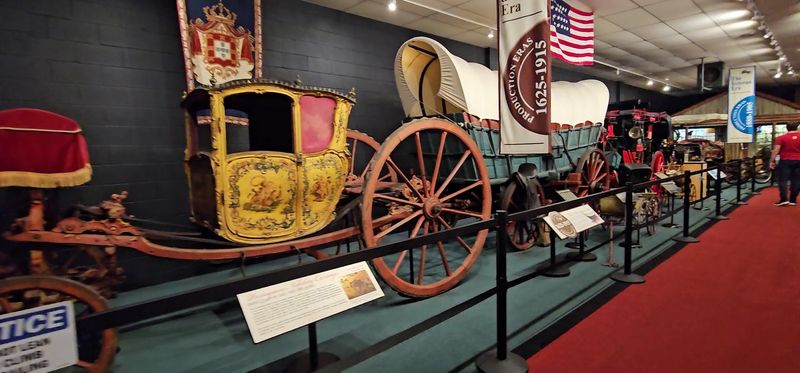
Walking through the Car & Carriage Caravan Museum isn’t just browsing a collection, it’s experiencing time travel with extremely good lighting. The vehicles are arranged in chronological order, which transforms what could feel like a random assortment of old machines into a coherent, compelling story about how humans figured out movement.
Starting with the horse-drawn carriages from the 1700s and moving steadily forward through steam power, early electrics, and gasoline engines, the progression feels almost cinematic. Each vehicle represents a chapter, and the transitions between chapters are genuinely exciting.
You can actually feel the moments when everything changed, when one technology gave way to the next and the world shifted permanently.
The museum’s layout rewards slow, attentive walking more than any other approach. Rushing through means missing the information plaques that add context and personality to each exhibit.
Virginia has produced many worthwhile museum experiences, but few structure their collections with this much narrative intelligence. The Car & Carriage Caravan Museum understands that objects without context are just objects, and it goes to considerable lengths to ensure every piece connects to something larger and more meaningful than its own mechanical details alone.
Planning Your Visit To This Unforgettable Luray Experience
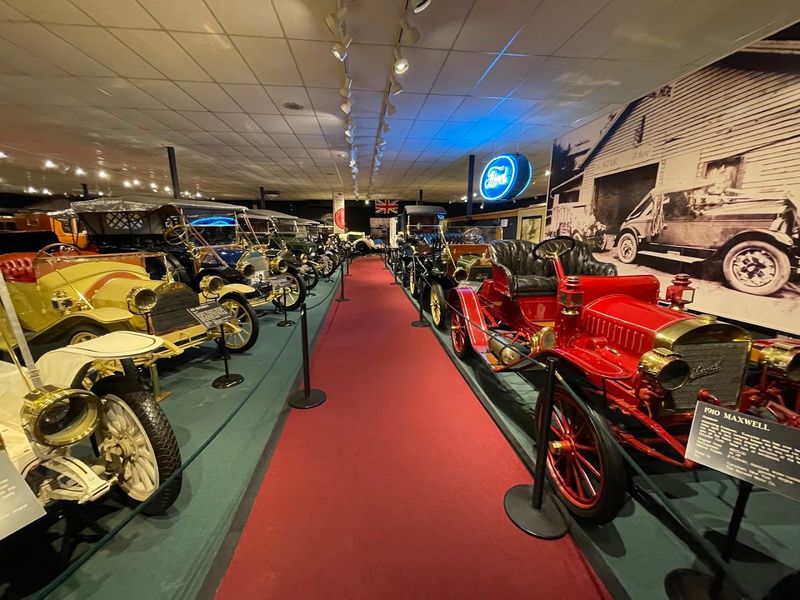
Getting to the Car & Carriage Caravan Museum is refreshingly straightforward, and the experience pairs perfectly with a visit to the adjacent Luray Caverns. Museum admission is included with your caverns ticket, which means you essentially get two world-class attractions for the price of one.
That kind of value is genuinely rare, and it makes the whole outing feel like a fantastic deal.
The museum is open daily, which gives you plenty of scheduling flexibility regardless of when you’re passing through Virginia’s Shenandoah Valley. Plan to spend at least an hour inside, more if you’re the type who reads every information plaque and lingers over details.
The self-guided format lets you move at your own pace, which is exactly how a collection this rich deserves to be explored.
You’ll find the Car & Carriage Caravan Museum at 101 Cave Hill Rd, Luray, VA 22835. The surrounding area offers beautiful Shenandoah scenery that makes the drive itself worthwhile.
After touring underground caves and a stunning vintage vehicle collection in a single afternoon, you’ll leave with the very specific satisfaction of someone who found something genuinely special. Pack comfortable shoes, bring your curiosity, and get ready to be surprised by how much history one building can hold.
