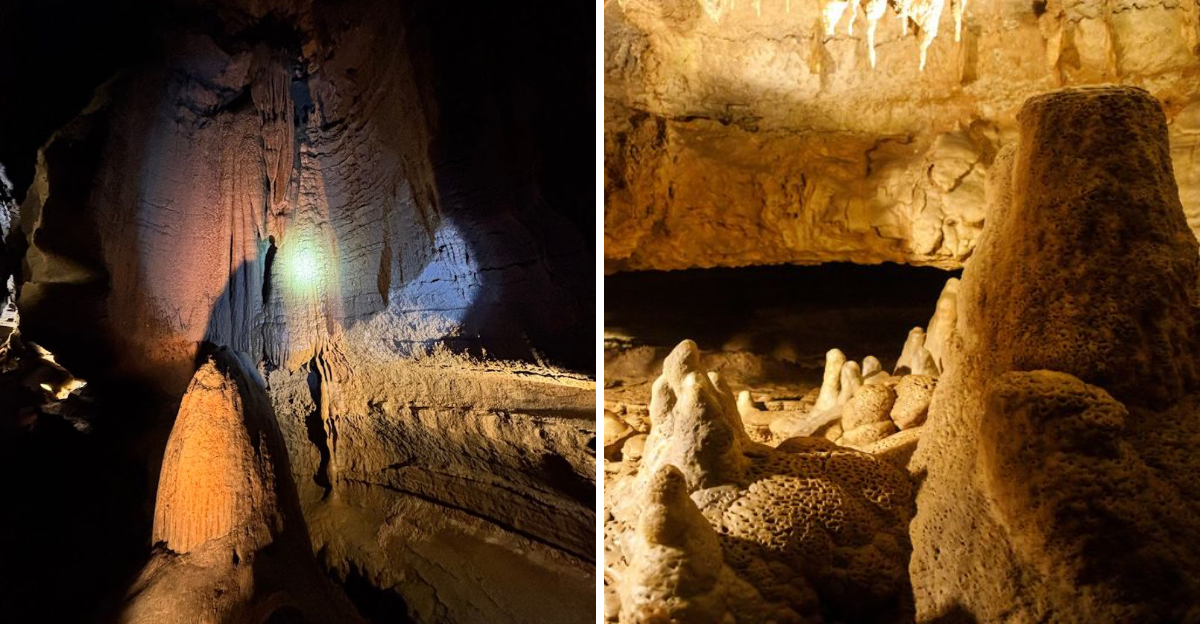
Deep in the southwestern corner of Missouri, near the small town of Noel, lies an underground wonder that challenges everything you thought you knew about the natural world.
This cave transforms the ordinary into the extraordinary, offering visitors a chance to walk among ancient limestone formations that took millions of years to create.
With knowledgeable guides leading the way and pathways that bring you remarkably close to delicate mineral structures, this living cave continues to grow and change with each passing season, making every visit a unique experience into Earth’s hidden artistry.
The Discovery Story and Early Exploration
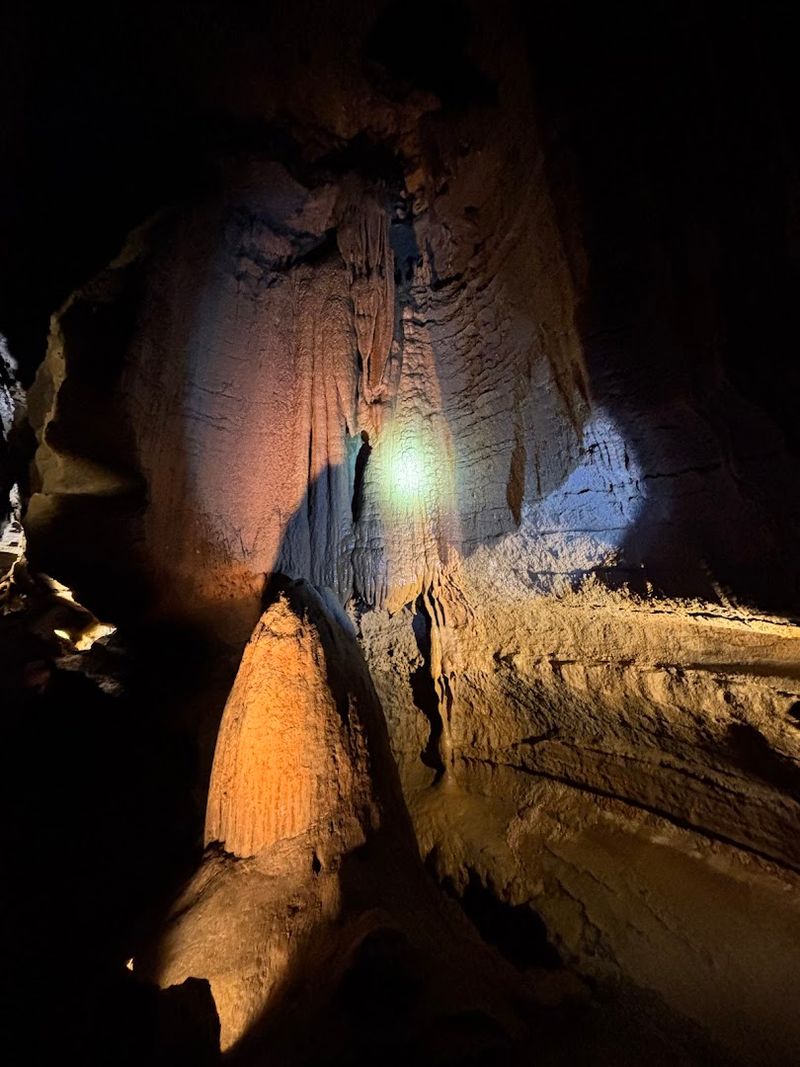
Back in 1925, local residents stumbled upon what would become one of Missouri’s most beloved natural attractions.
The opening to Bluff Dwellers Cave revealed itself almost by accident, and within two years, the owners had developed safe pathways and lighting systems to share this geological marvel with curious visitors.
The cave formed during the Paleozoic Era within the Pierson Limestone, a process that took countless millennia of water slowly carving through solid rock.
What makes this discovery particularly fascinating is how well-preserved the formations remained until modern times.
Early explorers found evidence of ancient inhabitants, including artifacts that suggested Native Americans had used the cave entrance for shelter centuries before European settlers arrived in the region.
Walking through the entrance today feels much like those first explorers must have experienced, albeit with better lighting and carefully maintained pathways. The cave maintains a constant temperature of around 56 degrees year-round, creating a comfortable environment regardless of the season outside.
Modern visitors benefit from decades of careful study and preservation efforts that allow close-up views of formations without causing damage.
The commitment to education and preservation has turned this cave into more than just a tourist stop.
Guides share geological knowledge alongside historical anecdotes, helping visitors understand both the science behind stalactite and stalagmite formation and the human connection to these underground spaces throughout history.
Remarkable Limestone Formations Up Close
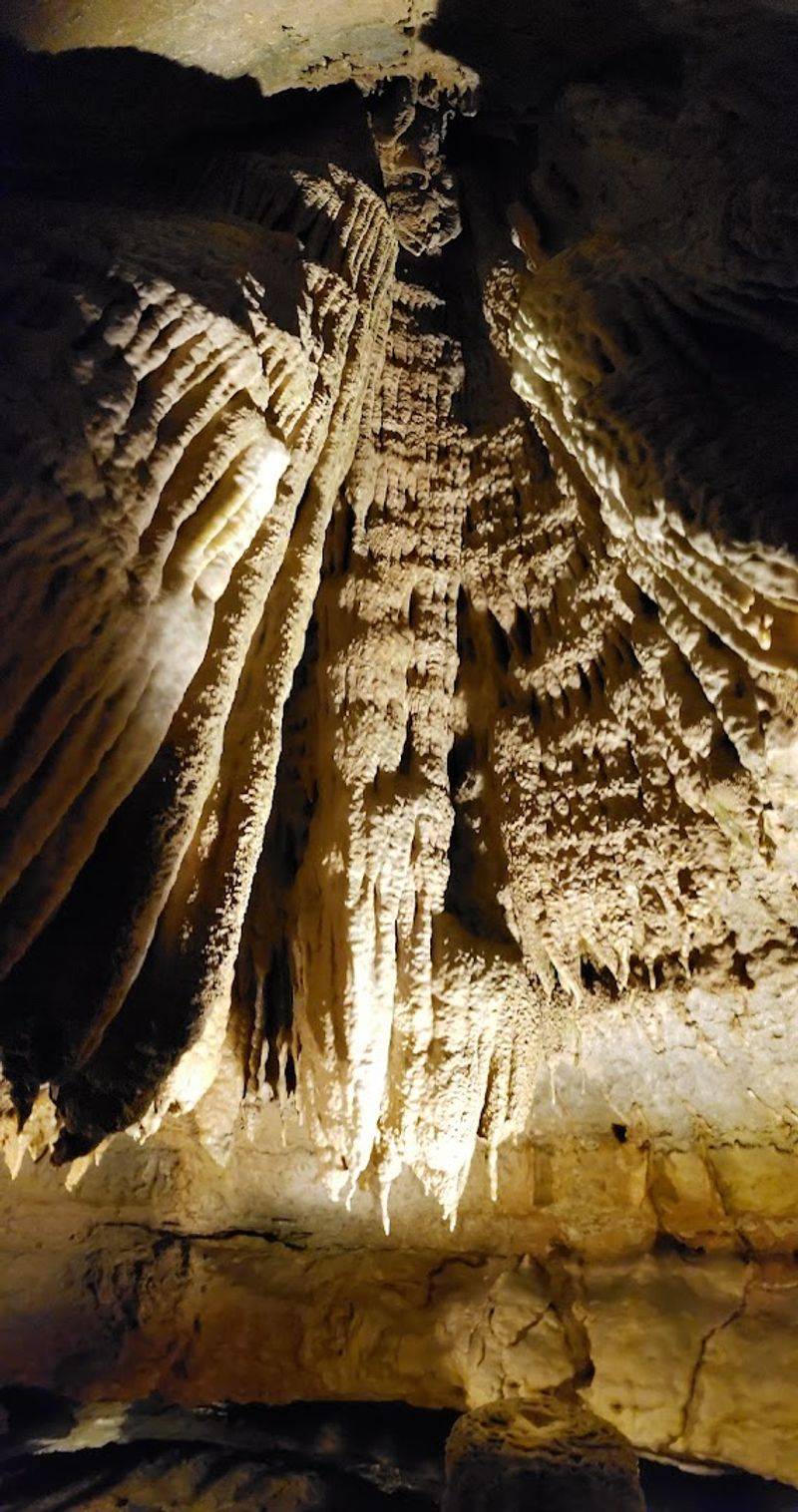
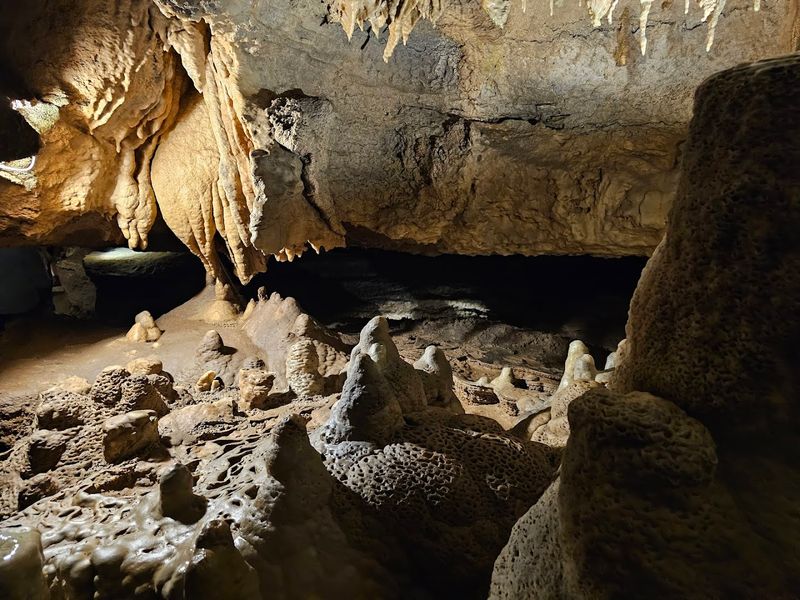
Standing beneath formations that stretch from floor to ceiling creates an almost otherworldly sensation. Unlike many show caves where visitors must keep their distance, Bluff Dwellers Cave allows remarkably close access to its mineral wonders.
Stalactites hang like frozen waterfalls from the ceiling, while stalagmites rise from the floor in columns that have grown one tiny mineral deposit at a time over thousands of years.
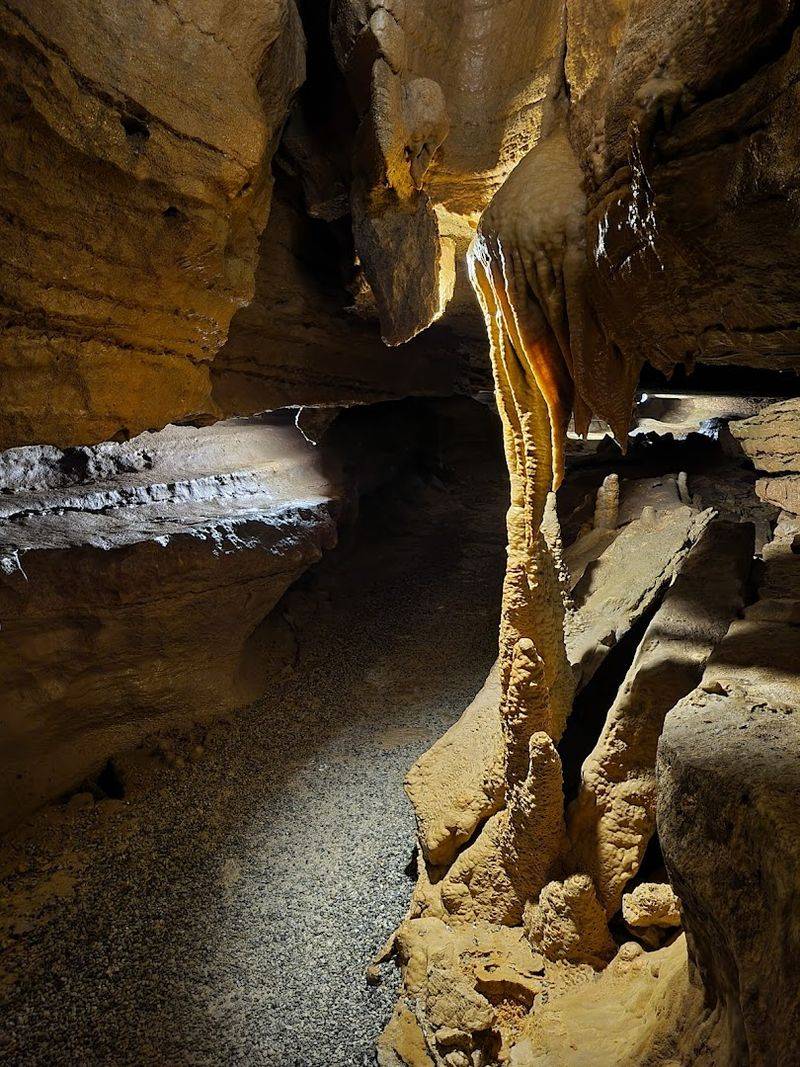
The lighting system installed throughout the cave enhances the natural beauty without overwhelming it. Soft illumination reveals the intricate details of flowstone cascades, where mineral-rich water has created sheets of stone that resemble frozen rivers.
Some formations display bands of different colors, evidence of varying mineral content in the water that created them over different geological periods.
What truly sets this cave apart is the active nature of its formations. Water still drips through the ceiling in many areas, meaning the cave continues to grow and change.
You might spot glistening droplets hanging from the tips of stalactites, each one carrying dissolved minerals that will eventually add another microscopic layer to the formation. This living quality makes the cave feel less like a museum and more like witnessing an ongoing natural process.
Guides point out specific formations with names earned through their distinctive appearances. Some resemble animals, others look like curtains or draperies, and still others create abstract sculptures that spark imagination.
The variety of shapes and sizes throughout the cave demonstrates the incredible diversity that simple water and limestone can create given enough time and the right conditions.
Knowledgeable and Entertaining Tour Guides
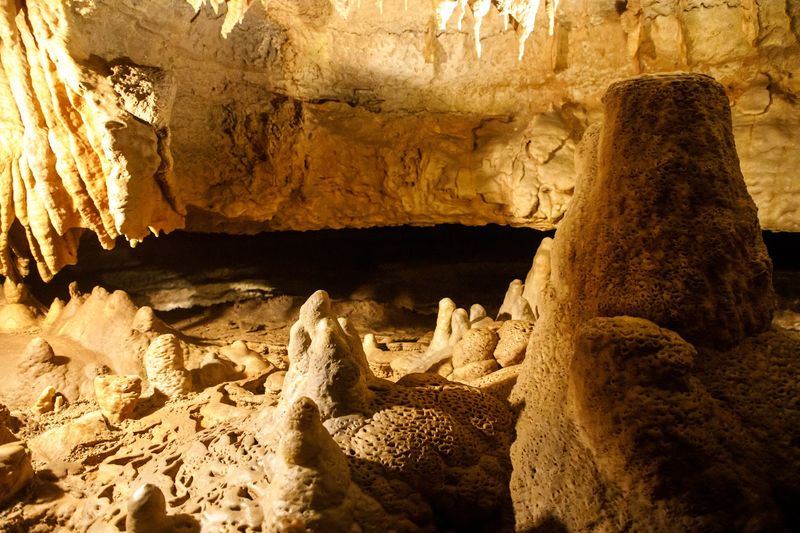
Guides at Bluff Dwellers Cave make the tours both educational and genuinely fun. These aren’t scripted presentations delivered robotically to group after group.
Instead, guides adapt their approach based on the audience, answering questions thoroughly and sharing insights that go beyond basic facts about rock formations.
The humor that guides weave into their presentations keeps tours lively without detracting from the educational content. They know when to pause for dramatic effect as you round a corner to see a particularly impressive formation.
They understand which spots offer the best photo opportunities and willingly help families capture group shots in front of stunning backdrops.
What really stands out is how guides handle questions. Rather than rushing through a predetermined script, they welcome curiosity and take time to provide thoughtful answers.
Whether someone asks about the age of a specific formation, the types of minerals present, or the creatures that live in the cave, guides draw on extensive knowledge to respond accurately.
This flexibility and genuine passion for sharing information elevates the experience far beyond what you might expect from a standard tourist attraction.
Cave Wildlife and Ecosystem
Caves support unique ecosystems that most people never get to observe, and Bluff Dwellers Cave provides opportunities to spot some of these specialized creatures. People have encountered bats hanging from cave ceilings, even during winter months when you might not expect to find them active.
These small mammals play crucial roles in controlling insect populations and contribute to the cave ecosystem through their presence.
Salamanders represent another fascinating element of cave life here. These amphibians have adapted to the dark, moist environment, and spotting one during a tour adds an extra layer of excitement to the experience.
Cave salamanders often display pale coloration compared to their surface-dwelling relatives, an adaptation to life in perpetual darkness where camouflage serves little purpose.
The constant temperature and high humidity levels create ideal conditions for these creatures. While the cave maintains that steady 56-degree environment year-round, the animals living here have evolved specific adaptations that allow them to thrive in these conditions.
Some cave-dwelling species have reduced eyesight or no eyes at all, relying instead on other senses to navigate and find food in the darkness.
Guides explain the importance of protecting these delicate ecosystems and the rules that help preserve them. Visitors learn why touching formations or disturbing wildlife can have lasting negative impacts.
The presence of living creatures in the cave serves as a powerful reminder that this is not just a geological feature but a functioning ecosystem that deserves respect and careful stewardship for future generations to appreciate and study.
The Museum and Gift Shop Experience
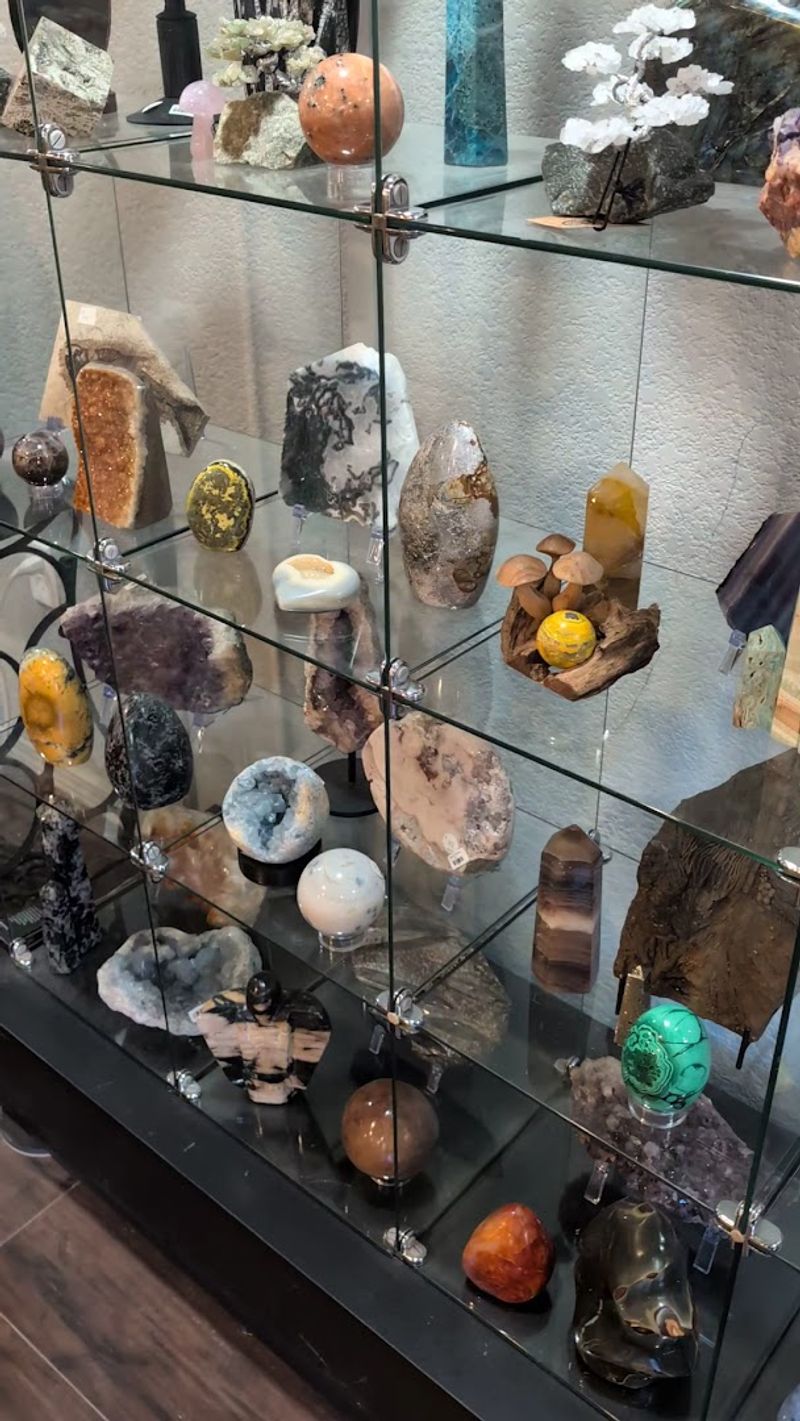
Before or after your cave tour, the museum and gift shop offer additional ways to extend your underground adventure. The museum section features displays about cave formation, local geology, and artifacts discovered in the area.
Educational exhibits help visitors understand the broader context of what they’re seeing underground, with information about the Ozark region’s geological history and the forces that created these limestone caves.
Fossil and mineral specimens on display give you a chance to examine closely what you might have only glimpsed during the tour. Seeing these items up close helps them better understand what they observed in the cave itself.
The collection includes examples from other locations as well, providing comparison points that highlight what makes Bluff Dwellers Cave special within the larger world of cave formations.
The gift shop stocks items ranging from simple souvenirs to genuine mineral specimens that make meaningful keepsakes.
Unlike typical tourist trap shops with overpriced trinkets, this retail space offers educational materials, books about caves and geology, and items that connect meaningfully to the experience you just had underground.
The staff working in these areas demonstrate the same friendliness and knowledge that characterizes the tour guides. They can answer questions about items for sale, provide recommendations based on your interests, and share additional information about the cave and surrounding area.
The clean, well-maintained facilities include restrooms, a small detail that contributes significantly to overall comfort during your visit.
Family-Friendly Accessibility and Atmosphere
Three-generation family trips succeed here because the cave tour accommodates various ages and ability levels. The pathways, while requiring some walking and occasional steps, remain manageable.
The hour-long tour strikes a good balance between providing substantial content and not overstaying its welcome.
Safety measures installed throughout the cave allow visitors to focus on the natural beauty rather than worrying about hazards. Railings appear where needed, pathways remain well-maintained, and lighting ensures everyone can see where they’re stepping.
The guides watch out for the group, adjusting pace as needed and ensuring no one gets left behind or feels rushed through the experience.
The atmosphere remains welcoming and relaxed rather than rigid or overly formal, encouraging questions and interaction.
Seasonal Changes and Repeat Visit Appeal
Caves might seem unchanging, but Bluff Dwellers Cave reveals different characteristics depending on when you visit. Water flow increases during rainy seasons, making formations glisten more dramatically and increasing the dripping sounds that echo through the chambers.
Drier periods show different aspects of the formations, with less active water movement but clearer views of mineral deposits.
Spring brings increased water activity as winter snow melts and spring rains filter through the ground above. The additional moisture can make certain formations appear more vibrant, and you might hear more pronounced dripping sounds throughout the cave.
Summer offers the added benefit of escaping heat outside, with that constant 56-degree temperature feeling refreshingly cool compared to Missouri’s humid summer days.
Fall visits coincide with beautiful scenery in the surrounding Ozark region, making the trip to Noel worthwhile for both the cave and the landscape. The changing leaves create stunning vistas along the drive, and the moderate temperatures make the approach to the cave comfortable.
Winter tours provide a unique perspective, with the contrast between cold surface temperatures and the relatively warmer cave environment creating interesting effects near the entrance.
Each season offers something slightly different, whether it’s increased water flow, different wildlife activity, or simply experiencing the cave under different outside conditions that affect your perception of the underground environment.
Location and Surrounding Noel Area
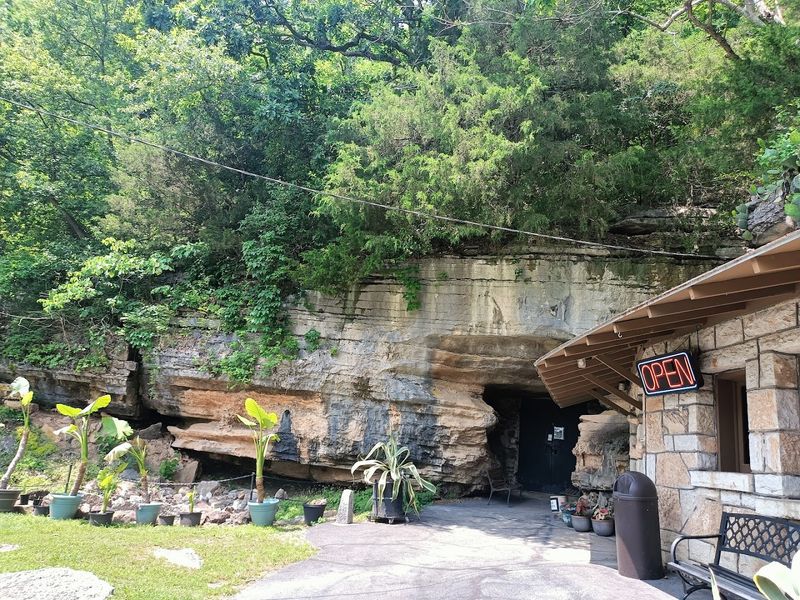
Noel sits in the southwestern corner of Missouri, tucked into McDonald County where the state meets both Oklahoma and Arkansas. The town itself offers a quiet, rural atmosphere that contrasts sharply with the geological drama hidden beneath the surface at Bluff Dwellers Cave.
The Elk River flows through this region, creating the bluffs and valleys that give the area its distinctive character and contribute to the cave’s formation over geological time.
Getting to the cave requires traveling along Cave Road just south of Noel proper. The rural setting means you’ll drive through genuine Ozark countryside, with forested hills and occasional glimpses of the river valley.
This isolation from major urban centers helps preserve the natural character of both the landscape and the cave itself, though it also means planning your visit with some awareness of the rural location and available services.
The Elk River attracts people for floating trips during warmer months, and some travelers specifically plan to visit the cave as part of a longer Ozark exploration. The region offers scenic drives, particularly during fall when the hardwood forests display brilliant colors.
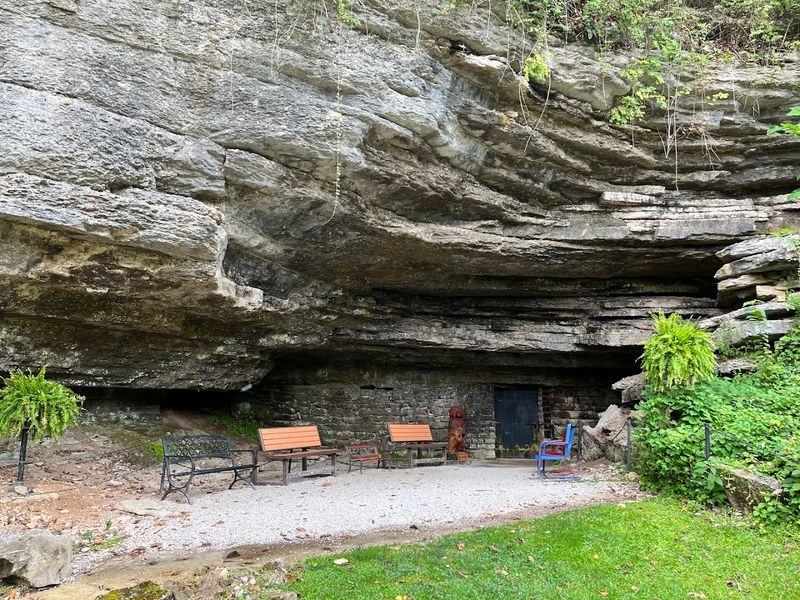
The surrounding bluffs that give the cave its name create dramatic scenery above ground as well. These limestone formations rise along the river, evidence of the same geological processes that created the cave system below.
Understanding this connection between surface features and underground spaces adds another layer of appreciation for the landscape and the forces that shaped it over millions of years.
Practical Visitor Information and Planning
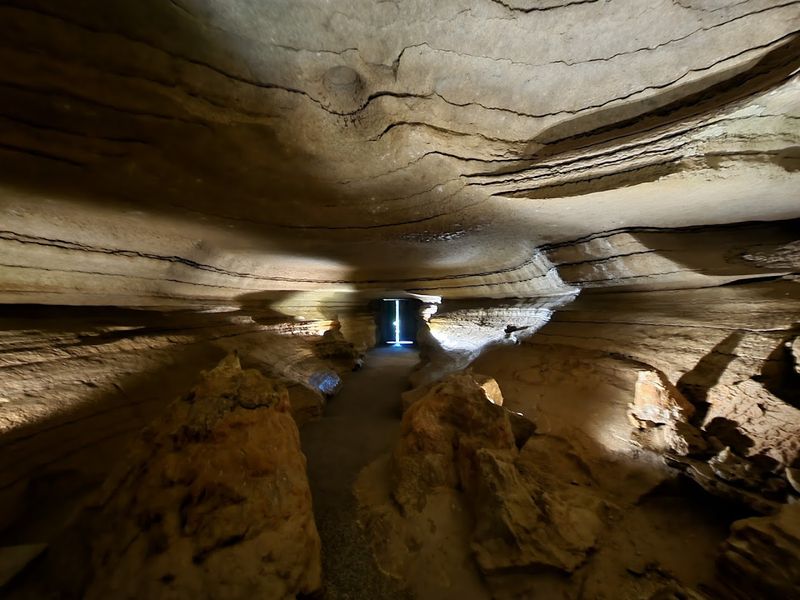
Planning your visit to Bluff Dwellers Cave starts with understanding the practical details that make for a smooth experience. The cave operates daily from 10 AM to 6 PM, with tours running regularly throughout the day.
Arriving early can mean smaller tour groups and a more intimate experience, though the staff handles larger groups professionally when needed.
Ticket prices remain reasonable for the quality and length of the tour, though specific costs should be confirmed through the official website or by calling ahead. The gift shop accepts standard payment methods, and the sifting area provides an additional hands-on activity.
Dress appropriately for the constant 56-degree temperature inside the cave. This feels cool during summer but relatively warm during winter visits.
A light jacket or long sleeves work well regardless of the season outside. Comfortable walking shoes with good traction are essential, as cave floors can be damp in places.
The pathways are well-maintained, but you’ll be walking for about an hour, so footwear matters more than fashion.
The cave’s location at 163 Cave Road in Noel makes it accessible for travelers exploring the Ozarks region. Consider combining your visit with other area attractions or outdoor activities.
The facility includes clean restrooms, important for families and anyone traveling significant distances to reach this southwestern Missouri destination. Checking the website or calling ahead ensures you have current information about tour times and any seasonal variations in the schedule.
Dear Reader: This page may contain affiliate links which may earn a commission if you click through and make a purchase. Our independent journalism is not influenced by any advertiser or commercial initiative unless it is clearly marked as sponsored content. As travel products change, please be sure to reconfirm all details and stay up to date with current events to ensure a safe and successful trip.
