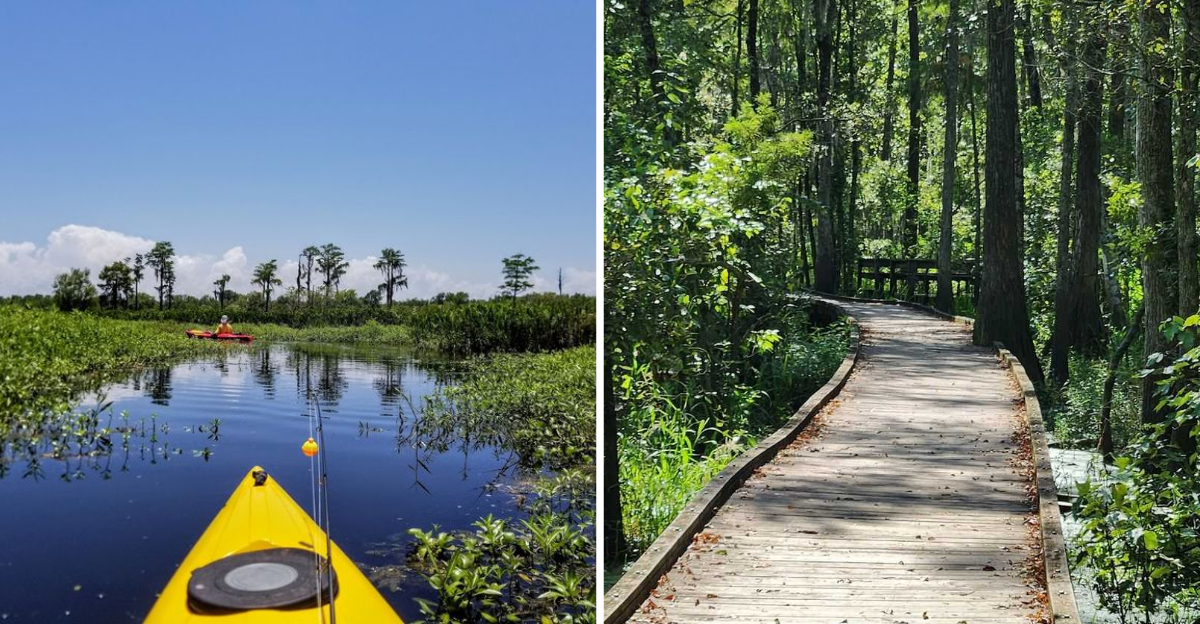
You will not find a plaque at this swamp. No visitor center.
Definitely no gift shop selling stuffed alligators in plastic bags. What you will find are birds.
Hundreds of them. Herons, egrets, ibises, spoonbills, all nesting in the same stretch of Louisiana swamp. Over 100 nests packed into the trees, some low enough to see the chicks poking their heads up.
I paddled a small boat through the channels, engine off, moving slow. The noise was incredible.
Squawking. Chirping.
The flap of wings. Every branch seemed to have a bird on it. Louisiana is famous for its wildlife, but this swamp feels like the real thing.
Raw. Messy.
Alive. And not a single thing for sale.
The Swamp Walk Boardwalk: Your Elevated Path Into the Wild
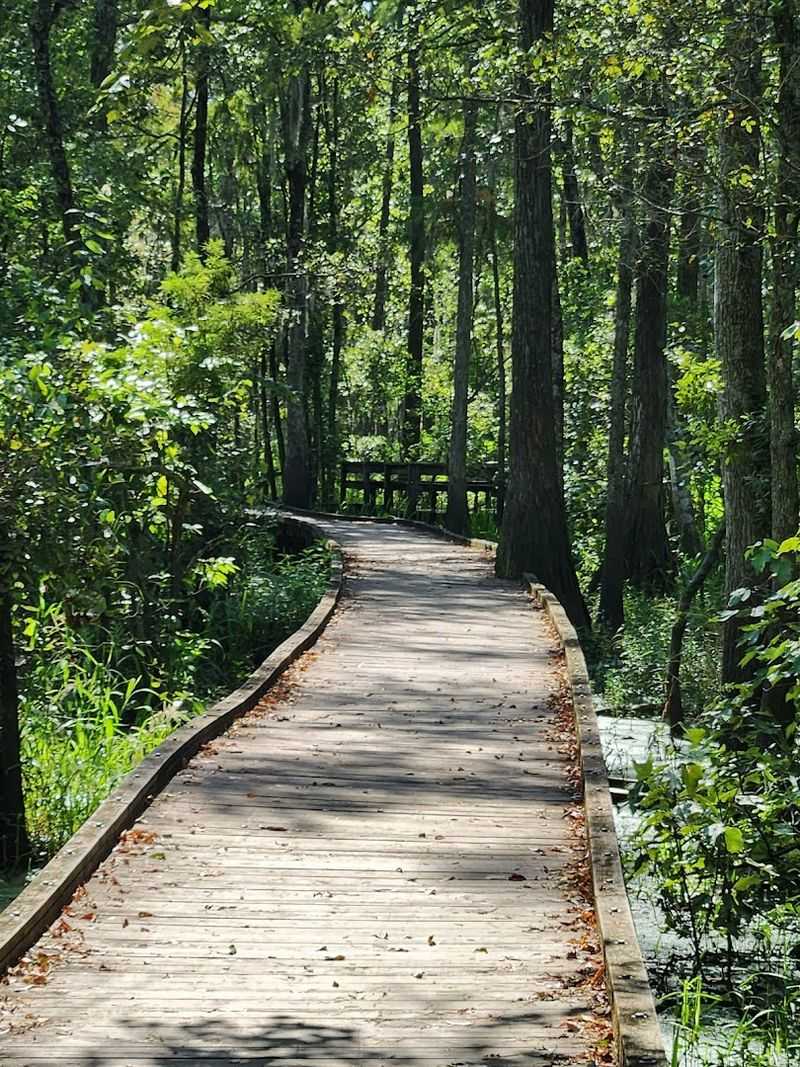
The boardwalk at Joyce WMA is not just a path. It is a whole experience that shifts the moment you step off solid ground and feel the wood planks beneath your feet, slightly damp from the morning air.
The elevated walkway extends roughly a quarter mile out into the swamp interior, giving you a genuine above-water perspective of the ecosystem below. You are not behind glass, not on a guided tour bus.
You are right there, with the smell of mud and moss and something ancient drifting up from the water.
Signs along the route identify the trees, plants, and animals you might encounter, which is genuinely helpful if you are not a botanist or a birder by trade. The cypress knees poking up through the water look almost sculptural.
The tupelo trees lean at odd angles like they are listening to something you cannot hear.
Benches are scattered along the route, and sitting on one while the swamp wakes up around you is something that is hard to describe without sounding dramatic. It is just very, very quiet in the best possible way.
One visitor tip worth knowing: go early in the morning. The walk ends facing the sunrise direction, and the light that comes through the trees at that hour turns everything gold and copper.
There are no facilities on site, so bring water and plan accordingly. The boardwalk is a relatively easy, flat walk that most people can manage comfortably.
42,292 Acres of Protected Swamp: Why the Size Actually Matters
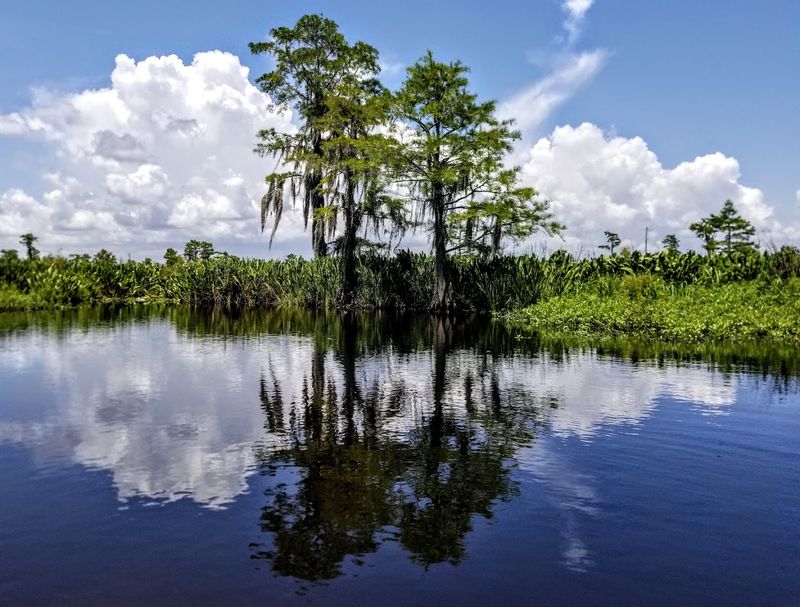
Most people hear the word “sanctuary” and picture something small and tidy, maybe a little pond with a few ducks. Joyce WMA is the opposite of that.
At 42,292 acres, it is the kind of protected space where wildlife actually has room to behave naturally, without being compressed or crowded by human development.
The land is managed by the Louisiana Department of Wildlife and Fisheries, and it sits within Tangipahoa Parish, forming a critical part of the broader wetland ecosystem that keeps this region ecologically healthy. Cypress-tupelo swamp and dense shrub marsh make up the bulk of the terrain.
These habitat types are increasingly rare and genuinely important for flood control, water filtration, and carbon storage.
For the animals that live here, the size means everything. Alligators have been spotted at lengths of nine to ten feet in these waters.
Bald eagles and osprey nest in and around the area. White ibis, herons, and egrets move through the marsh year-round in numbers that remind you how productive a healthy wetland can be.
For visitors, the scale of the place means you are never quite sure what you might see. That unpredictability is part of what makes it worth coming back to.
There is always something new happening in a wetland this large. The whole ecosystem is in constant motion, even when the surface looks perfectly still.
You start to understand, pretty quickly, why protecting places like this is worth the effort.
Wood Ducks, Wading Birds, and the Birdwatching Scene Here
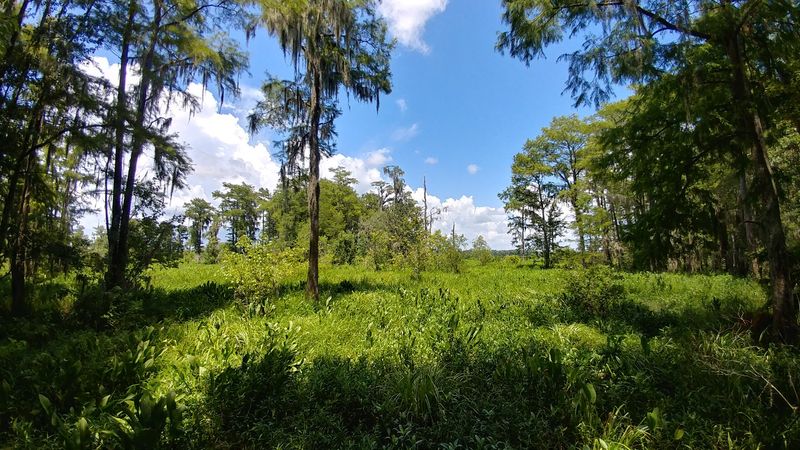
Birdwatching at Joyce WMA has a way of turning casual visitors into people who suddenly want a field guide and a pair of binoculars. The variety of species here is genuinely impressive, and you do not need to be an experienced birder to appreciate it.
The Louisiana Department of Wildlife and Fisheries maintains over 50 wood duck nesting boxes throughout the management area. Wood ducks are arguably one of the most visually striking birds in North America, with iridescent green and chestnut plumage that looks almost too colorful to be real.
Spotting one perched near the water is a genuine highlight of any visit.
Beyond wood ducks, the WMA is recognized as a site along the American Wetlands Birding Trail, which tells you something about the caliber of bird activity here. White ibis are a common sight, moving through the marsh in small groups with their curved orange bills.
Great blue herons stand motionless at the water’s edge with the patience of something ancient and wise.
Bald eagles and osprey nest in the area too, and catching a glimpse of either one is the kind of thing that makes you stop mid-step and just stare. During spring migration, warblers and other small songbirds pass through in waves.
One visitor mentioned spotting migrating warblers and a snake on a single short visit, which honestly captures the unpredictable energy of the place perfectly. Come with low expectations and an open mind, and the birds will do the rest.
Alligators, Purple Irises, and the Wildflowers Nobody Talks About
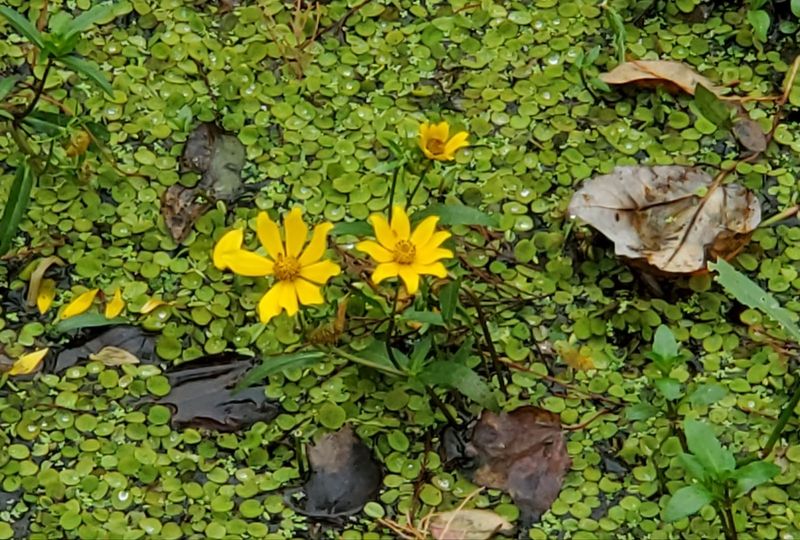
Spring at Joyce WMA brings something that feels almost theatrical. Purple irises bloom along the water’s edge in clusters that look like they were arranged by someone with a very good eye for color.
They appear in the shallows between cypress roots, floating just above the dark water in a way that makes the whole swamp feel unexpectedly delicate.
The irises are native Louisiana iris, and they typically peak in late March through April. Timing matters if you want to catch them at their best.
A few visitors have mentioned arriving just after peak bloom and still finding enough flowers to make the trip worthwhile, so there is some flexibility in the window.
Then there are the alligators. They share the same water as the irises without any apparent conflict of interest, which is its own kind of wonderful.
Alligators at Joyce WMA have been reported at impressive sizes, with some reaching nine to ten feet in length. They tend to rest near the surface or along the banks, often so still that you might mistake one for a log until it moves.
The contrast between the soft purple flowers and the prehistoric stillness of a large alligator nearby is genuinely one of the more surreal visual experiences the Louisiana swamp offers. Butterflies also move through the area, drawn by the blooms, adding yet another layer to the scene.
It is the kind of place where beauty and wildness coexist without either one apologizing for the other.
No Gift Shop, No Crowds: What Makes This Place Genuinely Different
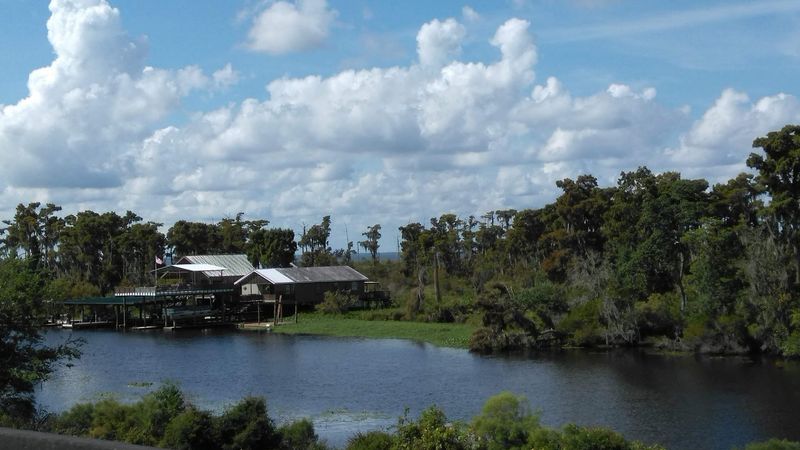
There is something quietly radical about a place that offers no merchandise, no admission fee, and no organized entertainment. Joyce WMA asks nothing from you except a self-clearing permit, which you fill out on arrival, and a basic respect for the ecosystem you are entering.
The permit system is simple and free. It exists so that wildlife managers can track visitor use and protect the habitat over time.
It takes about two minutes and feels like a fair trade for access to 42,292 acres of protected swamp. No lines, no ticket booth, no waiting.
The lack of amenities is partly what keeps the crowds manageable. There are no bathrooms on site, no food vendors, and no maps handed out at an entrance gate.
You need to come prepared, which naturally filters out the people who are not serious about being there. What remains is a visitor experience that feels genuinely calm and unhurried.
People come here to disconnect, and the place supports that completely. One visitor described it as the spot they go when they need to disappear from the noise of daily life, and that rings true.
There is no background music, no interpretive center with a gift shop attached, and no organized tour group to accidentally walk into.
What you get instead is the swamp itself, doing exactly what it has always done, entirely indifferent to whether anyone is watching. That indifference is oddly comforting.
It makes the whole visit feel like something you earned rather than something you purchased.
Planning Your Visit: What to Know Before You Go
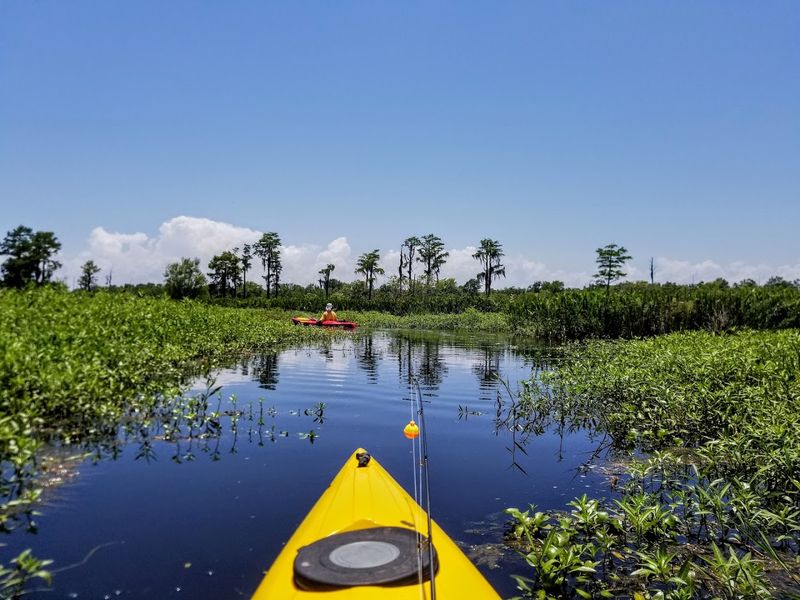
Getting to Joyce WMA requires a little navigation patience. The entrance sits off Highway 51 near Ponchatoula, and signage along the main roads is minimal.
More than one visitor has driven past it without realizing, so it is worth plugging the coordinates or address into your phone before you leave home.
Parking is available on site, and it is free. From the parking area, the boardwalk begins after crossing a set of railroad tracks, which involves stepping over some rough terrain on either side of the rails.
This section is not wheelchair accessible, which is a genuine limitation worth knowing in advance if accessibility is a concern.
The boardwalk itself is flat, easy, and manageable for most fitness levels. It is a relatively short walk, so do not arrive expecting a full-day hiking trail.
Think of it as a focused, intentional experience rather than a long trek. The quality of what you see more than compensates for the distance.
Morning visits consistently deliver the best wildlife activity and the best light. Frogs are especially vocal in the early hours, and the sunrise view from the end of the boardwalk has been mentioned by multiple visitors as a highlight worth setting an alarm for.
No dogs are allowed within the WMA, so leave your furry companions at home on this one.
Bring water, wear comfortable shoes with grip, and consider insect repellent during warmer months. The swamp is generous with its mosquitoes.
A visit here stays with you long after you leave.
