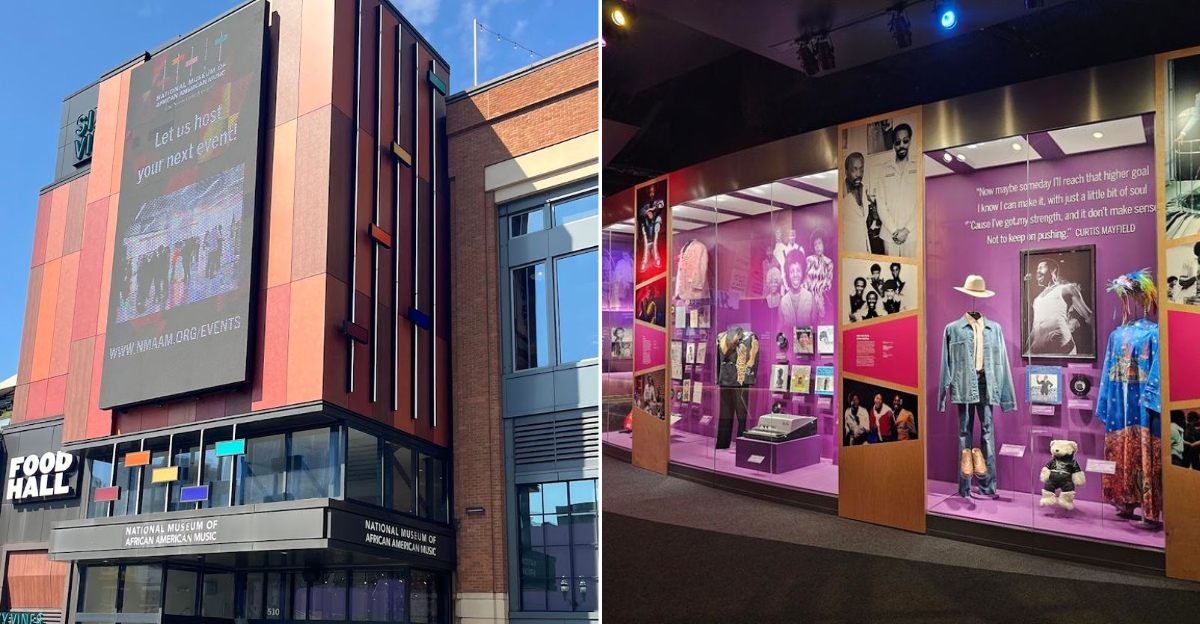
Your history lesson hits harder when it comes with a beat. The National Museum Of African American Music in Nashville shows how Southern history sounds when you follow the music, because every genre carries stories that textbooks love to skim past.
You walk in expecting a museum, and you end up feeling like you entered a timeline you can actually hear. The exhibits connect people, places, and movements through sound, so the past stops feeling distant and starts feeling personal.
Instead of staring at dates, you start noticing how songs traveled, how styles blended, and how culture survived pressure. It is part celebration, part reality check, and the mix keeps you engaged the whole way through.
One moment you are smiling at a familiar hook, and the next you are standing still because the context just clicked. The museum also makes it easy to stay present.
You listen more, you rush less, and you leave with new connections in your head that keep replaying on the walk back out. If you want a Nashville stop that means something, this is it.
Start In The Roots Theater And Let The Intro Set The Tone
Start here, because the Roots Theater does that quiet, goosebump thing where the lights go down and your shoulders relax before the first note lands. The film stitches voices, instruments, and hometown scenes into a wide, moving mural that feels bigger than the room.
You sit there, and Tennessee turns into a sound you can trace, with faces and places opening up like liner notes you can finally read.
The visuals are bold without shouting, and the audio wraps around you in a way that makes whispery details feel close. You hear field hollers, porch songs, and church harmonies sit next to street corners and city stages, and the throughline comes into focus.
It is not trying to lecture you, it just shows you how a rhythm starts and refuses to quit.
By the time the credits fade, you are tuned for the rest, like someone slid a fresh record under the needle. You leave with a baseline in your head and a sense of direction in your feet.
The museum’s address lands in your memory with the soundtrack, because you started right: National Museum of African American Music, 510 Broadway, Nashville, TN 37203.
Wade In The Water Gallery, Spirituals And Gospel As Survival Soundtracks
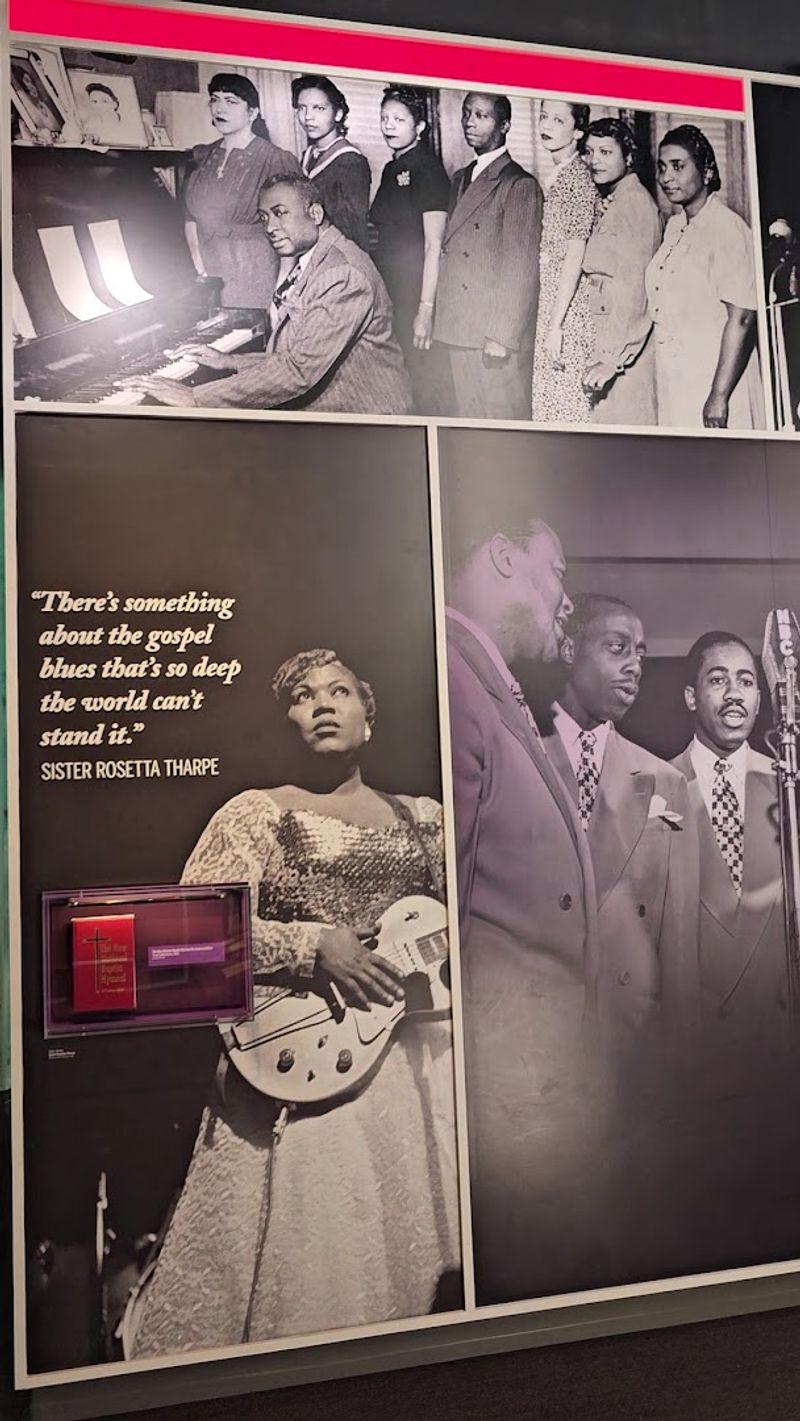
This gallery breathes in a different rhythm, the kind that sits in your chest before it moves your feet. The room leans into spirituals and gospel, and the lighting feels like stained glass without the windows.
You listen with your shoulders down and your jaw unclenched, because these harmonies were shelter, strategy, and code all at once.
There are stations where the lyrics open like doors, and you start hearing layers you missed for years. A call draws out a response, and the answer carries hope and warning in the same breath.
You can almost feel pews under you, and the songs reach toward the ceiling while keeping a steady grip on the floor.
What sticks is how survival can sound beautiful without being soft. The gallery shows choirs, quartets, and solo voices that turned Sundays into training for everything waiting outside.
When you step out, the hallway noise feels louder, but your ears are steadier, like you are bringing a chorus with you into the rest of the museum and into Tennessee streets.
Rivers Of Rhythm Corridor, The Timeline That Connects Music And History
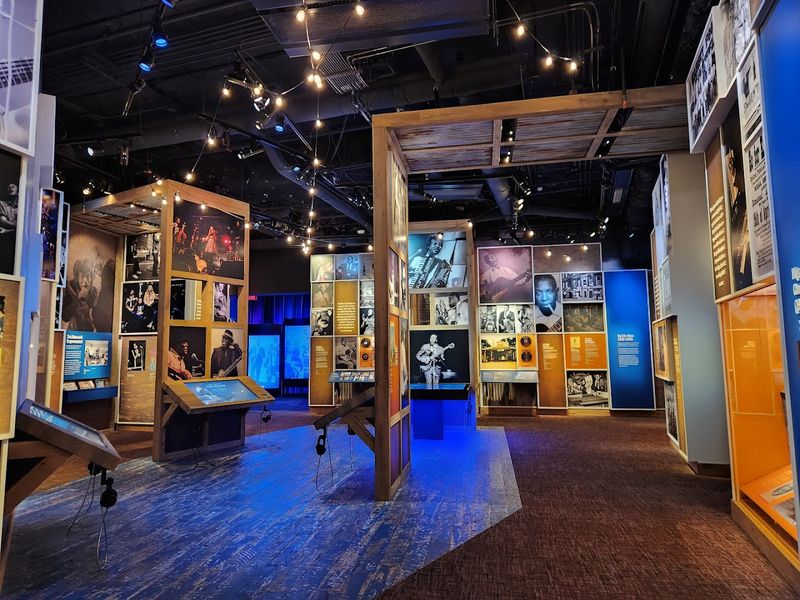
Walk this corridor like you are floating along a current, because the timeline bends and ripples instead of marching straight. Panels light up with songs, headlines, and faces, and the path makes it clear that music does not sit still.
You can follow threads from small towns to big stages, and each stop hums with the sense that one sound nudged the next into being.
Touchscreens let you sample tracks and pair them with moments that feel both distant and close. You hear a rhythm shift, then a city skyline changes, then a dance move sneaks into the picture like a wink.
It is history, sure, but it flows like a setlist, and your own listening history starts rearranging in your head while you move.
What I love is how the corridor refuses to separate struggle from creativity. It shows laws, migrations, and neighborhood scenes, then places the beat right beside them so nothing feels abstract.
By the end, you have a map you can hum, and you are ready to chase it deeper into Tennessee rooms and beyond.
Crossroads Gallery, Blues Roots And Where The Story Gets Raw
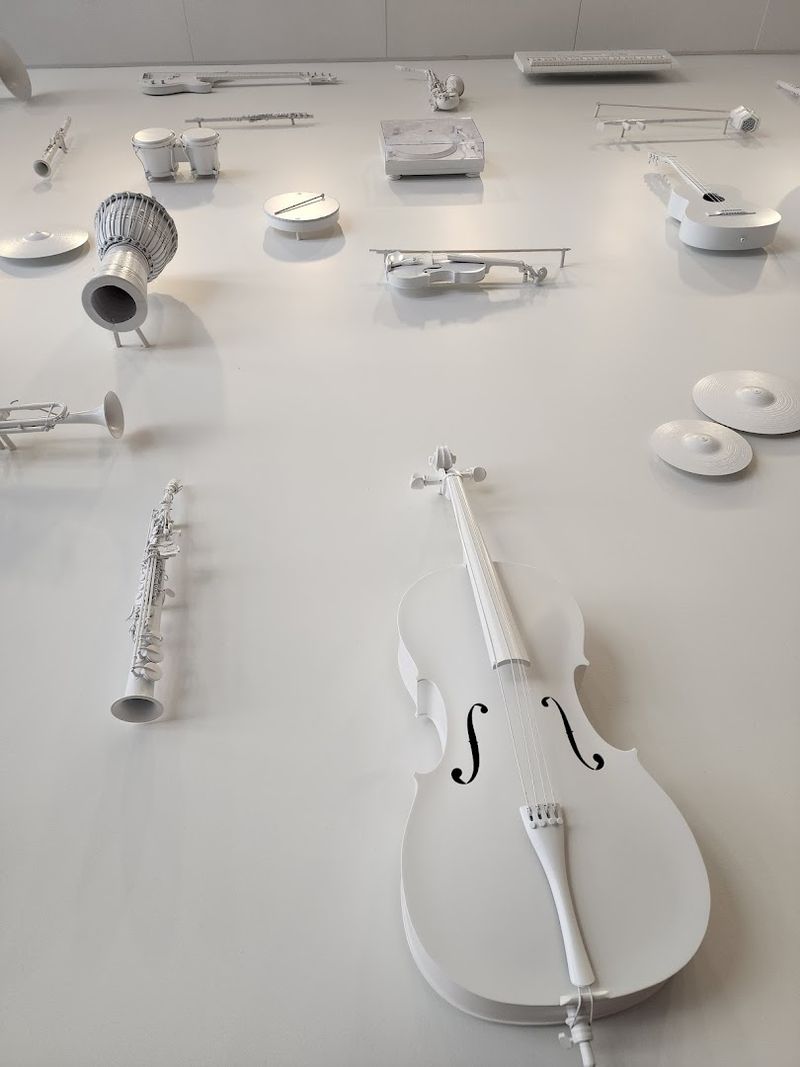
Here is where the floorboards start to creak in the best way, and the guitars look like they have stories they never told out loud. The Crossroads Gallery leans into blues as a working language, one built from hard days and bright sparks that refused to dim.
You can hear the dust in a riff and the porch night in a voice, and it lands right in the gut.
Displays connect regions and scenes without sanitizing them, and the instruments carry scuffs like signatures. It is not sad, exactly, more like stubborn truth that finds a melody and keeps walking.
There are listening posts that stack versions of the same tune, so you can hear how a riff travels and how a lyric grows teeth.
Take your time with the visuals that feel like crossroads signs, because this is where so many later genres step onto the road. By the time you leave, your sense of Tennessee highways turns musical, and every blue note points you toward what comes next on the journey.
A Love Supreme Gallery, Jazz Innovation And Big-Name Moments
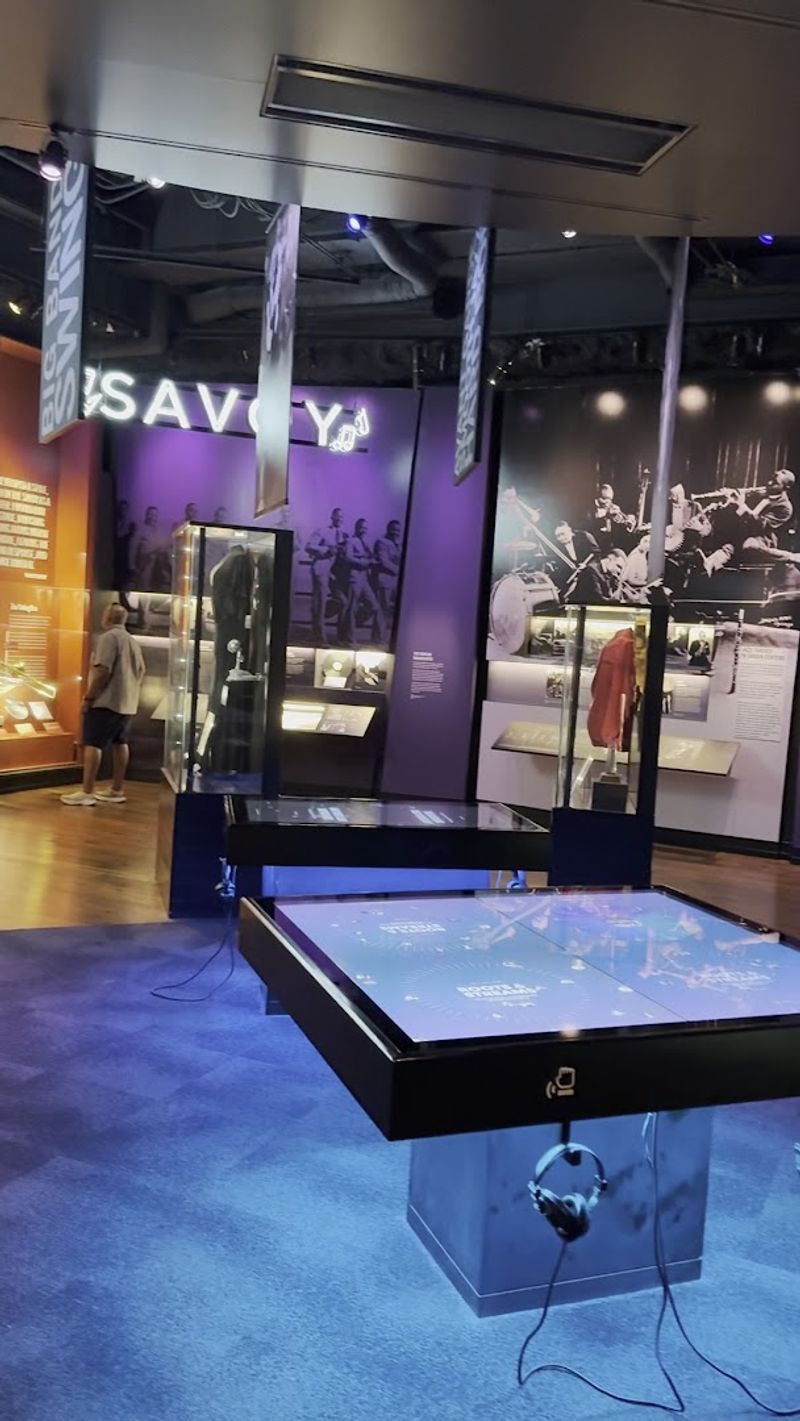
This room feels like slipping into a late set where the band already found the pocket, and the air is thick with ideas. The jazz gallery frames innovation as conversation, soloists pushing and answering without stepping on each other.
You catch a horn line stretching like a question, then resolving in a way that makes the room grin.
There are records on the walls like constellations, and sound domes that let you hear the difference between a tight combo and a sprawling arrangement. The plaques are informative without slowing the groove, and you can follow how techniques hop from one city to the next.
It is a masterclass that never forgets to swing.
What I love is how the space makes risk feel inviting instead of intimidating. You stand there, and a daring note feels like a door you want to walk through.
When you step back out, the museum’s quieter corners sound different, and Tennessee’s clubs start flickering in your imagination with brass and brushes.
One Nation Under A Groove, R&B Turning Into Soul, Funk, And More
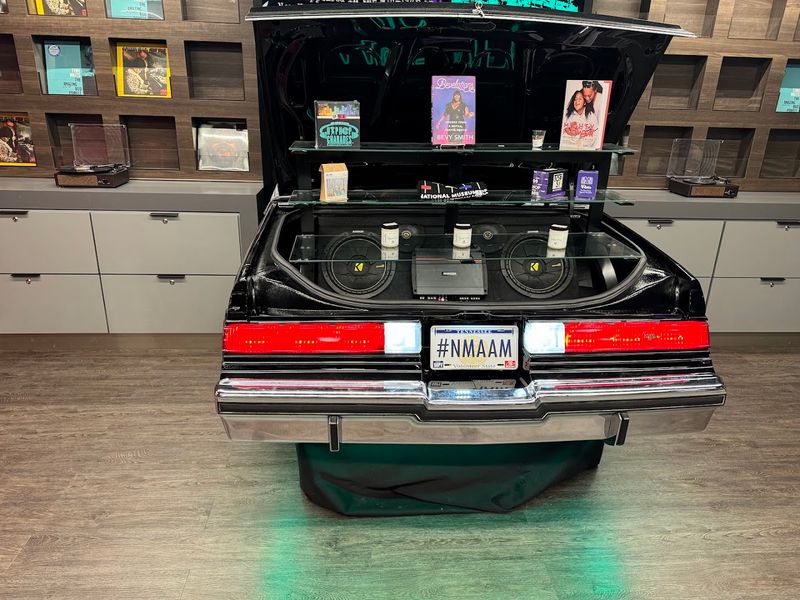
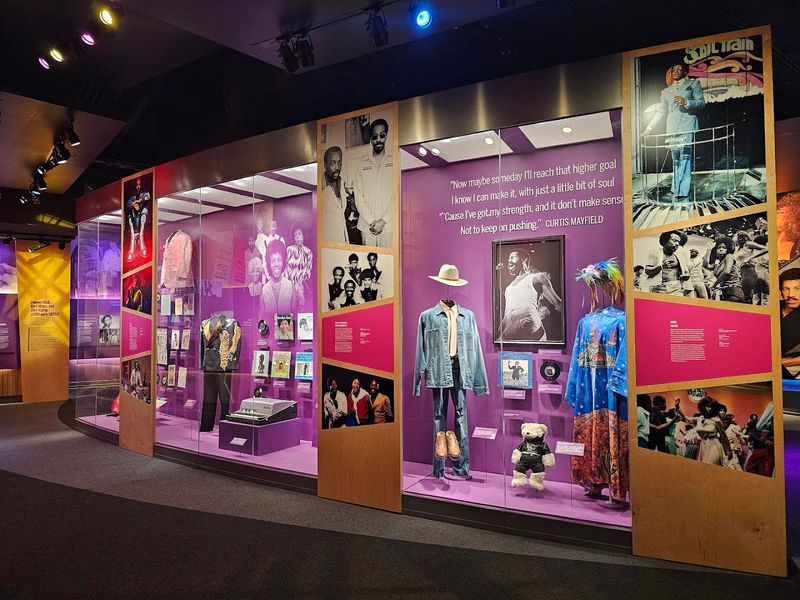
Energy jumps the minute you roll into this gallery, because the basslines start talking like cousins you have not seen in a while. R&B grows into soul, branches into funk, and keeps reinventing itself without losing family ties.
The displays are bright and playful, and the music feels built for movement that carries feeling right along with it.
Interactive stations let you layer rhythms and understand how a groove gets its backbone. You spot stage outfits beside microphones, and suddenly a hook you know gets context you did not expect.
The room is loud in the best way, with history that dances even when the text panels stay polite.
I like how the gallery treats joy as serious business, because it is. You can hear protest hidden inside a sweet melody, and you can feel a neighborhood cheer sneaking into a chorus.
When you leave, your steps have a little extra bounce, and Tennessee sidewalks keep the beat under whatever you are humming.
Message Gallery, Hip-Hop’s Rise And The Power Behind The Lyrics
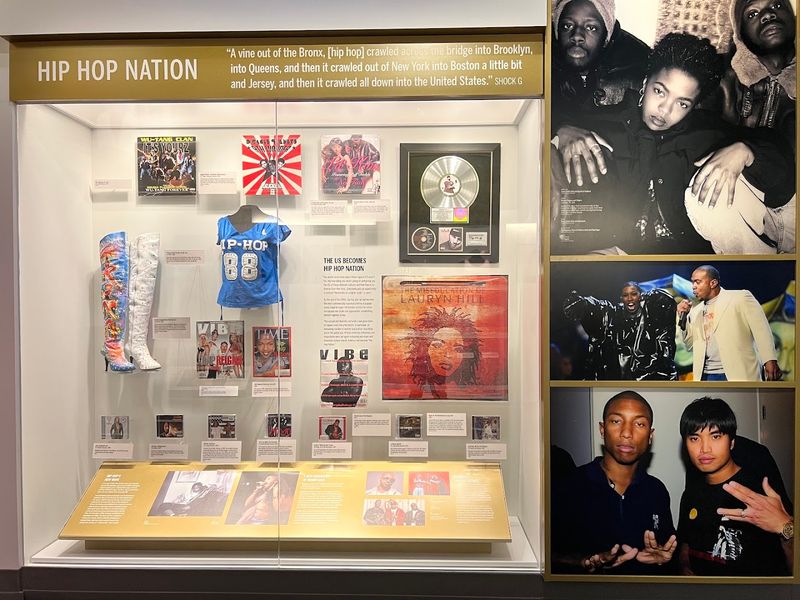
This space hits like a cipher that never closed, with words clipped tight over drums that refuse to soften. The Message Gallery traces hip hop like a city map, block by block, voice by voice.
You can see graffiti textures on the walls and feel the pulse of storytelling that does not ask for permission.
There are turntables, lyric stations, and videos that slow a bar down so you can hear each hinge swing. Producers get the same shine as MCs, which matters, because the architecture behind a verse builds a whole neighborhood of sound.
It is direct, it is layered, and it keeps inviting you to listen closer.
What lands hardest is the way purpose threads through every beat. The gallery shows protest, pride, grief, and humor riding the same track without bumping elbows.
You step out hearing new angles in songs you already loved, and Tennessee echoes with more voices than you realized.
RFID Wristband Features That Make The Museum Feel Personal
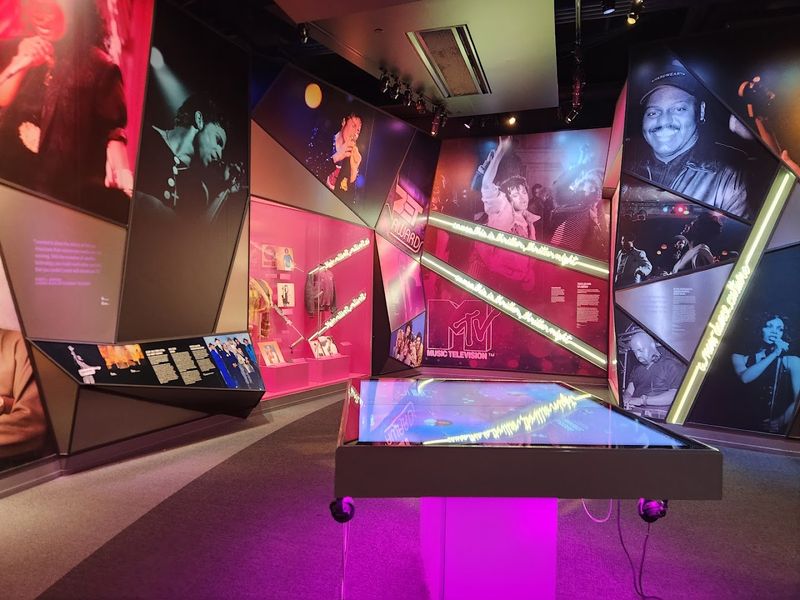
Grab the wristband at check in, because it changes how you move through the place. Tap at exhibits you like, save tracks you want to revisit, and watch the museum shape a playlist that actually feels like you.
It is simple and low fuss, and it turns a wander into a conversation you can take home.
The best part is how it nudges you to explore without pressure. You see a screen, you hover your wrist, and suddenly a voice or riff you barely knew is waiting in your queue.
Later, when you pull it up, the memories arrive fast, and you can trace your exact path through galleries that surprised you.
This is where the tech stays friendly instead of flashy. It supports the listening, stacks your favorites, and reminds you that your taste is part of the story.
When you leave Nashville and ride across Tennessee highways, that saved playlist keeps the museum open in your ears.
Fifth And Broadway Location Tips, Entrances And Easy Navigation
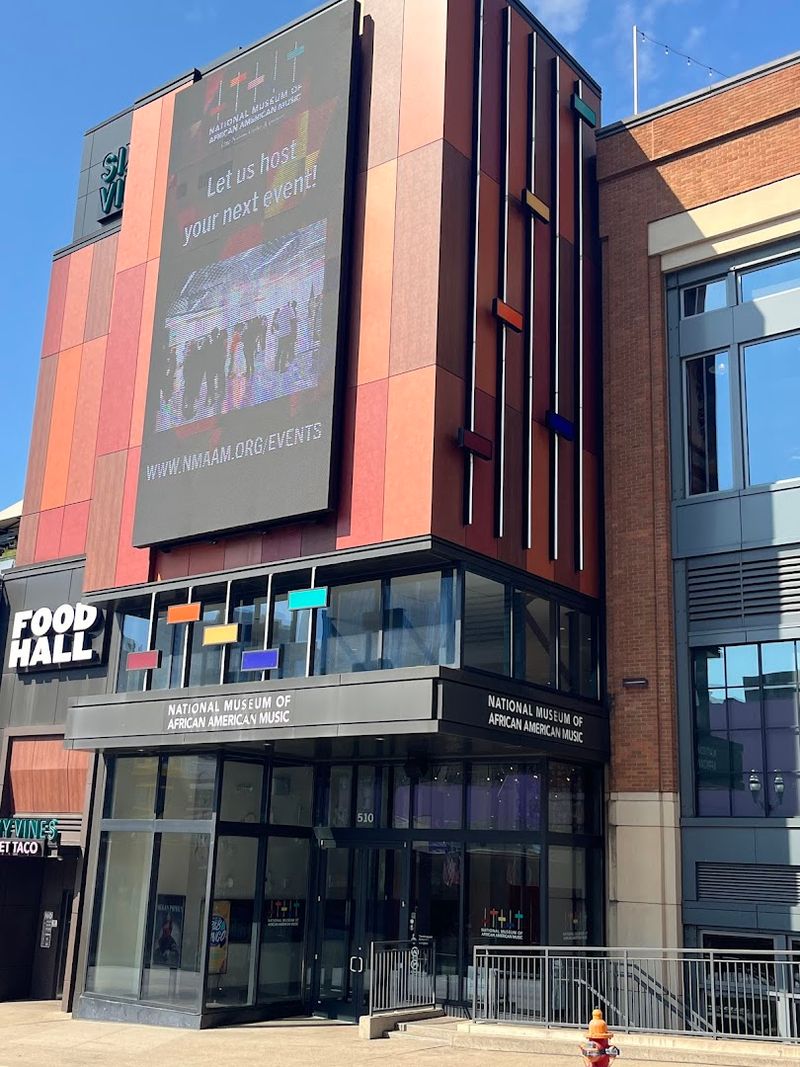
So here is the simple move: aim for Fifth and Broadway, then follow the clear signage that keeps you from second guessing. The complex is modern and easy to read, with the museum tucked where foot traffic flows but never feels pushy.
You step off the street, and the shift from city noise to curated sound is smooth.
Multiple entrances feed into walkable corridors, and elevators and stairs make everything straightforward. Wayfinding boards keep the arrows honest, and the lobby staff will point you toward galleries without fuss.
If you like to plan your route, glance at the floor map, mark your must hit stops, and let the rest be discovery.
The location also means you are stitched right into downtown rhythm, which suits this story. When you exit, you feel the music threaded into the sidewalks, and the view puts Nashville context around what you just heard.
It is an easy setup for a slow, unhurried wander through the rest of Tennessee’s sounds.
Catch A Lobby Event If Timing Works, Then Leave With A New Playlist
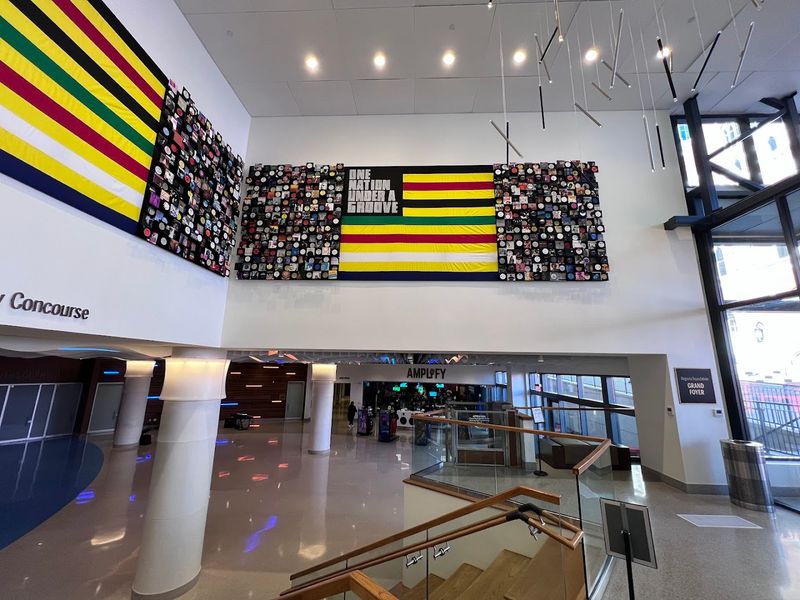
If you luck into a lobby event, lean into it, because those pop up moments feel like a friendly encore. Maybe it is a short talk, maybe it is a tight set, and either way the energy stretches your visit without crowding it.
You stand with other listeners, and the sound folds the room into a small neighborhood.
After that, hit the shop or the playlist you saved, and line up the tracks for the ride out. The songs carry new weight now, because you have faces and places to pair with them, not just names.
It is the kind of exit where you do not rush, you just drift toward the door with a chorus in your back pocket.
By the time you step outside, downtown is moving, and you are moving with it. The museum planted a score in your day, and it keeps playing while you walk.
That is the best part, honestly, because Tennessee keeps sounding different once you have listened like this.
Dear Reader: This page may contain affiliate links which may earn a commission if you click through and make a purchase. Our independent journalism is not influenced by any advertiser or commercial initiative unless it is clearly marked as sponsored content. As travel products change, please be sure to reconfirm all details and stay up to date with current events to ensure a safe and successful trip.
