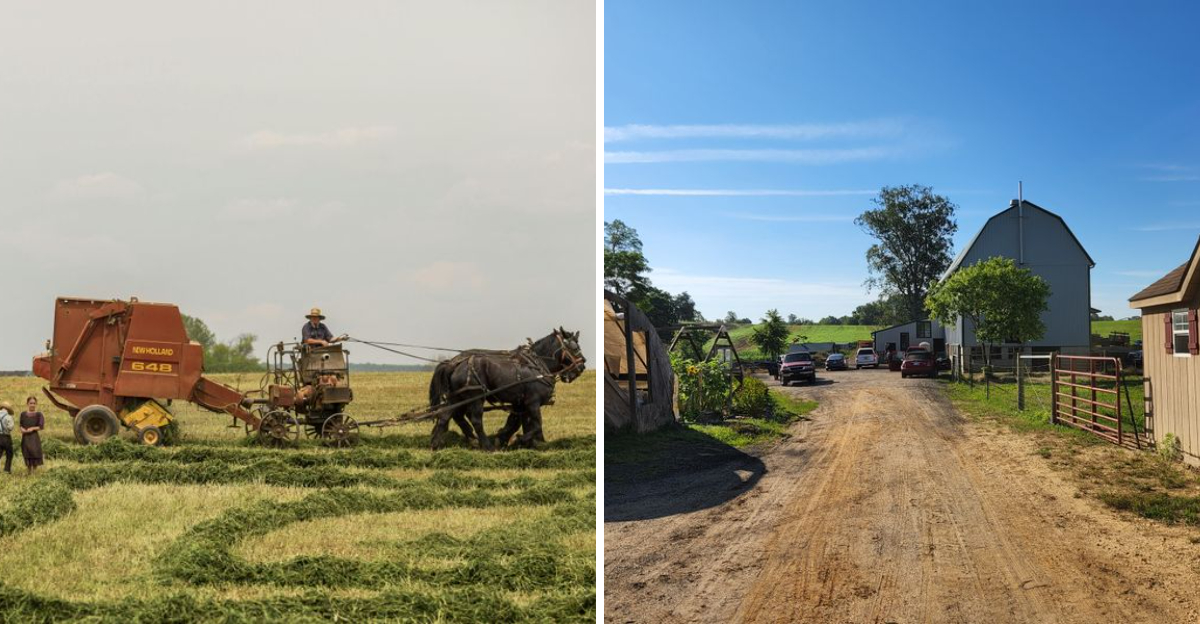
Deep in the heart of South Texas, where mesquite trees dot the rolling plains and the horizon stretches endlessly, lies a community that seems frozen in time.
The Bee County Amish settlement near Beeville offers travelers a rare glimpse into a world where horse-drawn buggies navigate country roads, handcrafted furniture is built with century-old techniques, and technology takes a backseat to tradition.
Visitors flock to this hidden corner of Texas not for theme parks or bustling attractions, but for something far more precious: an authentic connection to a simpler way of life that has all but vanished from modern America.
Horse-Drawn Buggies Navigate Rural Texas Roads
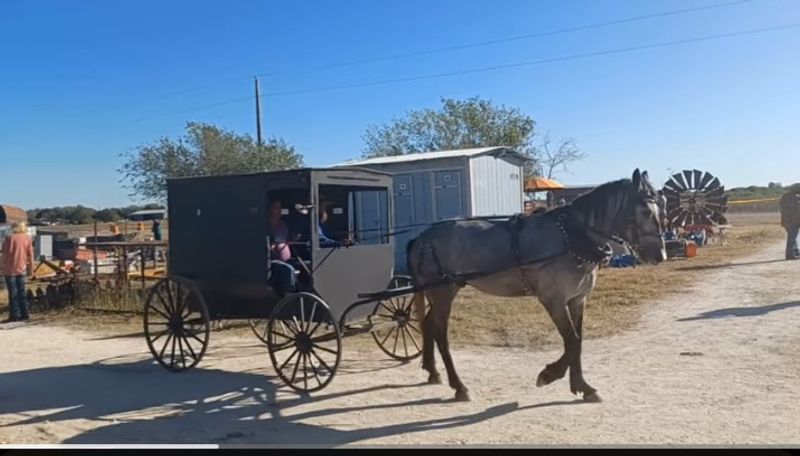
Picture a black buggy rolling down a dusty county road, its wheels creaking rhythmically as a team of horses pulls it forward. This isn’t a historical reenactment or a tourist gimmick.
For the Amish families of Bee County, horse-drawn transportation is simply how they get around every single day.
The buggies themselves are works of practical art, built by skilled craftsmen within the community. Each one features a simple design with minimal ornamentation, reflecting the Amish commitment to humility and functionality over flash.
Travelers often pull over to watch these vehicles pass by, mesmerized by the contrast between modern pickup trucks and these timeless conveyances.
What strikes most visitors is how seamlessly the buggies integrate into rural Texas life. Local drivers know to slow down and give them plenty of space.
Road signs warn motorists to watch for horse-drawn vehicles ahead.
The clip-clop of hooves on pavement creates a soundtrack that transports you back generations. Children wave from buggy windows while their parents guide the horses with practiced ease.
Watching these families travel together offers a window into values of togetherness and patience that our hurried world often forgets.
The Famous Amish Auction Draws Crowds From Miles Around
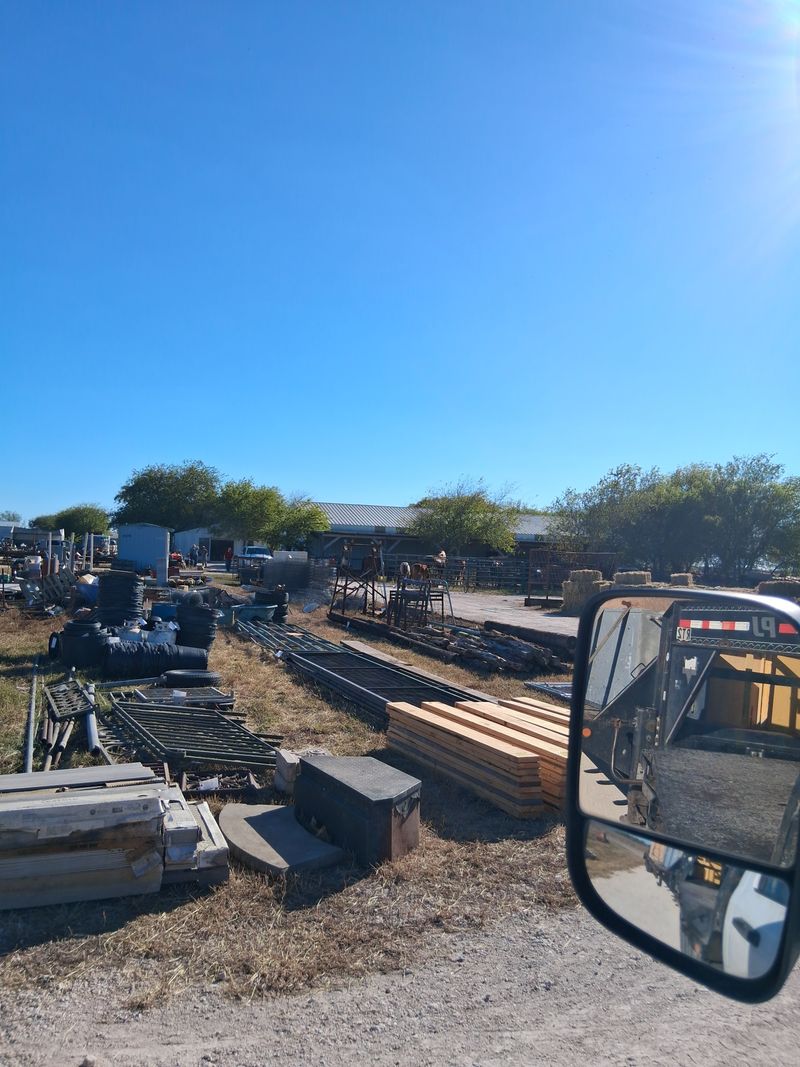
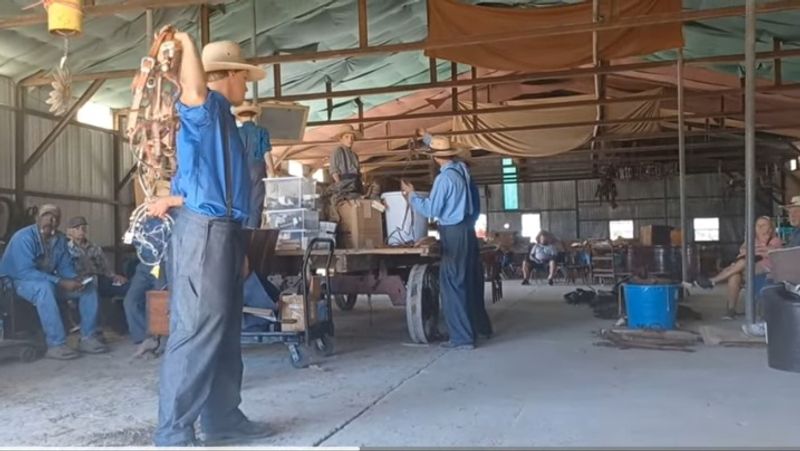
Twice each month, a remarkable transformation occurs at 3994-4042 County Road 506 in Beeville. What’s usually quiet farmland becomes a bustling marketplace where hundreds of people gather for the Amish Auction, a two-day event that feels like stepping into another era entirely.
The auction offers everything from livestock to handmade quilts, from farm equipment to those legendary cinnamon rolls that keep visitors coming back. Families arrive early to browse chickens, goats, rabbits, and other animals before the bidding begins.
Children pet the livestock while parents examine wagon wheels and farming supplies.
One visitor described getting their wagon and cart wheels repaired at fair prices, highlighting how the auction serves practical needs for local farmers. Another traveler confessed they make the trip specifically for the cinnamon rolls, which are baked fresh by Amish women using traditional recipes.
The honey sold here comes straight from local hives, and shoppers rave about the quality and value. Walking through the auction grounds, you’ll hear the auctioneer’s rapid-fire chant, smell fresh-baked goods, and feel the energy of a community coming together.
It’s not just a marketplace; it’s a cultural experience that connects modern Texans with agricultural traditions.
Handcrafted Furniture Built to Last Generations
Step into one of the Amish woodworking shops scattered throughout Bee County and you’ll immediately smell fresh-cut lumber and see sawdust dancing in shafts of sunlight. Craftsmen here don’t use power tools or assembly lines.
Instead, they rely on hand planes, chisels, and techniques passed down through countless generations.
Every table, chair, and cabinet tells a story of patience and skill. A single dining table might take weeks to complete, with each joint carefully fitted and each surface hand-sanded to silky smoothness.
The furniture isn’t just beautiful; it’s built to outlast the people who buy it, becoming heirlooms that families treasure for decades.
Visitors can watch artisans at work, though photography is often discouraged out of respect for Amish customs. The rhythmic sound of hand saws and the careful attention to detail creates an almost meditative atmosphere.
What makes this furniture special isn’t just the craftsmanship but the philosophy behind it. These pieces represent a rejection of disposable consumer culture.
When you purchase an Amish-made rocking chair or hope chest, you’re investing in quality that stands against our throwaway world.
Traditional Farming Methods Shape the Landscape
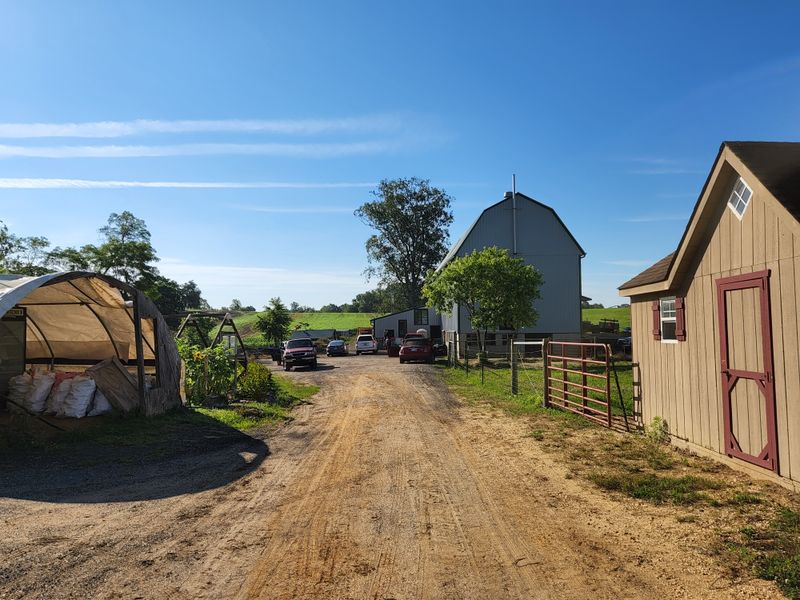
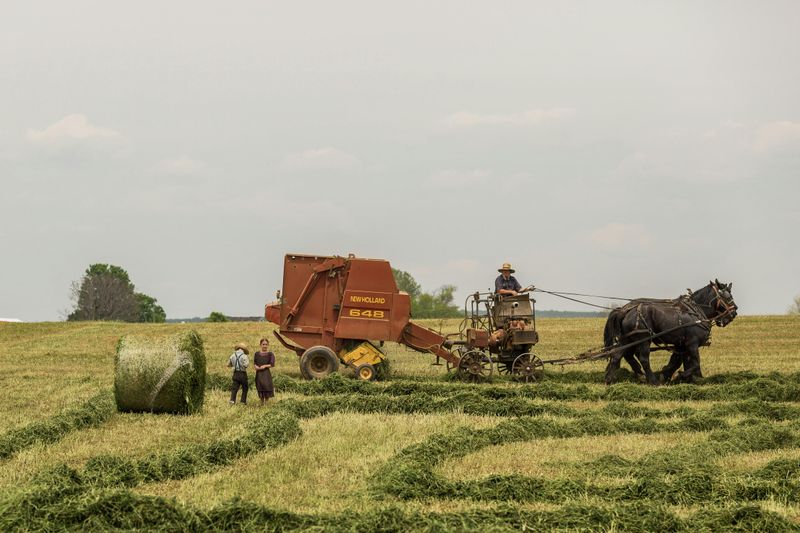
Driving through Bee County’s Amish farmland reveals a patchwork of fields that look remarkably different from typical Texas agriculture. You won’t see massive tractors or center-pivot irrigation systems here.
Instead, farmers work their land using horse-drawn plows and manual labor, creating a scene that could have existed a hundred years ago.
The farming philosophy emphasizes sustainability and stewardship rather than maximum production. Crop rotation keeps soil healthy without relying heavily on chemical fertilizers.
Horses provide power without burning fossil fuels, and their manure naturally enriches the fields.
Seasonal changes bring different rhythms to farm life. Spring means planting, with families working together to prepare fields and sow seeds.
Summer brings cultivating and weeding under the intense Texas sun. Fall harvest time sees entire communities gathering to bring in crops before winter arrives.
Visitors often stop along country roads to watch farmers at work, fascinated by the teamwork between man and horse. The pace seems impossibly slow compared to modern mechanized farming, yet there’s something deeply satisfying about watching food grown this way.
These fields produce vegetables, grains, and hay that feed both the Amish community and customers at local markets.
Distinctive Clothing Reflects Unchanging Values
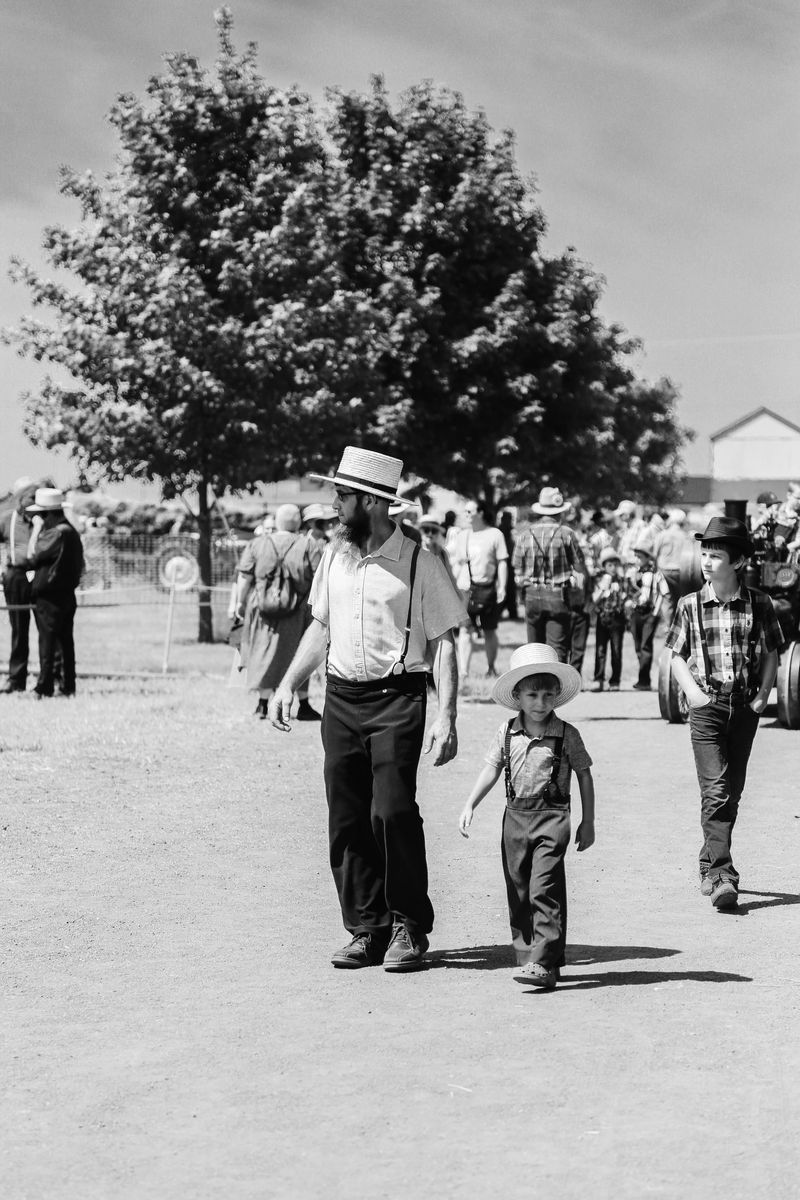
One of the first things that strikes visitors to Bee County’s Amish settlement is how different everyone looks. Men wear broad-brimmed straw hats, plain shirts with suspenders, and dark trousers without any decorative elements.
Women dress in solid-colored dresses with aprons and prayer coverings that keep their hair modestly tucked away.
These aren’t costumes or Sunday-best outfits. This is everyday wear, chosen deliberately to reflect values of humility, modesty, and separation from worldly fashion trends.
The clothing serves as a visual reminder that the Amish community has chosen a different path from mainstream society.
Children dress like miniature versions of their parents, learning from an early age that appearance should reflect inner character rather than following popular styles. There are no brand names, no flashy colors, and no clothing designed to draw attention to the wearer.
For travelers accustomed to constant fashion changes and personal expression through clothing, this uniformity can seem strange at first. Yet there’s something refreshing about a community where people aren’t judged by their wardrobe or pressured to keep up with trends.
The simplicity of Amish dress allows focus to shift to character, skills, and relationships instead of superficial appearances.
One-Room Schoolhouses Educate Through Eighth Grade
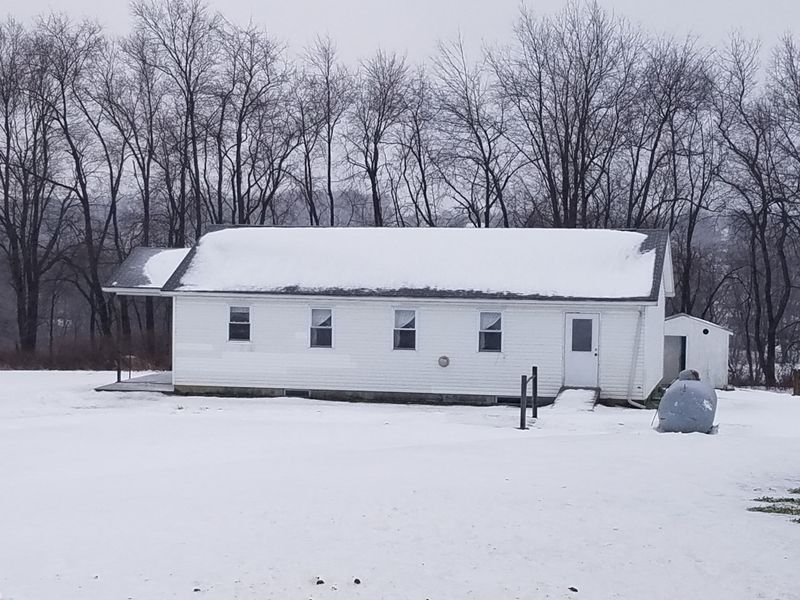
Education in Bee County’s Amish community happens in small, whitewashed schoolhouses that dot the countryside. These aren’t connected to any public school system.
Instead, they’re run by the community itself, with Amish teachers instructing students from first through eighth grade all in one room.
The curriculum focuses on practical skills: reading, writing, arithmetic, and German language instruction to preserve their Pennsylvania Dutch heritage. You won’t find computers, tablets, or even electricity in these classrooms.
Students write with pencils, read from actual books, and learn arithmetic without calculators.
Multi-age classrooms create a family-like atmosphere where older students help younger ones, building leadership skills and reinforcing their own learning. The school day includes outdoor recess where children play traditional games without electronic devices, developing creativity and social skills through unstructured play.
Formal education ends at eighth grade, which surprises many outsiders. After that, young people enter apprenticeships to learn trades like carpentry, farming, or homemaking.
The Amish believe this provides everything needed for their way of life, emphasizing practical knowledge over academic credentials. Visiting near a schoolhouse during recess, you might hear children’s laughter echoing across the fields, a sound that feels timeless and pure.
Life Without Electricity Creates Evening Rituals
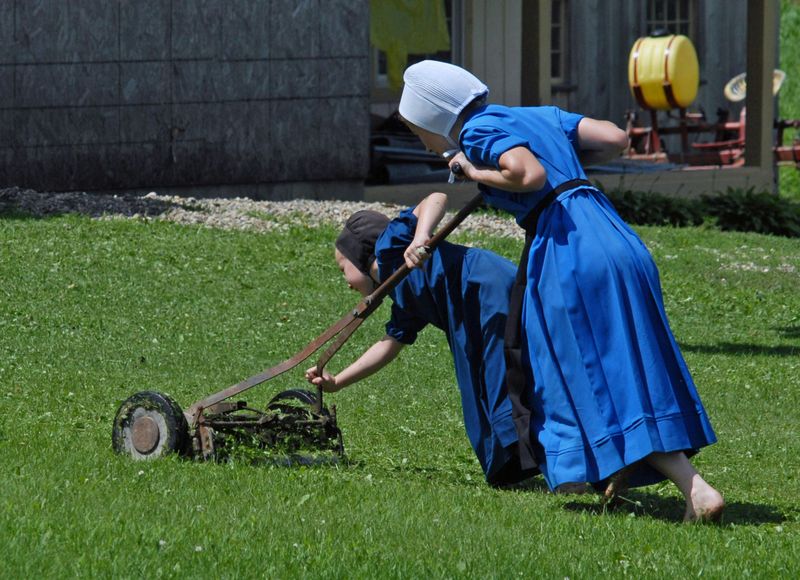
When the sun sets over Bee County, something remarkable happens in Amish homes. Instead of flipping light switches, families light kerosene lamps that cast warm, flickering glows through windows.
This daily ritual marks the transition from work to family time in a way that electric lights never could.
Living without electricity isn’t about deprivation; it’s a deliberate choice to avoid dependence on outside systems and to maintain community cohesion. Without television, computers, or smartphones competing for attention, evenings center on conversation, reading aloud, board games, and handwork like sewing or woodcarving.
Refrigeration comes from propane-powered units or ice houses. Washing machines might be powered by diesel generators designed to run specific appliances without connecting to the electrical grid.
These adaptations show how the Amish aren’t simply rejecting all modern conveniences, but carefully selecting which technologies align with their values.
Visitors often romanticize this lifestyle, imagining peaceful evenings by lamplight. The reality includes genuine challenges, especially during Texas summers when air conditioning would be welcome.
Yet families speak of benefits: stronger relationships, better sleep without screen time, and a slower pace that allows reflection. Experiencing even a glimpse of this electricity-free existence can make travelers reconsider their own technology dependence.
Sunday Services Bring the Community Together
Religion forms the absolute foundation of Amish life in Bee County, and Sunday worship services reveal the community’s deepest values. Unlike most churches, the Amish don’t have dedicated buildings.
Instead, services rotate between family homes, with each household taking turns hosting the entire congregation.
Preparing to host involves moving furniture out of main rooms and setting up backless wooden benches for seating. Services last three to four hours, conducted in Pennsylvania Dutch with sermons, hymn singing without musical instruments, and prayers.
The singing style sounds almost medieval to modern ears, with slow, chant-like melodies that have remained unchanged for centuries.
After worship, everyone shares a communal meal, with food prepared by the host family and helpers. This isn’t just about eating together; it’s about strengthening bonds and ensuring no one feels isolated.
Young people use these gatherings to socialize under watchful but approving eyes.
Outsiders rarely attend these services, which makes them truly private glimpses into Amish spiritual life. The commitment to gathering every single Sunday, regardless of weather or convenience, demonstrates faith that goes far beyond casual belief.
For a community that lives so differently from mainstream America, these weekly gatherings reinforce shared identity and purpose that keeps their unique culture thriving.
Dear Reader: This page may contain affiliate links which may earn a commission if you click through and make a purchase. Our independent journalism is not influenced by any advertiser or commercial initiative unless it is clearly marked as sponsored content. As travel products change, please be sure to reconfirm all details and stay up to date with current events to ensure a safe and successful trip.
