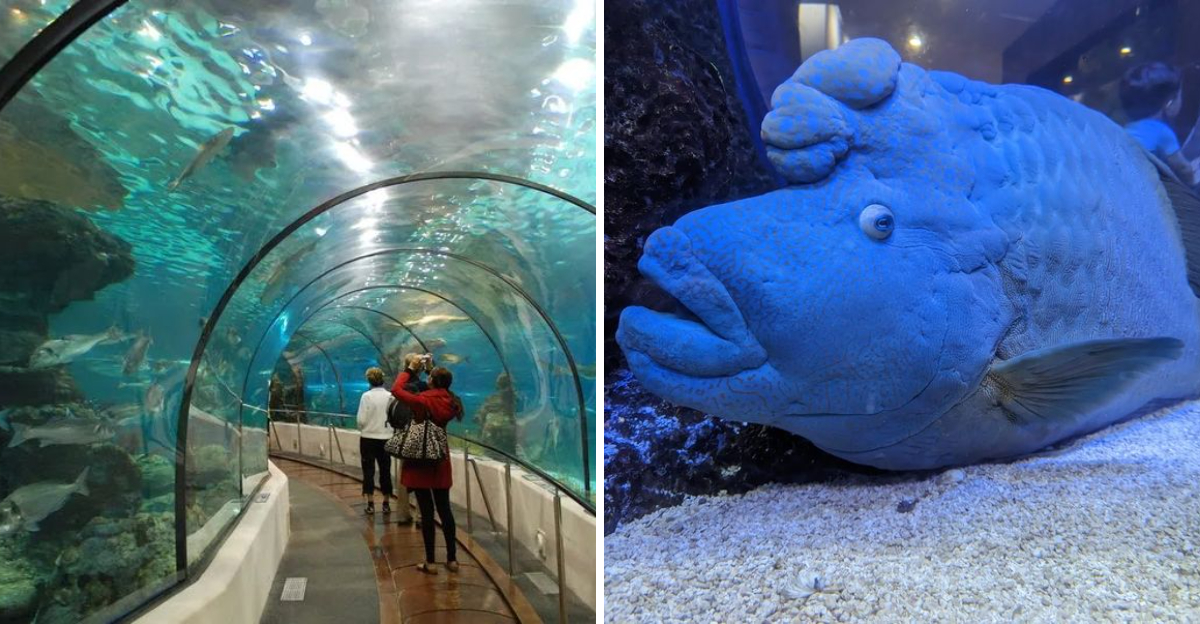
An aquarium that also features rainforest wildlife and exotic animals is not typical. This Texas aquarium brings together diverse ecosystems in one place.
A person can see marine life in a large shark tank, then wander into a rainforest exhibit with birds, monkeys, and other exotic animals. It is a place that surprises with every turn.
The displays are well-designed and provide a sense of immersion. Families love it, and it is a destination for people of all ages.
The variety keeps visitors engaged and curious. Texas has many zoos and aquariums, but a place that combines them so seamlessly is special.
It is a place to explore and learn about the natural world in one visit.
The Orinoco Rainforest Exhibit, A Three-Level Journey Through The Amazon
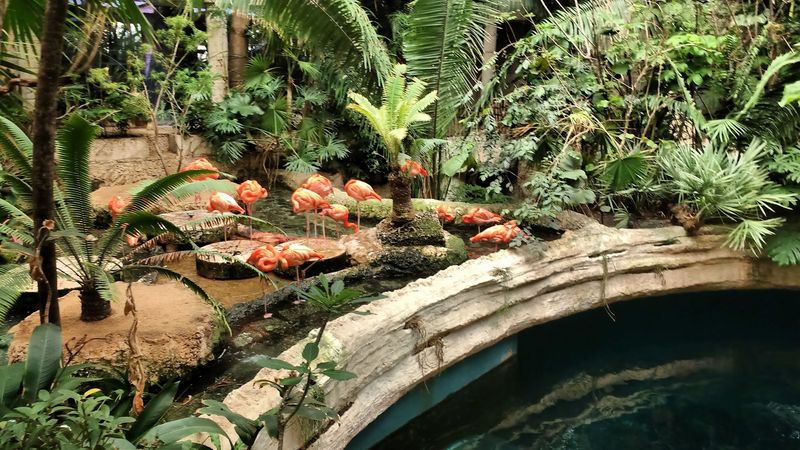
My jaw dropped somewhere around the second level of the Orinoco Rainforest exhibit, and it never quite came back up. This is not a simple room with a few tanks.
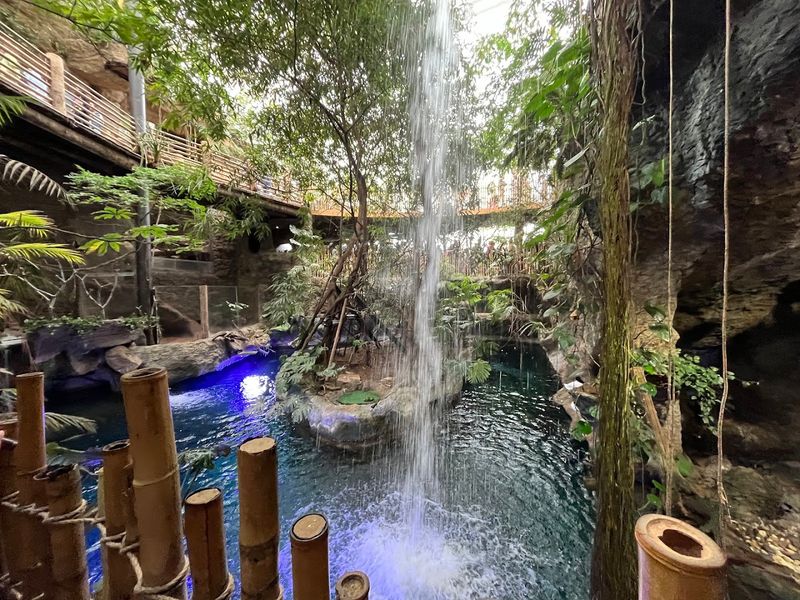
It is a full three-story rainforest recreation that pulls you through the aquatic habitat at the base, the dense understory in the middle, and the open canopy at the top.
Each level has its own rhythm and feel. Down below, you are face to face with stingrays, manatees, and freshwater species gliding through enormous tanks.
Move upward and the vegetation thickens, the sounds change, and suddenly a three-toed sloth appears overhead, hanging from a branch like it has nowhere better to be.
Vampire bats, howler monkeys, crocodiles, and otters all share space here in a way that feels genuinely immersive rather than staged. The Orinoco Room specifically highlights freshwater species like catfish, tetras, and stingrays that you rarely see displayed this thoughtfully anywhere else.
What makes this exhibit stand out is the layered approach to storytelling. You are not just looking at animals.
You are moving through their world, from the murky river bottom to the treetops. Kids especially tend to go wide-eyed at every turn, and honestly, so do adults.
The whole experience takes about thirty to forty minutes if you slow down and actually absorb it, which is exactly what you should do. Plan to linger here because rushing through would be a real shame.
The Cloud Forest Trek, Where Technology Meets The Colombian Wilderness
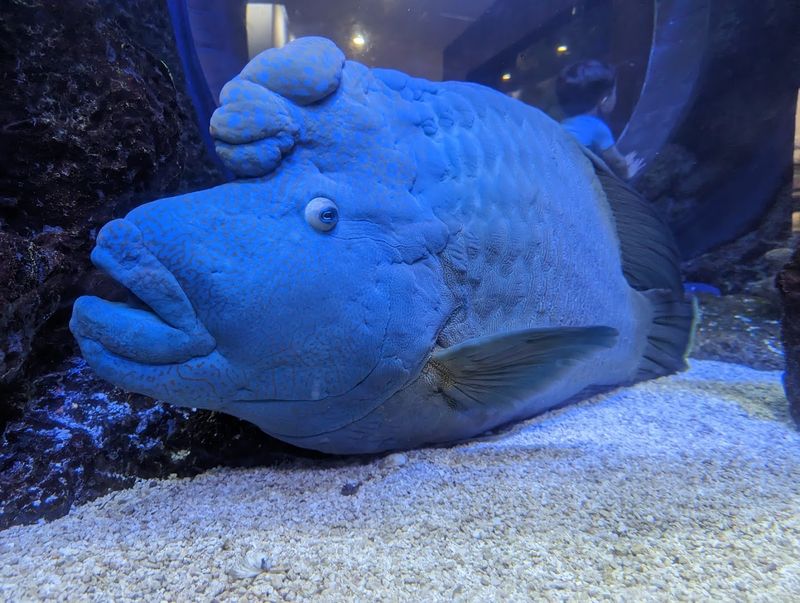
Opened in July 2020, the Cloud Forest Trek is one of those additions that makes you stop mid-step and just stare. A 25-foot high and 52-foot wide LED screen fills the space with swirling clouds that mimic the atmosphere of the Colombian rainforest.
It is a genuinely striking visual that blurs the line between technology and nature in a way that feels almost magical.
The animals housed here are native to South America, and the environment around them reflects that origin with real care. The screen does more than look impressive.
It actually sets a mood, shifting light and movement to create the feeling of mist rolling through mountain forest. Standing beneath it, you get a sense of scale that most indoor exhibits simply cannot replicate.
What I appreciated most was how the design never overshadows the animals themselves. The technology serves as a backdrop, not the main attraction.
The creatures living here are still the focal point, and the environment just makes their presence feel more meaningful.
For anyone interested in how modern zoos and aquariums are evolving, this exhibit is a great example of creative problem-solving. You cannot fly to Colombia on a Tuesday afternoon, but you can spend twenty minutes inside a space that genuinely evokes that world.
It is thoughtful, well-executed, and different enough from everything else in the building to feel like its own distinct experience worth seeking out on your visit.
Mundo Maya, A Multi-Level Tribute To Central American Biodiversity
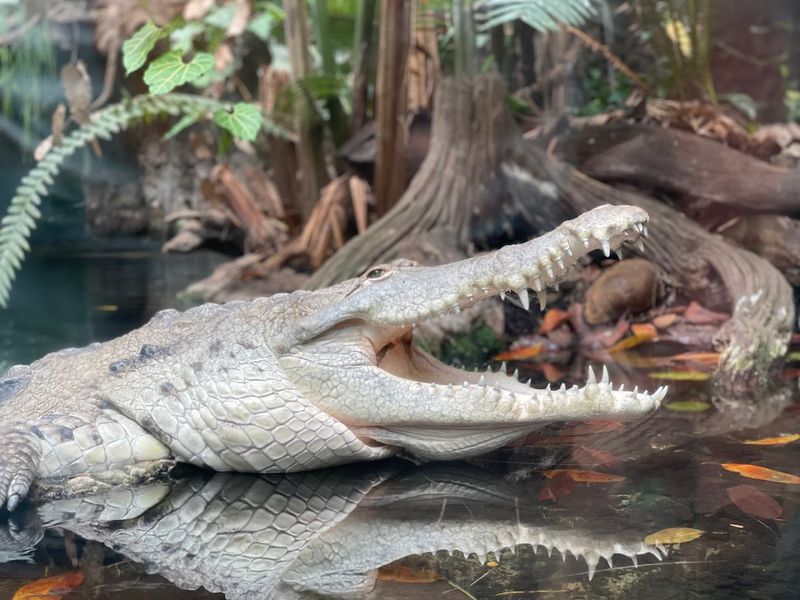
Mundo Maya has a kind of theatrical energy that sets it apart from the rest of the building. Tall overhead vegetation creates a canopy effect that genuinely changes how the space feels.
The air is different here, heavier with green, and the sounds shift too as brightly colored birds move freely through the upper portions of the exhibit.
Central American species are the stars of this section. Vibrant frogs, rare snakes, and stingrays all share the space with the kind of biodiversity that makes you realize how much of the natural world most of us have never seen up close.
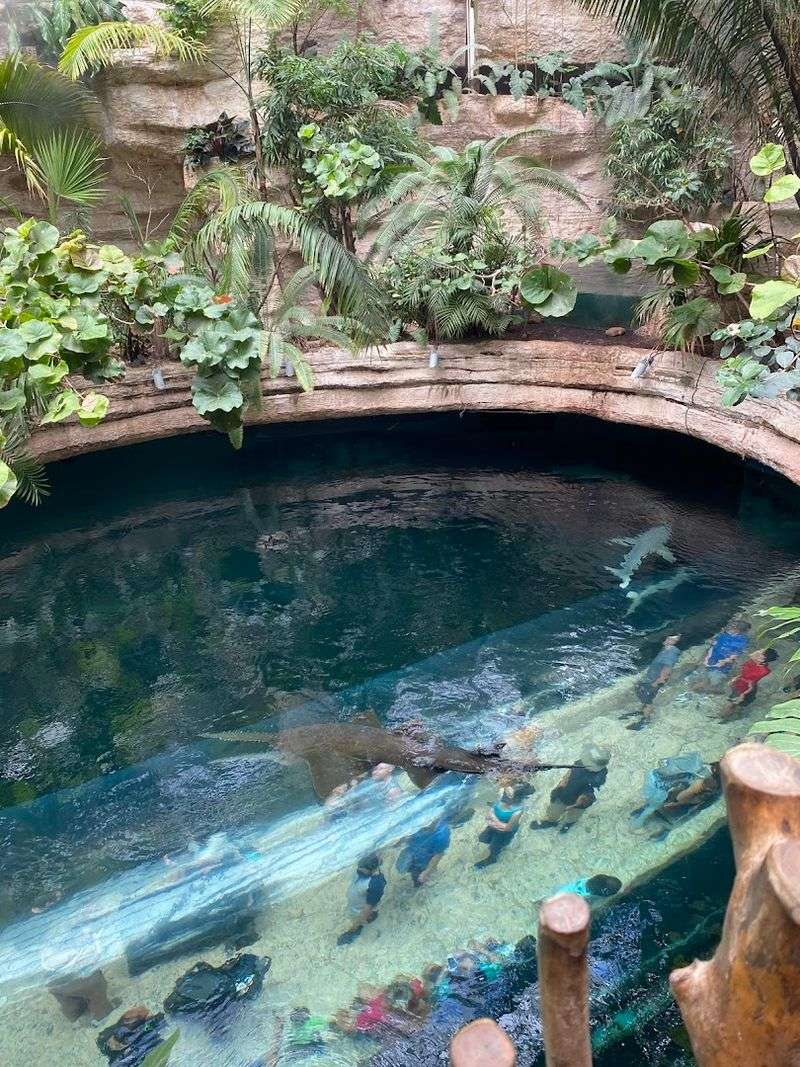
The exhibit also features a Cenote pool, which is modeled after the natural sinkholes found throughout the Yucatan Peninsula in Mexico. Sharks circle in that pool, and watching them from the edge is one of those quietly thrilling moments that sticks with you.
The multi-level design here mirrors the approach used in the Orinoco exhibit but with a distinctly different cultural and ecological focus. There is a reverence for Mayan natural heritage woven into the layout, and you can feel it in the details.
If you have kids with you, this is one of the sections they will talk about afterward. The combination of dramatic plants, unexpected animals, and the visual drama of the Cenote pool creates a sensory experience that feels almost cinematic.
Give yourself enough time to move through all the levels slowly, because the best details tend to appear when you are not rushing.
Marine Life Tanks, Sharks, Rays, And Tropical Species Up Close
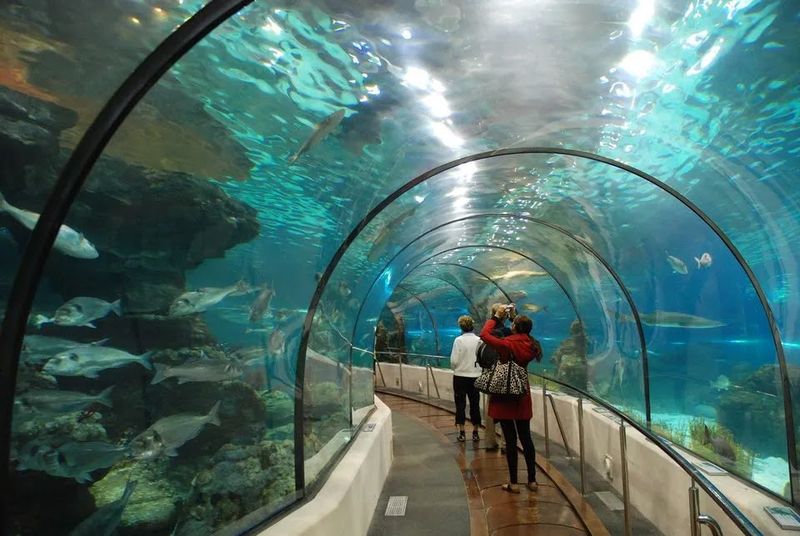
The main aquarium section inside the Dallas World Aquarium is accessible through the Orinoco Rainforest, which means you arrive at it already feeling like you have been somewhere wild. That transition makes the marine exhibits hit differently than they might in a more conventional setting.
Hammerhead sharks and sawtooth fish move through large tanks with the kind of unhurried confidence that makes them endlessly watchable. Stingrays glide close to the glass, and colorful tropical fish dart between them in patterns that seem almost choreographed.
The variety here is genuinely impressive, covering species from multiple ocean environments rather than focusing on just one region.
Some of the more specific species worth looking for include Clarion angelfish, Zebra angelfish, Four-eyed butterflyfish, spotted moray eels, and Napoleon wrasse. Pot-bellied seahorses and Longsnout seahorses are hidden into smaller displays that reward patient viewers.
Harlequin shrimp, Moorish idols, and Palm tree polyps round out a collection that feels curated rather than random.
What makes this section satisfying is the pacing. You can spend a few minutes at each tank without feeling rushed, and the lighting throughout is designed to let you actually see the animals clearly.
Too many aquariums have tanks that are either too dark or too crowded to appreciate properly. Here, the balance feels right.
Whether you are a marine biology enthusiast or just someone who finds fish genuinely calming to watch, this part of the aquarium delivers something worth your time.
Exotic And Endangered Species, Conservation At The Heart Of The Experience
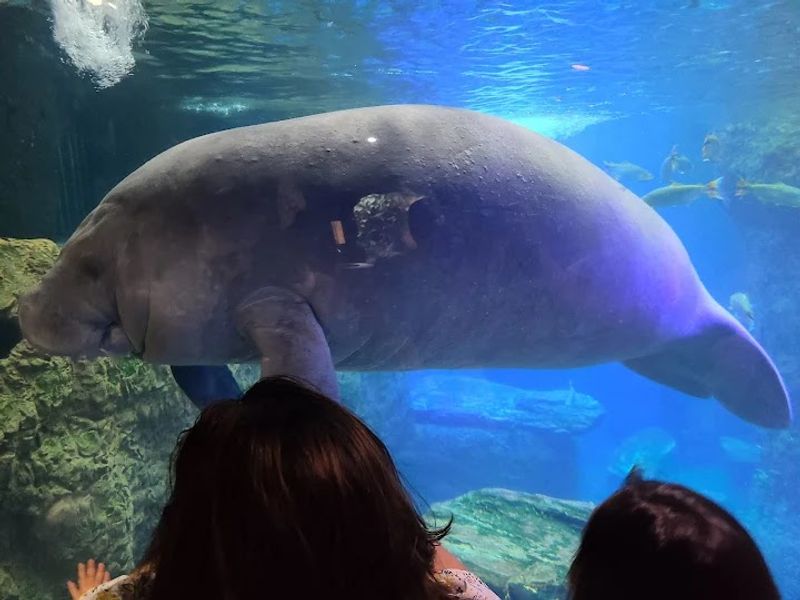
One of the things that genuinely moved me during my visit was learning how deeply the Dallas World Aquarium is involved in conservation work. This is not just a place where you look at rare animals.
It is a facility actively working to protect them, through breeding programs, partnerships with multiple countries, and on-site care for species that are genuinely at risk.
Endangered species at the facility include the Pied tamarin, Harpy eagle, Bali mynah, Asian arowana, Radiated tortoise, Golden lion tamarin, Yellow-spotted Amazon turtle, and Antillean manatee.
Seeing these animals in person, knowing that their populations in the wild are fragile, gives the experience a weight that is hard to describe but easy to feel.
The aquarium partners with Mexico, Peru, Venezuela, Costa Rica, and Brazil on conservation efforts. Those partnerships include sanctuary programs, rehabilitation and release work, and providing technology and medical supplies to wildlife refuges in those countries.
It is a scope of work that goes well beyond what most visitors might expect from a downtown Dallas attraction.
For families with children, this is also a genuinely educational angle worth exploring. Reading the conservation notes beside each exhibit adds context that transforms the visit from entertainment into something more meaningful.
The animals here are not just fascinating to observe. They represent real stories of survival, effort, and hope.
That dimension makes the Dallas World Aquarium feel different from almost anywhere else I have visited in Texas.
Clouded Leopards And Bengal Tigers, Big Cats In An Unexpected Setting
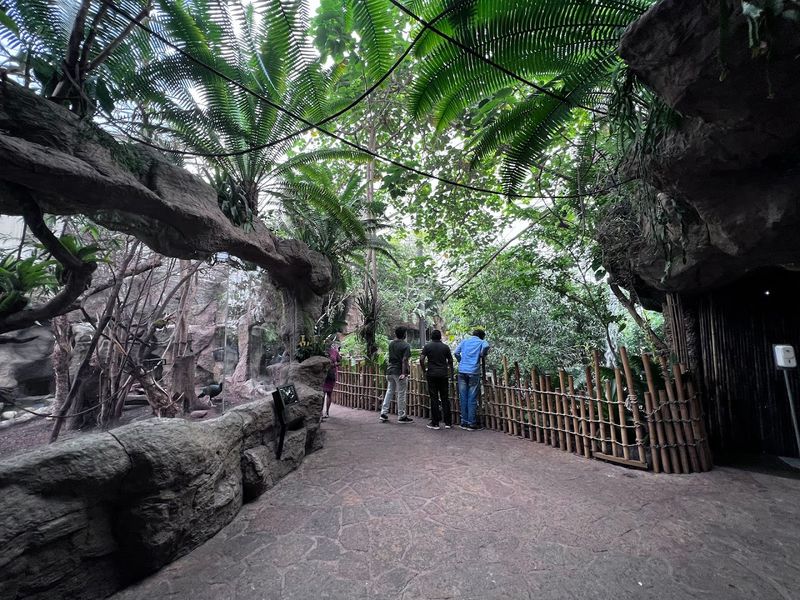
Most people do not expect to find big cats at an aquarium, and that surprise is part of what makes the Dallas World Aquarium so hard to categorize.
Clouded leopards and Bengal tigers are among the most visually striking residents of the facility, and their presence adds a dimension to the experience that goes well beyond marine life.
Clouded leopards are genuinely rare animals. Their cloud-patterned coats are unlike anything else in the feline world, and seeing one up close is one of those experiences that registers somewhere deeper than just visual appreciation.
They are not large cats by big cat standards, but they move with a fluid, deliberate grace that makes them impossible to look away from.
Bengal tigers carry a different kind of presence entirely. There is a weight to them, a sense of contained power that you feel even through glass.
The habitat design at the Dallas World Aquarium gives these animals space that feels respectful of their nature, which matters when you are talking about animals that need room to feel like themselves.
Having big cats alongside rainforest birds, marine fish, and manatees in the same building sounds unusual on paper. In practice, it works because the facility is large enough and thoughtfully enough designed that each section feels like its own world.
The big cats are not an afterthought. They are a highlight, and most visitors come away talking about them.
Make sure to budget time for this section specifically.
Birds Of The Rainforest, Toucans, Herons, And Free-Flying Species
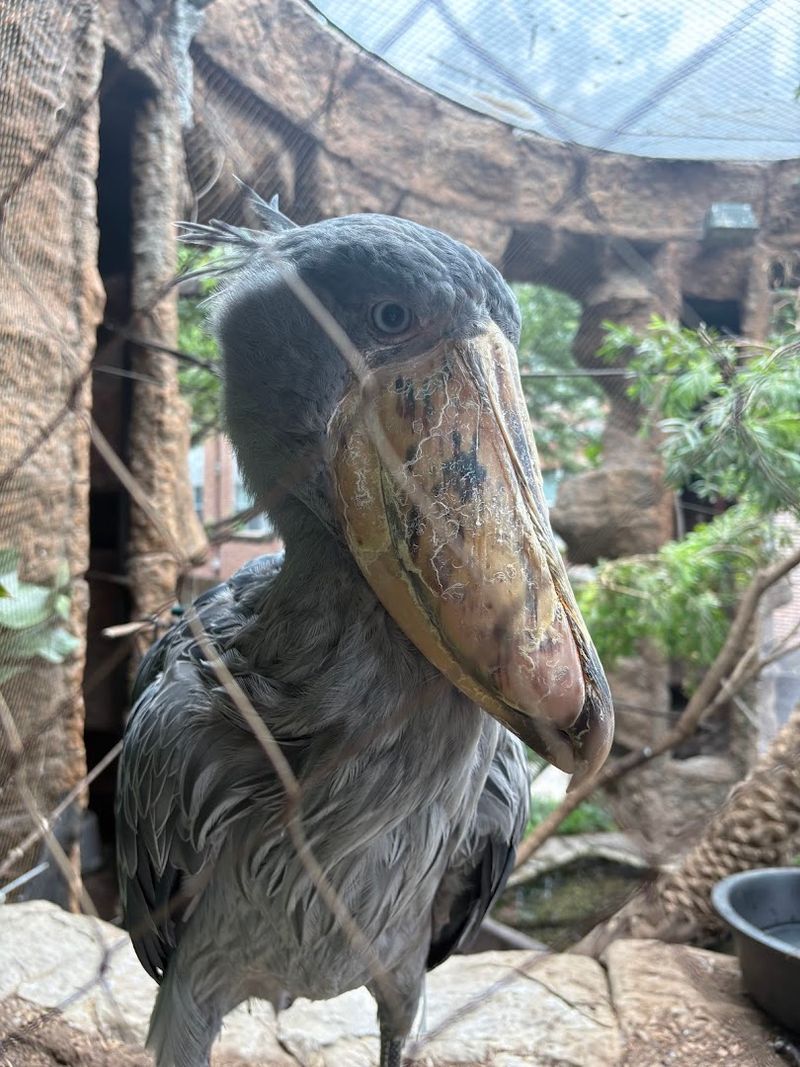
There is something deeply satisfying about watching a toucan eat. The beak looks almost cartoonishly large, but the bird uses it with a precision that is genuinely impressive.
The Dallas World Aquarium houses several toucan species, including Swainson’s toucan, the Toco Toucan, and the Keel-billed toucan, and spending time near any of them is a highlight of the bird sections.
Beyond toucans, the facility is home to Boat-billed herons, Yellow-crowned night herons, and Northern helmeted curassows.
These are not species you encounter at a typical zoo, and the level of variety here reflects the aquarium’s focus on Central and South American biodiversity rather than a generalist collection.
Many of the birds move through open sections of the exhibits, which means encounters can feel spontaneous and close. A bird might land nearby while you are reading an information panel, or pass overhead while you are focused on something else entirely.
That unpredictability makes the experience feel alive in a way that static displays never can.
For bird enthusiasts, this place is genuinely exciting. For everyone else, it is a reminder of how extraordinary avian life can be when you slow down enough to actually observe it.
The colors, the sounds, and the movement of these birds create an atmosphere that is hard to replicate. Whether you know anything about tropical birds or not, you will leave with a new appreciation for how much variety exists within a single region of the world.
It is one of the quieter pleasures of the visit.
Primates And Small Mammals, Tamarins, Sloths, And Capybaras
Golden lion tamarins are one of those animals that stop people mid-conversation. Their bright orange fur and expressive faces make them look almost unreal, like something designed rather than evolved.
The Dallas World Aquarium is home to several tamarin species, including the Golden lion tamarin, Emperor tamarin, Pale-faced saki monkey, and Pygmy marmoset, each with its own distinct personality and look.
Three-toed sloths are another crowd favorite, and for good reason. Watching one move, slowly and with complete indifference to urgency, is oddly calming.
They occupy overhead spaces in the rainforest exhibits where you can observe them from below, which gives you a perspective on their movement that is genuinely different from anything you would see in the wild.
Capybaras round out the small mammal highlights with their own particular charm. The world’s largest rodents are surprisingly endearing up close.
They carry themselves with a kind of calm dignity that makes them easy to watch for long stretches without getting bored.
Giant otters and giant anteaters also live here, adding to a roster of South American mammals that reflects the aquarium’s geographic focus. What ties all of these animals together is the quality of their habitats.
The spaces feel designed for the animals first, with visitor access built around that rather than the other way around. That philosophy shows in how comfortable and active the animals appear.
For anyone who loves mammals, this section alone justifies the trip.
Planning Your Visit To The Dallas World Aquarium, What To Know Before You Go
Getting the most out of a visit to the Dallas World Aquarium starts with a little bit of planning. The facility is located in downtown Dallas, which means parking requires some thought.
There are nearby garages and street options, but arriving early helps you avoid the midday rush that tends to build on weekends and during school holidays.
The building itself is larger than it looks from the outside. Most visitors spend between two and three hours inside, though it is easy to stretch that to four if you are moving slowly and reading exhibit information along the way.
Wearing comfortable shoes matters more than you might expect, because the exhibits span multiple levels with ramps and stairs throughout.
The aquarium is genuinely suitable for all ages, but families with younger children should know that some of the exhibits involve dim lighting and close animal proximity, which can be overwhelming for very small kids.
That said, most children respond to the environment with excitement rather than anxiety, especially once they spot the first sloth or toucan.
Food options are available inside the facility, so you do not need to plan around meal timing too strictly. The gift shop near the exit carries some genuinely interesting items if you are looking for a memento that goes beyond the usual tourist fare.
Overall, the Dallas World Aquarium rewards visitors who come curious and leave slowly. It is one of those rare places where every time you think you have seen everything, something new appears around the next corner.
Address: 1801 N Griffin St, Dallas, TX 75202
