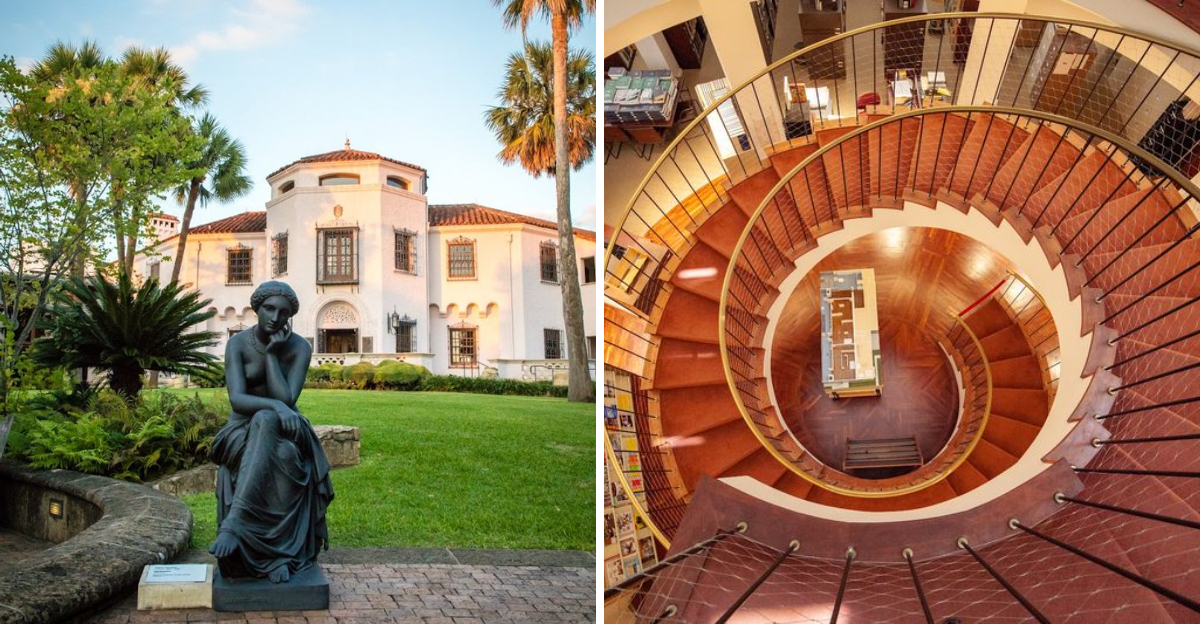
At some point, it stops feeling like a museum and starts feeling like someone’s private estate. The layout, the architecture, and the atmosphere all shift the experience into something more personal.
In Texas, places like this show how art can feel lived in rather than displayed.
The grounds open into courtyards, archways, and rooms that feel connected rather than sectioned off. Sunlight moves through the space in a way that makes each area feel calm and inviting instead of formal.
The art becomes part of the setting, blending into the surroundings rather than standing apart from them.
It changes how people move through the space. Instead of rushing from piece to piece, the experience becomes slower and more natural, like exploring a place meant to be enjoyed over time.
The Spanish Colonial Revival Mansion That Started It All
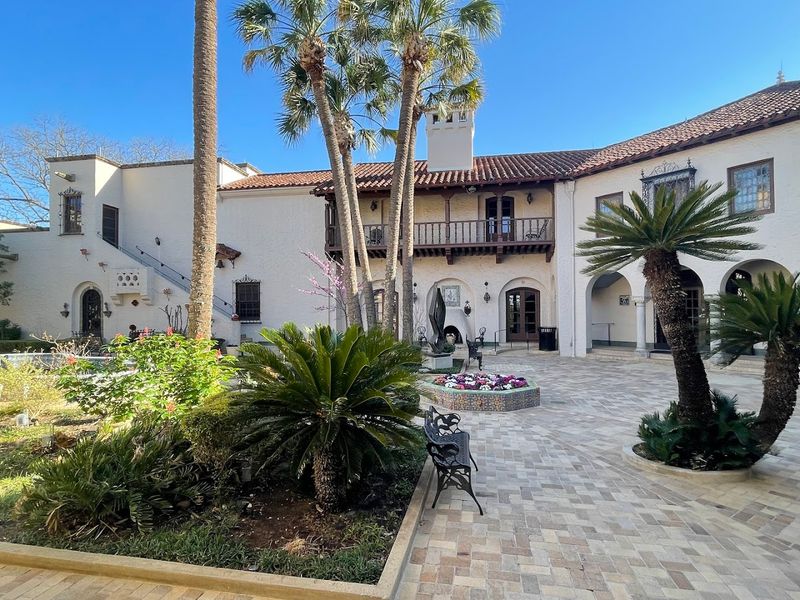
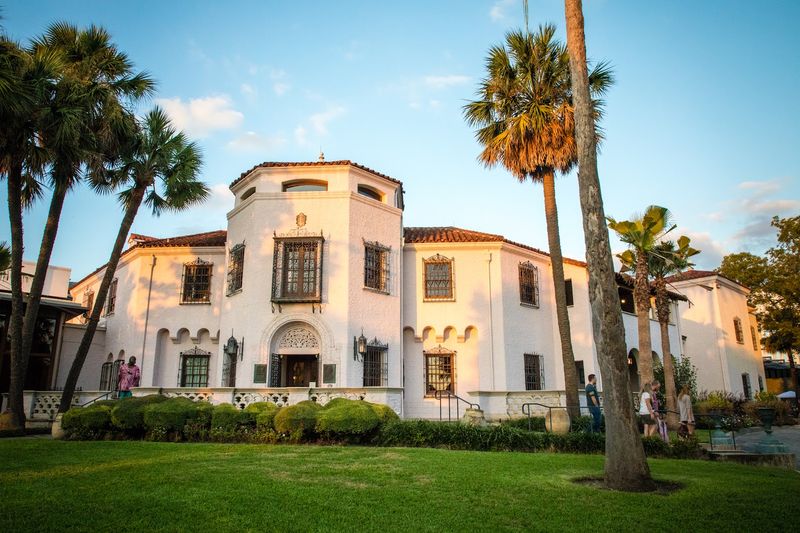
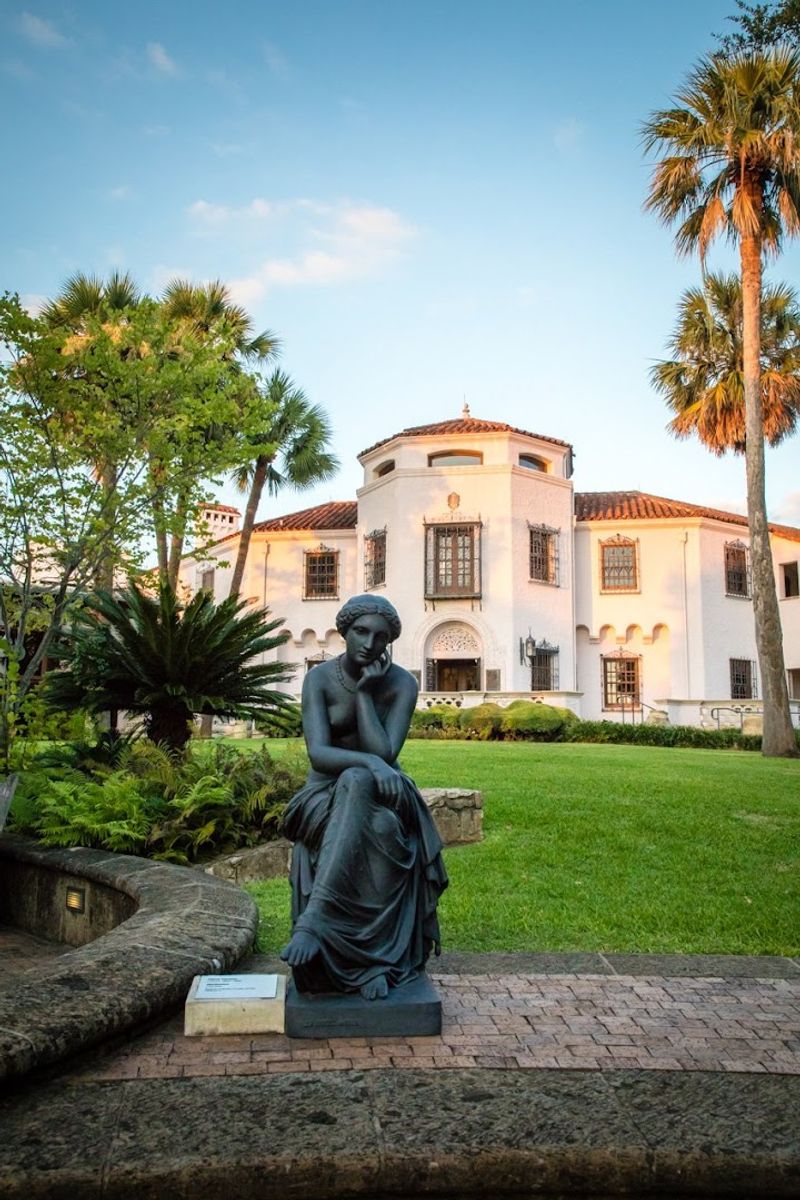
There is something almost surreal about realizing that the building you are exploring used to be someone’s actual home. The McNay mansion was designed in 1927 and every corner of it reflects a very deliberate love for Spanish Colonial architecture.
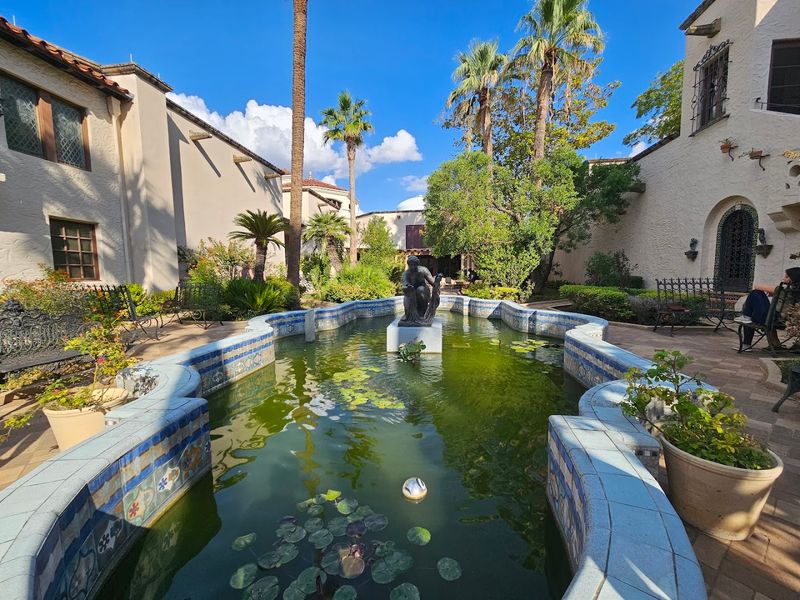
Low-pitched terracotta roofs catch the Texas sun in the most beautiful way.
Thick stucco walls keep the interior cool even on hot San Antonio afternoons. The arched entryways feel grand without being intimidating, which is a tricky balance to pull off.
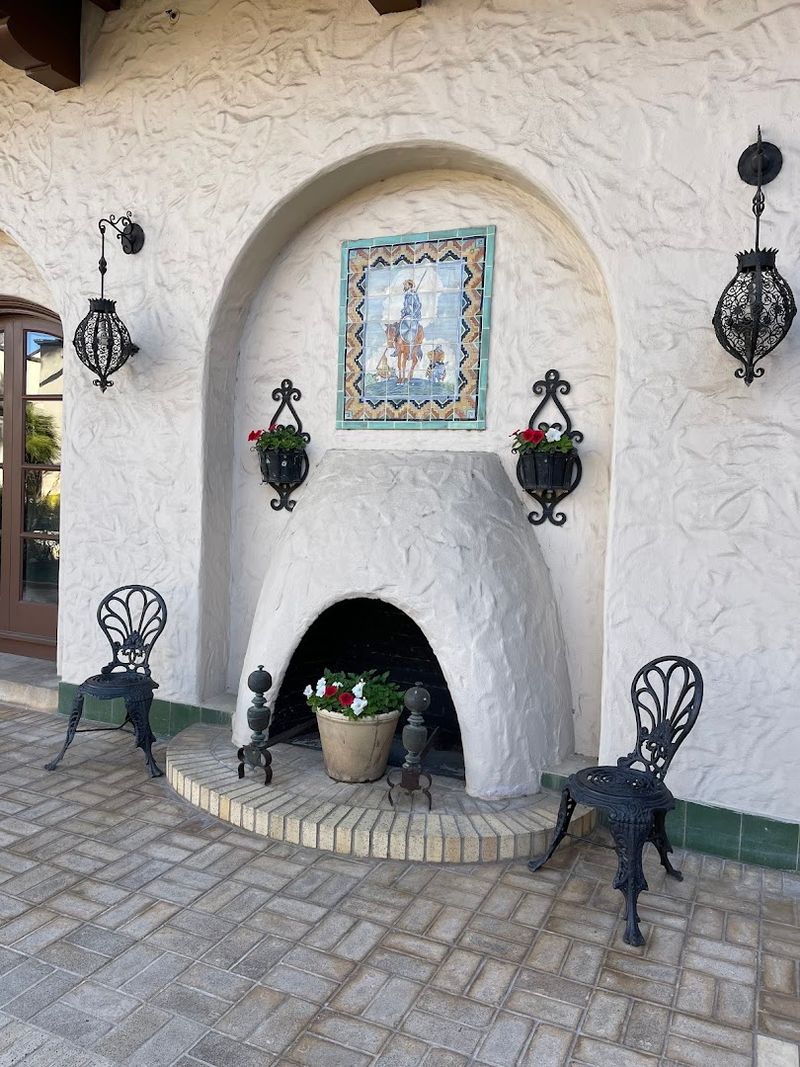
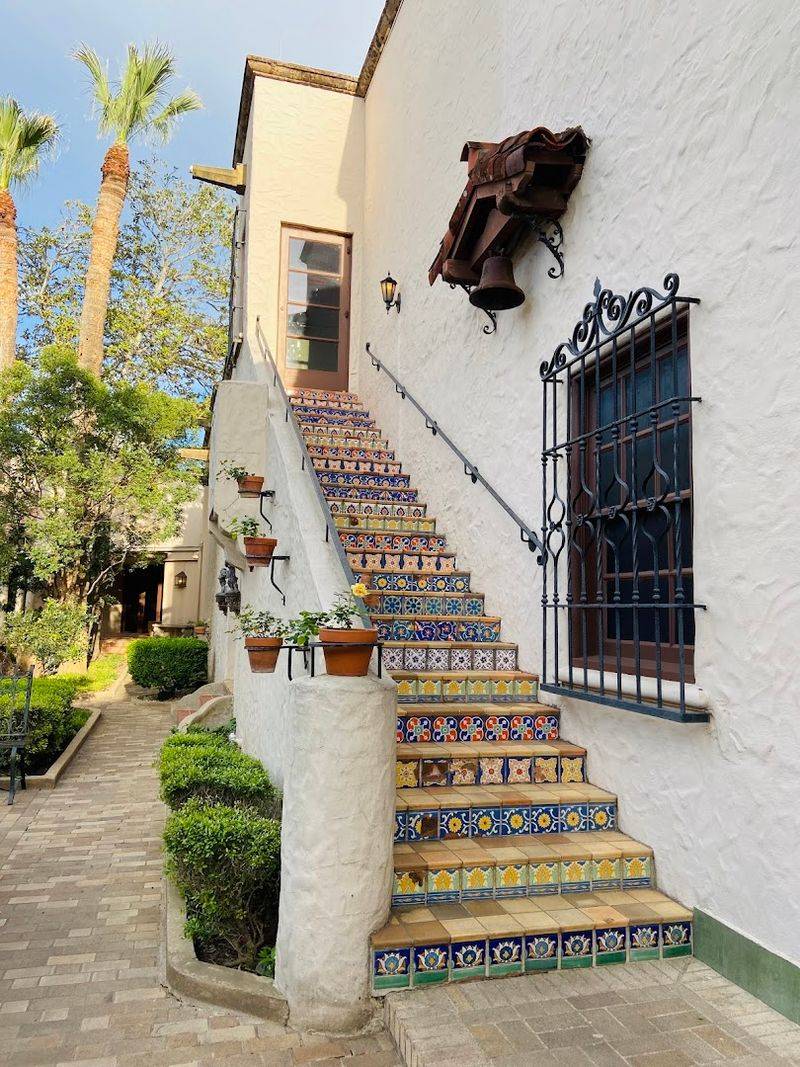
You wander from room to room and notice details like decorative ironwork, hand-painted tiles, and windows that frame the gardens like living artwork.
The mansion originally had 24 rooms, and many of them still carry that residential warmth that makes the whole experience feel personal rather than institutional. Most museums feel like you are a visitor passing through a space that was built for art.
Here, the art feels like it was simply placed into a home that already had character and charm baked into its bones.
Marion Koogler McNay and the Legacy She Left Behind
Not every museum gets its name from someone who genuinely loved art the way Marion Koogler McNay did. She was an artist and educator who spent decades collecting works that moved her, not just pieces that were fashionable or expensive.
When she passed away in 1950, she left her home, her collection, and a generous endowment to the city of San Antonio.
That gift became Texas’s very first modern art museum, which opened to the public in 1954. Think about that for a second.
One person’s passion for art created an institution that has shaped the cultural life of an entire city for over seventy years. That is not a small thing.
Her personal taste was wide-ranging and genuinely adventurous. She collected medieval art, post-Impressionist masterworks, and American modernism all under one roof.
The collection she built now includes over 20,000 works. Every gallery you walk through carries a little piece of her vision, and that sense of personal curation makes the whole museum feel more alive than a place that was simply designed by committee ever could.
A Collection That Spans Centuries and Continents
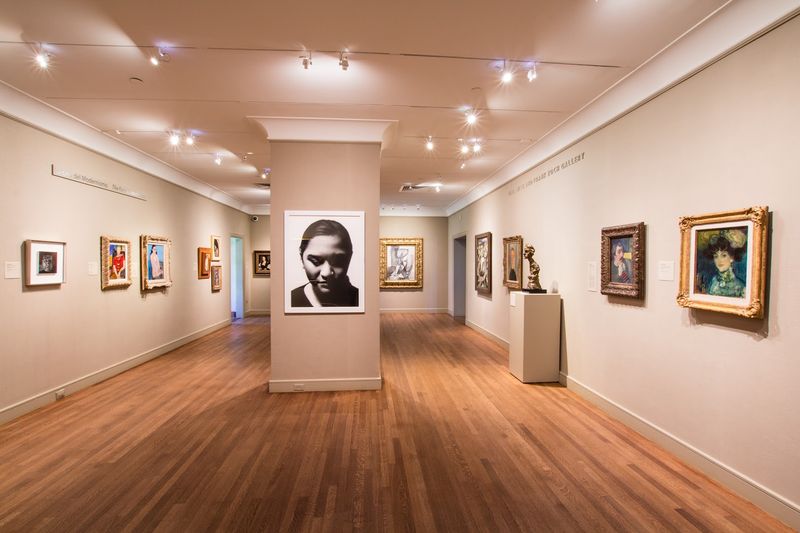
The range of art inside the McNay is genuinely impressive. You can move from a medieval altarpiece to a vibrant Picasso in just a few steps, and somehow it all feels cohesive.
That is a real curatorial achievement, and it keeps the experience from ever feeling repetitive or exhausting.
Works by Paul Cezanne, Paul Gauguin, Henri Matisse, and Pablo Picasso share wall space with American giants like Georgia O’Keeffe, Mary Cassatt, and Edward Hopper. Diego Rivera is represented here too, which feels especially fitting given San Antonio’s deep connection to Mexican culture and history.
Each artist brings a completely different energy to the rooms they inhabit.
The collection spans over 20,000 individual works, covering paintings, sculptures, photographs, and prints across several centuries. For anyone who thinks they are not really an art person, the McNay has a way of changing that.
You will find yourself stopping in front of something unexpected, something that just grabs you, and that moment of genuine connection is exactly what a great art collection is supposed to create.
The Gardens Are a Work of Art All on Their Own
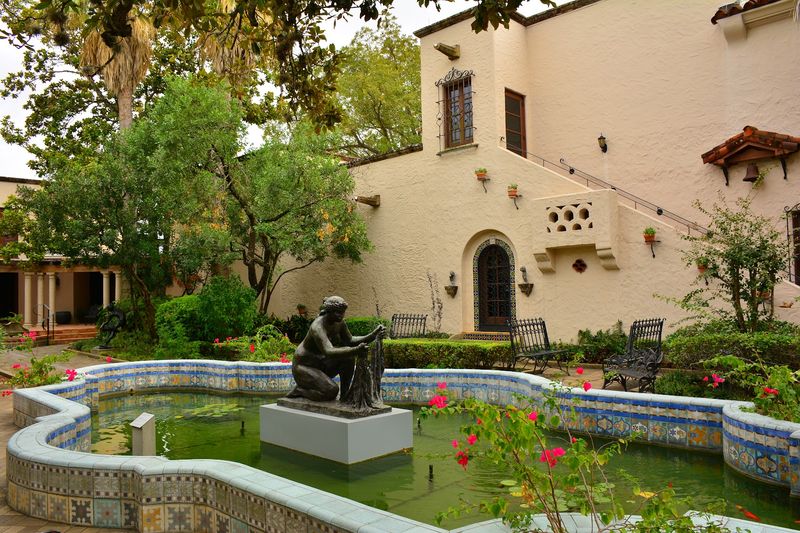
Most people go to the McNay for the art inside, but the 23-acre grounds outside are just as worth your time. The gardens are beautifully landscaped with broad lawns, mature trees, and stone fountains that make you want to find a bench and just sit for a while.
There is a calmness here that feels intentional.
A Japanese-inspired garden with a peaceful fishpond sits in one corner of the property. It is a quiet surprise, the kind of detail that makes you feel like you are discovering something.
The contrast between the Spanish Colonial architecture and the Japanese garden elements should feel odd, but somehow it just works.
Wandering through the grounds between gallery visits is one of the best things you can do at the McNay. The outdoor sculptures placed throughout the landscape add another layer to the artistic experience.
On a mild San Antonio morning, the combination of fresh air, greenery, and art feels genuinely restorative. It is the kind of place that reminds you why green space in a city matters so much, especially when it is this thoughtfully designed.
The Stieren Center Brings Modern Architecture Into the Mix
In 2008, the McNay expanded in a big way. The Jane and Arthur Stieren Center for Exhibitions was added to the campus, designed by French architect Jean-Paul Viguier.
It is a striking piece of contemporary architecture that sits in interesting contrast to the original Spanish Colonial mansion next door.
The Stieren Center adds 45,000 square feet of space to the museum. Inside, you will find light-filled galleries designed specifically for major traveling exhibitions, a glass-fronted gallery that highlights sculpture beautifully, a lecture hall, and dedicated learning centers.
The natural light that pours through the glass walls creates a completely different viewing experience from the warmer, more intimate mansion galleries.
What makes this addition work so well is that it does not try to compete with the original building. It complements it.
The two structures feel like a conversation between two different eras of design, and together they give the McNay a range and flexibility that allows it to host world-class exhibitions without losing the intimate character that makes the place so special. It is a smart, confident piece of museum planning.
How the Rooms Feel More Like Living Spaces Than Galleries
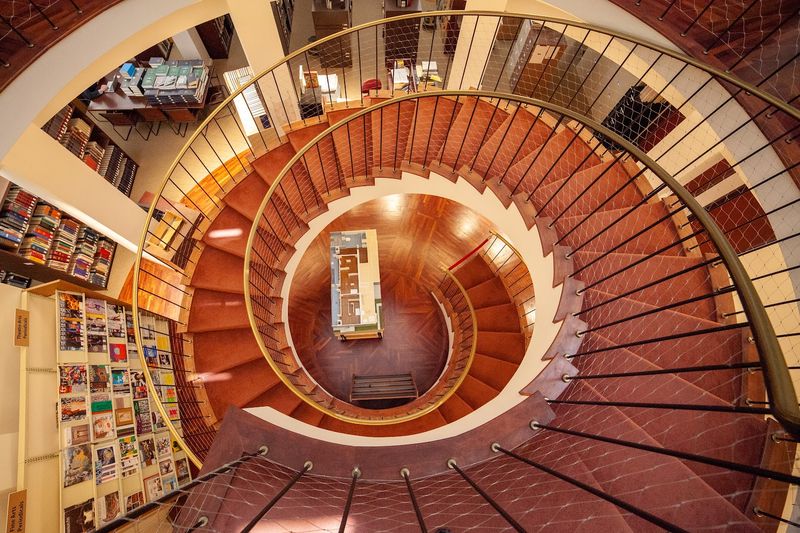
One of the most distinctive things about visiting the McNay is how the mansion rooms feel lived in. The art hangs on walls that were once part of someone’s dining room, sitting room, or study.
That context changes how you experience the work in a way that is hard to fully explain until you are standing in it.
The ceilings are detailed, the floors are tiled in traditional patterns, and the windows look out onto the gardens rather than a parking lot. It sounds like a small thing, but it completely shifts the mood.
You feel relaxed in a way that big, echoing museum halls rarely allow.
There is also something about the scale of the rooms that feels human. Nothing is overwhelming.
You can spend a few minutes with a single painting without feeling rushed or crowded, which is a luxury that larger institutions cannot always offer. The McNay seems to understand that art is best experienced slowly, and the architecture quietly encourages that kind of unhurried attention.
That is a rare and genuinely thoughtful quality in a public museum.
Medieval and Renaissance Art Hiding in a Texas Mansion
Not many people expect to find medieval and Renaissance art in San Antonio, which makes the McNay feel even more surprising. The collection includes works from these earlier periods that sit alongside the modern and contemporary pieces without any sense of awkwardness.
It is one of those places where the range actually enhances the experience.
Seeing a centuries-old religious painting in a room with terracotta floors and arched windows creates a kind of visual poetry. The Spanish Colonial setting feels like a natural home for works from that historical period, more so than a modern white-walled gallery ever could.
It is one of those happy accidents of context that makes a museum visit memorable.
These older works also give younger visitors something to think about. Art history can feel abstract when you are reading about it in a textbook, but seeing an actual medieval altarpiece up close makes history feel tangible.
The McNay does not treat these pieces as dusty relics. They are presented with the same care and relevance as everything else in the collection, which says a lot about the museum’s overall curatorial philosophy.
The Museum’s Role in San Antonio’s Cultural Identity
San Antonio has always had a strong cultural identity rooted in its Spanish colonial history, its Mexican heritage, and its Texas spirit. The McNay fits into that identity in a way that feels completely natural.
It is not a museum that was imported from somewhere else. It grew out of this place and reflects it.
Being Texas’s first modern art museum is a title that carries real weight. The McNay helped establish San Antonio as a serious arts destination decades before the city had the tourism infrastructure it has today.
That kind of cultural groundbreaking shapes a city’s self-image in lasting ways.
Local schools bring students here. Families come on weekends.
Artists from across Texas look to the McNay’s collection for inspiration. The museum is genuinely woven into the fabric of the city, not just a destination for tourists passing through.
That community connection is something you can actually feel when you visit, in the relaxed energy of the staff, the mix of visitors, and the sense that this place genuinely belongs to San Antonio in a way that goes beyond its address on North New Braunfels Avenue.
Special Exhibitions That Keep Every Visit Feeling Fresh
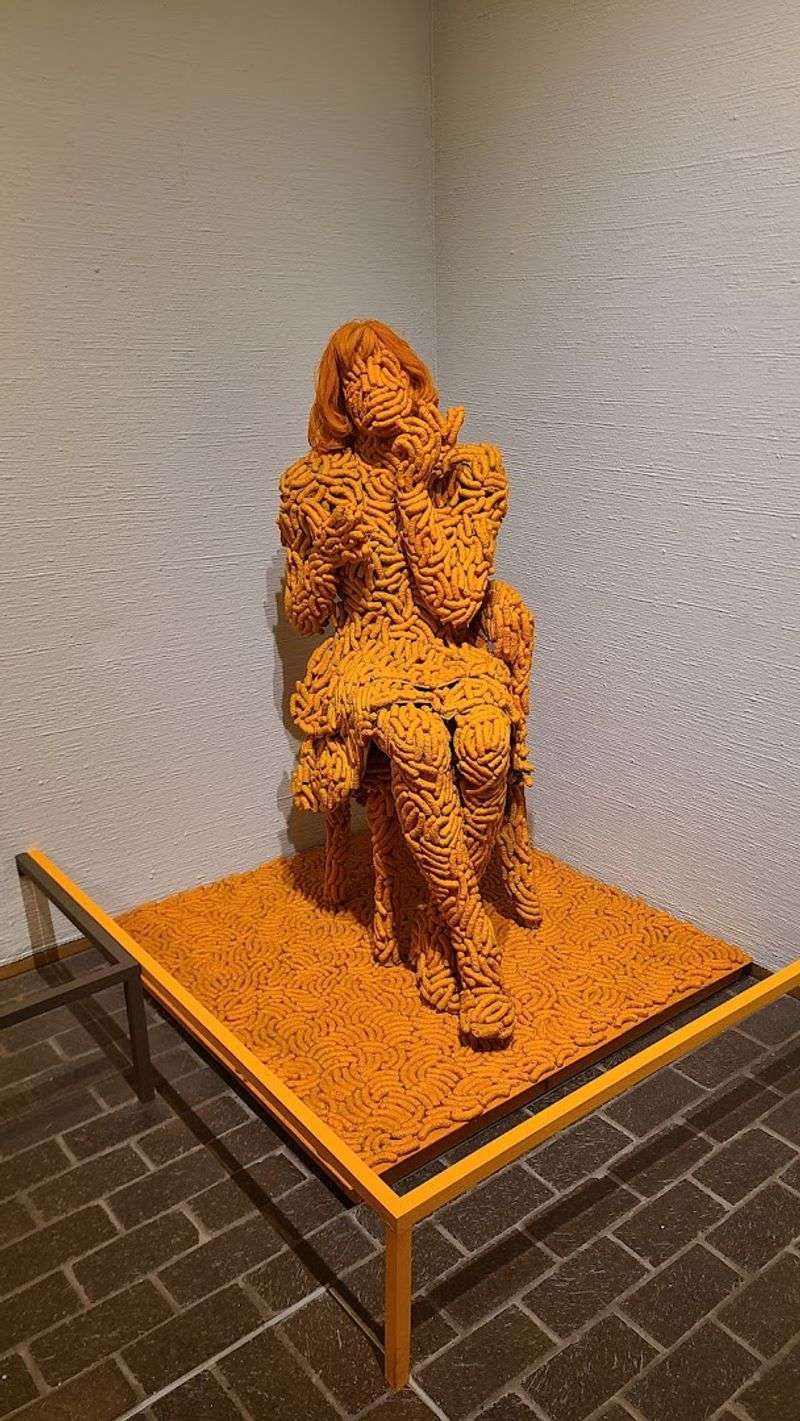
The permanent collection alone would be enough to justify a visit, but the McNay’s rotating special exhibitions give you a reason to come back again and again. The Stieren Center was built specifically to accommodate large-scale traveling shows, and it handles them with real grace.
The gallery spaces are flexible enough to transform completely between exhibitions.
Past exhibitions have covered everything from theatrical costume design to major retrospectives of individual artists. The programming tends to be thoughtfully connected to the permanent collection rather than feeling random or disconnected.
That sense of curatorial intention makes each special show feel like it belongs here rather than just passing through.
If you are planning a trip to San Antonio, it is worth checking what is currently on display at the McNay before you go. Timing your visit around a major exhibition can completely change the experience.
The combination of the historic mansion, the beautiful grounds, and a compelling temporary show creates one of those rare museum days where you lose track of time entirely. That is the kind of afternoon that stays with you long after you have driven back home.
Practical Tips for Making the Most of Your Visit
The McNay is located at 6000 N. New Braunfels Ave. in San Antonio, which puts it in a lovely residential neighborhood that is easy to reach from most parts of the city.
Parking is available on site, and the campus is large enough that it never feels chaotic even on busier days. Arriving in the morning gives you the best light in the gardens.
Wear comfortable shoes because the grounds are large and worth exploring fully. The combination of indoor galleries and outdoor spaces means you will be moving between different environments throughout your visit.
Plan for at least two to three hours if you want to do the place justice without rushing.
The museum offers free admission on certain days, so checking the McNay’s website before your visit is always a smart move. The gift shop carries a genuinely good selection of art books, prints, and locally made items.
There is also a cafe on the premises for when you need a break. The whole experience is one of those rare finds in Texas travel, a place that surprises you, moves you a little, and makes you glad you made the detour.
Dear Reader: This page may contain affiliate links which may earn a commission if you click through and make a purchase. Our independent journalism is not influenced by any advertiser or commercial initiative unless it is clearly marked as sponsored content. As travel products change, please be sure to reconfirm all details and stay up to date with current events to ensure a safe and successful trip.
