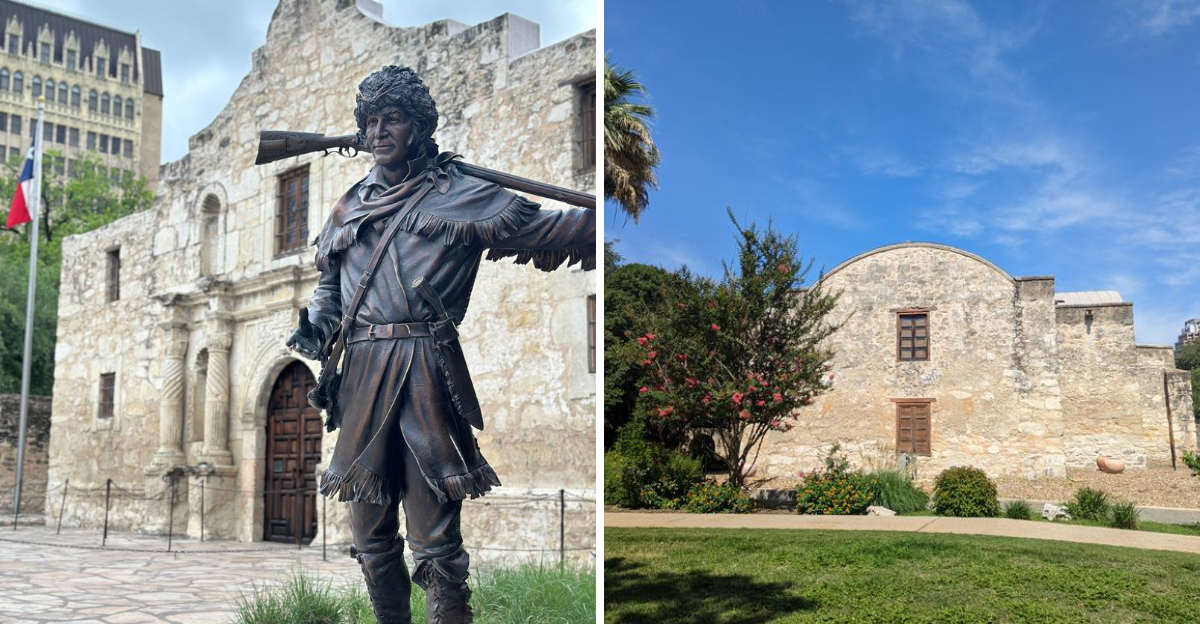
Standing in the heart of downtown San Antonio at 300 Alamo Plaza, The Alamo draws millions of visitors each year who come to witness the place where 189 defenders made their legendary last stand in 1836.
This former Spanish mission turned battlefield has become one of Texas’s most recognizable landmarks, yet it sparks passionate debates among locals about its true value as a tourist destination.
Some San Antonio residents fiercely protect the site’s historical significance and consider it sacred ground that honors the brave souls who fought for Texas independence.
Others view it as an overcommercialized tourist trap surrounded by modern buildings that diminish its authenticity and turn a solemn memorial into just another photo opportunity for out-of-towners.
Free Admission Creates Mixed Feelings About Value
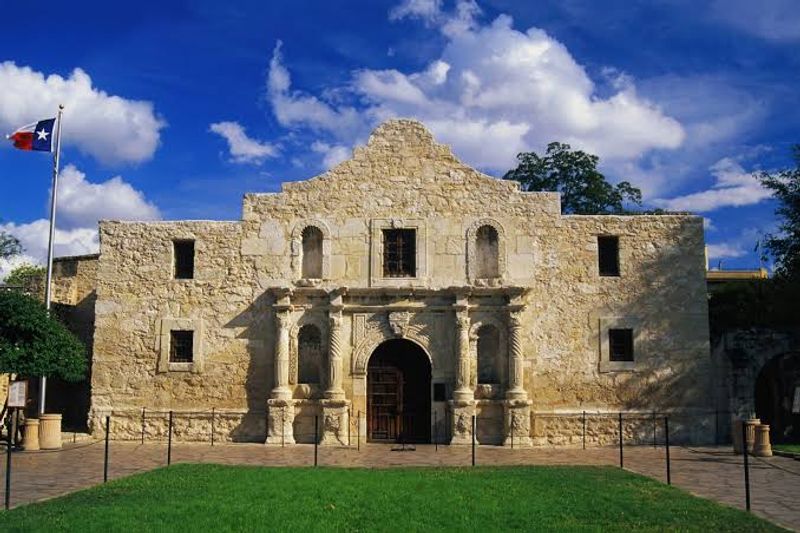
Visitors walking through the gates of The Alamo discover that the basic experience costs absolutely nothing, which sounds like a dream for budget travelers.
The iconic church building requires a free timed ticket that you can grab at the welcome center or reserve on your phone, making entry smooth and organized.
Locals who defend this setup appreciate that historical education remains accessible to everyone regardless of their financial situation.
Walking the grounds, reading plaques, and viewing the exterior takes about twenty to forty minutes for most families.
The controversy begins when visitors realize that truly comprehensive experiences come with price tags ranging from fourteen to forty dollars per person.
Audio tours, museum exhibits featuring Phil Collins’s extensive artifact collection, and guided experiences all require additional payment.
Critics argue that keeping the basic tour free while charging for deeper historical content creates a two-tiered system.
Families on tight budgets might feel they’re missing important stories because they can’t afford the premium options.
Defenders counter that maintaining this historic site requires funding, and optional paid experiences help preserve the grounds for future generations.
Downtown Location Destroys Historical Atmosphere
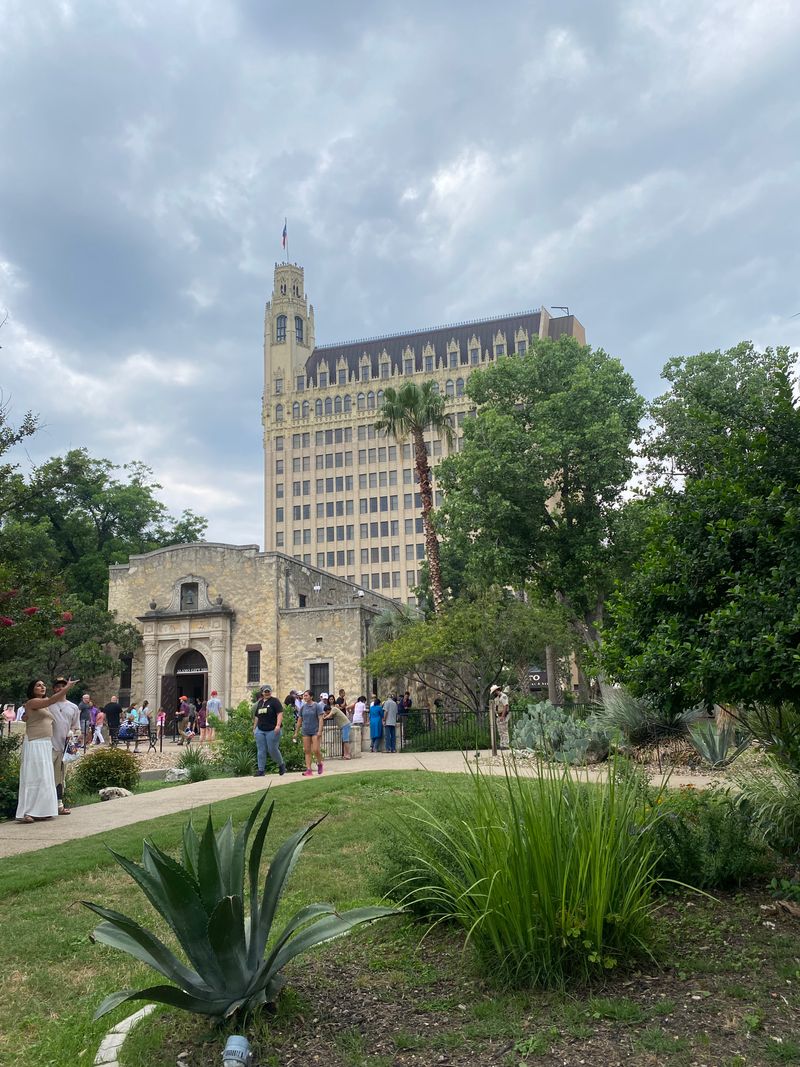
Many first-time visitors experience genuine shock when they discover The Alamo sitting smack in the middle of a bustling urban environment.
Movies and television shows typically portray the fortress as standing alone in an empty desert landscape, creating expectations of isolation and solitude.
Reality hits hard when you round the corner and see the historic mission surrounded by hotels, restaurants, gift shops, and modern commercial buildings.
The Emily Morgan Hotel and Menger Hotel tower nearby, while Ripley’s Believe It or Not museum competes for attention just across the plaza.
The original Alamo compound once covered several acres, but modern development has swallowed most of that footprint over the past two centuries.
Defenders point out that cities grow and change, and San Antonio’s downtown development actually makes the site more accessible to visitors.
The proximity to River Walk, restaurants, and other attractions means tourists can easily include The Alamo in a full day of exploration.
Still, the contrast between expectation and reality leaves many visitors feeling disappointed that they can’t experience the site in its original isolated setting.
The debate continues whether accessibility or authenticity should take priority when preserving historical landmarks.
Commercial Gift Shops Overshadow Solemn History
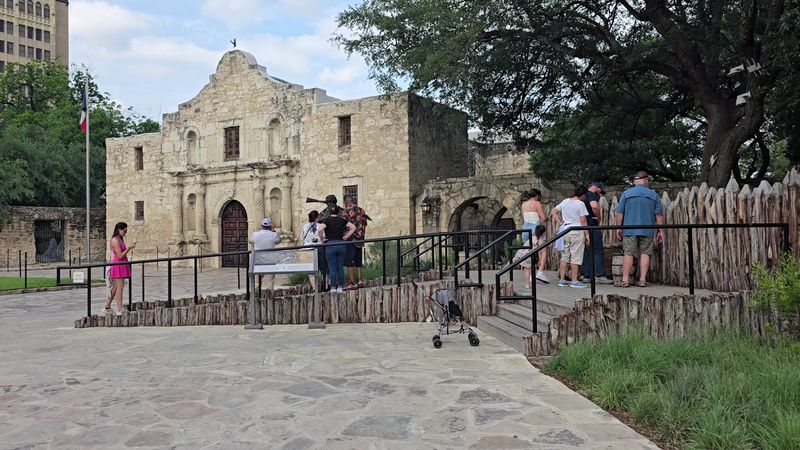
Walking through The Alamo complex, visitors encounter a massive gift shop that sells everything from tasteful historical books to kitschy “Remember the Alamo” bottle openers.
The store sprawls across significant square footage, offering t-shirts, magnets, replica weapons, children’s toys, and countless other items branded with Alamo imagery.
Critics view this extensive retail operation as disrespectful commercialization of hallowed ground where defenders like Davy Crockett and William Travis made their final stand.
Should a battlefield memorial really function as a shopping destination where tourists hunt for the perfect refrigerator magnet?
The controversy deepens when photographers stationed around the grounds offer to snap your picture for thirty to forty dollars.
Many visitors expect this kind of commercial photography at theme parks, but finding it at a historical site feels jarring and inappropriate.
Locals who defend the gift shop argue that retail sales provide crucial funding for preservation efforts and educational programs.
Without revenue from merchandise, maintaining the grounds and creating new exhibits would become significantly more challenging.
The shop also serves visitors who genuinely want quality historical books and artifacts to continue learning after their visit ends.
Smaller Size Than Expected Leaves Visitors Underwhelmed
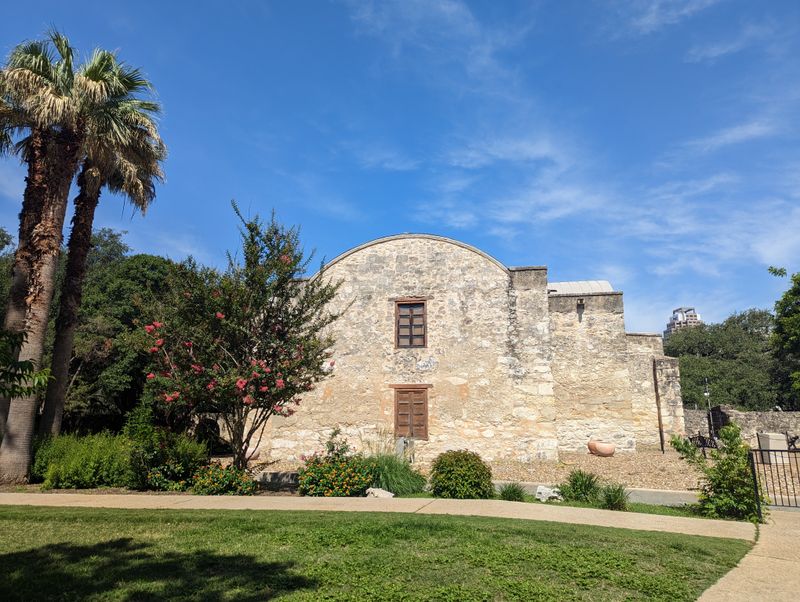
Countless reviews and visitor comments mention the same surprising discovery when they finally see The Alamo in person.
The church building is considerably smaller than most people imagine based on photographs and movie depictions.
Hollywood productions and dramatic paintings tend to exaggerate the scale, creating mental images of a sprawling fortress complex.
What survives today is primarily the mission church plus some restored walls and barracks areas that occupy a relatively compact footprint.
The entire free tour takes less than an hour for most visitors, and some people complete their visit in just twenty minutes.
Critics complain that after traveling potentially hundreds of miles to see this famous landmark, the quick experience feels anticlimactic and hardly worth the journey.
They expected to spend hours exploring extensive grounds and multiple buildings filled with artifacts from the 1836 battle.
Defenders remind critics that most of the original Alamo compound was destroyed or demolished over the past two centuries.
What remains represents only a fraction of the original mission and fortress structure where the battle actually occurred.
The fact that anything survived at all after nearly two hundred years deserves appreciation rather than disappointment.
Phil Collins Artifact Collection Sparks Debate
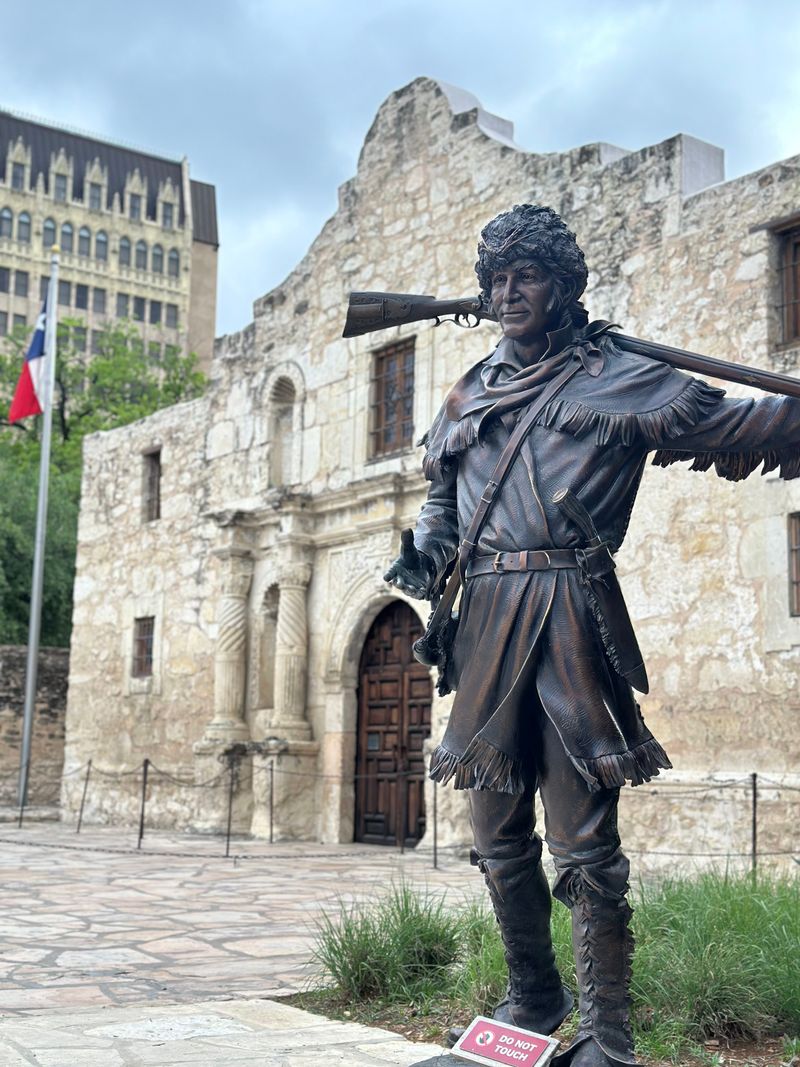
Most visitors never expect to encounter Phil Collins while exploring Texas history, but the famous drummer and singer plays a surprising role at The Alamo.
Collins spent decades collecting artifacts from the Texas Revolution, amassing one of the world’s finest private collections of items from the 1836 battle.
He eventually donated his entire collection to The Alamo, and these pieces now form the centerpiece of the paid museum experience.
The exhibit includes incredibly rare items like a rifle owned by Davy Crockett, along with muskets, documents, and personal effects from defenders.
Locals who appreciate this contribution praise Collins for his genuine passion for Texas history and his generosity in sharing these treasures.
The artifacts provide tangible connections to real people who fought and died, making history feel immediate and personal.
Critics question why visitors must pay extra to see the most significant historical items when the battle itself belongs to all Texans.
Shouldn’t Crockett’s rifle be available for everyone to view rather than locked behind a paywall?
Living History Demonstrations Bring Authenticity
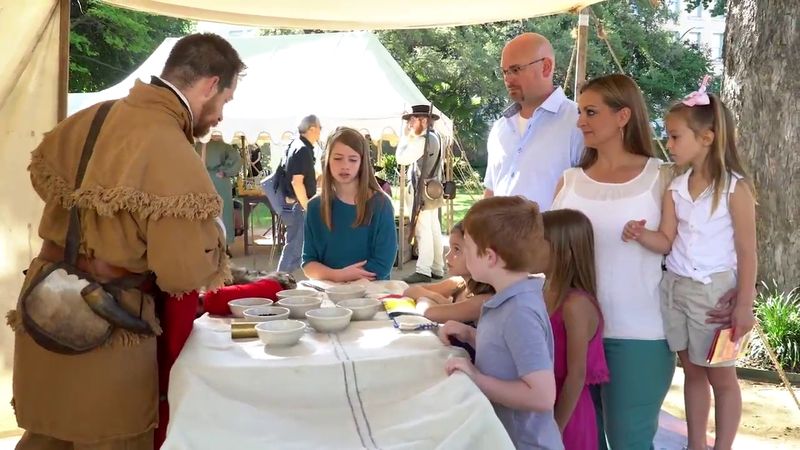
Throughout the day, costumed interpreters in period clothing demonstrate how soldiers lived and fought during the 1836 siege.
These living history presentations include musket firing demonstrations using authentic flintlock firearms that produce impressive noise and smoke.
Visitors watch as interpreters explain loading procedures, firing techniques, and the challenges defenders faced using these weapons against Mexican artillery.
Children especially respond to these interactive demonstrations, which transform abstract history into exciting sensory experiences they’ll actually remember.
The interpreters display remarkable knowledge and passion, answering questions with details that bring the thirteen-day siege to life.
Many reviewers comment that conversations with these costumed historians provided the most memorable and educational moments of their entire visit.
Locals who defend The Alamo point to these programs as evidence that the site takes education seriously despite commercial elements.
The demonstrations happen multiple times daily, giving visitors several opportunities to experience this unique programming.
Critics acknowledge the quality of living history presentations but argue they can’t fully compensate for the commercialized atmosphere surrounding the grounds.
Beautiful Grounds Versus Tourist Crowds
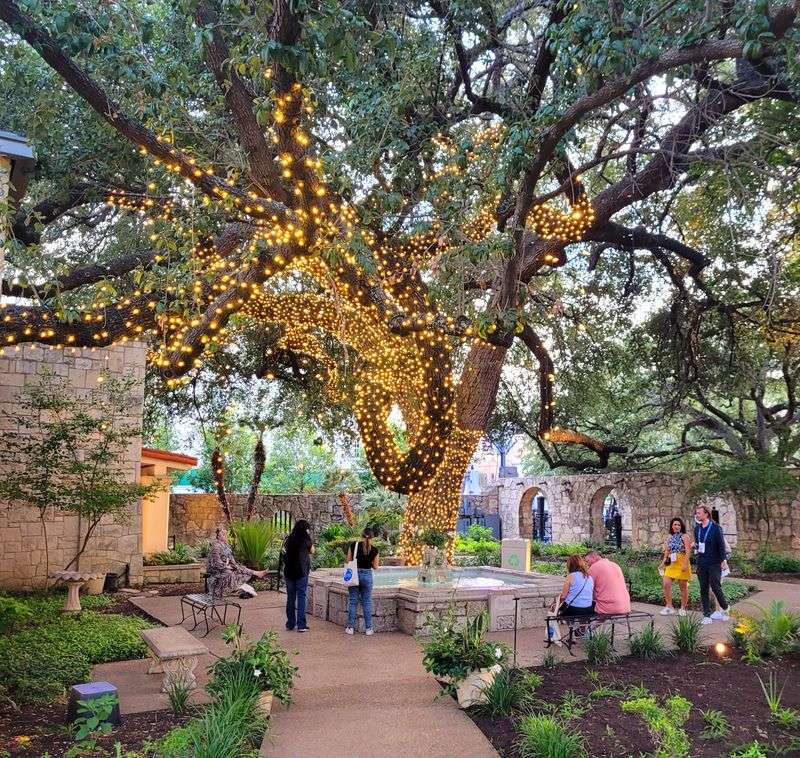
The Alamo grounds feature meticulously maintained gardens, walkways, and landscaping that create peaceful spaces for reflection and photography.
Statues honoring defenders stand throughout the property, including impressive cavalry monuments that capture the drama of the Texas Revolution.
Restored walls give visitors a sense of the compound’s original layout, while interpretive signs explain what stood where during the 1836 battle.
During Christmas season, decorations transform the grounds into a particularly beautiful destination that locals genuinely love visiting.
The problem emerges when massive crowds descend on this relatively small space, especially during peak tourist seasons and weekends.
Lines to enter the church building can stretch across the plaza, requiring waits of thirty minutes or longer.
Inside the small church, visitors shuffle past artifacts and plaques while dozens of other people press around them.
Some reviewers complain about tourists with zero self-awareness blocking doorways, standing in front of displays, and generally making navigation frustrating.
The sacred, reflective experience that defenders merit becomes nearly impossible when you’re jostling through crowds and waiting in lines.
Proximity to River Walk Creates Convenience
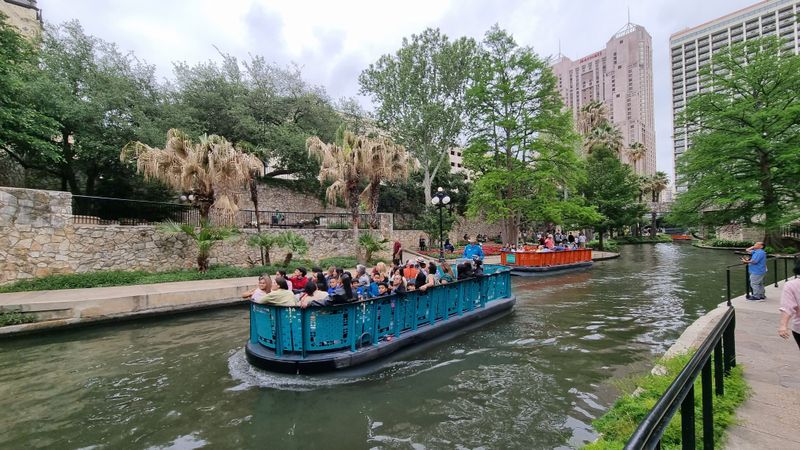
The Alamo sits within easy walking distance of San Antonio’s famous River Walk, creating natural synergy for tourists planning full-day downtown adventures.
After touring the historic site, visitors can stroll to the river in just minutes and enjoy restaurants, shops, and boat tours.
Tower of the Americas, numerous museums, and other attractions cluster nearby, making efficient use of travel time and parking expenses.
Locals who support The Alamo appreciate how this central location helps the entire downtown area thrive economically.
Tourist dollars spent at The Alamo often flow into surrounding businesses, supporting jobs and tax revenue for San Antonio.
Families can structure their day to include history, dining, entertainment, and shopping without driving between scattered locations.
The walkability factor makes the area accessible for visitors with mobility challenges who might struggle with more spread-out attractions.
Critics argue that this very convenience contributes to the site’s problems by encouraging rushed visits from tourists checking items off their bucket lists.
Ongoing Archaeological Work Promises Future Improvements
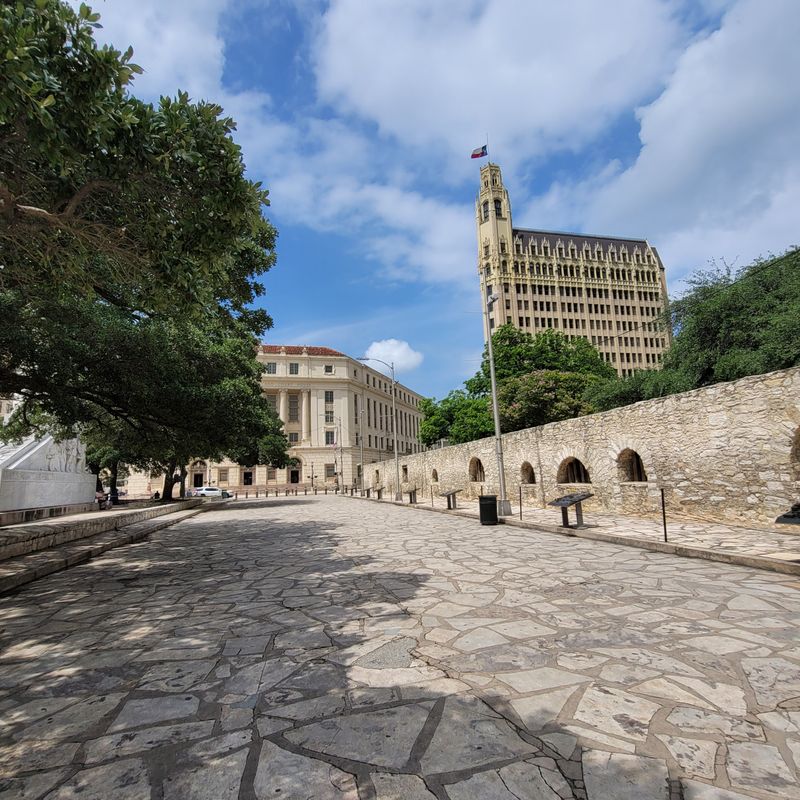
Visitors exploring the grounds notice active archaeological sites where researchers continue uncovering artifacts and structural remains from the original mission complex.
These excavations reveal foundations, artifacts, and evidence that helps historians better understand how people lived and fought at The Alamo.
New exhibit areas are currently under construction, promising expanded educational opportunities and more comprehensive storytelling about the site’s three-hundred-year history.
The Alamo began as a Spanish mission long before the famous 1836 battle, and fuller interpretation of this layered history is gradually emerging.
Locals who defend the site point to these ongoing improvements as evidence of serious commitment to historical accuracy and education.
Rather than remaining static, The Alamo continues evolving based on new research and changing understanding of Texas history.
Critics acknowledge these positive developments but question whether they address the fundamental commercialization concerns that make many residents uncomfortable.
Better exhibits and more archaeological discoveries won’t eliminate gift shops or reduce the crowds that overwhelm the small space.
The challenge involves balancing preservation, education, accessibility, and reverence while generating enough revenue to fund all these competing priorities.
Complex History Creates Uncomfortable Modern Conversations
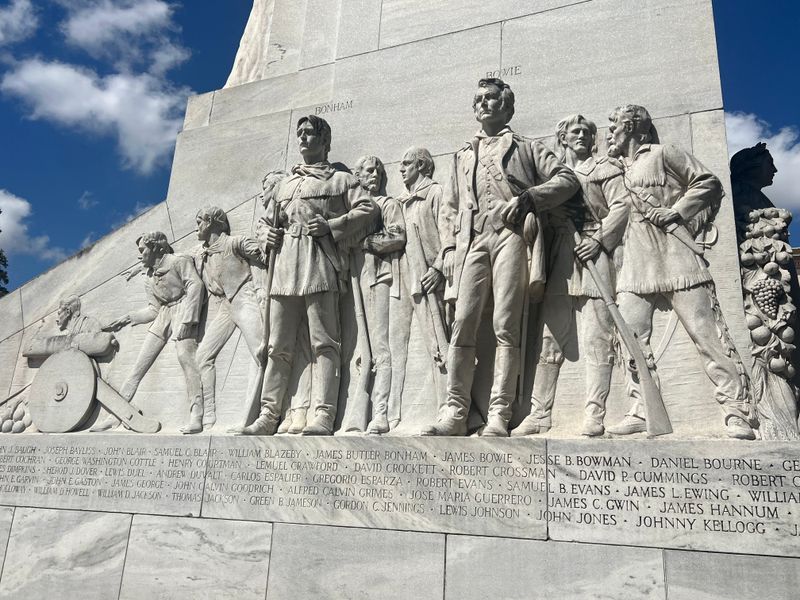
Recent visitors increasingly grapple with complicated historical realities that don’t fit neatly into traditional heroic narratives about The Alamo.
The American settlers who died defending the fort were technically immigrants who had moved into Mexican territory and then rebelled against their host government.
This perspective feels particularly relevant during modern debates about immigration, citizenship, and who belongs in contested territories.
The defenders fought partly to preserve slavery, which Mexico had abolished, adding another uncomfortable dimension to their motivations.
These nuances challenge simplified stories about freedom fighters standing against tyranny, forcing visitors to consider multiple perspectives on the conflict.
Some locals appreciate when The Alamo acknowledges these complexities and presents fuller historical context rather than one-sided hero worship.
Other residents resist any interpretation that questions traditional narratives or suggests the defenders fought for anything less than pure ideals.
They view critical historical analysis as disrespectful to men who died for their beliefs, regardless of what those beliefs included.
The debates reflect broader cultural tensions about how Americans should remember and teach complicated history that doesn’t align with contemporary values.
Dear Reader: This page may contain affiliate links which may earn a commission if you click through and make a purchase. Our independent journalism is not influenced by any advertiser or commercial initiative unless it is clearly marked as sponsored content. As travel products change, please be sure to reconfirm all details and stay up to date with current events to ensure a safe and successful trip.
