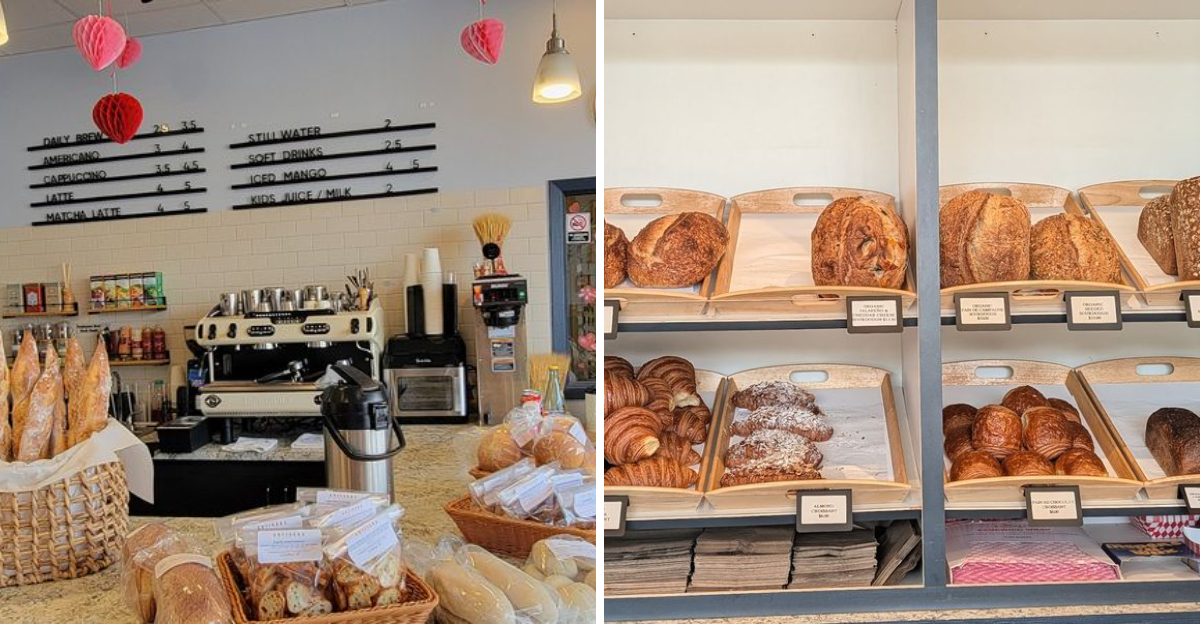
How many bakeries can say they use organic flour and zero preservatives? Not many.
This one does, and the results speak for themselves. Croissants that shatter into perfect flakes.
Danishes bursting with seasonal fruit. Bread with a crust so good, it practically demands to be torn open in the car.
The menu changes, so regulars never get bored. Everything is made from scratch, no shortcuts, no mystery ingredients.
This is baking that takes time and care, and it shows in every bite. Houston has plenty of bakeries, but this one stands out for its commitment to clean ingredients and real technique.
Grab a baguette, a pastry, and maybe a loaf of sourdough for later. The bread will not last long, and that is the point.
A Houston Neighborhood Gem Worth Finding
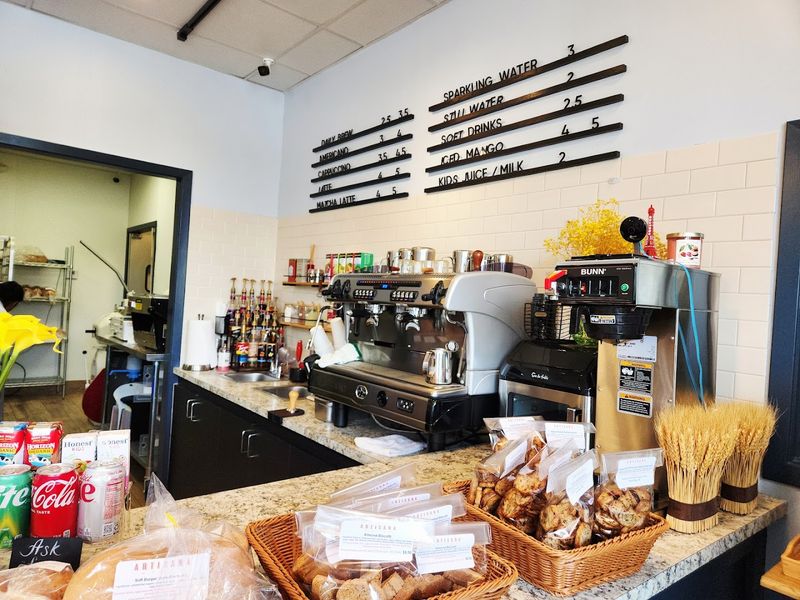
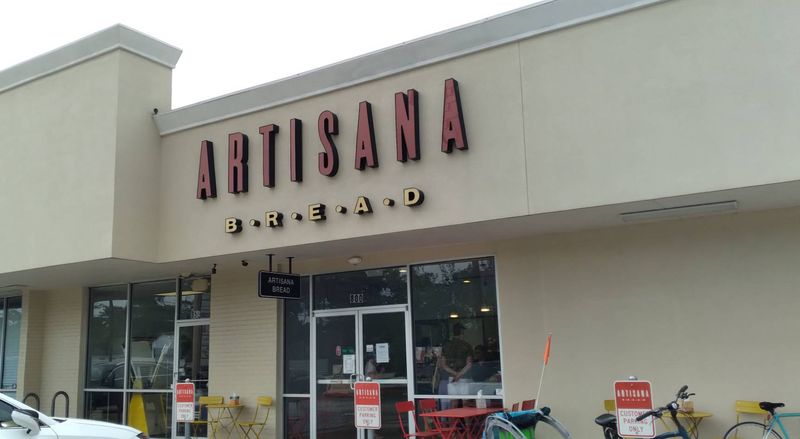
Some of the best food spots in any city are the ones that don’t announce themselves. Artisana Bread sits in Houston, Texas, hidden into a commercial suite that blends into its surroundings without fanfare.
No flashy signage, no line stretching around the block at first glance. Yet the people who know, they show up early and they show up often.
The neighborhood itself has a relaxed, unpretentious energy that suits the bakery perfectly. Houston’s northwest side doesn’t always get the food spotlight, but spots like this one quietly earn their reputation through consistency and craft rather than hype.
It’s the kind of place locals feel a little protective of, like a secret they’re proud to share.
Getting there is straightforward, and parking is easy, which feels like a bonus in a city where that’s never guaranteed. The suite setup means you might walk past it once before spotting the right door, but that small moment of discovery makes the arrival feel even more rewarding.
First-time visitors often describe a genuine surprise at what’s inside. The space is compact but comfortable, with limited indoor seating and a small outdoor area that catches the morning breeze.
Everything about the location signals that the focus here is entirely on the bread and pastries, not the ambiance. That kind of priorities-first approach is refreshing in a food scene that sometimes leans too heavily on aesthetics over substance.
Organic Flour and What It Actually Changes
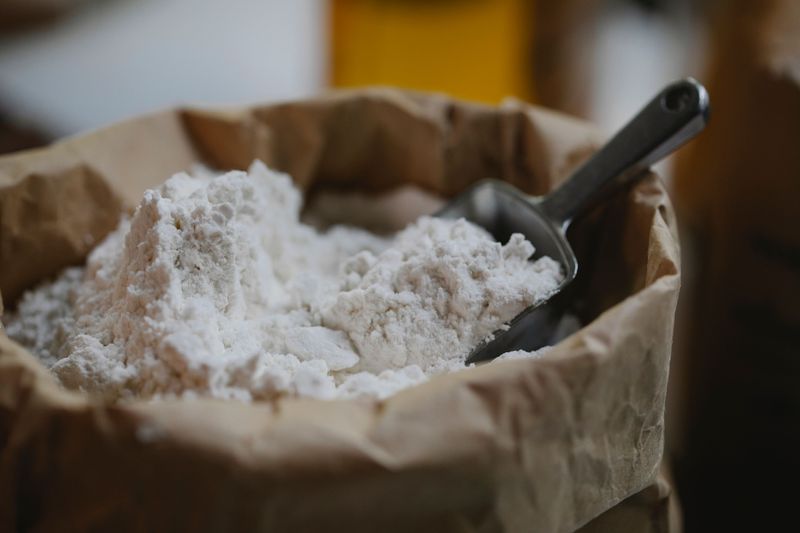
Flour is the foundation of every loaf, and most people never think twice about it. Artisana Bread thinks about it constantly.
The bakery uses only organic and unbleached flours, sometimes sourcing wheat that was grown right here in Texas, which gives their bread a connection to the land that mass-produced loaves simply cannot replicate.
Unbleached flour retains more of its natural character. It hasn’t been stripped or chemically treated to look whiter or behave more predictably in industrial ovens.
That might seem like a small distinction, but in baking, small distinctions compound. The flavor is deeper, the texture more complex, and the finished bread feels more alive in a way that’s genuinely hard to describe until you taste it.
Their sourdough culture is made with certified organic flours as well, which means the wild yeast and bacteria that give sourdough its tang and chew are being fed clean, quality ingredients from the very start. That attention to the starter is part of what makes the final loaves so consistent.
You’re not getting a different bread depending on the day or the batch. Ancient wheat varieties like einkorn, spelt, and kamut also show up in some of their loaves, bringing nutty, slightly sweet flavors that modern wheat just doesn’t carry.
For anyone who has ever felt that commercial bread tastes flat or forgettable, this is a direct and delicious answer to that problem.
The Slow Fermentation Process Behind Every Loaf
Patience is an ingredient at Artisana Bread. The bakery follows a long, slow, cold fermentation process that takes significantly more time than conventional bread production.
Most commercial operations rush bread from mix to oven as fast as possible. Here, the dough is given time to develop, rest, and transform at its own pace.
Cold fermentation does something remarkable to bread. As the dough slowly ferments in cooler temperatures, enzymes break down complex starches and proteins in ways that faster methods never allow.
The result is bread that’s easier on digestion, more flavorful, and structurally superior. That open, irregular crumb you see in a well-made sourdough loaf?
That’s what hours of slow fermentation produces.
Wild yeast starters, also called sourdough cultures, are at the heart of this process. Unlike commercial yeast packets that behave predictably and quickly, wild yeast works gradually and creates a broader spectrum of flavor compounds.
There’s a mild acidity, a depth of taste, and a chewiness to the crust that becomes genuinely addictive over time. Many people who have switched to naturally fermented bread report that they struggle to enjoy regular bread afterward.
That’s not an exaggeration. Once you experience the difference, the shortcut version loses its appeal entirely.
Artisana Bread has committed to this slower, more demanding method not because it’s trendy but because it genuinely produces a better product. The loaves speak for themselves every single morning.
Scratch Pastries Made With Real Butter
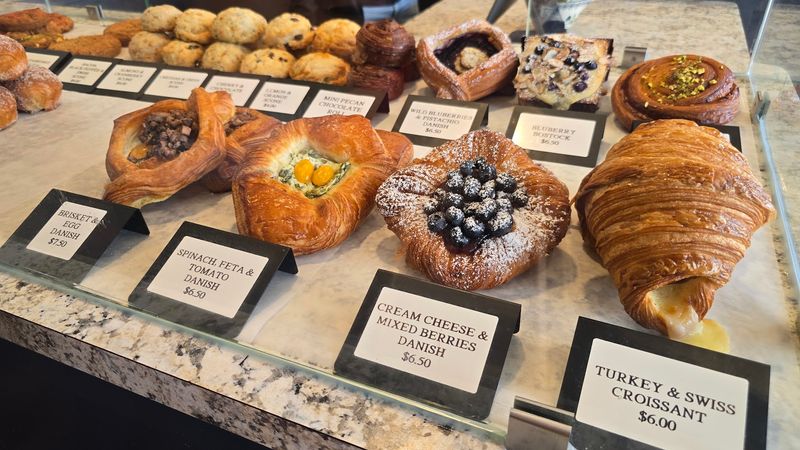
There is a moment when you bite into a croissant made with real butter and realize that most of what you’ve eaten before was an imitation. Artisana Bread makes all of its French pastries entirely from scratch, using only butter.
No margarine, no oils, no shortcuts that compromise the final result.
The difference shows up immediately in the layers. Proper laminated dough, the kind used for croissants and Danish pastries, requires repeated folding and chilling to build dozens of paper-thin layers of dough and butter.
When it bakes, those layers puff apart and crisp up into something extraordinary. Customers have specifically called out the chocolate croissants for their beautifully laminated layers, and the Danish for being buttery, flaky, and crispy in all the right ways.
Making pastries this way is genuinely labor-intensive. It requires skill, timing, and a deep respect for the process.
Cutting corners with cheaper fats would save time and money but would destroy everything that makes these pastries worth eating. The bakery clearly understands this, which is why the commitment to scratch preparation isn’t just a marketing point but a daily practice baked into every item on the display.
Focaccia joins the pastry lineup on Fridays and Saturdays, bringing that same from-scratch philosophy to a different format entirely. Whether it’s a delicate croissant or a dimpled, olive-oil-kissed focaccia, the standard stays consistent.
Good ingredients, real technique, and no compromises on the things that actually matter to the finished product.
No Preservatives and What Honest Bread Really Means
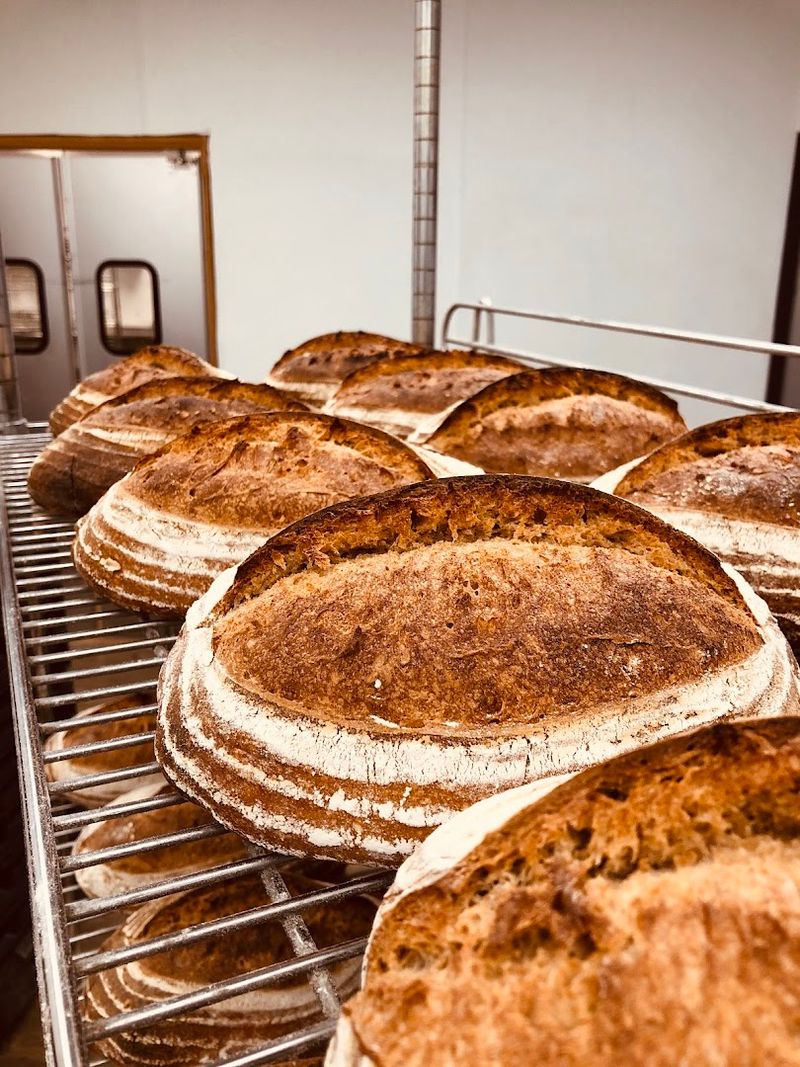
Artisana Bread uses a phrase that sticks with you: honest bread. It’s simple, but it carries a lot of weight.
Honest bread means no preservatives, no chemicals added to extend shelf life, and no additives that exist purely for commercial convenience rather than flavor or nutrition.
Most grocery store bread contains a list of ingredients that reads more like a chemistry textbook than a recipe. Dough conditioners, emulsifiers, shelf-life extenders, these are standard in mass production because they make bread easier to manufacture, transport, and sell over long periods.
None of that is happening at Artisana Bread. What goes into the dough is what should go into bread: flour, water, salt, and a living culture.
This approach does mean the bread doesn’t last on a shelf for two weeks. It’s baked fresh daily and meant to be eaten relatively soon after purchase.
That’s a feature, not a flaw. Bread that goes stale quickly is bread that was actually alive to begin with.
The absence of preservatives also means the flavors are cleaner and more direct. There’s nothing masking the taste of good wheat or a well-developed fermentation.
Some people find this shift in expectation takes a little adjustment, especially if they’re used to buying bread once a week and forgetting about it. But once that adjustment happens, the idea of eating chemically preserved bread starts to feel like the strange choice.
Artisana Bread makes the natural option feel completely effortless.
The Bread Selection That Keeps People Coming Back
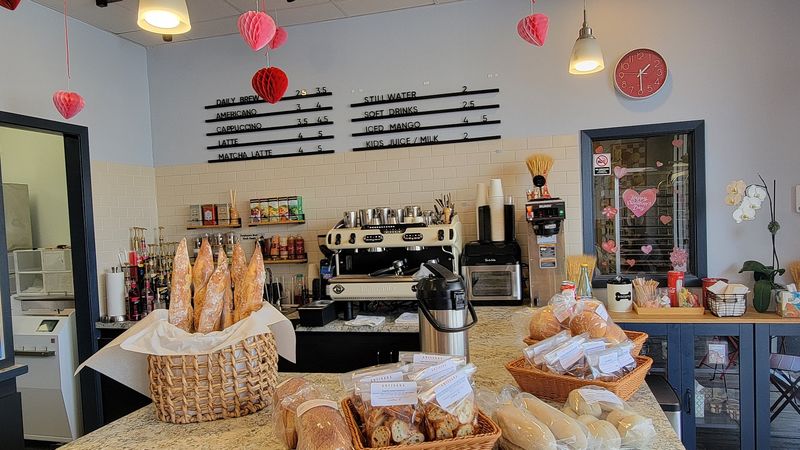
Sourdough gets a lot of the attention, and rightfully so, but the full bread lineup at Artisana Bread rewards anyone curious enough to explore beyond the obvious.
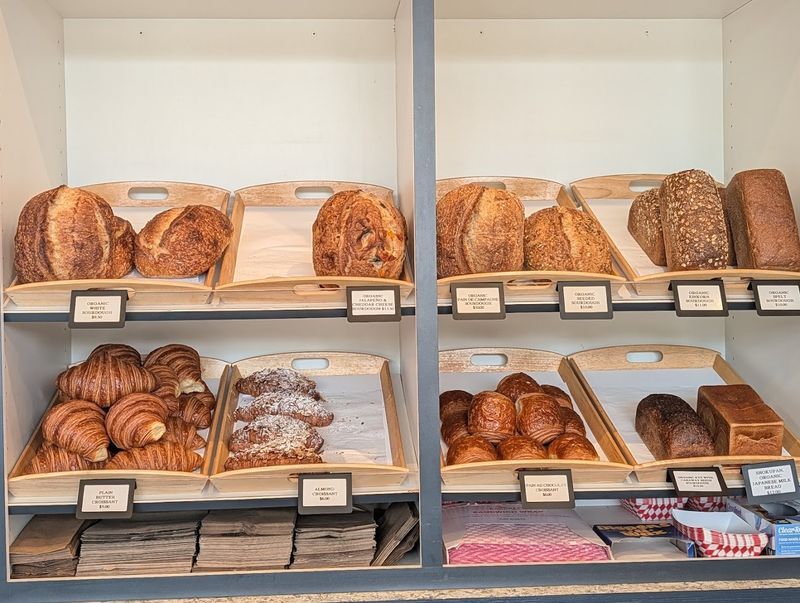
Pain de mie, Scottish oatmeal bread, demi baguettes, and flax and multigrain options all share space with the sourdough loaves, giving regulars plenty of reasons to mix things up.
The sourdoughs are where ancient grains make their appearance. Einkorn, spelt, and kamut each bring something different to the loaf.
Einkorn has a mild, almost sweet nuttiness. Spelt offers a slightly earthy, lighter texture.
Kamut brings a rich, buttery flavor that pairs well with almost anything. These aren’t trendy additions thrown in for novelty.
They’re heritage grains with long histories in bread baking, and using them alongside organic modern wheat creates loaves with real complexity.
The demi baguettes are a practical joy for anyone who loves a good crust but doesn’t want a full baguette going stale before they finish it. Scottish oatmeal bread brings a heartier, slightly denser texture that works beautifully for toast.
The pain de mie, with its soft, fine crumb and thin crust, is the kind of bread that makes an exceptional sandwich without overwhelming the fillings. Every loaf is baked fresh each morning, and the selection can sell out before midday.
Arriving early is genuinely worth it, not just to get the best pick but to experience the bakery at its most alive, when everything is warm and the smell alone is worth the trip.
The Atmosphere Inside Artisana Bread
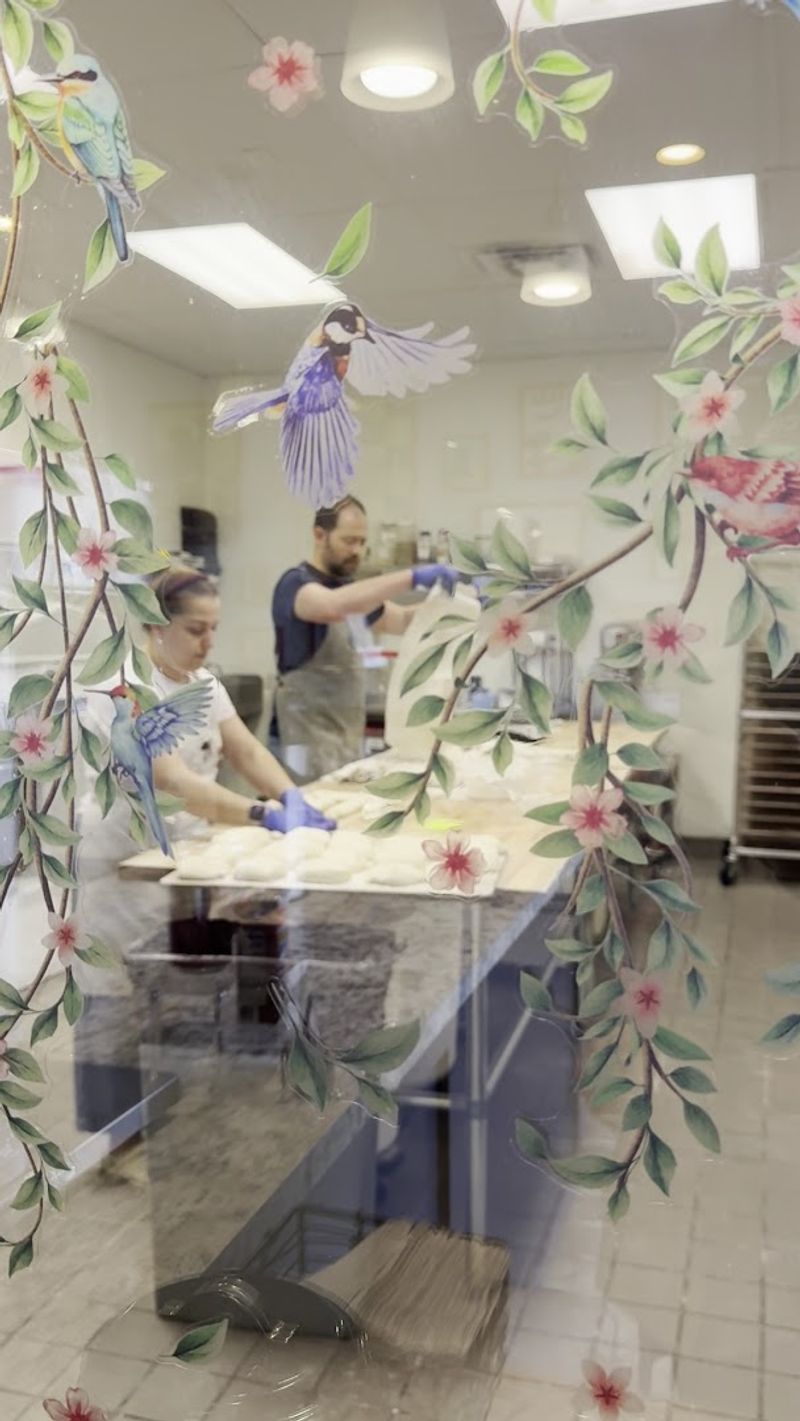
Artisana Bread is not trying to be a coffee shop or a lifestyle brand. The space is compact, unpretentious, and entirely focused on what matters.
A few seats inside, a small outdoor area for those who want fresh air with their pastry, and shelves or cases displaying what was baked that morning. That’s the whole picture, and it works perfectly.
There’s something genuinely calming about a space that doesn’t try too hard. No curated playlists fighting for your attention, no elaborate decor demanding to be photographed.
Just good bread, the smell of butter and wheat, and the quiet satisfaction of being somewhere that knows exactly what it is. The casual environment makes it easy to linger for a few extra minutes, finishing a croissant slowly and watching the morning move past the window.
The bakery opens at 7:30 a.m. on weekdays, which means early risers get first access to the full selection. Saturday and Sunday hours start at 8:00 a.m., giving weekend visitors a little more grace.
Tuesdays are the one day the bakery is closed, a small reminder that even the most dedicated bakers need a reset. The limited seating also means the space never feels crowded or rushed in the way larger cafes can.
It’s intimate in a way that feels intentional. You’re not just picking up bread.
You’re spending a few minutes inside a place built entirely around the idea that food made well, with care and clean ingredients, is worth slowing down for.
Finding Artisana Bread Beyond the Bakery Door
Not everyone can make it to Pinemont Drive on a weekday morning, and Artisana Bread seems to understand that.
The bakery also sells its products at the Urban Harvest Farmers Market on Saturdays, which brings the same fresh loaves and pastries to a different corner of Houston for those who prefer the open-air market experience.
Farmers markets and artisan bakeries are a natural pairing. The kind of person who shows up at a Saturday market with a canvas bag and a coffee is exactly the person who appreciates bread made with heritage grains and wild yeast.
The Urban Harvest market has a strong reputation in Houston for featuring quality local producers, and Artisana Bread fits that community without any awkwardness.
For first-timers, the market can actually be a great introduction before committing to a weekday visit to the bakery itself. Sampling a loaf or picking up a pastry in that setting gives you a sense of what the bakery is about before you make the full trip to Pinemont.
That said, the bakery itself is worth visiting at least once just for the experience of being in the space where everything is made. The two channels complement each other nicely, giving Houstonians more than one way to access bread that’s made without shortcuts.
Whichever way you find Artisana Bread, the quality follows.
The address to visit directly is: 965 Pinemont Dr #800, Houston, TX 77018.
