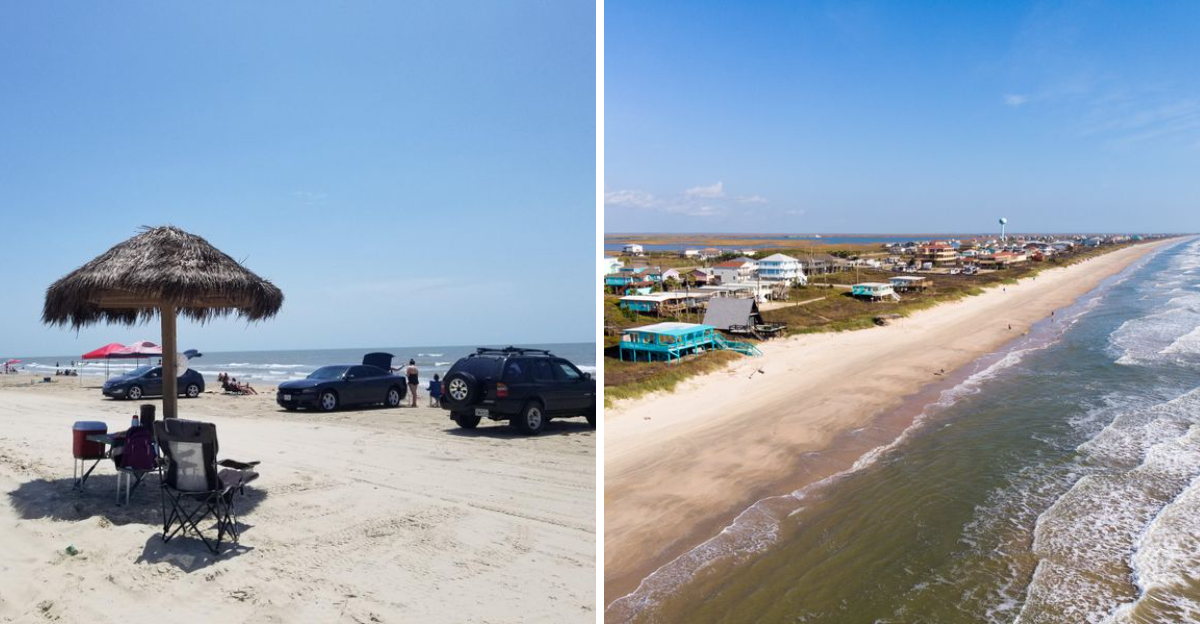
I first heard about Surfside Beach from a friend who grew up spending summers there, back when it was just a quiet stretch of sand where locals could escape without much fuss. She described it with this wistful tone, like she was talking about a place that existed in a different era.
When I finally made the drive down to this small coastal city in Brazoria County, I understood what she meant. Surfside sits on Follet’s Island near Freeport, hugging the Gulf of Mexico with a population that barely cracks 640 people.
But the locals I met there all seemed to share the same quiet frustration, a sense that something essential about their beach had shifted. The more I walked the sand and talked to residents, the clearer it became that this wasn’t just nostalgia talking.
Overcrowding During Peak Season
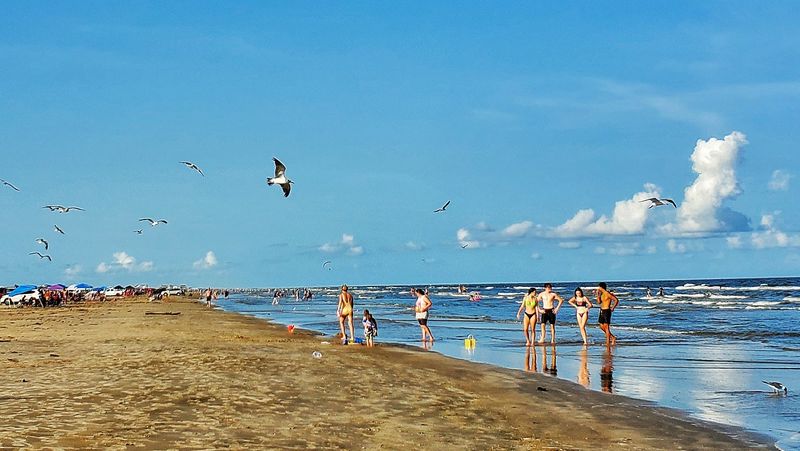
There’s a tipping point where a beach stops feeling relaxing and starts feeling claustrophobic. Surfside crossed that line several summers ago, at least during peak weekends and holidays.
What was once a spacious stretch where you could walk for miles without bumping into crowds now resembles a packed public pool on hot days.
The small size of Surfside makes this problem particularly acute. With only so much beach to go around and a tiny permanent population, the infrastructure simply wasn’t built to handle thousands of visitors descending simultaneously.
Bathroom facilities get overwhelmed, lifeguard coverage stretches thin, and finding a spot to lay your towel becomes competitive.
Long-term residents remember when you could arrive at noon and still claim prime beach real estate, when children could run freely without navigating obstacle courses of coolers and canopies.
Now, locals often skip the beach entirely during summer weekends, ceding their own backyard to tourists who may never return.
The economic boost from tourism helps the small city, but many residents question whether the trade-off is worth losing access to the place that made living here special in the first place, watching their quiet refuge transform into just another crowded tourist destination indistinguishable from dozens of others.
Trash Left Behind After Every Weekend
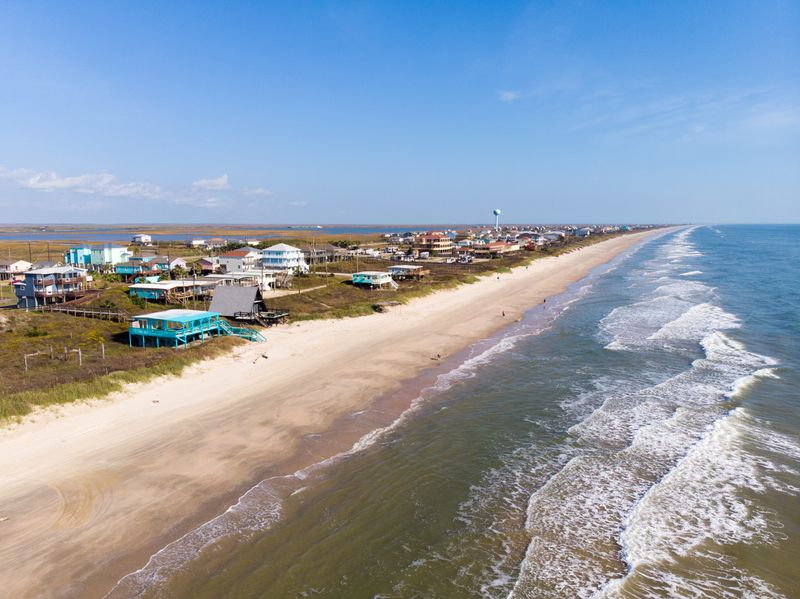
Walking the beach on a Monday morning feels like surveying a battlefield. Empty water bottles wedge into the sand, chip bags flutter against driftwood, and plastic forks dot the tideline like strange seashells.
Locals who’ve lived here for decades say this is a relatively new problem, one that arrived as visitor numbers climbed.
Before social media put Surfside on everyone’s weekend radar, people respected the beach differently. Families packed out what they packed in, and the occasional piece of litter was an exception rather than the rule.
Now, after a busy Saturday, volunteers spend hours combing the sand just to make it walkable again.
The city has added more trash cans and posted signs reminding visitors to clean up, but enforcement remains tricky. With limited staff and miles of open beach, it’s nearly impossible to catch every offender.
What hurts most for residents isn’t just the mess itself but what it represents: a fundamental disregard for a place that means everything to the people who call it home.
Some longtime locals have started organizing monthly cleanups, turning frustration into action, but they shouldn’t have to spend their Sundays picking up after strangers who treat their home like a disposable playground.
Parking Chaos and Blocked Beach Access
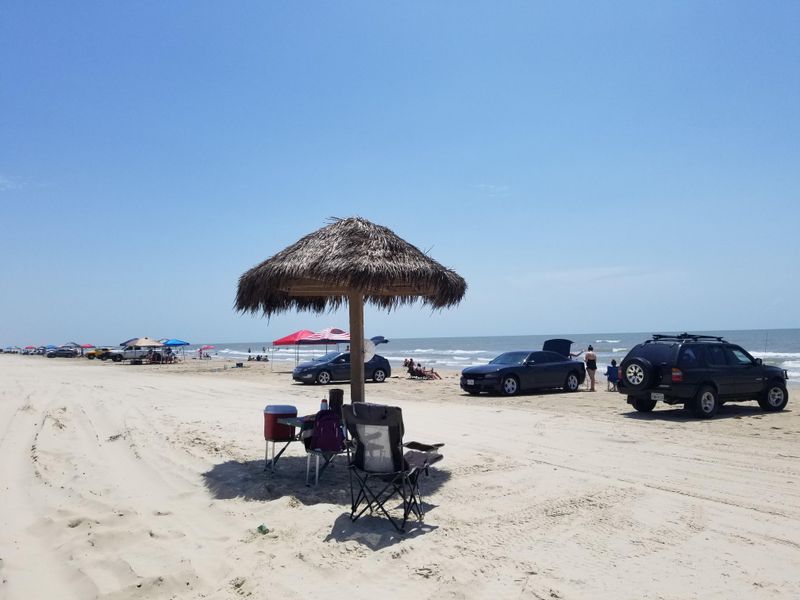
You know the problem has gotten bad when locals can’t reach their own driveways. On peak weekends, cars line every available inch of street space, often blocking private property and designated beach access points.
I watched one resident make a three-point turn in her own driveway just to navigate around a truck parked halfway into her entrance.
Surfside wasn’t designed for this volume of traffic. The streets are narrow, parking is limited, and there’s no massive municipal lot to absorb the overflow.
Visitors often park wherever they find space, legal or not, leaving residents trapped in their homes or unable to return after running errands.
The city has tried implementing parking restrictions and towing policies, but they’re playing catch-up with a problem that grows faster than solutions can be deployed.
Beach access points that once provided easy entry for locals now get clogged with illegally parked vehicles, forcing people to walk much farther just to reach the water.
For elderly residents or families with small children, this isn’t just inconvenient but genuinely difficult. What was once a five-minute stroll to the beach can turn into a frustrating obstacle course, all because visitors prioritize convenience over community rules and basic courtesy.
Noise Complaints Skyrocket After Dark
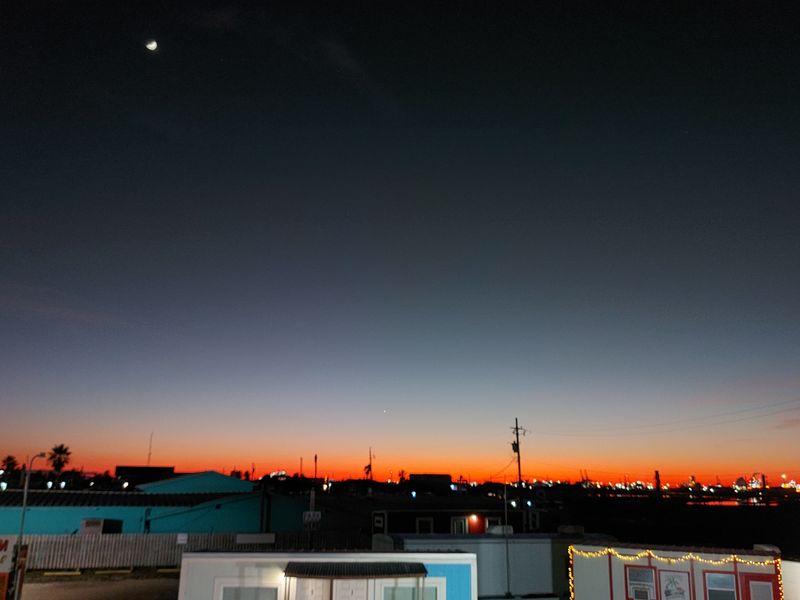
Surfside used to get quiet after sunset, the kind of peaceful stillness where you could hear waves rolling in from your porch. That’s changed dramatically as tourists discovered the beach makes a convenient party spot once the sun goes down.
Residents now deal with booming music, shouting groups, and late-night gatherings that stretch well past midnight.
For a town of around 640 people, noise ordinances are difficult to enforce consistently. The small police force does what it can, but they’re often stretched thin responding to multiple complaints across different beach sections.
By the time officers arrive, some groups have already moved on, only to set up somewhere else down the shore.
What bothers locals most isn’t that people want to have fun but that they seem unaware or uncaring that families live steps from the beach.
Children trying to sleep for school the next day, elderly residents with early bedtimes, and anyone who works morning shifts all suffer when visitors treat the beach like it exists in a vacuum.
The irony isn’t lost on longtime residents: tourists come seeking the peaceful beach experience that locals once enjoyed freely, then proceed to destroy that very peace for everyone else around them.
Driving on the Beach Damages Dunes and Wildlife
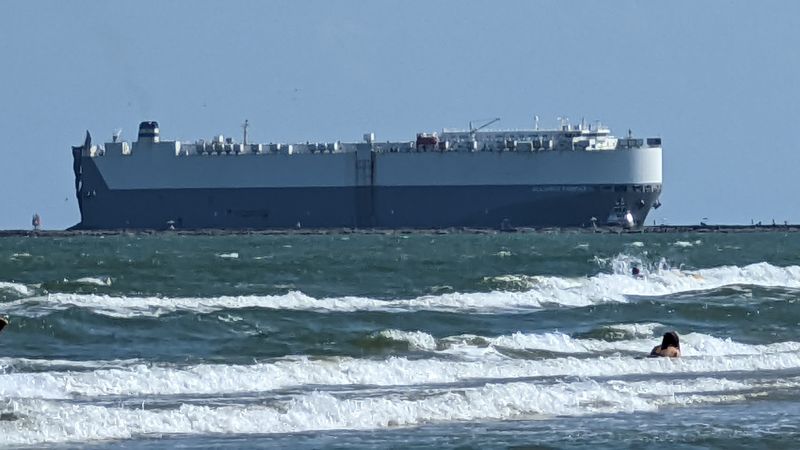
Tire tracks crisscross the sand in patterns that would look almost artistic if they weren’t so destructive. Surfside allows vehicle access to certain beach areas, a tradition that worked fine when only locals who understood dune ecology drove there.
Now, visitors unfamiliar with coastal ecosystems drive wherever they please, crushing fragile dune vegetation and disturbing nesting sites.
Dunes aren’t just pretty landscape features but critical barriers protecting the island from storm surge and erosion. The grasses and plants that stabilize them take years to establish, and a single careless driver can undo decades of natural growth in minutes.
Wildlife suffers too, particularly ground-nesting birds that abandon disturbed areas, and sea turtle hatchlings that get disoriented by vehicle lights and tracks.
Locals who grew up respecting these natural boundaries watch in dismay as visitors treat the entire beach like a highway. Educational signs have gone up explaining the importance of staying in designated driving zones, but many get ignored.
Some residents have started advocating for stricter vehicle regulations or limited beach driving seasons, though they worry about pushback from tourists who view beach driving as part of the authentic coastal experience, never realizing that authentic experience once meant far more care and awareness than they bring.
Disrespect for Private Property Boundaries
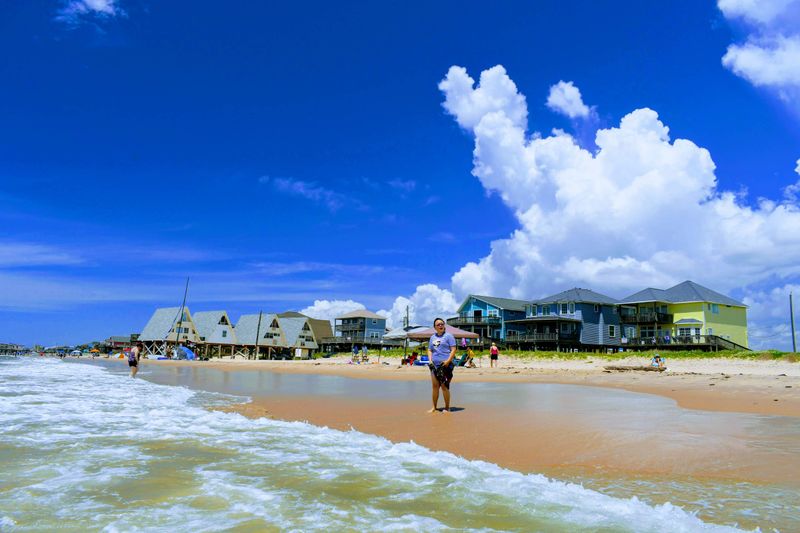
One resident told me she’s found strangers using her outdoor shower, sitting in her beach chairs, and even trying her door handles, all while she was home. This brazen disregard for private property has become one of the most personally violating aspects of increased tourism.
Beachfront homeowners who once enjoyed direct access to the sand now deal with constant trespassing.
Part of the problem stems from confusion about where public beach ends and private property begins. But much of it comes from a sense of entitlement, tourists who figure that if they drove all this way, they deserve access to whatever amenities they find, regardless of ownership.
Signs reading “Private Property” get ignored or removed, and polite requests to leave are sometimes met with hostility.
The legal ambiguity around beach property rights in Texas complicates matters further. While the wet sand below the mean high tide line belongs to the public, determining exactly where that line sits isn’t always clear, and many visitors simply assume everything is fair game.
For locals, this invasion of personal space represents a fundamental breakdown in basic respect. They didn’t move to a gated community expecting total privacy, but they also didn’t expect to become unpaid beach amenity providers for strangers who see their homes as extensions of public facilities.
Loss of the Quiet Family Beach Atmosphere
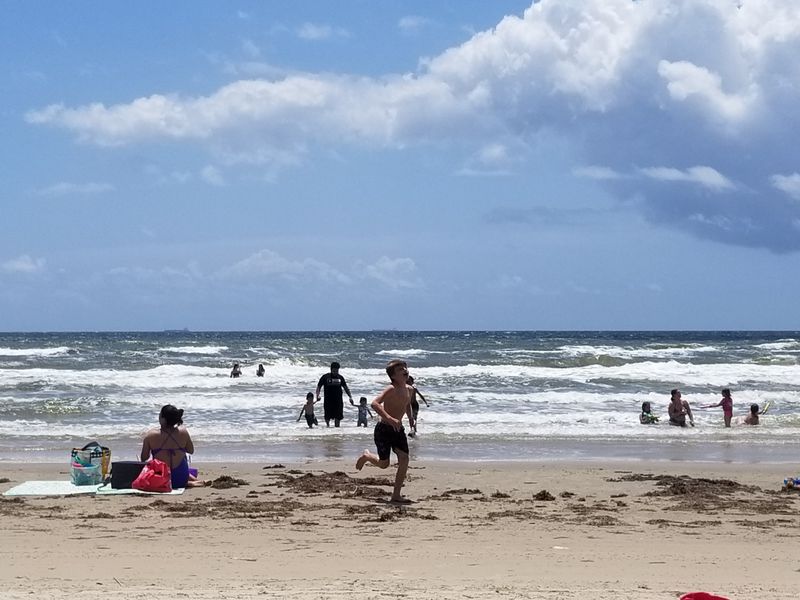
Parents who grew up coming to Surfside with their own families hoped to recreate those memories with their children. Instead, they find a completely different environment.
The gentle, family-friendly vibe that defined Surfside for generations has been replaced by something louder, more chaotic, and less welcoming to young children.
It’s not that families don’t still visit, but the character has shifted. Where toddlers once collected shells in relative peace, they now navigate around rowdy groups and dodge flying footballs.
The predictable rhythm of a family beach day, arriving mid-morning, swimming, picnicking, building sandcastles, has been disrupted by crowds, noise, and a general party atmosphere that feels at odds with what Surfside once represented.
Local parents increasingly drive to more remote stretches or visit on weekdays when tourists are fewer, but that means sacrificing their own weekend family time. Some have given up on Surfside entirely, seeking out less-known beaches farther down the coast.
This quiet exodus of local families represents a loss that’s hard to quantify but deeply felt. When the people who live somewhere year-round no longer feel comfortable in their own community space, something fundamental has broken, and no amount of tourist revenue can replace the sense of home that’s been displaced.
Strain on Small-Town Infrastructure and Services
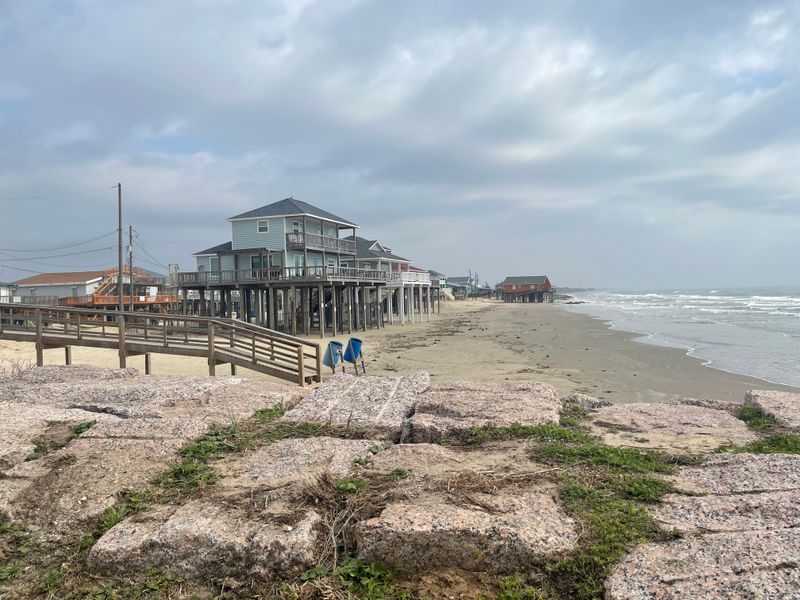
A city of 640 permanent residents doesn’t have the infrastructure to support thousands of weekend visitors. The math simply doesn’t work.
Public restrooms designed for modest local use become disaster zones during peak season. Water and sewer systems strain under unexpected demand.
Emergency services get stretched dangerously thin when accidents spike with visitor numbers.
The volunteer fire department, which handles most emergency calls, wasn’t built to manage the volume of beach-related incidents that now occur regularly. Water rescues, heat exhaustion cases, and vehicle accidents all increase proportionally with tourism, but staffing and equipment haven’t kept pace.
Response times lengthen when multiple calls come in simultaneously, putting both visitors and residents at risk.
City maintenance crews work overtime trying to keep up with trash removal, road repairs from increased traffic, and general upkeep that multiplies with visitor impact.
The small tax base struggles to fund improvements that might ease the burden, creating a frustrating cycle where problems grow faster than solutions.
Locals watch their community services deteriorate under pressure they never asked for, while tourists remain largely unaware of the strain their presence creates.
It’s a classic tragedy of the commons, where individual visitors cause minimal impact but collective numbers overwhelm a system never designed to accommodate them.
Dear Reader: This page may contain affiliate links which may earn a commission if you click through and make a purchase. Our independent journalism is not influenced by any advertiser or commercial initiative unless it is clearly marked as sponsored content. As travel products change, please be sure to reconfirm all details and stay up to date with current events to ensure a safe and successful trip.
