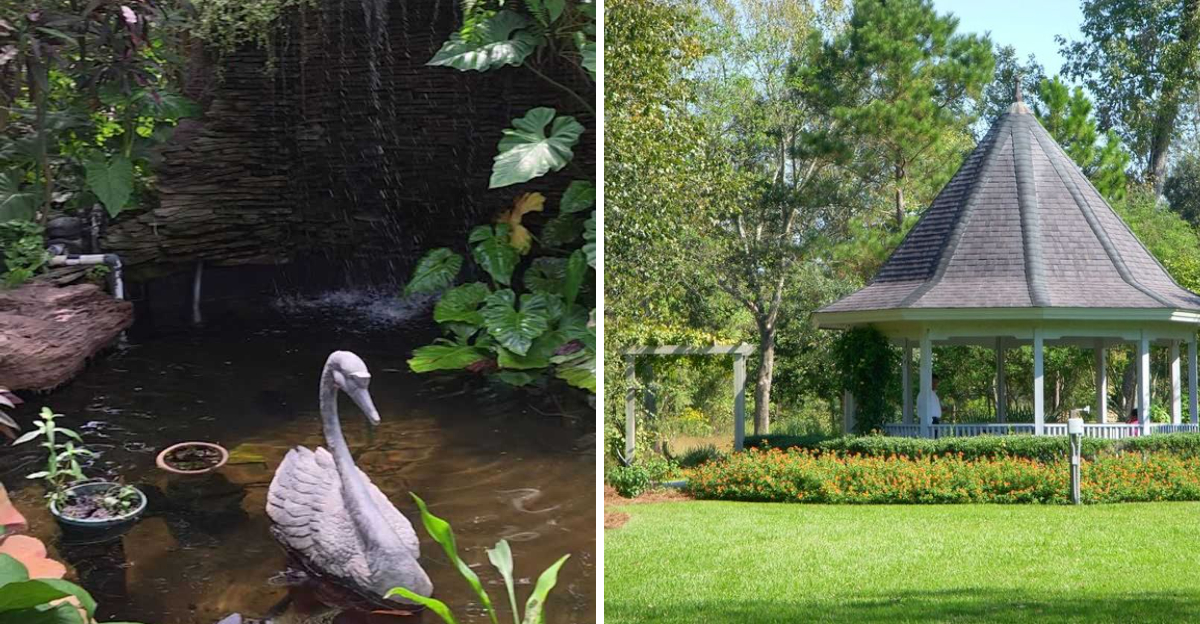
Twenty three acres of blooming flowers, koi ponds, and themed gardens. A conservatory filled with tropical plants.
A rose garden that smells like a perfume commercial. And the best part?
No admission fee. That is right, this Texas botanical garden lets visitors wander for free, which is almost unheard of these days.
The Japanese garden alone is worth the trip, with peaceful paths and bridges that make a person forget they are still in the city. Families spread out on the grass, couples pose for photos, and retirees bring books and find a shady bench.
No ticket booths, no crowds fighting for parking, just open space and quiet beauty. Texas has plenty of gardens that charge an arm and a leg, but this one proves that the best things in life really can be free.
Bring a picnic, a camera, and a whole lot of gratitude.
The Warren Loose Conservatory, a Tropical World Under One Roof
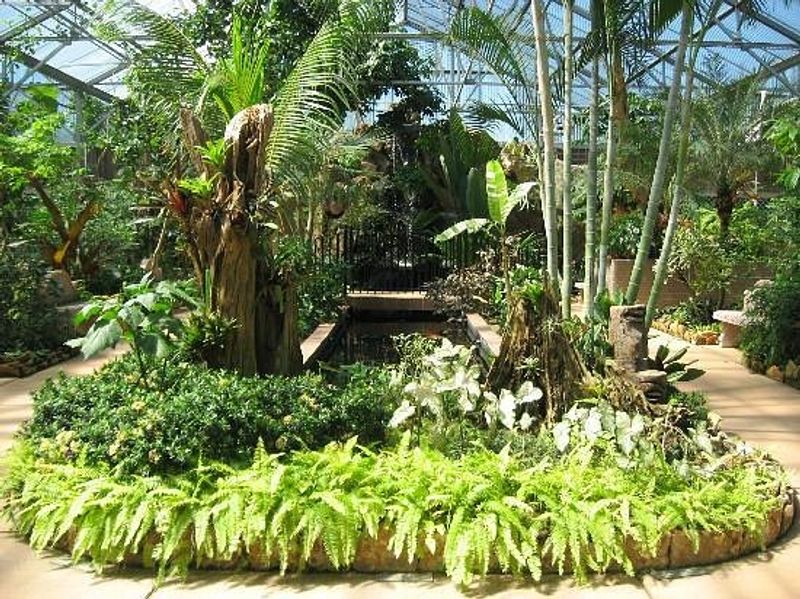
The moment you step through the doors of the Warren Loose Conservatory, the air changes completely. It gets warmer, heavier, and richly green in a way that feels almost cinematic.
This 10,000-square-foot indoor facility is one of the largest conservatories attached to a public garden in all of Texas, and it earns that distinction without question.
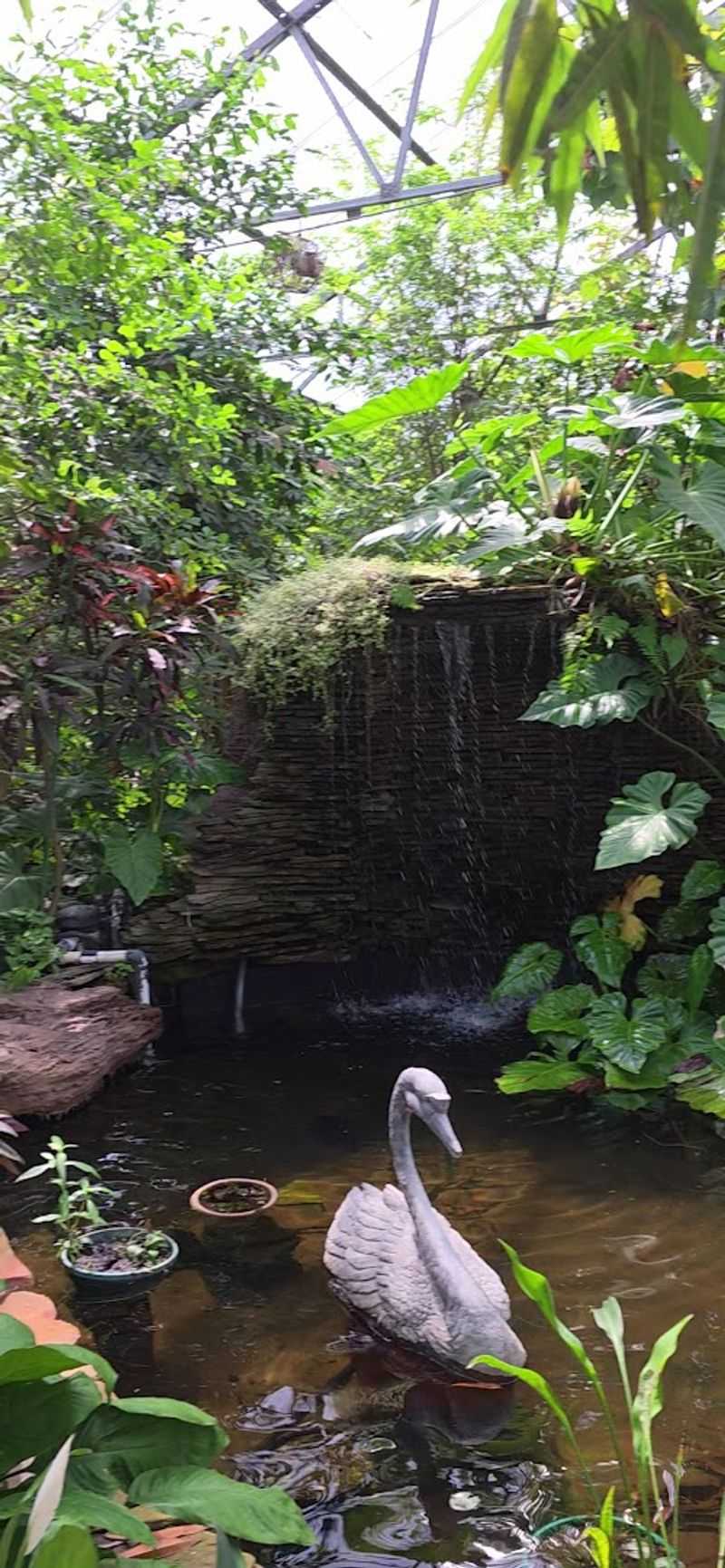
Tropical plants from across the globe fill every corner, some reaching toward the glass ceiling with an almost theatrical confidence. A waterfall runs through the space, adding a gentle background sound that makes the whole experience feel immersive rather than museum-like.
Koi fish drift through the ponds below, and decorative statues are placed throughout in ways that feel intentional rather than cluttered.
What makes this conservatory especially interesting is how accessible it is. The layout does not require any botanical expertise to enjoy.
You can simply wander and let the plants do the talking.
It is worth knowing that the conservatory keeps specific operating hours and is closed on weekends and major holidays, so checking ahead before your visit is a smart move. Catching it open is genuinely worth the planning.
I found myself lingering far longer than expected, circling back to the koi pond twice just because it was that calming. For a free attraction inside a free garden, the conservatory feels like a bonus that most visitors do not fully anticipate until they are already standing inside it.
Paved Pathways That Make Every Corner of the Garden Reachable
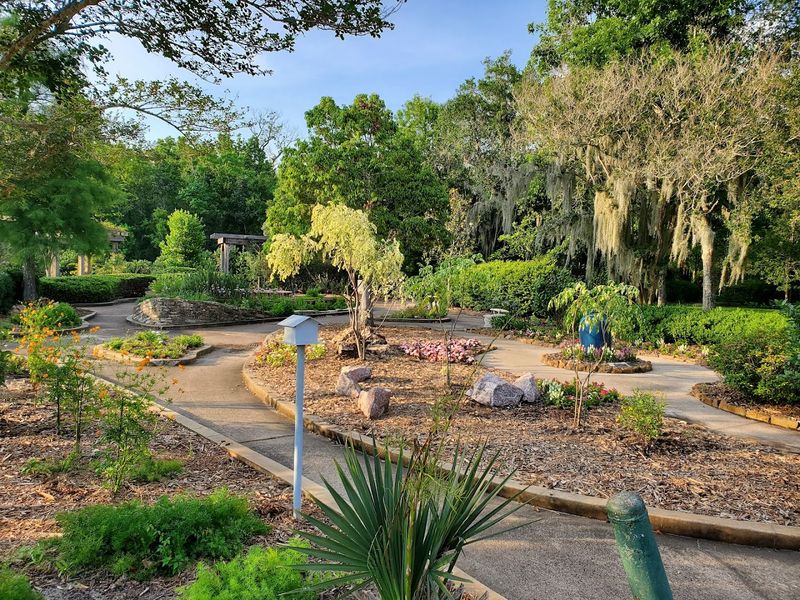
Accessibility in a garden setting matters more than people often realize, and Beaumont Botanical Gardens gets this right in a way that feels genuinely thoughtful.
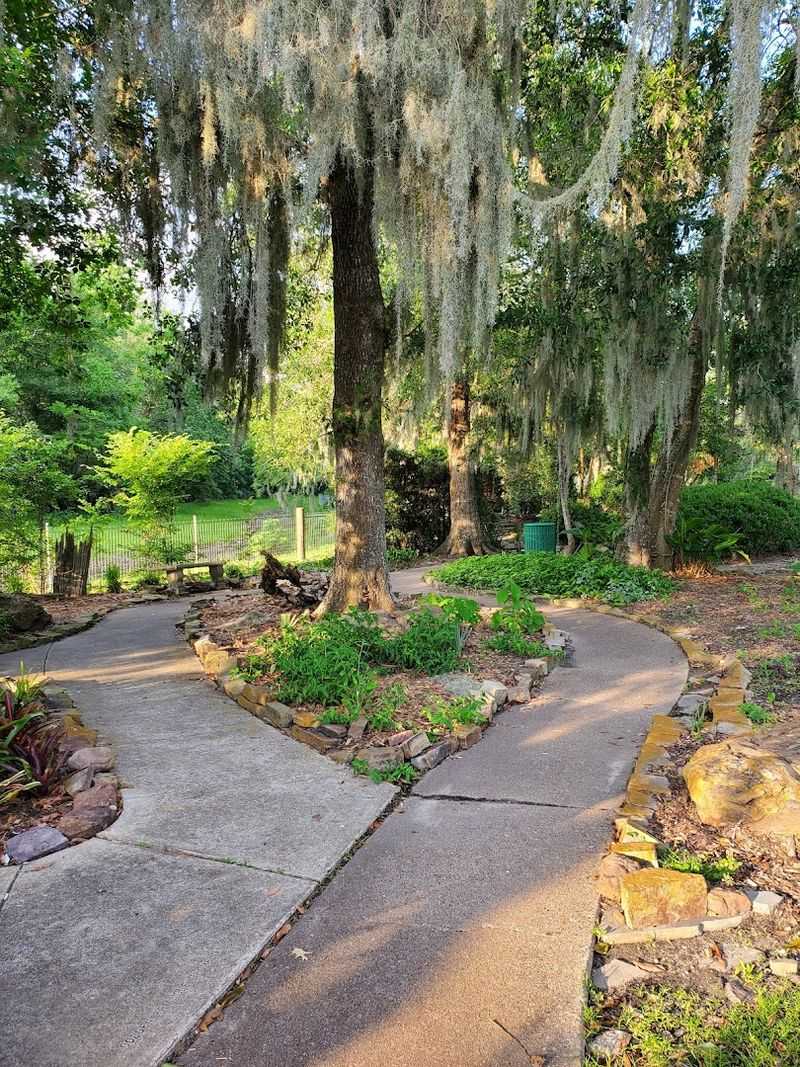
The paved walkways that connect the various themed sections are smooth, wide, and clearly designed with everyone in mind, from parents pushing strollers to visitors using wheelchairs.
There is something almost meditative about walking a well-maintained garden path when you are not worried about uneven ground or muddy patches. The paths here allow you to stay present in the scenery rather than focused on your footing.
That small detail changes the entire experience.
The network of walkways links every major section of the gardens, so you are never stuck backtracking awkwardly or guessing which direction leads somewhere interesting.
Each turn reveals something different, a new plant collection, a shaded bench, or a water feature you did not notice from the previous angle.
For families with young kids, this layout is especially practical. Children can move freely without the frustration of difficult terrain, and adults can keep pace comfortably without rushing.
I noticed several older visitors moving through the garden at a relaxed pace, clearly comfortable and unhurried, which says a lot about how well the space is designed. The paths are not just functional, they give the garden a sense of flow that makes the whole visit feel connected rather than fragmented.
Good design in a public space is often invisible until you notice how smoothly everything just works.
The Japanese Garden, Quiet Beauty in a Surprising Corner of Texas
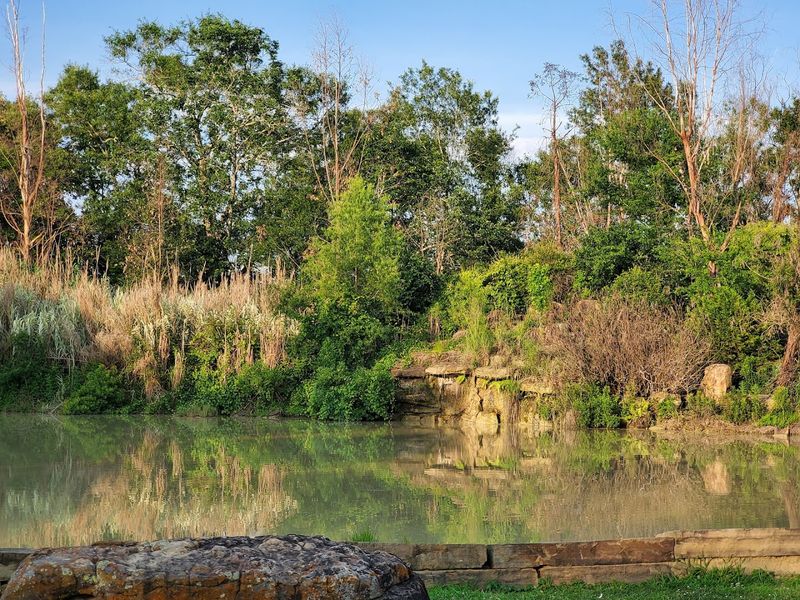
Not every garden section announces itself loudly, and the Japanese garden at Beaumont Botanical Gardens is a perfect example of understated beauty done right. It sits within the larger property in a way that feels like a genuine discovery rather than a labeled attraction.
The design principles are classic, emphasizing calm, balance, and a sense of deliberate simplicity.
There is a particular stillness to this section that separates it from the rest of the gardens. The surrounding Texas heat and sound seem to soften here.
It is the kind of space that slows you down without asking you to.
Carefully shaped plantings, stone elements, and the overall spatial arrangement create a sense of visual harmony that feels complete from almost any angle. You do not need to know anything about Japanese garden design to feel the effect.
It just works on a sensory level that is hard to explain but easy to experience.
For visitors who enjoy photography, this section offers some of the most compositionally interesting shots in the entire garden. The contrast between the structured Japanese aesthetic and the surrounding Southeast Texas landscape gives it a quality that feels unexpected and genuinely unique.
I spent a good chunk of time here simply sitting and looking, which is not something I do easily. That alone tells you something meaningful about how this space is put together.
Finding this kind of intentional tranquility inside a free public garden in Beaumont, Texas, is the sort of thing that makes you want to tell everyone you know about it.
The Butterfly Garden and Monarch Waystation, a Living, Moving Ecosystem
Butterflies have a way of making any space feel alive in a completely different way than flowers or trees do.
The butterfly garden at Beaumont Botanical Gardens is a designated Monarch Waystation, which means it has been specifically designed and certified to support monarch butterfly populations during their migration.
That is not a decorative label, it is a real ecological commitment.
Milkweed and nectar plants fill the space with both purpose and color. On a good day, the movement in this garden is constant, with wings catching the light from multiple directions at once.
It is the kind of natural activity that children find immediately captivating and adults find unexpectedly soothing.
The garden is part of a broader effort to support pollinators across Texas, and seeing it in person gives that mission a tangible, beautiful shape. Conservation does not always look this pretty, but here it genuinely does.
The plantings are lush and intentional, chosen not just for appearance but for their ecological value to migrating species.
Visiting during peak migration season adds an extra layer to the experience, though the garden holds its own even when butterfly activity is lighter. The design ensures that something is always blooming, always drawing in pollinators of some kind.
I watched a group of kids completely stop talking the moment they spotted the first monarch landing on a bloom, and that silence said everything. A garden that creates that kind of instinctive awe, without a ticket price attached, is doing something genuinely special for the community around it.
Roses, Camellias, and Themed Garden Sections Worth Slowing Down For
There is a particular kind of garden visitor who walks quickly through everything, checks off the highlights, and moves on. The themed sections at Beaumont Botanical Gardens will convert that person into someone who lingers.
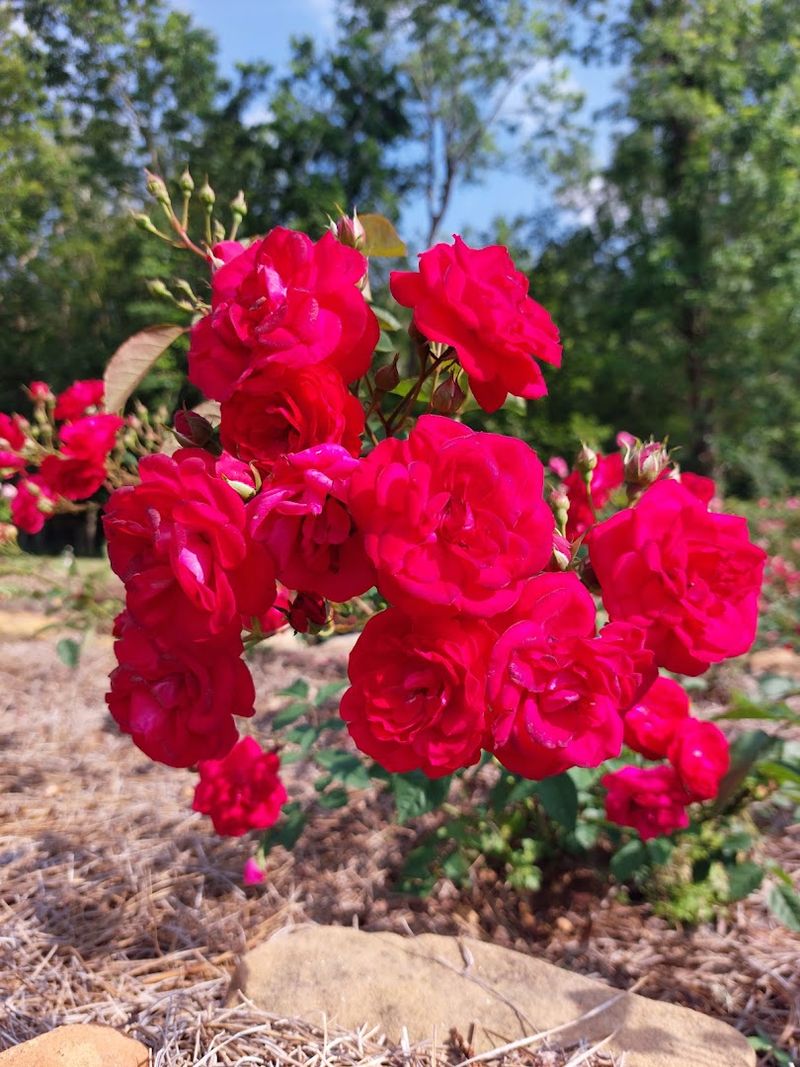
The rose garden alone, featuring both modern and antique varieties, has enough visual variety to hold your attention longer than you planned.
Antique roses carry a softness in their blooms that modern hybrids sometimes trade away for uniformity. Seeing both side by side is genuinely instructive, even if you have no horticultural background.
The difference in form, fragrance, and character becomes obvious pretty quickly.
The camellia garden adds another layer to the experience, particularly for visitors who arrive during the cooler months when camellias are at their most spectacular. These are not subtle plants.
Their blooms are bold, waxy, and deeply saturated in color, the kind of flowers that look almost artificial until you get close enough to know they are very much real.
Beyond roses and camellias, the gardens include a green and white garden, a grandmother’s garden, a daylily display, and a streambed garden, each with its own distinct character.
Moving through these sections feels less like touring a botanical collection and more like walking through a series of small, distinct worlds.
Each one has been designed with enough specificity that the transitions between them feel meaningful rather than arbitrary. That level of curatorial attention across a free public garden is something worth appreciating out loud.
The 9/11 Memorial Garden, a Place That Holds More Than Plants
Not every section of a botanical garden is designed purely for visual pleasure, and the 9/11 Memorial Garden at Beaumont Botanical Gardens is a clear example of how green spaces can hold emotional and historical weight alongside natural beauty. It is a quieter corner of the property, intentionally so.
The garden functions as a place of reflection as much as a place of planting. Its presence within a broader botanical landscape gives visitors a natural reason to slow down and shift their perspective mid-visit.
That tonal shift is handled with care rather than abruptness.
Memorials in public parks sometimes feel disconnected from their surroundings, but this one integrates into the garden in a way that feels respectful and considered. The plantings around it are chosen to complement a tone of quiet dignity rather than spectacle.
There is no competition with the surrounding gardens for visual attention.
For many visitors, this section adds unexpected depth to what might otherwise be a purely recreational outing. Coming across it mid-walk gave me a moment to pause that I had not anticipated but genuinely appreciated.
It is a reminder that public gardens serve their communities in ways that go well beyond horticulture. They become places where people process, remember, and reconnect with something larger than the everyday.
The fact that this particular memorial exists within a free, open-access space makes it all the more meaningful. Anyone can come here on any day without planning, without cost, and without a reason beyond needing somewhere quiet to stand for a moment.
Koi Ponds and Water Features, the Calm at the Center of It All
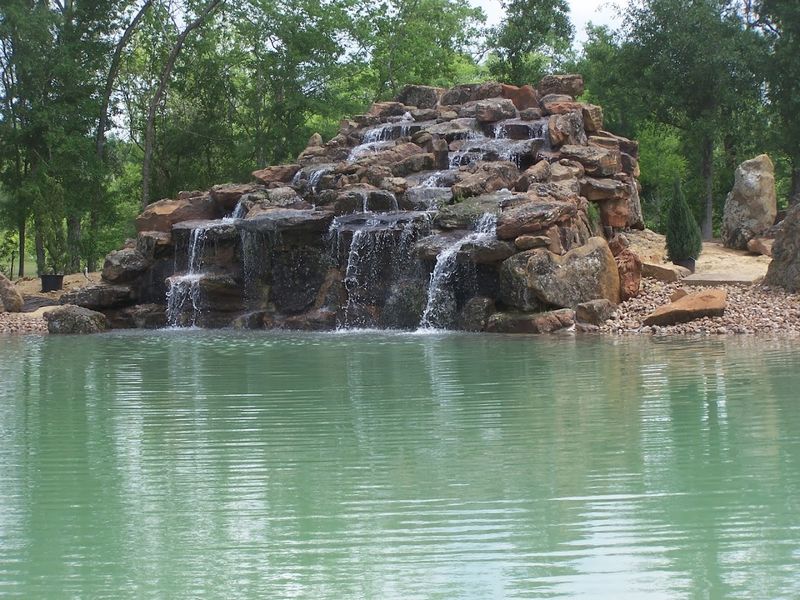
Water has a way of anchoring a garden visit in a way that flowers and foliage alone cannot quite replicate. The koi ponds at Beaumont Botanical Gardens are a central part of what makes the overall experience feel grounded and genuinely restful.
Large, colorful koi drift through the water with an unhurried ease that is almost contagious.
Turtles share the space with the fish, appearing and disappearing from the surface in a rhythm that is endlessly watchable.
I stood at the edge of the main pond longer than I expected to, not because I was waiting for something to happen, but because watching it was simply pleasant in a way that required no effort at all.
Water features like these do more than add visual interest. They introduce sound, movement, and a kind of biological activity that makes a garden feel lived in rather than just maintained.
The difference between a garden with water and one without it is significant, and Beaumont’s gardens use their water elements well.
The ponds are also naturally attractive to local wildlife beyond the koi and turtles. Birds visit regularly, insects hover near the surface, and the whole micro-ecosystem around the water feels active and layered.
For visitors who enjoy nature observation without needing to hike or search, the pond area is a reliable destination within the garden. It rewards patience and rewards just showing up without any particular agenda.
That quality, of a place that gives back in proportion to how long you stay, is rarer than it should be in public spaces.
Birdwatching Opportunities Along a Major Migratory Flyway
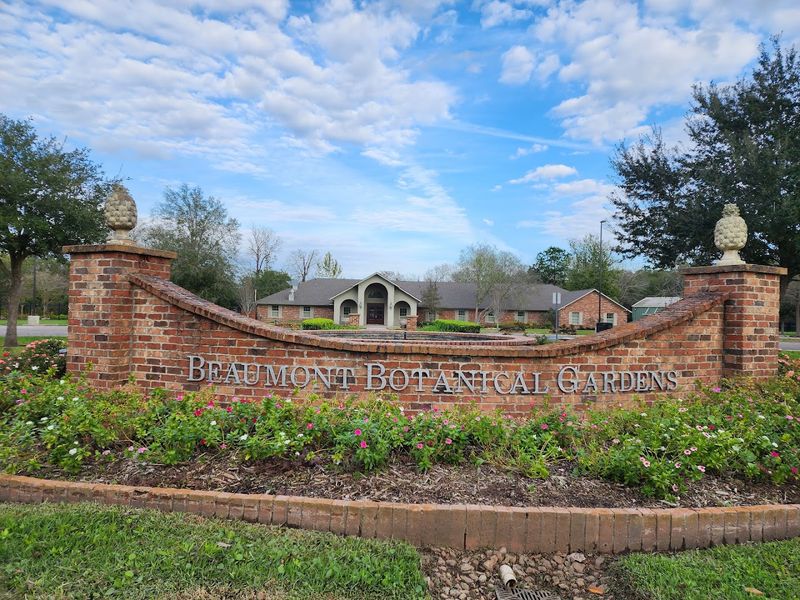
Tyrrell Park, which surrounds and contains the Beaumont Botanical Gardens, sits directly within a major migratory bird flyway along the Texas Gulf Coast. That geographic fact turns a visit to the gardens into something more layered than a typical plant-focused outing.
Birding here is not an afterthought, it is a genuine draw.
The park is listed on the Great Texas Coastal Birding Trail map, which is a significant designation. That listing reflects real ecological value, not just proximity to water or trees.
The combination of the park’s natural habitat and the gardens’ water features and native plantings creates conditions that attract a meaningful variety of species throughout the year.
During migration season, the activity picks up considerably. Warblers, shorebirds, and other transient species pass through in numbers that make even casual birdwatchers pay attention.
You do not need to be an expert to appreciate a bird you have never seen before landing five feet away from you.
Even outside peak migration periods, the resident bird population around the gardens and park is active enough to keep things interesting. The koi ponds, native plant sections, and open water areas all serve as reliable gathering spots for local species.
Bringing a simple pair of binoculars transforms the experience into something much richer. I spotted several species I could not immediately identify near the water’s edge, which sent me down a satisfying research spiral later that evening.
For a place with no admission charge, the wildlife dimension of this garden adds extraordinary value that most visitors do not fully expect when they arrive.
The Bromeliad and Orchid Collection at the Bob D. Whitman Propagation House
Most people visiting a botanical garden for the first time focus on the big, obvious things, the wide paths, the rose beds, the koi. The Bob D.
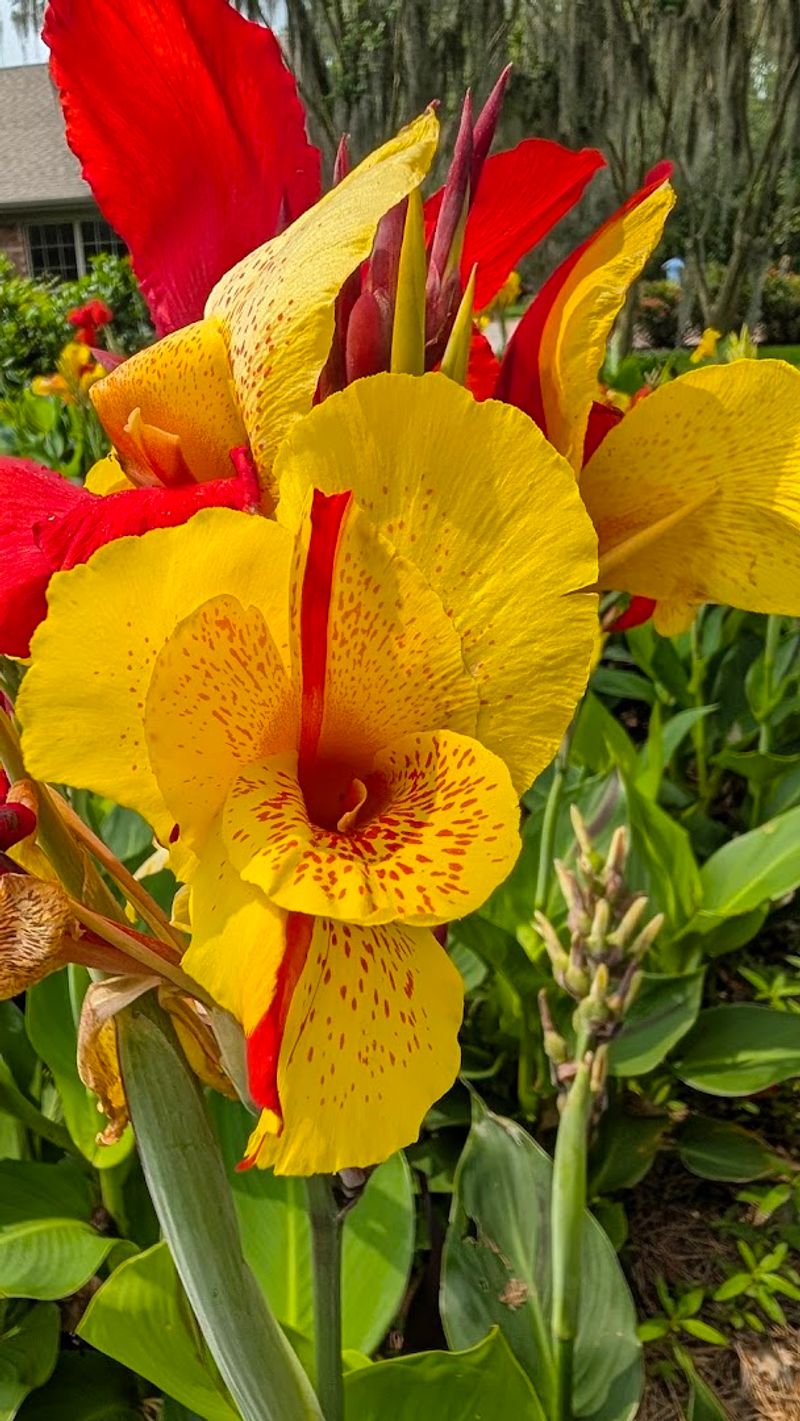
Whitman Propagation House is the kind of discovery that rewards visitors who take the time to explore beyond the main attractions. It specializes in rare and exotic bromeliads and orchids, and the collection is genuinely impressive.
Bromeliads are fascinating plants in a way that is hard to convey without seeing them up close. Their structural geometry, the way leaves arrange themselves into rosettes and cups, feels almost engineered.
Paired with orchids in all their variety, the propagation house becomes a study in how wildly diverse the plant kingdom actually is.
The facility is not just a display space, it is a working propagation environment. That means the plants here are being actively cultivated and cared for, which gives the collection a sense of living purpose rather than static exhibition.
There is a difference between plants on display and plants being grown, and you can feel it in this space.
For anyone with even a passing interest in tropical horticulture, spending time in the propagation house is a highlight that does not get nearly enough attention in casual descriptions of the gardens.
The rarity of some of the specimens on view is something that plant enthusiasts will immediately recognize and appreciate.
The Bert and Jack Binks Horticultural Center nearby adds further depth to this corner of the property, making the northern end of the gardens worth seeking out specifically rather than stumbling upon by accident.
Free Admission and the Everyday Joy of a Garden Built for Everyone
Free admission sounds like a small thing until you start thinking about how rarely it applies to experiences of genuine quality.
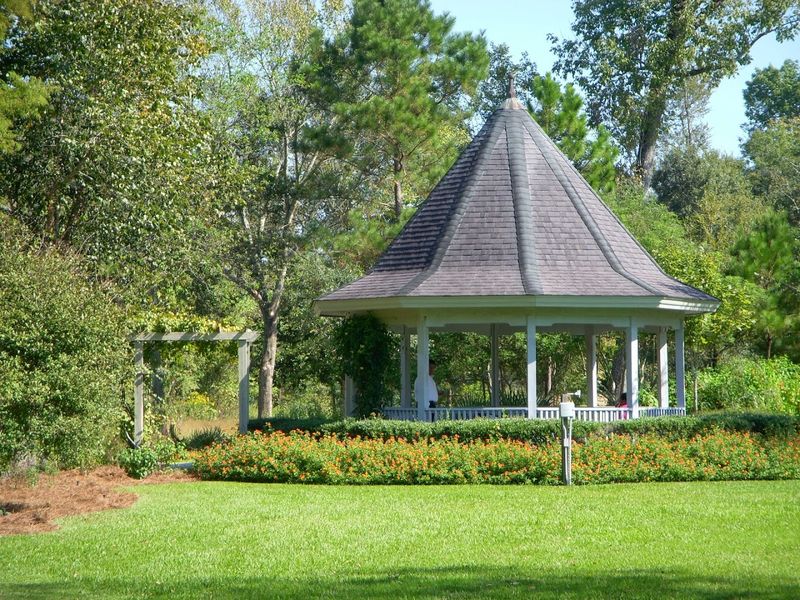
The Beaumont Botanical Gardens charges nothing to walk through 23.5 acres of curated landscape, and that decision shapes everything about who shows up and how the space feels in use.
Families come on weekday afternoons without needing to budget for it. Retirees make it a regular morning walk.
Photographers return across seasons to track how the gardens change. The lack of a financial barrier means the garden belongs to everyone in a real and practical sense, not just a theoretical one.
There is a community warmth to a free public space that ticketed attractions, no matter how beautiful, cannot fully replicate. People move through it differently.
More casually, more honestly. You see regulars who clearly know every corner, and first-timers who are visibly surprised by what they found.
The gardens are open every day from dawn to dusk, which adds another layer of generosity to the offering. Early morning light through the conservatory plantings, late afternoon gold across the rose garden, these are moments that a fixed operating schedule would cut off.
Getting to experience the garden at your own pace and on your own timeline is a quiet luxury that costs absolutely nothing.
Finding a place this considered, this varied, and this genuinely beautiful without paying for it feels like a gift that the city of Beaumont has been quietly offering for years without making nearly enough noise about it.
Address: 6088 Babe Zaharias Drive, Beaumont, Texas
