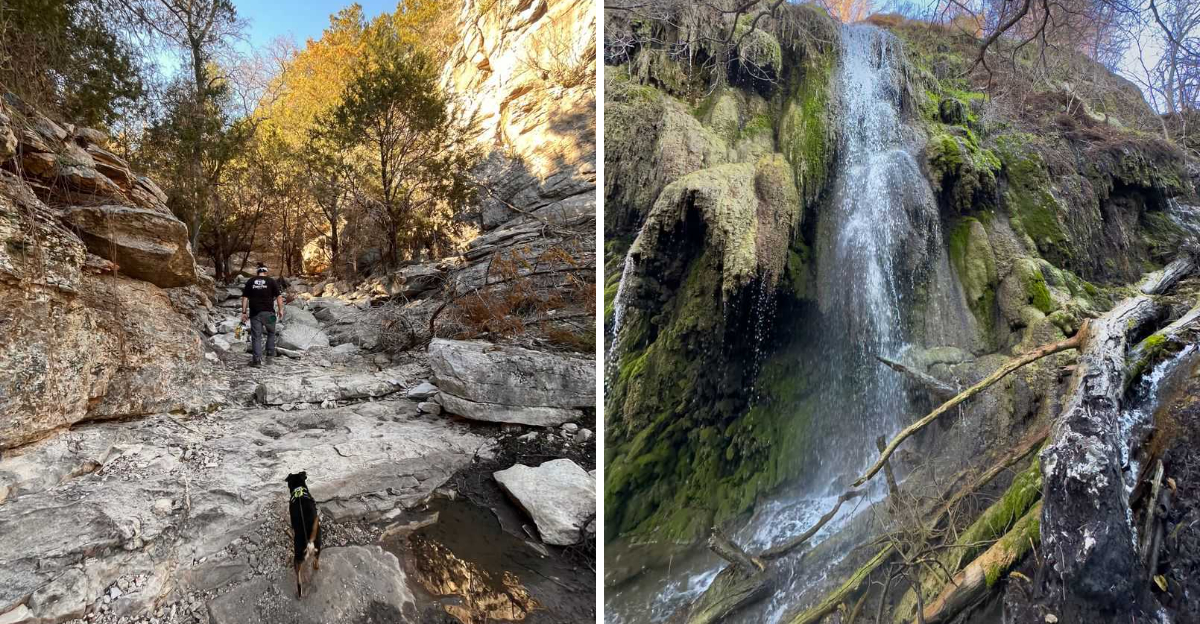
The hike to Gorman Falls is one of those walks that quietly pulls you in before you realize it’s happening. You start out surrounded by cedar and limestone, the trail dipping and twisting just enough to keep things interesting, and the noise of everyday life fades fast.
Then the sound of water creeps in, and suddenly the falls are right there, spilling down a fern covered wall like they’ve always belonged in this corner of the Hill Country. February is a sweet spot here, cool enough to enjoy the hike without breaking a sweat, but warm enough to slow down and actually take it all in.
It’s an easy place to lose track of time, whether you’re lining up photos or just standing there listening to the water and letting everything else wait.
A Hike That Feels Like an Adventure
Right from the trailhead, you know this isn’t going to be your average walk in the park. The path stretches about 1.5 miles to the falls, covering roughly 3 miles round trip, and it’s anything but flat or predictable.
Limestone rocks jut out at odd angles, and the terrain shifts from smooth stretches to sections where you’re picking your way over uneven ground. I found myself watching my footing more than I expected, especially in spots where the trail narrows or dips suddenly.
What makes it feel like a real adventure is how the landscape keeps changing. One minute you’re walking through open areas with juniper trees dotting the hillsides, and the next you’re descending into shaded zones where the temperature drops a few degrees.
You can hear birds calling and the crunch of gravel under your boots.
The trail isn’t technical in a climbing sense, but it demands attention and decent shoes. Sneakers with good grip work wonders here.
By the time you’re halfway in, you realize this hike earns its reward, and that makes reaching the falls feel like a genuine accomplishment rather than just another tourist stop.
The Final Descent to the Falls
Just when you think the trail is leveling out, you hit the steepest part. The last stretch drops sharply toward the falls, and the rocks here are worn smooth from years of foot traffic, making them slippery even when dry.
There’s a metal cable bolted into the rock that you can grip as you work your way down. I grabbed onto it without hesitation because one wrong step could mean a tumble.
This section separates casual strollers from committed hikers.
Kids manage it with surprising ease, scrambling down like mountain goats, but adults tend to take it slower. If you have any mobility concerns or balance issues, this part will test you.
It’s not dangerous if you’re careful, but it’s definitely the most challenging moment of the hike.
Once you make it down, though, the effort pays off immediately. The air feels cooler and damper, and you can hear water trickling even before you see the falls fully.
That brief moment of relief when your feet hit level ground again is something you remember. The descent adds drama to the whole experience, turning a simple hike into something that feels a bit more epic and earned.
A Waterfall That Defies Texas Stereotypes
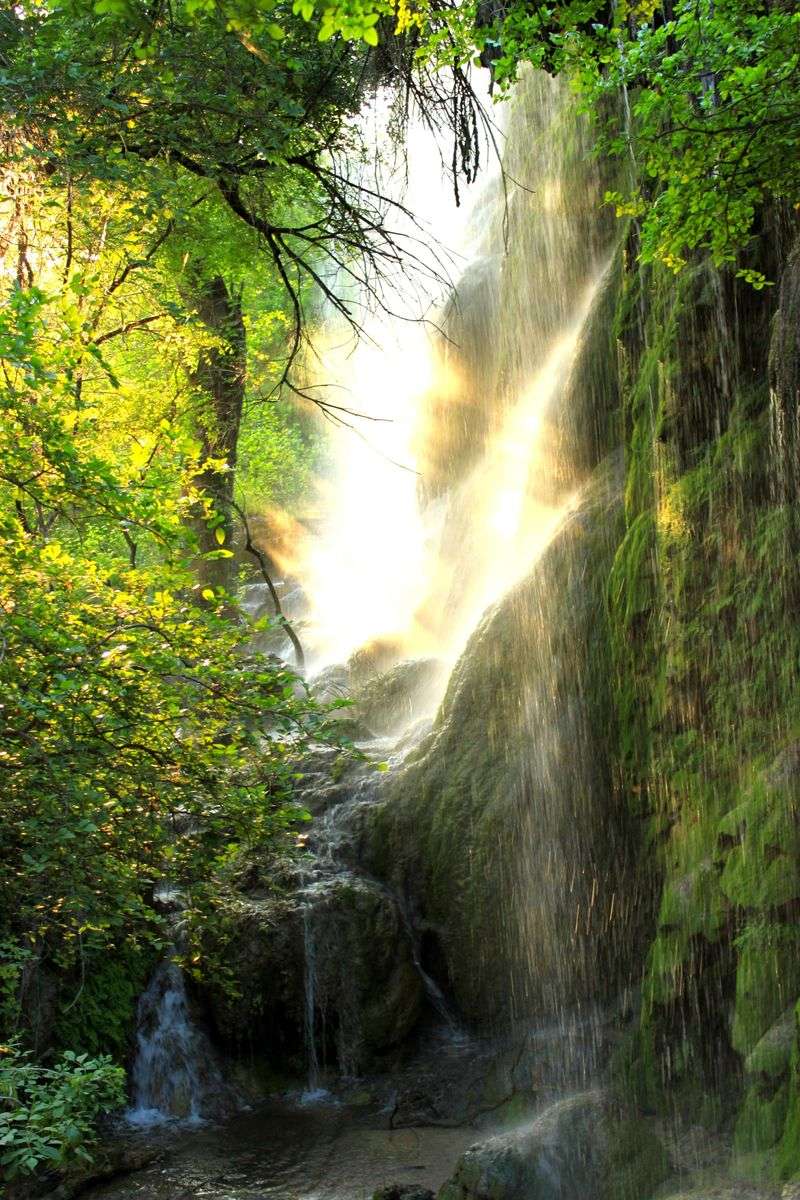
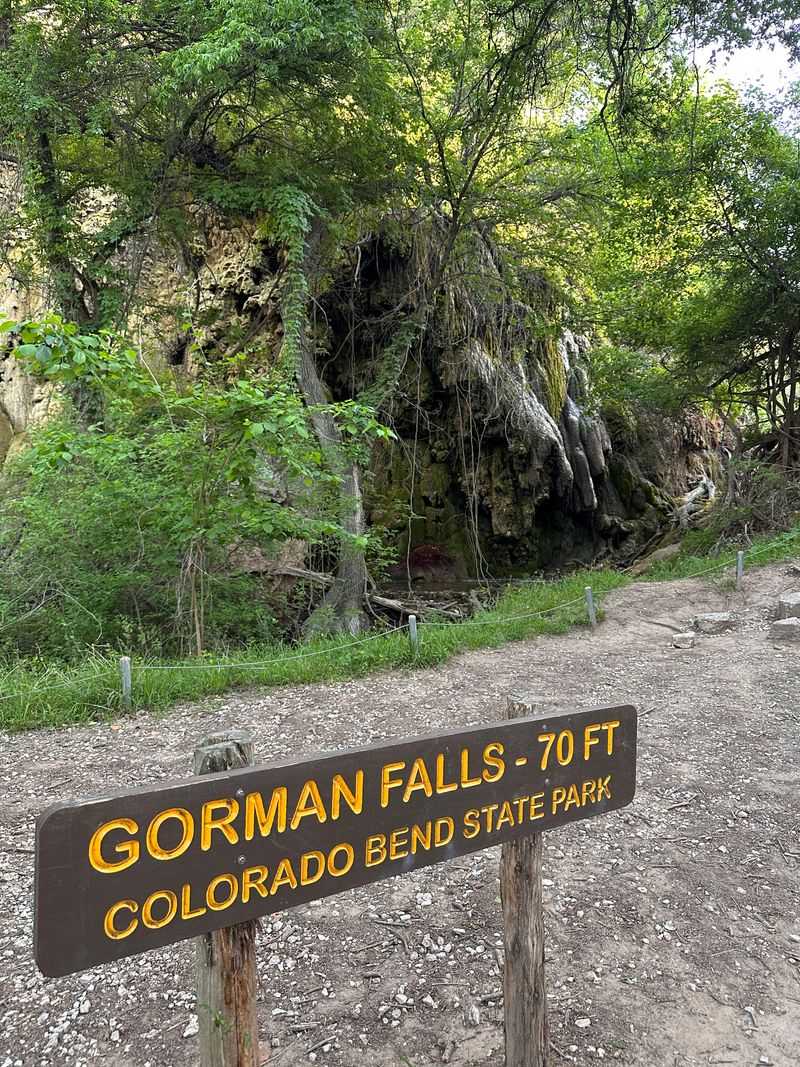
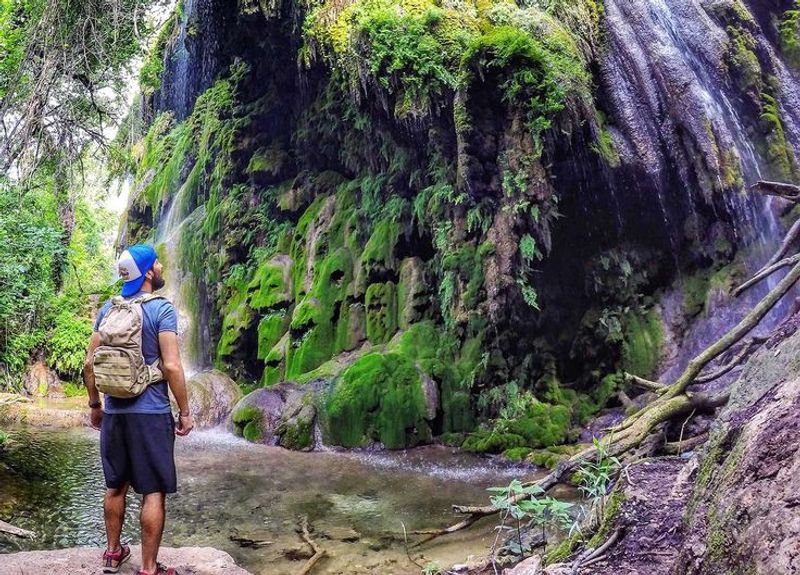
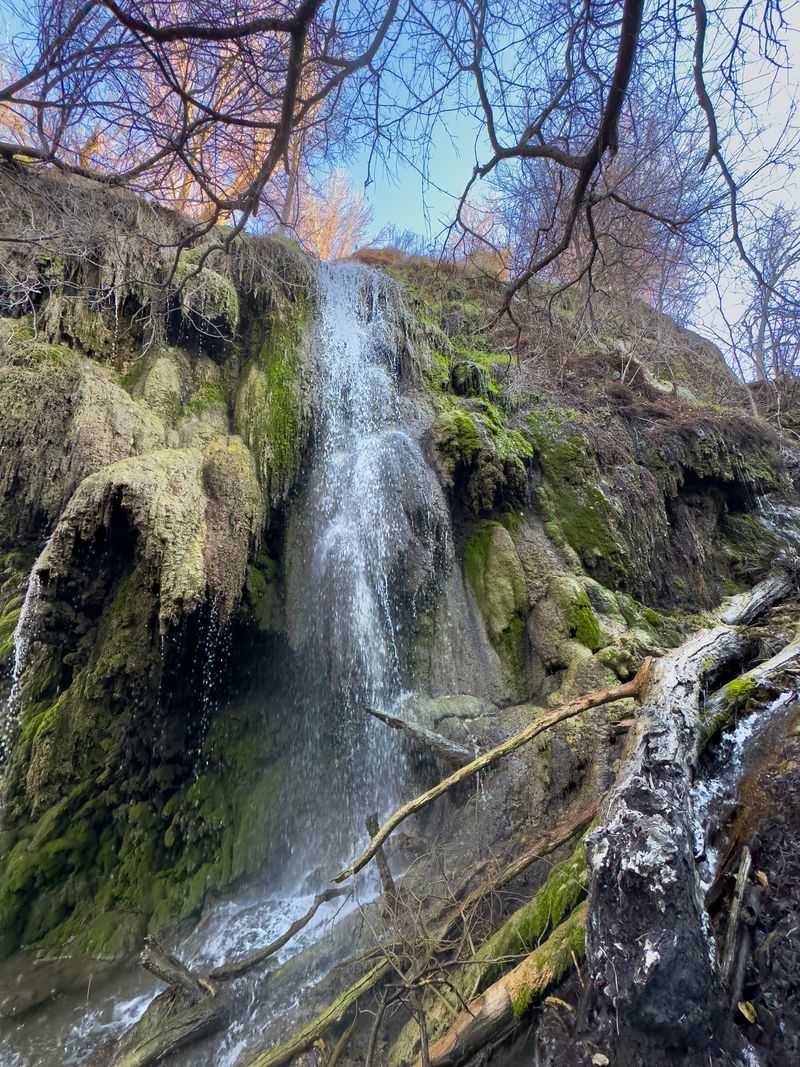
Gorman Falls doesn’t roar like Niagara, and that’s exactly what makes it special. Water flows gently over a 70-foot limestone wall covered in emerald moss and delicate ferns, creating a scene that looks more like something out of a fairytale than the Texas hill country.
The flow varies depending on rainfall, so don’t expect a thundering cascade. In February, after winter rains, there’s usually enough water to make the falls look alive and vibrant.
Even when it’s just a trickle, the moss stays green and the whole scene feels lush.
What struck me most was how the water seems to appear from nowhere, seeping through the rock and creating this hidden oasis. The limestone cliff is travertine, which means minerals in the water have built up over thousands of years to form the layered, textured surface you see today.
It’s geology in action, slow and patient.
You can’t swim here because it’s a protected habitat, but you can sit on the rocks nearby and soak in the view. The sound of trickling water, the cool mist in the air, and the way light filters through the canyon create a peaceful atmosphere that’s hard to find anywhere else in Texas.
February Weather That Actually Cooperates
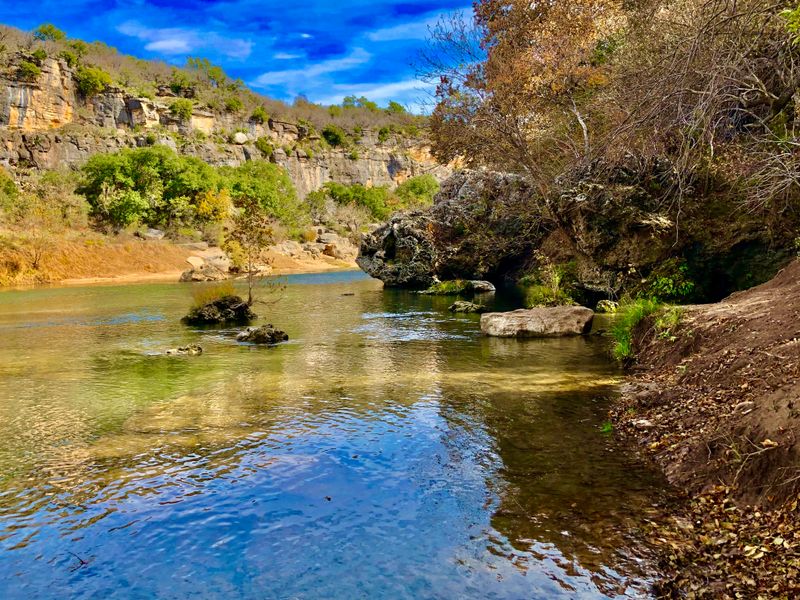
Timing matters when you’re planning outdoor adventures in Texas, and February hits a sweet spot. The summer heat hasn’t arrived yet, so you’re not baking under a relentless sun, but it’s not freezing either like it might be up north.
Temperatures usually hover in the 50s to 60s during the day, which is perfect for hiking. You can wear a light jacket in the morning and shed it by midday.
The air feels crisp and fresh, and there’s often a gentle breeze that makes the whole experience more comfortable.
I appreciated not having to carry gallons of water or worry about heat exhaustion. You still need hydration, of course, but the cooler weather means you’re not constantly stopping to chug water or find shade.
The trail has scattered shade, but much of it is exposed, so February’s milder sun is a real advantage.
Another bonus is that winter rains often boost the waterfall’s flow, making it more impressive than it might be later in the year. Spring can be nice too, but it’s also when crowds pick up.
February offers that perfect combination of good weather, fewer people, and a waterfall that’s actually flowing. It’s one of those rare times when everything aligns just right.
Photography Opportunities Around Every Corner
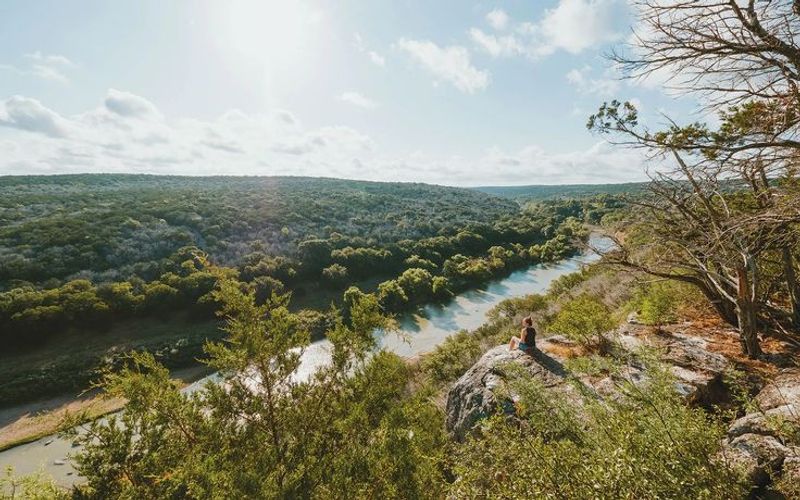
If you’re into photography, this place is a goldmine. The waterfall itself is the obvious star, but the journey there offers dozens of compelling shots.
Rock formations catch the light in interesting ways, and the contrast between rugged stone and delicate plant life creates natural compositions.
I noticed photographers stopping frequently along the trail, framing shots of twisted juniper trees against blue sky or capturing the texture of weathered limestone. The falls themselves photograph beautifully from multiple angles, whether you focus on the full cascade or zoom in on water droplets clinging to moss.
February light is particularly kind for outdoor photography. The sun sits lower in the sky, creating softer shadows and warmer tones.
Early morning and late afternoon offer that golden hour glow that makes everything look magical. Even midday shots work well because the canyon provides natural diffusion.
Bring a camera with decent zoom if you want close-ups of the falls without scrambling too close to protected areas. A wide-angle lens helps capture the scale of the canyon and the layers of rock rising around you.
Even phone cameras do well here because the subject matter is so naturally photogenic. Every turn in the trail reveals something worth capturing.
The Rocky Trail That Demands Good Footwear
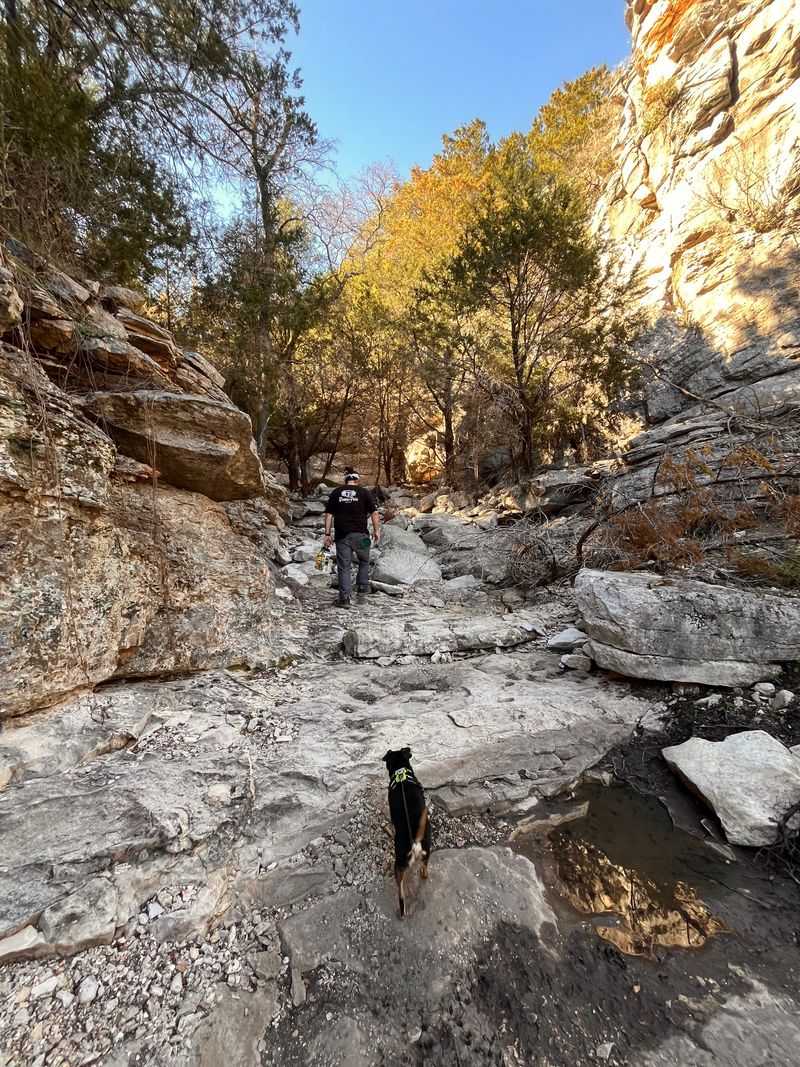
I learned this lesson the hard way on another hike, but at Gorman Falls it became crystal clear again: your shoes matter. The entire trail is rocky, with loose gravel in some spots and solid limestone slabs in others.
Regular sneakers might get you through, but you’ll feel every sharp edge.
Hiking boots or trail runners with good traction and ankle support make a huge difference. The uneven surface means your feet are constantly adjusting, and without proper support, you’ll feel fatigued faster.
Plus, that final descent to the falls gets slippery, and you need grip to navigate it safely.
Several reviews I read before going mentioned shoes specifically, and they weren’t exaggerating. One person said they saw someone attempt the trail in flip-flops and turn back within the first half mile.
The rocks aren’t forgiving, and a twisted ankle out here would turn a fun day trip into a serious problem.
If you’re bringing kids, make sure they have sturdy shoes too. They’ll be scrambling over rocks and probably moving faster than adults, so their footwear needs to keep up.
Good shoes don’t guarantee an easy hike, but they definitely make it more enjoyable and safer. It’s one of those small preparations that pays off big time.
Wildlife Encounters Along the Way
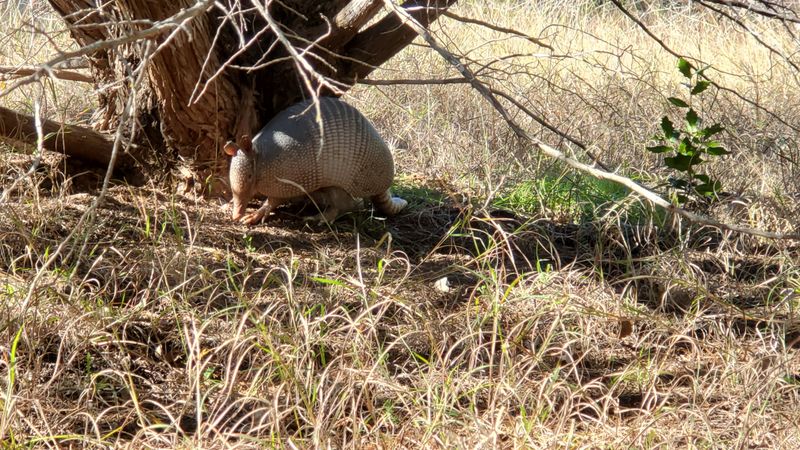
One of the unexpected pleasures of hiking to Gorman Falls is the wildlife you might spot. I saw an armadillo shuffling through the underbrush, completely unbothered by my presence.
They’re surprisingly common in this area, and watching one waddle along is oddly entertaining.
Birds are everywhere if you pay attention. Hawks circle overhead, riding thermal currents, and smaller birds flit between juniper branches.
You might hear the distinctive call of a canyon wren echoing off the rocks, a sound that feels perfectly suited to this landscape.
Deer tracks mark the trail in places, though the animals themselves tend to keep their distance during the day. Early morning hikers have better chances of spotting them grazing near the trailhead.
Lizards dart across sun-warmed rocks, and if you’re lucky, you might see a roadrunner sprinting through the brush.
The diversity of life here reminds you that this isn’t just a pretty backdrop for photos. It’s a functioning ecosystem where plants and animals have adapted to harsh conditions.
February is a good time for wildlife watching because animals are more active in cooler weather. Just remember to observe from a distance and never feed or approach wild creatures.
They’re part of what makes this place feel wild and authentic.
The Colorado River Overlook
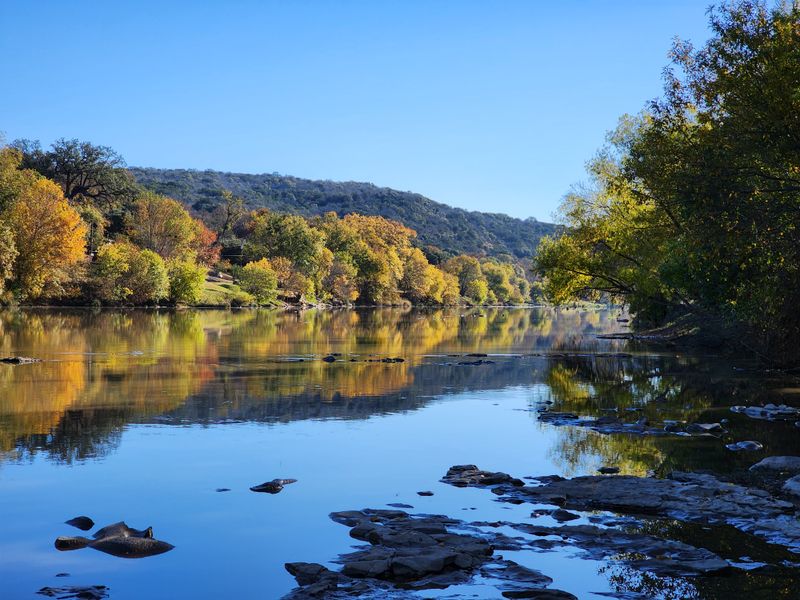
After you’ve taken in the falls, don’t rush back to the parking lot. A short walk beyond the waterfall brings you to a rocky overlook where the Colorado River comes into view.
The water moves slowly here, clear and calm, reflecting the sky and surrounding cliffs.
This spot doesn’t get as much attention as the falls, but it offers its own kind of beauty. The river has carved through limestone over millions of years, creating the canyon you’re standing in.
From this vantage point, you can see how the landscape layers itself, with different rock strata telling the story of ancient seas and shifting geology.
I found a flat rock to sit on and just watched the water for a while. It’s quieter here, away from the main attraction, and you might have the place to yourself.
The sound of the river is subtle, a gentle murmur that blends with birdsong and rustling leaves.
If you have time, this is a great spot for a snack break or some quiet reflection. The hike back is uphill and takes more energy than coming down, so resting here makes sense.
It also gives you a different perspective on the area, reminding you that Gorman Falls is just one feature in a much larger natural system.
Planning Your Visit to Colorado Bend State Park
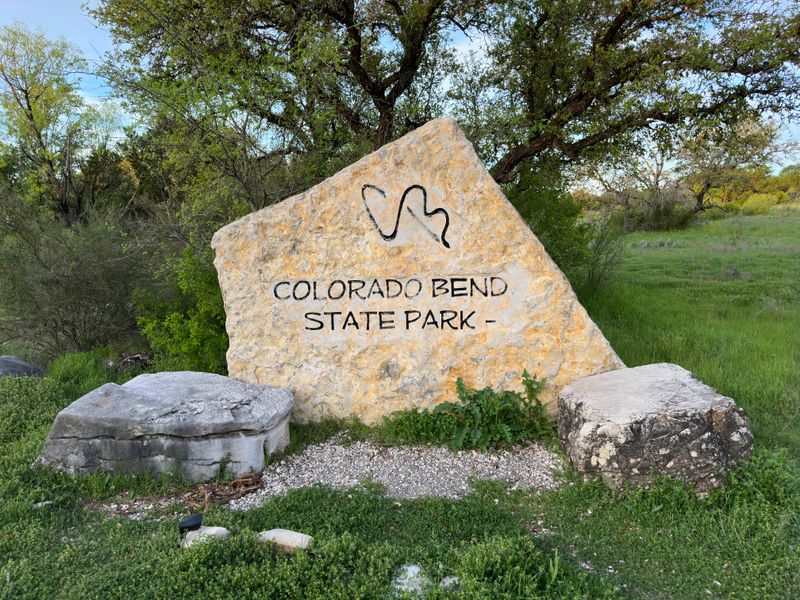
Gorman Falls sits within Colorado Bend State Park, which means you’ll need to pay an entrance fee when you arrive. It’s a cash-only situation at the gate, so come prepared.
The park itself is remote, located about two hours northwest of Austin, and the roads getting there are scenic but winding.
Cell service is spotty to nonexistent once you’re in the park, so download maps or directions beforehand. GPS can get confused on the back roads leading to the entrance.
Plan to arrive early if you’re visiting on a weekend because parking fills up, especially during nice weather.
The park has other trails and attractions beyond Gorman Falls, including Gorman Springs, which is easier to reach and offers swimming opportunities when it’s warmer. If you have time, exploring more of the park makes the drive worthwhile.
There are primitive camping areas if you want to stay overnight and tackle multiple trails.
Facilities are basic, so pack everything you need, including plenty of water, snacks, sunscreen, and a first-aid kit. There’s no cell service to call for help if something goes wrong.
Let someone know your plans before you head out. The park’s remoteness is part of its charm, but it also means you need to be self-sufficient and prepared.
Why This Day Trip Sticks With You
Some places you visit and forget within a week. Gorman Falls isn’t one of them.
Maybe it’s the contrast between the harsh, rocky trail and the soft beauty of the moss-covered waterfall. Maybe it’s the sense of accomplishment when you make it down that final steep section and see the falls spread out before you.
What stuck with me was how the place feels earned. You can’t drive up to a viewing platform or take an elevator.
You have to work for it, and that effort transforms the experience from passive sightseeing into something more meaningful. The hike becomes part of the memory, not just a means to an end.
I also appreciated how uncrowded it felt, even though it’s not exactly a secret anymore. Because the trail requires some effort, it naturally filters out people looking for easy entertainment.
The folks you meet on the trail tend to be genuinely interested in the outdoors, which creates a different vibe than more touristy spots.
February amplifies all of this with its perfect weather and flowing water. It’s a reminder that Texas has more to offer than stereotypes suggest.
Hidden canyons, waterfalls, and wild spaces exist if you’re willing to seek them out.
Gorman Falls proves that some of the best day trips are the ones that surprise you completely.
Dear Reader: This page may contain affiliate links which may earn a commission if you click through and make a purchase. Our independent journalism is not influenced by any advertiser or commercial initiative unless it is clearly marked as sponsored content. As travel products change, please be sure to reconfirm all details and stay up to date with current events to ensure a safe and successful trip.
