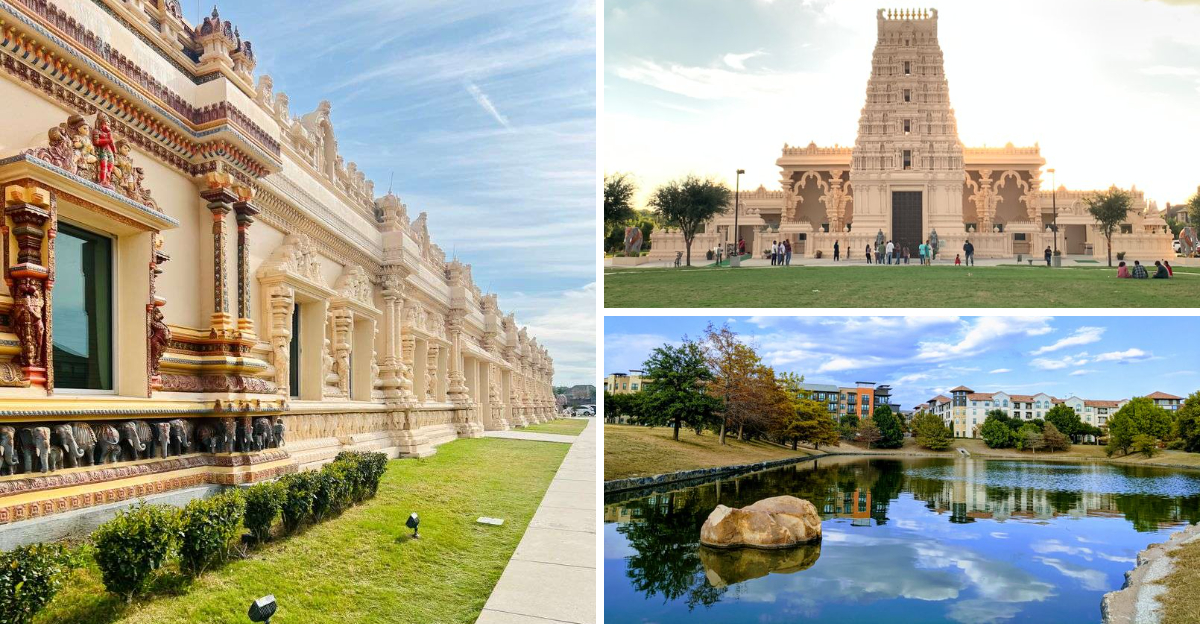
Frisco, Texas sits in the heart of the Dallas-Fort Worth metro area, a place where shiny skyscrapers now tower over land that once held quiet farms and open fields.
Just a few decades ago, this was a sleepy railroad town where everyone knew their neighbors and Friday nights meant high school football under the stars.
Today, Frisco bursts with energy, drawing families, young professionals, and sports fans from across the country with its modern attractions, top-rated schools, and booming economy.
But here’s the wild part: this explosive growth has created a fascinating mix of old Texas charm and cutting-edge innovation that you won’t find anywhere else.
Whether you’re curious about what happens when a small town becomes a big city overnight, or you just want to see what all the buzz is about, Frisco’s story is absolutely captivating.
Population Explosion Like No Other
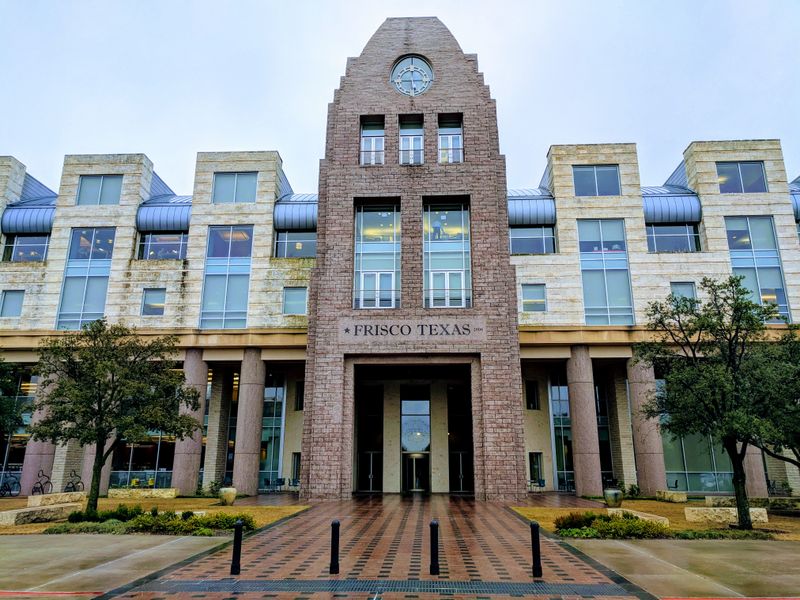
Frisco’s population numbers tell a story that sounds almost impossible. Back in 2000, around 33,000 people called this place home, enjoying quiet streets and knowing most folks at the grocery store.
Fast forward to today, and that number has skyrocketed past 200,000, making Frisco one of the fastest-growing cities in the entire United States.
Newcomers arrive daily, attracted by excellent job opportunities, award-winning schools, and a quality of life that’s hard to beat. Subdivisions spring up seemingly overnight, transforming former ranch land into bustling neighborhoods filled with families from all over the country.
The infrastructure struggles to keep pace sometimes, with roads being widened and new schools being built constantly to accommodate the influx.
Long-time residents remember when Main Street was the center of everything, and you could drive from one end of town to the other in ten minutes flat. Now the city sprawls in every direction, with multiple commercial centers and residential areas that seem to stretch endlessly.
The sense of community that once defined Frisco has evolved, becoming more diverse but also more fragmented as the population continues its upward climb at a dizzying rate.
Sports Complex Takeover
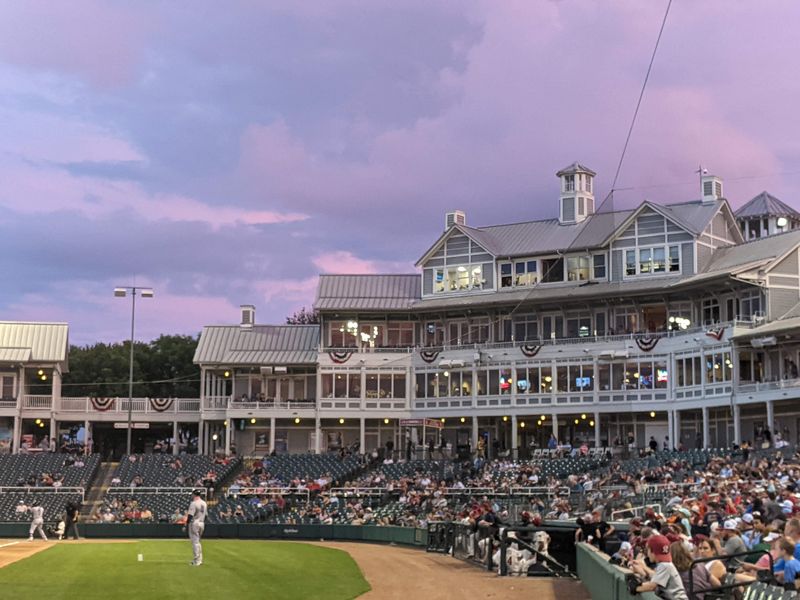
Sports have completely transformed Frisco’s identity and landscape in ways nobody could have predicted a generation ago. The city now hosts the Dallas Cowboys headquarters at The Star in Frisco, a massive complex that draws football fans year-round to watch practices and visit the team’s facilities.
Toyota Stadium serves as home to FC Dallas soccer team, while Dr Pepper Ballpark hosts the Frisco RoughRiders minor league baseball team, creating a trifecta of professional sports venues.
These aren’t just stadiums sitting on the outskirts of town. They’ve become entertainment destinations surrounded by restaurants, shops, and hotels that fundamentally changed how Frisco operates.
Game days bring thousands of visitors flooding into areas that were once peaceful residential zones, creating traffic nightmares and parking challenges that older residents never imagined dealing with.
The economic boost is undeniable, bringing jobs and putting Frisco on the national map. But longtime locals sometimes miss the days when their town wasn’t defined by sports tourism and corporate partnerships.
Weekend mornings that once meant quiet trips to the farmers market now involve navigating crowds of jersey-wearing fans heading to various sporting events throughout the city.
Traffic Congestion Nightmare
Anyone who lived in Frisco before 2005 remembers when traffic jams were practically nonexistent. You could zip across town in minutes, and rush hour meant maybe waiting through two light cycles at the busiest intersection.
Those days have vanished completely, replaced by gridlock that rivals much larger metropolitan areas and tests the patience of even the most zen drivers.
Preston Road, once a manageable north-south route, now backs up for miles during peak hours. The Dallas North Tollway exit ramps create bottlenecks that can add thirty minutes to a commute that should take five.
Construction crews work constantly to widen roads and add lanes, but the improvements barely keep pace with the relentless tide of new residents and their vehicles filling the streets.
Shopping trips that used to be quick errands now require strategic planning to avoid the worst congestion. School drop-off lines snake around entire neighborhoods, and finding parking at popular destinations feels like winning a small lottery.
Old-timers shake their heads remembering when you could park right in front of any store downtown, and the biggest traffic concern was whether you’d catch the train passing through on the historic rail line.
Skyrocketing Property Values and Taxes
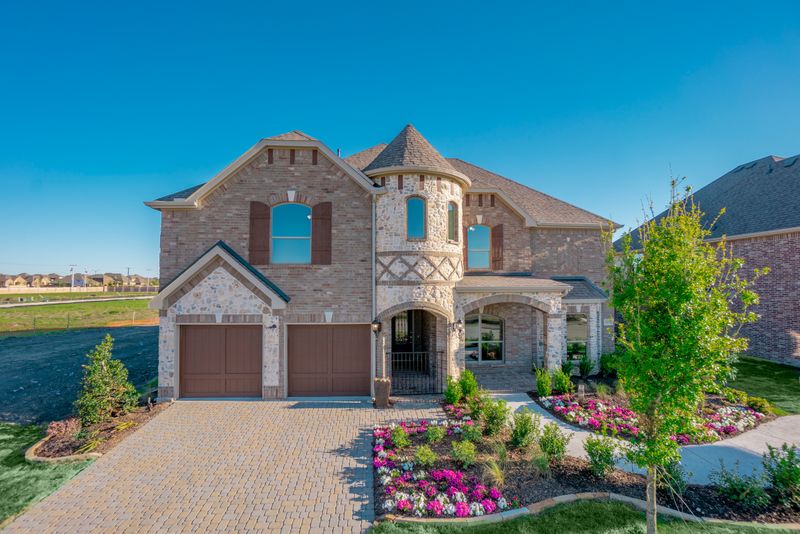
Real estate in Frisco has become a hot commodity that’s pricing out many longtime residents who watched their property values soar to dizzying heights.
Homes that sold for under $150,000 in the early 2000s now command prices exceeding half a million dollars, creating paper wealth for existing homeowners but making it nearly impossible for young families to enter the market.
The median home price keeps climbing year after year, reflecting Frisco’s desirability but also its transformation into an increasingly exclusive community.
Property taxes have followed the same upward trajectory, forcing some retirees and fixed-income residents to sell homes they’ve owned for decades. The tax bills that were manageable when Frisco was a small town now strain budgets as property valuations continue their relentless climb.
Many original residents find themselves wealthy on paper but struggling to afford staying in neighborhoods they helped build.
New developments feature massive homes on tiny lots, selling for prices that would have seemed absurd just fifteen years ago.
The character of neighborhoods changes as older, modest homes get torn down and replaced with modern McMansions that maximize every square foot of lot space, altering the architectural landscape dramatically.
Corporate Headquarters Invasion
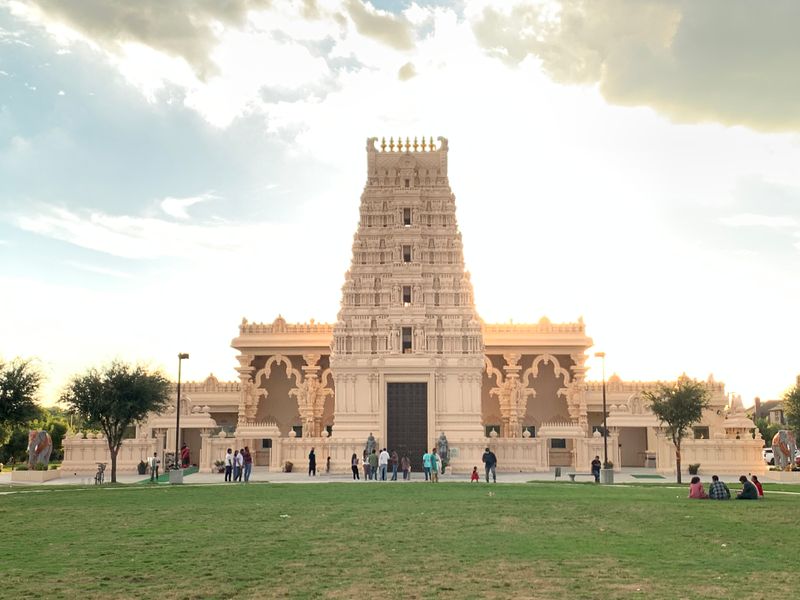
Major corporations have discovered Frisco in a big way, transforming the city’s skyline and economic landscape almost overnight.
Companies like Oracle, T-Mobile, and Liberty Mutual have established significant operations here, bringing thousands of high-paying jobs but also fundamentally changing the town’s character from bedroom community to corporate hub.
The office buildings that now dominate certain corridors would have looked completely out of place in the Frisco of twenty years ago.
This corporate migration created an economic boom that city leaders celebrate with enthusiasm. Tax revenues soared, funding improvements to parks, libraries, and public facilities that make Frisco genuinely attractive.
But the influx of white-collar workers also drove up the cost of living across the board, from restaurant prices to housing costs, making Frisco less accessible to middle-class families.
The corporate presence changed daily rhythms throughout the city. Lunch spots downtown now cater to expense-account business meetings rather than local families grabbing a quick bite.
The professional workforce commuting in from surrounding areas adds to traffic congestion, and the sleek glass buildings feel worlds apart from the agricultural heritage that older residents remember fondly as defining their community’s original identity.
Retail and Dining Explosion
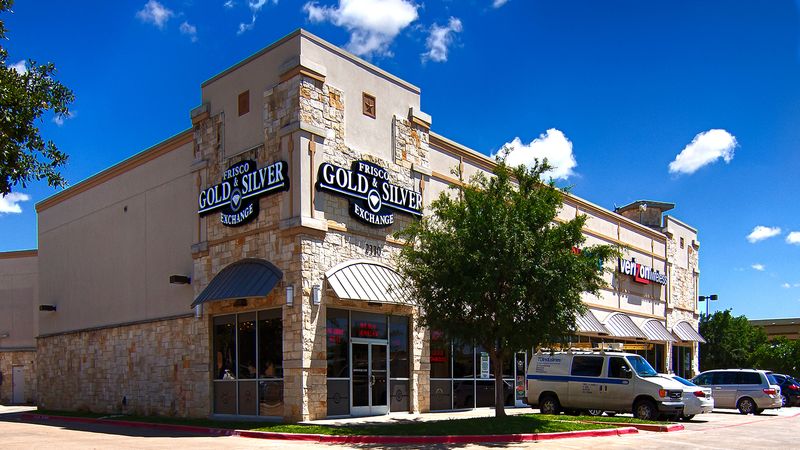
Shopping and dining options in Frisco have multiplied at a staggering rate, turning the city into a consumer paradise that attracts visitors from across the region.
Stonebriar Centre mall anchors a massive retail corridor, while The Star and other mixed-use developments offer everything from high-end boutiques to national chain restaurants.
What was once a town where you had maybe three restaurant choices has become a foodie destination with hundreds of options representing cuisines from around the globe.
Every major retail chain wants a Frisco location now, leading to commercial development that seems endless. Strip malls and shopping centers line major roads, offering convenience but also creating a somewhat generic landscape that could be anywhere in suburban America.
The unique local businesses that gave old Frisco its character struggle to compete with deep-pocketed national chains.
Longtime residents appreciate having more choices, but many miss the local diners and mom-and-pop shops that once defined the community. The downtown area tries to maintain some of that original charm, but it’s increasingly surrounded by corporate retail that dominates the visual landscape.
Sunday afternoons that once meant quiet family time now often involve battling crowds at packed restaurants and busy shopping destinations throughout the ever-expanding city limits.
Loss of Small-Town Character
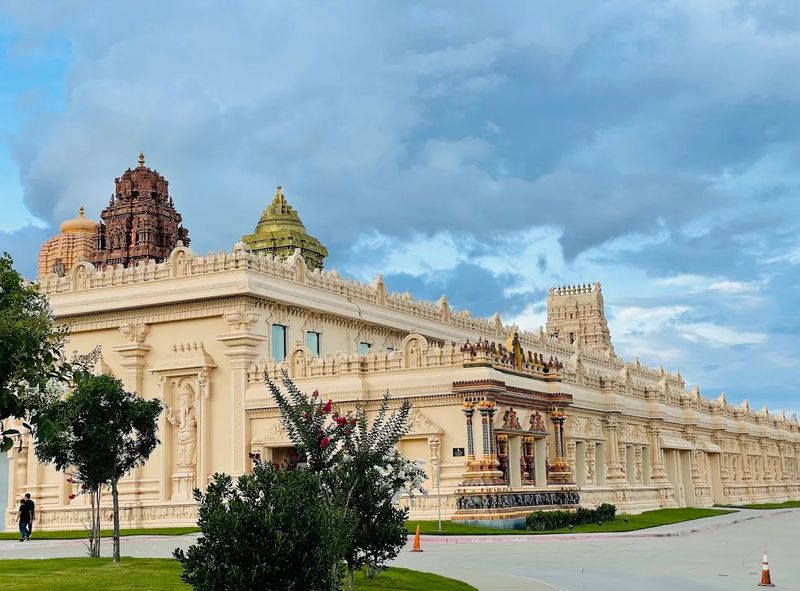
Perhaps the most painful change for longtime Frisco residents is the disappearance of the small-town atmosphere that once made this place feel special.
There was a time when Friday night football at the local high school brought the entire community together, and you couldn’t walk through the grocery store without running into half a dozen people you knew.
That intimate, everybody-knows-everybody feeling has largely evaporated as the population exploded and the city became more diverse and transient.
The historic downtown area still exists, with buildings dating back to Frisco’s railroad heritage preserved along Main Street. But it feels like a museum piece now, surrounded by modern development that dwarfs it in scale and significance.
The Frisco Heritage Museum does an admirable job preserving the past, displaying antiques and railroad memorabilia that tell stories of a very different era.
Community events still happen, but they feel different when you’re one of thousands of attendees rather than gathering with neighbors you’ve known for years.
The personal connections that defined small-town life take more effort to maintain when your neighborhood turns over every few years as people relocate for jobs.
Many original residents feel like they’re watching their hometown disappear, replaced by something shinier but less soul-satisfying.
Educational System Strain
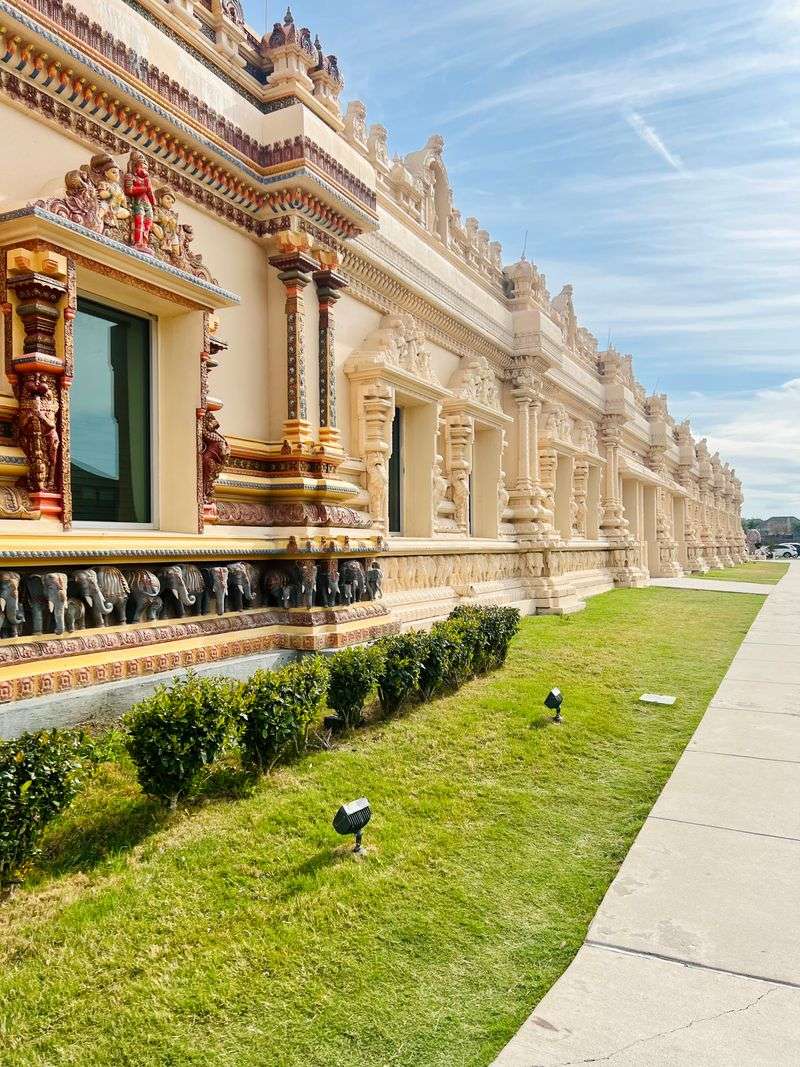
Frisco Independent School District faces challenges that come with being one of the fastest-growing districts in Texas. The schools consistently rank among the best in the state, which attracts families but also creates capacity issues that require constant attention.
New schools open regularly, with the district adding campuses at a pace that would be unthinkable in most communities, yet classrooms still feel crowded as enrollment continues its upward march.
The quality of education remains high, with modern facilities and strong academic programs that make Frisco a destination for families prioritizing their children’s schooling.
But the rapid growth means constant redistricting, with kids sometimes switching schools multiple times as boundaries shift to accommodate new neighborhoods.
Parents who moved to Frisco specifically for a particular school sometimes find their address reassigned to a different campus entirely.
Teachers and administrators work hard to maintain standards while dealing with facilities that seem perpetually under construction or renovation. The sense of school community that develops over years gets disrupted when populations shift so rapidly.
Athletic programs and extracurricular activities remain strong, but the intimate feel of small-school competitions has given way to large-district dynamics where some schools have student bodies larger than Frisco’s entire population was just a few decades ago.
Green Space Disappearing Act
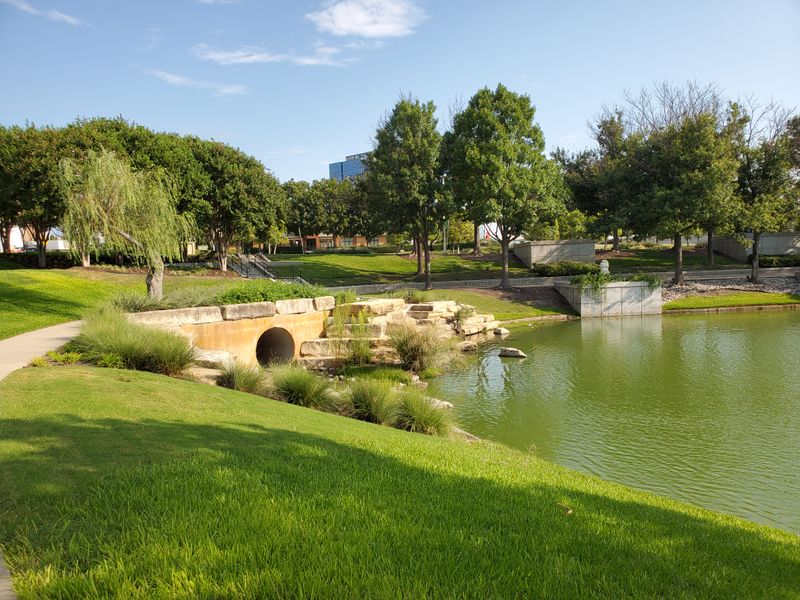
Open land that once characterized Frisco’s landscape has been steadily disappearing under waves of development that show no signs of slowing.
Fields where kids used to explore and play have been transformed into subdivisions and shopping centers, fundamentally altering the relationship between residents and nature.
The city has worked to preserve some green space, with Frisco Commons Park at 8000 McKinney Road offering playgrounds, a fishing pond, and an amphitheater that provides recreational opportunities for families.
Other parks dot the landscape, but they’re carefully designed and maintained spaces rather than the wild, unstructured areas that used to exist naturally.
Everything feels planned and manicured now, which is nice in its own way but lacks the spontaneous quality of the old Frisco where you could wander onto undeveloped land and feel like you’d escaped the city entirely.
The tree-lined streets in older neighborhoods contrast sharply with newly developed areas where saplings struggle to provide shade. Longtime residents remember when you could see stars clearly at night and hear crickets without traffic noise drowning them out.
That connection to the natural world has been largely sacrificed in the name of progress, leaving some to wonder whether all this growth was worth losing the environmental character that made Frisco special.
Cultural Identity Crisis
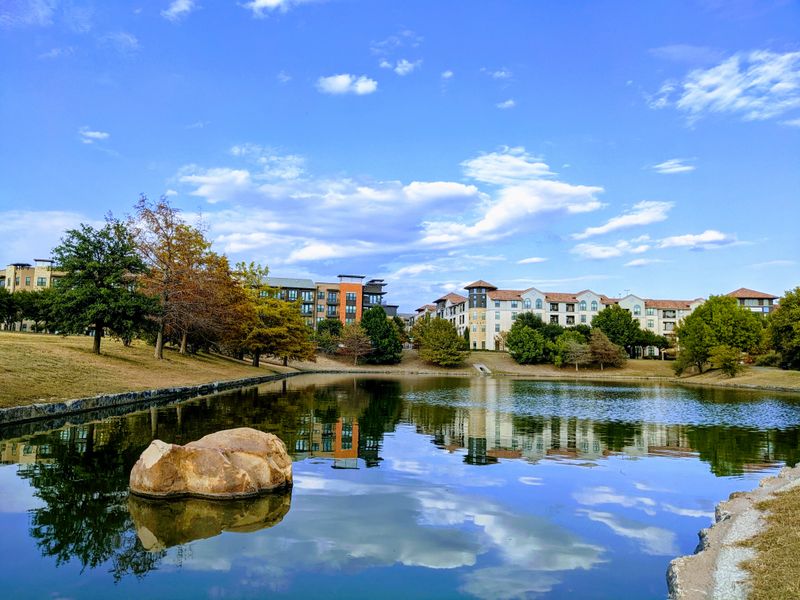
Frisco struggles with an identity crisis that comes from transforming too quickly from small Texas town to major suburban city. The old identity centered on railroad history, high school sports, and agricultural roots feels increasingly disconnected from current reality.
Meanwhile, the new identity as a corporate hub and sports destination doesn’t resonate with everyone, especially those who remember when Frisco meant something entirely different.
Cultural attractions like the National Videogame Museum and Sci-Tech Discovery Center represent the new Frisco, offering modern entertainment and education that appeals to the young, tech-savvy population moving in.
These facilities would have been unimaginable in old Frisco, but they define what the city is becoming. The challenge is honoring the past while embracing a future that looks nothing like where Frisco came from.
Community leaders work to bridge this gap, but it’s not easy when change happens at such a breakneck pace. Events celebrating Frisco’s heritage feel nostalgic rather than current, while new residents often have no connection to that history at all.
The result is a city still figuring out what it wants to be when it grows up, caught between honoring its roots and racing toward a future that seems to arrive faster than anyone can process. It’s exciting and unsettling all at once!
Dear Reader: This page may contain affiliate links which may earn a commission if you click through and make a purchase. Our independent journalism is not influenced by any advertiser or commercial initiative unless it is clearly marked as sponsored content. As travel products change, please be sure to reconfirm all details and stay up to date with current events to ensure a safe and successful trip.
