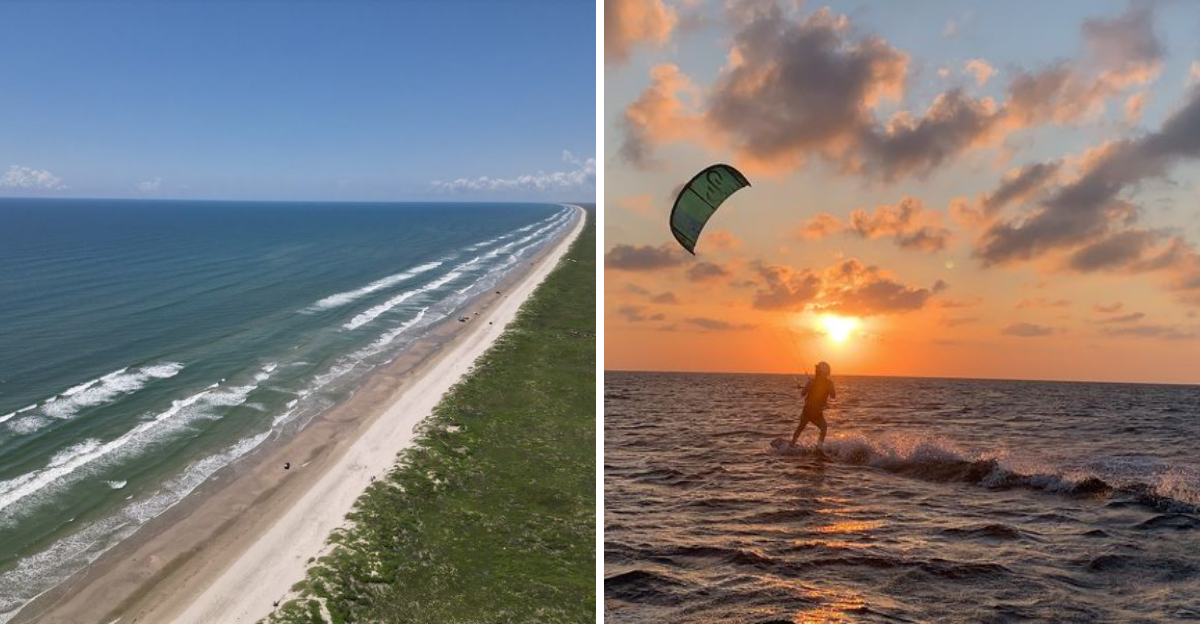
The shift from quiet escape to busy destination is easy to notice once you have seen both sides. Word spread fast, and more people across Texas started showing up looking for the same coastal experience.
Texas beaches like this tend to change quickly once they get discovered.
The shoreline still delivers the same views and open space, but the atmosphere feels more active than it once did. Crowds build faster, popular spots fill up, and the overall pace has picked up.
Some visitors enjoy the energy, while others miss how it used to feel.
In Texas, places like this often follow a familiar pattern. A hidden gem turns into a well-known stop, and that shift changes the experience depending on what you are looking for.
The Beaches That Started It All
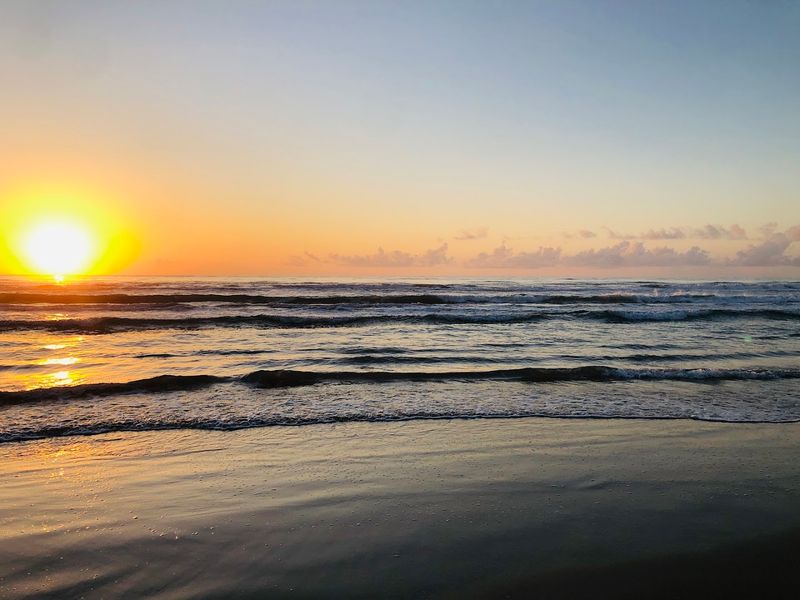
There is something almost unfair about how good the beaches on South Padre Island look in person. The sand is pale and fine, the kind that squeaks under your feet, and the water shifts from green to blue depending on the light and time of day.
For years, locals treated these stretches of coastline like their own backyard, showing up on quiet weekday mornings with folding chairs and coolers.
Then the photos hit social media and everything changed. Spring break crowds swelled from manageable to overwhelming, and suddenly parking lots were full by 8 a.m.
Locals who once arrived at noon without a second thought started timing their visits around the off-season just to reclaim what felt like theirs.
The beaches themselves have not changed. They are still genuinely stunning, especially the northern stretches near the undeveloped dunes where foot traffic thins out.
If you visit outside of peak season, say late October or early February, you might catch a morning that feels exactly like what locals have been mourning. The Gulf breeze is cool, the sand is clean, and for a few hours the whole island feels like a secret again.
Padre Island National Seashore and the Wild Side of the Coast
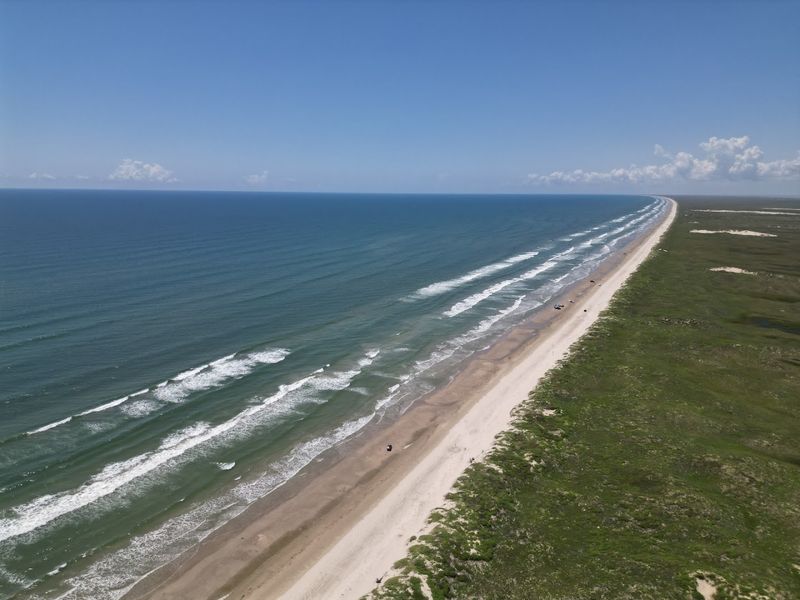
Not far from the bustle of South Padre Island, the Padre Island National Seashore offers something that feels almost radical by comparison: silence.
This protected stretch of barrier island is the longest undeveloped barrier island in the world, and it runs for miles without a hotel, a souvenir shop, or a food truck in sight.
I drove out there one afternoon expecting to be bored and ended up staying until the sun went down.
The dunes here are tall and wind-sculpted, covered in sea oats that ripple in the Gulf breeze. Shorebirds pick along the waterline and the only sounds are waves and wind.
It is the kind of place that resets something in you without you realizing it needed resetting.
Locals have long used the national seashore as their escape hatch when the island gets too crowded. It requires a little more effort to reach and offers no amenities, which keeps the casual visitor count low.
For anyone willing to pack a bag and drive past the resort strip, this is where the real Texas coast lives. The address for the visitor center is 20420 Park Road 22, Corpus Christi, Texas.
Spring Break and the Transformation Nobody Asked For
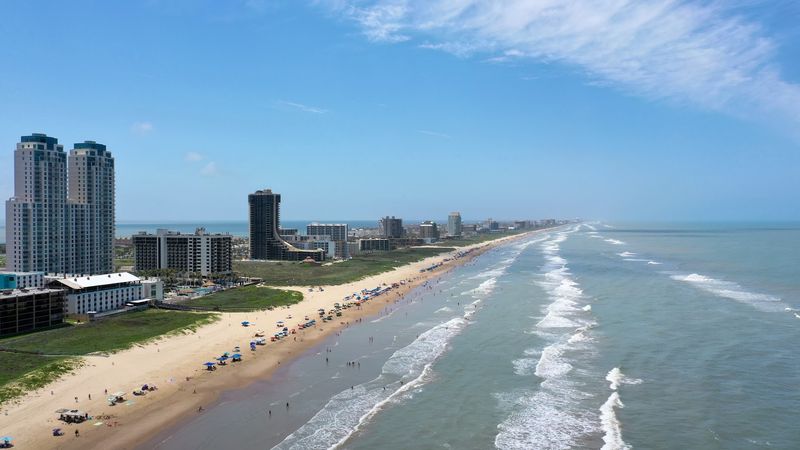
Spring break on South Padre Island is a phenomenon that has taken on a life of its own. What started as a regional college tradition grew into one of the most heavily attended spring break destinations in the entire country.
For a few weeks each March, the population of the island swells to a number that strains every road, restaurant, and restroom on the barrier strip.
Locals who have lived here for decades describe those weeks with a mix of resignation and dark humor. Traffic that normally takes five minutes can stretch to an hour.
Noise complaints spike. Litter accumulates faster than cleanup crews can manage.
Many residents simply leave the island during peak weeks and wait for the calendar to turn.
The economic reality is complicated. The surge in visitors brings in significant tax revenue that funds city services year-round.
Hotel occupancy taxes and sales tax collections have shown consistent increases during peak periods, and local businesses depend on that income. So the frustration is not really about tourists themselves.
It is about volume and the way high density changes the character of a place. The island that draws people in is the same island that gets buried under the weight of being discovered.
Sea Turtle Rescue and the Conservation Heart of the Island
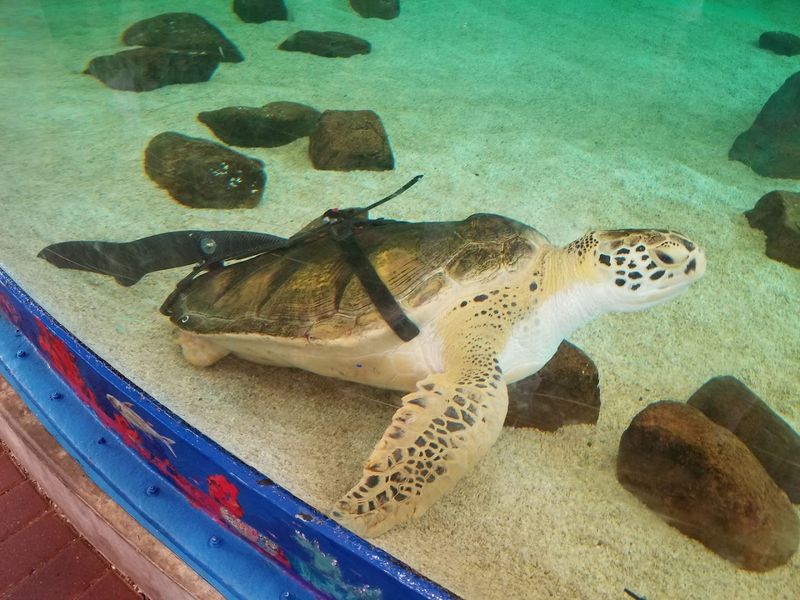
One of the most genuinely moving things you can do on South Padre Island has nothing to do with the beach at all. Sea Turtle Inc., a nonprofit rescue and rehabilitation center, operates right on the island and has been caring for injured and stranded sea turtles for decades.
I visited on a quiet Tuesday and left feeling like I had actually done something worthwhile with my afternoon.
The center treats Kemp’s ridley sea turtles, one of the most endangered sea turtle species in the world, along with other Gulf species.
Visitors can tour the facility, watch feedings, and learn about the threats these animals face from boat strikes, fishing gear, and cold-stunning events during Gulf temperature drops.
The staff and volunteers are passionate and knowledgeable without being preachy about it.
Locals take real pride in this place. It represents the quieter, more purposeful side of island life that often gets overshadowed by the spring break narrative.
For families visiting with kids, a morning at Sea Turtle Inc. tends to be the part of the trip children remember longest. The address is 6617 Padre Boulevard, South Padre Island, Texas.
The Local Food Scene That Tourists Are Finally Finding
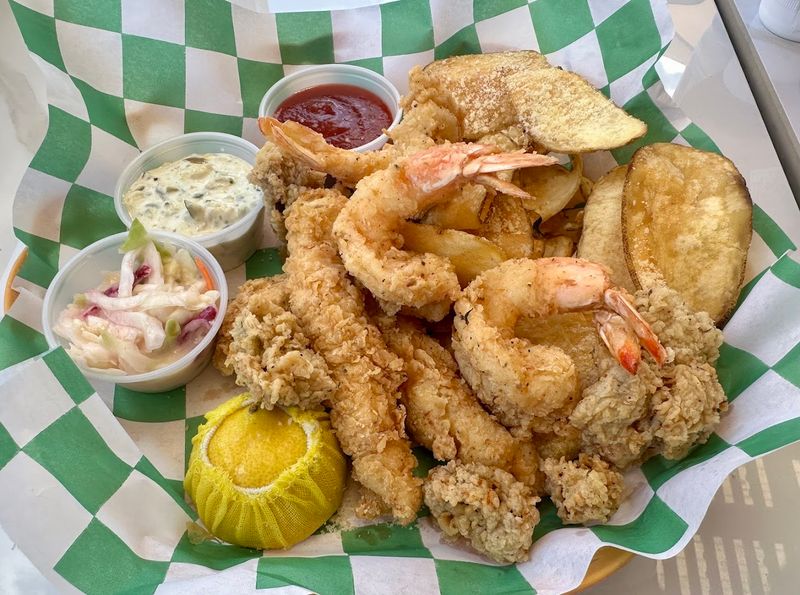
South Padre Island has always had good food if you knew where to look. The Gulf shrimp here are caught locally, and when something is that fresh, even a simple preparation tastes like a revelation.
For years, the best spots were the ones without flashy signs, the kind of places where the menu was a chalkboard and the tables were plastic.
That is still true, but the dining scene has expanded significantly as tourism grew. New restaurants have opened targeting the visitor crowd, and some of them are genuinely excellent.
The challenge now is sorting through the noise to find the places where the food actually reflects the place rather than just catering to a generic beach crowd appetite.
Locals tend to favor spots away from the main tourist corridor, places on the bay side of the island where the views are quieter and the clientele more familiar. The Amberjack Street area and the bayside stretch near the marina offer a different pace entirely.
Fishermen still bring their catch in nearby, and you can taste the difference. If you want to eat the way residents eat, follow the pickup trucks rather than the hotel concierge recommendations.
The food that feeds a working waterfront town is almost always the food worth finding.
Kiteboarding, Windsurfing, and the Wind That Never Quits
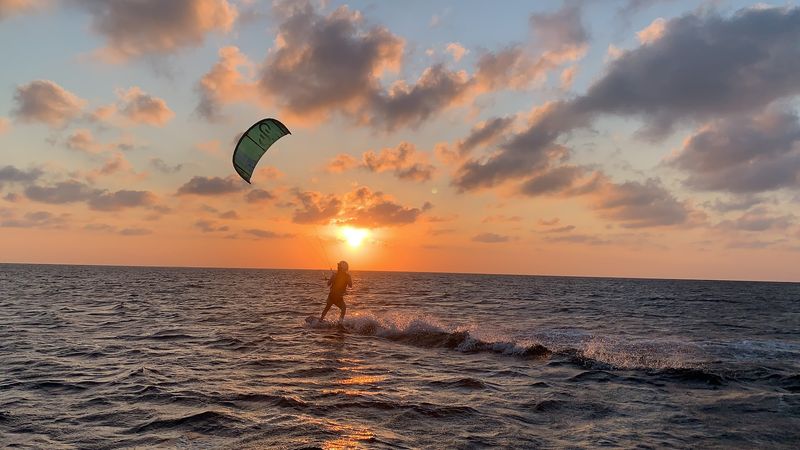
The wind on South Padre Island is not a seasonal visitor. It lives there, moving constantly off the Laguna Madre and the Gulf, and it has turned the island into one of the top kiteboarding and windsurfing destinations in North America.
The flat, shallow waters of the bay side are practically made for learning, and the consistent southerly winds keep conditions predictable in a way that more famous spots cannot always promise.
I watched kiteboarders launching off the bay flats one afternoon and felt genuinely envious in a way that made me want to sign up for lessons on the spot. The colors of the kites against the sky and water are almost cartoonishly vivid.
It is the kind of scene that makes the island feel alive with energy even on a slow weekday.
The wind sports community here is tight-knit and welcoming. Several local schools offer lessons for beginners, and the bay provides a forgiving environment to learn without the stress of open ocean conditions.
This is one area where tourism and local culture have blended comfortably. The people who come for the wind tend to respect the water, and that shared reverence creates a different dynamic than the spring break crowd brings.
The Housing and Cost of Living Tension Behind the Scenes
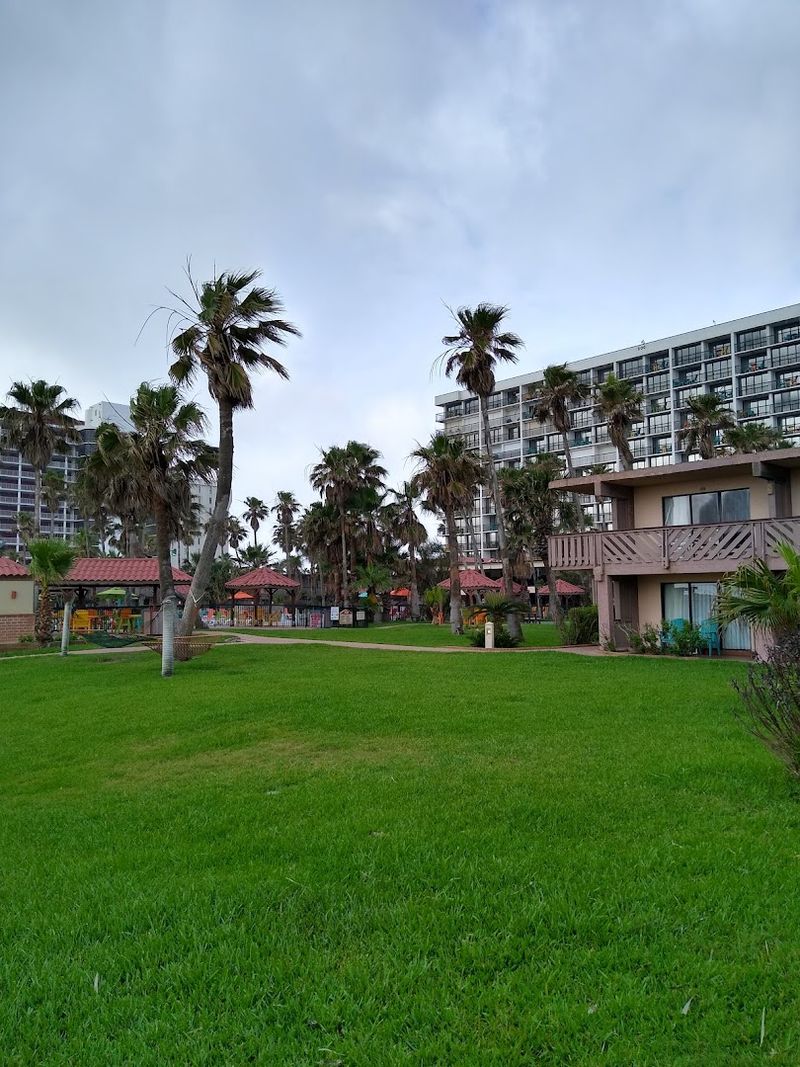
Behind the postcard version of South Padre Island, there is a conversation happening that does not make it into the tourism brochures. As the island became more popular, property values climbed and short-term vacation rentals multiplied.
The result is a housing market that has become increasingly difficult for year-round residents and service workers to navigate.
Long-time locals describe watching neighbors sell to investors who converted homes into vacation rentals, slowly changing the character of residential streets that once felt like actual neighborhoods.
Workers in the hospitality and fishing industries, the people who keep the island running, face a growing gap between wages and the cost of living in a place driven by tourism economics.
This tension is not unique to South Padre, and it is not something tourists are typically aware of as they enjoy their stay. But it shapes the relationship between visitors and residents in ways that go beyond spring break noise complaints.
The island that looks effortlessly beautiful from the outside requires a significant amount of human labor and community sacrifice to maintain that appearance. Understanding that does not make the trip less enjoyable.
It just makes you a more thoughtful guest, and thoughtful guests are genuinely appreciated here.
Finding the Island Locals Still Love, Even Now
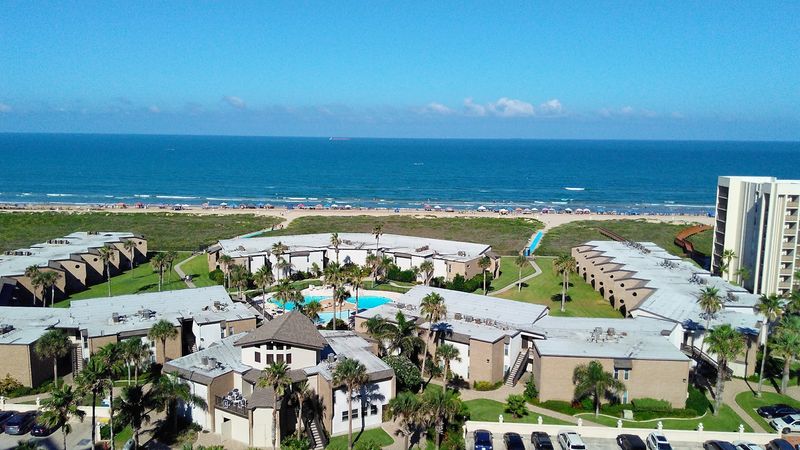
Despite everything that has changed, locals have not given up on South Padre Island. They have just gotten more strategic about how and when they enjoy it.
Early mornings before the tourist traffic picks up, weekday afternoons in November, the narrow window between winter cold fronts when the weather is perfect and the crowds are nowhere. These are the hours and seasons that still belong to the people who live there year-round.
The island has pockets that the visitor rush has not fully reached. The bayside parks, the stretch of beach near the southern tip, the quiet streets in older residential blocks where cats sleep on porches and neighbors wave from yards.
These places exist alongside the resort strip without much overlap.
South Padre Island is still worth visiting. The natural beauty that made it famous has not gone anywhere.
The sea turtles still come ashore to nest, the shorebirds still migrate through in spectacular numbers, and the Gulf still turns that impossible shade of blue on a clear afternoon.
The trick is to visit with some awareness of what the place actually is, a working island community that happens to be gorgeous, not just a backdrop for a vacation photo.
Treat it that way and it will give you something real in return.
Dear Reader: This page may contain affiliate links which may earn a commission if you click through and make a purchase. Our independent journalism is not influenced by any advertiser or commercial initiative unless it is clearly marked as sponsored content. As travel products change, please be sure to reconfirm all details and stay up to date with current events to ensure a safe and successful trip.
