One minute a person is standing under a palm tree. The next, they are staring at an orchid the size of their head.
That is the magic of this place. It does not feel like a typical botanical garden with neat rows of labeled plants.
It feels like stumbling into a tropical hideout where the humidity is high and the stress level is zero. A massive orchid house steals the show, full of blooms that look fake but are very, very real.
Then there are the parrots, a resident flock that adds noise and personality to the whole experience. Trails wind through different ecosystems, wetlands, woodlands, and that lush tropical section that makes a person forget which state they are in.
Texas has plenty of gardens that showcase native plants, but one that throws in parrots and rainforest vibes is a different kind of escape. Bring a camera, some bug spray, and a whole lot of curiosity.
The Samuel Jones Orchid Conservatory
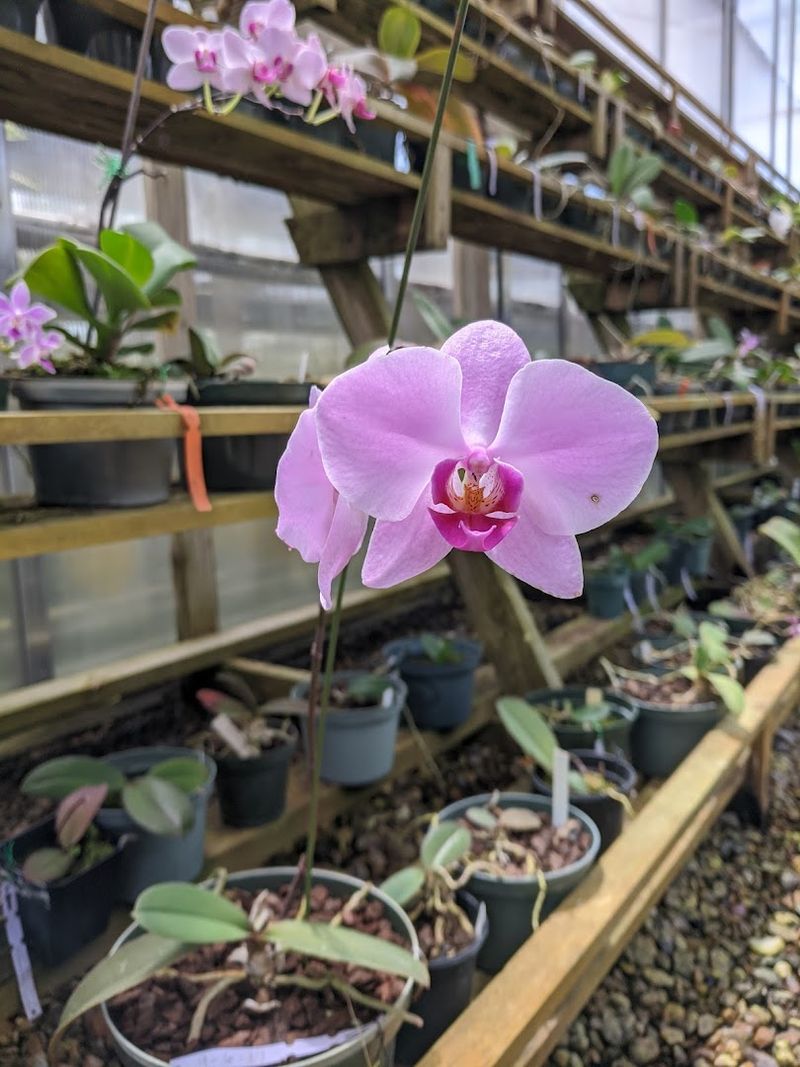
Somewhere between 2,000 and 3,000 orchids live inside the Samuel Jones Orchid Conservatory, and the moment you step through the entrance, the sheer volume of color hits you all at once. Purples, whites, pinks, and deep burgundies line every surface.
The humidity wraps around you like a warm blanket, which somehow makes the whole experience feel even more immersive.
Orchids have a reputation for being difficult to grow, so seeing this many thriving in one place is genuinely impressive. Each bloom looks almost too perfect, like someone arranged them for a painting rather than just letting them grow.
The conservatory gives you a real sense of how diverse this flower family actually is, with shapes and patterns you would never expect from a single species category.
What makes this space stand out beyond the visual spectacle is the quiet it holds. People tend to move slowly here, leaning in close to study individual blooms.
It becomes less of a walkthrough and more of a moment to actually pay attention to something beautiful. Whether you know anything about orchids or nothing at all, the conservatory has a way of making you care.
It is the kind of room that earns a second visit before you have even finished the first one.
The Anderson Bromeliad Conservatory
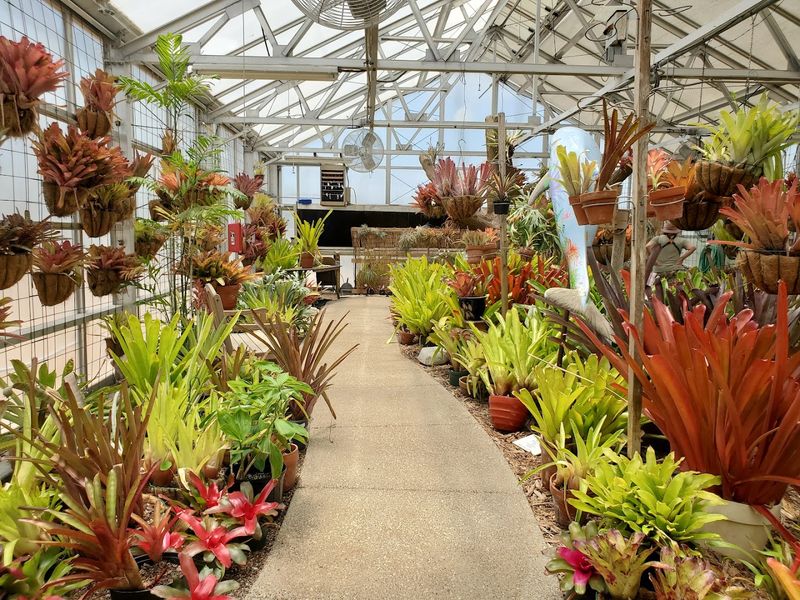
Right next to the orchid collection, the Anderson Bromeliad Conservatory offers a completely different visual experience. Bromeliads are bold, architectural plants that grow in shapes and colors that feel almost sculptural.
If you have only ever seen a pineapple top, you have already met one member of this family, but the conservatory introduces you to dozens of wild variations.
The collection here spans a wide range of species, from tight rosette forms to sprawling air plants that cling to bark without needing soil at all. Some of the specimens have leaves edged in deep red or striped with silver, and the contrast against the green backdrop of the conservatory makes each one pop.
It is the kind of plant display that makes you stop and think about how strange and creative nature actually is.
I found myself lingering longer than expected, mostly because each section of the conservatory revealed something new. The lighting inside shifts the mood depending on where you stand, and the arrangement of the plants feels intentional without being rigid.
There is a relaxed energy to the space that encourages curiosity rather than rushing. For anyone who thinks botanical gardens are just about flowers, this conservatory offers a gentle but convincing argument that the plant world runs much deeper than that.
It is one of those unexpected highlights that earns a spot in your memory long after the visit ends.
The Tropical Plumeria Garden
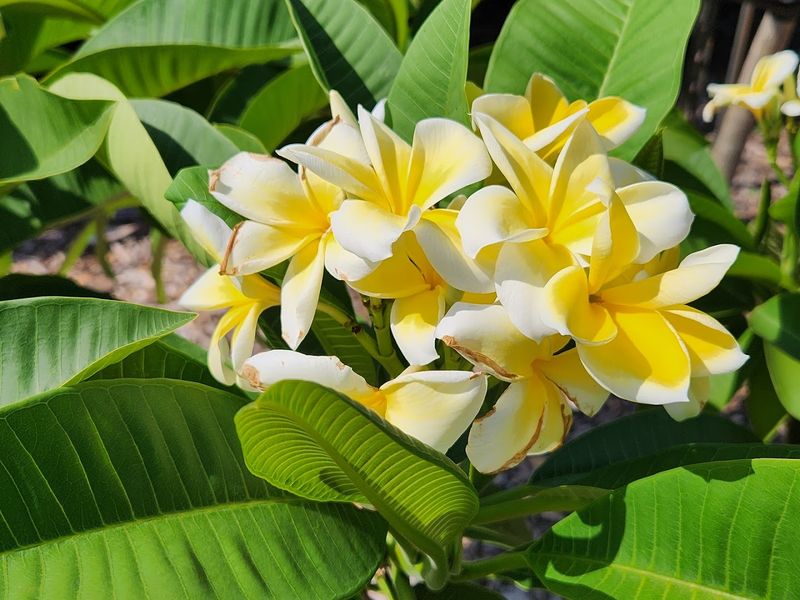
More than 100 varieties of plumeria grow in this garden, and during peak bloom season, the fragrance alone is enough to pull you off the main path. Plumeria is the flower most people associate with Hawaiian leis, so walking through a grove of them in South Texas carries a certain delightful contradiction.
The colors range from creamy white to deep coral, and many of the blooms have gradient petals that shift between two or three shades.
A dedicated viewing ramp runs through the garden, which makes the whole experience more accessible and gives you a slightly elevated perspective over the grove. From up there, the spread of color becomes even more apparent.
On a breezy afternoon, the scent drifts across the ramp in waves, and it is genuinely hard to leave.
Plumeria blooms seasonally, so timing your visit matters if you want the full effect. Late summer and early fall tend to bring the most dramatic displays, when the trees are loaded with clusters of open flowers.
Even outside of peak season, the garden has a lush, tropical character that sets it apart from more traditional garden layouts. The viewing ramp adds a thoughtful design element that shows how much care went into making this space enjoyable for everyone.
It feels less like a flower bed and more like a living, breathing landscape you are invited to move through slowly.
The Butterfly House and Butterfly Garden
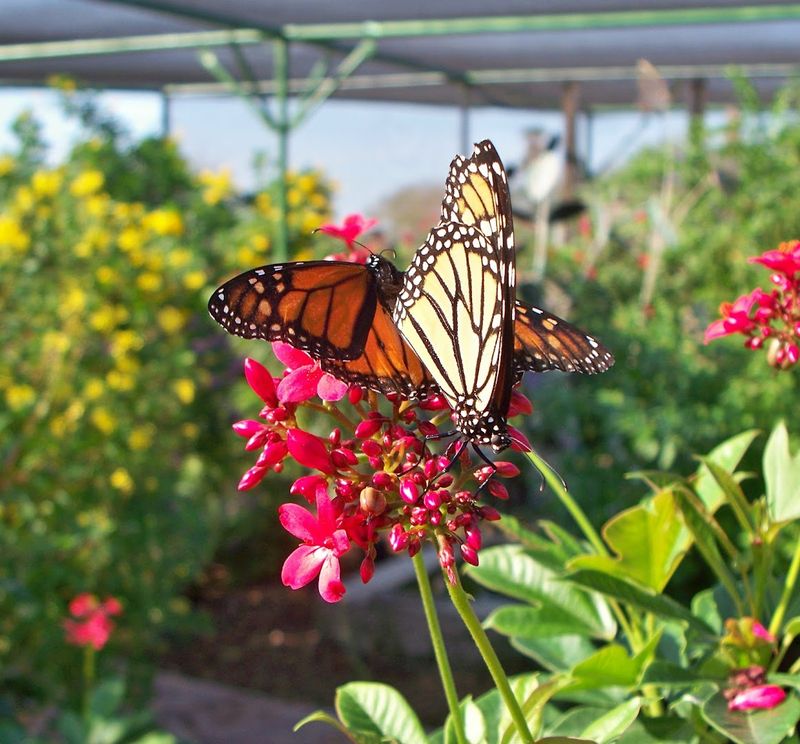
The Butterfly House is a 2,600-square-foot enclosed habitat where native and migrating butterflies move freely among tropical plants. Walking inside feels like entering a different world entirely, one that operates at a slower, gentler pace.
Butterflies land on nearby flowers and occasionally on visitors, which never gets old no matter how many times it happens.
The variety of species inside reflects the garden’s position along the Gulf Coast migration corridor, making it more than just a pretty enclosure. This is a functioning habitat that supports real butterfly populations at different points in their life cycles.
The plants chosen for the interior are all selected to attract and sustain the butterflies, so every element of the space serves a purpose beyond aesthetics.
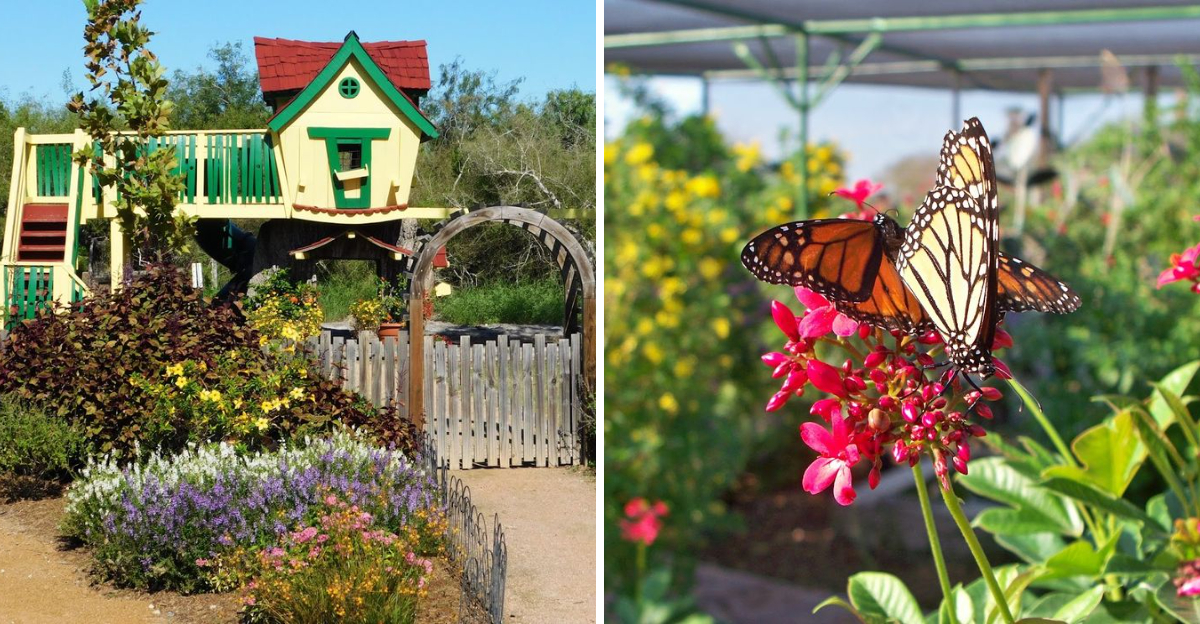
Outside the enclosed house, the Butterfly Garden extends the experience into the open air. Native flowering plants attract additional species throughout the day, and the garden is designed to bloom in sequences that keep butterflies returning across different seasons.
I spent a good chunk of time just sitting on a bench nearby, watching the activity without any agenda. There is something genuinely calming about a space built entirely around the quiet movement of butterflies.
It strips away the noise of daily life in a way that feels effortless. For families with kids, this area tends to be a highlight, but honestly, adults seem just as captivated once they slow down enough to actually notice what is happening around them.
The Exotic Parrot Enclosures in the Tropical Garden
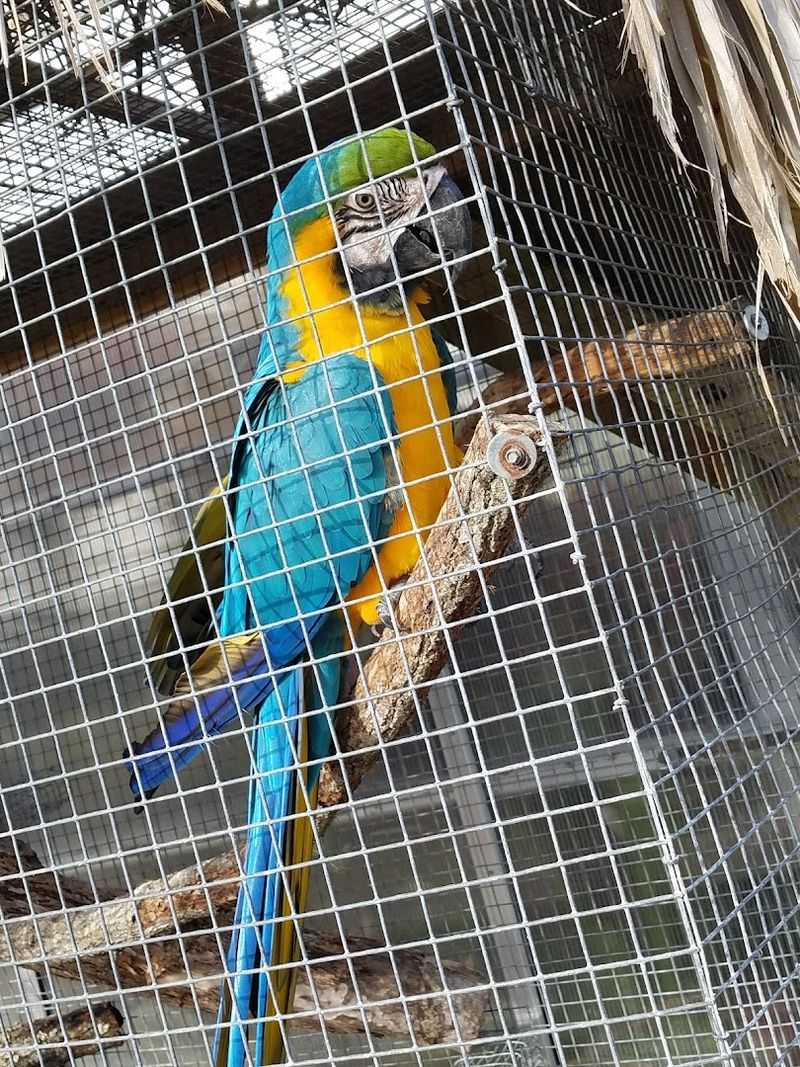
Hidden into the Tropical Garden section of the grounds, a collection of exotic parrots lives in thatched-roof enclosures that look like they belong somewhere in the Caribbean. Most of these birds are rescues, which adds a layer of meaning to the visit that goes beyond simple entertainment.
Seeing a scarlet macaw or a cockatoo up close, knowing it has a permanent and well-cared-for home here, makes the encounter feel genuinely worthwhile.
The parrots are vocal and expressive, and spending even a few minutes near the enclosures gives you a sense of just how intelligent these animals are. Some of them respond to visitors, tilting their heads and watching with a curiosity that feels almost conversational.
The thatched-roof design of the structures fits the tropical aesthetic of the surrounding garden so naturally that the whole area feels like a cohesive world rather than a collection of separate exhibits.
For a lot of visitors, this section ends up being one of the most memorable parts of the entire property. There is something about being close to a brilliantly colored bird that makes you want to stay longer than you planned.
The Tropical Garden surrounding the enclosures is dense with plants that reinforce the lush, humid atmosphere, and the combination of foliage and bird calls creates an ambiance that is hard to replicate anywhere else in South Texas.
It is one of those spots that rewards you for slowing down and just being present.
The Reptile Collection and REP-TALES Events
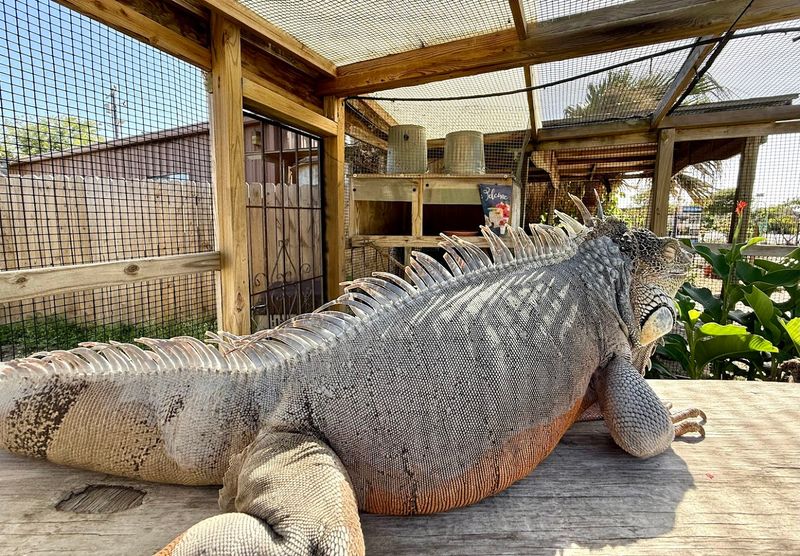
Not every botanical garden has a reptile collection, and that alone tells you something interesting about what South Texas Botanical Gardens is going for.
Rescued tortoises, iguanas, snakes, geckos, and monitor lizards all have a home here, and the care put into their habitats reflects the same conservation ethic that runs through the rest of the property.
On weekends, the REP-TALES events bring the reptile collection to life in a more interactive way. Visitors get the chance to learn about each animal in a hands-on setting, with knowledgeable staff sharing context about the species and why they ended up at the garden.
Private animal encounters are also available for those who want an even more personal experience. These are not just novelty interactions but genuinely educational moments that change how you think about animals that often get a bad reputation.
Reptiles tend to be misunderstood, and part of what makes this section of the garden so effective is how it reframes that perception. Seeing a monitor lizard move with purpose or watching a tortoise navigate its space with calm deliberateness shifts something in your perspective.
It is hard to leave without feeling at least a little more curious about the natural world. The reptile area adds a layer of ecological depth to the garden experience that most visitors do not expect, and it pairs surprisingly well with the rest of the botanical and wildlife offerings across the property.
The Mary Hope Brennecke Nature Trail and Wetlands Boardwalk
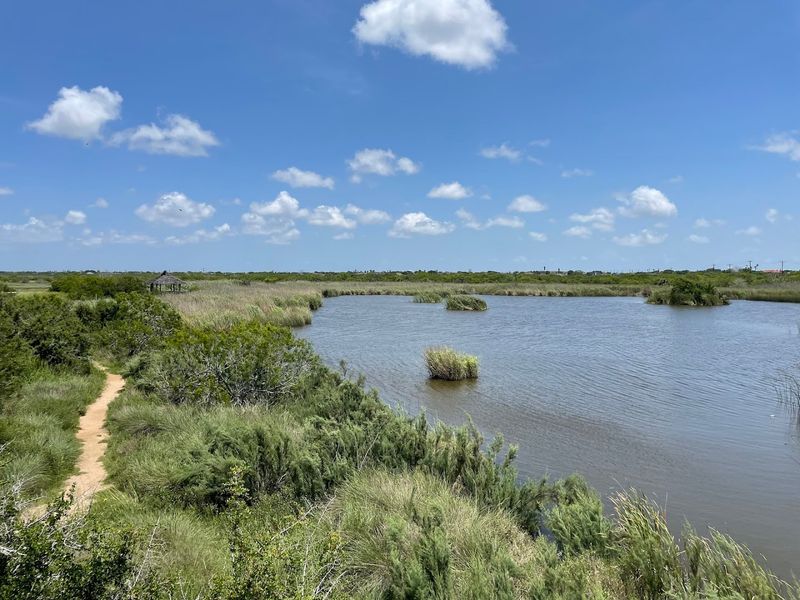
The Mary Hope Brennecke Nature Trail covers 30 acres of mesquite-lined native forest, and it holds the distinction of being the only native forest in Corpus Christi. That is not a small claim.
Walking the trail feels genuinely different from the manicured garden sections, with a wilder, more natural energy that rewards visitors who are willing to move through it at a slower pace.
Along Oso Creek, the natural wetlands add another dimension to the experience. The Wetlands Awareness Boardwalk takes you out over the marshy landscape, giving you a close-up view of the ecosystem without disturbing it.
From the boardwalk, the variety of plant life and water birds becomes much more apparent, and the sounds of the wetlands create a backdrop that feels miles away from any city.
At one point along the trail, a wildlife observation tower rises above the treeline and offers a panoramic view of the marshland and Gator Lake. Climbing up and scanning the landscape below is one of those quiet, unhurried moments that tends to stick with you.
The garden is recognized as a key site on the Great Texas Coastal Birding Trail, and the trail and boardwalk are central to why that recognition makes sense.
Birding enthusiasts in particular find this section of the property deeply rewarding, but even casual visitors come away with a new appreciation for the layered ecology of the South Texas coast.
The Hummingbird Garden and Sensory Garden
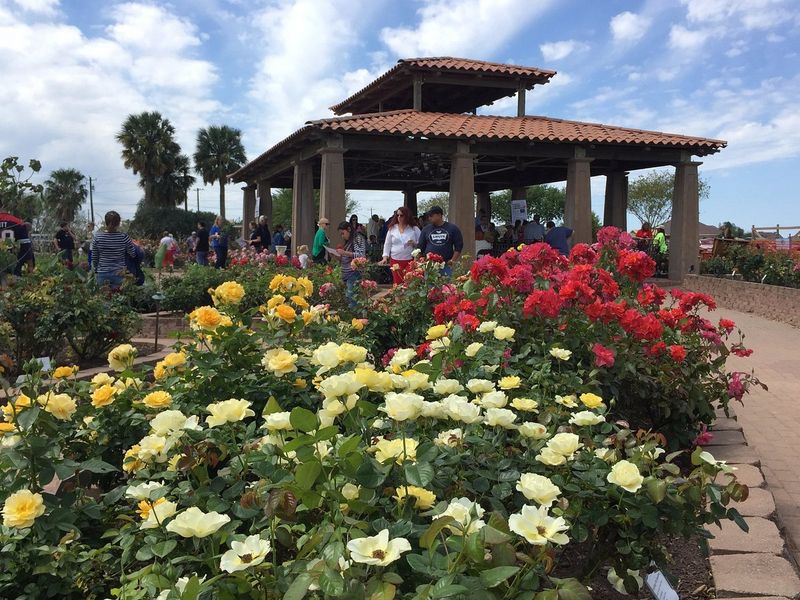
Hummingbirds are fast, and catching a good look at one usually requires patience and the right setting. The Hummingbird Garden at South Texas Botanical Gardens creates exactly the kind of environment where that patience pays off quickly.
Native flowering plants chosen specifically for their appeal to hummingbirds fill the space, and during active migration periods, the number of birds passing through can be genuinely surprising.
Just nearby, the Sensory Garden takes a completely different approach to the botanical experience. Described as artscaped, it blends sculptural elements with plants chosen for their texture, scent, and sound as much as their visual appeal.
Running your hand along a fuzzy lamb’s ear leaf or catching the scent of a herb garden without even looking for it engages parts of your attention that a typical garden walkthrough does not always reach.
Together, these two gardens illustrate something important about the overall design philosophy of the property. Every section feels intentional, built to serve a specific kind of encounter rather than just filling space with plants.
The Sensory Garden in particular tends to resonate with visitors who might not describe themselves as garden people, because it connects through touch and smell in ways that feel immediate and personal.
For families with children, both spaces offer natural teaching moments that do not feel forced or instructional.
They just feel like good places to spend time, which is often the most effective kind of education there is.
Educational Programs, the Arid Garden, and the Monkey Mansion Playground
The Arid Garden stands in striking contrast to the lush tropical sections of the property, showcasing the hardy, sculptural beauty of desert plants like cacti and succulents.
It is a good reminder that South Texas sits at an ecological crossroads, where coastal wetlands, native forests, and arid landscapes all exist within a relatively small geographic area.
The Arid Garden makes that diversity tangible in a way that a map never could.
Educational programming runs throughout the year, covering horticulture classes, nature camps, and workshops for visitors of all ages. The garden takes its role as an environmental education center seriously, and the quality of the programming reflects that.
Whether you are a student on a field trip or an adult looking to deepen your understanding of native ecosystems, there is something structured and meaningful available.
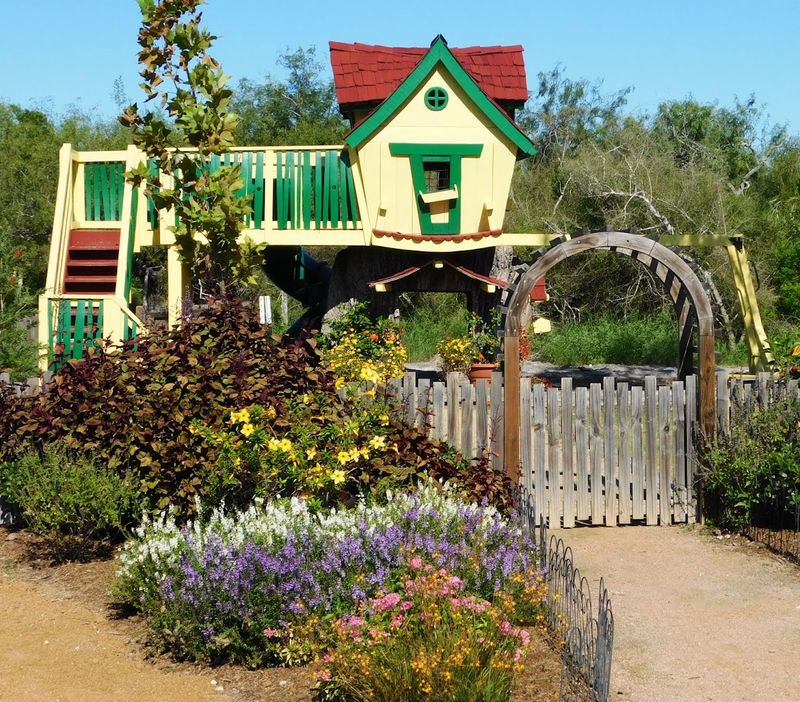
For families with younger children, the Monkey Mansion playground offers a space to burn energy between garden sections. It fits naturally into the flow of the visit rather than feeling like an afterthought.
Artistic sculptures placed throughout the broader grounds add another layer of discovery to every walk, turning a simple stroll into something more like an outdoor gallery experience.
The garden also hosts the Birdiest Festival in America, a well-known annual event that draws serious birding enthusiasts from across the country.
All of these elements together create a destination that genuinely earns its reputation as one of the most distinctive and rewarding places to spend a day in South Texas.
Address: 8545 S Staples St, Corpus Christi, TX
