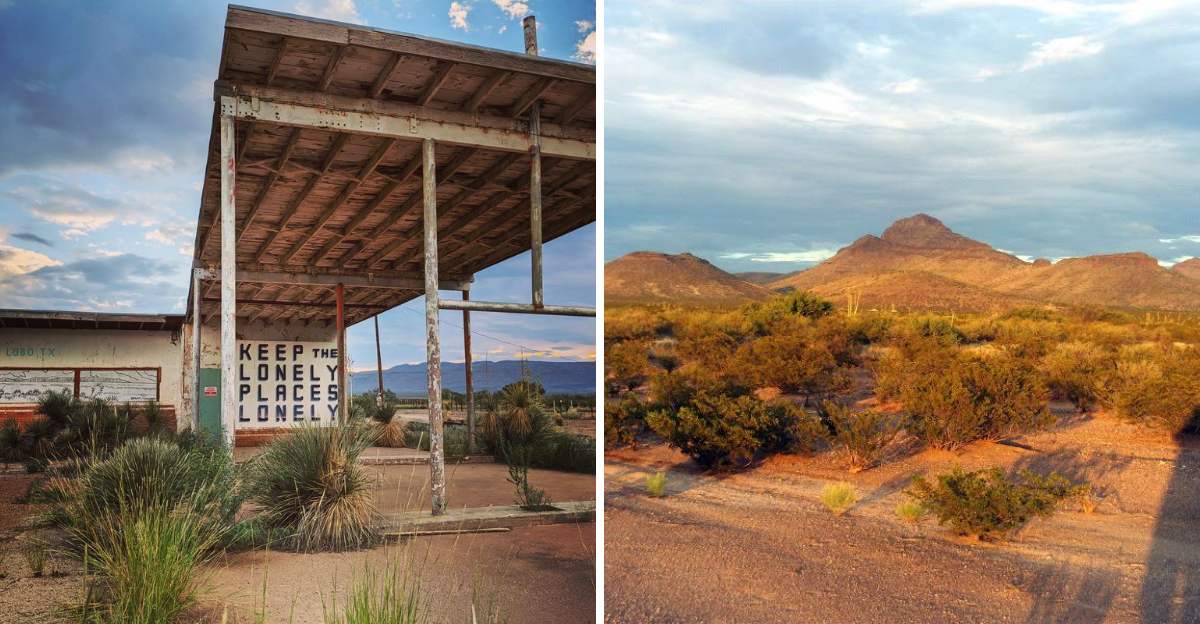
Lobo sits quietly in the vast expanse of Culberson County, Texas, a ghost town that whispers tales of a bygone era along the lonely stretch of Highway 90.
Abandoned in 1991 after decades of serving travelers and locals alike, this desolate outpost now stands as a haunting reminder of West Texas isolation and the towns that time forgot.
Visitors are drawn to its crumbling structures and eerie silence, but locals warn that darkness brings an unsettling atmosphere to this already mysterious place.
Whether you seek history, photography, or a brush with the supernatural, Lobo offers an unforgettable journey into the heart of Texas ghost town lore.
Crumbling Motel Rooms Where Travelers No Longer Rest
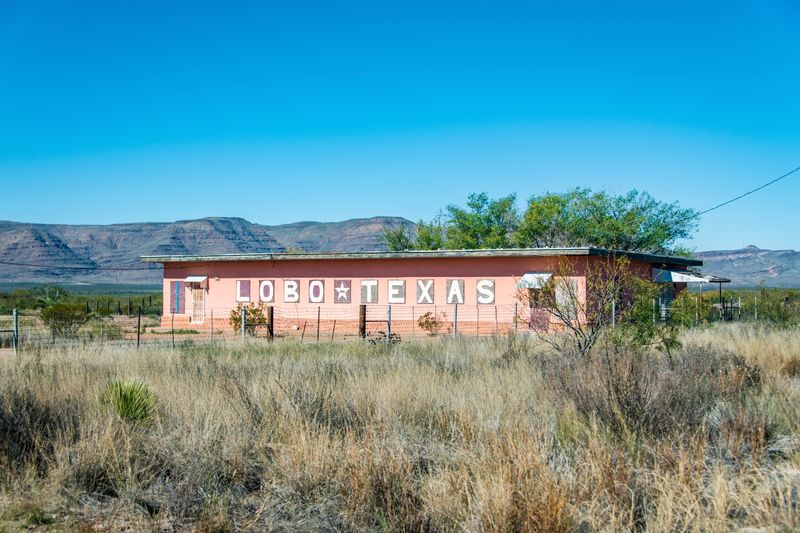
Adjacent to the gas station stood a small motel that provided overnight accommodations for those too exhausted to continue their desert crossing.
The rooms were never fancy, just basic shelter with beds, running water, and air conditioning that fought valiantly against the oppressive summer heat.
Now the motel is a collection of doorless rooms exposed to the elements, their interiors stripped bare by scavengers and time.
Mattress springs poke through torn fabric, creating abstract sculptures of rust and decay that speak to years of neglect.
Bathroom fixtures hang at odd angles, and mirrors reflect nothing but emptiness and the occasional curious visitor peering into the past.
Wallpaper peels away in long strips, revealing layers of different patterns that chart the establishment’s various renovation attempts over the decades.
Some rooms retain fragments of their former purpose, like coat hangers still clinging to closet rods or faded prints barely visible on sun-bleached walls.
During daylight hours, these spaces feel melancholy but relatively benign, simply forgotten relics of a different era in American travel.
After dark, however, the open doorways become yawning black voids that seem to swallow any light cast into them.
Locals share stories of strange lights flickering in the windows despite no electricity flowing to the building for over three decades.
Some claim to hear footsteps pacing the concrete walkway that once connected all the rooms, as if restless guests continue their nocturnal wanderings.
The Abandoned Gas Station That Once Fueled Desert Dreams
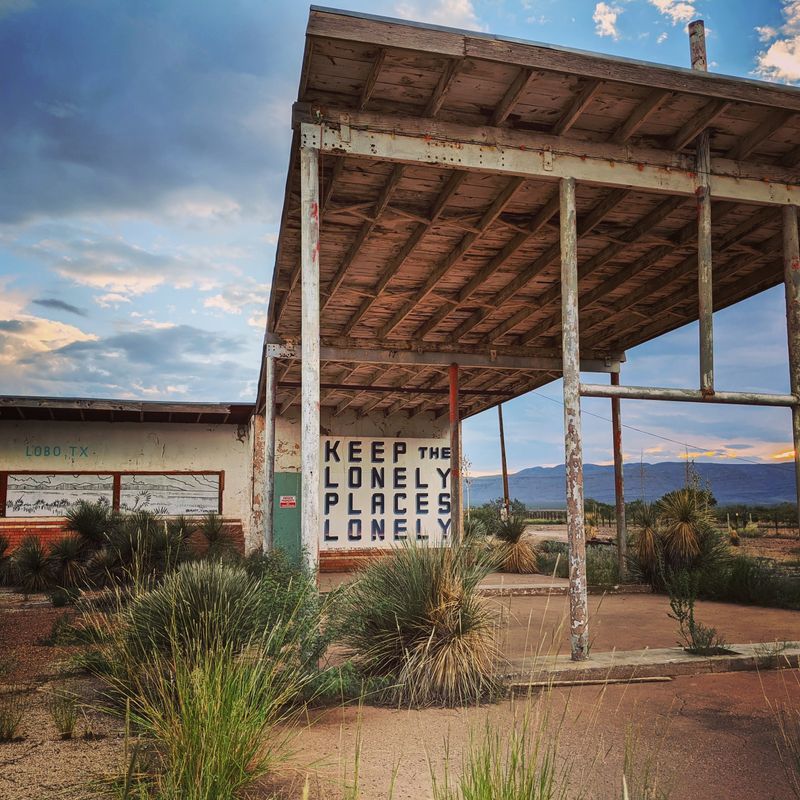
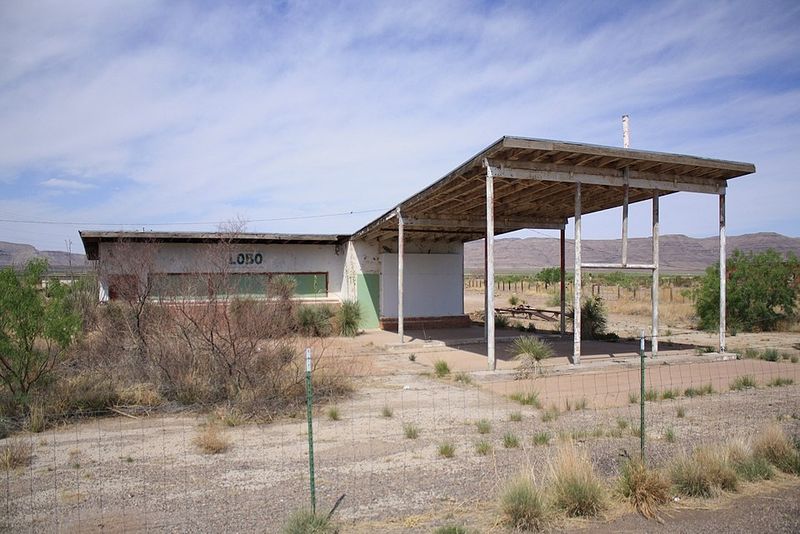
Standing at the heart of Lobo is the skeletal remains of what was once a bustling gas station, a lifeline for weary travelers crossing the unforgiving Chihuahuan Desert.
This crumbling structure served motorists for decades, offering fuel, refreshments, and a moment of respite from the relentless Texas sun.
Today, rusted pumps stand like sentinels guarding memories of better times, their meters frozen at prices that seem absurdly low by modern standards.
The canopy overhead sags dangerously, its metal framework twisted by wind and time into shapes that cast unsettling shadows across the cracked pavement below.
Graffiti artists have left their marks on the weathered walls, adding splashes of color to the otherwise monotone palette of decay.
Photographers flock here during golden hour when the setting sun paints the ruins in warm amber tones that soften the harsh reality of abandonment.
But as darkness falls, the station transforms into something altogether different, with locals claiming they’ve heard the phantom sound of pumps clicking and cars pulling up to fill their tanks.
The isolation becomes palpable at night, with miles of empty desert stretching in every direction and not a single light breaking the overwhelming darkness.
Wind howls through broken windows and open doorways, creating sounds that some say resemble voices calling out from the past.
Visitors who’ve stayed after sunset report feeling watched, as if the ghosts of former attendants still man their posts, forever serving customers who will never arrive.
The Eerie Silence of Absolute Desert Isolation
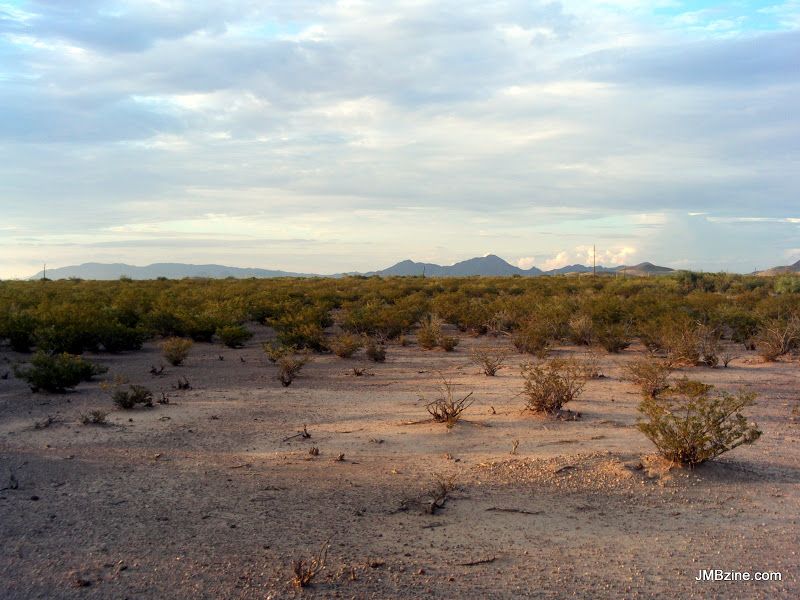
Perhaps the most unsettling aspect of Lobo isn’t what you can see, but rather what you can hear, or more accurately, what you cannot.
This ghost town sits in one of the most remote stretches of West Texas, where human activity is sparse and nature itself seems to hold its breath.
During the day, occasional vehicles pass on Highway 90, their engines providing brief interruptions to the otherwise complete silence.
Birds are scarce in this arid landscape, and the typical sounds of civilization that we unconsciously rely on are entirely absent.
There are no humming power lines, no distant sirens, no airplane contrails overhead breaking the vast expanse of blue sky.
The quiet becomes almost physical, pressing against your eardrums in a way that urban dwellers find deeply disconcerting.
Your own heartbeat and breathing become amplified, creating a soundtrack that makes you hyper-aware of your biological existence.
When night falls, the silence deepens to levels that can genuinely unnerve even experienced desert travelers.
Any small sound, a pebble shifting or a piece of debris scraping across concrete, becomes magnified and takes on potentially sinister implications.
Locals warn that this profound quiet can play tricks on the mind, causing people to hear things that aren’t there or misinterpret natural sounds as something supernatural.
The isolation is so complete that cell phone service is nonexistent, cutting you off from any possibility of quick communication or assistance.
Mysterious Lights Reported Along the Desolate Highway
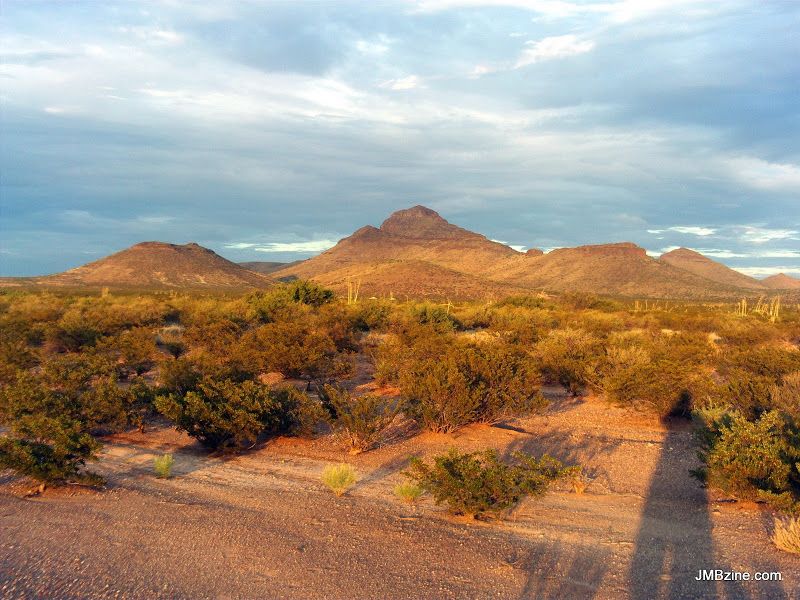
One of the most frequently reported phenomena near Lobo involves unexplained lights appearing along Highway 90 and in the surrounding desert.
These aren’t the famous Marfa Lights, which occur about 70 miles to the southeast, but rather a separate and lesser-known occurrence.
Witnesses describe seeing orbs of light that appear to float above the ground, moving in patterns that don’t correspond to vehicle headlights or any known natural phenomenon.
Some lights appear stationary, hovering near the abandoned buildings as if inspecting them or searching for something long lost.
Others reportedly move with purpose, traveling parallel to the highway before suddenly vanishing without explanation.
Skeptics point to vehicle headlights refracting through layers of air at different temperatures, a common desert occurrence known as a superior mirage.
However, longtime residents insist these lights appeared even before the highway was paved, when traffic was minimal and couldn’t account for the frequency of sightings.
Photographers attempting to capture the lights have reported camera malfunctions and batteries draining inexplicably fast despite being fully charged.
Scientific explanations range from piezoelectric effects in the surrounding rock formations to bioluminescent organisms, though neither theory fully satisfies all reported characteristics.
Whatever their origin, the lights contribute to Lobo’s reputation as a place where the normal rules don’t quite apply after sunset.
Visitors hoping to witness the phenomenon are advised to bring backup power sources and to never venture far from their vehicles in the darkness.
Weather-Beaten Signs Pointing to Places That No Longer Exist
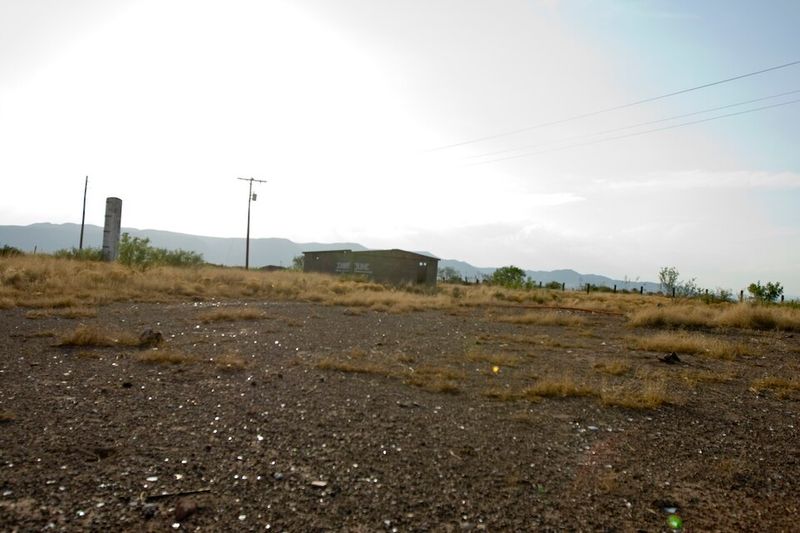
Scattered throughout Lobo are various signs, some still standing upright while others lean at precarious angles or lie flat on the desert floor.
These weathered markers once advertised services, pointed travelers toward amenities, or warned of various hazards along the route.
Paint has faded to the point where many are barely legible, their messages becoming abstract puzzles that require careful study to decipher.
A particularly poignant sign advertises vacancy at the motel, eternally promising available rooms that will never again be occupied.
Another points toward the cafe with an arrow and the promise of hot meals, a claim that time has rendered permanently false.
The metal has corroded in interesting patterns, with rust creating textures and colors that artists find endlessly fascinating to photograph and paint.
Bullet holes puncture several signs, evidence of target practice by bored travelers or locals with nothing better to do in the vast emptiness.
These signs serve as poignant reminders that Lobo once had a purpose, once served a function in the greater network of American highway culture.
They represent optimism and enterprise, the belief that this remote location could sustain a business and support families.
At night, the signs cast strange shadows that shift and move with the moon’s position, creating an ever-changing landscape of dark shapes.
Some locals claim the signs seem to point in different directions after dark, as if trying to lead unwary visitors astray into the dangerous desert.
Wildlife That Has Reclaimed the Abandoned Structures
Nature abhors a vacuum, and in the decades since Lobo’s abandonment, various creatures have moved into the structures humans left behind.
Rattlesnakes find the cool shadows beneath collapsed walls ideal for escaping the brutal midday heat, making careless exploration genuinely dangerous.
These venomous reptiles can be difficult to spot among the rubble and debris, their camouflage perfectly suited to the sun-bleached wood and rusted metal.
Scorpions scuttle through the ruins after dark, their pale bodies glowing eerily when exposed to ultraviolet light from a blacklight flashlight.
Tarantulas emerge from burrows at dusk, their large hairy bodies startling to those unfamiliar with desert arachnids, though they’re generally harmless to humans.
Bats have colonized some of the more intact structures, using them as daytime roosts before emerging at twilight to hunt insects.
The flutter of wings in darkened rooms has startled more than one explorer, contributing to the location’s spooky reputation.
Rodents including pack rats have built impressive nests from found materials, creating complex homes within the walls and foundations.
Coyotes sometimes den in the more secluded areas, their nighttime howls echoing across the desert and adding to the unsettling atmosphere.
During daylight, these animals are mostly hidden or dormant, making Lobo seem relatively safe for careful exploration.
After dark, however, the wildlife becomes active, and the risks multiply significantly for anyone wandering among the ruins without proper lighting and awareness.
Stories From the Last Residents Who Called Lobo Home
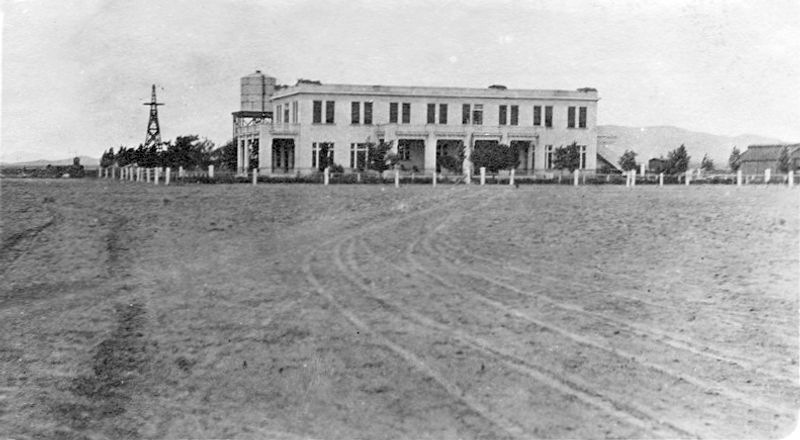
The final residents of Lobo watched their community slowly die around them as traffic patterns changed and Interstate 10 drew travelers away from Highway 90.
By the 1980s, only a handful of people remained, stubbornly maintaining their businesses despite dwindling customers and increasing isolation.
These hardy individuals spoke of feeling forgotten by the world, of days when not a single vehicle would stop for gas or food.
The decision to finally abandon Lobo in 1991 was both practical and heartbreaking, marking the end of decades of perseverance against impossible odds.
Former residents who visit occasionally share memories of a tight-knit community where everyone knew everyone, and neighbors looked out for each other.
They recall the excitement when a family would pull up needing services, bringing brief connection to the wider world and news from distant places.
Children who grew up in Lobo describe a unique childhood of vast open spaces and self-reliance, learning early to entertain themselves without modern conveniences.
Some former residents claim they still feel drawn to the site, as if a part of them never truly left despite their physical departure.
A few report strange experiences when visiting, such as hearing familiar voices or catching glimpses of figures that vanish upon closer inspection.
These accounts are dismissed by skeptics as simple nostalgia and tricks of memory, the mind filling empty spaces with comforting ghosts of the past.
Yet the consistency of these reports from multiple unrelated sources gives even doubters pause, suggesting that Lobo holds onto its history in ways both tangible and mysterious.
Dear Reader: This page may contain affiliate links which may earn a commission if you click through and make a purchase. Our independent journalism is not influenced by any advertiser or commercial initiative unless it is clearly marked as sponsored content. As travel products change, please be sure to reconfirm all details and stay up to date with current events to ensure a safe and successful trip.
