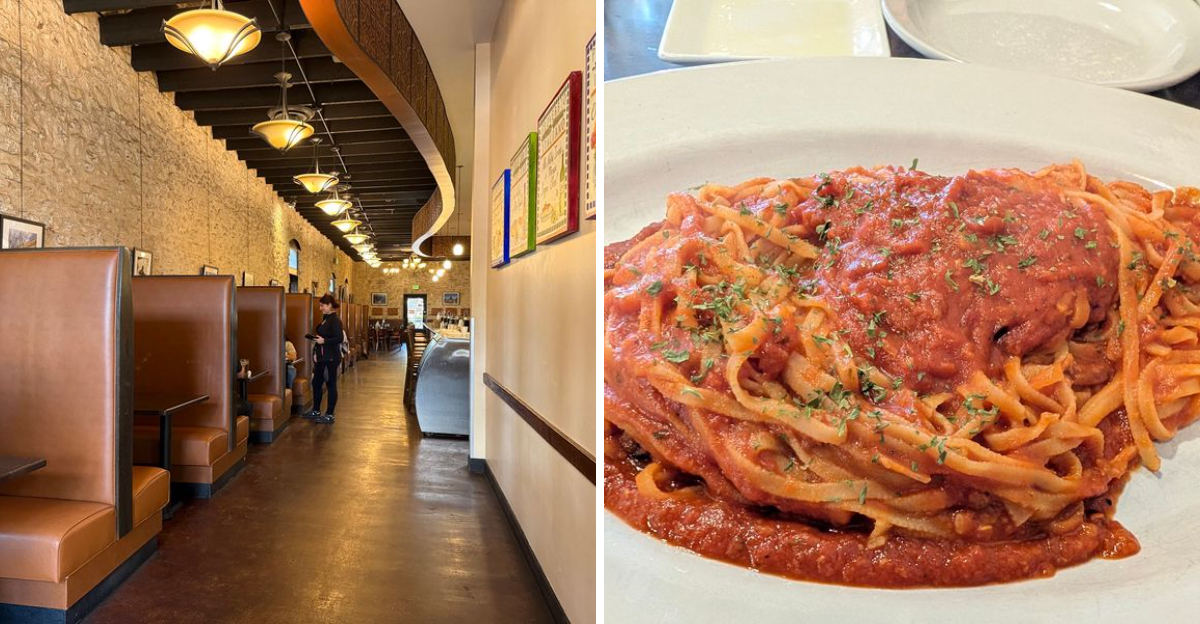
Fresh pasta has a sneaky way of turning a perfectly normal dinner into a “maybe we should order one more thing” situation.
This Texas Italian restaurant makes seven pasta shapes fresh from scratch every day and pairs them with 28 made-from-scratch sauces, which means choosing dinner can feel less like reading a menu and more like building your own carb-heavy adventure.
There are filled ravioli, familiar classics, vegetarian and vegan options, plus pizzas and calzones for the person at the table who somehow walked into a pasta house and decided against pasta.
In a state overflowing with barbecue and Tex-Mex, it is fun to find a Texas spot taking pasta and sauce seriously enough to make an ordinary Italian dinner feel like a much bigger event.
Twenty-Eight Sauces, All Made From Scratch
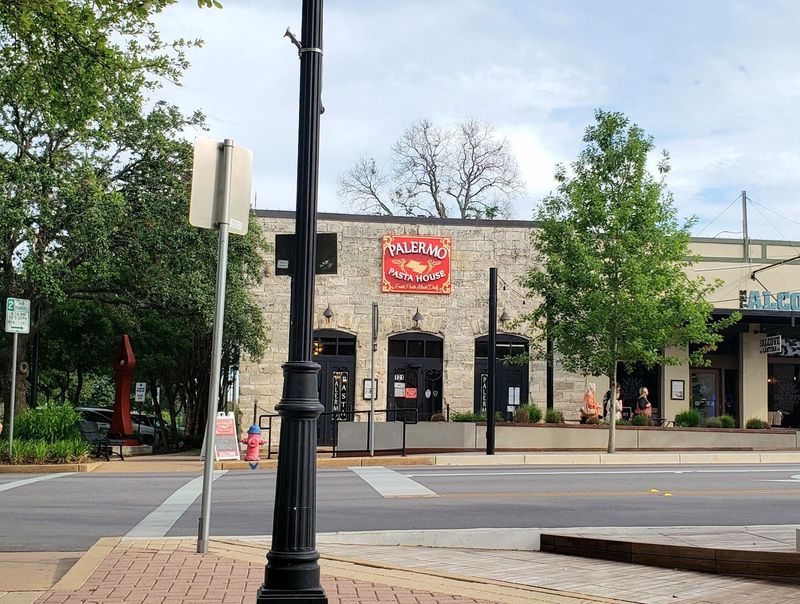
Most Italian restaurants offer a handful of sauces. Palermo Pasta House offers 28, and every one of them starts in the kitchen rather than a jar.
The whole system begins with what cooks call mother sauces. Tomatoes packed in juice and fresh basil form the base, and from there the kitchen builds red sauces, cream sauces, and combinations of both.
Classic red options include tomato basil and puttanesca, the salty, briny sauce loaded with olives and capers. Cream lovers gravitate toward mushroom cream, Gorgonzola, and chicken artichoke.
Because the sauces and the pasta shapes are ordered separately, the math gets fun quickly. Diners essentially design their own plate, which means a table of four can order four completely different meals.
A helpful ordering trick: match heavier cream sauces with sturdier shapes like rigatoni or fettuccine, and save delicate taglierini for brighter red sauces. Staff members are happy to suggest pairings for anyone feeling overwhelmed by the list.
Gorgonzola deserves a mention for the bold crowd. The blue cheese melts into cream and turns sharp and salty, a flavor that surprises first-timers used to plain alfredo.
Pasta Rolled Fresh Every Morning
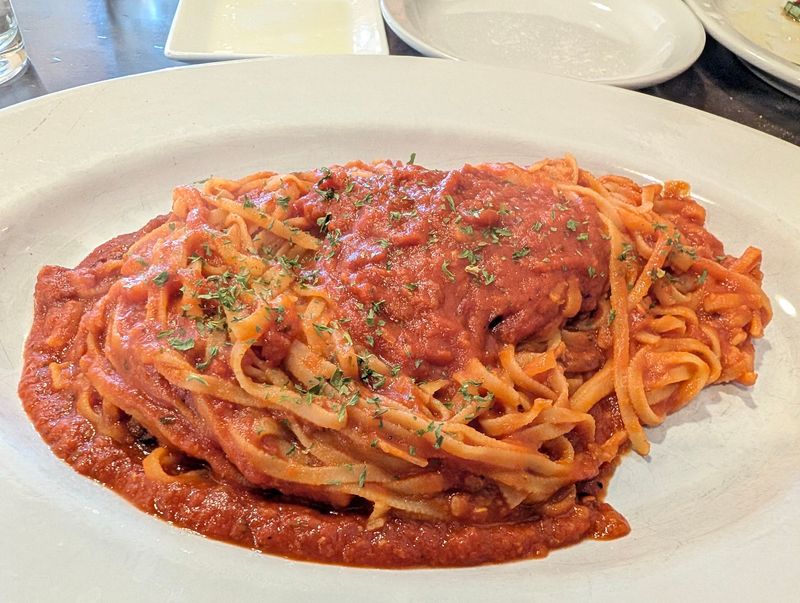
Flour, eggs, and patience. Those three things sit at the heart of everything served at Palermo Pasta House, where the pasta is made by hand inside the restaurant rather than pulled from a box.
Guests can pick from six or seven fresh shapes, including spaghetti, fettuccine, taglierini, fusilli, rigatoni, bucatini, and ravioli. Each shape behaves a little differently once sauce hits it, which is exactly the point.
Thin taglierini clings to light tomato sauces, while hollow bucatini traps cream in its center like a straw. Rigatoni holds up to chunky, hearty toppings without turning soft.
Fresh pasta cooks far faster than dried pasta, sometimes in only two or three minutes. That short cooking time gives it a softer, silkier bite and a flavor that tastes faintly of egg and wheat instead of nothing at all.
For anyone unsure where to start, ordering a simple sauce is smart on a first visit. A plain tomato basil lets the texture of the noodle do the talking.
Chef Antonio Giner has said the difference in taste and texture comes down to making things fresh daily, and the pasta station proves it. Watching a mound of dough become dinner is part of the fun of eating here.
Chef Tony Giner and His Buenos Aires Roots
Ask about the food here and the conversation quickly turns to the man behind it. Antonio Giner, known to nearly everyone as Tony, grew up in Buenos Aires making fresh pasta alongside his father.
He describes the cooking as Italian with some of the influences of Argentina too. In a country where a huge share of the population traces its family back to Italy, ravioli on Sunday is not a special occasion, it is just lunch with grandma.
Giner did not arrive in Round Rock straight from Argentina. He spent a decade running a wood-fired pizza restaurant in El Paso before opening this place.
Formal training backs up the family recipes. He studied professional cooking, baking, and pastry making at the Culinary Institute of Mausi Sebess in Buenos Aires, which explains why the desserts get as much care as the entrees.
The restaurant name carries double meaning. Palermo is the largest neighborhood in Buenos Aires and also the capital of Sicily, a neat nod to both halves of the story.
Palermo Pasta House first opened in May 2015 in a smaller space across the street. Demand grew, and in 2021 the operation moved into its current, roomier home.
Guests who visit often spot Giner checking on tables or talking pasta shapes with curious diners. That hands-on presence is a big part of why regulars keep coming back year after year.
Stone-Oven Pizza and Calzones Worth Ordering
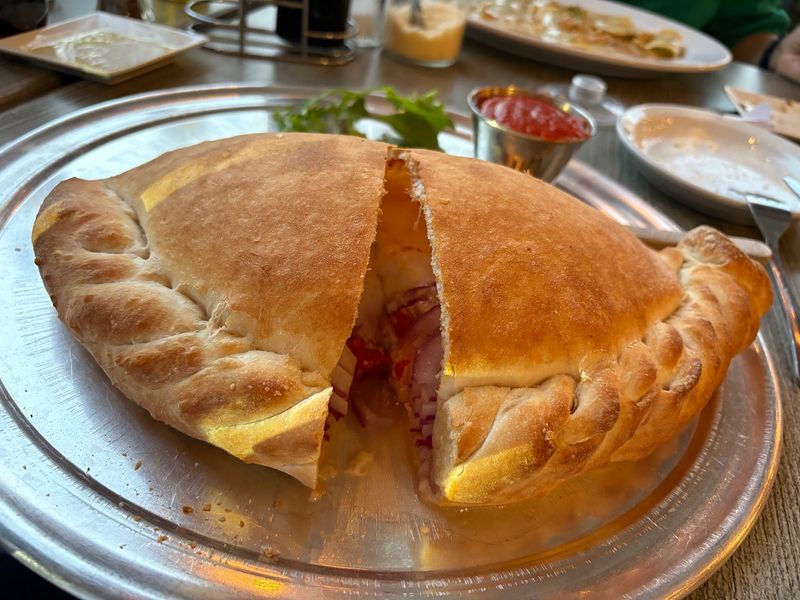
Pasta gets the headline, but skipping the pizza would be a mistake. Giner spent ten years running a wood-fired pizza spot before this venture, and that experience shows in the crust.
Dough is mixed in-house daily and baked on a stone oven, which pulls moisture from the bottom and creates a crisp base with chewy edges. Stone cooks differently than a metal pan, giving the crust that faint char pizza fans chase.
Calzones use the same dough, folded over fillings and sealed before baking. They arrive puffed and golden, hiding a molten center of cheese and toppings.
Ordering strategy matters at a table where everyone wants pasta. A shared pizza as a starter works beautifully, letting the group taste both sides of the kitchen without anyone leaving too full.
Appetizers and salads round out the front of the menu. Choices include House, Caesar, Caprese, Spinach, and a salad called Meg’s, which regulars order by name.
Caprese deserves attention in warm Texas months. Tomato, mozzarella, and basil need almost nothing else when the ingredients are fresh, and it pairs neatly with a heavier pasta entree.
House-made meatballs also sit among the standout items. A blend of veal and pork keeps them tender rather than dense, and they come dressed in the kitchen tomato basil sauce.
Together, the oven items prove the place is a full Italian kitchen, not just a noodle shop.
Dessert With a Dulce de Leche Twist
Save room. The dessert case is where Argentina really steps forward and takes a bow.
Cannoli come two ways, filled with either sweet ricotta or dulce de leche. That caramel-like milk spread is practically a national treasure in Argentina, spooned onto everything from toast to cakes.
The ricotta version tastes traditional and lightly sweet, closer to what a Sicilian bakery would serve. The dulce de leche version leans rich and buttery, with deep caramel notes that linger.
Chocolate cannoli give a third option for anyone who cannot choose. Doughnuts and fruitcake also appear on the dessert list, both made with the same scratch approach as the rest of the menu.
Giner’s pastry training at the Culinary Institute of Mausi Sebess in Buenos Aires helps explain the quality here. Pastry work rewards precision, and shells that stay crisp instead of soggy are a good sign of technique.
A practical tip for families: order one of each cannoli filling and pass them around the table. Comparing the two side by side turns dessert into a small tasting experience.
Coffee pairs naturally with the caramel filling, cutting through the sweetness. Ask what is available, since the finish to a meal often sets the memory of the whole visit.
Dessert also offers a lesson in why this restaurant feels different. Two cultures share one plate, and neither one gets watered down.
A Historic Building With Tango in the Air
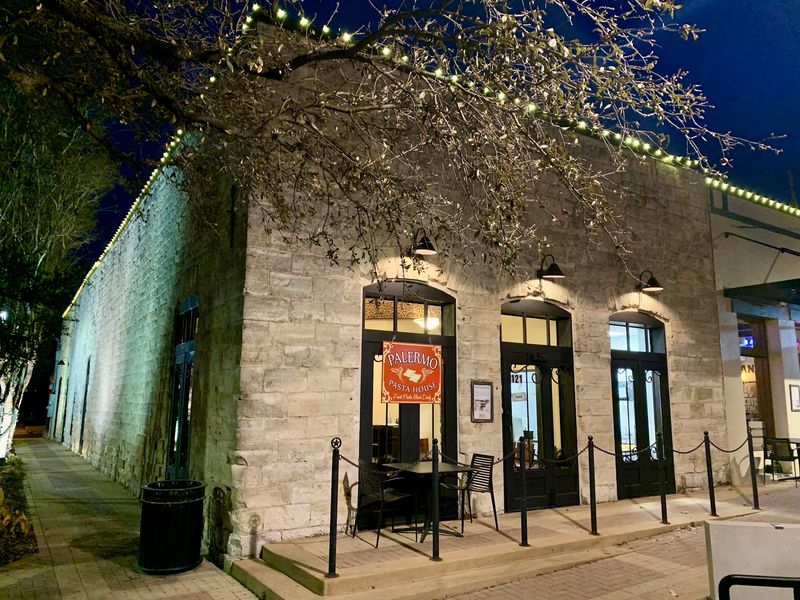
The setting does half the storytelling. Palermo Pasta House occupies the old Carrington Building in Round Rock’s Historic District, a structure with real age and character on East Main Street.
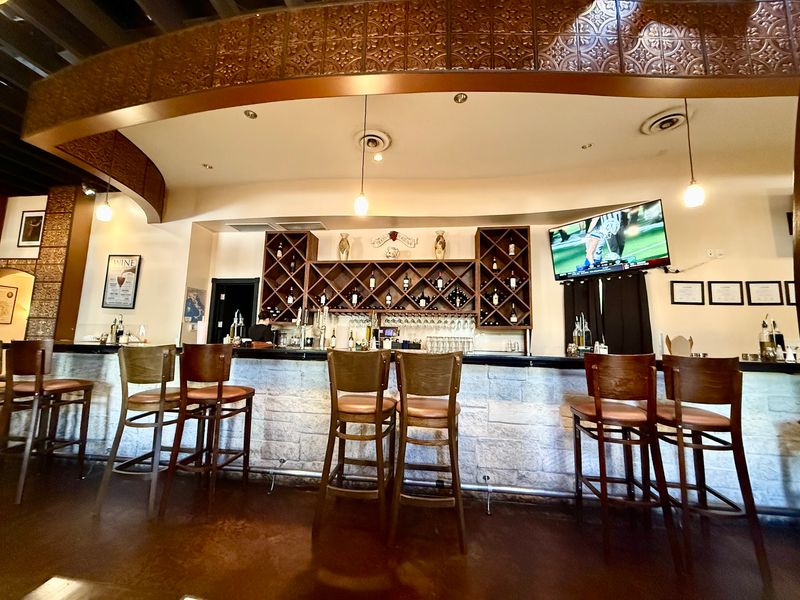
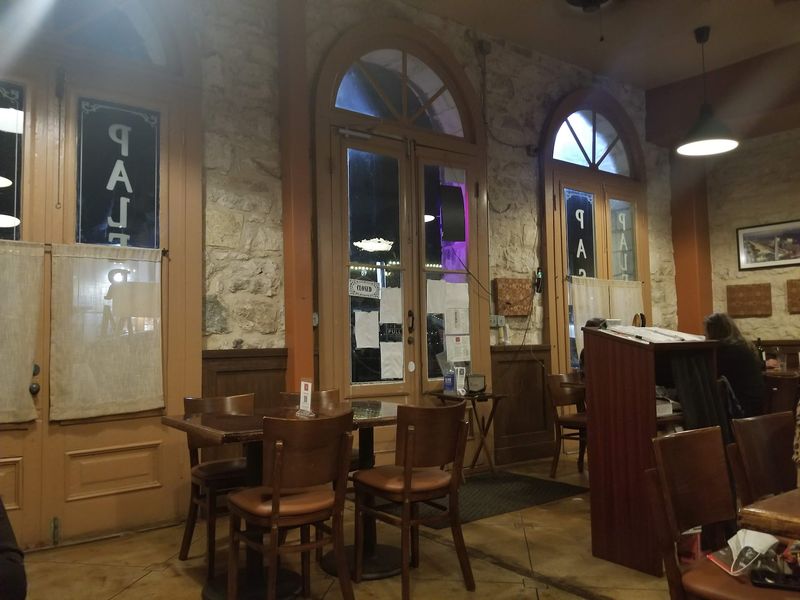
Inside, the mood lands somewhere between elegant and down-home. The space feels more like a well-loved house than a typical restaurant dining room.
Aromas of simmering sauce and baking pizza dough drift through the room before food ever reaches the table. Jazz and tango music plays in the background, another quiet nod to the owner’s Argentine upbringing.
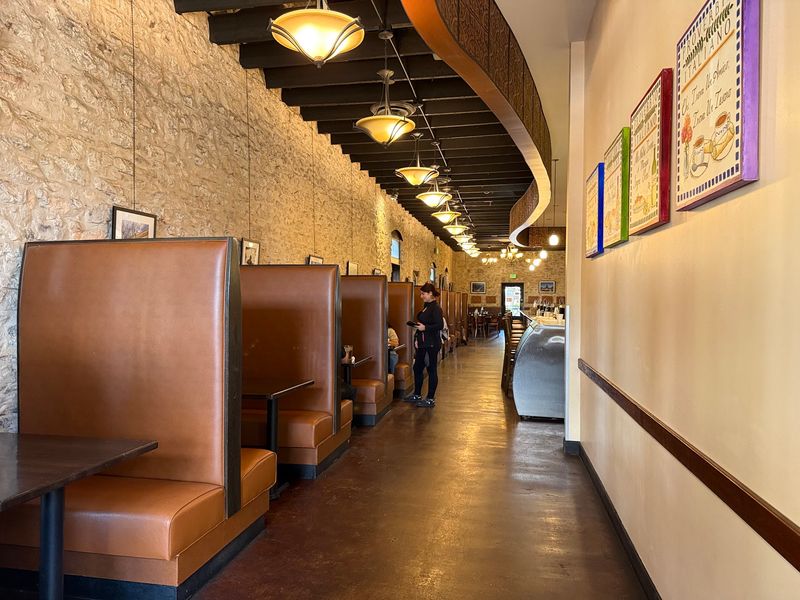
Seating options give visitors flexibility. Tables suit larger groups, booths work for quieter conversations, and patio seating pulls diners into the historic downtown atmosphere on pleasant evenings.
Families fit in easily here, and the staff are used to kids picking their own pasta shape. That build-your-own element keeps younger eaters interested while adults explore the more adventurous sauces.
Downtown Round Rock adds to the appeal. Shops, murals, and other local businesses sit within walking distance, making dinner part of a longer stroll rather than a quick stop.
Parking in the historic district can fill up during peak weekend hours, so arriving a little early pays off. Walking a block or two is no hardship in a district built for wandering.
The room never feels stiff, which matters. Good Italian food is meant to be eaten in comfortable company, and the space supports exactly that kind of long, unhurried meal.
Vegan and Vegetarian Plates That Are Not an Afterthought
Plant-based diners often get stuck with one sad option. Not the case here, where vegan items are clearly labeled right on the menu so nobody has to interrogate the server.
Vegan pasta choices include spaghetti, fusilli, and bucatini, all made without eggs. Those shapes cover a nice range, from thin strands to thick hollow tubes.
Several red sauces work for vegan orders as well. Tomato basil, red mushroom, and puttanesca all skip dairy while still delivering plenty of flavor from tomatoes, herbs, olives, and capers.
A vegan house salad rounds out the options for a lighter meal. Pairing it with a bowl of bucatini in red mushroom sauce makes a satisfying dinner that never feels like a compromise.
Vegetarians who eat cheese have even more freedom, including Caprese salad, cheese pizzas, and the many cream sauces on the list. Gorgonzola and mushroom cream are strong picks.
Clear labeling matters more than people realize. It removes guesswork for guests with dietary needs and lets mixed groups eat together without stress.
Puttanesca is worth trying even for meat eaters. The briny punch of olives and capers gives it a bold personality that stands up to any sausage dish.
Because the kitchen builds everything from base ingredients daily, accommodating preferences is simpler than at places relying on pre-made products. Freshness and flexibility tend to travel together.
Hours and Small Details
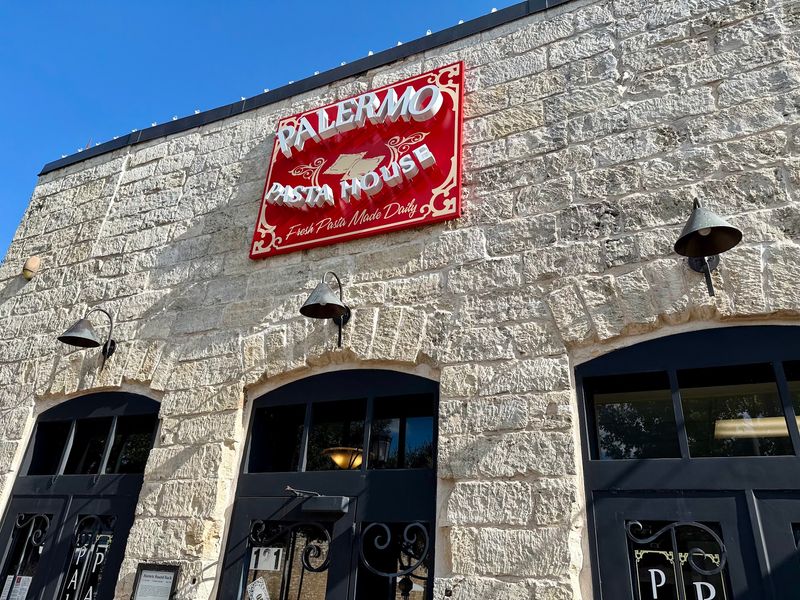
Timing is everything with a restaurant that closes two days a week. Palermo Pasta House serves Wednesday through Friday from 11:30 a.m. to 8:30 p.m., Saturday from noon to 8:30 p.m., and Sunday from noon to 7:30 p.m.
Mondays and Tuesdays are dark. Plenty of hopeful visitors have learned that lesson the hard way, so double-check the calendar before driving over.
The address is 121 E Main St, Round Rock, TX 78664, an easy detour for anyone traveling the Austin corridor along I-35. Downtown Round Rock sits just minutes off the highway.
National-flavored recognition arrived too. Palermo Pasta House has been featured on The Texas Bucket List, the show that spotlights places worth going out of the way for.
Weekend evenings draw crowds, so lunch on a Wednesday or Thursday is the calmest time to visit. Fresh pasta arrives quickly once ordered, which helps during busier stretches.
Bring an appetite and some curiosity. With 28 sauces and seven pasta shapes, the combinations reward repeat visits rather than one-and-done stops.
Round Rock has grown fast, yet this corner of Main Street still delivers the feeling of a neighborhood trattoria where the chef knows exactly what left his kitchen.
