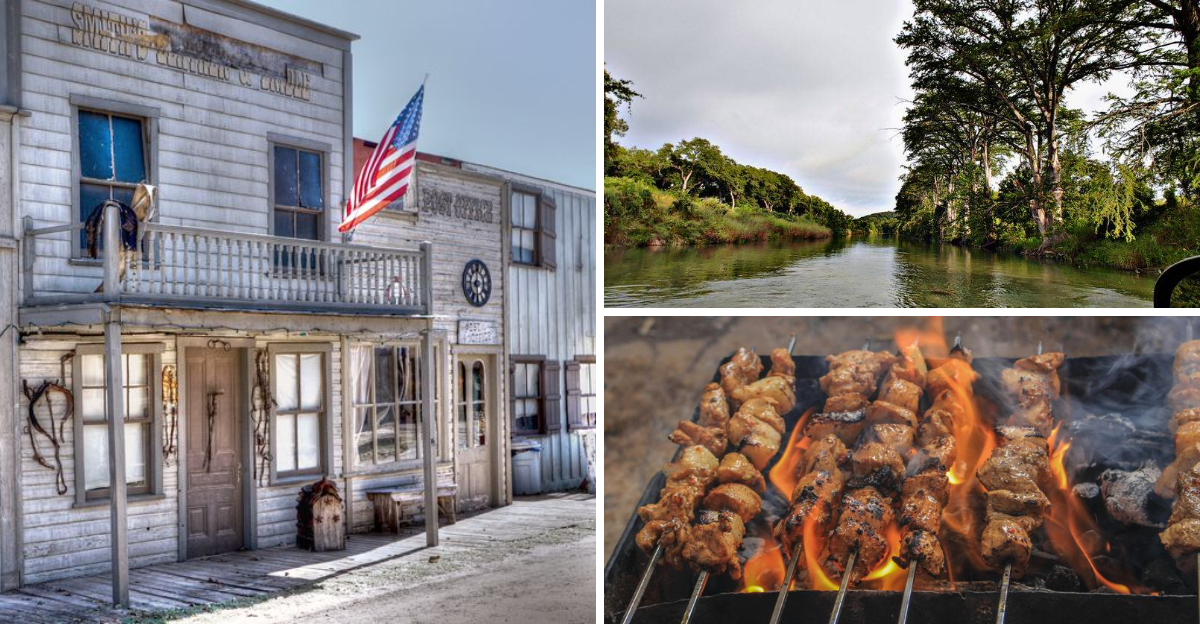
Tucked into the rolling Texas Hill Country about an hour southwest of Austin, Wimberley remains one of those rare towns where the food scene surprises even the most seasoned travelers.
While most visitors come for the cypress-lined Blanco River and the quirky charm of its art galleries, they leave raving about farm-fresh meals, artisan bakeries, and unexpected culinary gems hidden along winding country roads.
This small community of fewer than 3,000 residents has quietly cultivated a reputation among locals as a foodie destination that flies completely under the radar, offering flavors as genuine and unpretentious as the town itself.
Farm-to-Table Culture Runs Deep in the Hill Country Soil
Wimberley sits at the heart of some of the most fertile farmland in Central Texas, where generations of ranchers and growers have worked the land with pride and care.
Unlike trendy urban restaurants that slap a farm-to-table label on their menus as a marketing gimmick, the food culture here grew organically from necessity and tradition.
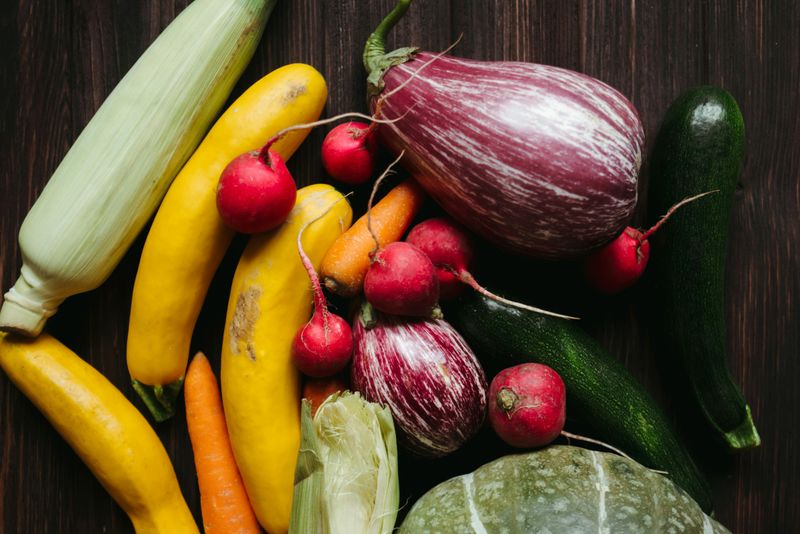
Local chefs don’t have to look far for ingredients because their neighbors are the ones raising heritage breed cattle, tending heirloom tomato patches, and keeping bees that produce wildflower honey with flavors that change with the seasons.
Saturday mornings at the Wimberley Farmers Market reveal the true depth of this agricultural community.
You’ll find vendors selling everything from grass-fed beef and free-range eggs to handmade goat cheese and jars of peach preserves that taste like summer captured in glass.
Many of these producers have been supplying local restaurants for years, creating relationships that go far beyond simple business transactions.
Restaurants like The Leaning Pear at 111 River Road have built their entire philosophy around these connections, crafting menus that shift with what’s available each week.
When you bite into a dish here, you’re tasting food that might have been growing in the ground just days earlier.
The result is cuisine with an authenticity and freshness that’s nearly impossible to replicate in larger cities.
This isn’t a recent trend or a calculated attempt to attract food tourists.
The farm-to-table ethos in Wimberley exists because it’s simply how things have always been done, making every meal feel like a genuine expression of the land and the people who work it.
Hidden Bakeries Crafting Magic from Scratch
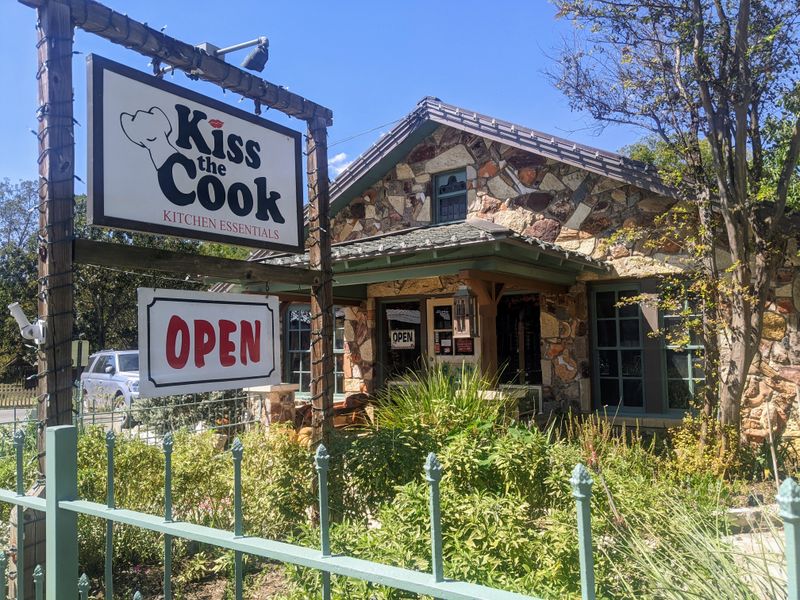
Most people wouldn’t expect to find world-class baked goods in a town this small, but Wimberley’s bakeries punch well above their weight.
The aroma of fresh bread and pastries drifts through the streets on weekend mornings, drawing visitors from their vacation rentals like a delicious alarm clock.
These aren’t chain bakeries churning out mass-produced muffins; they’re small operations where bakers arrive before dawn to mix dough by hand and monitor ovens with the attention of artists perfecting their craft.
Wimberley Pie Company has become legendary among those in the know, producing fruit pies with flaky crusts that shatter at the gentlest pressure of a fork.
Their pecan pie, made with nuts from local trees, achieves that perfect balance between sweet and rich without crossing into cloying territory.
But it’s the seasonal offerings that truly showcase their creativity, like lavender honey custard in spring or bourbon apple in fall.
Beyond pies, you’ll discover artisan bread makers producing sourdough with complex tangy flavors developed through long fermentation processes.
Small cafes serve croissants with the kind of buttery layers that would make a Parisian nod in approval.
The bakers here take their time, refusing to rush processes that benefit from patience and skill.
What makes these bakeries special isn’t just the quality of their products but their integration into the community fabric.
Locals stop by not just for sustenance but for conversation, turning a simple pastry purchase into a social ritual that strengthens the town’s tight-knit character.
Creek-Side Dining That Transforms Meals into Experiences

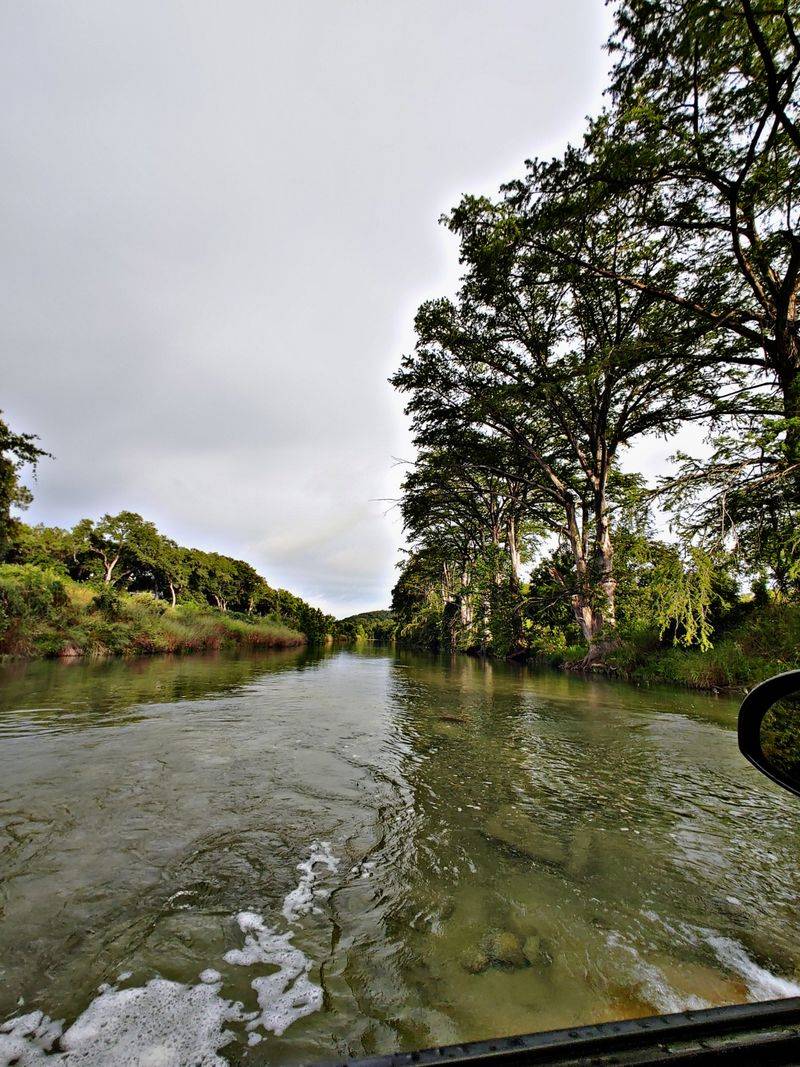
Geography plays a starring role in Wimberley’s food scene, with several restaurants positioned along Cypress Creek and the Blanco River to offer dining experiences that engage all your senses.
The sound of flowing water provides a natural soundtrack while you eat, and the shade from towering cypress trees creates a cooling canopy even on the hottest summer afternoons.
This isn’t just about pretty views; the proximity to water creates a microclimate that makes outdoor dining comfortable for much of the year.
Blair House Restaurant at 100 Spoke Hill overlooks the creek, where diners can watch the water tumble over limestone rocks between courses.
The setting elevates even simple dishes into memorable occasions, though the kitchen doesn’t rely on scenery alone to impress.
Their commitment to quality ingredients and thoughtful preparation means the food holds its own regardless of the backdrop.
Eating beside these waterways connects you to the natural environment that defines the Hill Country.
You might spot a great blue heron fishing in the shallows or watch sunlight filter through tree branches to dapple the water’s surface.
These moments of natural beauty woven into your meal create a dining experience that stays with you long after you’ve returned home.
The restaurants that have claimed these prime locations understand their responsibility to honor the setting.
They maintain the natural landscape, avoid overdevelopment, and create spaces that feel like natural extensions of the environment rather than impositions upon it.
This respectful approach to place makes every meal feel like a collaboration between chef and nature.
Seasonal Ingredients That Make Every Visit Different
Wimberley’s food scene operates on nature’s calendar rather than corporate supply chains, which means the culinary landscape shifts dramatically throughout the year.
Spring brings wild onions, asparagus, and strawberries that show up on menus for a few precious weeks before disappearing until next year.
Summer means tomatoes with actual flavor, peaches so ripe they require immediate attention, and peppers ranging from sweet to scorching.
Fall delivers pecans, squash, and apples, while winter offers heartier greens and citrus from nearby groves.
This seasonal rotation keeps local chefs on their toes and prevents menus from becoming stale or predictable.
A restaurant you visited in March will offer completely different dishes when you return in October, giving you genuine reasons to make repeat trips.
The chefs here don’t fight against seasonal limitations; they embrace them as creative constraints that force innovation and keep their cooking fresh.
Farmers and foragers bring unexpected ingredients to restaurant back doors: wild mushrooms discovered after a rain, elderflowers for making syrup, or persimmons from a tree on someone’s property.
These spontaneous additions create one-time-only dishes that become the stuff of legend among regular customers.
You might hear locals reminiscing about a special that appeared for three days two summers ago, creating a sense of culinary mythology around the town’s restaurants.
This commitment to seasonality also means food tastes like it should.
Tomatoes arrive in summer when they’re supposed to, not shipped from distant greenhouses in January.
The result is flavors with intensity and authenticity that remind you what real food is supposed to taste like before industrial agriculture dulled our collective palates.
Barbecue Traditions Mixed with Creative Innovation
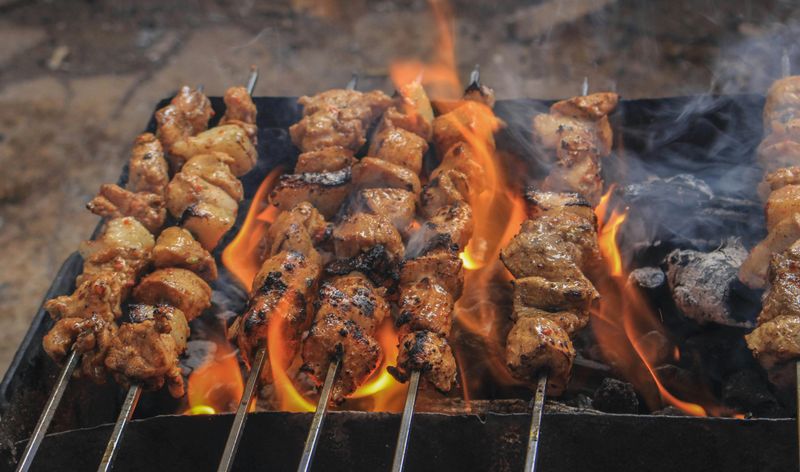
Texas barbecue needs no introduction, but Wimberley’s approach to smoked meat reveals how a small town can honor tradition while pushing boundaries.
The fundamentals remain sacred—quality meat, simple rubs, post oak smoke, and patience measured in hours rather than minutes.
But some pitmasters here have begun experimenting with techniques and flavors that would make purists clutch their pearls, creating a fascinating tension between old and new.
You’ll find classic brisket with the expected pink smoke ring and bark that shatters satisfyingly, but you might also encounter smoked duck, pork belly burnt ends glazed with local honey, or sausages stuffed with unexpected ingredients like jalapeño and cheese from a nearby dairy.
These innovations don’t disrespect tradition; they expand the conversation about what Texas barbecue can be when talented cooks have the freedom to experiment.
The smoking process itself benefits from the Hill Country environment.
The dry air helps bark formation, while the availability of post oak and other hardwoods provides the right smoke character.
Some pitmasters burn wood from trees that grew on their own property, creating a hyper-local connection between land and food that’s difficult to achieve elsewhere.
Barbecue joints in Wimberley tend toward the casual and unpretentious.
You’ll eat at picnic tables, probably with strangers who quickly become friends as you bond over particularly excellent ribs.
The focus stays squarely on the meat rather than fancy sides or elaborate presentation, though even the simple accompaniments; coleslaw, potato salad, beans; receive more attention than they might elsewhere.
Food Trucks and Pop-Ups Adding Spontaneous Flavor
Wimberley’s food scene isn’t confined to brick-and-mortar establishments.
A rotating cast of food trucks and pop-up vendors adds an element of surprise and keeps things interesting for both visitors and locals.
These mobile operations often serve as testing grounds for aspiring restaurateurs or allow established chefs to experiment with concepts outside their main restaurants.
The result is a constantly evolving culinary landscape where something new might appear on any given weekend.
You might find a truck serving authentic tacos made by someone whose grandmother taught them family recipes, or a pop-up offering Thai food with ingredients from local farms creating unexpected fusion flavors.
Some vendors specialize in a single item executed to perfection; gourmet grilled cheese, wood-fired pizza, or handmade ice cream with flavors inspired by Hill Country ingredients like lavender, peach, or Texas whiskey.
The informal nature of food trucks creates a different kind of dining experience.
You order at a window, maybe wait on a picnic bench, and strike up conversations with other customers.
This casual atmosphere removes pretension and focuses attention purely on whether the food delivers.
Without fancy dining rooms or elaborate plating to hide behind, food truck operators succeed or fail based solely on flavor and quality.
Market Square in downtown Wimberley often hosts multiple vendors on busy weekends, creating an impromptu food festival atmosphere.
You can sample from several trucks, turning lunch into a progressive tasting experience.
The unpredictability of which trucks will show up on any given day adds an element of adventure to the food scene that keeps things feeling fresh and exciting.
Culinary Events That Celebrate Community and Season
Throughout the year, Wimberley hosts food-focused events that bring the community together while showcasing local culinary talent.
These aren’t corporate-sponsored festivals with vendor booths hawking mass-produced products; they’re genuine celebrations of local food culture organized by people who live here and care about maintaining the town’s character.
The events range from intimate winemaker dinners to larger harvest festivals, each reflecting the season and the community’s agricultural roots.
The Wimberley Farmers Market operates year-round but reaches its peak during harvest season when vendors overflow with produce and prepared foods.
Beyond simple buying and selling, the market serves as a social hub where neighbors catch up, musicians perform, and cooking demonstrations show creative ways to use seasonal ingredients.
It’s a weekly reminder of the connection between the land, the people who work it, and the food that nourishes the community.
Special dinners hosted by local restaurants or wineries create opportunities to experience multi-course meals paired with wines or craft spirits, often featuring guest chefs or highlighting specific ingredients at their seasonal peak.
These events sell out quickly among locals who understand they’re getting access to something special; not just a meal but an experience crafted with care and attention.
Food-related workshops and classes also pop up regularly, teaching everything from cheese-making to butchering to preserving seasonal harvests.
These educational opportunities help maintain culinary knowledge and skills within the community while welcoming visitors who want to take home more than just memories; they leave with actual abilities they can use in their own kitchens, extending Wimberley’s food culture far beyond the town limits.
Dear Reader: This page may contain affiliate links which may earn a commission if you click through and make a purchase. Our independent journalism is not influenced by any advertiser or commercial initiative unless it is clearly marked as sponsored content. As travel products change, please be sure to reconfirm all details and stay up to date with current events to ensure a safe and successful trip.
