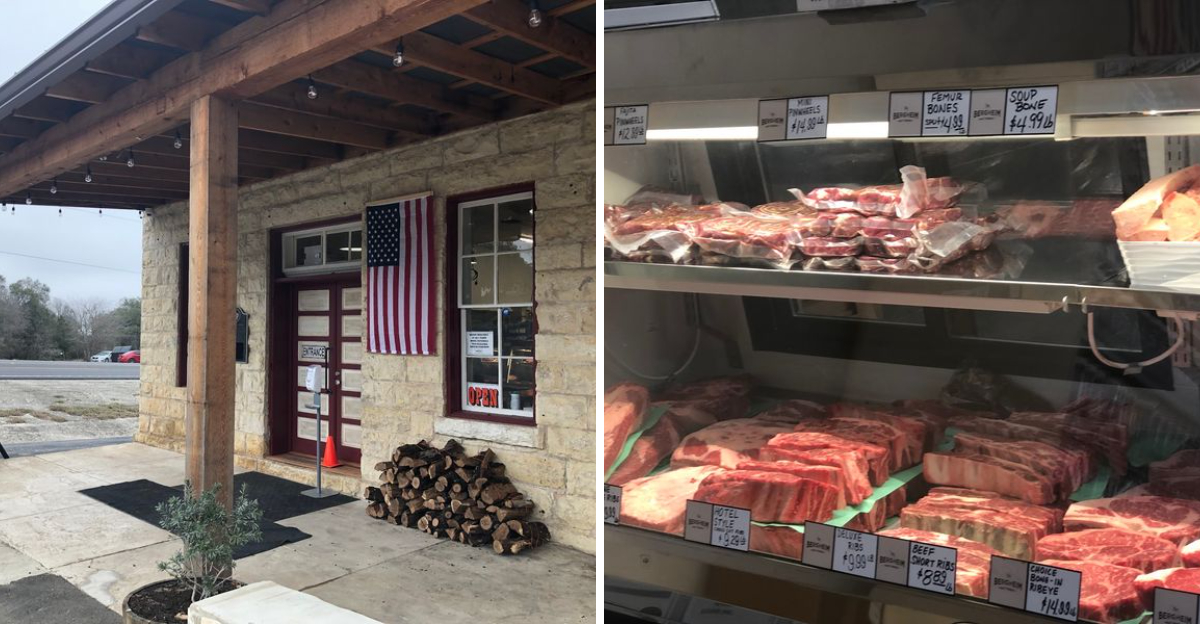
A meat counter becomes a dangerous place for anyone who walks in saying, “I’m only here for one thing.”
This Texas market makes its sausage in-house from a house recipe, but the temptation keeps going with American Wagyu, prime beef, specialty pork, poultry, lamb, seasonal seafood, exotic meats, produce, spices, and gourmet grocery items all sharing the same stop.
It is the kind of place where planning dinner can quickly turn into planning three dinners, a weekend cookout, and possibly an unnecessary but very exciting freezer restock.
The appeal is less about flashy presentation and more about serious meat knowledge, quality cuts, and the fun of finding something you would never see in an ordinary supermarket. Texas grocery shopping gets considerably more interesting when the butcher counter feels like the main attraction.
A Limestone Landmark With 1903 Bones
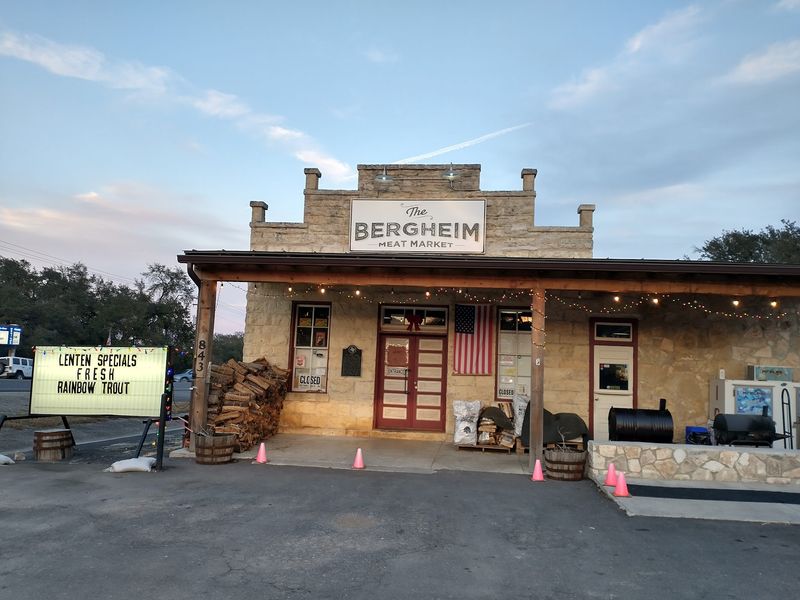
The building grabs attention before the food does. Cut from locally quarried limestone in 1903, it began life as the Bergheim General Store, and the crenellated top edge gives it a look closer to a small fort than a country shop.
Andreas Engel, an Austrian immigrant, opened the original store and served as postmaster after Bergheim got its own post office in 1901. By 1913 the same operation ran the Bergheim Telephone Company, which says plenty about how central it was to daily life out here.
Generations of the Engel family kept the doors open along State Highway 46 for around 115 years, closing in 2018. Over that span the store supported the cotton, charcoal, cedar, and corn trades that shaped this stretch of the Hill Country.
Recognition followed the longevity. A Texas Historical Commission marker went up in 1983, and a Texas Treasure business award arrived in 2014.
Standing near the entrance, the sense of layered time is hard to shake. Thick walls keep the interior cool, the floors have that settled quiet of an old structure, and nothing feels staged for tourists.
What makes the current chapter satisfying is how naturally a butcher shop fits the space. A general store fed this community for over a century, and now a market carries that same purpose forward with meat cases instead of dry goods shelves.
Pull into the gravel lot, look up at the stonework, and take a photo before heading inside. The building earns it.
How Two Friends Turned A Longtime Idea Into A Butcher Shop
Some businesses start with a spreadsheet. This one started with a conversation between two lifelong friends that kept coming back around for years.
Joe Doria and Bill Bird had talked about owning a meat market for a long time before making the call in June 2020. The doors opened in January 2021, inside a building that had been quiet for a couple of years.
Doria is the meat guy of the pair, and the résumé backs that up. He started working alongside his father at eight years old, then went on to manage the retail market at Bolner’s Meat Market in San Antonio for eighteen years.
That kind of background shows up in small ways. He buys on the hoof, understands that quality begins out in the pasture, and personally keeps an eye on the buying, cutting, and packaging.
The partnership between Doria and Bird sets the tone for the whole operation. Their focus lands on the full experience, from a knowledgeable answer at the counter to a cut wrapped neatly enough to look like a gift.
I like knowing who is behind a place like this. It changes how a purchase feels, because the person choosing the beef is the same one standing in the shop.
Ask a question about a specific cut and the answer comes with reasoning attached, not a shrug. That is the difference between a store and a shop with owners who actually care.
More Than Thirty Sausages, All Made In House
Thirty is a number that sounds impressive until the case is right there in front of you. Then it just becomes a very pleasant problem.
Every link comes from house recipes, made from scratch on site. The range runs from familiar comfort to genuinely adventurous, which makes browsing feel like reading a menu written by someone having fun.
Beef sausage anchors the traditional side, and sweet Italian works nicely for a weeknight pasta that needs a lift. On the bolder end, cheddar jalapeno alligator sausage has become one of the standout picks, and it captures that regional playfulness Texas markets do so well.
Butcher manager David Parish handles much of this work. A second-generation butcher, he builds the sausages from his own recipes, and the balance of spice to meat stays consistent from batch to batch.
Texture matters as much as flavor in sausage making, and that is where practiced hands separate themselves. Nothing here tastes like it came out of a giant industrial mixer three states away.
Practical tip for travelers: bring a cooler. Choosing three or four kinds and grilling them side by side back home makes for a better comparison than trying to pick a single favorite in the store.
Ask what came off the line most recently. The staff will point you toward something fresh, and that recommendation usually turns out to be the smartest purchase of the trip.
The Cases Beyond The Sausage Counter
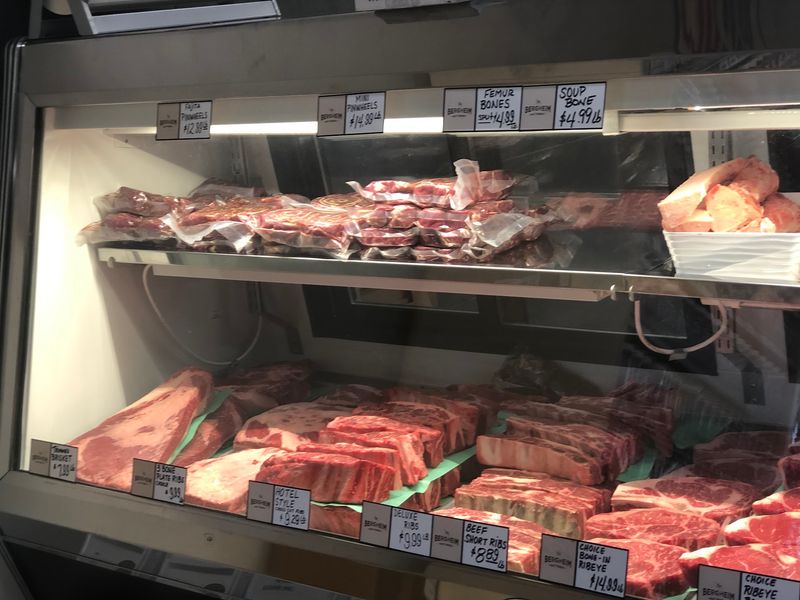
Sausage may pull people through the door, but the rest of the inventory is what keeps them wandering. The selection reaches further than most small-town markets attempt.
USDA Prime beef fills much of the case, joined by Japanese A5 Wagyu and American Wagyu sourced from respected ranches around the country. Pork arrives in breeds worth knowing by name, including Iberico, Berkshire, and Duroc, plus whole Luau pigs for big gatherings.
Poultry is air-chilled, with organic and all-natural options. Whole ducks, pheasants, quails, turkeys, and even turduckens show up depending on the season.
Lamb includes USDA prime domestic cuts along with locally sourced whole carcasses. For anyone who likes trying something unusual, the exotic list covers Texas-grown axis deer, nilgai antelope, wild boar, elk, buffalo, rabbit, and alligator tails.
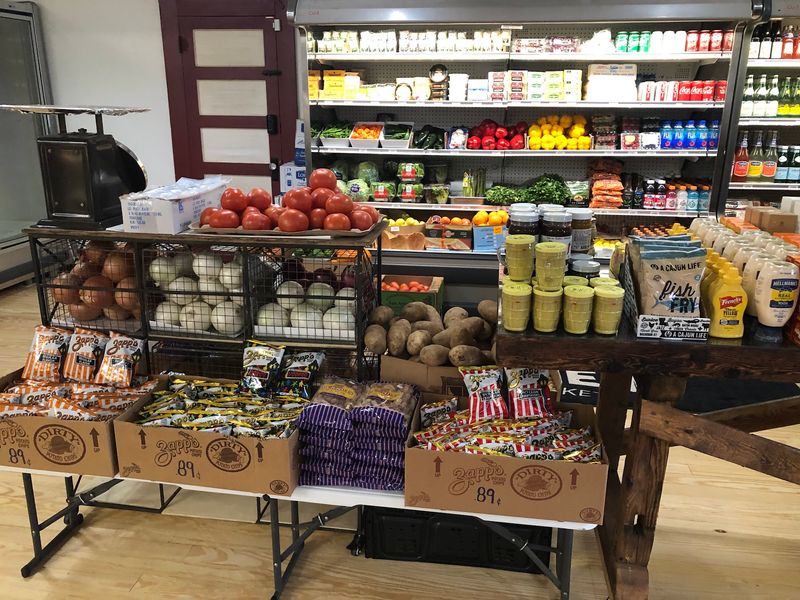
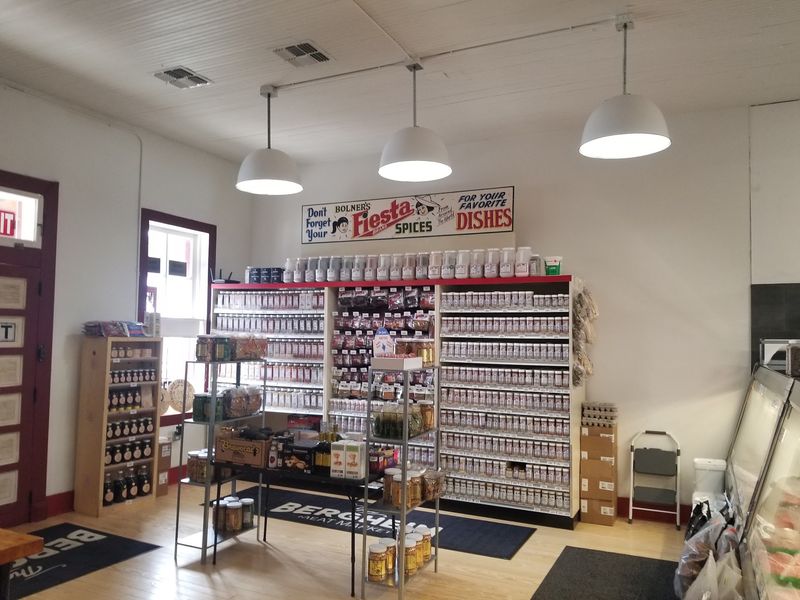
Then there are the shelves that turn a meat run into a full grocery trip. Seasonal produce, specialty groceries, a wide lineup of Bolner’s Fiesta spices, and the market’s own custom spice blends sit alongside Volleman’s milk, fresh eggs, and a solid cheese selection.
The house spice blends are the easiest thing to pack. They travel well, cost little, and put a bit of the Hill Country into cooking back home months later.
Plan on more time than expected. Reading labels here is genuinely entertaining, and something unfamiliar almost always ends up in the basket.
Watching Real Butchery Happen
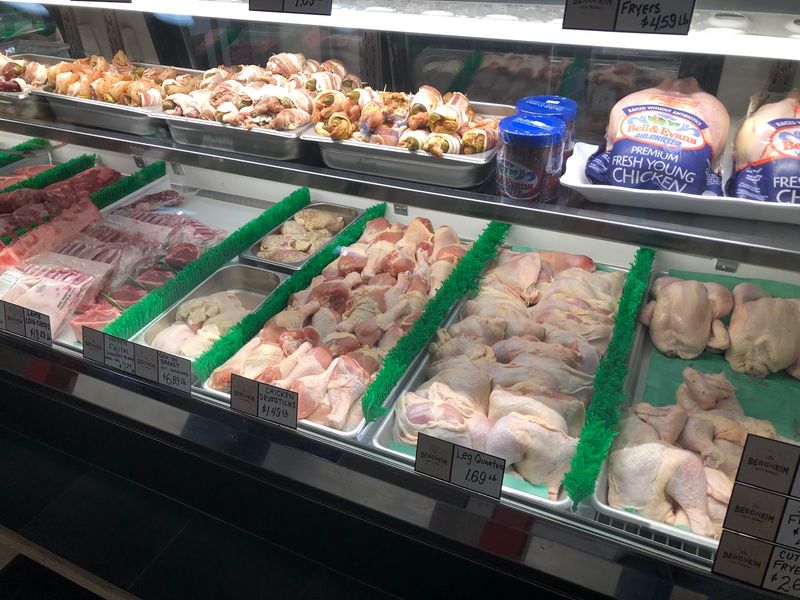
There is a rhythm to a working butcher shop that no supermarket can fake. Knives move with purpose, paper crinkles, and requests get handled without fuss.
The team here treats butchery as a craft rather than a task. Cuts come to specification, so asking for a particular steak thickness or an unusual trim gets a straightforward yes instead of a puzzled look.
Doria learned the trade from his father as a kid, and decades later that early training still shapes how the shop runs. He stays involved in the daily details rather than managing from a distance.
Parish brings his own depth, having perfected breaking down whole beef and pork carcasses along with his sausage specialty. Whole-carcass work is increasingly rare in retail, and it opens up cuts that never reach a chain grocery case.
Education comes with the service. The staff will explain why one roast suits low heat and another wants a hot sear, which is more useful than any recipe card.
Bring a plan, or bring a question. Both work.
Mentioning how many people are eating and what equipment is available at home leads to better suggestions than simply pointing at whatever looks biggest. That back-and-forth is the whole point of shopping at a real butcher counter.
Leaving with a neatly wrapped package and a little more knowledge than before feels like a fair trade for the drive out.
A Welcome That Feels Unhurried
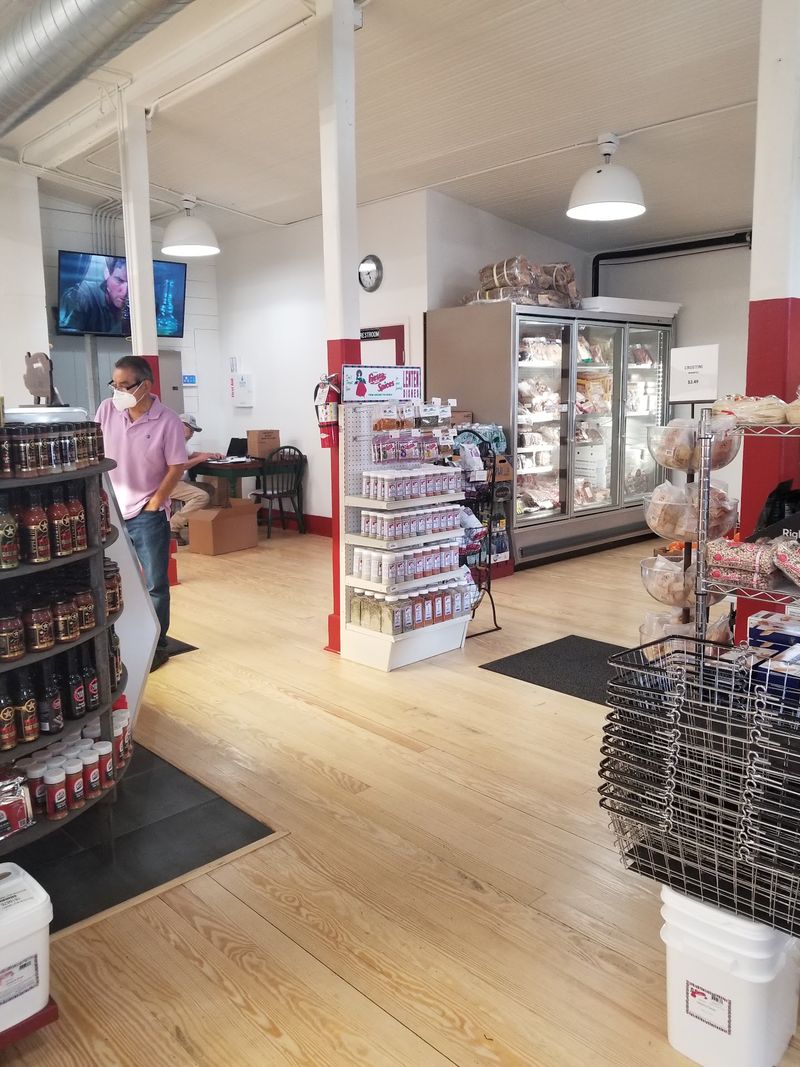
Some shops make you feel like you are holding up the line. Not this one.
Doria has described the market as selling an experience and an education rather than just meat, and that idea comes across quickly. Questions get real answers, and nobody rushes a decision about dinner.
The layout helps. Everything is organized and easy to read, with the sausage case, the prime cuts, and the spice shelves each holding their own space instead of crowding together.
Conversation happens naturally at the counter. Someone might mention how a particular cut behaves on a hot grill, or suggest a spice blend that fits what is already in the basket.
Newcomers to cooking get the same attention as people who show up knowing exactly what they want. That evenhandedness is easy to appreciate.
For travelers, the practical upside is guidance. Nobody knows the inventory better than the people restocking it, so a simple description of what sounds good usually leads somewhere excellent.
The pace inside matches the pace of the Hill Country outside, which is to say relaxed. Nothing feels transactional.
I walked out with more than planned, which happens in shops where the staff enjoy talking about what they sell. Consider that a friendly warning and a recommendation at the same time.
Small touches add up here, from the tidy wrapping to a genuine goodbye at the register.
Rooted In The Hill Country Landscape
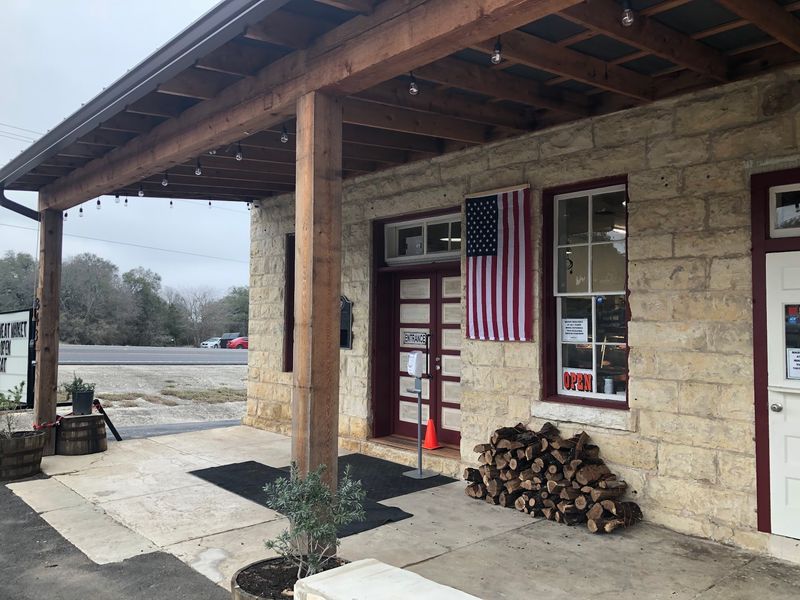
Bergheim sits in ranch country, and the market never lets you forget it. Local sourcing runs through the inventory, including Texas-grown exotic game and regional lamb.
That connection is not decorative. Supporting nearby ranches keeps the flavors specific to this part of the state, which is exactly what makes a food stop worth building a route around.
The community itself traces back to German immigrant families who worked livestock and crops across these hills. A premium meat market fits that history almost too neatly.
Highway 46 has carried traffic past this building for generations. Now it brings a mix of neighbors from Boerne and food-minded travelers who heard about the sausage selection and decided to see for themselves.
Combining the visit with a broader Hill Country day works well. Cave country, swimming holes, and small-town main streets all sit within easy reach, and a cooler in the back seat handles the rest.
Cell service can get patchy out here, so save the directions before leaving town.
What lingers after the drive home is the sense of place. The meat, the building, and the surrounding ranchland all belong to the same story, and that coherence is rarer than it should be.
Markets like this keep regional food traditions alive by being useful, not nostalgic. People shop here because the product is excellent, and the heritage comes along for free.
Planning The Detour From Boerne
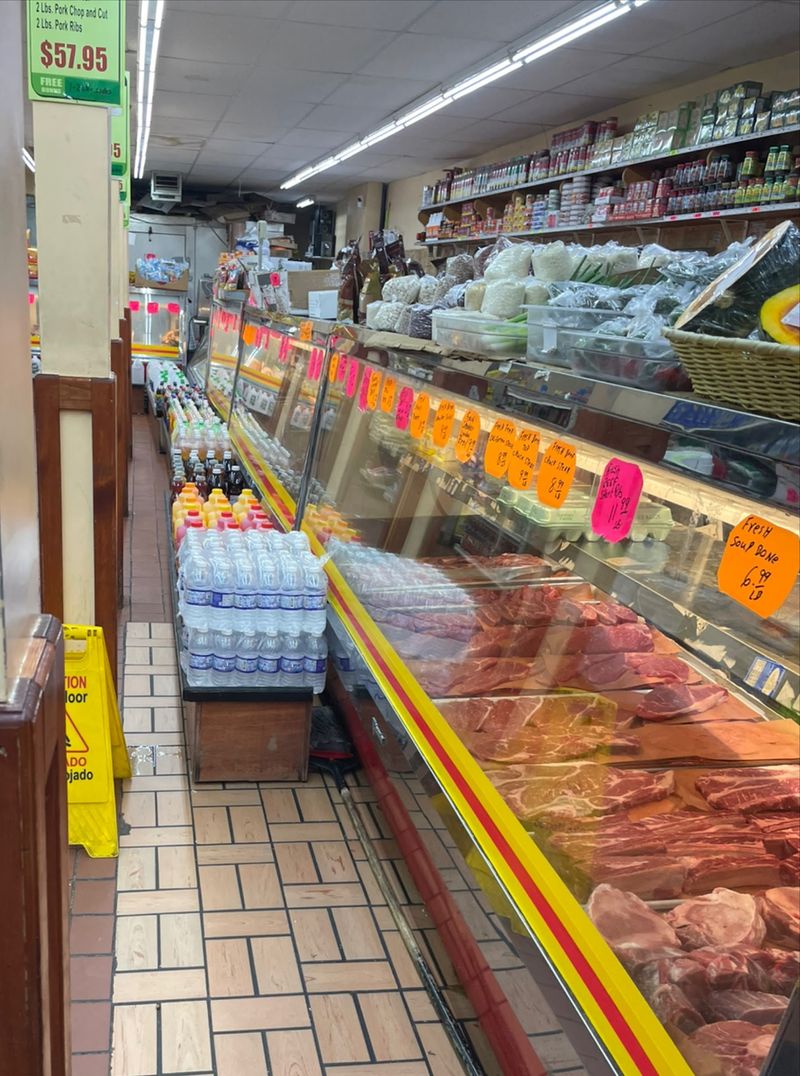
A little planning turns this into one of the better food stops in the region. Start with the cooler, because the temptation to buy more than expected is real.
The market sits east of Boerne along State Highway 46, an easy drive from town and a reasonable side trip from San Antonio. Parking is simple, and the limestone facade makes it impossible to miss.
Going earlier in the day tends to mean a fuller case and more room to browse. Weekends bring more visitors, which is lively but slower at the counter.
Special orders deserve a phone call ahead. Whole lamb, Luau pigs, turduckens, and specific exotic cuts are the kind of items worth confirming before making the drive.
Budget varies wildly depending on ambition. Sausage and house spice blends keep things affordable, while Wagyu turns the visit into a splurge.
Pick up eggs, cheese, and produce while you are there. Building a full meal from one stop feels satisfying in a way that separate errands never do.
For anyone traveling without kitchen access, the spice blends and shelf-stable groceries make the smartest souvenirs. They fit in a suitcase and outlast the trip by months.
The drive out, the old stone walls, and a case full of scratch-made sausage add up to a genuinely memorable Hill Country afternoon.
Address: 843 TX-46 East, Boerne, TX 78006
