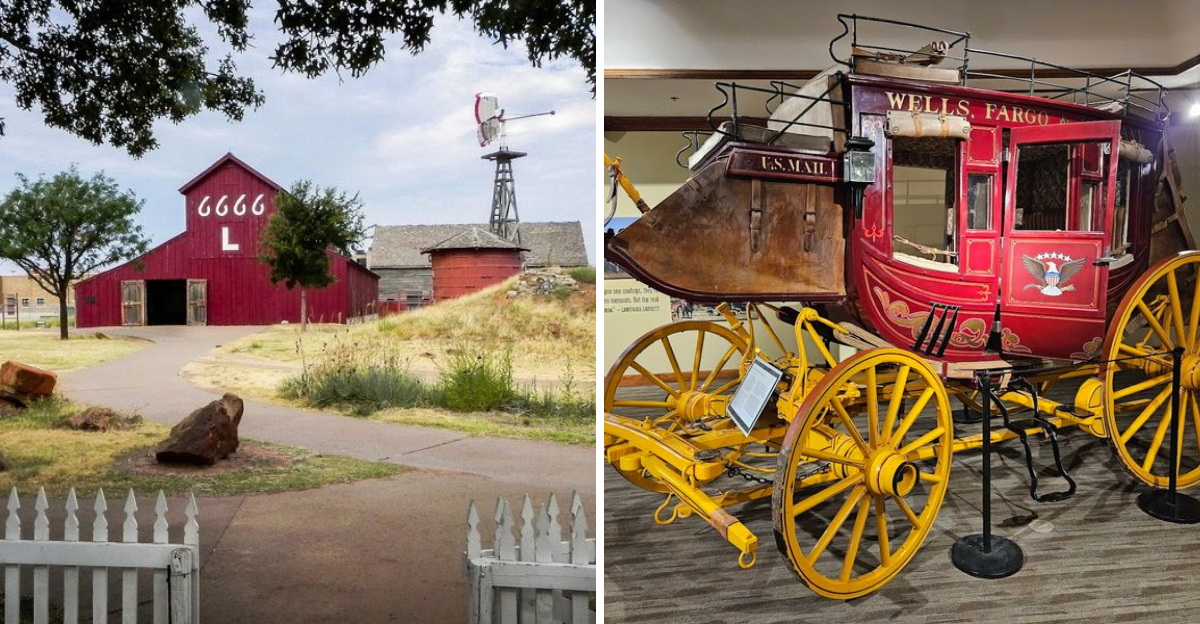
Ranching history is a big part of Texas. This museum captures that history in a unique way by displaying real ranch buildings arranged in chronological order.
Visitors can walk through the grounds and see how ranching life evolved over time, from the early days to the modern era. The experience is immersive and educational, a chance to step into the boots of those who came before.
The structures are authentic and offer a tangible connection to the past. It is a place where history is not just read, but felt.
Texas is a ranching state, and this museum honors that heritage. It is a quiet, reflective space, a welcome contrast to the noise and speed of modern life.
A Living History Park Unlike Anything You Have Seen Before
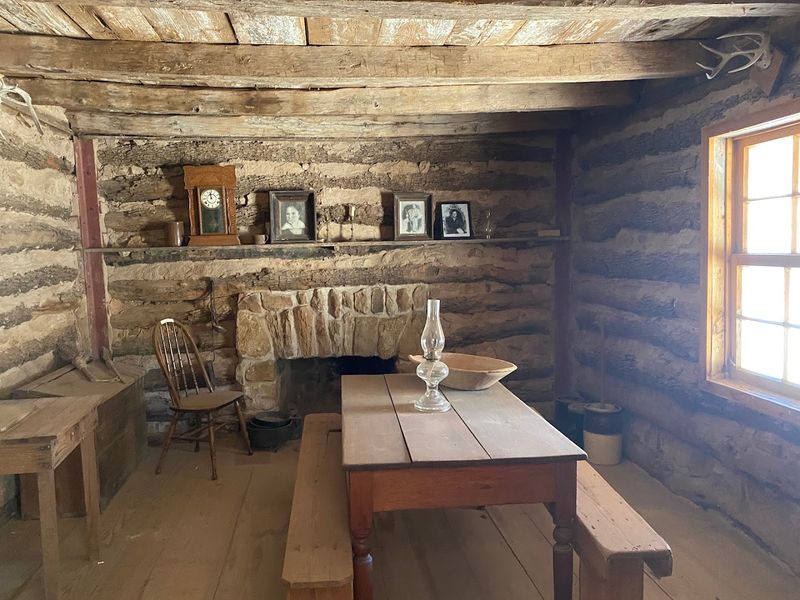
Most museums keep history behind glass, but the National Ranching Heritage Center does something much bolder.
The outdoor historical park spreads across roughly 19 acres right on the Texas Tech University campus, and it is packed with 55 authentic ranching structures that were physically relocated from sites across the Southwest.
That alone is remarkable.
These are not replicas. Almost all of the buildings are between 100 and 200 years old, and each one has been carefully restored and furnished to reflect its original period.
You walk past dugouts carved into the earth, past bunkhouses where cowboys once slept, and past barns that still smell faintly of old wood and history.
The structures are arranged chronologically, guiding you through ranch life from the 1780s all the way into the 1950s. It feels less like a tour and more like a slow, quiet walk through time.
Informational signs in both English and Spanish appear throughout, so the experience is genuinely accessible to a wide range of visitors.
The 1.5 miles of paved pathways are wheelchair and stroller-friendly, which makes the park welcoming for families with young kids or visitors with mobility needs. Self-guided tours typically run about 60 to 90 minutes, though I found myself lingering much longer than expected.
There is a relaxed pace to the whole thing that encourages you to slow down and really look at what is around you.
Bronze Art Pieces Scattered Across the Grounds
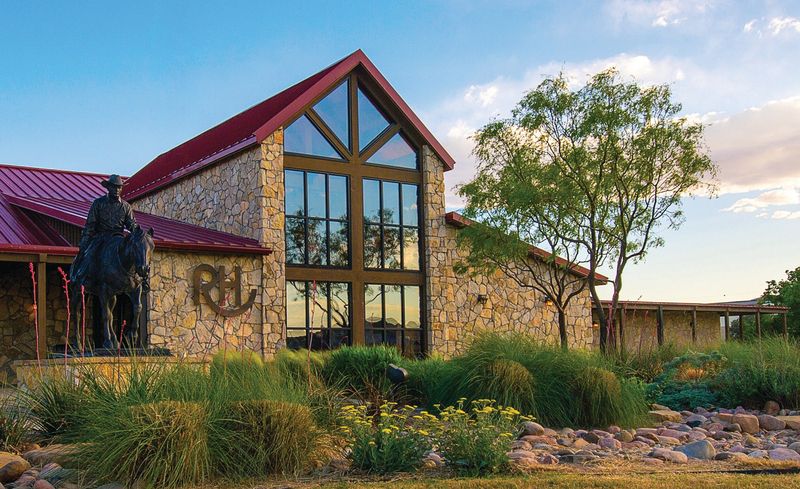
Somewhere between the bunkhouse and the old train depot, I came around a bend and nearly walked straight into a life-size bronze longhorn. It caught me completely off guard, and honestly, that was a perfect moment.
The NRHC features 42 life-size bronze outdoor sculptures spread throughout the park, and they add a layer of artistic richness that most historical sites never think to include.
The pieces range from cattle and horses to working cowboys and ranch dogs. Each one is positioned naturally within the landscape, so they feel like they belong rather than just sitting on pedestals for display.
Some of them are so detailed and realistic that you have to get close to confirm they are not actually moving.
These sculptures were created by different artists, which means each one has its own personality and style. Some are dignified and still, while others feel caught mid-motion, like a horse mid-stride or a cowboy mid-throw.
The variety keeps things visually interesting as you move through the park.
For families with younger kids, the bronze animals are a huge hit. Children tend to be drawn to them immediately, and it gives parents a natural way to start conversations about what ranch life actually looked like.
It is one of those design choices that works beautifully on multiple levels, appealing to art lovers, history enthusiasts, and curious kids all at once. The sculptures genuinely elevate the outdoor experience beyond what you might expect from a history museum.
The 55 Authentic Structures That Tell the Real Story
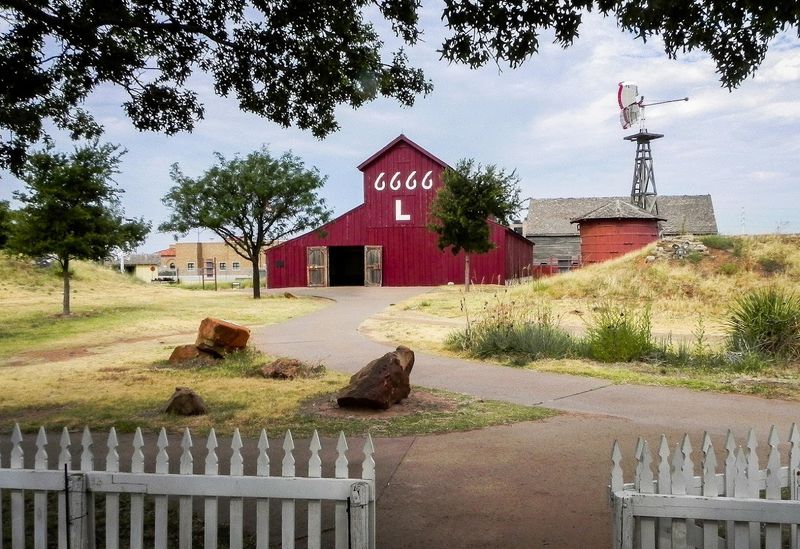
Fifty-five structures might sound like a lot, but once you are out on those pathways, each one earns its place. A Spanish fortress blockhouse anchors the earliest end of the timeline, representing ranching life in the 1780s when the Southwest was still a frontier in the truest sense.
From there, the story builds steadily across the decades.
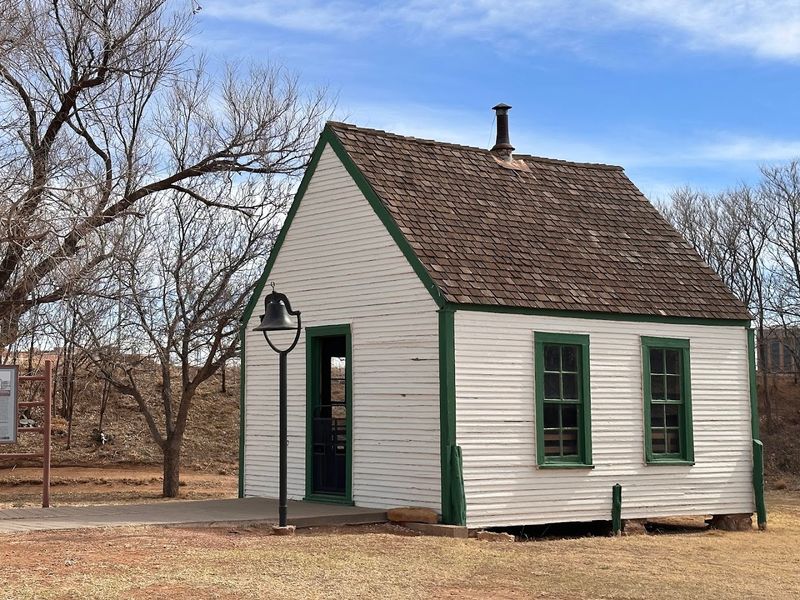
A one-room schoolhouse sits quietly among the trees, its small wooden desks still arranged as if class might start any minute. The blacksmith shop is one of the more fascinating stops, because the tools and equipment inside make it easy to picture the daily work that kept a ranch running.
Nothing feels staged or overdone.
A Queen Anne-style ranch home toward the later end of the trail shows how ranching families grew into prosperity over time. The detail inside these homes is genuinely impressive, right down to the curtains and dishware.
It is the kind of careful restoration that makes you stop and stare instead of just walking by.
What I appreciate most is that the structures represent ranching across the entire Southwest, not just one region or one family’s story. They were brought here from different states and different landscapes, which gives the collection a sense of breadth that most local history museums simply cannot match.
Each building is a chapter, and together they form a story that is both specific and universal.
Seven Galleries Inside the Museum Building
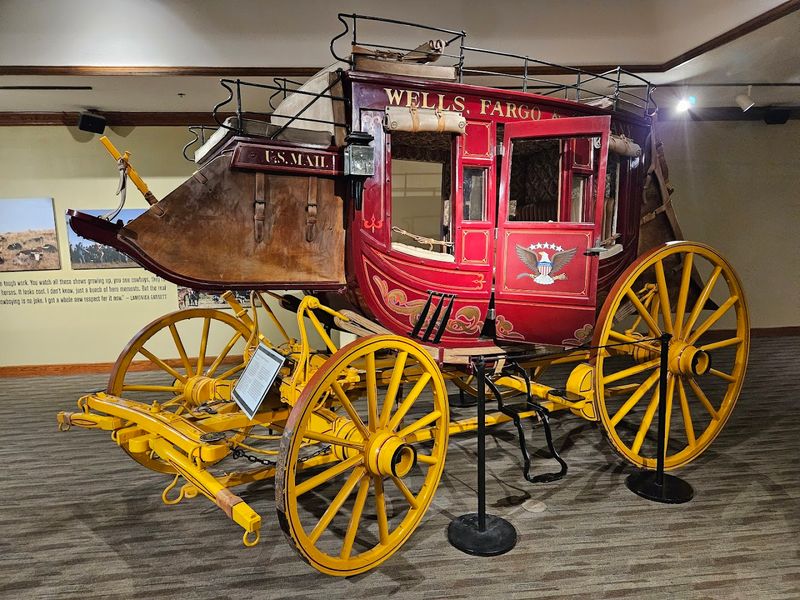
The outdoor park gets most of the attention, but the 44,000-square-foot museum building is absolutely worth your time. Seven galleries cover different aspects of ranching history and culture, and the exhibits are thoughtfully designed for visitors of all ages and backgrounds.
It is the kind of space where you can spend an hour and still feel like you missed something.
Current exhibitions include “The Big Ranch Era: Three Family Legacies,” which runs through August 2026 and explores how major ranching families shaped the landscape of the American West.
Another exhibit, “From Cow Trails to Highways: The Evolution of Transportation Out West,” looks at how ranching communities adapted as the region modernized.
Both are visually engaging and packed with real artifacts.
There is also an exhibit dedicated to the life and legacy of Quanah Parker, the Comanche leader whose story is deeply connected to the ranching history of the Texas Panhandle region. That exhibit adds important cultural context that makes the broader history feel more complete and honest.
The galleries are climate-controlled and comfortable, which is a welcome break on hot Lubbock afternoons. Lighting and layout are modern, making it easy to move through exhibits without feeling crowded or rushed.
I found the combination of the outdoor park and indoor galleries to be genuinely complementary, each one filling in details that the other cannot fully capture on its own. Together, they make for a well-rounded and deeply satisfying visit.
The Cash Family Ranch Life Learning Center
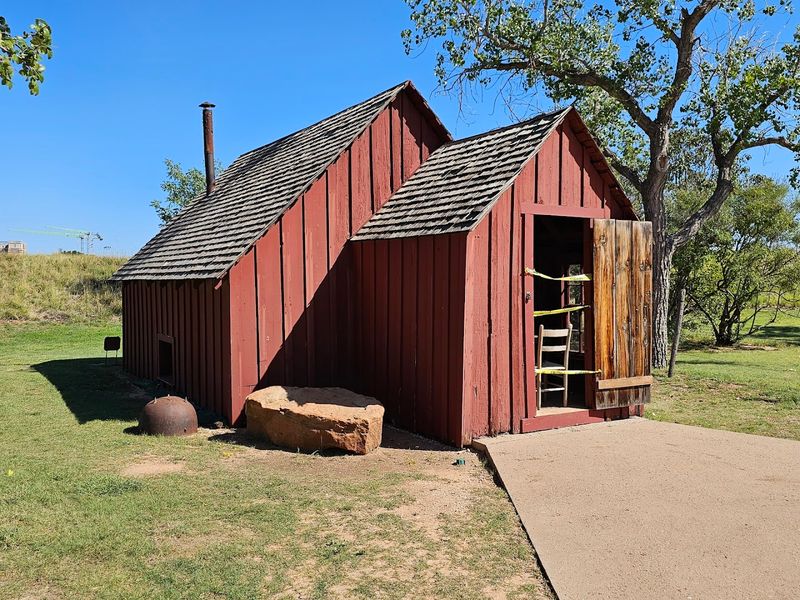
Opened in October 2023, the Cash Family Ranch Life Learning Center brought a whole new energy to the NRHC. It is an interactive indoor and outdoor educational exhibit designed specifically to connect younger visitors with the realities of ranch life in a hands-on, engaging way.
The centerpiece of the experience is Hank the Cowdog, the beloved literary character who has been entertaining kids and adults for decades.
For anyone unfamiliar, Hank the Cowdog is the star of a long-running series of humorous adventure books set on a Texas ranch. Having him woven into the learning center is a smart move, because kids who already know and love the character arrive with built-in enthusiasm.
Even children who are new to Hank tend to warm up quickly once they see the interactive elements.
The exhibits are designed to teach real concepts like how ranches operate, what animals do in different seasons, and what daily chores looked like for ranch families across history. It is educational without feeling like school, which is a balance that is genuinely hard to get right.
The outdoor component adds physical activity, which keeps younger kids engaged longer.
Parents and teachers have responded warmly to this addition, and it is easy to see why. The learning center fills a gap that the historical structures alone could not fully address, giving children a tactile and imaginative entry point into the same history that surrounds them throughout the rest of the park.
It is one of the most thoughtful additions the NRHC has made in recent years.
Free Admission and Accessibility for All Visitors
One of the most refreshing things about the NRHC is that it does not cost a thing to get in. Admission is completely free, with donations encouraged for those who want to support the center’s ongoing work.
In a world where museum tickets can easily run $20 or more per person, free admission makes a genuine difference for families and budget-conscious travelers.
The accessibility features are equally impressive. The 1.5 miles of paved pathways throughout the outdoor park are designed to accommodate wheelchairs and strollers, so visitors with mobility challenges or young children can explore the full grounds without difficulty.
Informational signs throughout the park are written in both English and Spanish, which reflects a real commitment to welcoming a diverse audience.
Hours are Monday through Saturday from 10 a.m. to 5 p.m., with the outdoor park closing at 4 p.m. and no entry permitted after 3:30 p.m. On Sundays, the museum is open from 1 p.m. to 5 p.m.
The center is closed on Texas Tech holidays and several national holidays, so it is worth checking ahead before you go.
Self-guided tours are the norm here, and they work well because the chronological layout of the park makes navigation intuitive. You do not need a guide to understand the flow of the experience.
That said, the staff members I encountered were knowledgeable and happy to answer questions, adding a friendly layer to an already welcoming atmosphere. The whole setup makes the NRHC feel genuinely community-centered rather than just tourist-focused.
The Train Depot, Windmills, and Other Standout Structures
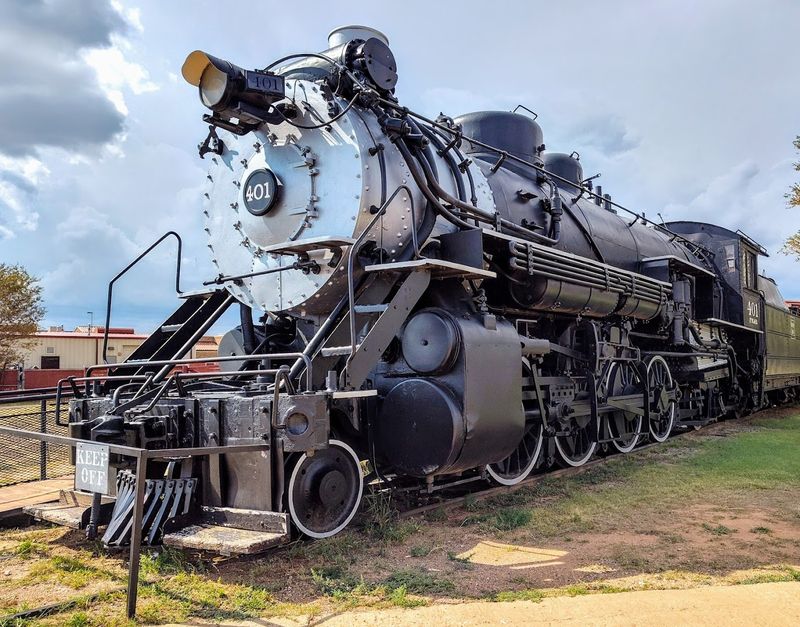
Among the 55 structures in the park, a few tend to stop visitors in their tracks more than others. The old train depot is one of them.
Trains changed the ranching industry in ways that are hard to overstate, making it possible to move cattle to distant markets and connecting remote ranches to the wider world. Seeing the depot in person, weathered and real, drives that history home in a way that a textbook simply cannot.
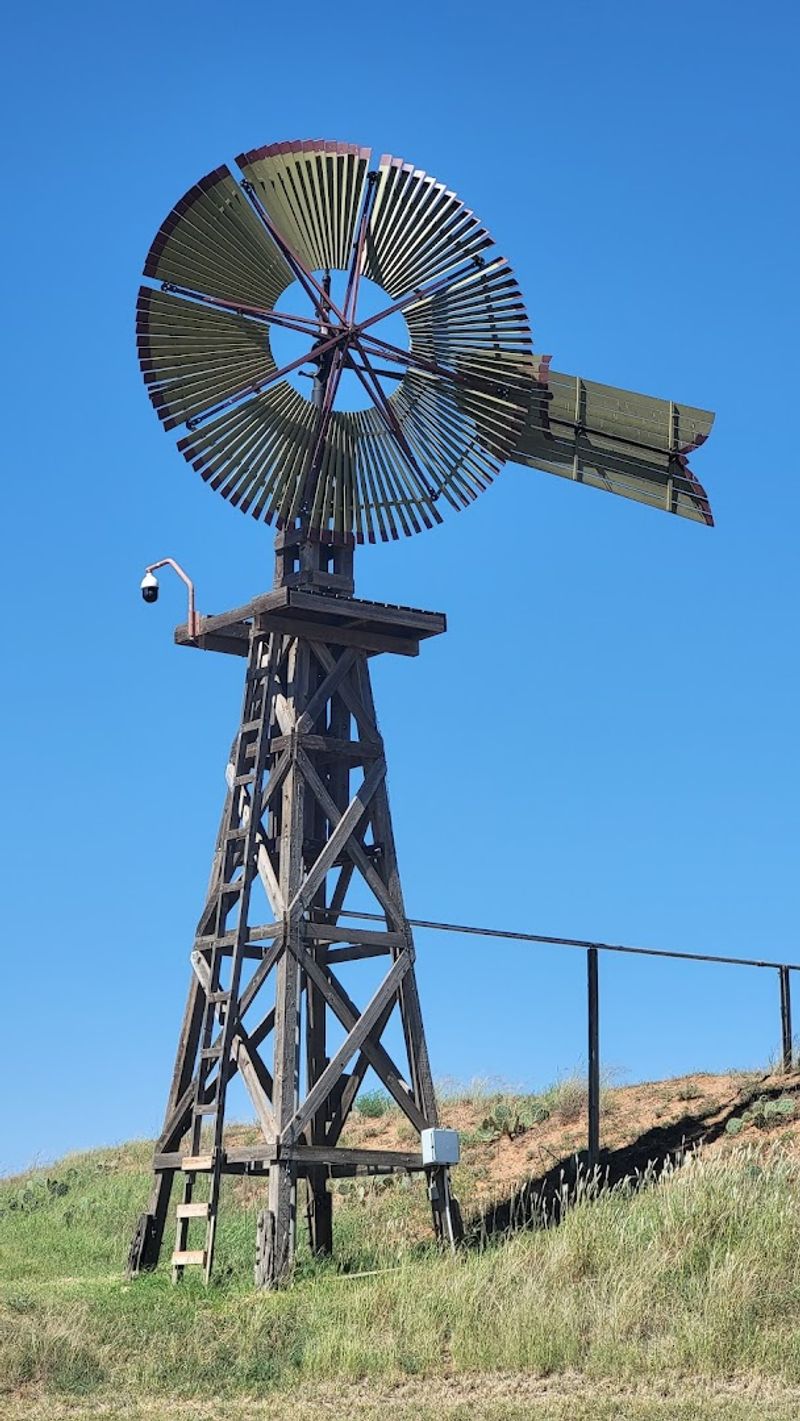
The windmills are another highlight, and not just because they are visually striking against the flat West Texas horizon. Windmill technology was transformative for ranchers who needed reliable water sources across dry, expansive land.
Several windmills of different styles and eras are represented in the park, showing how the technology evolved alongside the industry.
There is something almost meditative about standing near one of those old windmills on a breezy Lubbock afternoon. The creak and spin of the blades, even in a museum setting, connects you to the daily rhythms of ranch life in a surprisingly emotional way.
It is the kind of small sensory detail that makes the whole experience feel more alive.
Other standout structures include dugouts that were carved directly into hillsides for shelter, and a Spanish fortress blockhouse that represents some of the earliest ranching presence in the region.
Every structure has a placard explaining its origin and purpose, and reading through them as you walk feels like piecing together a puzzle that gets more interesting with every stop.
What Is Coming Next, the Red Steagall Institute of Western Art
The NRHC is not resting on what it has already built. In May 2024, a $28 million expansion was approved for the forthcoming Red Steagall Institute of Western Art, and it is the kind of development that suggests this museum is thinking seriously about its future.
Red Steagall is a celebrated Texas poet, singer, and cowboy cultural ambassador, and having his name attached to a new art institute feels like a natural extension of everything the NRHC already stands for.
Western art has deep roots in the ranching tradition, from the paintings of Frederic Remington to the sculptures that already dot the NRHC grounds. A dedicated institute would give that artistic legacy a permanent, serious home alongside the historical and educational offerings already in place.
It is an exciting prospect for anyone who sees the connection between creative expression and cultural preservation.
The expansion will significantly increase the center’s footprint and programming capacity, which means future visits could look quite different from what exists today. For regular visitors, that is something worth following.
For first-timers, it adds a sense of momentum to the place, a feeling that you are visiting somewhere that is actively growing rather than simply maintaining.
Even without the new institute, the NRHC already offers more than most visitors expect. Adding a world-class western art facility to the mix would push it into a genuinely rare category among American cultural institutions.
If you have not visited yet, now is a great time, and a return trip a few years from now might be even more rewarding.
Address: 3121 4th St, Lubbock, TX 79409
