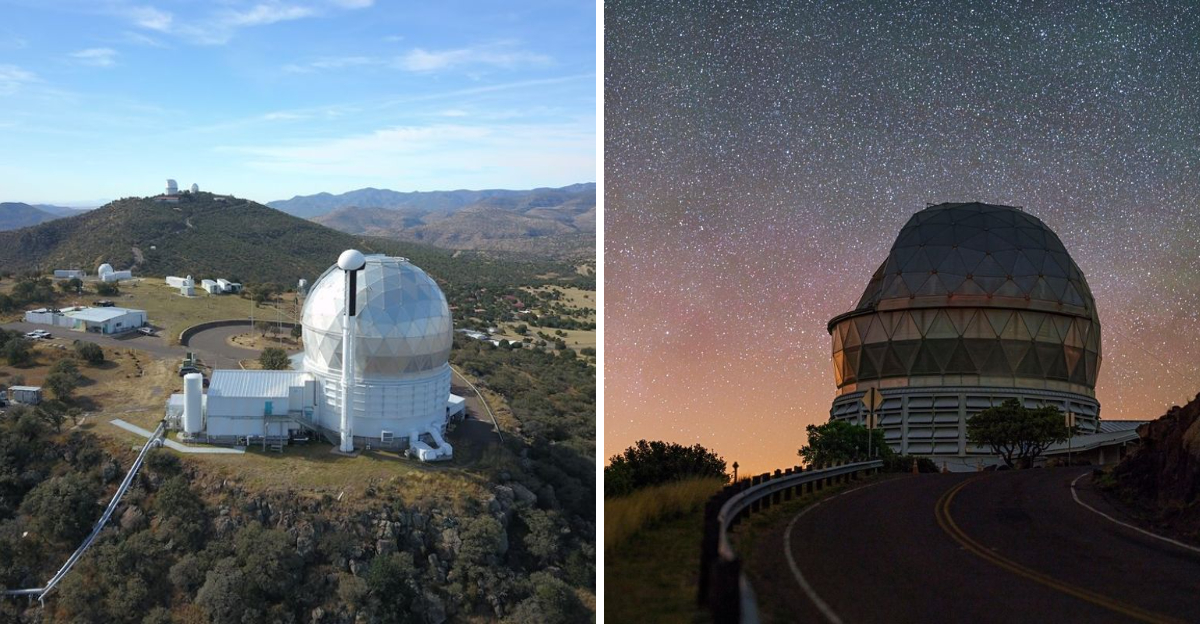
Most nights don’t make you feel small in a good way, but this one does.
Out here, the sky actually shows off. Stars pile up by the thousands, planets come into focus, and suddenly all the stuff you usually think about feels pretty far away.
It’s not just looking up, it’s realizing how much is out there once the lights disappear.
Texas has a few dark sky spots, but this experience takes it further, turning a regular night into something you’ll be thinking about long after you head back home.
Frank N. Bash Visitors Center: Where the Journey Starts
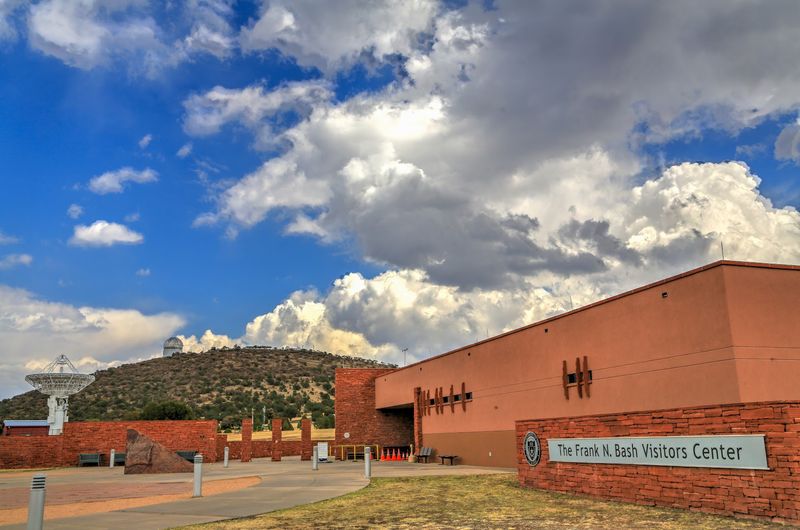
Most people begin their visit at the Frank N. Bash Visitors Center, and honestly, it earns its place as the starting point.
The building houses a theater, a hands-on science museum, a gift shop, and the StarDate Cafe, which is a solid spot to grab a bite before an evening program. It is open Tuesday through Saturday, and the hours are designed to accommodate both daytime and nighttime visitors.
The interactive exhibits inside are genuinely engaging, even for adults who think they already know a thing or two about space. There are models, displays, and explanations that break down complex astronomy concepts into something approachable.
Kids especially seem to light up in here, which makes it a strong family stop.
The theater presentations give helpful context before you head out to the telescopes. Understanding a little about what you are about to see makes the actual viewing experience far richer.
I appreciated that the staff kept things accessible without dumbing anything down. The visitors center sets a tone that feels curious and welcoming rather than intimidating, which matters a lot when you are dealing with a subject as vast and potentially overwhelming as the universe itself.
The Davis Mountains Setting That Makes It All Possible
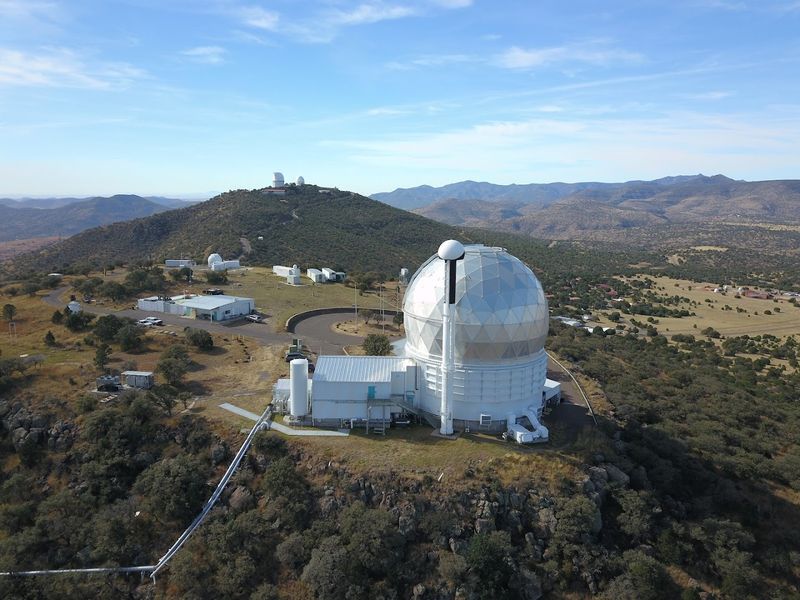
The location of McDonald Observatory is not an accident. The Davis Mountains in West Texas were chosen specifically because they offer some of the darkest, clearest skies in the continental United States.
Light pollution is almost nonexistent out here, and the high elevation keeps the atmosphere steady, which is exactly what astronomers need.
Fort Davis sits at around 5,000 feet above sea level, and the observatory itself climbs even higher. That altitude makes a real difference when you are trying to peer through billions of miles of space.
The air is thinner, drier, and far less turbulent than what you would find at lower elevations.
The drive up the mountain alone is worth the trip. Winding roads cut through scrubby juniper and oak, and the landscape shifts in a way that feels almost cinematic.
By the time you arrive at the summit, you already feel removed from the everyday world. The mountains do a lot of the storytelling before you even look through a single telescope lens.
Nature set the stage here, and the observatory takes full advantage of every square mile of that dramatic backdrop.
Solar Viewing Sessions That Show You the Sun in a New Way
Most people associate observatories with nighttime, so the daytime solar viewing sessions at McDonald Observatory catch visitors off guard in the best possible way.
Held daily at 11:00 am and 2:00 pm, weather permitting, these sessions give you a live look at the surface of the sun through specially filtered telescopes.
It is not something you can do safely at home, which makes it feel genuinely exclusive.
Seeing the sun up close is a different kind of awe than stargazing. The surface churns and ripples in ways that look almost alive.
Solar flares, sunspots, and surface textures become visible in stunning detail, and the trained staff on hand explain what you are looking at in real time.
There is something almost counterintuitive about spending part of your observatory visit staring at a star in broad daylight. But it reframes the whole experience.
The sun stops being just the thing that makes you squint on a summer afternoon and becomes a dynamic, massive, and slightly terrifying object that our entire solar system depends on. That shift in perspective alone is worth the stop.
It pairs beautifully with the nighttime programs that follow later in the evening.
Star Parties That Turn Strangers Into Fellow Stargazers
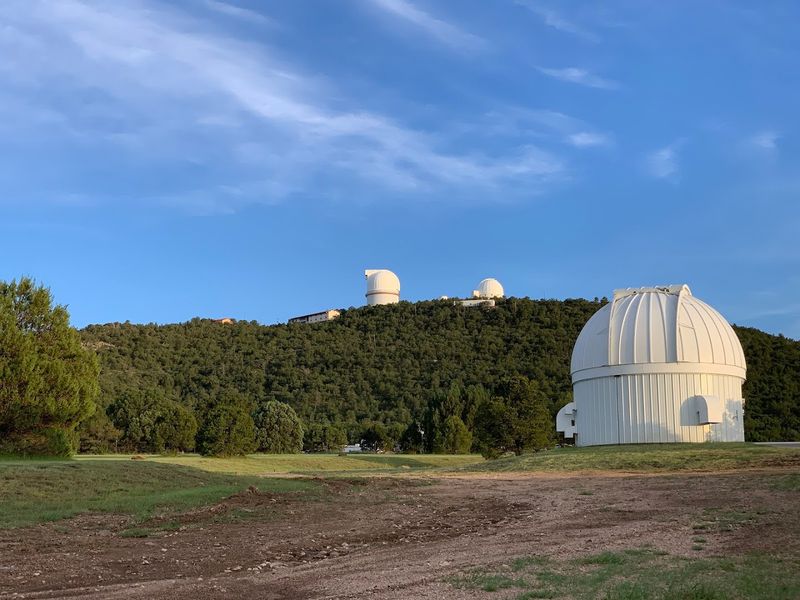
Tuesday, Friday, and Saturday nights belong to the Star Parties at McDonald Observatory, and they are the crown jewel of the visitor experience. These are organized public events where guests use multiple large telescopes at the Public Observatory to view planets, star clusters, nebulae, and distant galaxies.
The setup is communal in the best sense, strangers lining up side by side, all sharing the same quiet amazement.
Each Star Party includes a twilight program before full darkness falls, which helps orient newcomers to what they are about to see. The guides are knowledgeable and genuinely enthusiastic, the kind of people who could talk about space for hours and somehow make it feel like a conversation rather than a lecture.
What surprised me most was how social the whole thing felt. People chatted between telescope turns, kids asked wildly creative questions, and everyone seemed to shed whatever stress they had carried up the mountain.
There is something about standing under a sky that vast together that dissolves social barriers pretty quickly. By the time Jupiter swam into focus through the eyepiece, ringed by its moons, the crowd around me let out a collective sound that was somewhere between a gasp and a laugh.
That reaction said everything.
The Telescopes Themselves Are Engineering Marvels
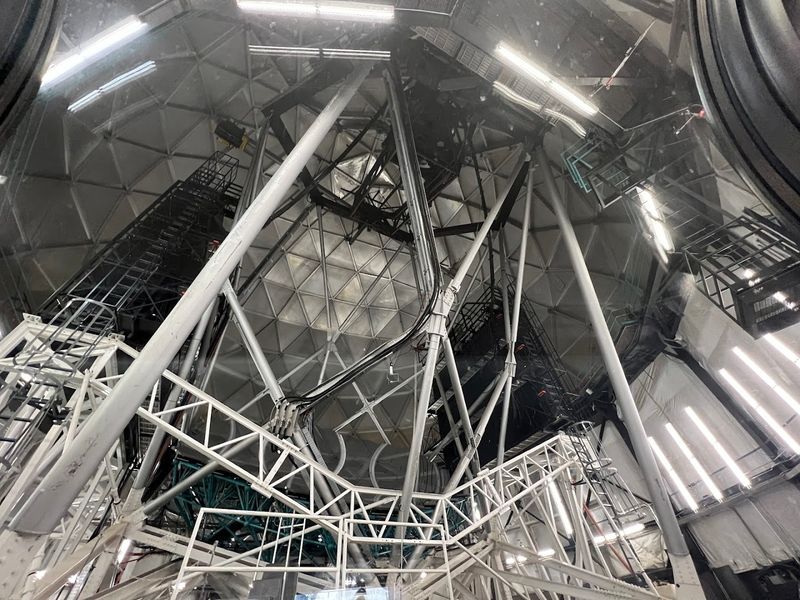
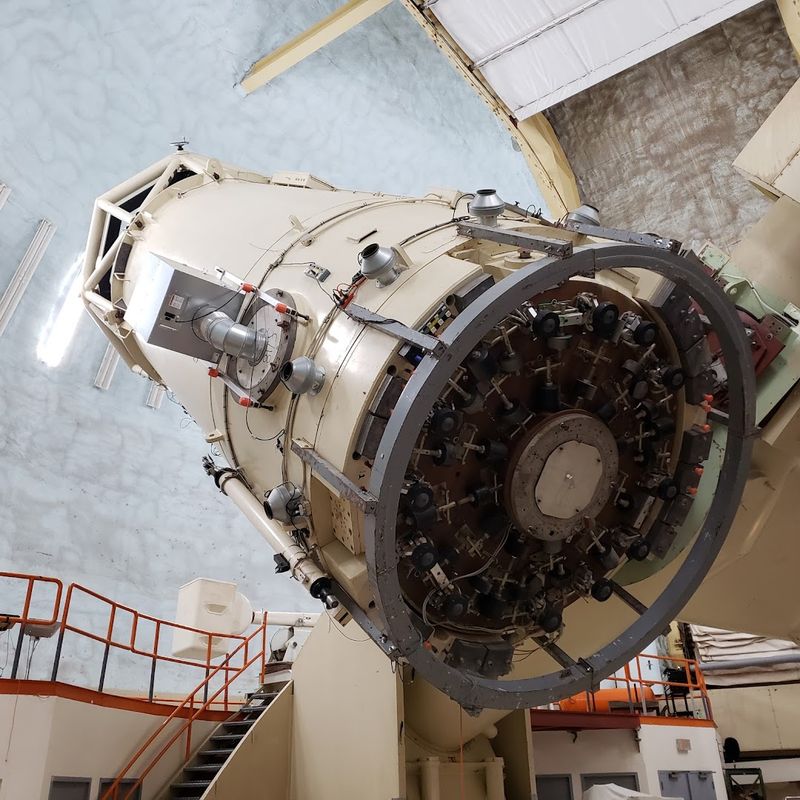
The telescopes at McDonald Observatory are not the kind you pick up at a hobby shop. The Hobby-Eberly Telescope, one of the largest in the world, has a primary mirror that spans nearly 10 meters.
It is used for serious scientific research, probing the edges of the observable universe and helping astronomers study black holes, dark energy, and distant star systems.
Visitors do not peer through the research telescopes during public programs, but guided tours of the major domes are available and absolutely worth taking. Getting up close to the scale of these instruments is its own kind of jaw-dropping.
The engineering involved is staggering, and the guides do a great job of explaining how the technology works without losing you in jargon.
The public telescopes used during Star Parties are no slouches either. They are powerful enough to resolve the rings of Saturn, the cloud bands of Jupiter, and the craters of the Moon with crisp clarity.
Knowing that you are using equipment built and maintained by the University of Texas adds a layer of credibility to the whole experience. This is not a theme park version of astronomy.
It is the real thing, made accessible to anyone willing to make the drive.
Dark Sky Designation and Why It Changes Everything
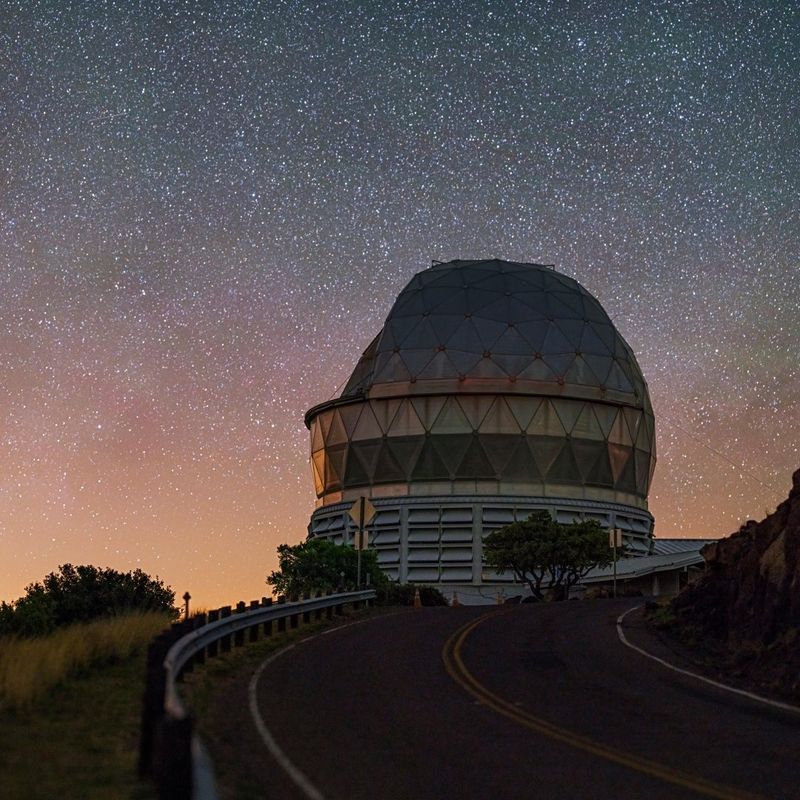
McDonald Observatory sits in one of the most light-pollution-free regions of the United States. The surrounding area has some of the strongest dark sky protections in the country, a result of ongoing efforts between the observatory, local governments, and communities who understand what is at stake.
That kind of coordinated commitment is rare and worth appreciating.
On a clear night, the difference is staggering. The Milky Way is not a faint smear here.
It is a thick, textured band of light that stretches horizon to horizon, full of depth and color that city dwellers rarely get to see. Even without a telescope, the naked-eye sky at McDonald Observatory is one of the most spectacular natural sights in Texas.
Dark sky preservation is also an environmental and cultural issue that the observatory takes seriously. The staff often discuss why artificial light pollution matters beyond just astronomy, touching on effects on wildlife, human sleep cycles, and the simple human right to see the stars.
That broader framing made me think about light pollution differently when I got back home. It is one of those invisible problems that becomes impossible to ignore once you have seen what a truly dark sky looks like.
The contrast is unforgettable.
Fort Davis: The Small Town With Big Atmosphere
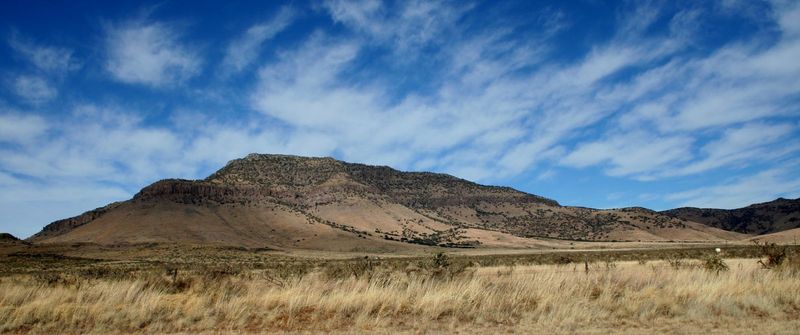
Fort Davis itself deserves more credit than it usually gets. The town is tiny, with a population that barely breaks a thousand, but it has a quiet, unhurried character that pairs perfectly with a trip to the observatory.
The historic Fort Davis National Historic Site is just a short drive from the mountain, and it offers a completely different but equally compelling story about the region.
Local restaurants and shops reflect the West Texas personality: straightforward, friendly, and unpretentious. The kind of place where the person behind the counter at a cafe asks where you are from and actually listens to the answer.
There is a slowness to Fort Davis that feels restorative rather than boring.
Spending a night or two in town rather than rushing in and out makes the whole trip more meaningful. The morning after a Star Party, watching the sun rise over the Davis Mountains from a porch in Fort Davis, hits differently when you spent the night before looking at planets.
The contrast between the intimate scale of the town and the infinite scale of what you witnessed through those telescopes creates a kind of mental vertigo that stays with you. Fort Davis is a place that earns a second visit.
Visiting With Kids and Making Space Feel Personal
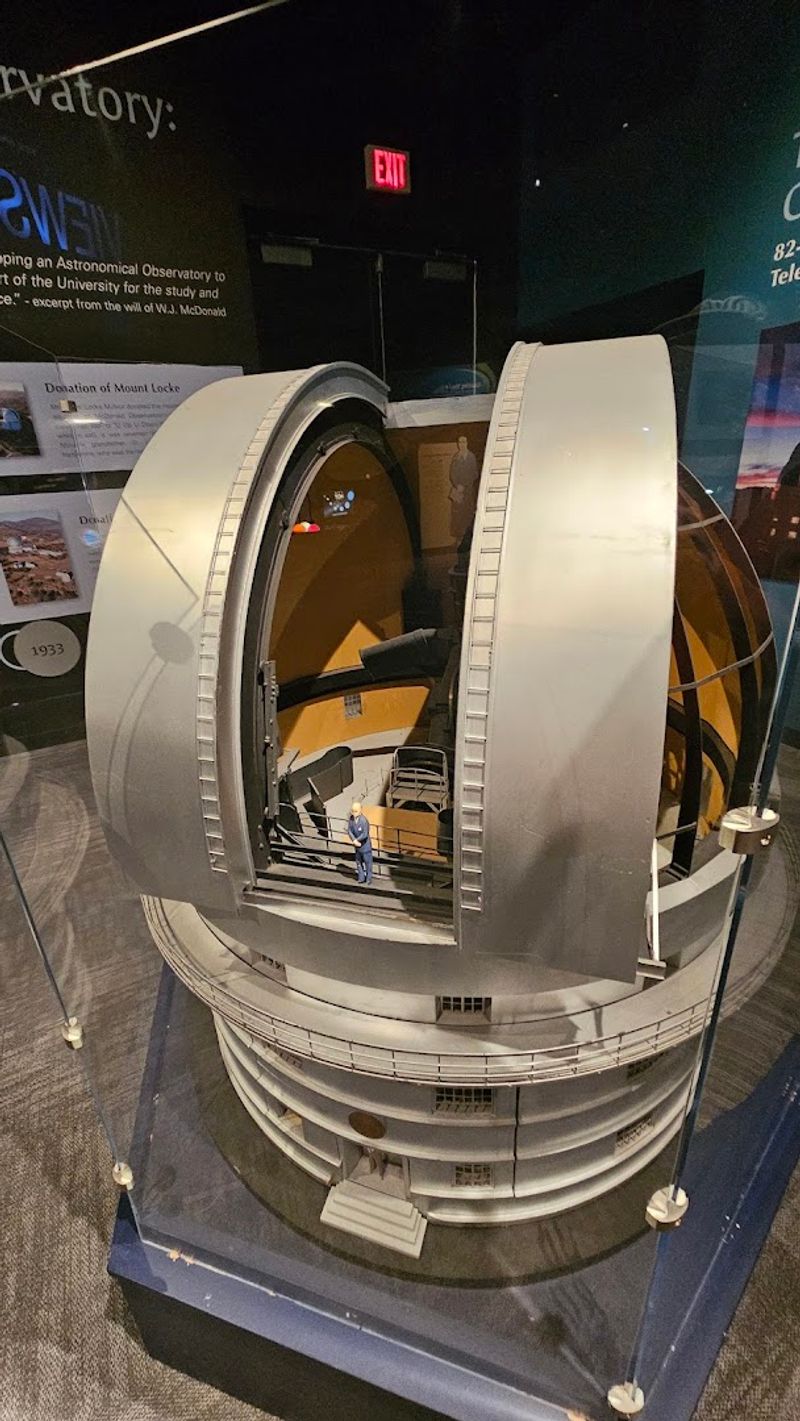
Bringing kids to McDonald Observatory is one of those parenting decisions that pays off immediately and keeps paying off for years. The moment a child looks through a telescope and sees Saturn for the first time, something shifts.
It is not dramatic or loud, it is quiet and wide-eyed, and it tends to spark questions that last for weeks.
The programs are designed to be accessible for younger visitors without boring the adults in the group. Staff members are patient with curious kids and know how to pitch explanations at the right level.
The interactive exhibits at the visitors center also give children something hands-on to engage with before and after the telescope sessions.
One of the underrated benefits of visiting with kids is that their enthusiasm is contagious. They ask the questions adults are sometimes too self-conscious to ask, and those questions often lead to the most interesting conversations with the guides.
The observatory does not talk down to young visitors, it treats their curiosity as legitimate, which is exactly the right approach. A trip here plants a seed.
Some of those kids will grow up to be scientists, and others will simply carry a deeper sense of wonder about the universe. Either outcome seems worth the drive to Fort Davis.
Planning Your Visit for the Best Possible Experience
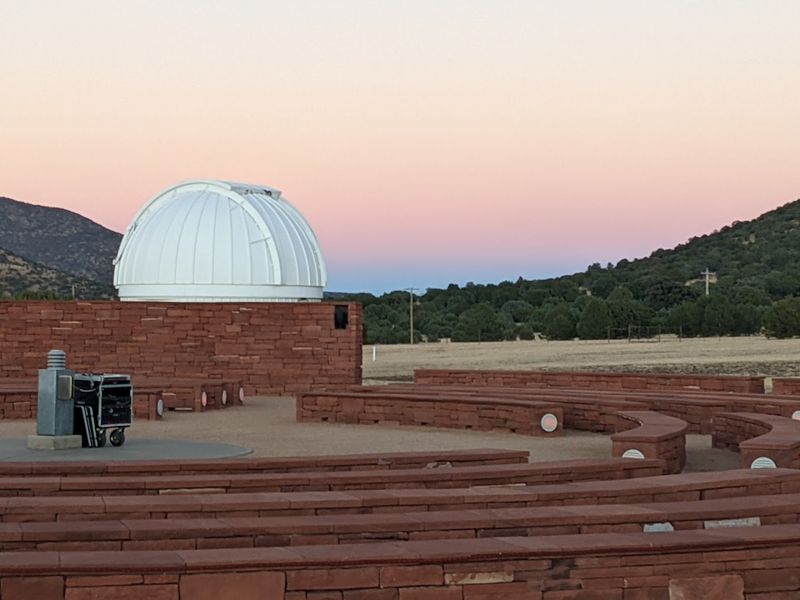
Getting the most out of a trip to McDonald Observatory takes a little planning, but not much. The visitors center is open Tuesday through Saturday, and Star Parties happen on Tuesday, Friday, and Saturday evenings.
Checking the official website before you go is smart because programs can be affected by weather, and you will want to know if viewing conditions are expected to be clear.
Arriving early enough to do the daytime solar viewing and then staying for the evening Star Party is the ideal way to spend a full day here. That combination covers the sun, the moon, and deep-sky objects all in one visit, which gives you a genuine sense of the observatory’s full range.
Layering up for the evening is a must, even in summer, because the mountain gets genuinely cold after dark.
Booking tickets in advance is recommended, especially on weekends when the Star Parties tend to fill up. The drive to Fort Davis from major Texas cities is long, several hours from San Antonio or Dallas, so planning an overnight stay in the area makes the journey feel less rushed and far more enjoyable.
The McDonald Observatory website has all the details you need to put together a smooth, memorable trip to one of Texas’s most underrated destinations.
Address: 3640 Dark Sky Dr, Fort Davis, TX 79734
Dear Reader: This page may contain affiliate links which may earn a commission if you click through and make a purchase. Our independent journalism is not influenced by any advertiser or commercial initiative unless it is clearly marked as sponsored content. As travel products change, please be sure to reconfirm all details and stay up to date with current events to ensure a safe and successful trip.
