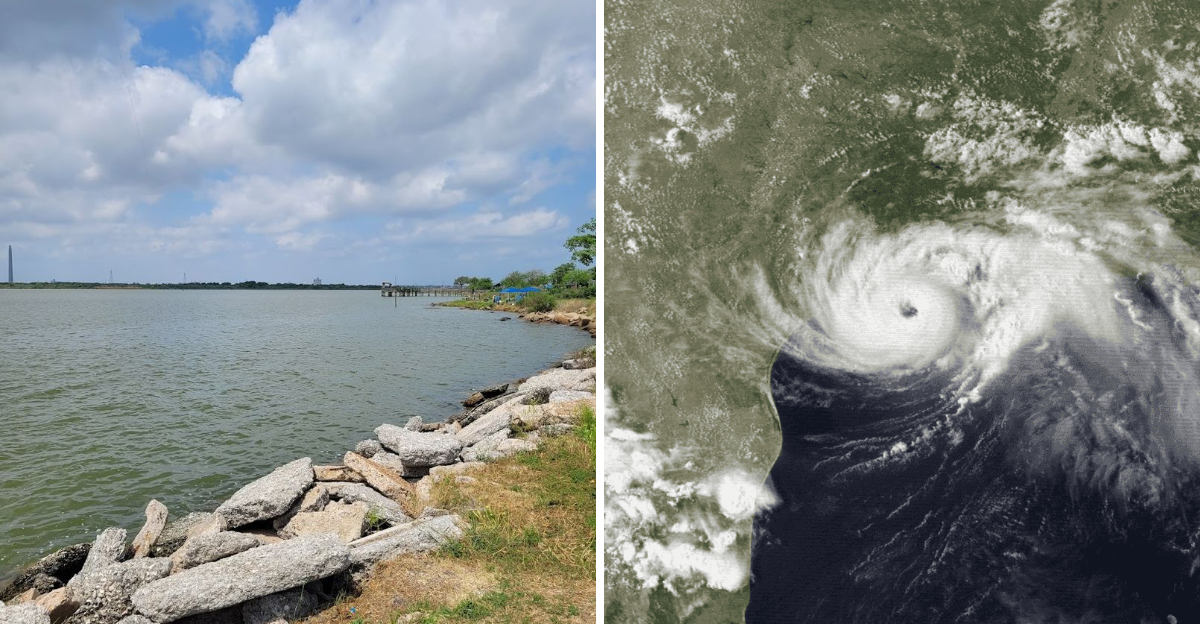
This 450-acre peninsula used to hold over a thousand homes, a whole neighborhood full of families, streets, and everyday life. Then Hurricane Alicia changed everything in a matter of hours.
Today, the same land has been reclaimed by nature, with walking trails, wildlife, and a silence that feels strange given what used to be there. You can wander along the water and see only birds and breeze, no houses, no crowds, just open space.
It is beautiful now, but also a little haunting when you know the backstory. The hurricane was fierce, and the land never went back to the way it was.
Now it belongs to the animals, the wind, and anyone who wants to walk where a community once lived.
The Rise of Brownwood: An Upscale Neighborhood Built on a Peninsula
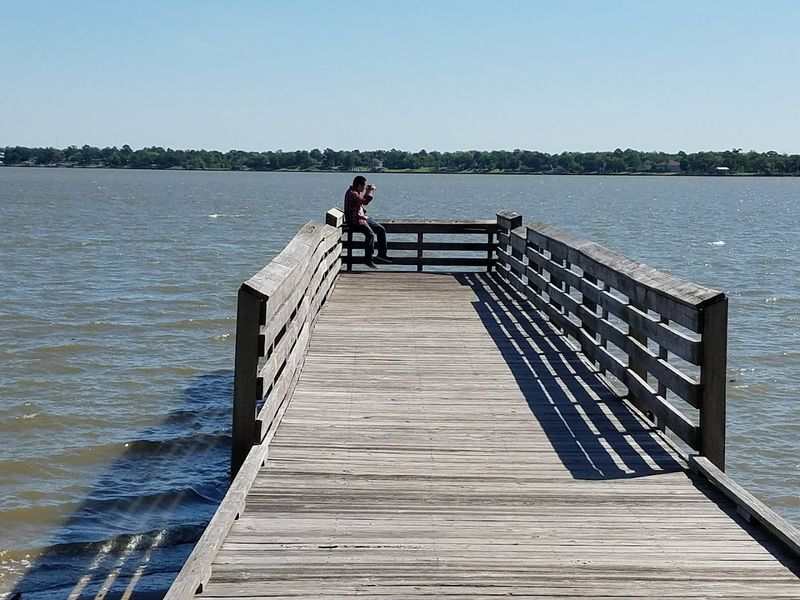
Back in 1937, a developer looked at this finger of land surrounded by Burnet, Crystal, and Scott Bays and saw potential. The Brownwood subdivision was born, designed primarily to house executives from Humble Oil and Refining Company, one of the most powerful energy companies of its era.
It quickly earned the nickname “The River Oaks of Baytown,” a nod to Houston’s most prestigious neighborhood.
Nearly 400 homes eventually filled the peninsula, and by all accounts it was a genuinely lovely place to live. Wide streets, bay breezes, and a strong sense of community gave Brownwood a reputation that attracted families looking for something a little more refined.
People took pride in their yards and their neighbors.
What made the neighborhood feel special was its location. Being surrounded by water on three sides gave it a resort-like quality that most Houston suburbs simply could not offer.
Kids grew up fishing off piers, and evenings probably smelled like salt air and cut grass. It is almost impossible to picture now, standing among the marshes and migratory birds, but Brownwood was once genuinely thriving.
The bones of that community are still quietly present if you know where to look.
Land That Wouldn’t Stay Put: The Subsidence Crisis That Changed Everything
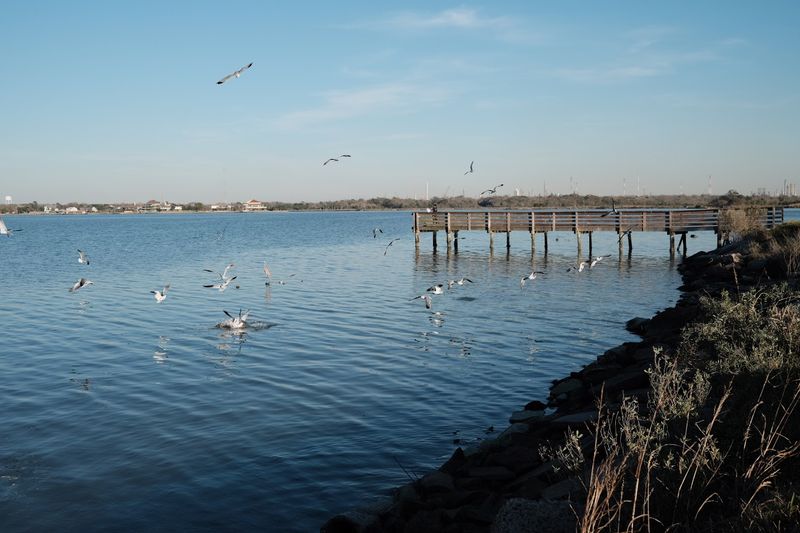
By the 1960s, something alarming was happening beneath Brownwood’s manicured lawns. The land was sinking.
Slowly at first, then dramatically, the ground dropped between 10 and 15 feet over the following two decades. For a neighborhood sitting right at bay level, that kind of subsidence was nothing short of catastrophic.
Scientists and engineers traced the problem to excessive groundwater pumping by local industries and municipal users. Pulling water from deep underground caused the clay layers beneath the soil to compact, and the earth simply collapsed downward.
Brownwood, perched on a peninsula with nowhere for floodwater to go, bore the worst of it.
Residents started calling their streets “Submarine Acres” and “Flood City, U.S.A.,” names that were darkly funny but also painfully accurate. A survival civic association formed just to help neighbors cope with the constant flooding that came with every heavy rain or storm surge.
After Hurricane Carla hit in 1961, conditions worsened noticeably. People were patching, sandbagging, and adapting, but the land kept sinking and the water kept rising.
It was a slow-motion emergency that lasted for years before anything decisive was done. The community’s resilience was real, but so was the inevitability of what was coming.
Hurricane Alicia: The Storm That Ended Brownwood for Good
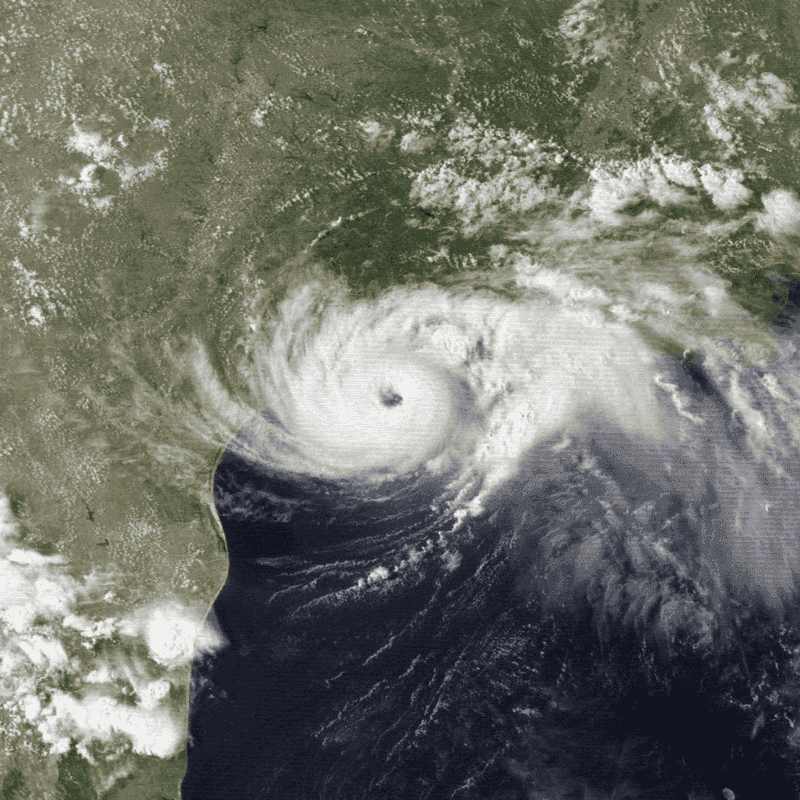
August 18, 1983, is a date that still carries weight in Baytown. Hurricane Alicia made landfall as a Category 3 storm on Galveston Island that morning, and the storm tides it pushed inland reached 10 to 12 feet across the Baytown area.
For a neighborhood already sitting well below its original elevation, that wall of water was simply unsurvivable as a community.
Most of Brownwood’s homes were destroyed or rendered completely uninhabitable. The storm did not just damage the neighborhood; it essentially erased it.
What had taken decades to build was gone in hours, and even the most optimistic residents understood there was no rebuilding this time.
Alicia became what historians and locals call the “final nail in the coffin” for Brownwood. After years of flooding, subsidence, and near-misses, the storm made the decision for everyone.
FEMA and the City of Baytown stepped in with a buyout program that cost between 22 and 25 million dollars in 1983 money. Property owners were compensated and relocated.
Demolition crews arrived and buried approximately 230 ruined homes and their debris right on-site, under the soil of the peninsula. It was a quiet, efficient end to a neighborhood that had fought hard just to exist.
From Rubble to Refuge: How Baytown Nature Center Was Created
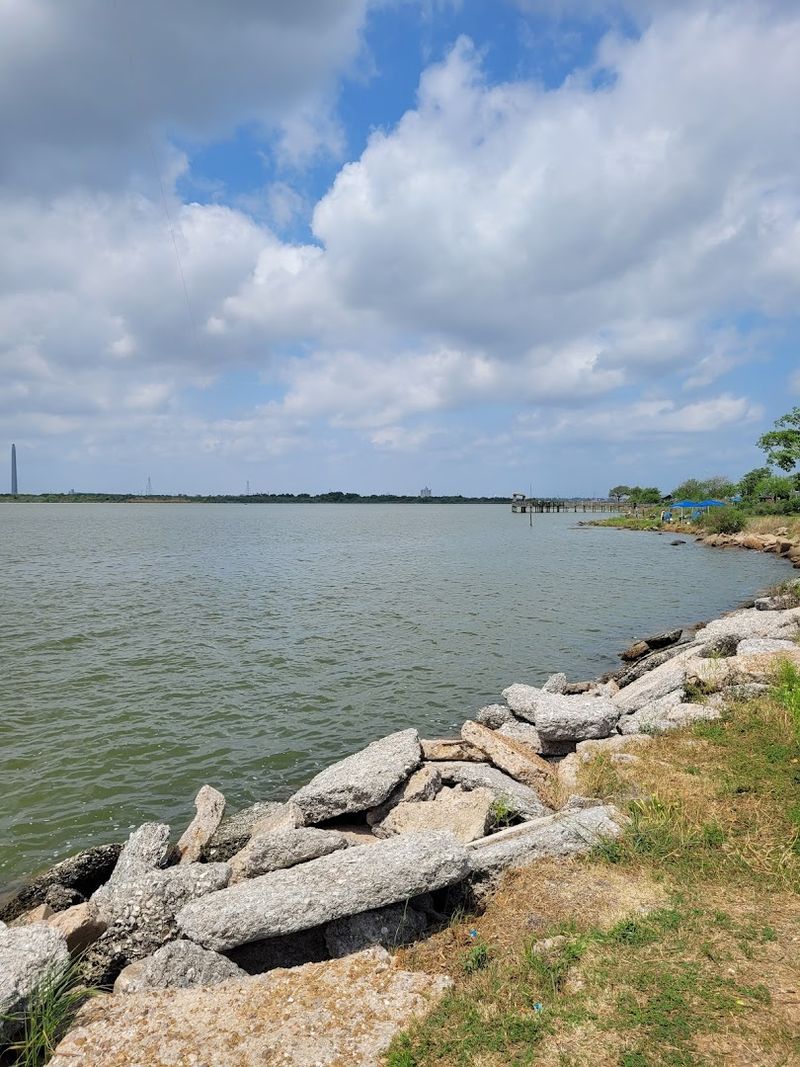
After the buyout and demolition, the peninsula sat quietly for years, nature slowly reclaiming what had once been streets and driveways. The City of Baytown officially established the Baytown Nature Center in 1994, and restoration work began later that same year.
The transformation from ruined subdivision to functional wildlife sanctuary was not instant, but it was intentional.
Planners and conservationists worked to restore native vegetation, manage water flow across the marshes, and create trails that would let visitors explore without disturbing the habitat. Old roads that once carried station wagons full of kids to school became footpaths for birders and hikers.
The infrastructure of a neighborhood became the skeleton of a nature park.
What makes this origin story so remarkable is the scale of the change. In just a few decades, a place defined by human activity became one of the most ecologically productive spots on the Texas Gulf Coast.
Wetlands, ponds, and native grasses now cover land that once had front porches and mailboxes. The center opened to the public and quickly attracted attention from naturalists and casual visitors alike.
It is a genuine conservation success story, even if it was born out of loss and disaster. That contrast gives the place a depth that a purpose-built park simply cannot replicate.
A World-Class Birding Destination on the Great Texas Coastal Birding Trail
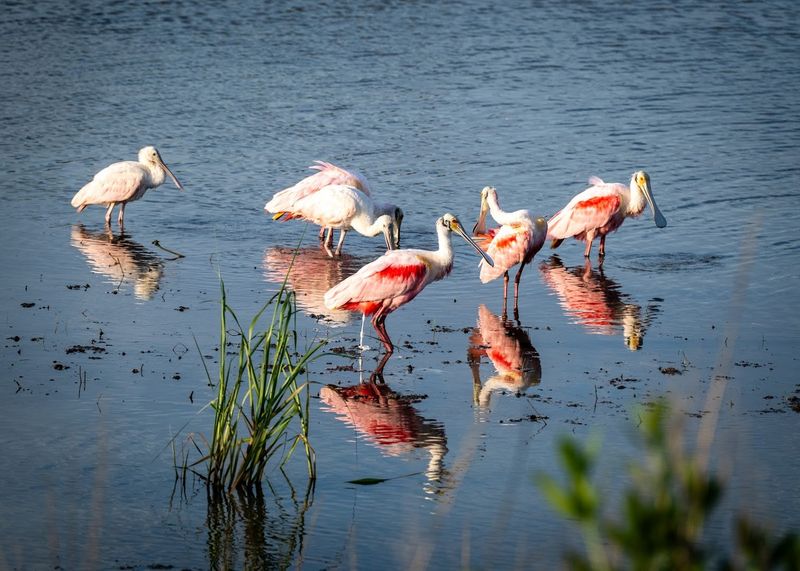
The birding at Baytown Nature Center is legitimately exceptional, and that is not just local pride talking. The site is an internationally recognized bird-watching location and a designated stop on the Great Texas Coastal Birding Trail, a network of premier birding spots stretching along the Gulf Coast.
That kind of recognition does not come easy.
The peninsula’s position makes it a natural magnet for migratory birds moving along the Central Flyway, one of North America’s major bird migration corridors. During spring and fall migrations, the number and variety of species that pass through or stop to rest here is genuinely staggering.
Warblers, shorebirds, raptors, and waterfowl all use this space.
Year-round residents include great blue herons, roseate spoonbills, white ibis, and a rotating cast of egrets that wade through the shallows with impressive patience. Watching a spoonbill work a shallow pond in the early morning light is one of those experiences that makes you forget you are only 30 minutes from downtown Houston.
Birders travel from across the country to tick species off their life lists here. Whether you show up with a professional spotting scope or just a decent pair of binoculars, this place will deliver.
The birds do not disappoint.
Ghost Neighborhood: The Remnants You Can Still Find Today
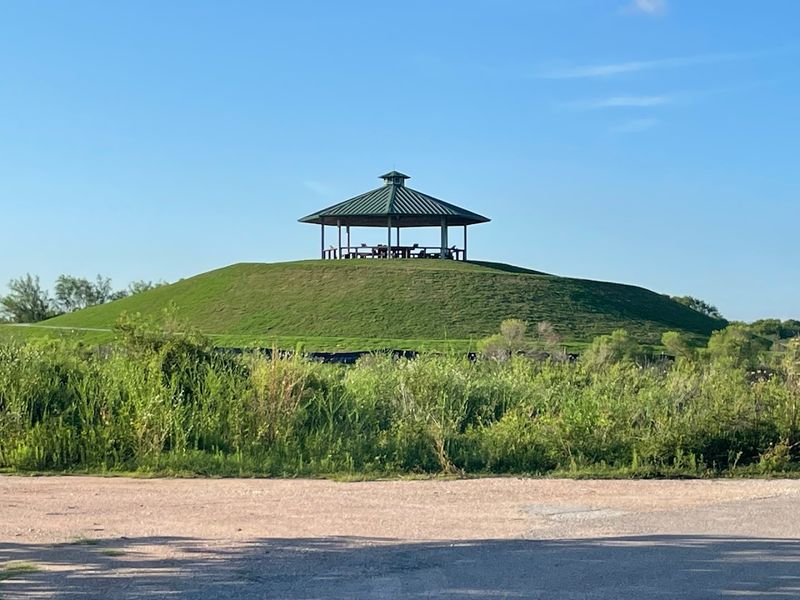
One of the strangest and most compelling things about visiting Baytown Nature Center is stumbling across the physical remnants of Brownwood. They are everywhere once you know to look for them.
Old concrete roads, now cracked and grass-covered, serve as the main walking paths through the park. Manhole covers sit in the middle of marshes, surrounded by cattails.
Utility poles still stand in some areas, slightly tilted by decades of weather and root growth, no longer connected to anything. Concrete slabs that once anchored homes now serve as sunning spots for turtles and resting platforms for egrets.
The neighborhood did not disappear so much as it got absorbed, layer by layer, into the marsh.
There is something genuinely moving about walking a path and realizing it was once a residential street where kids rode bikes and neighbors waved from driveways. The scale of what was lost here is easier to feel than to explain.
I found myself pausing at one old foundation, trying to picture the house that once stood there, the family that called it home. Nature has been generous in covering the scars, but it has not erased them entirely.
Those remnants make every walk through the center feel like a quiet conversation with the past.
The Wetlands, Ponds, and Bay Shoreline That Define the Landscape
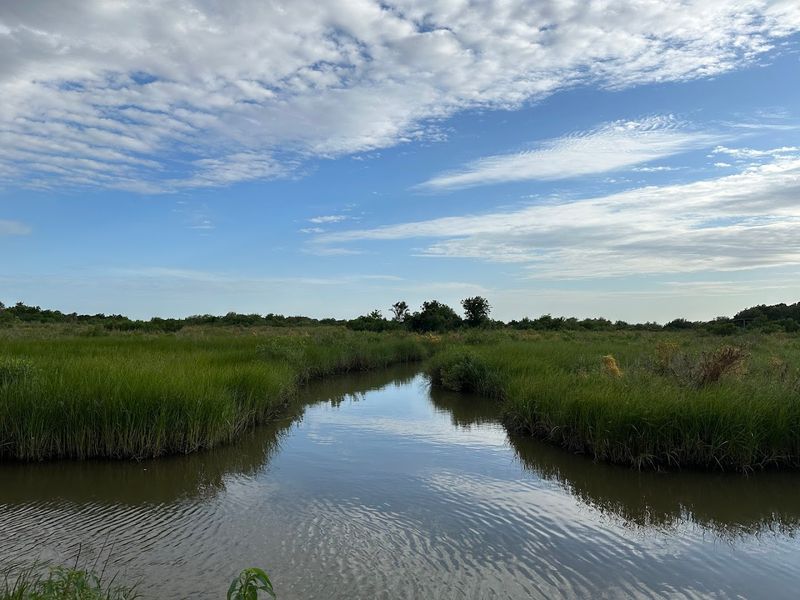
The landscape at Baytown Nature Center is layered in a way that keeps revealing itself the longer you stay. The peninsula is ringed by bay shoreline on three sides, giving it that water-surrounded quality that made Brownwood so appealing to homebuyers back in the day.
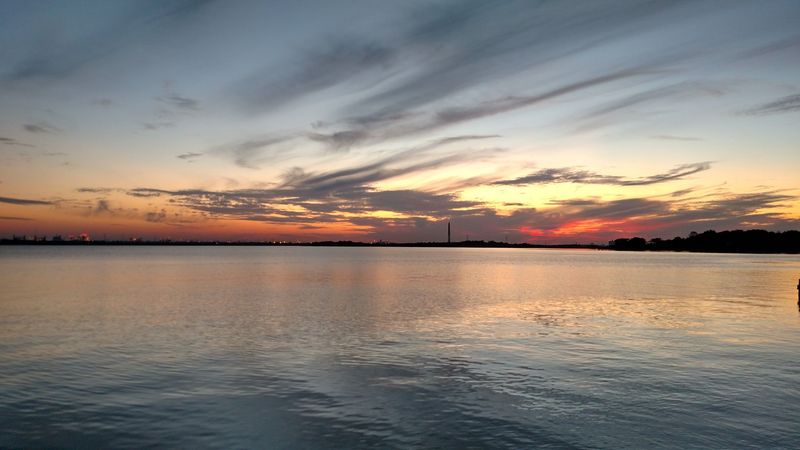
Now, instead of waterfront property, you get unobstructed views of Burnet, Crystal, and Scott Bays stretching out to the horizon.
Freshwater ponds and tidal wetlands cover much of the interior, created and managed as part of the restoration effort. These habitats support an enormous variety of wildlife beyond birds, including alligators, turtles, nutria, and a wide range of native fish and invertebrates.
The wetlands filter water, buffer storm surge, and sequester carbon, doing ecological work that is easy to take for granted.
Trails wind through all of these different zones, and the shift from open pond to dense marsh to bay shoreline happens quickly.
One moment you are watching a great blue heron hunt in still water, and the next you are standing on a gravel path looking out over an open bay with the Houston Ship Channel visible in the distance.
The variety keeps the experience fresh no matter how many times you visit. It is a surprisingly dynamic landscape packed into 450 acres.
Hurricane Ike and the Resilience of a Restored Ecosystem
If Brownwood’s story teaches anything, it is that Gulf Coast land does not get a permanent pass from hurricanes. Baytown Nature Center found that out firsthand in September 2008 when Hurricane Ike made landfall and dealt the park severe damage.
Storm surge inundated the peninsula again, destroying infrastructure, flooding trails, and setting back restoration work that had taken years to complete.
The difference this time was that the land was no longer carrying a neighborhood on its back. Wetlands and native vegetation, while battered, have a natural capacity to absorb and recover from storm damage in ways that subdivisions simply do not.
There were no homes to destroy, no families to displace, no impossible rebuilding decisions to make.
The city and its partners worked to repair the trails, boardwalks, and visitor facilities, and the ecosystem gradually bounced back. That recovery demonstrated something important about the wisdom of the original decision to convert Brownwood into a nature center.
Putting a neighborhood on a sinking, flood-prone peninsula was always going to end badly. Letting it become a wetland gave it a fighting chance.
Ike was a serious blow, but the park came back stronger, and today there is little visible evidence of the damage. The land proved it could take a punch.
Planning Your Visit to Baytown Nature Center Today
Getting to Baytown Nature Center is straightforward, and the drive out along Bayway Drive already starts to feel like you are leaving the city behind. The address is 6213 Bayway Dr, Baytown, TX 77520, and the park sits at the end of a road that gradually narrows as the bay comes into view on both sides.
That approach alone sets the tone for what is ahead.
The center has a small entry fee and is open most days, though hours can vary by season so checking the city of Baytown’s official website before heading out is a smart move.
Bring water, wear sunscreen, and pack bug spray, especially in warmer months when the mosquitoes consider themselves permanent residents.
A good pair of binoculars will dramatically improve your experience.
Early mornings are the best time to visit for wildlife activity, particularly during spring migration when the trails can feel almost electric with bird movement. The park has a visitor center, restrooms, and a network of trails that range from easy walks to longer loops around the peninsula’s edge.
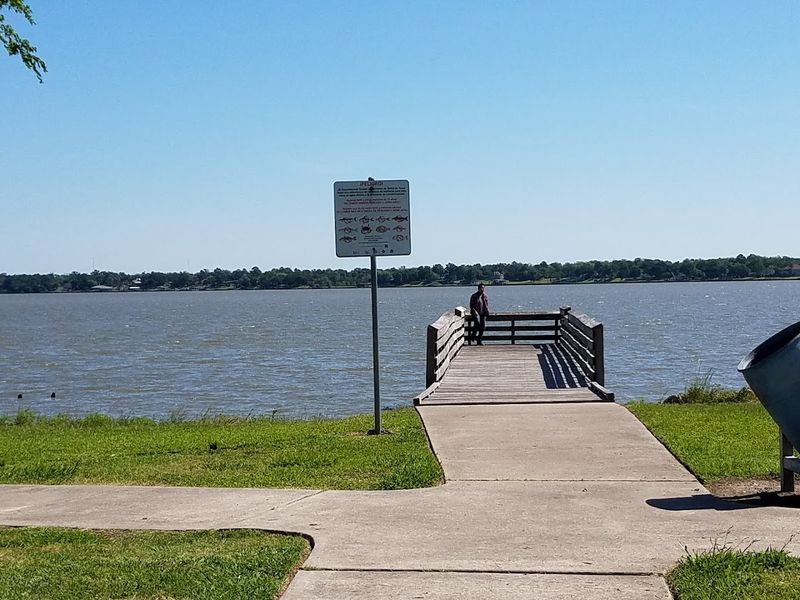
Dogs are welcome on leash. Fishing is permitted in designated areas.
Whatever brings you here, whether it is the history, the birds, or just the need for open space, Baytown Nature Center delivers something genuinely worth the trip.
