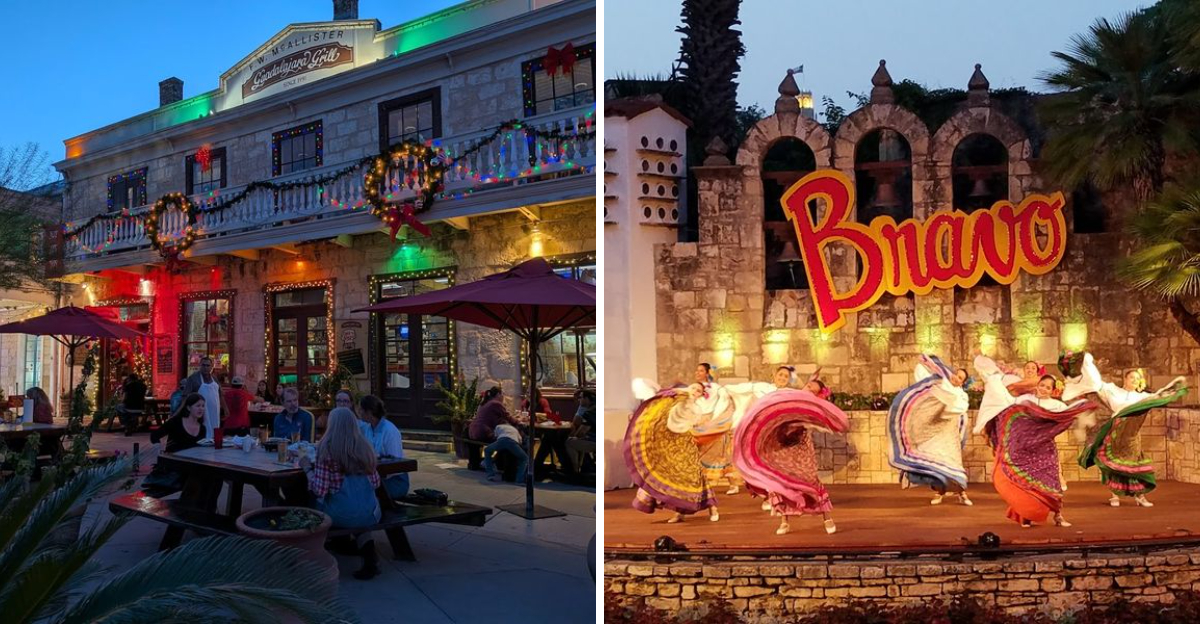
There is a corner of San Antonio where the cobblestones feel like they belong in a Spanish village, the buildings whisper centuries of stories, and the air carries the faint scent of fresh art and warm stone.
Founded in the 18th century as a settlement for Spanish soldiers near the Alamo, this place has been many things over the years, a neighborhood, a forgotten quarter, and now a beautifully restored historic arts district.
You end up taking your time here without planning to. Texas is full of surprises, but this one changes the mood the second you step into it.
If you have never been, this place deserves a full afternoon of your time, and here is exactly why.
The Cobblestone Streets That Transport You Somewhere Else
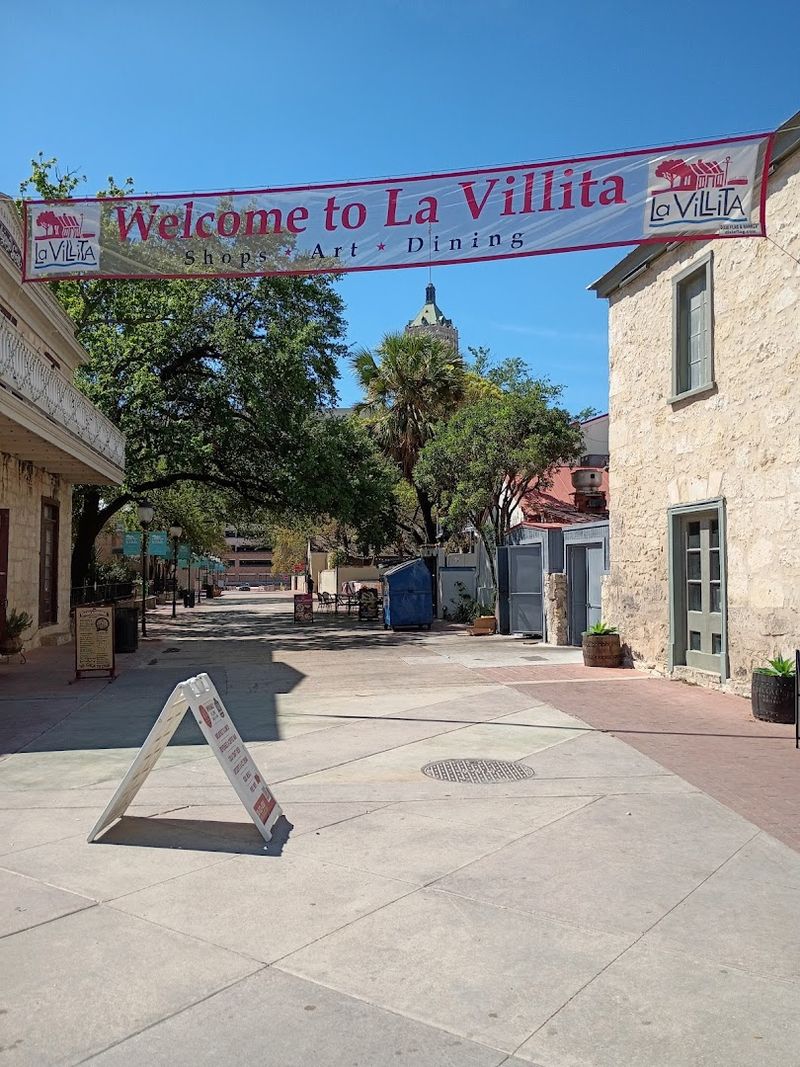
The moment your shoes hit those uneven cobblestones, something shifts. The noise of the city softens, and you start noticing things like the rough texture of limestone walls and the way afternoon light falls across old doorways.
It feels genuinely old, not theme-park old.
La Villita’s streets were never designed for modern traffic or hurrying tourists. They were built for foot traffic, for neighbors, for a slower rhythm of life that still lingers here.
Each block feels like a new scene, with a mix of adobe, limestone, and Victorian-style structures that reflect centuries of overlapping cultures and architectural tastes.
What makes the cobblestones extra special is how they connect everything without a map or a plan. You wander from one building to the next, and somehow every turn reveals something worth photographing or pausing over.
Bring comfortable shoes because the stones are charming but uneven. The whole experience is less about reaching a destination and more about enjoying the path itself, which is a rare and refreshing thing in any travel experience today.
Adobe Walls and Victorian Rooflines Side by Side
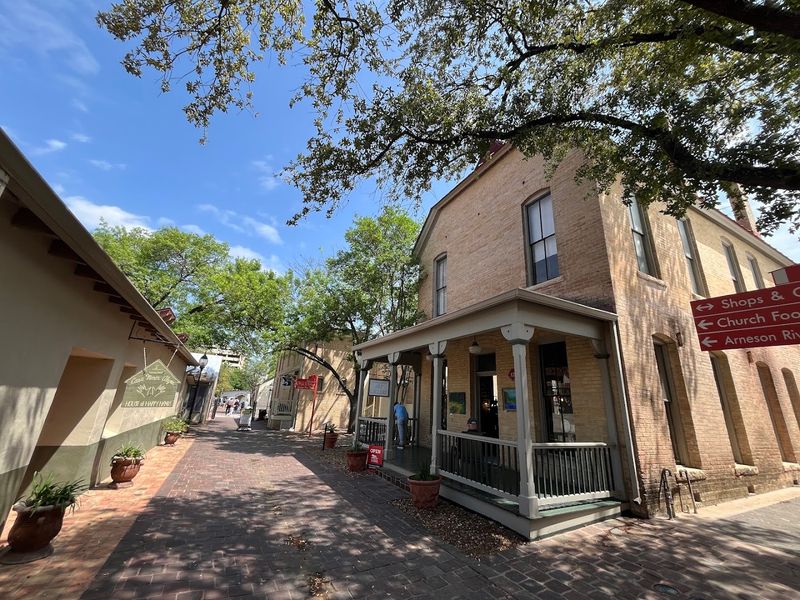
Nowhere else in Texas will you find Spanish adobe sitting comfortably next to Victorian gingerbread trim and German-influenced stonework, all within a single city block. La Villita is an architectural timeline you can actually walk through, and it never feels cluttered or confusing.
The diversity of building styles here tells the real story of San Antonio’s layered past. Spanish soldiers built the first simple structures.
Then came waves of German, French, and Anglo settlers who each left their mark on the neighborhood’s skyline. The result is a streetscape that genuinely looks like it belongs somewhere between Seville and a small Alsatian village.
Restoration work over the decades has kept these buildings functional without stripping them of character. The walls still show their age in the best way, with worn edges, mismatched repairs, and windows that look like they have seen everything.
For anyone who loves architecture, this neighborhood is basically a free outdoor museum. Even if you are not particularly into buildings, the visual variety keeps your eyes busy and your curiosity alive the whole time you are there.
Artisan Shops That Feel Nothing Like a Gift Store
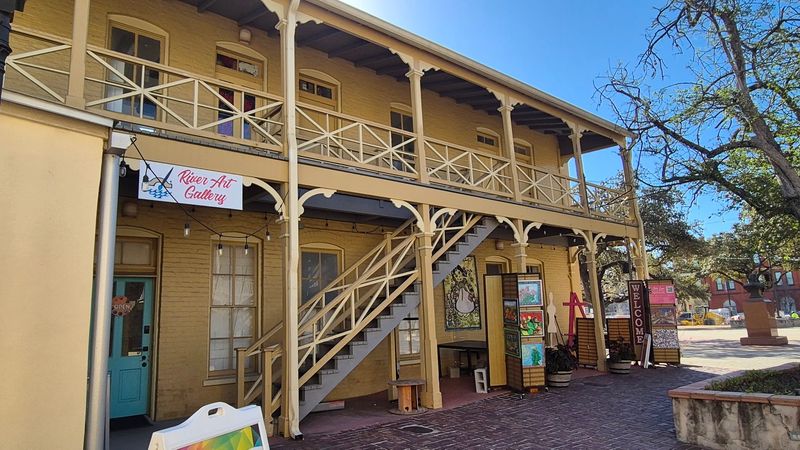
Most souvenir shops feel like the same place with different postcards. La Villita’s artisan studios are genuinely different, and you can feel it the second you step inside one.
The work on display is made by real people with real skill, and that comes through in every piece.
The village has been a hub for working artists and craftspeople for decades. Potters, jewelers, painters, and textile artists have studios right here, meaning you can sometimes watch someone create the very thing you are about to purchase.
That connection between maker and object is something you rarely get in a regular shopping experience.
The variety is impressive without being overwhelming. One shop might specialize in hand-thrown ceramics glazed in earthy southwestern tones.
The next could feature delicate silver jewelry inspired by Native American and Spanish colonial motifs. Some spaces feel more like galleries than stores, with museum-quality pieces alongside more accessible everyday items.
Whatever your budget, there is usually something worth taking home that feels meaningful rather than mass-produced. I picked up a small painted tile that now sits on my kitchen shelf as a permanent reminder of the afternoon I spent here.
The Arneson River Theatre and Its One-of-a-Kind Stage Setup
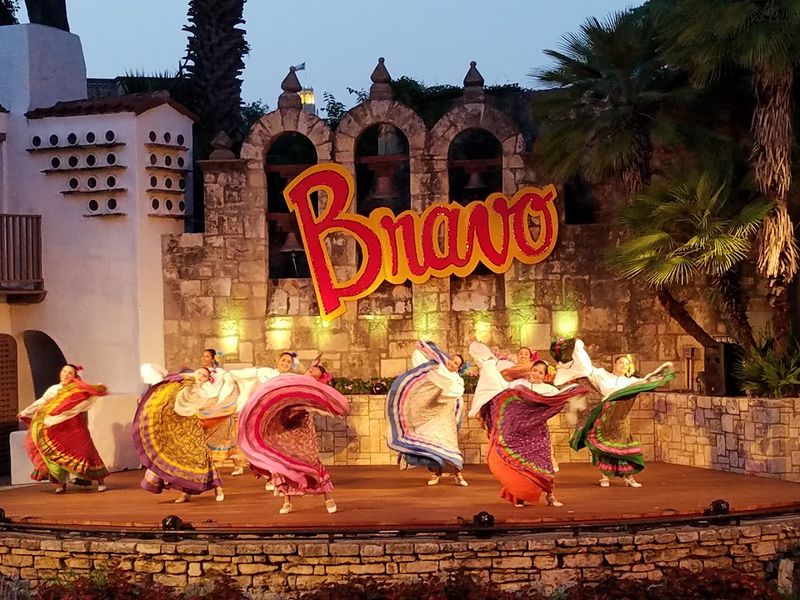
There is something genuinely magical about a theater where the river runs between the audience and the stage.
The Arneson River Theatre is exactly that, an open-air amphitheater built into the riverbank where stone steps serve as seating and the San Antonio River acts as a natural dividing line between performer and crowd.
Built in the 1930s as part of a broader effort to develop the River Walk, the Arneson has hosted everything from folk dancers to symphony performances to Fiesta celebrations.
The design is so clever and so rooted in its landscape that it feels less like a constructed venue and more like a natural gathering place that has always existed.
Catching a performance here is one of those experiences that sticks with you. The outdoor setting means you are surrounded by trees, water sounds, and the ambient glow of the city at night.
Even when nothing is scheduled, the empty theatre is worth a quiet visit. Sit on the stone steps, look across the river, and imagine the performances that have played out on that little stage over nearly a century.
It is humble and extraordinary at the same time.
Address: 418 Villita St, San Antonio, TX 78205
A History That Stretches Back to the Spanish Colonial Era
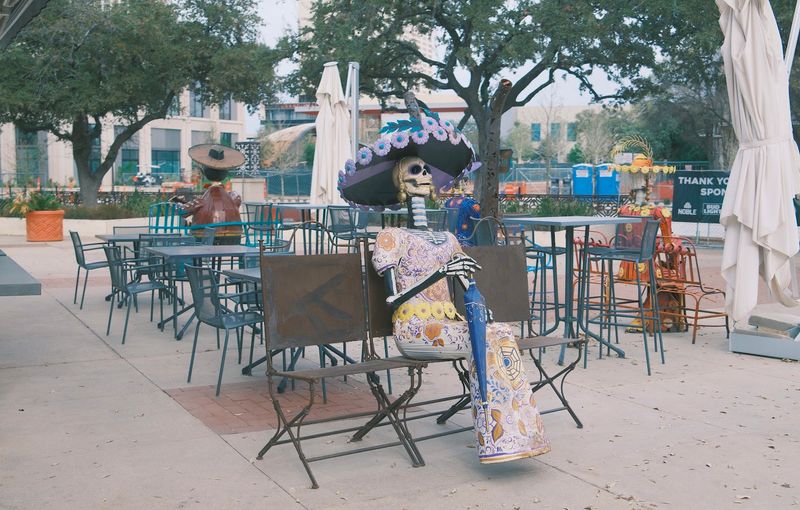
La Villita did not start as a tourist destination. It started as a practical settlement, a place where Spanish soldiers stationed at Mission San Antonio de Valero, now known as the Alamo, built homes for their families in the early 1700s.
That origin story gives the whole neighborhood a weight and authenticity that is hard to fake.
Over the centuries, the area changed hands and identities multiple times. After the Texas Revolution, European immigrants, particularly German and French settlers, moved in and added their own architectural and cultural signatures.
By the 20th century, the neighborhood had fallen into disrepair before a major restoration effort in the 1930s brought it back to life as a cultural and arts district.
Understanding that layered history makes every building more interesting. That crumbling wall is not just old, it is a survivor of multiple eras, multiple owners, and multiple visions for what this place could be.
History enthusiasts will find plenty of informational plaques and markers throughout the village. Even casual visitors tend to leave knowing more than they expected, which is always the sign of a destination that respects its own story.
Night in Old San Antonio and the Festival Culture
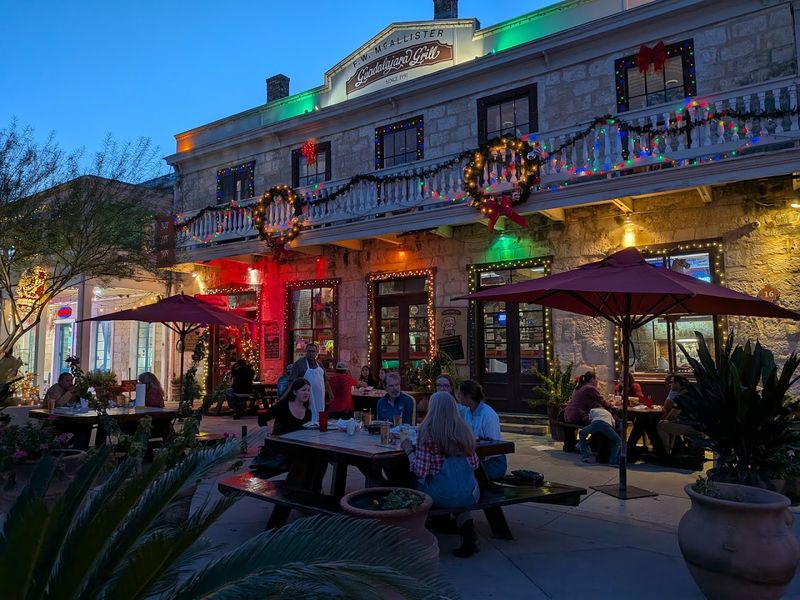
Once a year during Fiesta San Antonio, La Villita transforms into something even more electric than usual. Night in Old San Antonio is one of the city’s most beloved annual events, drawing massive crowds into the village’s courtyards and streets for four nights of music, food, dancing, and cultural celebration.
The event has been running for decades and is organized by the San Antonio Conservation Society. Each night features a different themed area representing the many cultures that shaped the city, from Native American traditions to Spanish colonial heritage to the influences of European immigrant communities.
The energy is infectious and the atmosphere feels genuinely communal rather than commercial.
Even outside of Fiesta season, La Villita hosts regular events throughout the year. Live music drifts out from courtyards on weekends.
Art openings fill the galleries with conversation and creativity. Holiday markets bring a completely different mood to the cobblestone lanes.
The village never feels static or stuck in time. It is always doing something, always gathering people together, which is probably why locals love it just as much as visitors do.
Check the official calendar before your visit so you do not miss something special.
The River Walk Connection That Makes Everything Flow
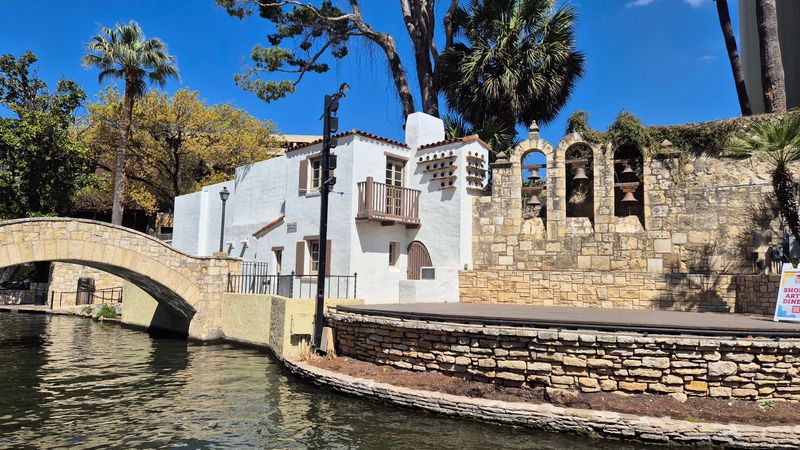
La Villita and the River Walk feel like two parts of the same experience, even though they have very different energies. The River Walk buzzes with restaurants, boat tours, and foot traffic.
La Villita sits just above it, quieter and more contemplative, like the thoughtful older sibling of the famous waterway below.
The physical connection between the two is seamless. Stone staircases and gentle ramps link the village to the river level, making it easy to move between the two without losing your bearings.
That transition from the lively river scene to the hushed cobblestone lanes of La Villita is one of the more satisfying contrasts in San Antonio tourism.
Having the River Walk so close also means the village benefits from great foot traffic without being swallowed by it. Visitors who wander up from the river often seem surprised by what they find, as if they stumbled onto something they were not expecting.
That element of discovery is part of La Villita’s lasting appeal. It rewards the curious and the unhurried, which is a refreshing counterpoint to the more packaged attractions nearby.
Plan to spend time at both, but let La Villita be its own separate chapter in your San Antonio day.
The European Ambiance That Catches Visitors Off Guard
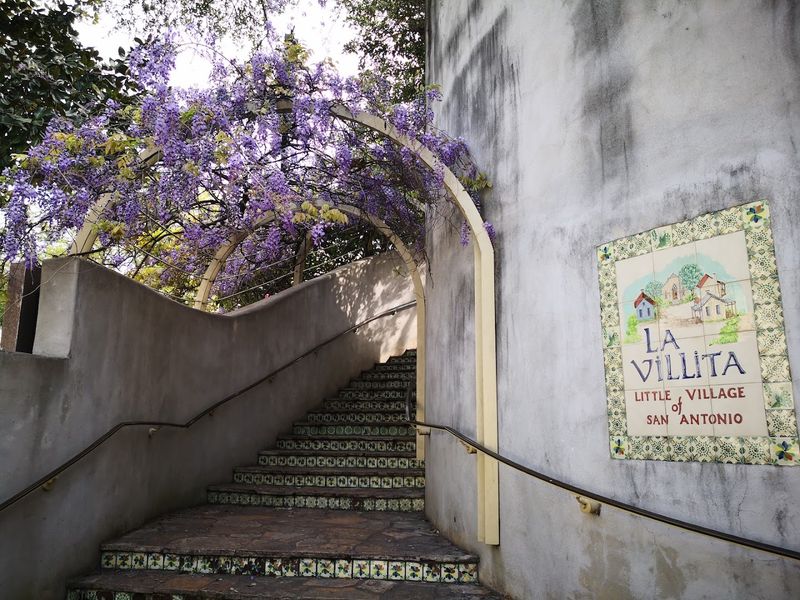
People who visit San Antonio expecting big hats and wide open plains sometimes do a double take when they turn onto Villita Street.
The narrow lane, the flower-draped walls, the wrought iron details on windows and gates, it all reads more like a corner of Granada or a back street in Lyon than anything typically Texan.
That European quality is not accidental. It is the direct result of the German, French, and Spanish influences that shaped the neighborhood over two centuries.
The settlers who came here brought their building traditions with them, and those traditions left permanent marks on the architecture, the layout, and even the planting choices in the courtyards.
What makes the effect so convincing is that it was never designed to imitate Europe. It simply evolved that way through genuine cultural exchange and historical circumstance.
That authenticity is what separates La Villita from themed districts that try too hard. There is no forced whimsy here, just the honest result of generations of people building their lives in a particular style and place.
For travelers who love that old-world feeling but cannot always make it overseas, this neighborhood delivers something genuinely close to the real thing.
Local Restaurants and Cafes Hidden in Historic Buildings
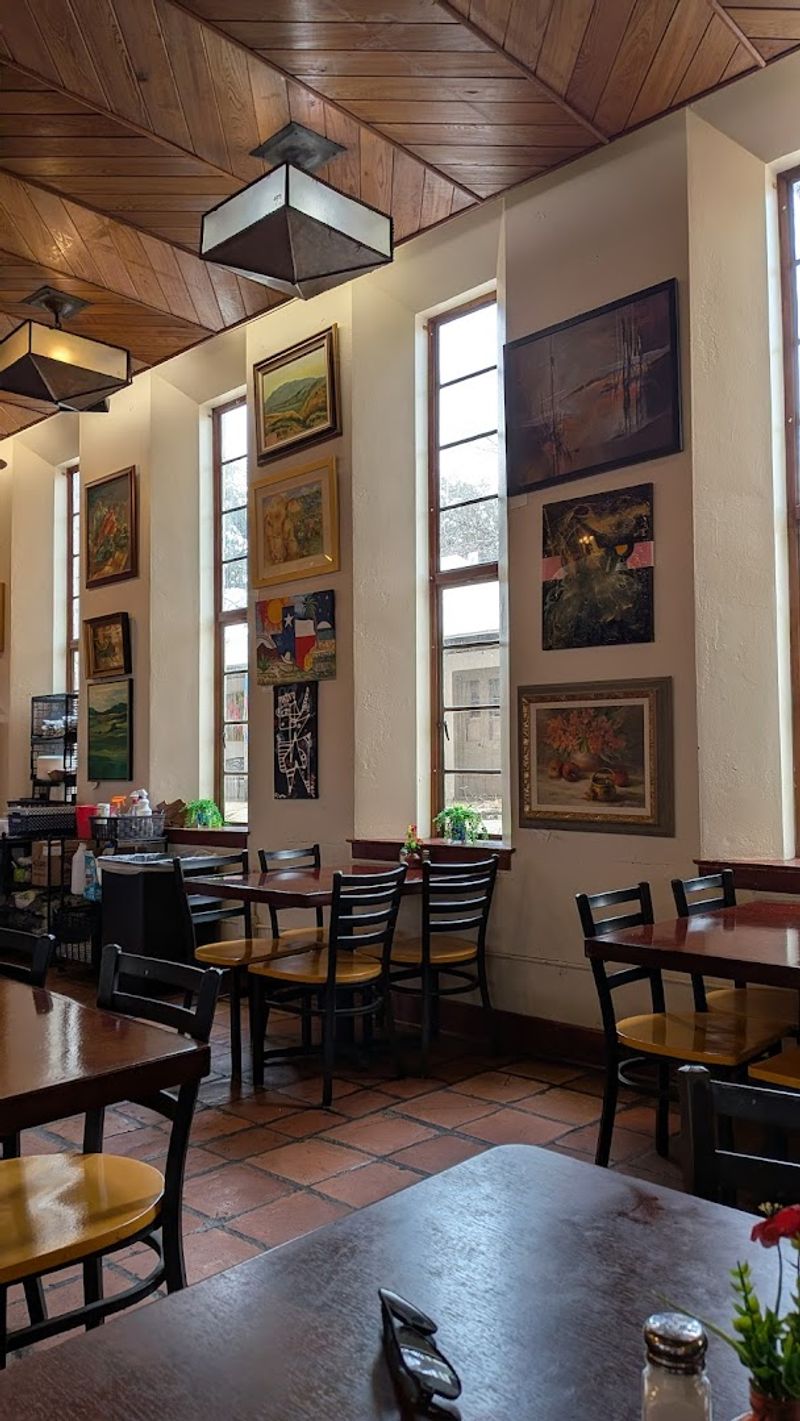
Eating lunch inside a building that is older than the state of Texas is a pretty specific kind of pleasure. La Villita has a handful of dining spots hidden into its restored structures, and the settings alone make them worth seeking out, even before the food arrives.
The restaurants and cafes here tend to reflect the neighborhood’s multicultural roots. You might find dishes inspired by Spanish colonial cooking alongside Tex-Mex staples and contemporary San Antonio cuisine.
The portions are generous, the service is unhurried, and the atmosphere encourages you to linger rather than eat and run.
Outdoor seating in the courtyards is especially enjoyable on mild days. There is something deeply pleasant about sitting under an old oak tree with a plate of something good, surrounded by stone walls and the occasional sound of a busker or a distant festival drum.
The dining options here are not necessarily the flashiest in San Antonio, but they have a warmth and a sense of place that fancier restaurants often lack. If you are planning a full day visit, build your meal around the village rather than heading elsewhere.
The experience of eating here is part of the story.
Why La Villita Deserves More Than a Quick Glance
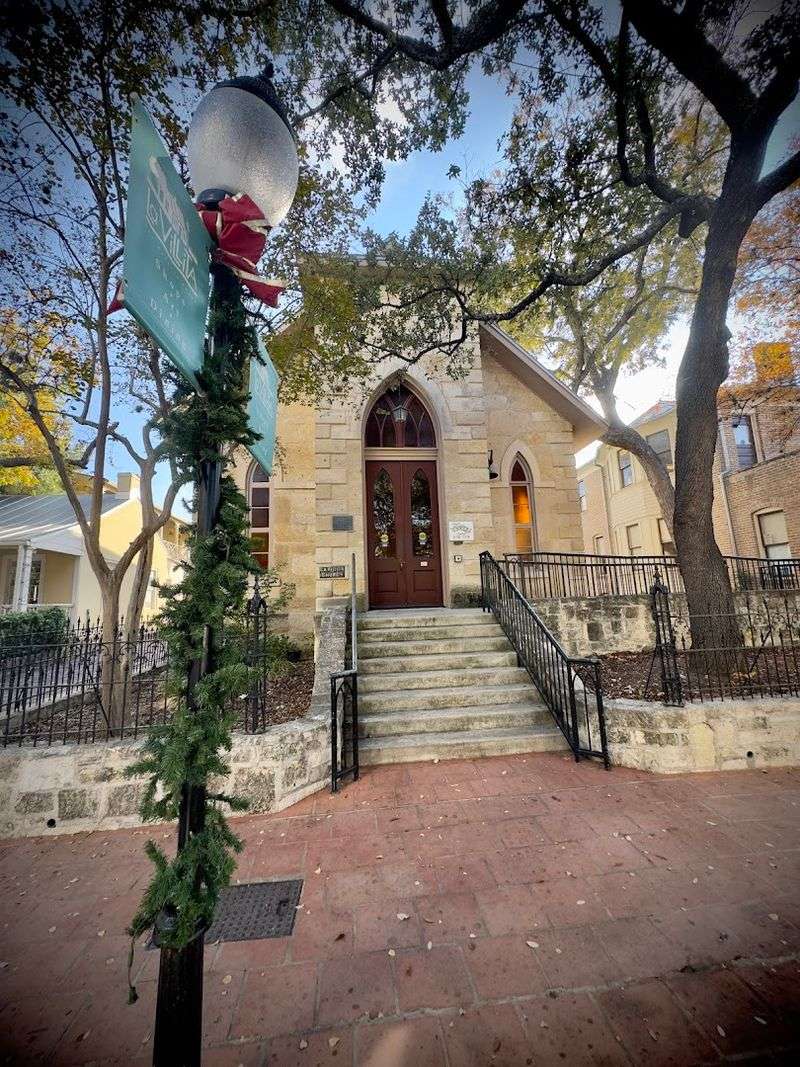
A lot of people walk through La Villita in twenty minutes and think they have seen it. They have not.
This is a neighborhood that rewards patience, curiosity, and the willingness to peek through an open gate or follow a path that does not seem to lead anywhere obvious.
The real texture of the place reveals itself slowly. A hidden-away courtyard garden.
A studio where an artist is mid-project and happy to talk about their work. A plaque on a wall that explains a building’s role in a long-ago battle or celebration.
These details do not announce themselves, but they are everywhere once you start looking.
La Villita is also one of those rare places that feels different depending on the time of day. Morning visits are quiet and almost meditative.
Afternoons fill with gallery browsers and families. Evenings, especially during events, bring a completely different energy with lantern light and live sound filling the lanes.
Give yourself at least two to three hours here, and resist the urge to rush. San Antonio has plenty of loud, busy attractions.
La Villita is the one that asks you to slow down, and that is exactly why it stays with you long after you leave.
Address: 418 Villita St, San Antonio, TX 78205
Dear Reader: This page may contain affiliate links which may earn a commission if you click through and make a purchase. Our independent journalism is not influenced by any advertiser or commercial initiative unless it is clearly marked as sponsored content. As travel products change, please be sure to reconfirm all details and stay up to date with current events to ensure a safe and successful trip.
