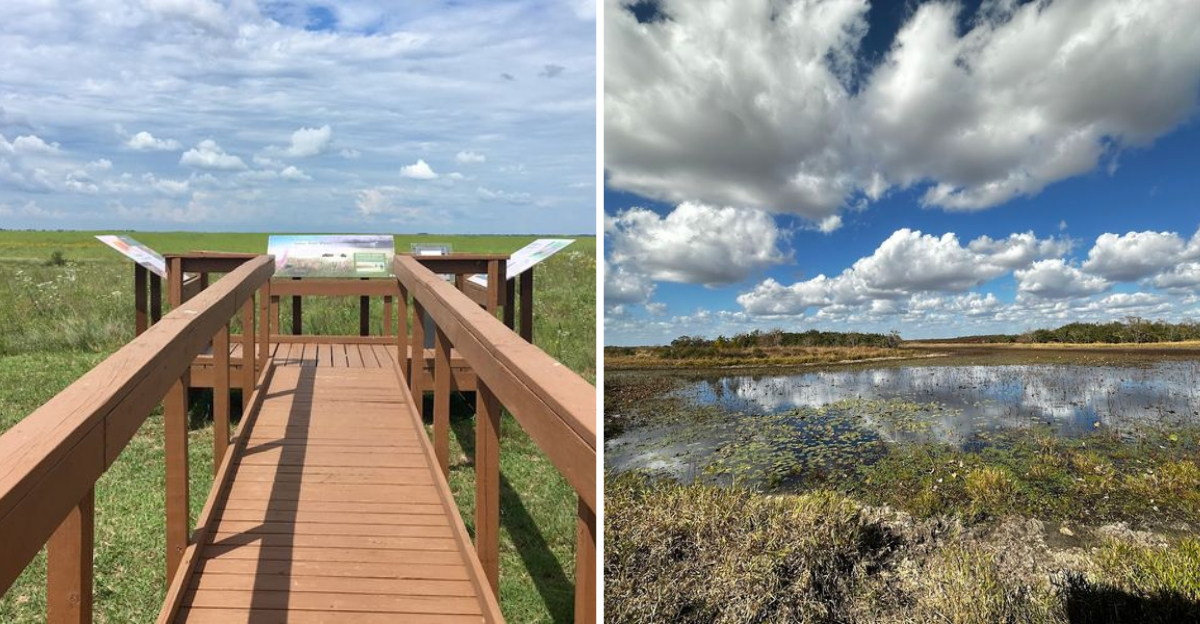
There is something quietly extraordinary about arriving at a place where the land stretches wide, the sky feels enormous, and wildflowers dot the grass in every direction. This Texas prairie preserve hit me that way the moment I turned off the main road. It protects one of the last remaining patches of native coastal prairie in the southeast part of the state, over ten thousand acres of tallgrass, marshes, ponds, and woodland that feel like a whole world tucked away from the highway.
The wildflower bloom in spring is the kind of thing that makes you stop the car and just stare. Indian paintbrush, bluebonnets, butterfly milkweed, sunflowers, all growing wild and undisturbed. If you have ever wanted to understand what Texas looked like before cities and suburbs, this preserve offers a rare, living answer.
A Prairie Landscape Unlike Anything Else in Southeast Texas
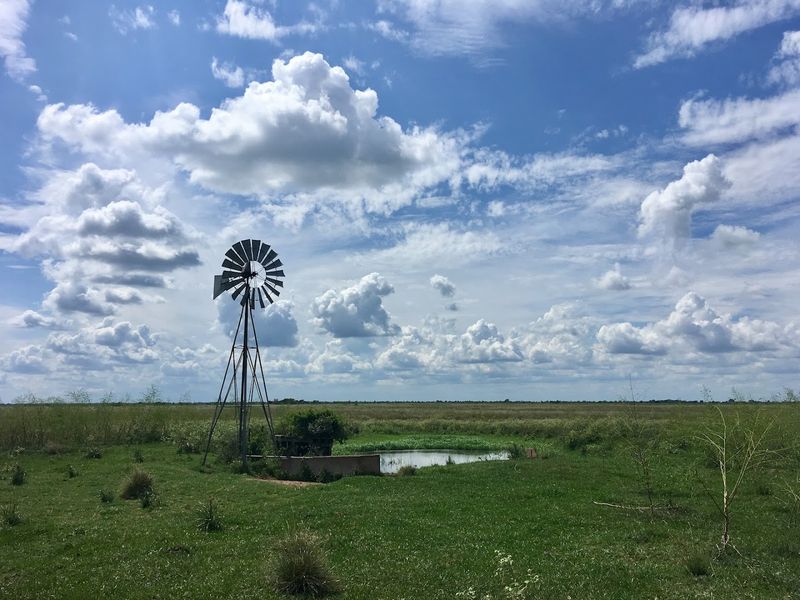
The sheer openness of this place is the first thing that gets you. Most nature spots in Texas ease you in with trees and shade, but the Attwater Prairie Chicken National Wildlife Refuge flips that entirely, greeting you with a broad, sweeping expanse of tallgrass that seems to go on forever.
This refuge protects one of the largest remaining fragments of native coastal prairie in all of southeast Texas, and that fact carries real weight when you are standing in the middle of it. The landscape includes over 10,000 acres of native prairie, marshes, seasonal ponds, woodlots, and riparian corridors along Coushatta Creek.
Each zone feels like its own little world within the bigger one.
Refuge staff work hard to keep this ecosystem healthy through carefully managed prescribed burns, typically conducted each January or February. These burns clear invasive brush and invigorate the native grasses, keeping the prairie looking and functioning the way it has for centuries.
Formerly farmed land is also being restored by replanting native grasses, slowly stitching the prairie back together. It is conservation work done with patience and purpose, and the results speak clearly across every open acre you drive or walk through here.
Wildflowers That Turn the Prairie Into a Painting
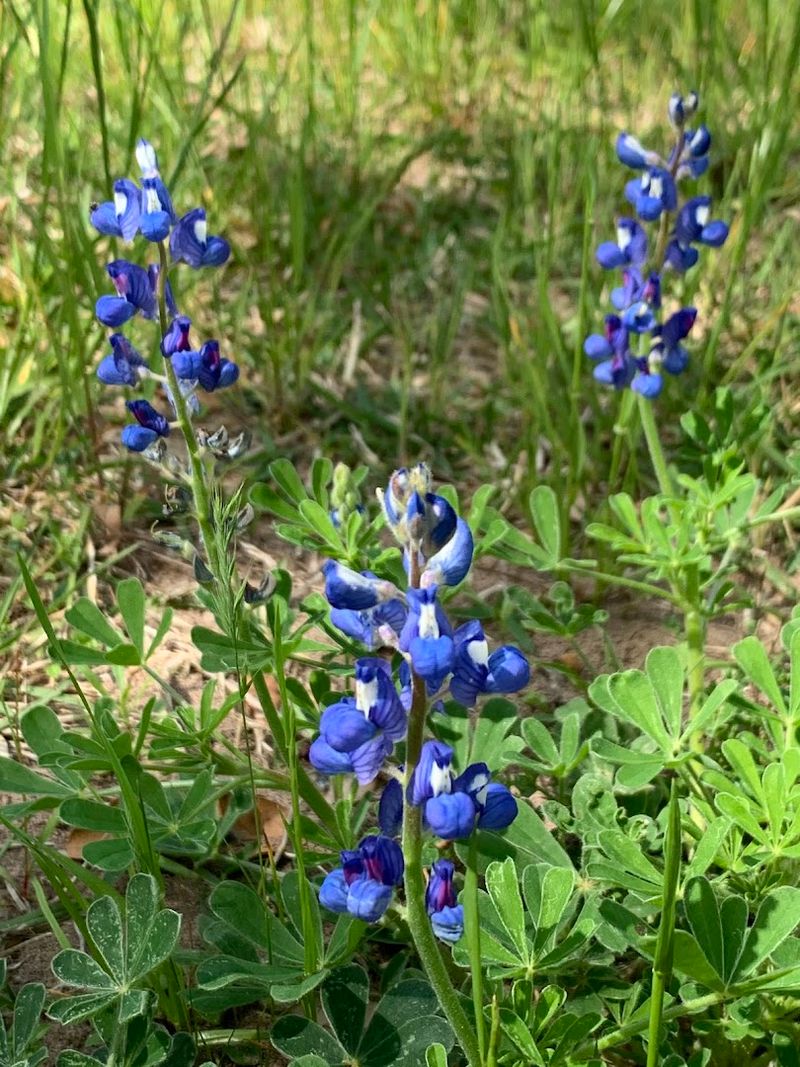
Spring at this refuge is something that genuinely earns the word spectacular. From March through April, the prairie transforms into a rolling canvas of color, with wildflowers pushing up through the grasses in dense, cheerful clusters that are almost hard to believe are real.
Indian paintbrush, bluebonnets, butterfly milkweed, and sunflowers are among the most recognizable blooms, but the variety goes much deeper than that. Researchers have identified over 250 species of flowering plants within the refuge boundaries, and a recently updated plant list documents nearly 400 verified species of native forbs and vines alone.
Around 100 species of native grasses, sedges, and rushes round out the botanical picture.
What makes this floral display so meaningful is that it is entirely natural and undisturbed, not planted for aesthetics but thriving because the prairie ecosystem itself is being protected. Breezy spring days carry the faint sweetness of wildflower pollen across the open ground, and the light in the late morning turns the whole scene golden.
Visiting in early April puts you right in the peak of bloom season, which also lines up with some of the refuge’s public educational events. It is worth planning your trip around that window if you possibly can.
The Critically Endangered Bird at the Heart of It All
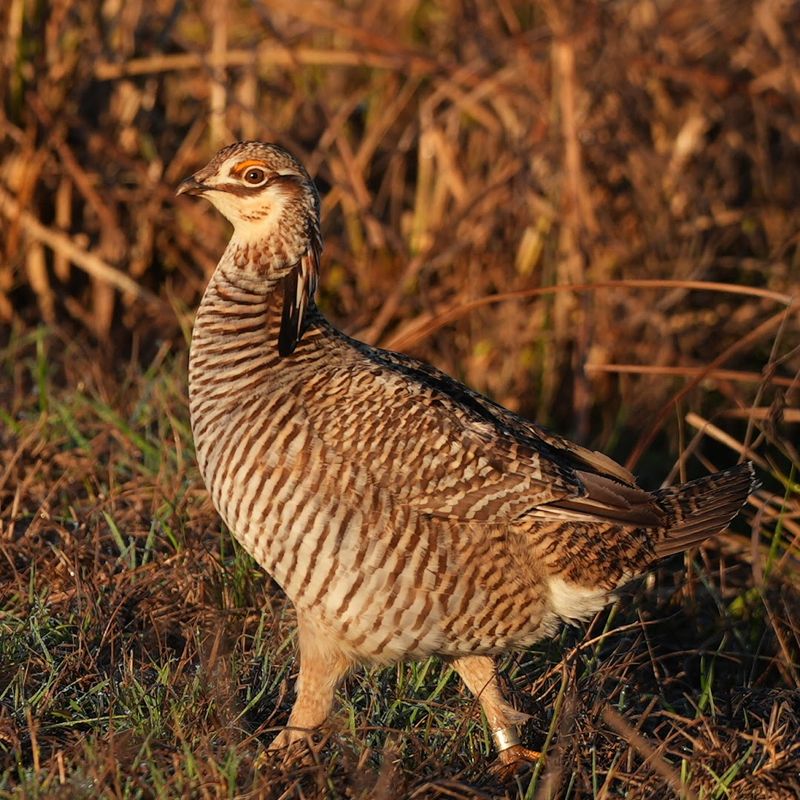
Everything at this refuge traces back to one bird. The Attwater’s prairie chicken is a ground-dwelling grouse that once roamed the coastal prairies of Texas and Louisiana by the millions, and today it is one of the most endangered birds in North America.
The entire refuge was established in 1972 specifically to give this species a fighting chance.
Seeing one in the wild is genuinely rare, and the refuge is honest about that. The birds are primarily found in the northern sections of the property, which are off-limits to general visitors to reduce disturbance.
However, the refuge does offer special van tours in April, timed to coincide with the males’ dramatic lekking displays, when they fan their tail feathers, inflate colorful air sacs on their necks, and stomp and boom across the prairie at dawn.
Signing up for one of those tours is absolutely the best way to experience this bird and understand why so many people have dedicated careers to saving it. Even if you never spot a prairie chicken during a regular visit, the knowledge that they are out there, slowly recovering, adds a layer of meaning to every acre you explore.
The refuge was also designated a National Natural Landmark by the National Park Service back in 1968.
The 5-Mile Auto Tour Loop That Shows You Everything
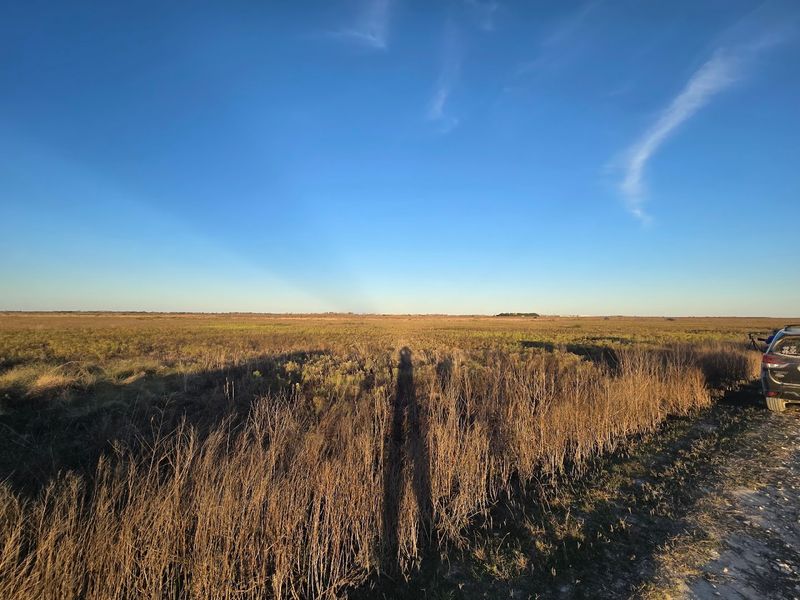
Not everyone is up for a long hike in the Texas heat, and that is perfectly fine here. The refuge offers a 5-mile auto tour loop that winds through the heart of the coastal prairie habitat, giving you a front-row seat to the landscape without ever leaving your vehicle.
The loop takes you past ponds, open grasslands, and areas where wildlife tends to gather, especially in the early morning and around dusk. White-tailed deer appear frequently, sometimes in surprisingly large numbers.
Hawks are almost always circling overhead, and if you are patient and quiet, you might spot a crested caracara perched on a fence post or a roseate spoonbill wading in a shallow pond.
Stopping along the route is encouraged, and a few designated pull-offs let you step out for a closer look or to photograph the scenery. The road itself is unpaved in sections, so a standard car handles it fine, but driving slowly is both practical and rewarding.
Going too fast means missing the loggerhead shrikes, the meadowlarks singing from the grass tops, or the subtle shift in vegetation from one prairie zone to the next. This tour loop is genuinely one of the most relaxed and satisfying ways to spend an afternoon at the refuge.
Two Hiking Trails Worth Every Step
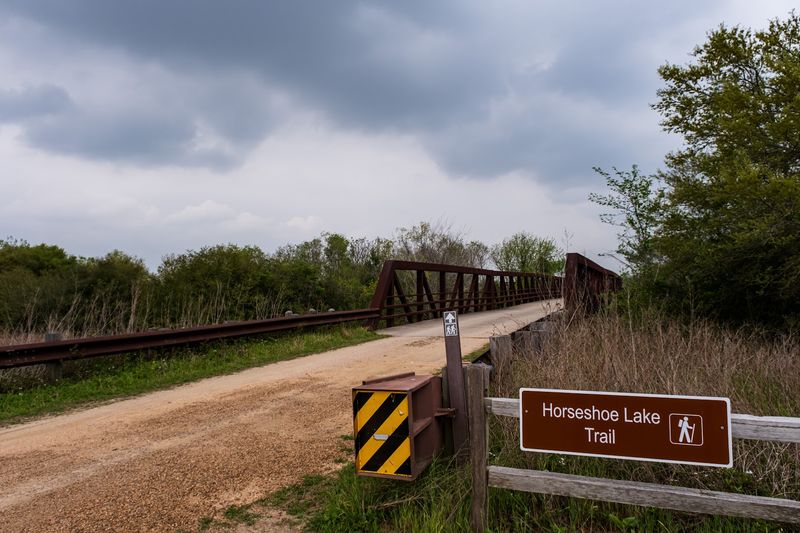
The two hiking trails here feel like completely different experiences, which makes doing both on the same visit a genuinely good idea. The Sycamore Trail mixes open prairie stretches with shaded sections near Coushatta Creek, giving you that pleasant rhythm of sun and shade that makes a walk feel balanced.
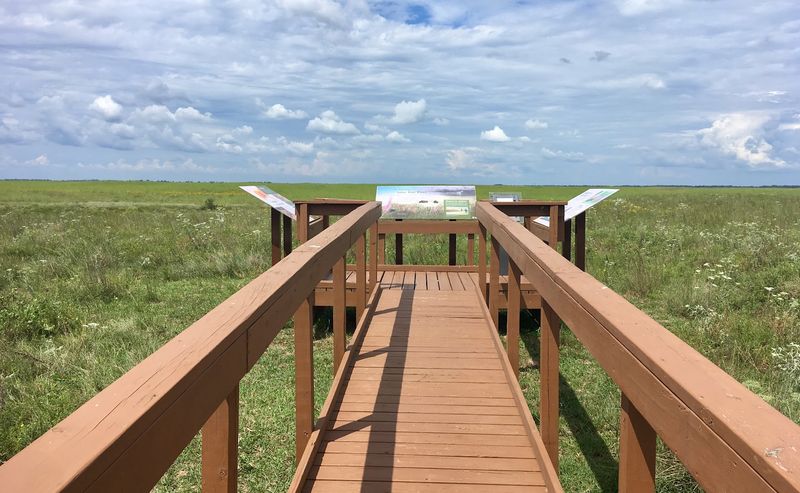
The Horseshoe Trail, on the other hand, takes you deeper into the open prairie land with far less shade overhead, so a hat and water bottle are not optional accessories on a warm day. Both trails are mowed paths through the tall grass, easy enough for most fitness levels, and they lead to a small lake and a viewing bridge where you can pause and take in the water and the surrounding landscape.
Wildlife sightings on the trails range from white-tailed deer and various sparrow species to snakes, turtles, and the occasional alligator near the water. The refuge is transparent about the alligator presence, so staying alert near the water edges is just smart trail etiquette.
Early morning visits tend to reward hikers with the most activity, including birdsong that layers the air with sound from the moment the sun clears the horizon. Both trails are free to use and open daily from 6 AM to 6 PM.
A Remarkable Variety of Wildlife Beyond the Prairie Chicken
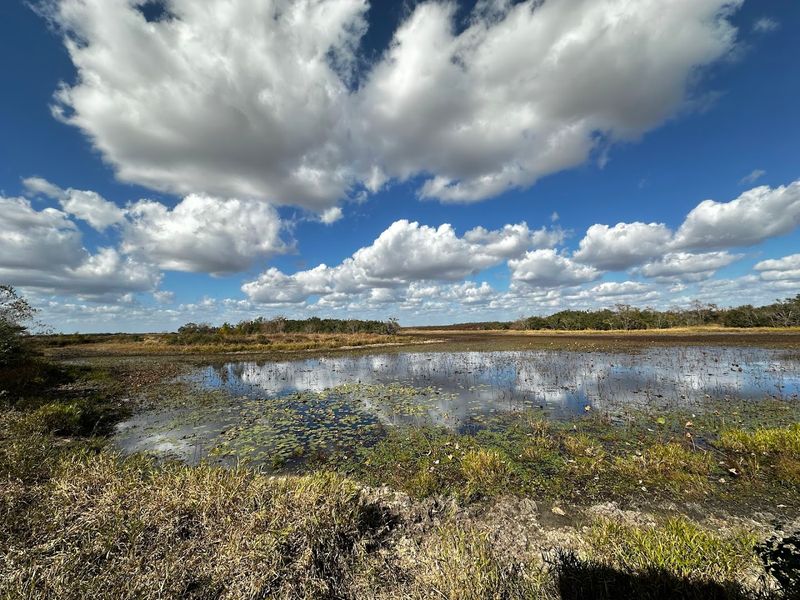
Prairie chickens get the headline billing, but the wildlife roster at this refuge is genuinely impressive across the board. Over 250 bird species have been recorded here, ranging from white-tailed hawks and northern harriers to roseate spoonbills, sandhill cranes, eastern meadowlarks, and short-eared owls that appear like magic near dusk.
Birders who visit in winter often find the hawk activity alone worth the trip. Red-tailed hawks and northern harriers work the open fields in impressive numbers, and loggerhead shrikes are a reliable sighting along fence lines.
The bird blind near the small lake is a fantastic spot to sit quietly and watch ducks, herons, and baby alligators move through the shallows without disturbing them.
Beyond birds, the refuge is home to plains bison, bobcats, coyotes, and white-tailed deer in substantial numbers. American alligators inhabit the water features, and various amphibians and reptiles round out the ecosystem.
Bobwhite quail can be startled from the short grass along the trails if you move quietly enough. The diversity here reflects how well the prairie ecosystem functions when it is actively managed and protected, making each visit feel like a genuine wildlife encounter rather than a hopeful gamble.
Planning Your Visit and Making the Most of the Refuge
Getting the most out of a visit here really comes down to timing and a little preparation. Spring, particularly March and April, is the undisputed peak season for wildflowers and the chance to participate in the guided van tours for the prairie chicken lekking displays.
Those tours fill up, so registering early through the refuge is a smart move.
The refuge is open daily from 6 AM to 6 PM, and early morning arrivals are consistently rewarded with more wildlife activity and cooler temperatures. The visitor center features well-designed educational displays about the prairie ecosystem, the refuge’s conservation history, and the species it protects.
Restrooms are well-maintained and available even when the visitor center itself is closed on certain days.
Entrance to the refuge is free, which makes it an easy choice for families, solo hikers, birders, and anyone curious about what a functioning coastal prairie actually looks like. Bug spray and sunscreen are genuinely necessary depending on the season, and a pair of binoculars transforms the auto tour and trail walks significantly.
The refuge sits about 60 miles west of Houston, making it a very doable day trip from the city. Address: 1206 Apc Nwr Rd, Eagle Lake, TX 77434.
