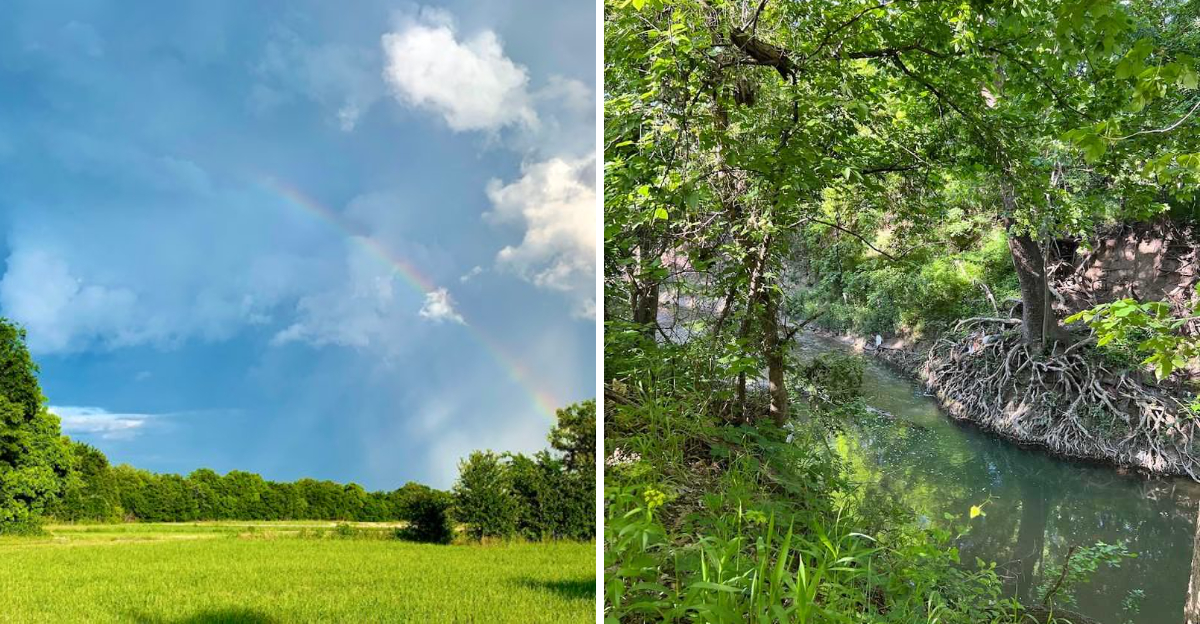
A rare prairie ecosystem is hard to find in Texas. This preserve protects a remnant of the Blackland Prairie, a landscape that once stretched across the region.
The trails are easy to follow, and the terrain is relatively flat, making it accessible for hikers of all levels. The wildflowers and native grasses create a vibrant scene in spring and summer.
It is a reminder of what much of Texas looked like before development. The preserve is quiet and peaceful, a perfect spot for a walk or a sit on a bench.
Texas has many parks and natural areas, but a preserved prairie is a special thing. It offers a connection to the land.
Whether you are a birder, a wildflower lover, or just someone craving a slow morning outdoors, this place delivers something quietly extraordinary.
What Makes Blackland Prairie So Rare and Worth Protecting
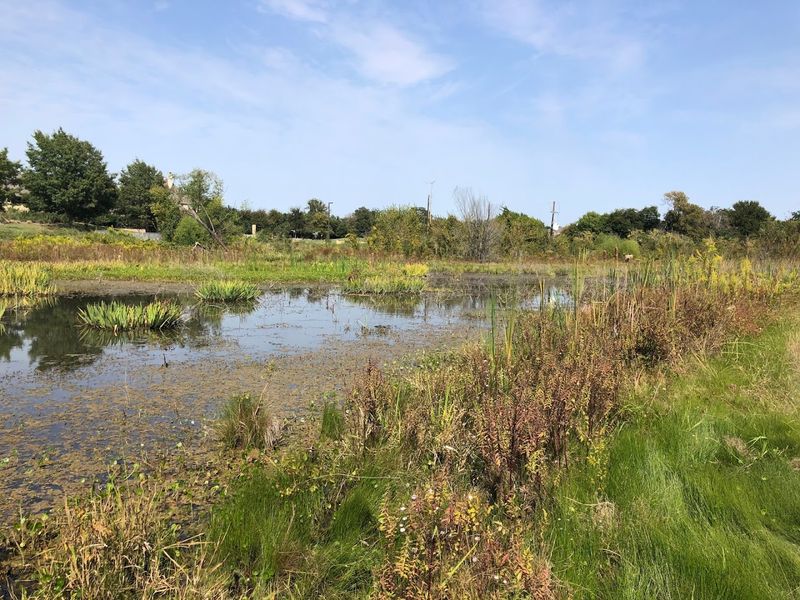
Before European settlement, Blackland Prairie stretched across roughly 12 million acres of Texas in a sweeping dark-soiled belt from the Red River down toward San Antonio. Today, less than one percent of that original ecosystem remains in anything close to its natural state.
That number hits differently when you are actually standing inside one of those surviving fragments.
Connemara Conservancy protects one of those rare remnants right in the middle of suburban Collin County. The preserve sits on the border of Allen and Plano, a detail that makes its survival even more impressive given how fast both cities have grown.
The fact that 72 acres of this landscape exist here, largely intact, feels like a small miracle of timing and intention.
Blackland Prairie gets its name from the deep, dark clay soils that made this region incredibly fertile farmland, which is exactly why so much of it was converted to agriculture and development over the past two centuries.
Native grasses like little bluestem and sideoats grama once defined this ecosystem, supporting an enormous web of insects, birds, and other wildlife.
Losing that web has consequences that ripple outward in ways scientists are still working to fully understand.
Connemara is actively working to reverse some of that loss. About 12 acres of the preserve are currently undergoing restoration, with invasive plant species being removed and replaced with native Blackland Prairie grasses.
Watching that process happen in real time, even slowly, gives the whole visit a sense of purpose beyond just a pleasant walk.
The Trail System, More Than 3 Miles of Surprisingly Varied Terrain
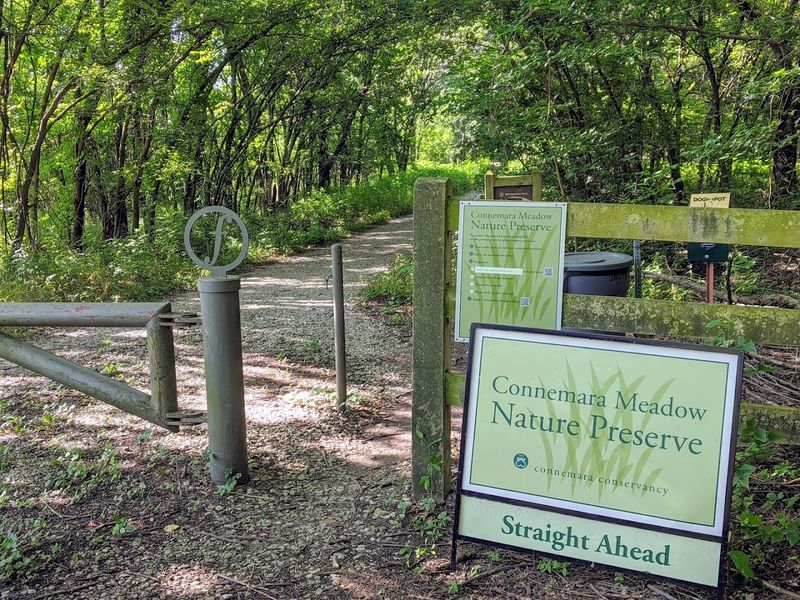
Three miles might not sound like a lot until you realize how thoughtfully those miles are laid out across 72 acres of diverse habitat.
The trail network at Connemara Conservancy manages to feel genuinely varied, moving between open meadow sections, wooded corridors, and a dirt path that follows Rowlett Creek along the northern edge of the preserve.
That creek trail in particular carries a completely different energy from the rest of the preserve.
Most of the paths are mowed grass, which keeps things accessible without requiring technical footwear. A pair of comfortable sneakers works perfectly well for the majority of the route.
The dirt trail near Rowlett Creek is the one exception, where the ground can get soft after rain, so slightly sturdier shoes are a smart call if there has been recent moisture.
The layout encourages exploration rather than a simple out-and-back experience. Loops connect in ways that let you extend or shorten your visit depending on how much time you have.
I ended up doing closer to four miles on my first visit simply because the terrain kept shifting in interesting ways and I kept wanting to see what was around the next bend.
Bikes and motorized vehicles are not permitted on any of the trails, which keeps the atmosphere noticeably peaceful. Foot traffic only means the paths stay quiet even on weekends.
That absence of wheels and engines makes a real difference in how the place feels, calmer, slower, and more connected to the landscape around you.
Wildflower Season, When the Preserve Truly Comes Alive
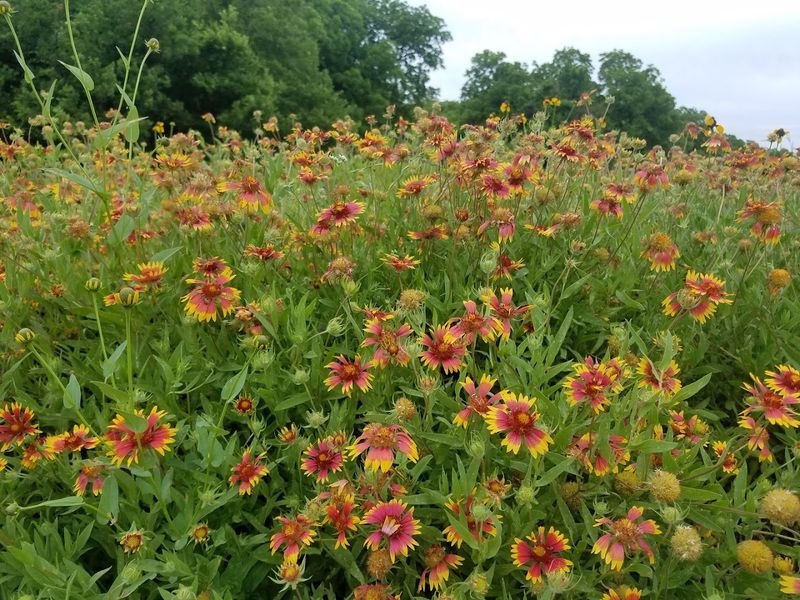
Spring at Connemara Conservancy is something that sneaks up on you. One week the meadows look like ordinary grass, and then almost overnight the whole place transforms into a rolling display of color that stops you mid-step.
The preserve is particularly well known for its spring wildflower blooms, and once you see it in peak season, it is easy to understand why people plan return visits specifically around that window.
Texas wildflowers are already legendary statewide, but seeing them in a functioning prairie ecosystem rather than a highway median gives the experience a completely different weight. The flowers here are not planted for aesthetics.
They are part of a living system, and that context makes the whole scene feel more meaningful. Native species like prairie verbena, black-eyed Susan, and various clovers appear alongside grasses in a mix that shifts as the season progresses.
Pollinators absolutely flood the meadows during peak bloom. Bees, butterflies, and beetles move through the flowers with a kind of focused energy that is genuinely fun to watch.
Bringing a small pair of binoculars helps you catch details that are easy to miss at normal walking pace, especially with insects that move quickly between blooms.
The bloom timing varies year to year depending on rainfall and temperature patterns, so checking recent visitor reports before planning a spring trip is a good strategy. Even outside of peak bloom, the meadow sections hold enough visual interest to make the walk worthwhile.
But catching it in full flower is an experience worth scheduling around.
Birding at Connemara, A Quiet Hotspot That Rewards Patience
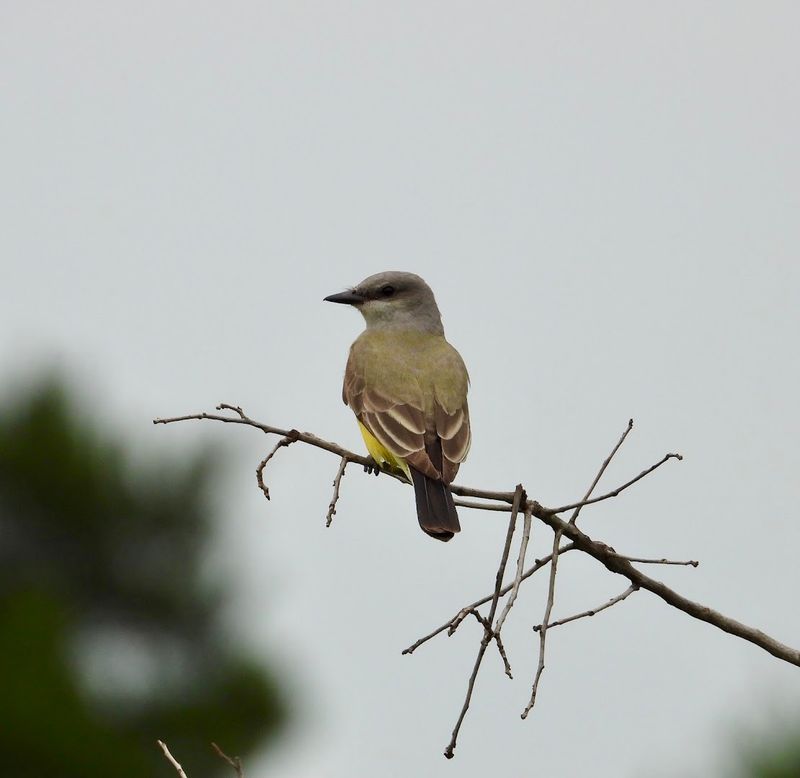
The birding community in North Texas has known about Connemara Conservancy for a while, and it is not hard to see why once you spend some time near the creek corridor and woodland edges.
The combination of open prairie, riparian habitat along Rowlett Creek, and transitional woodland zones creates the kind of layered environment that draws a genuinely diverse mix of species throughout the year.
Migratory birds pass through during spring and fall, using the preserve as a stopover point along their routes. Resident species fill in the gaps between migration windows, making any visit productive regardless of season.
Early morning is reliably the best time to be there, when bird activity peaks and the preserve is at its quietest before other visitors arrive.
I noticed a surprising amount of activity just by slowing down near the creek trail and staying still for a few minutes. Movement that had been invisible while walking suddenly became obvious once I stopped.
That shift in attention is one of the things birding teaches you, patience is genuinely a skill, and Connemara is a good place to practice it.
Bringing a field guide specific to North Texas birds adds a lot to the experience if you are newer to birding. The Cornell Lab of Ornithology’s free app also works well for quick identification in the field.
Even if you are not a dedicated birder, the sheer amount of life moving through the preserve on any given morning is enough to slow your pace and make you look up more than usual.
Rowlett Creek, the Northern Border That Adds a Whole Different Feel
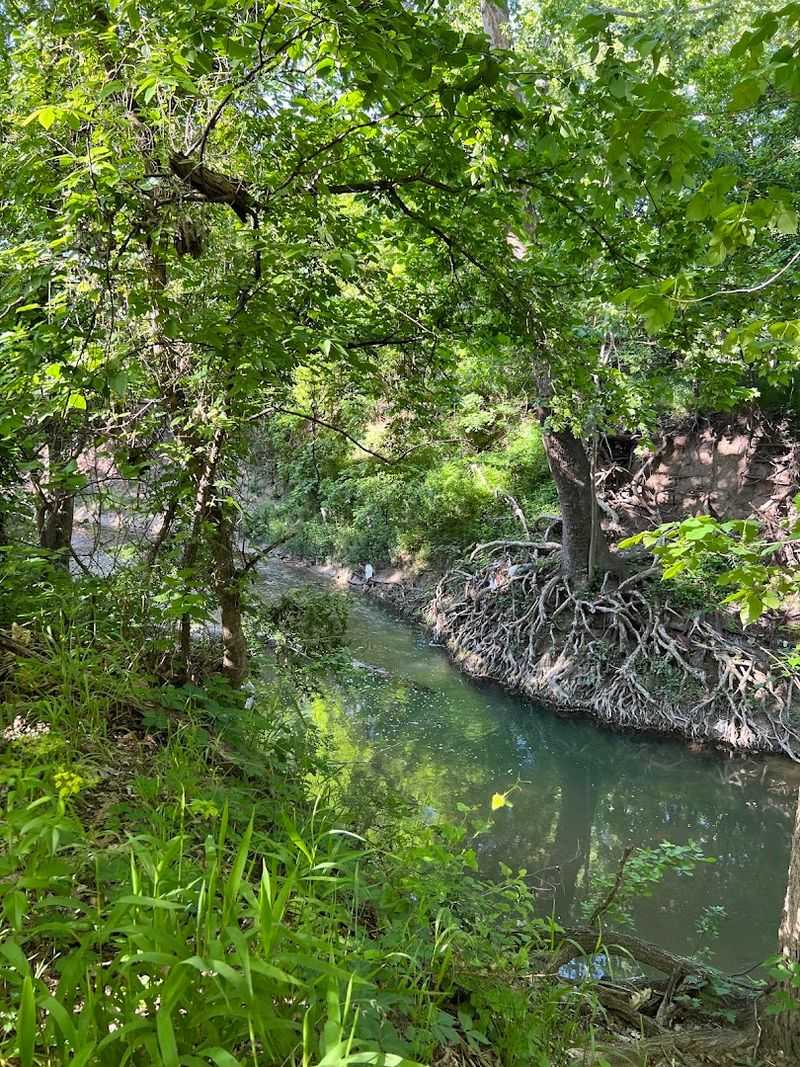
Rowlett Creek forms the northern boundary of the preserve, and the dirt trail that runs along it might be the most atmospheric section of the entire property.
The shift from open meadow to creek corridor happens gradually, and by the time you are walking under the tree canopy with water nearby, the suburban context of Allen, Texas feels genuinely remote.
That transition is one of the more quietly impressive things about the preserve’s design.
The creek itself moves slowly through this section, lined with native vegetation that provides shade and structure for wildlife. Turtles are a common sight on warm days, perched on logs or rocks along the bank.
The sound of the water running underneath the tree cover creates a different acoustic environment from the open meadow, cooler, more enclosed, and noticeably more restful.
The dirt surface here means it reads more like a traditional nature trail than the mowed grass paths elsewhere in the preserve. After significant rainfall, this section can become muddy, so timing matters if you want to stay dry.
The trade-off for slightly messier conditions is a stretch of trail that feels genuinely wild in a way the meadow sections do not quite replicate.
Rowlett Creek connects to a larger greenway system in the region, and the preserve’s position along it makes Connemara part of something bigger than its own 72 acres suggest. That regional connectivity is part of what makes the wildlife diversity here possible.
Corridors like this one allow animals to move, feed, and shelter across a much broader landscape than any single preserve could support alone.
Visiting Practically, Hours, Access, Dogs, and What to Know Before You Go
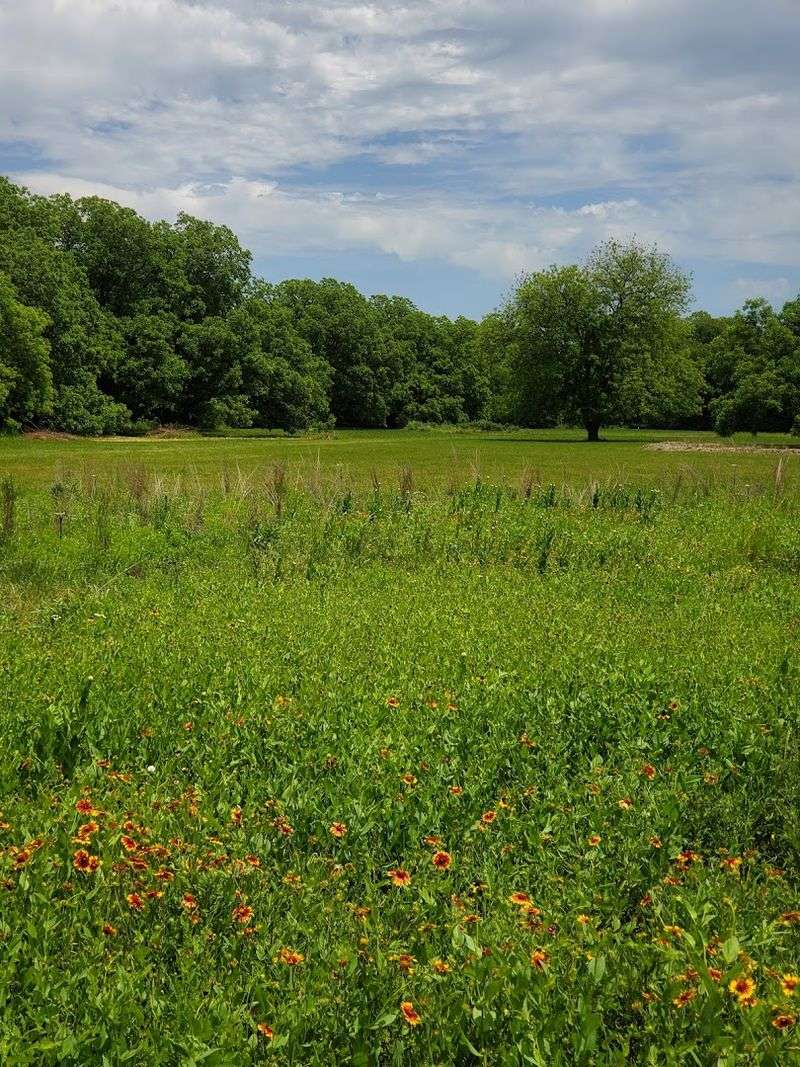
Connemara Conservancy keeps things simple in terms of access. The meadow is open every day from dawn until dusk, which gives you a wide window to plan your visit around whatever time of day suits you best.
Early morning is my personal preference for the light and the quiet, but the preserve handles midday visits well too, especially on days when cloud cover keeps temperatures manageable.
Parking is available at the Alma Drive access point, located across from 300 Tatum Road in Allen. The lot is modest in size, so arriving early on busy spring weekends is a smart move.
There is also trail access from Suncreek Park, which gives nearby residents a car-free option that is worth knowing about if you are in that part of Allen or Plano.
Dogs are welcome on leash, which makes Connemara a solid option for people looking to combine a nature walk with exercise for a pet. A permit may be required for dogs, so checking the conservancy’s current policies before your visit saves potential hassle at the trailhead.
Rules around permits can shift, and the conservancy’s website is the most reliable place to confirm current requirements.
Bikes and motorized vehicles are not allowed on any part of the trail system, keeping the preserve pedestrian-only throughout. There are no fees to enter, which makes this one of the more accessible outdoor options in the Dallas metro area.
Bringing water, sunscreen, and insect repellent covers the practical bases for a comfortable visit across most of the year.
Prairie Restoration in Action, 12 Acres Being Brought Back to Life
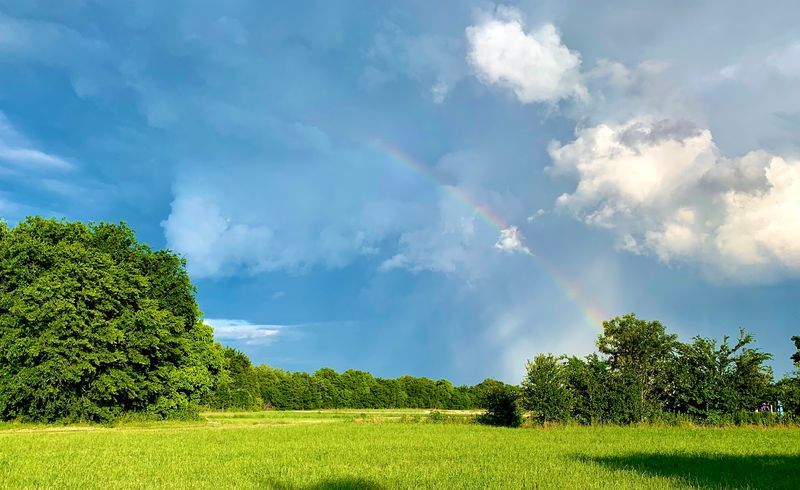
There is something quietly moving about watching land heal. About 12 acres of Connemara Conservancy are currently in active restoration, being transitioned from invasive plant species back to native Blackland Prairie grasses and forbs.
The process is slow by human standards but significant in ecological terms, and seeing it underway adds a layer to the visit that goes beyond a typical nature walk.
Invasive species are one of the primary threats to what little Blackland Prairie remains. Plants like King Ranch bluestem and Johnson grass crowd out native vegetation, reducing habitat quality for the insects, birds, and other animals that evolved alongside the original ecosystem.
Removing them and reestablishing native species is painstaking work that requires sustained effort over multiple growing seasons.
The restored sections look different from the more established parts of the preserve, less lush in places, more sparse in others. But that rawness is part of the story.
Watching a landscape in the early stages of recovery gives you a sense of the timeline involved in genuine ecological restoration, and a new appreciation for the sections that have already come back fully.
Connemara’s restoration work is part of a broader regional effort to protect and expand what remains of the Blackland Prairie ecosystem.
Supporting the conservancy, whether through volunteering, donations, or simply spreading the word about the preserve, contributes to work that matters well beyond the boundaries of these 72 acres.
The restoration happening here is a template for what is possible when people commit to bringing a landscape back.
The Woodland Sections, Shade and Shelter in the Middle of the Meadow
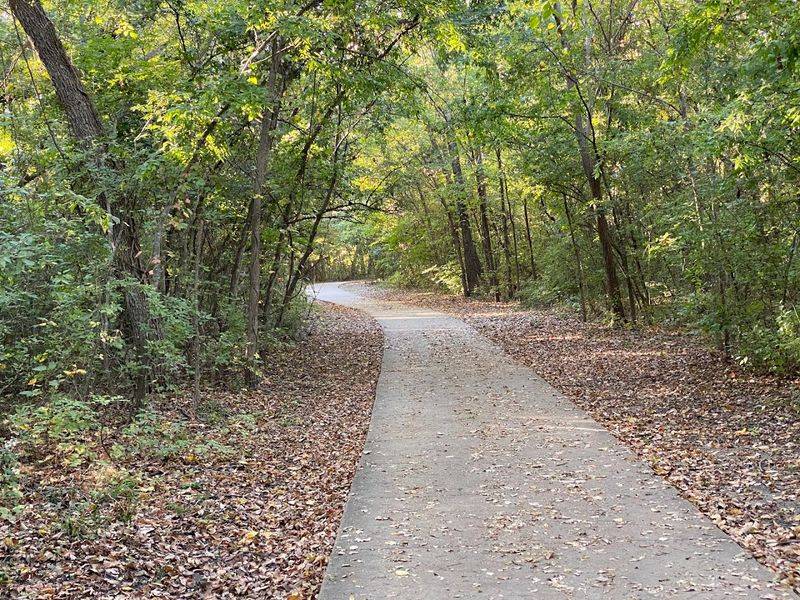
Not everything at Connemara Conservancy is open sky and sweeping grass. Sections of the preserve shift into genuine woodland, where the canopy closes overhead and the temperature drops noticeably even on warm days.
Those woodland pockets offer a different kind of experience from the meadow, more enclosed, shadier, and with a distinct set of plants and animals adapted to lower light conditions.
The transition between habitats happens in ways that feel natural rather than abrupt. One moment you are in open prairie, and then the trail bends and you are suddenly under a canopy of native trees with filtered light hitting the ground in patterns that shift as the breeze moves the branches.
That kind of habitat diversity within a single preserve is part of what makes Connemara feel larger than its 72 acres suggest.
Understory plants in the woodland sections include native shrubs and ground covers that rarely get attention compared to the showier prairie wildflowers, but they support a different community of insects and birds that would not thrive in the open meadow.
Spending time in these sections rather than rushing through them reveals details that reward a slower pace.
Small fungi, mosses, and bark textures tell their own quiet stories.
On hot Texas summer days, the woodland sections become genuinely valuable from a purely practical standpoint. Shade in a mostly open preserve is not something to take for granted.
Planning a route that loops through the wooded areas during the warmest part of a summer visit makes the whole experience significantly more comfortable, and the wildlife activity there often picks up as animals seek shelter from the midday heat.
Why Connemara Conservancy Deserves a Spot on Your Texas Outdoor List
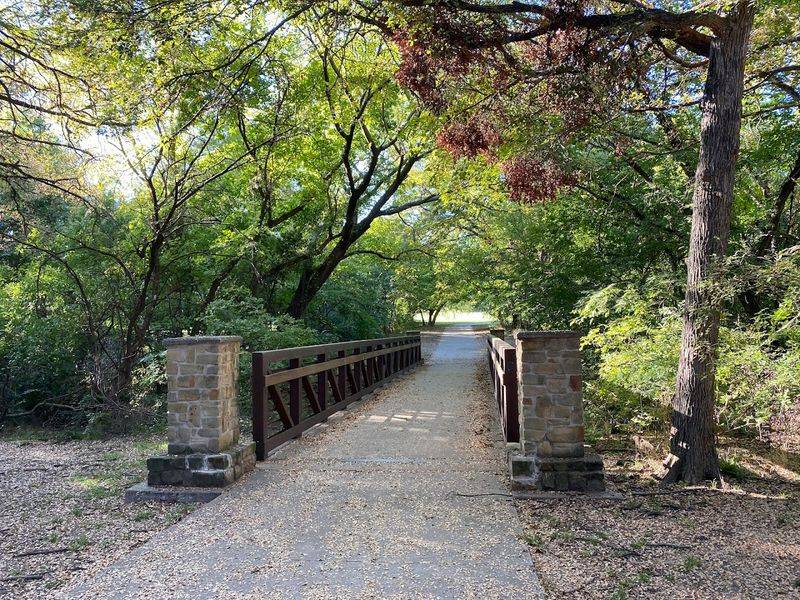
There are plenty of parks in the Dallas-Fort Worth metro area, but Connemara Conservancy occupies a genuinely different category. This is not a manicured city park with playground equipment and paved paths.
It is a functioning ecological preserve where the primary goal is protecting one of the rarest landscapes in North America, and that mission shapes everything about how the place feels and operates.
The combination of trail variety, habitat diversity, wildflower displays, birding opportunities, and active restoration work gives Connemara more layers than most outdoor spots of similar size. You can visit a dozen times across different seasons and have meaningfully different experiences each time.
That kind of depth is rare in a suburban nature area, and it is worth seeking out.
Accessibility matters too. No entry fee, daily dawn-to-dusk hours, dog-friendly policies, and parking right off Alma Drive make the logistics straightforward.
The preserve is easy enough to visit on a weekday morning before work or on a slow weekend afternoon without any significant planning. That ease of access removes the friction that keeps people from visiting natural areas more often.
Beyond personal enjoyment, spending time at Connemara connects you to something worth caring about. The Blackland Prairie ecosystem that this preserve protects and restores is genuinely irreplaceable.
Every visit adds to the case that land like this has value, ecological, educational, and human. Getting out there, walking the trails, and simply paying attention is its own form of support for the work the conservancy does.
Address: Alma Dr, Allen, TX 75013
