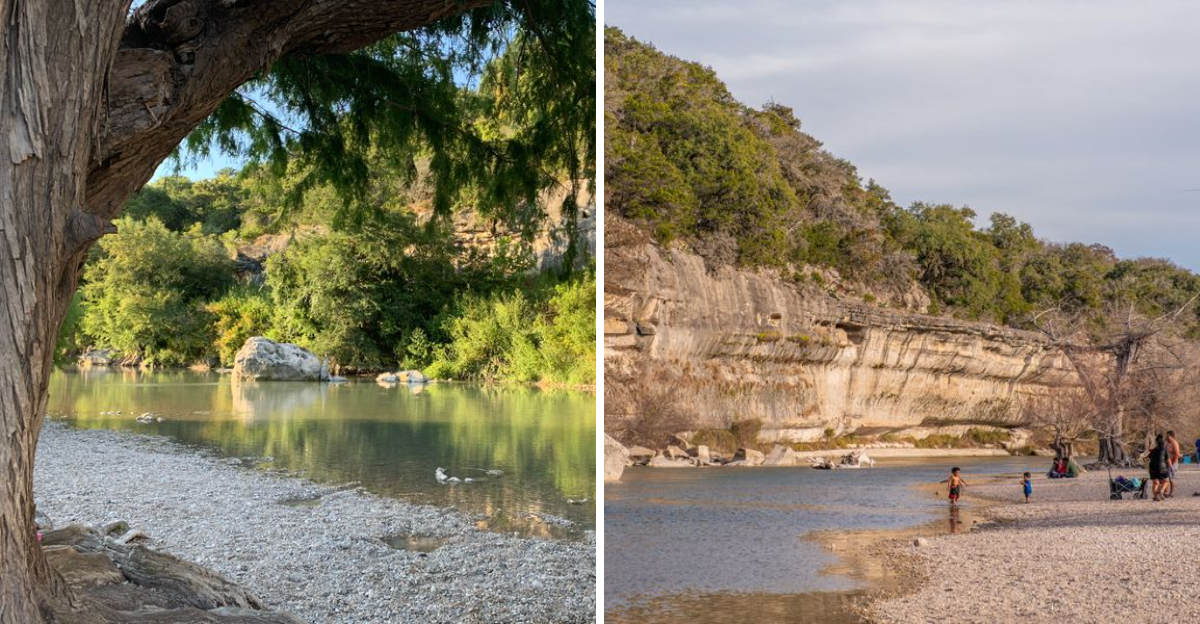
Every summer, the Guadalupe River in New Braunfels turns into something locals barely recognize. What starts as a quiet, spring-fed stretch of clear water quickly becomes wall to wall tubes, blasting music, traffic backups, and trash cans that never seem big enough.
I have watched this river go from peaceful to pure chaos in a matter of weeks, and the frustration from people who live here is impossible to ignore. The crazy part is that the river really is beautiful.
Cold water, shaded banks, and just enough rapids to keep things fun. That is exactly why everyone wants a piece of it.
So why does this spot, more than so many others, hit a breaking point every summer? And what actually happens when tubing season goes completely off the rails?
Floating the Guadalupe can be incredible or unbearable, sometimes both on the same day. Find out why locals are fed up, and how to enjoy the river without becoming part of the problem in New Braunfels.
The Summer Invasion Begins
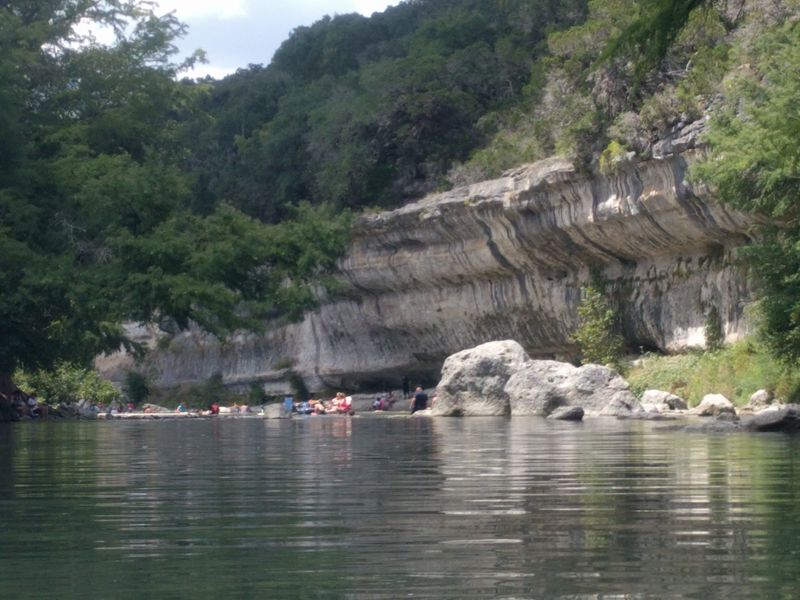
Memorial Day weekend marks the unofficial start of what locals call the annual takeover. Suddenly, the quiet roads leading into New Braunfels become parking lots, and the gentle hum of the river is replaced by music, laughter, and the constant splash of thousands of tubes hitting the water.
Outfitters line up along the banks, shuttling groups from drop-off points to pick-up zones in a well-oiled machine that runs from dawn to dusk. The sheer volume of people can be staggering, with some estimates suggesting over 10,000 tubers on peak weekends.
Families, college students, and out-of-towners flock here because the Guadalupe offers something truly special: cold, clear water fed by natural springs, gentle rapids that thrill without terrifying, and a scenic backdrop of cypress trees and limestone bluffs. It’s accessible, affordable, and unforgettable.
But that popularity comes at a cost. Traffic snarls the main routes into town, parking becomes a competitive sport, and the once-pristine riverbanks show signs of wear.
Locals who grew up swimming and fishing these waters feel like they’ve lost their backyard. They remember when you could float for hours without seeing another soul, when the only sounds were birds and flowing water.
Now, that tranquility is a distant memory, replaced by a summer-long festival atmosphere that feels less like nature and more like a carnival.
Traffic Nightmares and Parking Wars
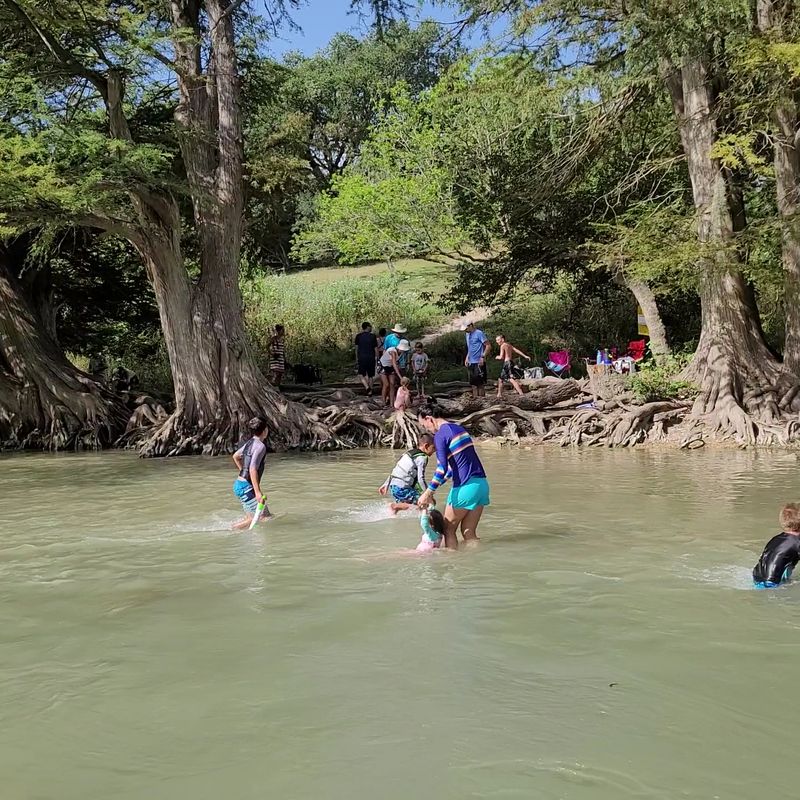
Getting to the river has become an ordeal that tests patience and planning skills. Highway 46 and River Road, the main arteries leading to popular access points, turn into slow-moving convoys of cars, trucks, and vans loaded with tubes, coolers, and gear.
What should be a 15-minute drive can stretch to an hour or more on busy weekends. Locals trying to run errands or get to work find themselves stuck behind caravans of tourists who don’t know the area and miss turns, adding to the congestion.
Parking is another battleground. Outfitters have their designated lots, but street parking near public access points fills up before 9 a.m., forcing latecomers to park blocks away and haul their gear in the Texas heat.
Some visitors resort to blocking driveways, parking on lawns, or ignoring posted signs, which leads to towing, fines, and angry confrontations. Residents have reported strangers parking in front of their homes, leaving trash behind, and even using their yards as bathrooms.
The city has tried to address these issues with expanded shuttle services, better signage, and stricter enforcement, but the sheer number of visitors overwhelms the infrastructure.
For locals, the summer months mean planning trips around peak hours, avoiding certain roads altogether, and accepting that their town belongs to tourists for three solid months.
Trash and Environmental Impact
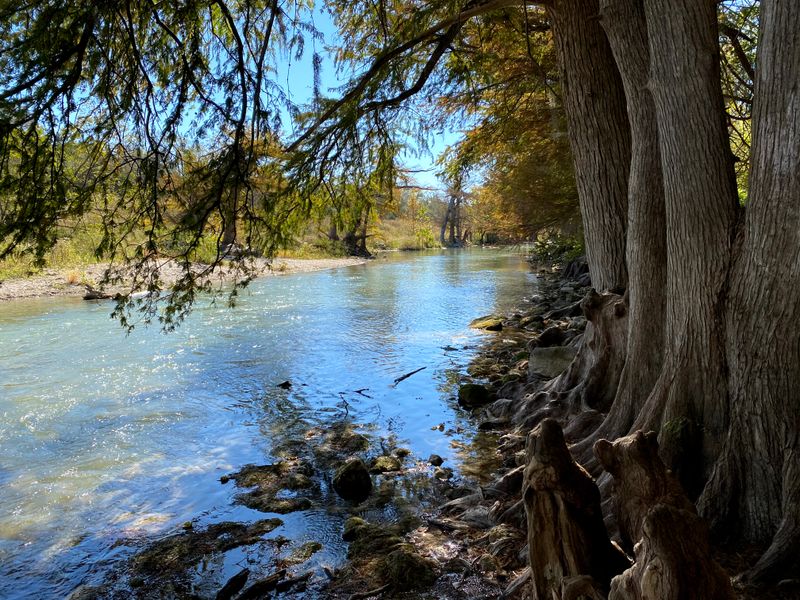
One of the most visible and frustrating consequences of the tourist boom is the trash. Despite efforts by outfitters and the city to provide bins and encourage pack-it-in, pack-it-out policies, the river and its banks are littered with debris after busy weekends.
Plastic bottles, food wrappers, sunscreen containers, and even lost flip-flops wash up along the shore or get tangled in tree roots. Volunteers and local organizations organize regular clean-up events, hauling out bags and bags of garbage that never should have been left behind.
The environmental toll goes beyond litter. The constant trampling of riverbanks erodes soil and damages vegetation that helps stabilize the shoreline.
Increased boat and tube traffic stirs up sediment, affecting water clarity and the habitat for fish like the native Guadalupe bass. Wildlife that once thrived in quieter stretches now avoids the busiest sections, and the delicate balance of the river ecosystem faces pressure it wasn’t built to handle.
Locals who care deeply about preserving this natural treasure feel heartbroken watching it degrade. They’ve seen favorite swimming holes become muddier, once-clear pools clouded, and the overall health of the river decline.
Efforts to educate visitors about Leave No Trace principles have had limited success, and the frustration mounts each summer as the cycle repeats.
Noise and Loss of Peace
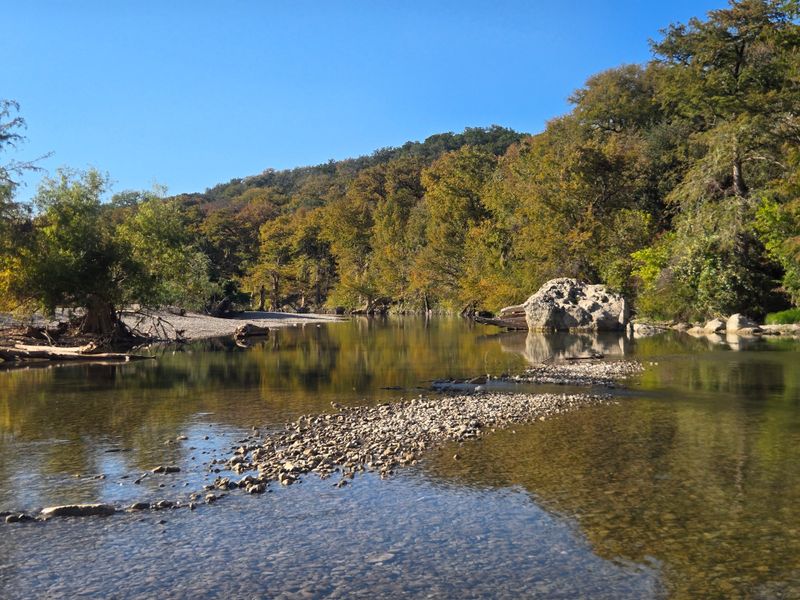
The Guadalupe River was once a sanctuary of calm, a place where the only soundtrack was the gentle rush of water over limestone ledges and the rustle of leaves in the breeze. Summer tourism has changed that completely.
Portable speakers blast music from passing tubes, groups shout and cheer as they navigate rapids, and the cumulative noise can be heard from blocks away.
Residents whose homes back up to the river complain that they can’t enjoy their own porches or backyards without being subjected to a constant party atmosphere.
For those seeking a peaceful escape, the noise pollution is a dealbreaker. Families hoping for a quiet picnic or anglers trying to fish find themselves competing with the din of hundreds of revelers.
The sense of being in nature, of disconnecting from the hustle of daily life, evaporates when you’re surrounded by crowds and constant chatter.
Some locals have stopped visiting the river altogether during peak season, choosing instead to wait for the quieter months when they can reclaim the tranquility they remember.
The cultural clash is real. Tourists view the river as a playground, a place to let loose and have fun.
Locals see it as a cherished natural resource that deserves respect and quiet appreciation. Finding common ground between these two perspectives has proven difficult, and the noise issue remains one of the most contentious points in the ongoing debate.
Overcrowding on the Water
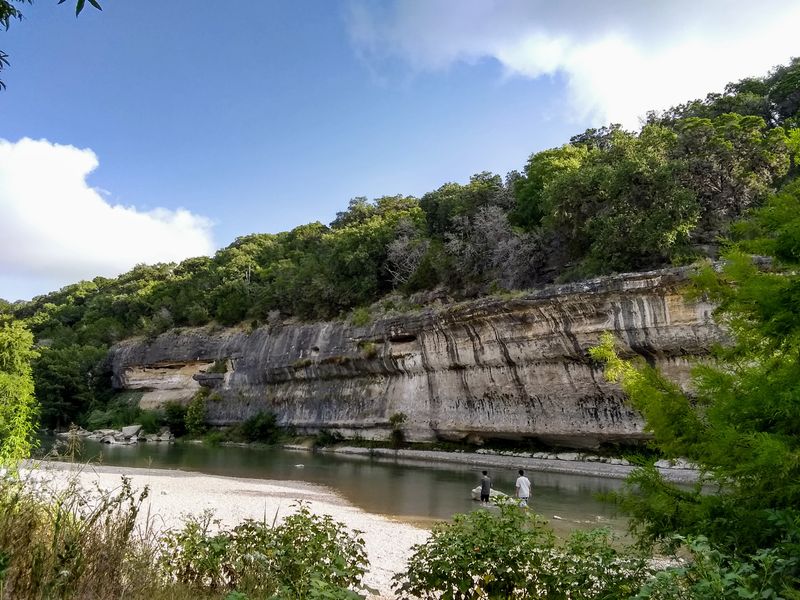
Picture this: you’re floating down the river, hoping to enjoy the scenery, but instead you’re bumping into other tubes every few seconds, navigating a human traffic jam that stretches as far as you can see.
Overcrowding on the Guadalupe has reached levels that make the experience less about nature and more about crowd management.
Popular sections near Gruene and the Horseshoe Loop can feel like a conveyor belt of bodies, with little room to breathe, let alone relax.
The sheer density of people changes the character of the float. Instead of drifting peacefully, you’re constantly adjusting your position, avoiding collisions, and dealing with the chaos of hundreds of tubes converging at narrow points or shallow areas.
The sense of adventure and exploration is replaced by a need to simply survive the crush. Locals who remember when you could float for miles without seeing another soul find the current conditions unbearable.
Safety becomes a concern too. With so many people in the water, it’s harder for outfitters and emergency responders to monitor conditions and assist those who need help.
Accidents, though rare, become more likely when the river is packed. The experience that once felt like a hidden gem now feels more like a theme park ride, complete with lines, crowds, and the stress that comes with them.
The Can Ban and Regulation Battles
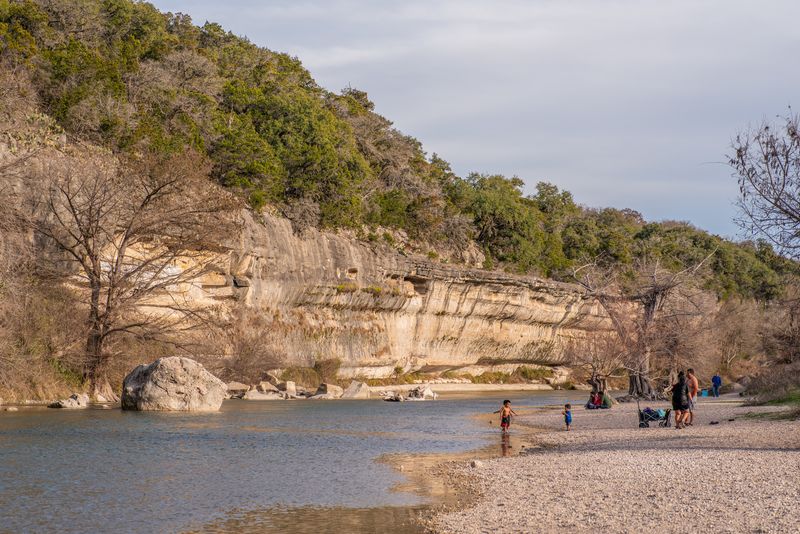
In an attempt to curb some of the worst behaviors, local authorities implemented a can ban on certain sections of the river, prohibiting glass and disposable containers to reduce litter and injuries.
The rule requires tubers to use reusable containers, which sounds reasonable but has sparked controversy and pushback.
Some visitors complain that it’s inconvenient, while others simply ignore the ban, leading to enforcement challenges and fines. The regulations also extend to noise limits, littering penalties, and rules about where you can access the river.
Locals appreciate the intent behind these rules, but many feel they don’t go far enough. The can ban helps with litter, but it doesn’t address the core issue of overcrowding or the impact on the river’s ecosystem.
Some residents have called for more drastic measures, like limiting the number of tubes allowed per day, requiring permits, or creating designated quiet zones. These ideas face resistance from the tourism industry, which relies heavily on the summer crowds for revenue.
The tension between preservation and profit is real. New Braunfels benefits economically from the influx of visitors, with hotels, restaurants, and outfitters thriving during the busy months.
But at what cost? The debate continues, with locals, business owners, and officials trying to find a balance that protects the river while keeping the economy healthy.
So far, no solution has satisfied everyone.
Impact on Local Businesses and Residents
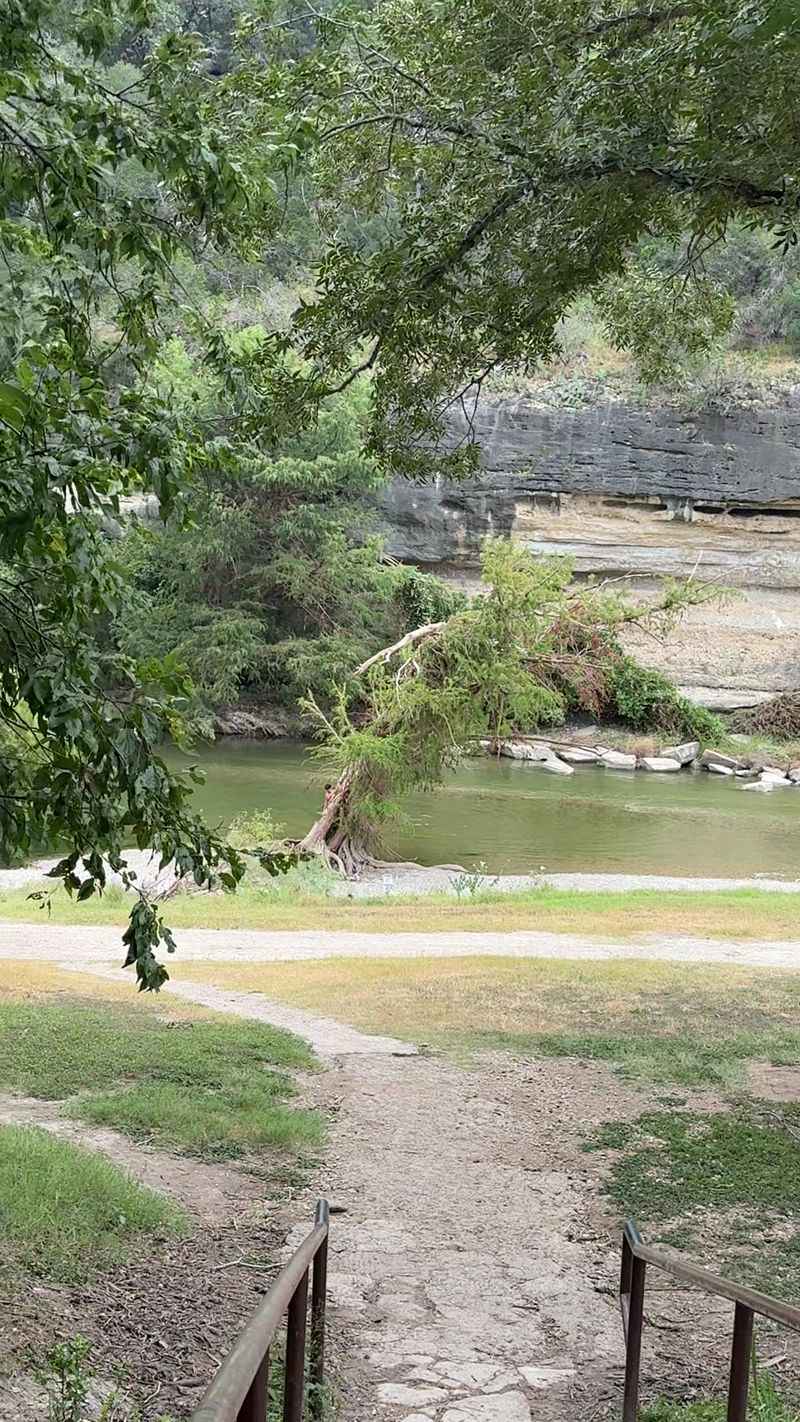
The tourist surge has a complicated relationship with the local community. On one hand, businesses thrive.
Tube rental shops, shuttle services, restaurants, and hotels see their busiest and most profitable months during the summer. Jobs are created, tax revenue flows in, and the town’s profile as a destination rises.
For business owners, the crowds are a blessing, even if they come with headaches. On the other hand, residents who aren’t in the tourism industry often feel like collateral damage.
Grocery stores become crowded, wait times at restaurants stretch to hours, and simple errands become frustrating. Housing costs have risen as short-term rentals proliferate, pricing out some long-time residents.
The character of neighborhoods changes when homes are turned into party houses for weekend renters. Noise complaints spike, and the sense of community that once defined New Braunfels feels diluted by the transient nature of the summer population.
Some locals have moved away, seeking quieter towns where they don’t have to share their home with thousands of strangers every summer. Others have adapted, learning to avoid certain areas during peak times or even joining the tourism industry themselves.
The divide between those who benefit from the crowds and those who suffer from them is a defining tension in New Braunfels, and it’s unlikely to be resolved anytime soon.
Hidden Spots and Off-Season Magic
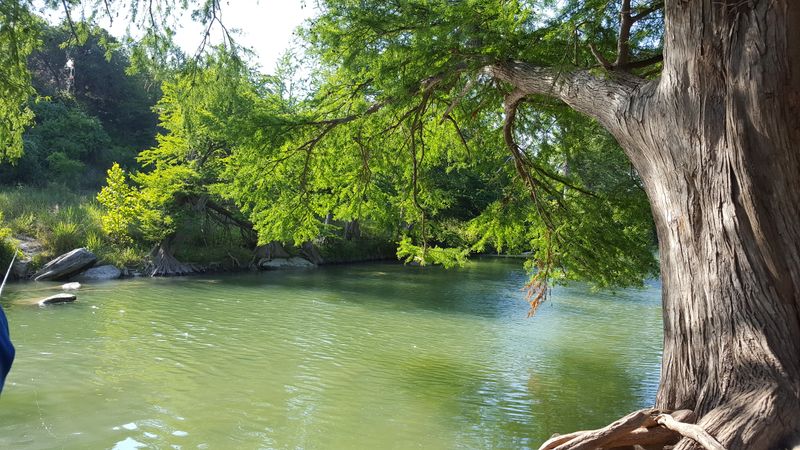
Despite the chaos, the Guadalupe River still holds magic for those willing to seek it out. Locals know the secret spots, the stretches upstream or downstream from the main tubing zones where the crowds thin out and the river reveals its true character.
These hidden gems require a bit more effort to reach, often involving longer hikes or less convenient access points, but the reward is worth it. Clear water, quiet banks, and the feeling of having the river to yourself make the extra effort worthwhile.
Even better, the off-season transforms the Guadalupe back into the peaceful sanctuary it once was year-round. Fall, winter, and early spring bring cooler temperatures that deter the masses, but the river remains beautiful.
The water is still cold and clear, the scenery just as stunning, and the absence of crowds allows for a deeper connection with nature. Anglers return to fish for Guadalupe bass, kayakers enjoy uninterrupted paddles, and hikers explore the trails without the summer noise.
For those who want to experience the Guadalupe without contributing to the problem, visiting during the off-season or exploring less-known sections is the key. You’ll see why locals fell in love with this river in the first place and understand the frustration when that experience is lost to the summer invasion.
The river is still there, waiting, just beyond the crowds.
Respecting the River and Finding Balance
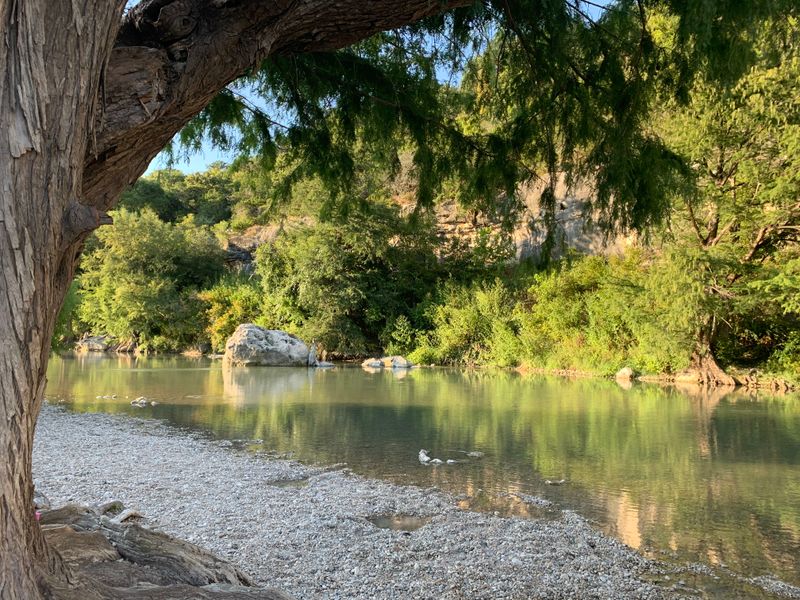
So, what’s the solution? How do we preserve the Guadalupe while still allowing people to enjoy it?
The answer lies in respect, education, and balance. Visitors need to understand that they’re guests in a living ecosystem and a community that calls this place home.
Packing out trash, keeping noise levels reasonable, following regulations, and respecting private property are basic courtesies that go a long way. Choosing less crowded times or exploring alternative sections reduces the strain on the most popular spots.
Locals, for their part, need to recognize that tourism is part of the economic fabric of the region and that many people genuinely love and appreciate the river. Finding ways to coexist, whether through better infrastructure, clearer communication, or community-led initiatives, can help ease tensions.
Outfitters and the city can continue to innovate with shuttles, waste management, and education programs that encourage responsible recreation.
Ultimately, the Guadalupe River is a shared treasure, and its future depends on everyone doing their part. If you visit, do so with intention and care.
Leave it better than you found it, respect the people who live there, and savor the experience without taking it for granted. The river has given so much joy to so many; the least we can do is protect it for generations to come.
Pack your sense of adventure, but also pack your respect.
Dear Reader: This page may contain affiliate links which may earn a commission if you click through and make a purchase. Our independent journalism is not influenced by any advertiser or commercial initiative unless it is clearly marked as sponsored content. As travel products change, please be sure to reconfirm all details and stay up to date with current events to ensure a safe and successful trip.
