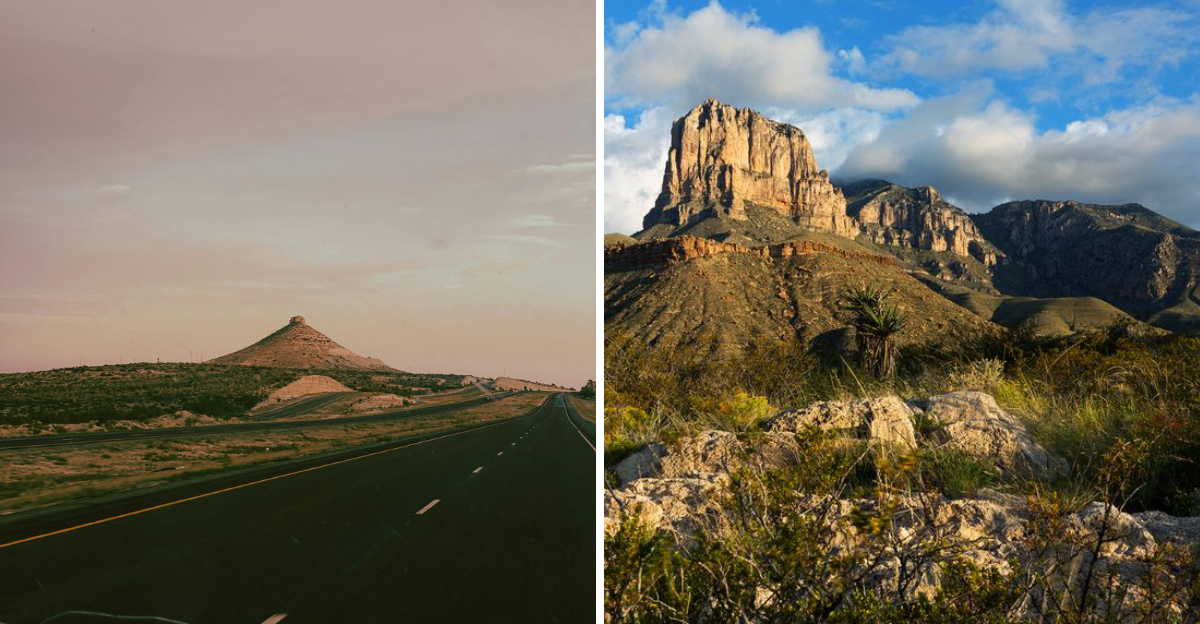
Texas stretches across nearly 270,000 square miles, making it one of the most geographically diverse states in America.
Driving from one end to the other can take more than twelve hours, and along the way, you will encounter deserts, forests, mountains, coastal plains, and rolling hills that each feel like a different world.
This incredible variety means that a single road trip through Texas can offer experiences that rival traveling through multiple states, with each region bringing its own unique culture, history, and natural beauty.
Whether you crave wide-open spaces, vibrant cities, quirky small towns, or stunning natural wonders, this journey will show you why Texas truly is like several states wrapped into one.
Big Bend National Park
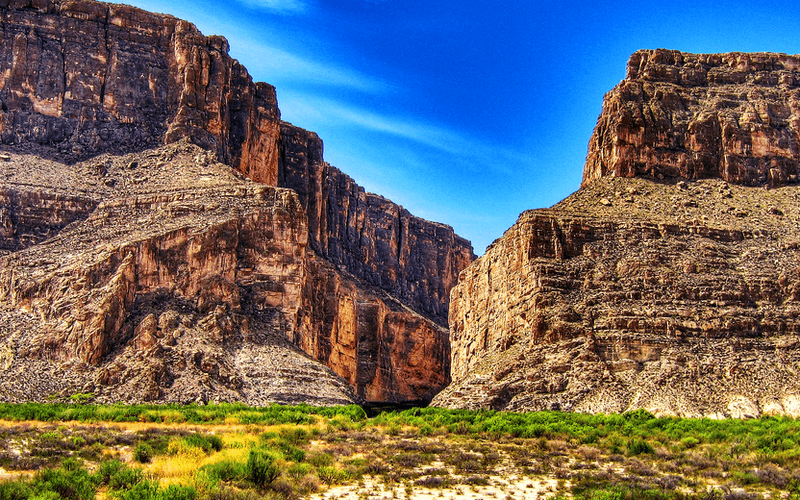
Rugged mountains rise dramatically from the Chihuahuan Desert floor, creating a landscape so otherworldly that it feels more like New Mexico or Arizona than Texas.
Big Bend National Park sits in the remote southwestern corner of the state, where the Rio Grande carves deep canyons through ancient rock formations.
The park covers over 800,000 acres of wilderness, offering endless opportunities for hiking, camping, stargazing, and wildlife watching.
Towering peaks like the Chisos Mountains provide cool relief from the desert heat, while the river valleys below teem with unique plants and animals found nowhere else in the country.
Driving through this vast expanse, you will pass through terrain that shifts from sandy flats to rocky slopes to lush riparian zones in a matter of miles.
The sunsets here paint the sky in shades of orange, pink, and purple, casting long shadows across the desert and making every evening feel like a painting come to life.
Because Big Bend is so far from major cities, the night sky remains incredibly dark, allowing millions of stars to shine brilliantly overhead.
Visitors often describe the park as a place where time slows down and the modern world feels a million miles away.
The remote location and challenging terrain make it a true adventure destination, perfect for those seeking solitude and natural beauty.
Every turn in the road reveals new vistas, from jagged cliffs to sweeping valleys, making this one of the most unforgettable stops on any Texas road trip.
Palo Duro Canyon State Park
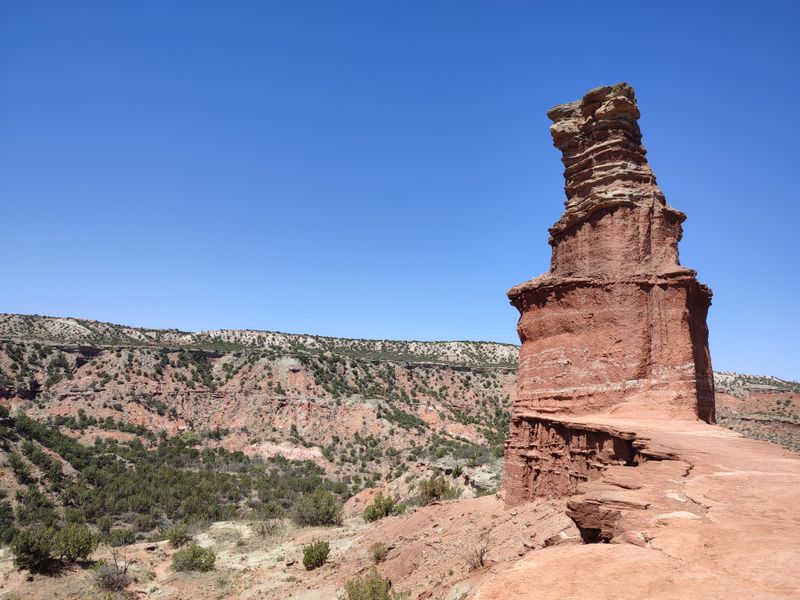
Often called the Grand Canyon of Texas, Palo Duro Canyon stretches 120 miles long and plunges 800 feet deep into the flat plains of the Panhandle.
The canyon’s layered rock walls display vibrant bands of red, orange, and yellow, creating a visual spectacle that rivals any southwestern landscape.
Formed over millions of years by the Prairie Dog Town Fork of the Red River, this geological wonder offers a stark contrast to the surrounding grasslands.
Hiking trails wind through the canyon floor, leading past towering rock formations like the iconic Lighthouse, a red sandstone spire that stands as a symbol of the park.
Mountain biking and horseback riding are popular ways to explore the rugged terrain, while scenic drives along the canyon rim provide breathtaking views without leaving your vehicle.
Wildlife such as roadrunners, mule deer, and wild turkeys roam freely throughout the park, adding to the sense of untamed wilderness.
The climate here can be extreme, with scorching summers and cold winters, but spring and fall bring mild temperatures perfect for outdoor exploration.
Camping under the stars in Palo Duro Canyon is an unforgettable experience, with the canyon walls glowing softly in the moonlight and coyotes calling in the distance.
The park also hosts an outdoor musical drama each summer, celebrating the history and culture of the Texas Panhandle with live performances in a natural amphitheater.
Standing at the edge of this vast canyon, you will feel transported to the deserts of Utah or Arizona, making it a must-see destination on your Texas journey.
Caddo Lake State Park
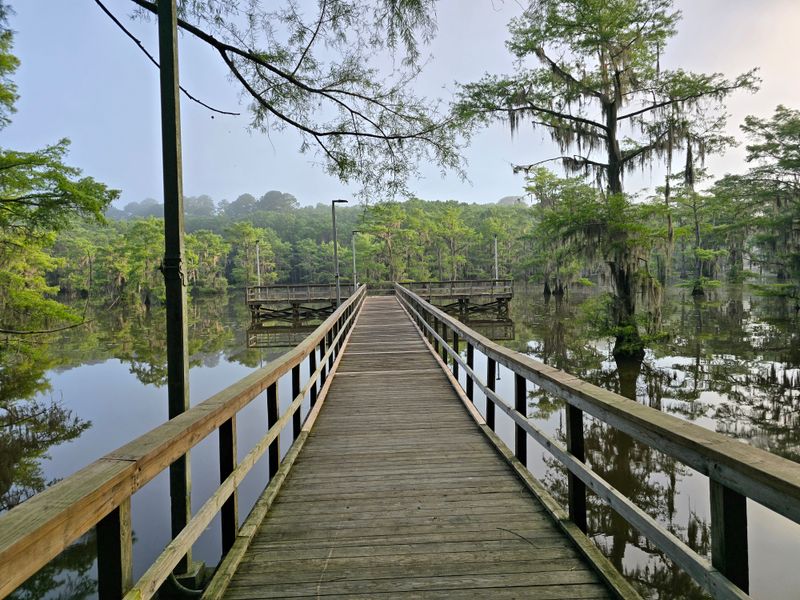
Moss-draped cypress trees rise from dark, mysterious waters, creating a landscape that feels more like Louisiana bayou country than the Lone Star State.
Caddo Lake straddles the border between Texas and Louisiana, offering a unique ecosystem filled with winding waterways, floating vegetation, and abundant wildlife.
This is the only naturally formed lake in Texas, created by a massive logjam on the Red River centuries ago.
Paddling through the maze of channels and sloughs, you will encounter towering cypress trees with gnarled roots that twist and turn beneath the surface.
Spanish moss hangs from the branches, swaying gently in the breeze and adding to the otherworldly atmosphere.
Alligators, turtles, herons, and egrets call this wetland home, making it a paradise for nature lovers and photographers.
The stillness of the water and the dense canopy overhead create a sense of timelessness, as if you have stepped back into an ancient world untouched by modern life.
Fishing is a popular activity here, with the lake teeming with bass, catfish, and crappie.
Boat tours and kayak rentals are available for those who want to explore deeper into the labyrinth of waterways.
Hiking trails wind through the surrounding pine and hardwood forests, offering glimpses of the diverse plant and animal life that thrives in this humid, subtropical environment.
Visiting Caddo Lake feels like crossing into another state entirely, with its lush greenery and Southern charm providing a sharp contrast to the arid landscapes of West Texas.
Guadalupe Mountains National Park
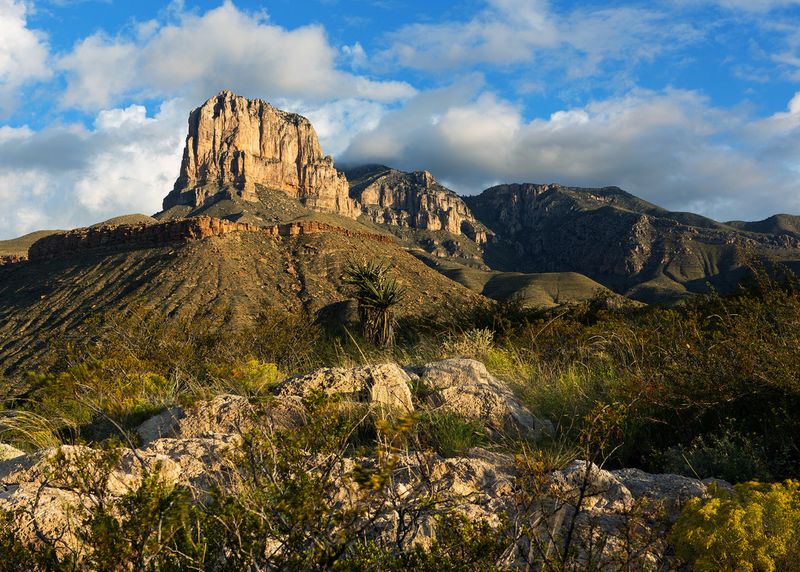
Jagged limestone peaks soar above the desert floor, creating a mountain range so dramatic that it rivals the Rockies in both beauty and ruggedness.
Guadalupe Mountains National Park protects the highest point in Texas, Guadalupe Peak, which rises 8,751 feet above sea level.
The park sits in far West Texas, near the New Mexico border, and offers some of the best hiking and backcountry camping in the state.
Ancient fossilized reefs from a long-vanished ocean form the backbone of these mountains, telling a geological story that spans millions of years.
Trails range from easy nature walks to strenuous climbs that challenge even experienced hikers.
McKittrick Canyon is famous for its fall foliage, a rare sight in Texas, where maples and oaks turn brilliant shades of red and gold each autumn.
The stark beauty of the desert surrounding the mountains adds to the sense of isolation and adventure.
Wildlife such as mountain lions, elk, and black bears roam the remote wilderness, though sightings are rare due to the vast size of the park.
The weather can change rapidly, with cool mountain breezes giving way to hot desert winds in a matter of hours.
Camping in the backcountry allows visitors to experience true solitude, with no cell service or modern conveniences to distract from the natural beauty.
Standing atop Guadalupe Peak and gazing out over the endless desert stretching toward the horizon, you will feel as though you have conquered a mountain in Colorado or Montana, not Texas.
Texas Hill Country

Rolling hills blanketed in wildflowers stretch as far as the eye can see, creating a pastoral landscape that feels more like the countryside of Tuscany than the heart of Texas.
The Texas Hill Country, centered around towns like Fredericksburg and Wimberley, offers a charming blend of natural beauty, German heritage, and small-town hospitality.
Spring brings an explosion of bluebonnets, Indian paintbrushes, and other wildflowers that carpet the hillsides in vibrant colors.
Winding country roads lead past vineyards, lavender farms, and historic stone buildings that reflect the area’s German immigrant roots.
The Pedernales River and other clear-flowing streams provide opportunities for swimming, tubing, and fishing in pristine natural settings.
Charming bed-and-breakfasts and cozy cabins dot the landscape, offering peaceful retreats from the hustle and bustle of city life.
Local wineries and breweries invite visitors to sample regional wines and craft beers while enjoying sweeping views of the hills.
The climate here is milder than in other parts of Texas, with cooler temperatures and more rainfall supporting lush vegetation and diverse wildlife.
Historic towns like Luckenbach and Gruene celebrate Texas music and culture with live performances and festivals throughout the year.
Driving through the Hill Country, especially during wildflower season, feels like traveling through a European countryside, with picturesque vistas around every bend in the road.
The combination of natural beauty, cultural richness, and laid-back atmosphere makes this region a favorite destination for both Texans and visitors from around the world.
South Padre Island
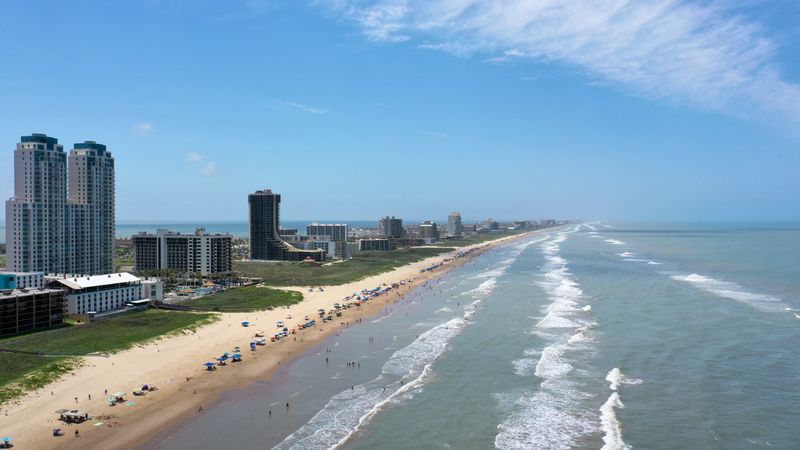
White sandy beaches stretch for miles along the turquoise waters of the Gulf of Mexico, creating a tropical paradise that rivals the coasts of Florida or California.
South Padre Island sits at the southern tip of Texas, separated from the mainland by the Laguna Madre, one of only a few hypersaline lagoons in the world.
The island’s warm climate and gentle waves make it a popular destination for beachgoers, surfers, and families seeking sun and relaxation.
Dolphin watching tours and fishing charters depart daily from the island’s marinas, offering close encounters with marine life in their natural habitat.
The nearby Laguna Atascosa National Wildlife Refuge protects critical habitat for endangered species like the ocelot and Kemp’s ridley sea turtle.
Water sports such as kiteboarding, paddleboarding, and jet skiing are popular activities, taking advantage of the consistent winds and calm waters.
The island’s vibrant nightlife and dining scene offer fresh seafood, live music, and a festive atmosphere that attracts visitors year-round.
During spring break, the island transforms into a bustling party destination, but quieter times of year provide a more laid-back, family-friendly experience.
Sunrise over the Gulf of Mexico paints the sky in brilliant shades of pink and gold, while evening strolls along the beach offer peaceful moments under the stars.
The island’s tropical feel, complete with palm trees swaying in the breeze and warm ocean breezes, makes it easy to forget you are still in Texas.
Whether you seek adventure or relaxation, South Padre Island delivers a coastal experience that rivals any beach destination in the country.
Marfa
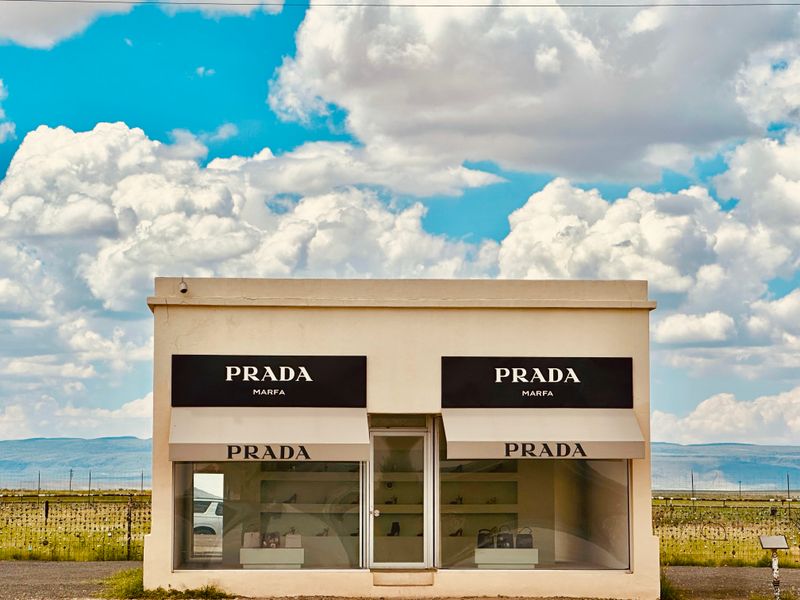
A tiny desert town in the middle of nowhere has somehow become one of the most culturally significant art destinations in the world.
Marfa sits in the high desert of West Texas, surrounded by vast open spaces and distant mountains that create a sense of infinite possibility.
The town gained fame in the 1970s when minimalist artist Donald Judd established large-scale art installations in repurposed military buildings.
Today, galleries, museums, and outdoor sculptures dot the landscape, attracting art lovers and curious travelers from around the globe.
The mysterious Marfa Lights, unexplained glowing orbs that appear in the desert at night, add an element of intrigue and wonder to the area.
Despite its remote location, Marfa boasts trendy boutique hotels, upscale restaurants, and a vibrant creative community that gives the town a cosmopolitan feel.
The stark beauty of the surrounding desert provides endless opportunities for photography, hiking, and stargazing.
Prada Marfa, a permanent art installation resembling a luxury boutique in the middle of the desert, has become an iconic roadside attraction.
The town’s blend of high art, quirky culture, and rugged frontier spirit creates an atmosphere unlike anywhere else in Texas or the country.
Visiting Marfa feels like stepping into a different dimension, where the boundaries between art, nature, and everyday life blur in fascinating ways.
The isolation and beauty of the landscape, combined with the town’s unexpected cultural richness, make Marfa a destination that challenges expectations and leaves a lasting impression on all who visit.
Piney Woods of East Texas
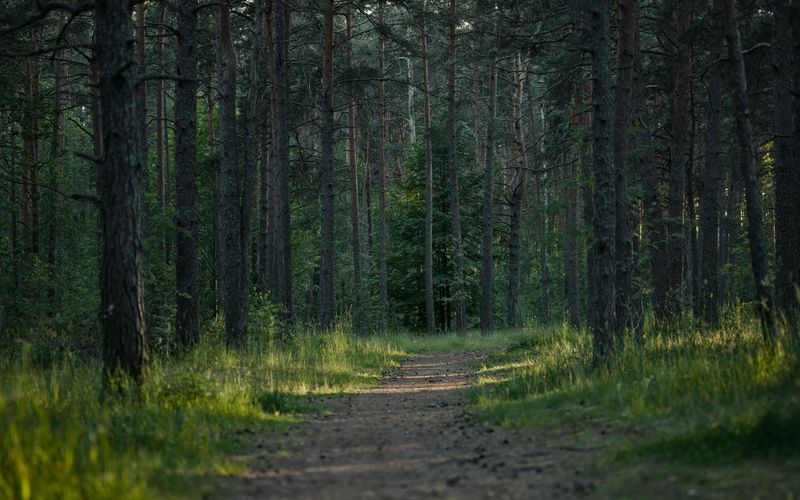
Dense forests of towering pines stretch across the landscape, creating a woodland environment that feels more like the Deep South than the wide-open prairies of Texas.
The Piney Woods region covers the eastern portion of the state, where higher rainfall and humidity support lush vegetation and diverse ecosystems.
National forests like the Davy Crockett, Sam Houston, Angelina, and Sabine preserve vast tracts of wilderness for hiking, camping, and wildlife viewing.
Crystal-clear streams and rivers wind through the forests, offering excellent opportunities for canoeing, kayaking, and fishing.
Small towns scattered throughout the region retain a slower pace of life, with historic downtowns, local diners, and friendly residents who embody Southern hospitality.
The Big Thicket National Preserve, often called the biological crossroads of North America, protects an incredible diversity of plant and animal species in a variety of habitats.
Fall brings cooler temperatures and changing leaves, creating a seasonal spectacle rare in other parts of Texas.
The forests provide critical habitat for black bears, red-cockaded woodpeckers, and other species that thrive in the humid, forested environment.
Scenic drives through the Piney Woods reveal charming covered bridges, historic sawmill towns, and endless miles of green canopy overhead.
The region’s natural beauty and peaceful atmosphere offer a refreshing contrast to the arid landscapes of West Texas and the bustling cities of the central corridor.
Exploring the Piney Woods feels like traveling through Arkansas, Louisiana, or Mississippi, reminding visitors that Texas contains multitudes within its borders.
Dear Reader: This page may contain affiliate links which may earn a commission if you click through and make a purchase. Our independent journalism is not influenced by any advertiser or commercial initiative unless it is clearly marked as sponsored content. As travel products change, please be sure to reconfirm all details and stay up to date with current events to ensure a safe and successful trip.
